MIT Department of Aeronautics & Astronautics | September 2022


Announcements

Welcome back (or welcome to) AeroAstro! The Roundup is a monthly e-newsletter to keep students, faculty, and staff up-to-date on research, community news, and important events and happenings around the department and MIT. If you'd like to include news items in next month's issue, submit them to aa-communications@mit.edu!

The AeroAstro Communication Lab, a peer-coaching program to support students (graduate and undergraduate) and postdocs with their technical/research communication needs, officially launched earlier this month. 

Did you participate in a summer fellowship program? If so, we'd love to help you share your experience! Please fill out this form with a bit of information about your summer.

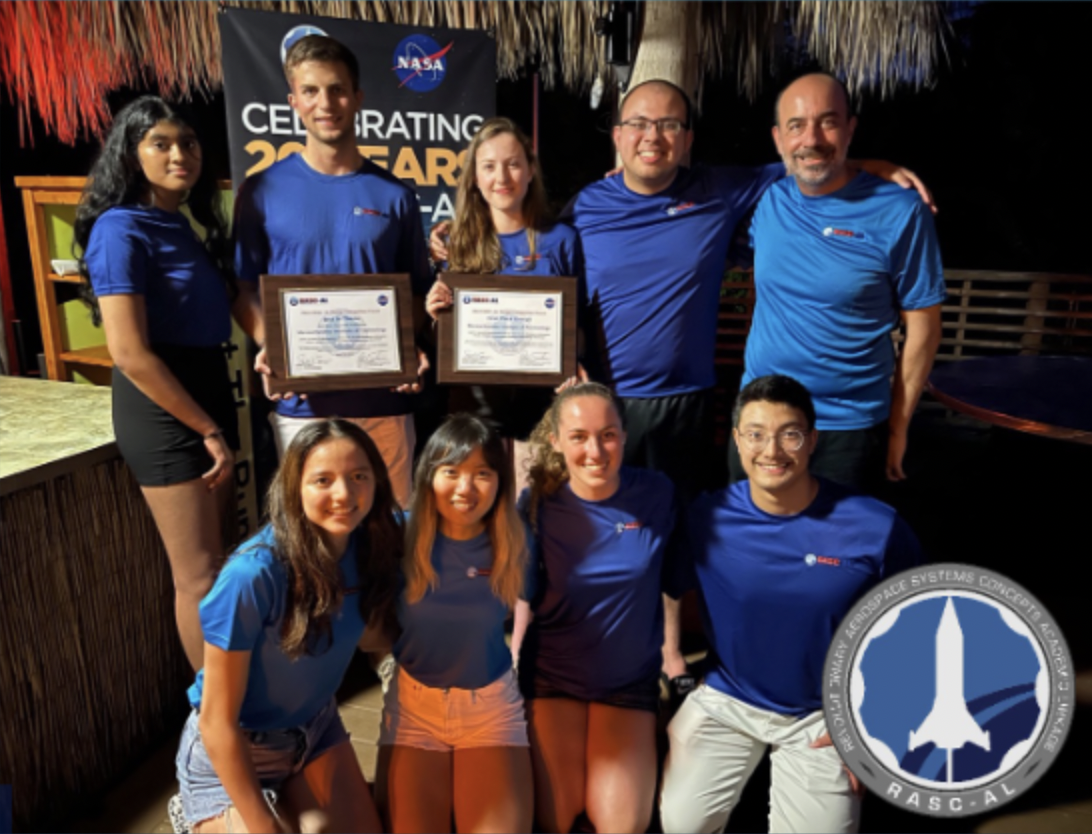
The Space Resources Workshop will kick-off their 2022-2023 NASA Challenges Build and Design teams next week. This year's challenge themes are Homesteading Mars and Lunar Forge. Undergraduate and Graduate students from all departments are welcome to join! If you missed the informational event earlier this month, fill out this Google form to find a team.

Registration for the Certificate in Aerospace Innovation is open until October 7th. This year's first seminar speaker will be Forrest Meyen, Co-Founder and CSO at Lunar Outpost. The talk, “Bootstrapping to the Moon: How a bold startup snagged two rides to the Moon and rewrote the space," will be given by Forrest Meyen, co-founder and CSO of Lunar Outpost on September 22nd at 5 p.m. in room 35 - 225. If you prefer to join via Zoom, please use this link.

News & Honors
  • Wesley Harris has been elected vice president of the National Academy of Engineering, a group representing the world's most accomplished engineers.


  • Chloé Gentgen (SM '22) has been selected as one of Aviation Week's Twenty 20s. This honor goes to the twenty most promising aerospace students and professionals worldwide who are emerging aerospace leaders. Chloé will continue her education in AeroAstro working on her PhD.


  • Manwei Chan, Skylar Eiskowitz, Cadence Payne, and Jack Reid were selected as 2022 Future Space Leader Fellows. The Fellowship provides grants to travel to the International Astronautical Congress.


  • Nancy Leveson spoke in the Purdue University Engineering Distinguished Lecture Series. Leveson also gave the keynote addresses at the Penn State University Workshop on Safety and Autonomous Vehicles, and at the City University of Hong Kong Tech Forum on Reliability and Safety of Intelligent Systems.


  • Carmen Guerra-Garcia delivered a keynote address, "A Gas Discharge Physics Perspective to Lightning Protection of Aircraft", at the International Conference on Lightning and Static Electricity (ICOLSE) 2022 that took place last week in Madrid. Garcia was joined by two students who also traveled to present at the conference. Undergraduate student Claire Johnson presented on experimental investigation of precipitation-static dischargers in wind, and graduate student Sam Austin presented on computational zoning of unconventional aircraft.


  • Kevin Wang won the 2022 Anna Valicek medal with his paper "Airline Dynamic Offer Creation using a Markov Chain Choice Model", MIT's first win since 2015. The Anna Valicek medal is the top prize in airline operations research awarded by AGIFORS, for research in areas like airline scheduling, revenue management, airport planning and air traffic control. Since its inception in 2004, MIT students have received a total of six winning silver medals and two runner-up bronze medals.

Research
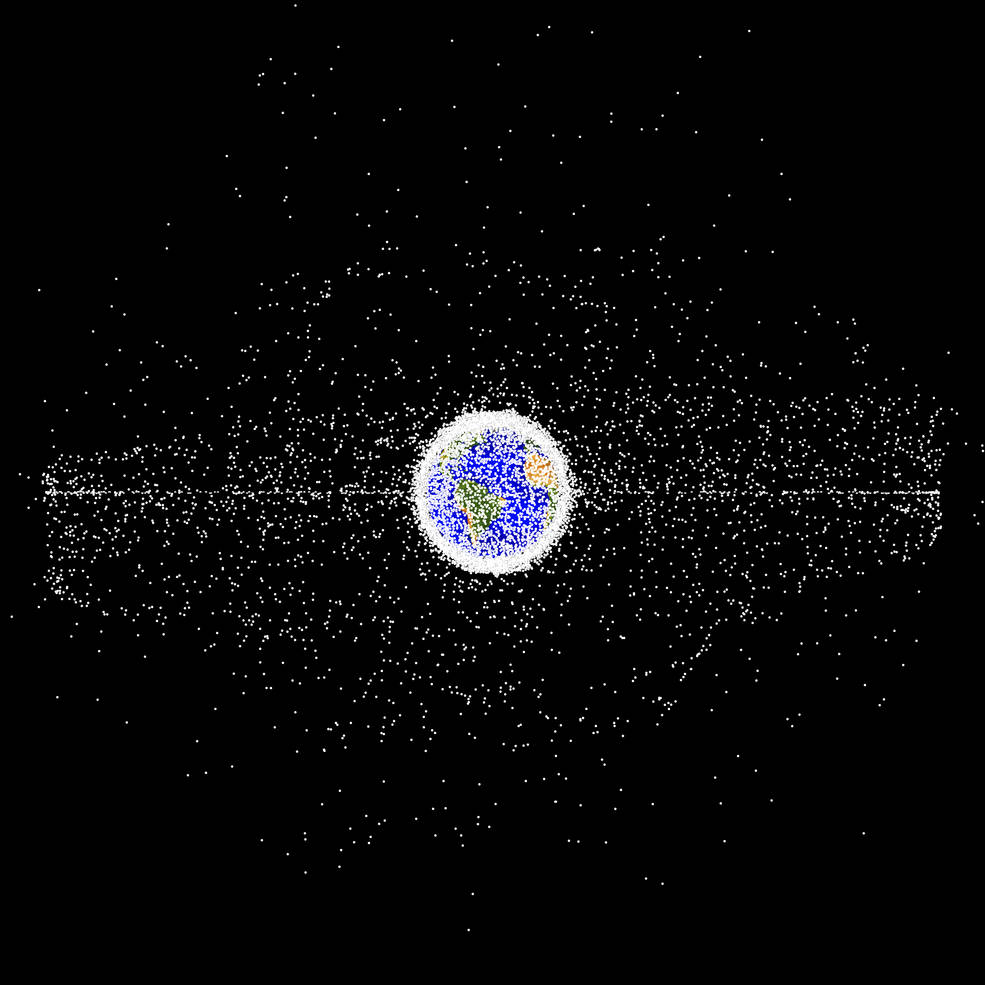
Digital image of Earth in space. Lots of white dots, representing space waste, surround the planet. The dots get denser closer to Earth.

NASA has chosen to fund a research proposal, "Adaptive Space Governance and Decision-Support using Source-Sink Evolutionary Environmental Models," submitted by Richard Linares, Danielle Wood, and future MLK Visiting Fellow Moriba Jah as part of their efforts to address orbital debris. Photo courtesy of NASA.

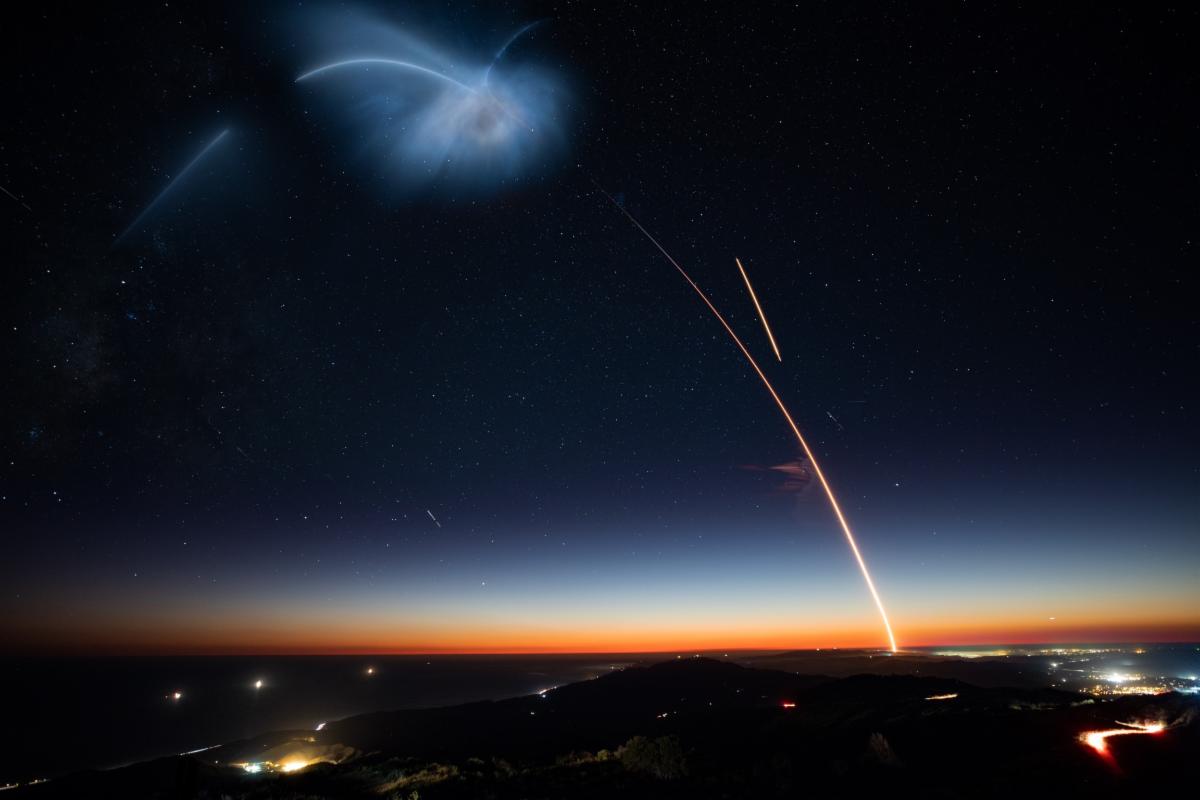
Olivier de Weck, Elwyn Sirieyes, Chloé Gentgen, Asha Jain, and Julia Milton

"Space sustainability isn’t just about space debris: On the atmospheric impact of space launches"

Science Policy Review, Volume III, August 2022


Throughout their life cycle, space launch vehicles impact their local and global environments on Earth and in space. Given the space industry’s projected growth, recent literature suggests that the atmospheric consequences of these activities are understudied and insufficiently addressed. Rockets uniquely emit combustion gases and particles into distinct layers of the atmosphere, inducing effects that include perturbations of ozone chemistry and of Earth’s energy balance through radiative forcing. International environmental regulations do not presently address rocket emissions and only scarce, isolated policies exist at the national level. Additional research on the impact of space launches, including new in situ measurements coupled with global atmospheric models, is required to inform policymaking and future mitigation. The development of an actionable and collaborative sustainability index for launch vehicles could serve as a basis for future regulations or incentivize the sector towards more sustainable designs by making emissions reduction a competitive advantage.

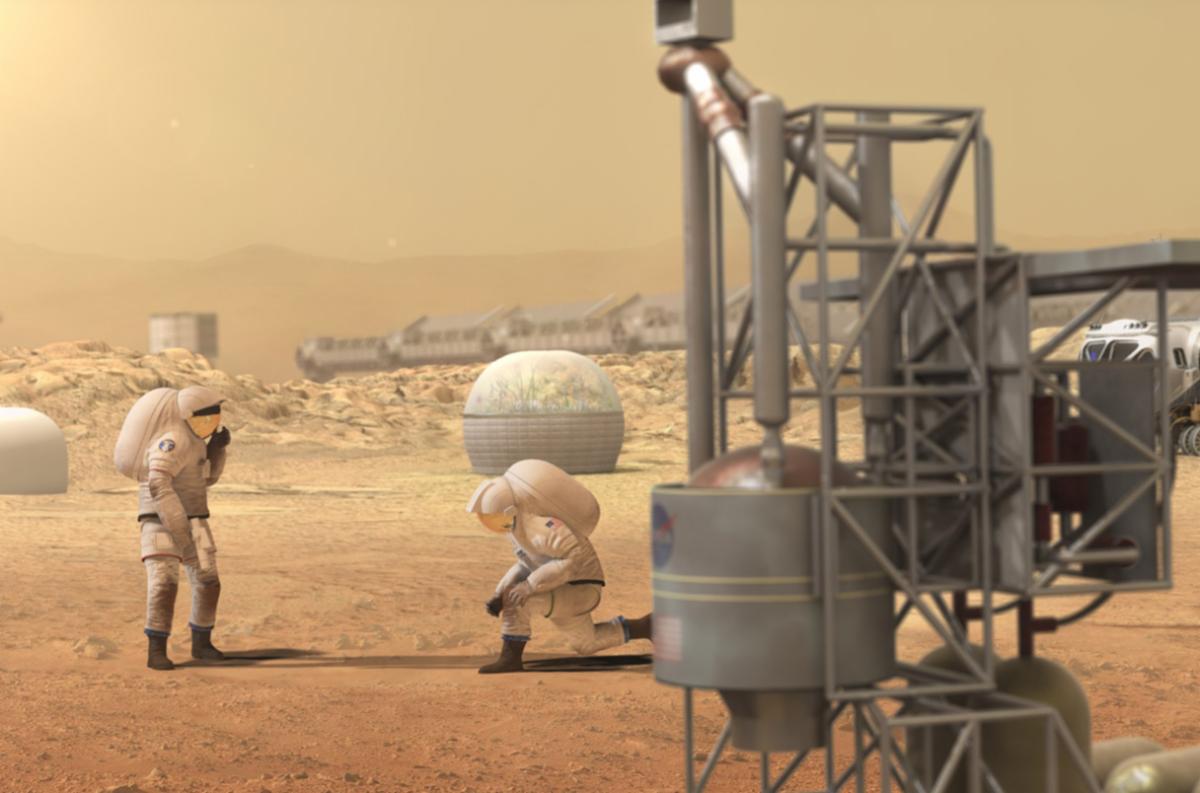
Digital image of two astronauts, one standing and one kneeling on Mars. In the background, red hills and a grey train. Large metal scaffolding in the right foreground.

Carmen Guerra-Garcia co-authored an article, "Plasmas for in situ resource utilization on Mars: Fuels, life support, and agriculture," that is published in the Journal of Applied Physics. The research presents a way to address the important space exploration concept of in situ resource utilization (ISRU) on Mars—how to harness and process local resources to generate products. A story on the research also appears in Science Magazine. Photo courtesy of NASA.

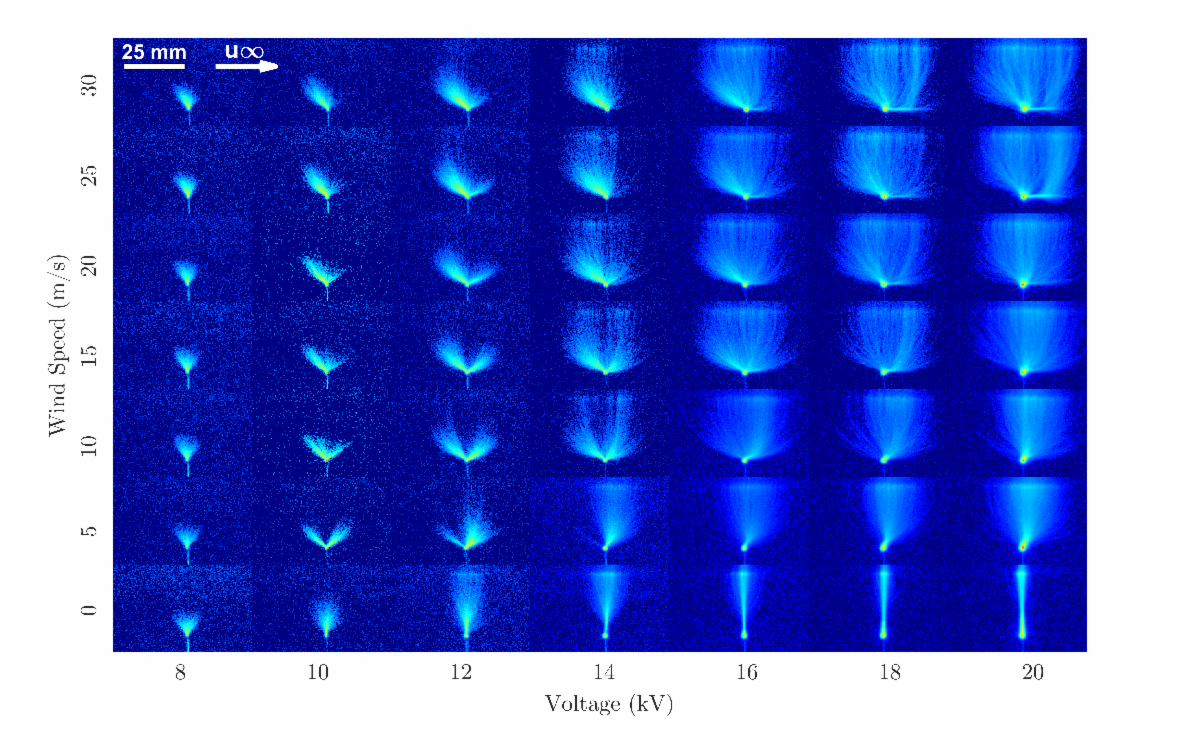
Digital graph of wind speed versus voltage. Wind speed (m/s) is on the y axis, and voltage (kV) is on the x axis.

Ben Martell, Lee Strobel, and Carmen Guerra-Garcia

"DC-driven positive streamer coronas in airflow"

Plasma Sources Science and Technology, Volume 31 Number 8, August 2022


Streamers in wind are of relevance in atmospheric electricity studies (e.g., electrostatic discharge from wind turbine blades) and can also have implications for plasma reactors. 

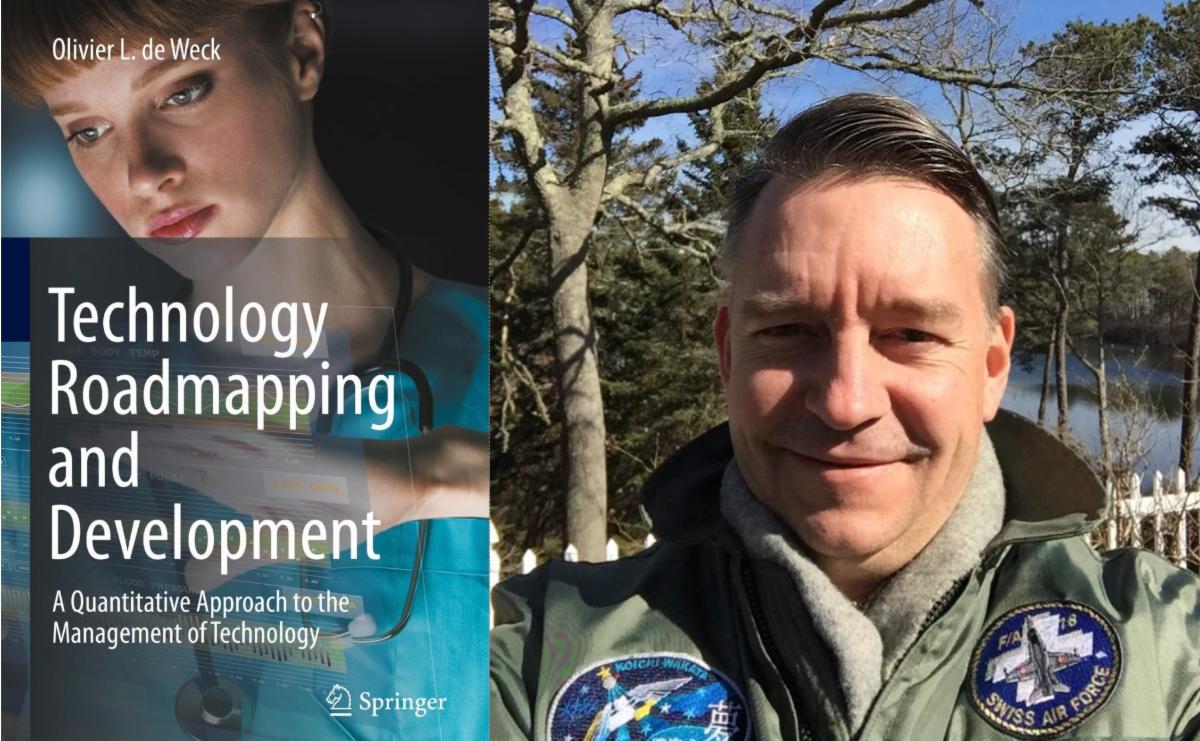
Olivier de Weck officially launched his new textbook, Technology Roadmapping and Development, on September 16th. De Weck presents a new framework for managing complex portfolios of technologies using quantitative models and figures of merit.

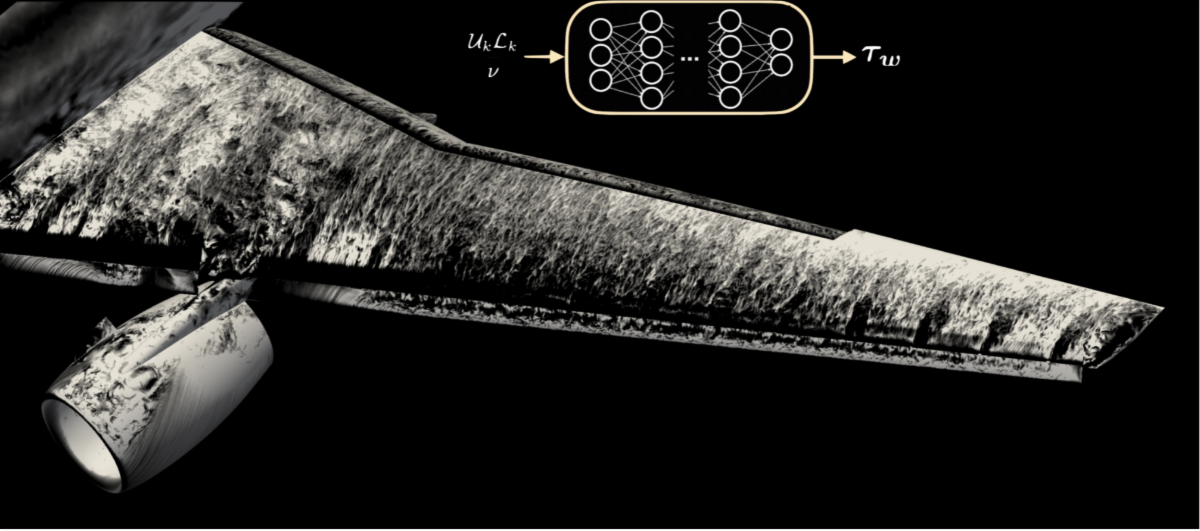
Adrián Lozano-Durán was invited to give a seminar on Machine Learning for Turbulence and Modeling at the CTR Summer Program


Abstract:

In this tutorial, we offer an overview of different machine learning (ML) methodologies for turbulence modeling. The main focus is on RANS and LES but other reduced-order models are also discussed. First, the distinction between models and methods is highlighted. The different ML approaches are introduced according to three classifications: i) the level of modeling form of closure terms, ii) machine learning methodology and, iii) the neural network architecture. A selected number of works are used to illustrate the ML approaches. Finally, we address the question: What can we do with machine-learning models for turbulence that we couldn’t do before?


Watch a video of his talk here

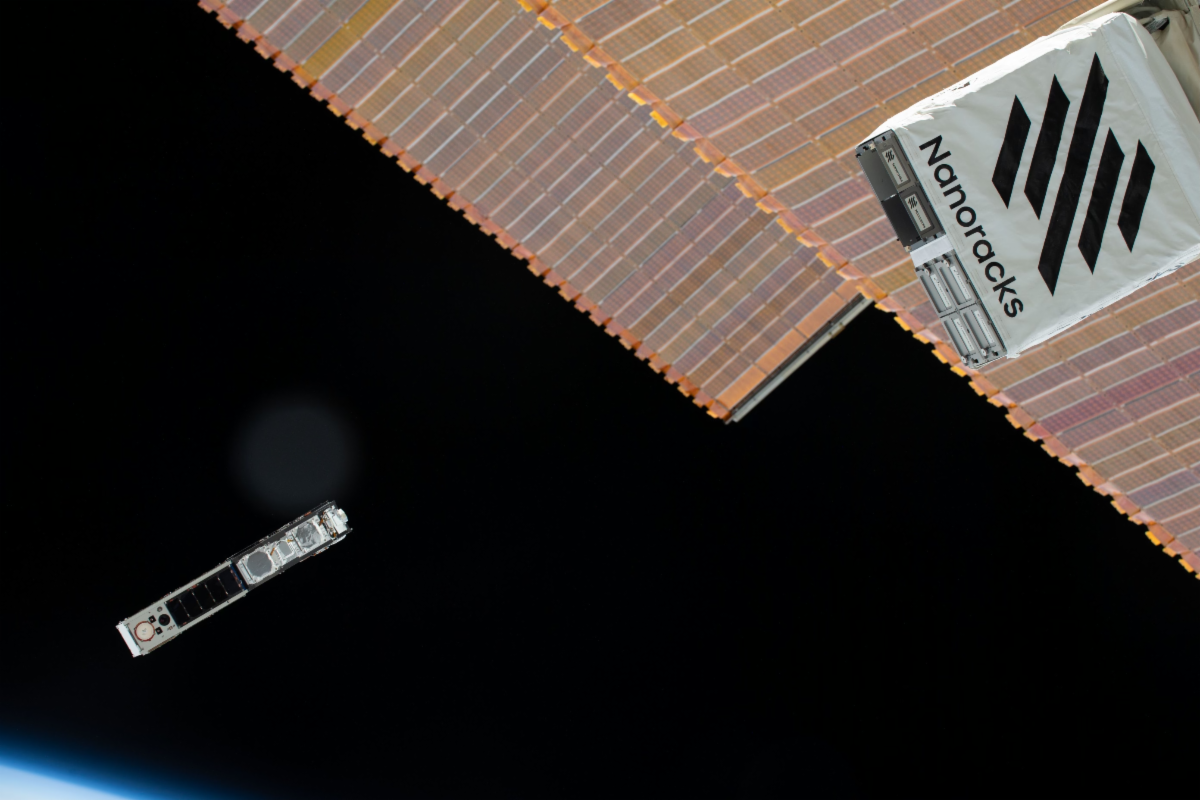
Two MIT-led satellite missions, BeaverCube and CLICK-A, were recently launched from the ISS!


BeaverCube uses multiple cameras in a 3U CubeSat to take color images of Earth’s oceans and detect the temperature of cloud tops and the ocean surface. Collected data can improve understanding of the concentration of phytoplankton, a significant factor in the generation of atmospheric oxygen and for Earth’s climate and weather systems. The investigation also demonstrates a new electric propulsion technology, Tiled Ionic Liquid Electrospray (TILE) 2 by Accion Systems Inc., to maneuver the satellite.


CLICK-A is the first of 2 missions designed to demonstrate communications capability between small spacecraft and their ability to gauge their distance and location. CLICK-A is a risk reduction mission that will test out elements of the optical (laser) communications with a single 3-unit (3U) spacecraft.

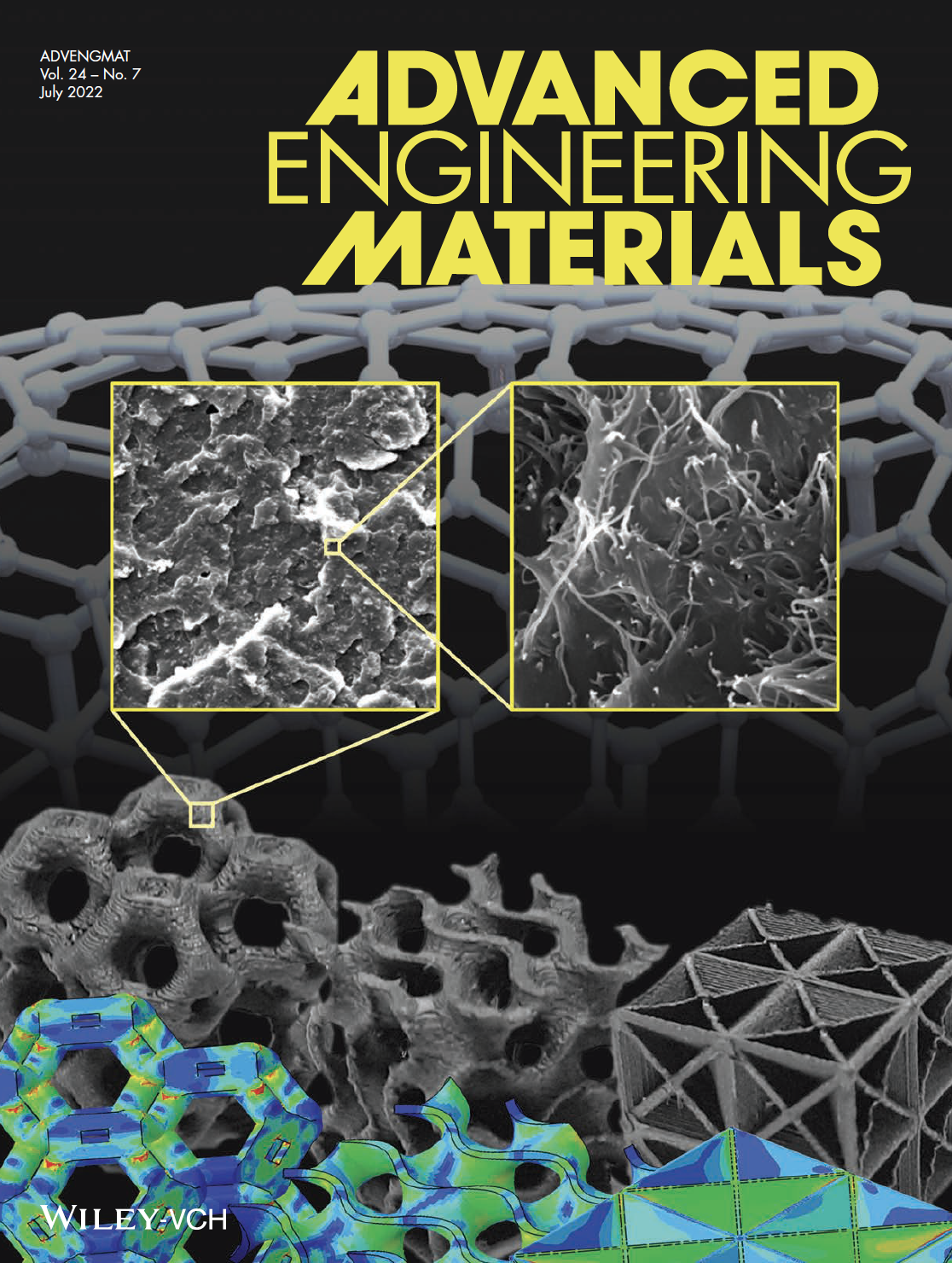
New work on additively manufactured (AM) self-sensing porous nanocomposite lattices, led by Brian Wardle’s collaborator Prof. Kumar Shanmugam (Univ. of Glasgow, UK), was featured on the cover of the journal Advanced Engineering Materials. Read the paper.

Dava Newman co-authored a paper, "Technology Readiness Levels for Machine Learning," that will be published in Nature Communications. The paper details a new technology readiness level framework for AI and Machine Learning that was created using Newman's Innovation framework, originally developed for NASA, as a foundation. 

Welcome back, students!

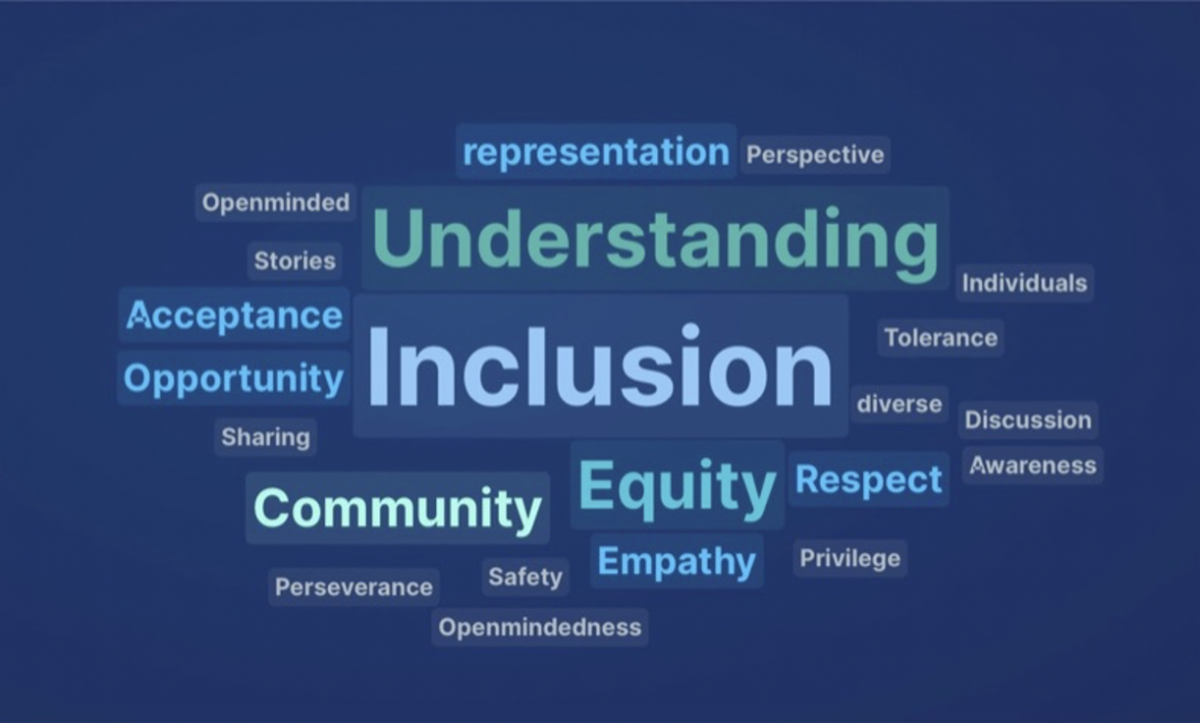
During the new graduate student orientation, Diversity Officer Denise Phillips posed a question to the audience: "what are two words that describe why diversity is important to you?" The audience submitted their responses, reflected in a word cloud above, via an online poll. Some of the most frequent responses included words like "inclusion, understanding, community, equity, respect, and acceptance."

Diversity, Equity, and Inclusion (DEI)

DEI Best Practices

Guiding the Way: Mentoring Graduate Students and Junior Faculty for Sustainable Academic Careers

Beronda L. Montgomery, Jualyanne E. Dodson, and Sonya M. Johnson 


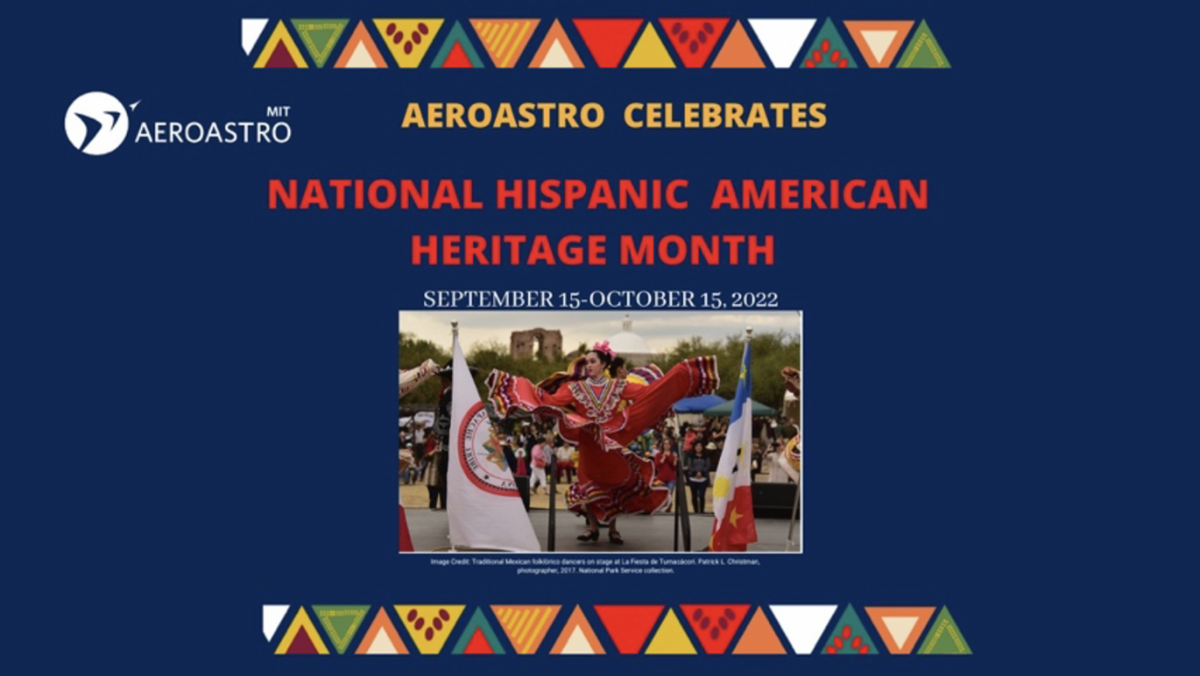
Celebrate National Hispanic American Heritage Month September 15 - October 15


Americans observe National Hispanic Heritage Month from September 15 to October 15 each year by celebrating the histories, cultures, and contributions of American citizens whose ancestors came from Spain, Mexico, the Caribbean and Central and South America.

Learn more about National Hispanic American Heritage Month

DEI Welcome Back Lunch

Thursday, Sept. 22nd

12:15 - 1:15 p.m.

Seamans Lounge


To mark the start of a new school year, Denise, our Diversity Officer, and the Department Diversity Fellows Annick and Bazyli will host a welcome back DEI lunch.


Stop by for as long or as short as your schedule allows to meet new faces in the Department and discuss potential DEI initiatives, actions, and events for the coming year.

DEI Annual Report


We are pleased to share the AY-22 DEI Annual Report developed by the AeroAstro DEI Committee. Please view the Annual Report, Implementation Plan, an updated DEI Strategic Plan, and additional initiatives at https://bit.ly/2XV kh1N .


Please note the options to provide your feedback on the Annual Report

1. Via email to aa-diversity@mit.edu

2. Online anonymous feedback https://bit.ly/3FYKU6c     


Thank you for championing the Diversity, Equity, and Inclusion, efforts in AeroAstro as we embark on our quest for DEI excellence.

Join the Diversity, Equity, and Inclusion Committee! 


The DEI Committee Chair, Kerri Cahoy, and Diversity Officer, Denise Phillips, invite you to participate in the Department’s Diversity, Equity, and Inclusion (DEI) Committee. This year’s DEI Chair is Kerri Cahoy, Associate Professor of Aeronautics and Astronautics, Co-director, Small Satellite Center, and Bisplinghoff Professor of Aeronautics and Astronautics.


The DEI Executive Committee thanks last year’s members for their insights, time, and energy in making AeroAstro a more inclusive place. If you’d like to remain on the committee, or if you’re interested in becoming a new member, please complete the Google interest form by 30 September 2022. To ensure represented and diverse voices and opinions at the meetings, the committee meetings are open to the entire AeroAstro community.


Your participation in the DEI Committee is voluntary; however, we ask for a time commitment of at least two hours a week for the 2022-2023 academic year for your engagement in diversity, equity, and inclusion initiatives in AeroAstro. For additional information, please get in touch with Denise Phillips at dap1@mit.edu. Please click the link to review AeroAstro DEI committee work.


Community Corner

The MIT AeroAstro Spot Award Recognition Program provides an opportunity for members of the community to express appreciation for a colleague, to recognize someone’s contribution or exceptional work, and to acknowledge the unexpected ways that support, administrative, technical, and research staff at MIT go beyond their assigned duties every day. These awards can be given during any point in the year by clicking here.


Spot Award Recipients:

Anthony Zolnik

Beata Shuster (x2)

Bryt Bradley (x2)

Chai Hong

Corrine Giordani

Denise Phillips (x2)

Fran Marrone

Hannah Ovaska

Jei Lee Freeman (x3)

Karen Bruce (x5)

Lindsay Petrarca (x2)

Mira Parsons

Pam Fradkin (x2)

Quentin Alexander

Robin Courchesne-Sato

Suxin Hu

Tamires Meireles

Todd Billings

Successful Thesis Defenders

Dr. Shun Zhang

"Three-dimensional Integral Boundary Layer Method for Viscous Aerodynamic Analysis"

July 5, 2022


Dr. Cody Karcher

"An Optimization Centered Approach to Multifidelity Aircraft Design"

July 25, 2022


Dr. Zhiyi Wang

"Computational Modeling of Elastic and Transformation Incompatibility at Grain Boundaries in Shape Memory Materials"

July 27, 2022


Dr. Johannes Norheim

"Mathematical Formulations in Conceptual Design, Analysis, and Optimization"

July 29, 2022


Dr. Theodore Mouratidis

 "Low Temperature Solder Demountable Joints for Non-Insulated, High Temperature Superconducting Fusion Magnets"

August 2, 2022


Dr. Christian Haughwout

"Small Satellite Closed Ecosystems as Enabling Platforms for Low-Cost In-Space Biological Research"

August 11, 2022


Dr. Xinzhe Fu

"Learning-NUM: Utility Maximization in Stochastic Queueing Networks"

September 1, 2022


Did you successfully defend your graduate thesis? Send a photo to aa-communications@mit.edu to be featured as one of our Successful Defenders!

Quoted

"It’s what explorers have done since time immemorial. Find out what resources are available where you’re going to and find out how to use them.”


Jeffery Hoffman 

speaking to the Washington Post about the MOXIE project.

News & Publications
Below are a few highlights of AeroAstro media coverage:

Jeffery Hoffman

NASA's toaster-sized device can make oxygen on Mars

The Washington Post


Perseverance’s MOXIE tool turns Martian air into pure oxygen

Popular Science


Device that turns carbon dioxide into oxygen could help colonize Mars

Newsweek


Dava Newman

NASA's return to the moon is delayed again after scrub because of fuel leak

Los Angeles Times


Paulo Lozano

NASA's Artemis moon rocket launch will open new chapter in space exploration, MIT expert says

CBS News


Olivier de Weck

What is a Technology Roadmap, and Why Should Companies Create One?

Assembly Magazine


Joy Dunn '08

Bridging careers in aerospace manufacturing and fusion energy with a focus on intentional inclusion

MIT News


John Hansman

Boeing, MIT Announce Decarbonized Aerospace Research Partnership

Industry Week


When will we have jetpacks?

Popular Science


Chuck Oman

Why We Get Motion Sick, and How to Stop It

New York Times


Cybersickness Could Spell an Early Death for the Metaverse

The Daily Beast


Richard Linares, Danielle Wood, & Moriba Jah

ORBITS Act: What to know about Congress’ effort to clean up space debris

Fast Company


Alan Epstein

Planemakers step up hydrogen tests in push to clean aviation

Financial Times


Highlights
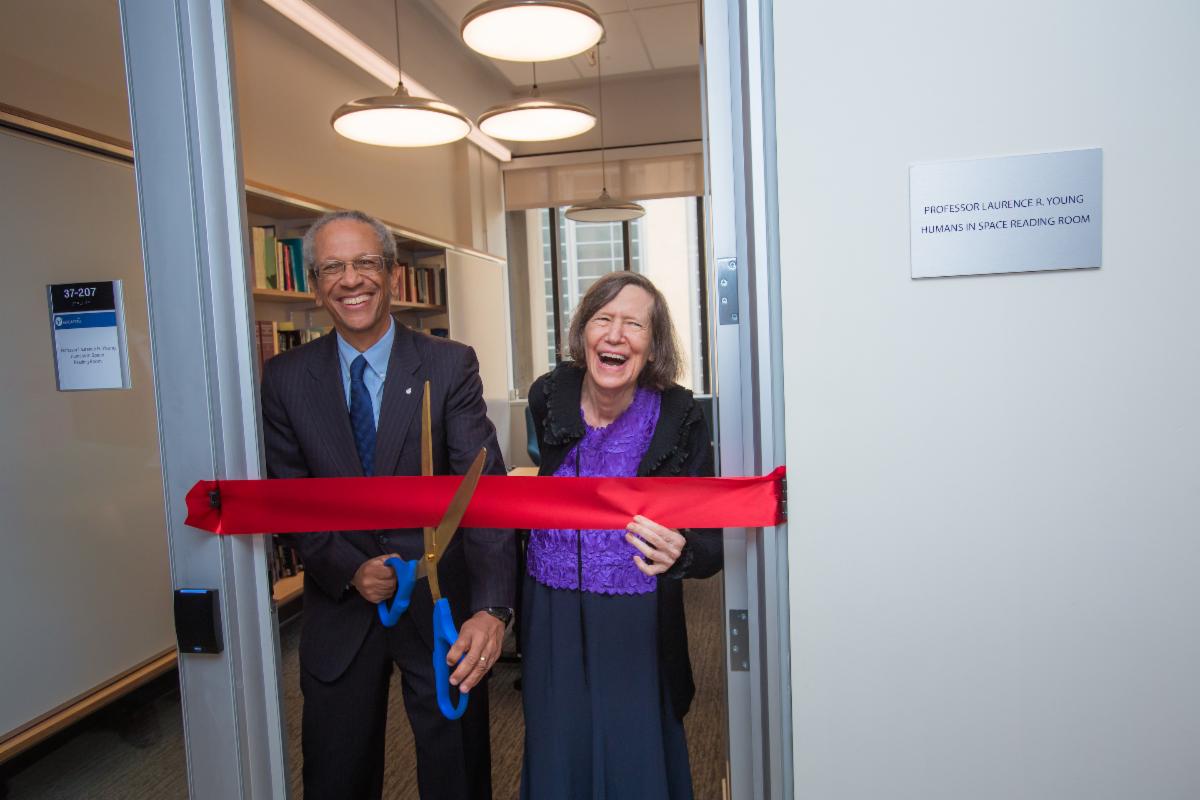
A photo of Daniel Hastings and Vicki Young standing in the doorway of the Laurence Young Humans in Space Reading Room. A large red ribbon stretches across the door frame in front of them. Dan holds scissors, about to cut through the ribbon.

On Sept. 12, faculty, staff, friends, and family gathered in the MIT Chapel for a Memorial Service in remembrance of professors John Dugundji, Paul Lagacé, and Larry Young. Speakers included Dan Hastings, Raul Radovitzky, Brian Wardle, Jean Sofronas, John DiFava, Ping Lee, David Robertson, Dava Newman, Andrew Liu, and Jeffery Hoffman. The service was following by a luncheon and the ribbon-cutting ceremony for the new Laurence R. Young Humans in Space Reading Room in Building 37. View more photos from the luncheon and ribbon cutting.

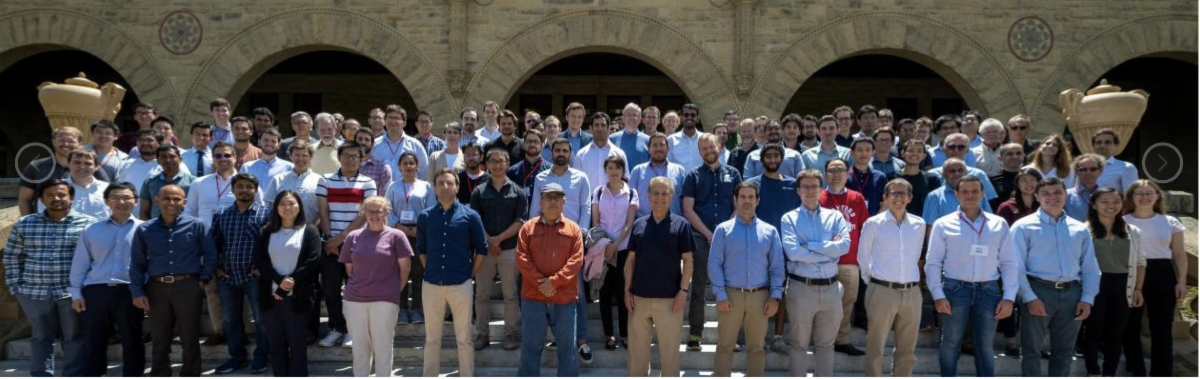
Adrián Lozano-Durán and students Yuenong Ling, Emily Williams, and Gonzalo Arranz attended the CTR Summer Program at Stanford University. The CTR Program seeks to develop and promote groundbreaking ideas in fluid mechanics with emphasis on turbulent flows. The group's project was titled "Wall-modeled LES based on information-preserving principles and building-block flows" and sought to devise high-fidelity numerical models to improve the predictive capabilities of Computational Fluid Dynamics for external aerodynamic applications.

On Wednesday, August 3, Danielle Wood and the Media Lab hosted local students and educators in person for the end of the five-week Zero Robotics summer program, sponsored by NASA, Aerospace Corporation, Aurora Flight Sciences, and the ISS National Laboratory. A highlight included a live connection with an astronaut on the ISS. Read more on the Media Lab website.

Kerri Cahoy and Danielle Wood were both recently guests on Neil deGrasse Tyson's podcast, StarTalk Radio. Cahoy spoke to deGrasse Tyson about small satellites on the September 13th episode "Satellite Showdown," while Wood was a guest on the August 16th episode, "Space Sustainability." Listen on any podcast app, or on the StarTalk website.

Richard Linares spoke with Emma Gatti, SpaceWatch.Global Senior Editor and Space Cafè Italy Host, and Akhil Rao, Assistant Economics Professor at Middlebury College, about economical and technological perspectives on space debris issues and traffic management on Space Café Radio. Listen on any podcast app, or on the Space Café website.

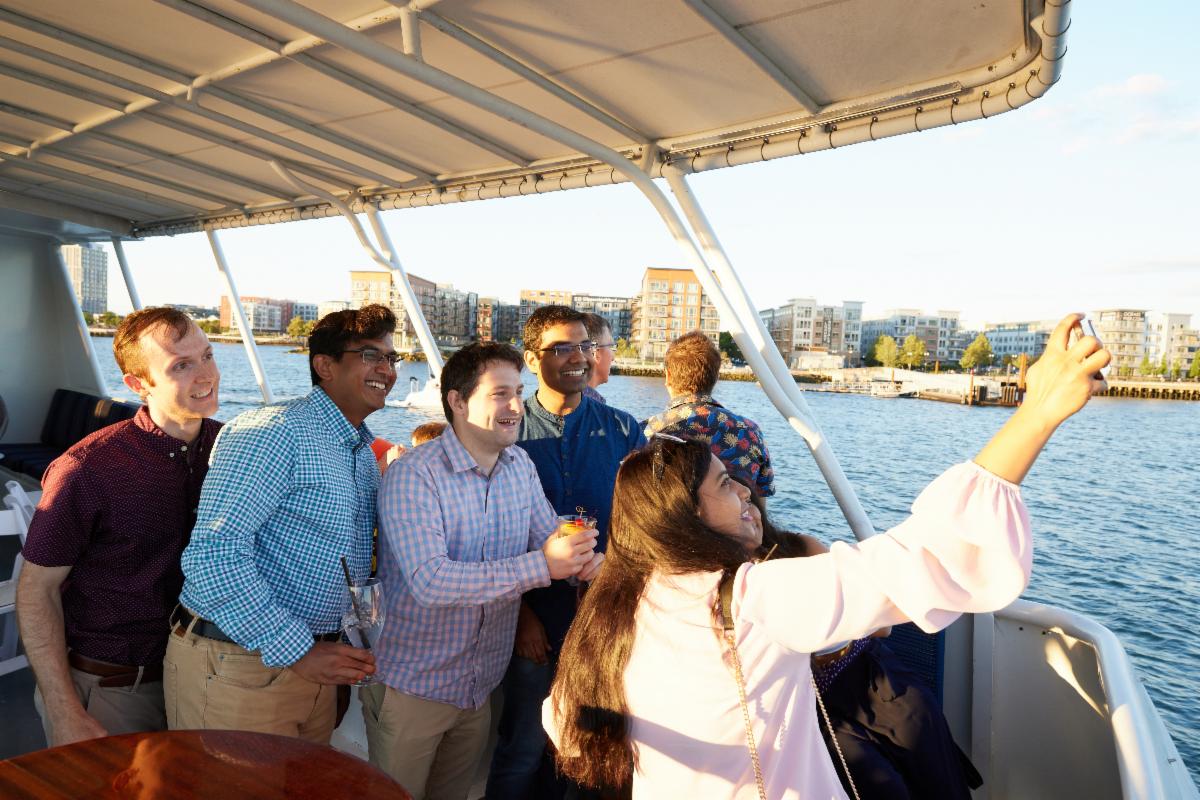
AeroAstro faculty, staff, and family enjoyed a dinner cruise around the Boston Harbor on Thursday, September 1st to celebrate the beginning of the new school year. View more photos here.

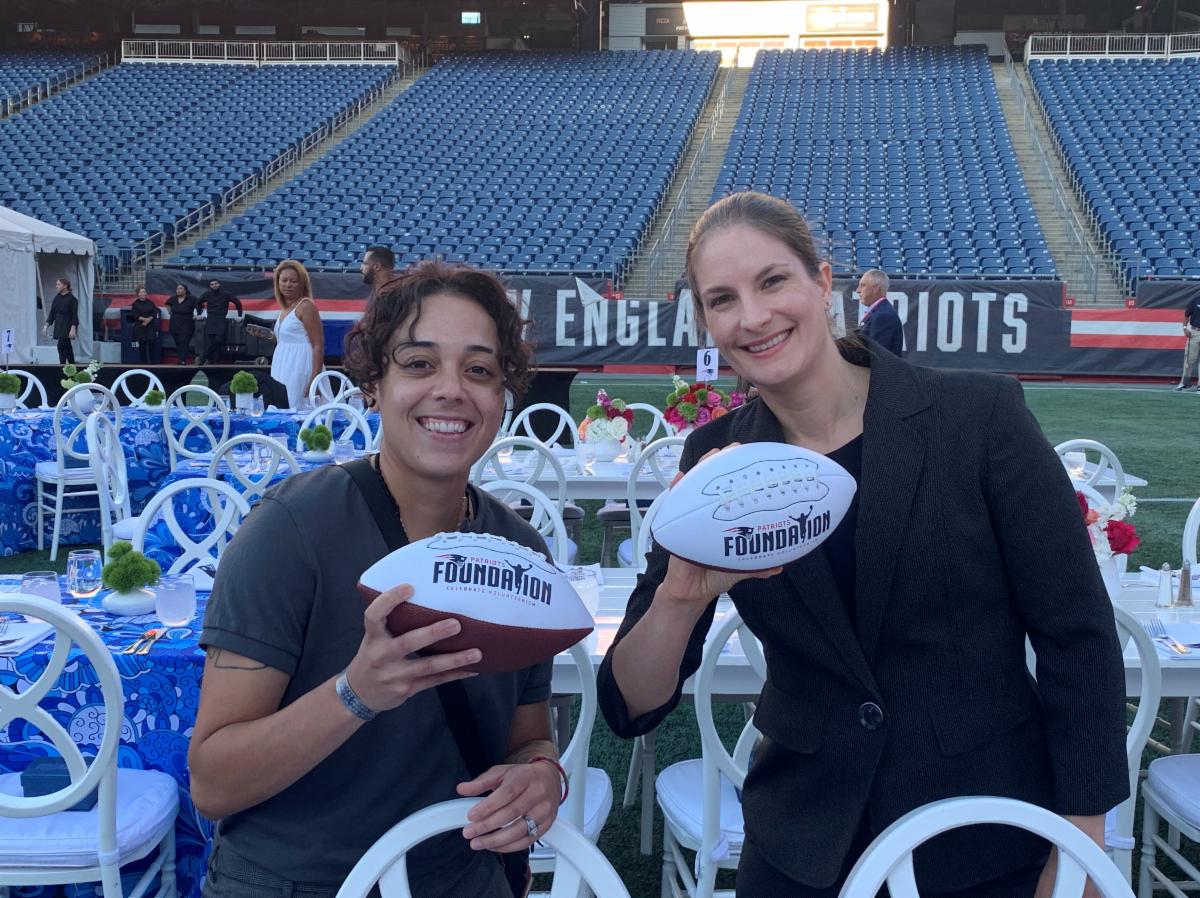
Pictured: Tracy Santos and Andrea Marie Henshall


Andrea Marie Henshall was invited by the Student Veterans of America (SVA) to represent them at the Patriots Premiere. Henshall is a retired Air Force special operations pilot. The Premiere is a chance for the Patriots Foundation to recognize “community heroes” and fundraise for efforts to give back to the community. Henshall and Tracy Santos, the president of the URI chapter of SVA, were guests of Raytheon Technologies, who have been staunch supporters of the SVA since its founding in 2008. 

Photo of 5 people taking a selfie on the top deck of a white boat. In the background, buildings reflect sunlight next to the water.

AeroAstro faculty, staff, and family enjoyed a dinner cruise around the Boston Harbor on Thursday, September 1st to celebrate the beginning of the new school year.

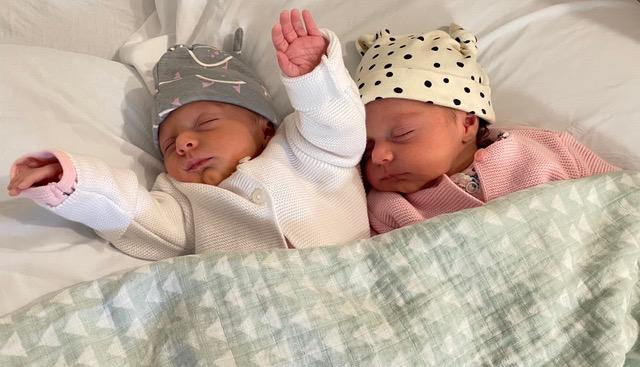
Luca Carlone and his spouse Marina are the proud parents to two, daughters, Luna and Aurora! Congratulations!

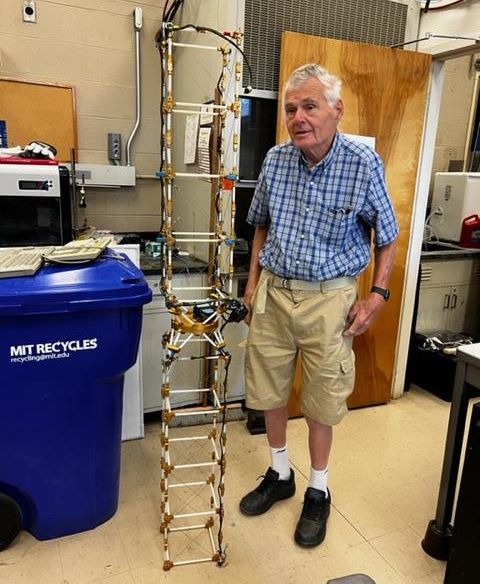
Pictured: Paul Bauer and the MODE Structural Test Article


MIT's MODE/MACE hardware will be featured as part of a new exhibit scheduled to open in 2024 at the Smithsonian National Air and Space Museum. 

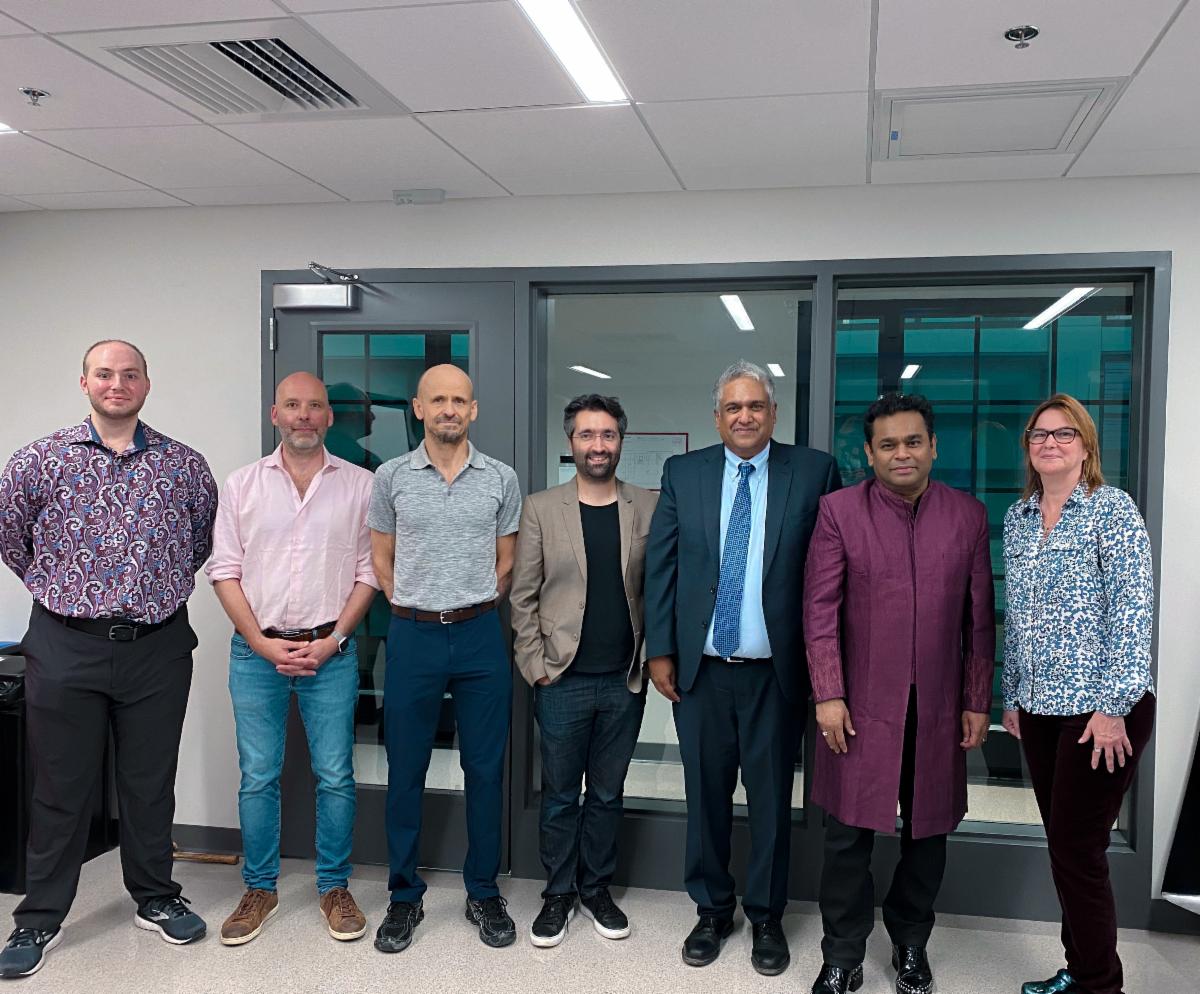
Composer A.R. Rahman visited MIT on August 26 and stopped by the Department to learn more about the work of Sertac Karaman and see the Wright Brothers Wind Tunnel. (Right to left: Josh Segall, Anthony Zolnik, Mark Drela, Sertac Karaman, Anantha Chandrakasan, A.R. Rahman, and Angie Belcher.

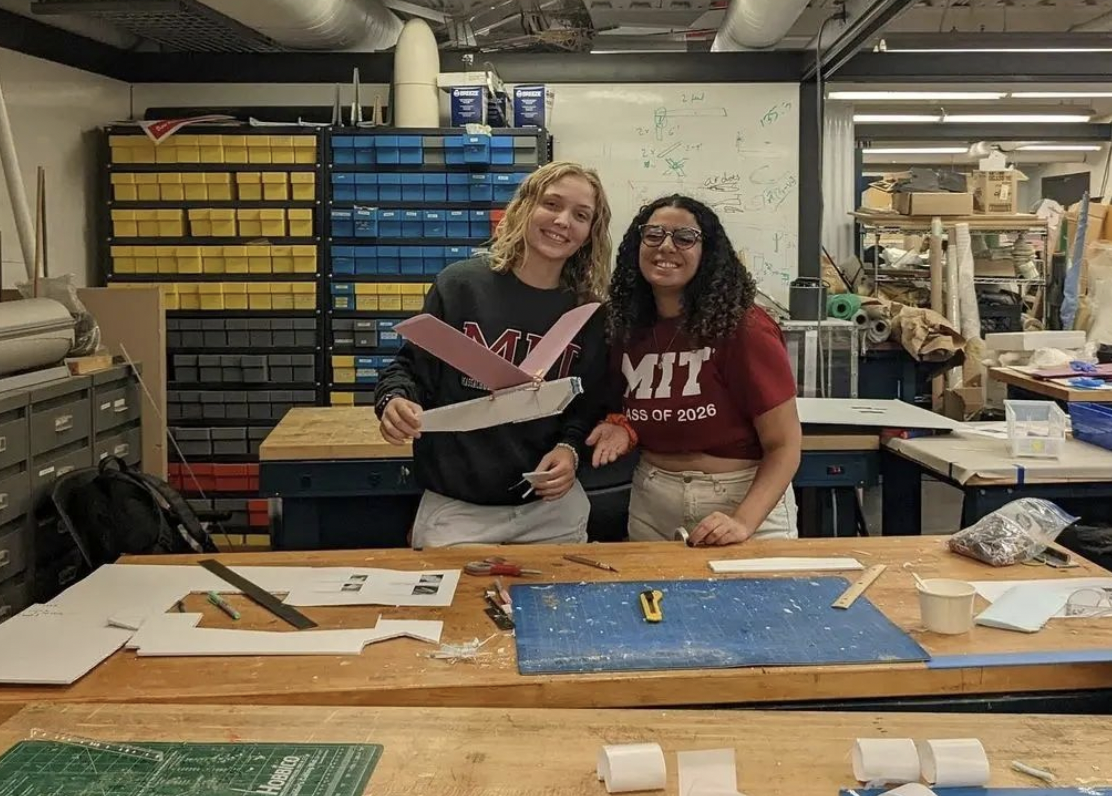
This weekend, MIT Design/Build/Fly new members worked on building more complex trainer planes that they’ll have a chance to fly soon! Meanwhile, returning members started conceptualizing the plane for competition.

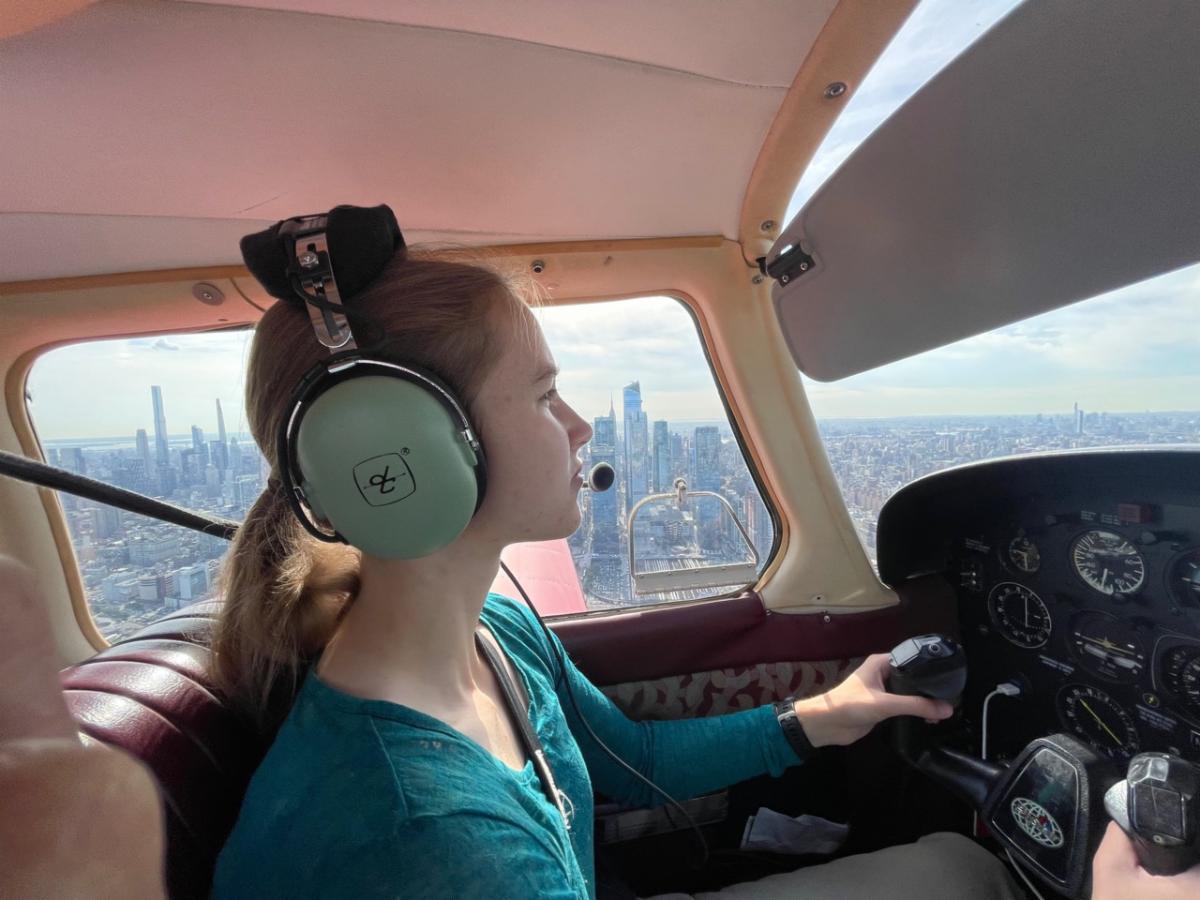
ICAT Graduate Student Rachel Price flying over the Hudson River in New York City on the way to a review meeting at the FAA Technical Center in Atlantic City NJ.

Do you have highlights to include in future editions of the

Monthly Roundup?

Send them to aa-communications@mit.edu.

Facebook  Twitter  Youtube  Instagram