|
|
THE UNIVERSE
Aftermath of Stellar Explosions
| | |
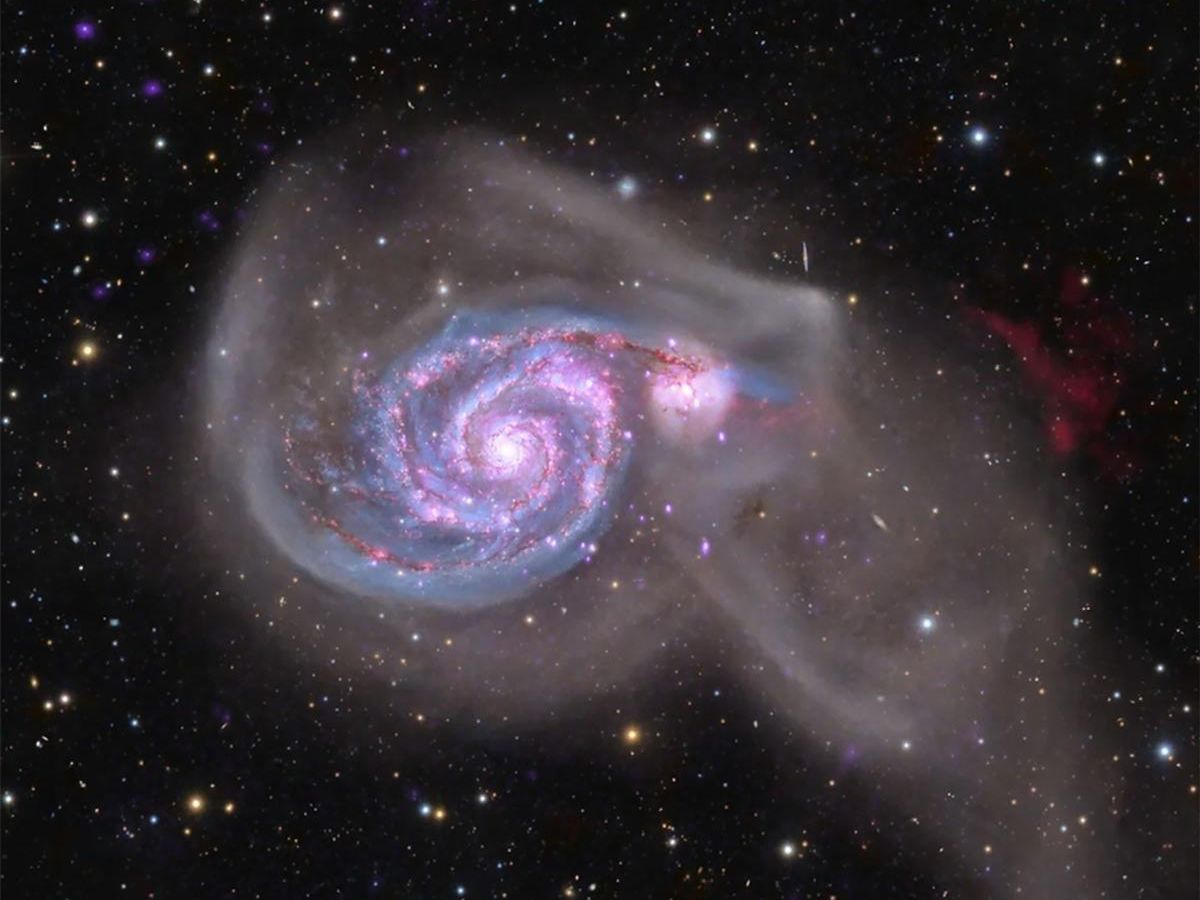
The aftermath of a supernova — a stellar explosion — is typically a slowly fading cloud of hot gas. So when astronomers used NASA's Chandra X-ray Observatory to study the nearby galaxy Messier 83, they did not expect to find supernova remnants showing dramatic changes in brightness.
The galaxy, located about 15 million light-years from Earth, is forming new stars at a high rate. Researchers analyzed 14 years of Chandra observations of the galaxy, collected between 2000 and 2014. Within this extensive set of data, they discovered surprising variations in the X-ray brightness of sources previously identified as supernova remnants. The researchers expected supernova remnants older than a century to fade gradually in X-rays, but the team did not anticipate seeing such dramatic changes in brightness.
UNEXPECTED FIREWORKS
| | | |
THE UNIVERSE
Milky Way Relic
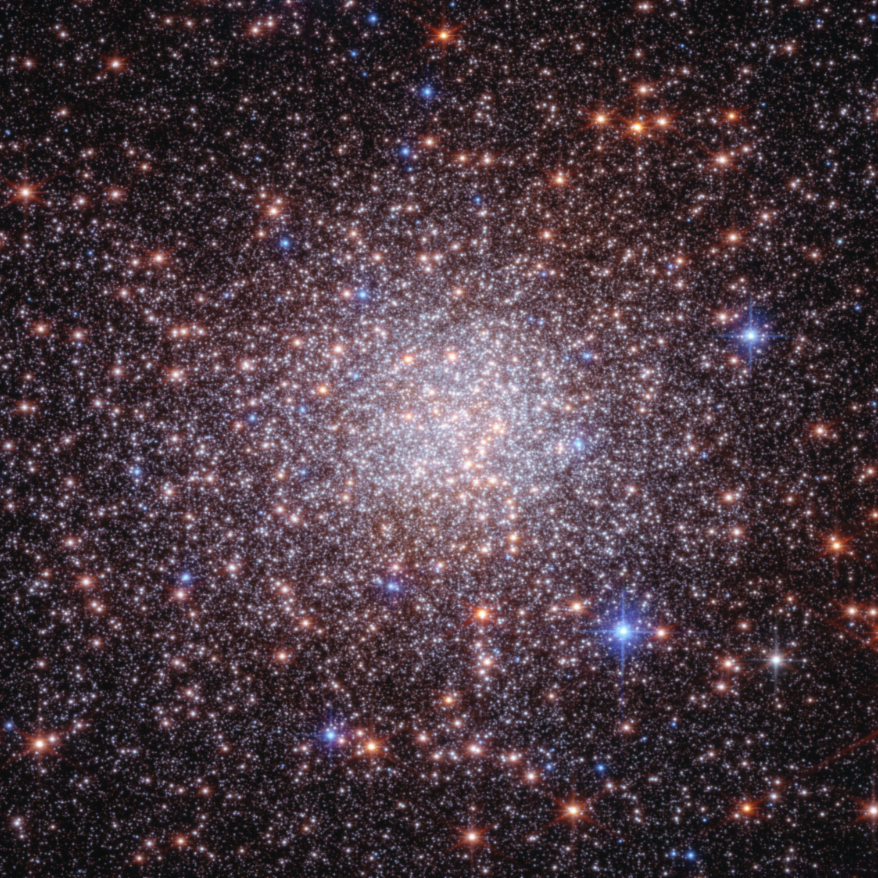
Researchers using two of humanity’s most powerful observatories — NASA’s James Webb and Hubble Space Telescopes — have definitively shown that Terzan 5 is not a globular star cluster as it was once classified, offering new insight into how galaxies like our own form and evolve over time.
TERZAN 5
| | |
HUMANS IN SPACE
Science Returns
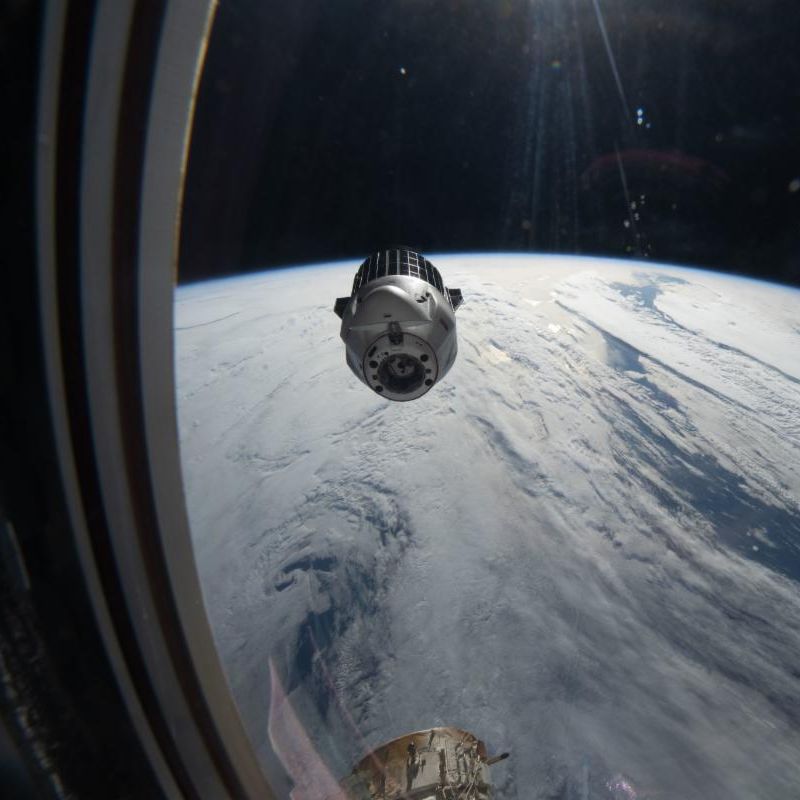
At 8:11 a.m. EDT on June 17, an unpiloted SpaceX Dragon cargo spacecraft splashed down off the coast of California, marking the return of NASA’s SpaceX CRS‑34 mission from the International Space Station. The spacecraft returned investigations that could shape future space exploration and improve life on Earth, including bioprinted organs and cartilage tissue, data aimed at advancing cryogenic fuel storage for future missions, and DNA‑inspired materials being studied for new cancer treatments.
SPACE STATION UPDATES
| |
| |
THE UNIVERSE
Getting Roasted
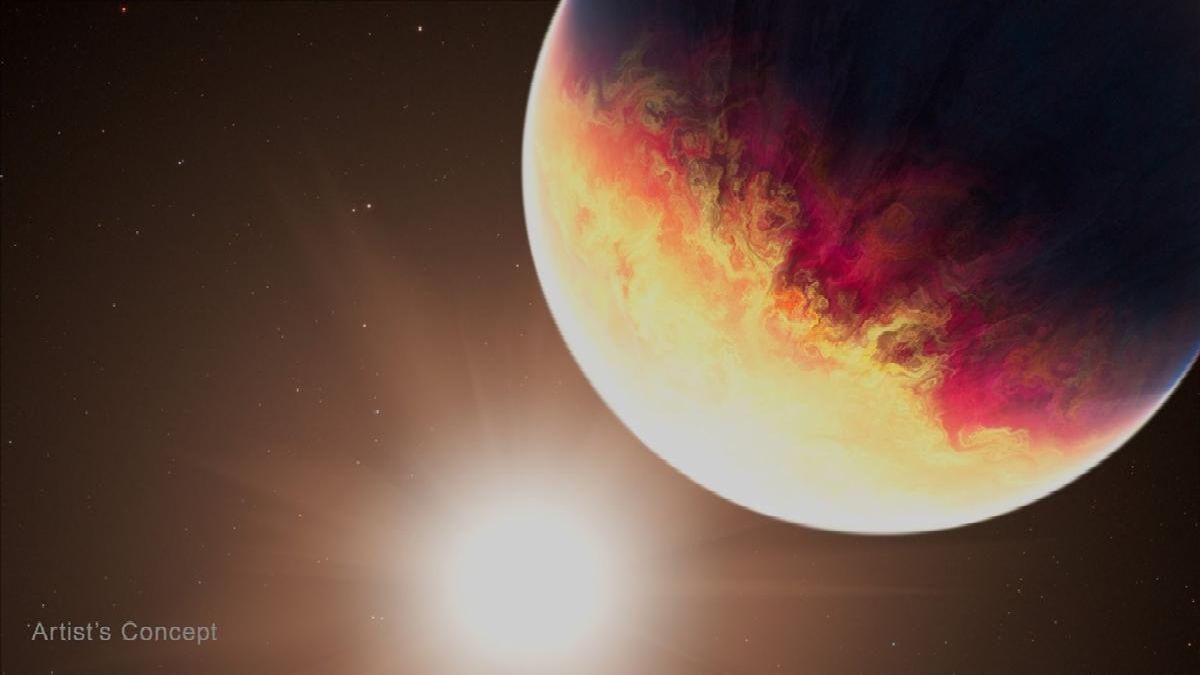
One well-done gas giant, coming right up! That’s the latest from researchers analyzing NASA’s James Webb Space Telescope observations of HD 80606 b, an exoplanet four times the mass of Jupiter with an extremely elliptical orbit that carries it very close to its Sun‑like star. As the planet plunges close to its star, Webb reveals its temperature surging by 1,100 degrees Fahrenheit. Previous studies have shown that such extreme temperature swings can cause an exoplanet’s chemistry and clouds to change in real time. According to the research team, the dynamic conditions on HD 80606 b make it an ideal target for studying these effects with Webb’s powerful instruments.
LEARN MORE
| |
THE UNIVERSE
Sibling Supernova Remnants
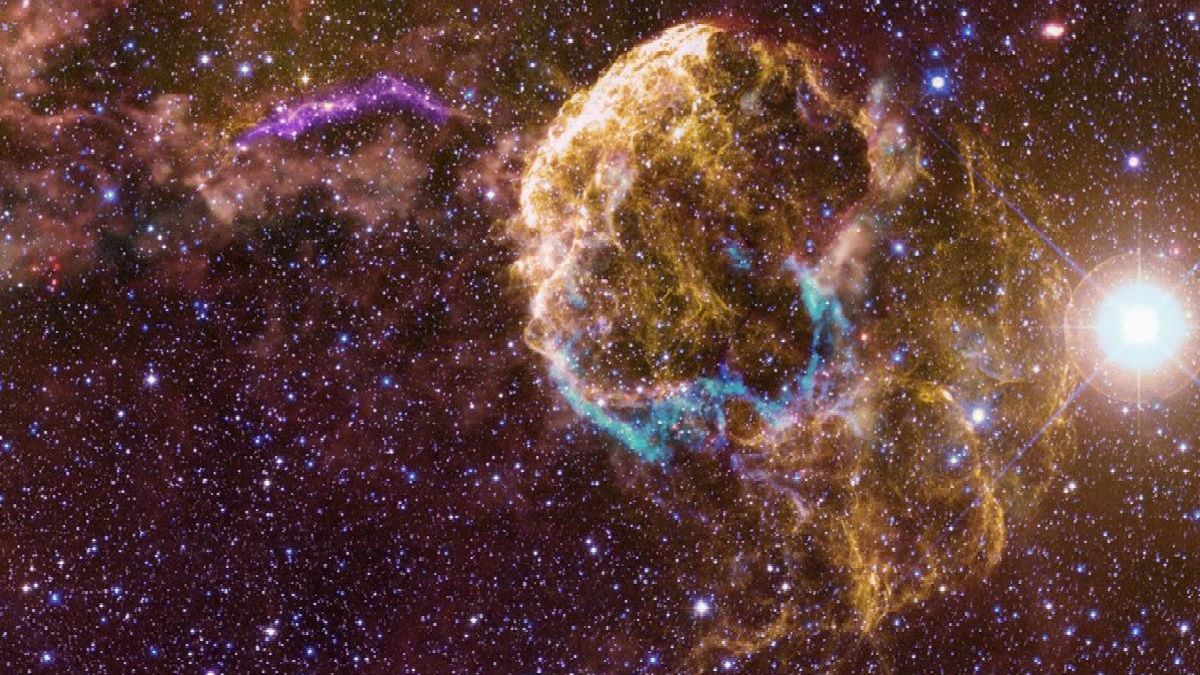
A new study of two supernova remnants, the debris left behind after stars explode, suggests the blasts came from stellar siblings that once orbited each other. The first star’s detonation sent its binary companion hurtling through space, and then, after traveling for thousands of years, the surviving star also detonated. The study focuses on a faint supernova remnant called G189.6+3.3, visible mainly in X‑rays. It sits next to the brighter and better‑known Jellyfish Nebula, and the two remnants appear to overlap. Recent X‑ray observations suggest hot plasma likely associated with G189.6+3.3 may extend across the entire region, hinting that the overlap may be nearly total.
LEARN MORE
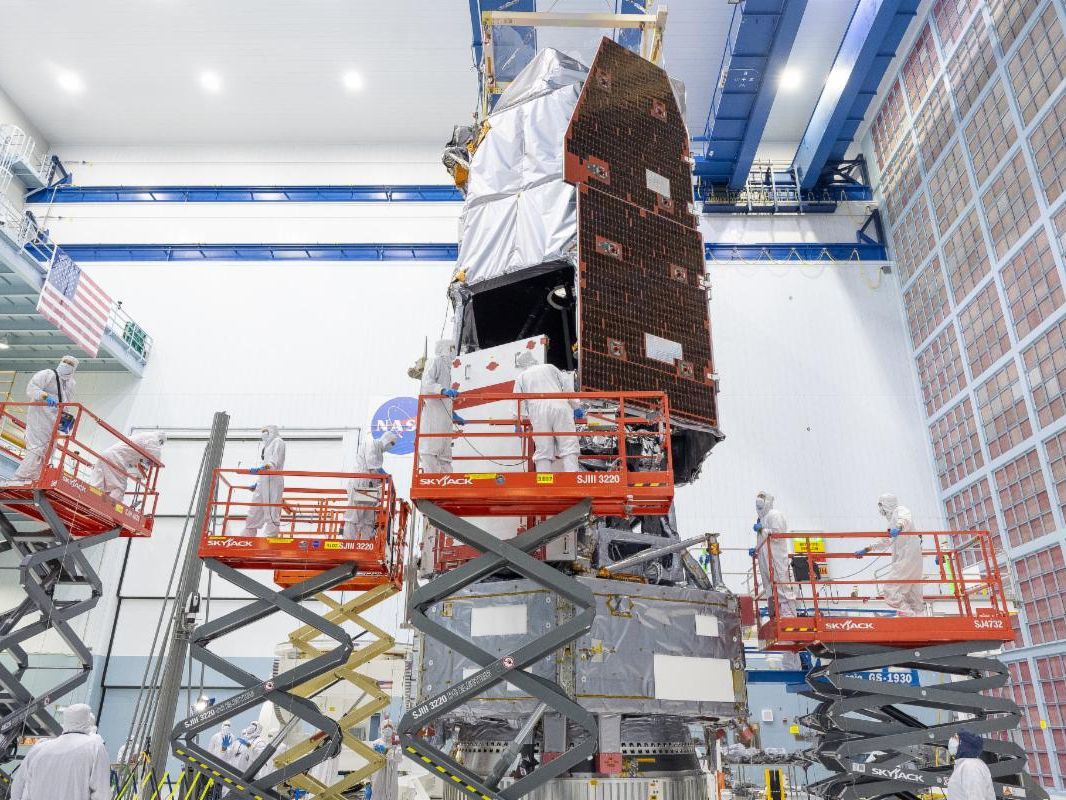
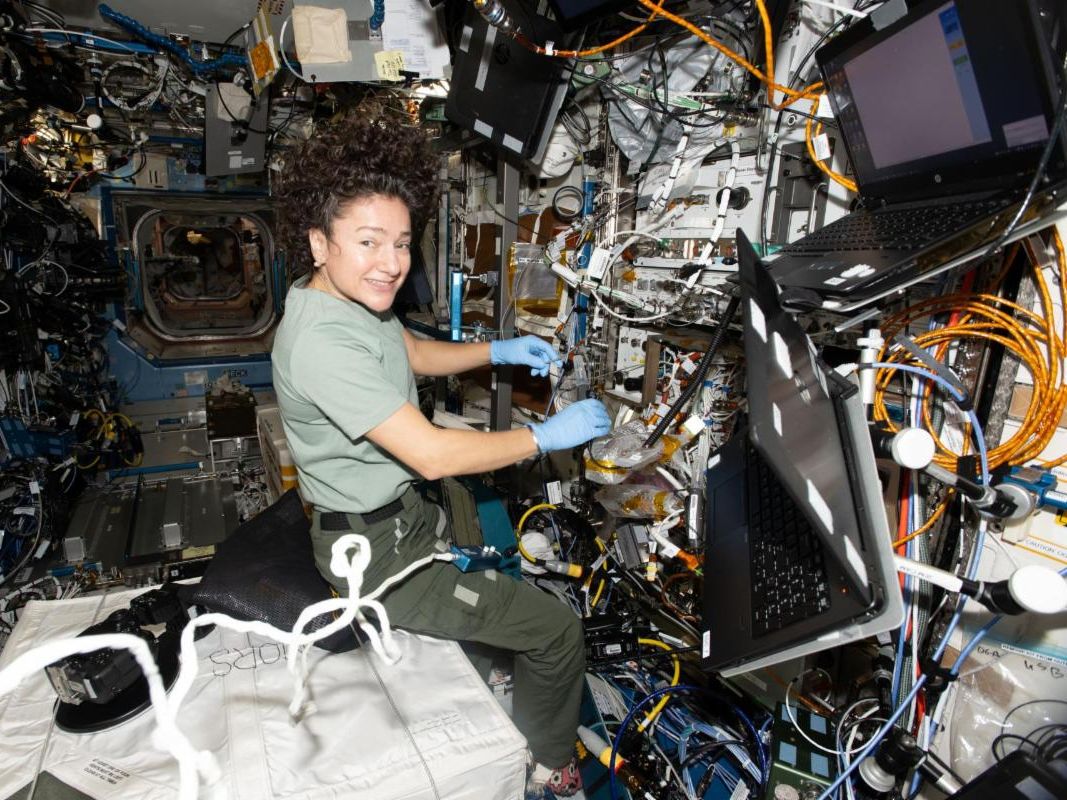
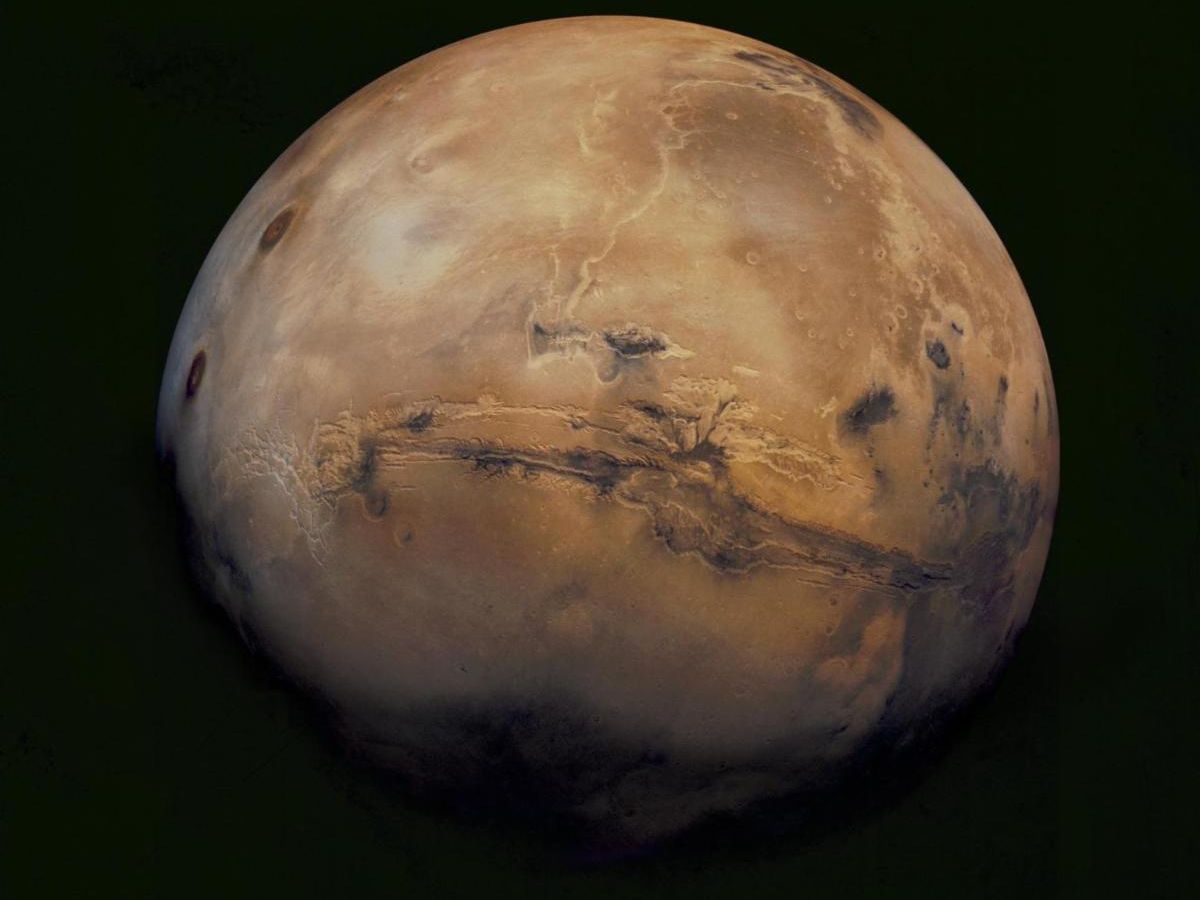
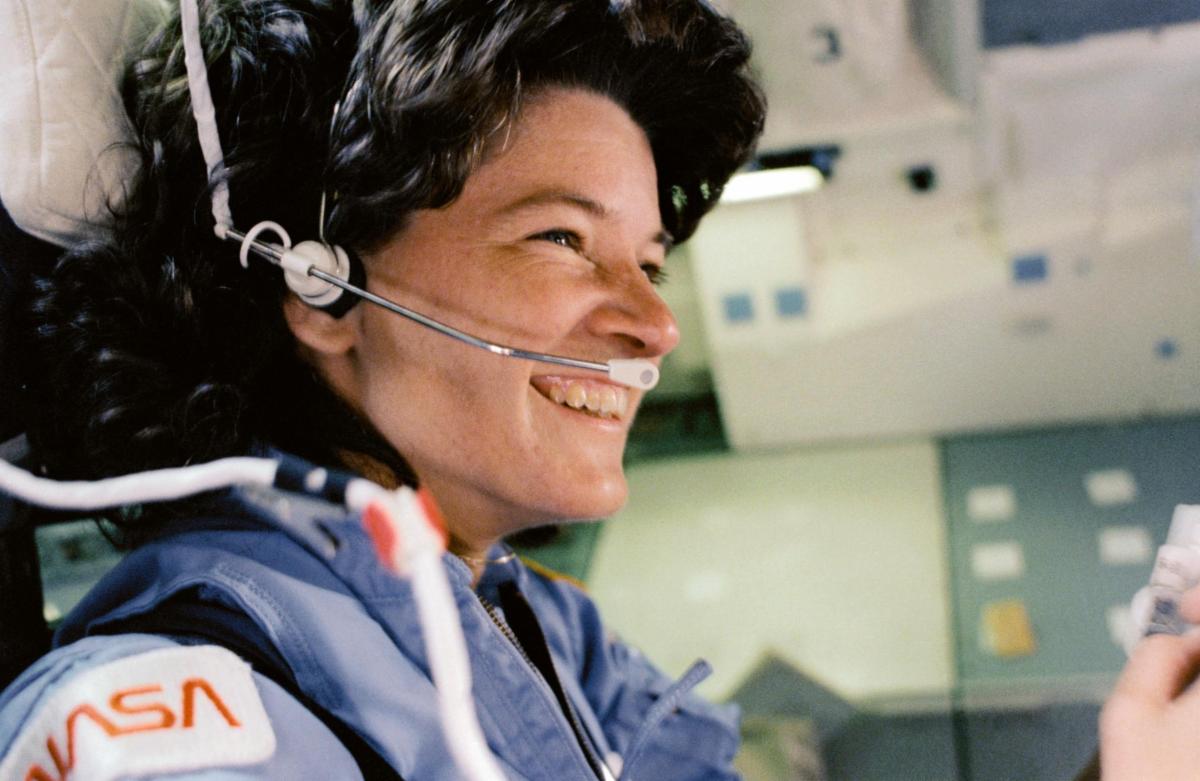
| | | | Astronauts aboard the International Space Station recently activated NASA’s newly upgraded Cold Atom Lab, a unique facility that helps scientists study the fundamental behavior of matter and advance emerging quantum technologies. By taking advantage of the microgravity environment in space, the lab enables cutting‑edge experiments that aren’t possible on Earth. This latest upgrade — the fourth since the Cold Atom Lab was installed on the station in 2018 — includes a redesigned magnetic trap that changes the shape of quantum gas clouds, allowing scientists to explore new properties of the atoms they contain. | | | | On June 17, NASA announced a new public‑private partnership aimed at advancing Mars science by pairing the agency’s scientific leadership with commercial innovation. Under the arrangement, the agency will provide the Aeolus atmospheric‑science instrument suite, while Relativity Space will supply the spacecraft, launch vehicle, and cruise‑phase operations needed to deliver the instruments to Mars. By leveraging commercial investment and development capacity, NASA can focus resources on high‑value science while enabling more frequent opportunities to gather critical data about Mars. | | On June 18, 1983, NASA launched its seventh shuttle mission. STS-7 carried 32-year-old NASA astronaut Sally Ride, the first American woman to fly in space. | |
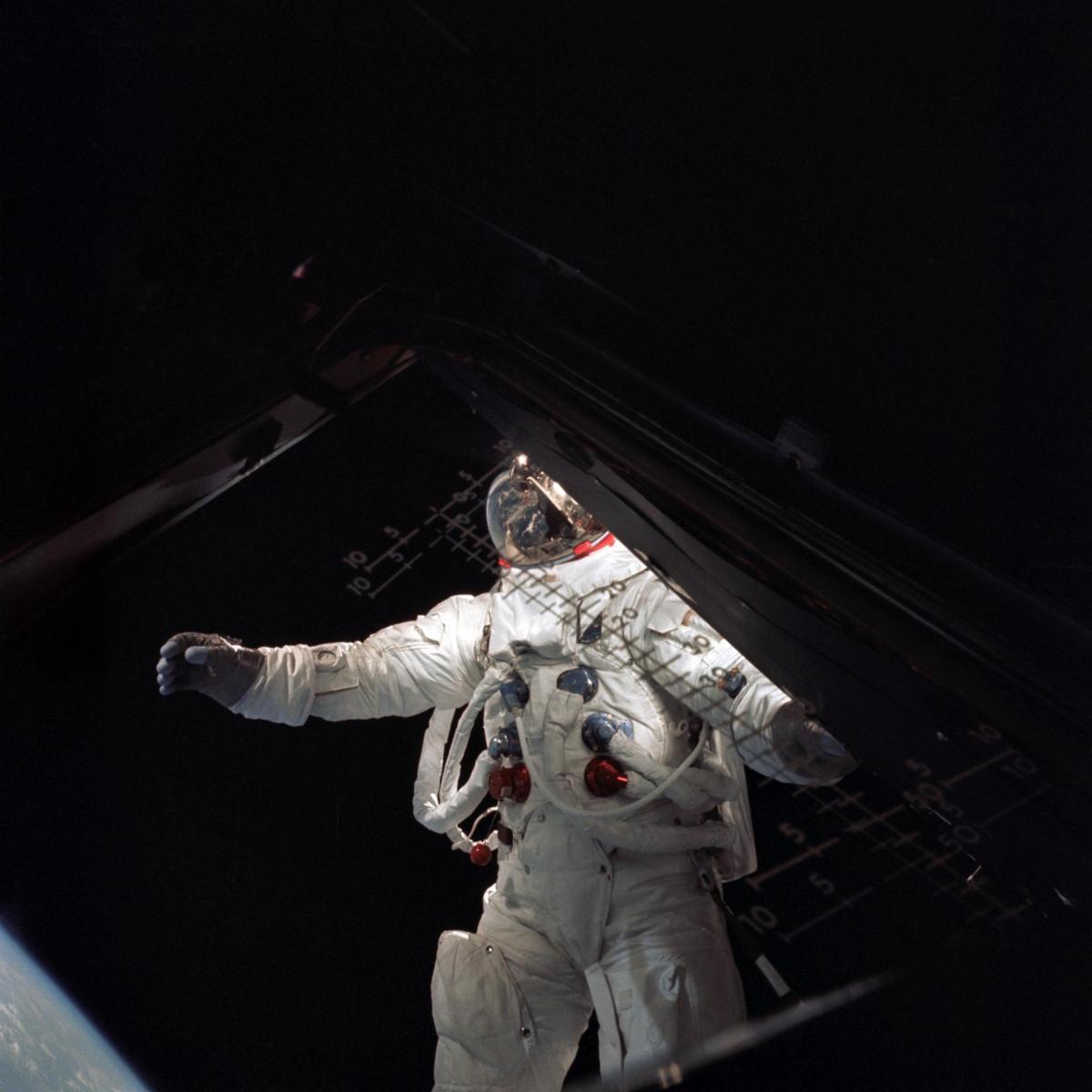
| Which discipline did Sally Ride earn a doctorate before her selection as an astronaut in 1978? | | | | Find out the answer in next week's NASA newsletter! 🤓 | | | | Last week, we asked which mission tested the Apollo Lunar Module and spacesuit systems in space while orbiting Earth. The answer? Apollo 9. In March 1969, just four months before the Apollo 11 lunar landing, NASA astronauts James McDivitt, David Scott, and Russell “Rusty” Schweickart carried out the 10-day Apollo 9 mission to complete these critical tests. NASA’s Artemis III crew is scheduled to conduct similar tests of new exploration hardware in Earth orbit in 2027, paving the way for the next human steps on the lunar surface. | | |
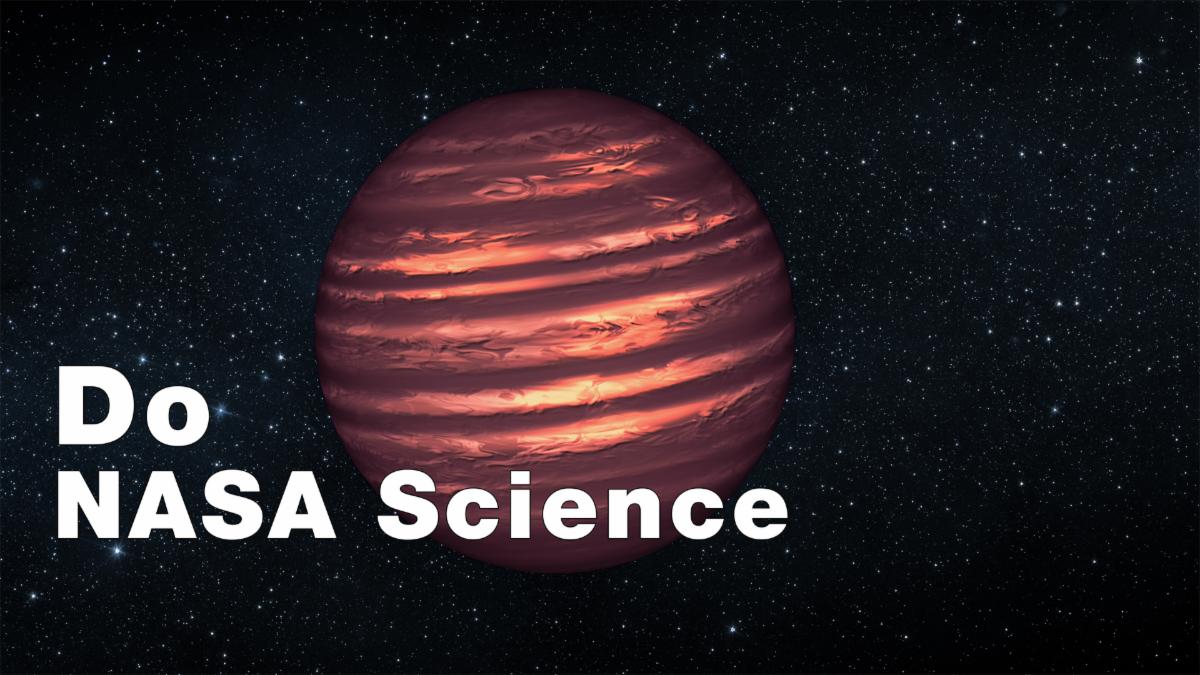
In the new citizen science project Backyard Worlds: Binaries, we aim to identify brown dwarfs in binary systems within the Sun's local cosmic neighborhood. By studying brown dwarfs, we can learn more about giant exoplanet atmospheres, the star formation process, what compounds are prevalent throughout our Milky Way galaxy, and how the composition of proto-stellar material shapes the development of stars. In this project, you'll learn how to recognize binary systems and brown dwarfs in images made by NASA’s Wide-field Infrared Survey Explorer, or WISE, space telescope.
Through NASA's citizen science projects, volunteers help with cutting-edge research in Earth science, planetary science, astrophysics, biological and physical sciences, and heliophysics. With just your phone or computer, you can help NASA expand our understanding of the universe – including life here on Earth. Projects are available in 18+ languages beyond English and open to anyone, regardless of country of origin or citizenship status, and need no special gear, just curiosity and a willingness to learn.
JOIN THE PROJECT
| | |
National Aeronautics and Space Administration
NASA explores the unknown in air and space, innovates for the benefit of humanity, and inspires the world through discovery.
Visit nasa.gov
| | | | | |