Afterschool STEM programs: Needed now more than ever
By Holly Miller, Ph.D., senior advisor, Afterschool and Summer Learning at STEM Next Opportunity Fund
We’ve all seen the reports—the pandemic had a significant and negative impact on students, not seen just in lost instructional time, but also in engagement, attendance, social connection, and mental health. The pandemic also widened the achievement gaps between students from different socioeconomic backgrounds, as students from high-poverty schools fell further behind their peers from low-poverty schools. These findings highlight the need for effective interventions and support to help students both recover from the learning loss and cope with the ongoing disruptions caused by the pandemic. One of our best bets right now is afterschool and summer learning opportunities. As a former robotics coach, STEM camp counselor, science fair director, and Gains in the Education of Mathematics and Science instructor, I have seen firsthand the special magic that occurs outside the formal classroom.
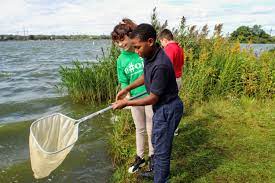
Afterschool and summer STEM programs can help students post-pandemic by providing them with social-emotional support, additional learning time and support, and positive conditions for learning and re-engagement. These STEM programs are structured educational activities that take place outside of the regular school hours, such as in the evenings, weekends, or summers. They can complement formal classroom education by providing additional opportunities for students to practice their STEM skills, explore their interests, and discover new possibilities for their futures. There are no report cards, no principal observations, no standardized tests—just joyful, exciting, authentic experiences. Did my campers “accidentally” learn tons of science, math, engineering, and technology content? Sure, but they also laughed, got messy without fear of failure, and made friends.
I chair the “Research Working Group” of the Afterschool STEM Hub and we recently released a research brief spotlighting these benefits and the various ways afterschool STEM benefits students.
The brief details how, in addition to improvements in STEM knowledge and skills, afterschool STEM programs also support students in developing perseverance and agency, engaging in joyful learning experiences, and obtaining career exposure and STEM identity. The report also demonstrates how afterschool STEM programs can help close the opportunity and representation gap in STEM fields and foster a more diverse and inclusive STEM culture and workforce.
I hope that reading this brief that references robust research studies will help to convince everyone that afterschool STEM programs are a smart investment and benefit students in many ways. They can help students discover the wonders of STEM and prepare them for the challenges and opportunities of the 21st century. Let's support and celebrate afterschool STEM programs, and help our students shine in STEM!
|