Explainer: Five megatrends shaping the rise of nonbank finance |
| |  | The global financial crisis of 2008 froze the financial system. Banks pulled back credit, families tightened their belts and companies laid off workers. It was a frightening time for everyone, and an extremely difficult moment for the financial services industry. Today, the landscape of finance is quite different. Different types of investors and firms are providing businesses, consumers and governments with credit and liquidity. More than a billion more people have access to credit thanks largely to newer tech-based lenders. Families also have more options to finance purchases and to diversify retirement portfolios. Equity, fixed income, and derivatives markets have all seen strong growth. But these developments have not been driven by banks. Instead, it is "nonbank" financial institutions that have stepped up, increasing their share of global credit and finance from 43 percent during the 2008 crisis to nearly 50 percent by 2023, our most recent data show. Click here to read full article.
| | Protect to prosper: How nature-based tourism drives jobs and growth | | |
That selfie you took on an idyllic white sand beach, in a sprawling city park, or atop a mountain range at sunset? It’s more than just a photo of you. It reflects nature’s magnetic pull on people across the world and its role in fuelling global tourism. Tourism is a vital driver of economic growth, serving as a powerful engine for job creation and poverty reduction. Globally, the sector contributes over 10 percent of gross domestic product and supports 370 million jobs, more than half of which are filled by women and young people. This makes tourism one of the world’s largest and fastest growing industries. Tourism’s economic benefits are connected to environmental quality. Visitors often avoid polluted beaches, toxic air, and lifeless coral. Healthy ecosystems and biodiversity, on the other hand, can attract tourists and are also key to sustainable livelihoods on a liveable planet. Click here to read full article.
| | Development in action: UNCTAD warns on tariffs, debt and trust deficit at UN General Assembly |
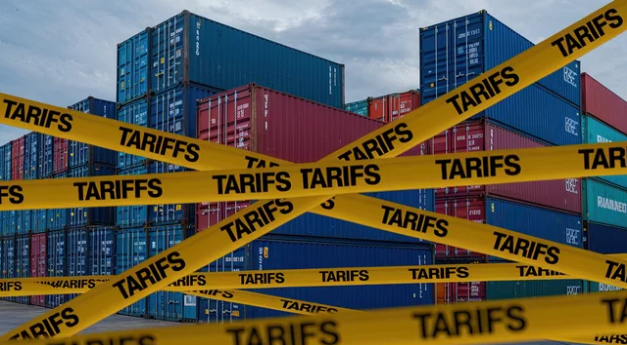
| | | UN Trade and Development (UNCTAD) warned this week that the world economy is at a crossroads, as rising tariffs, record debt payments and growing mistrust put the brakes on development. Speaking during the high-level week of the 80th session of the UN General Assembly (UNGA80), UNCTAD Secretary-General Rebeca Grynspan said the global economy is “being reshaped under pressure,” with the poorest countries bearing the heaviest costs. Tariffs applied by major economies, including the United States, have jumped this year from an average of 2.8% to more than 20%. “Uncertainty is the highest tariff possible,” Ms Grynspan said. “It discourages investment, slows growth, and makes trade as a path to development much harder.” Another dominant theme at UNGA80 was debt. Developing countries paid a record $921 billion in interest in 2024, and 3.4 billion people now live in countries that spend more on debt service than on health or education. “This is not a debt crisis, it is a development crisis,” Ms. Grynspan told delegates. “Markets are not in crisis – people are.” Click here to read full article.
| | World food prices hit 19-month high, UN reports |
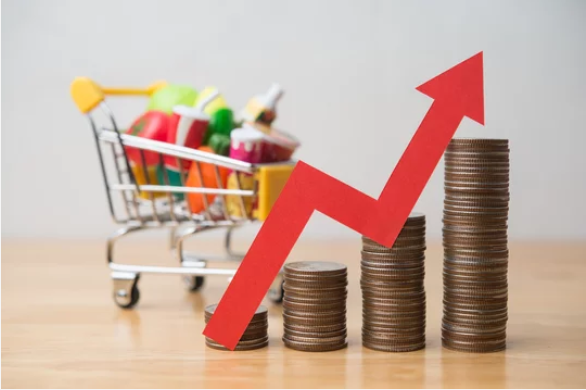
| | | The UN’s world food price index rose in November to its highest level since April 2023, recording its biggest gain in 19 months on the back of surging vegetable oil prices, data showed on Friday. The price index, compiled by the UN Food and Agriculture Organization (FAO) to track the most globally traded food commodities, increased to 127.5 points last month from a revised 126.9 points in October, the highest level in 19 months and up 5.7% from a year ago. The vegetable oil index jumped 7.5% above levels seen a month ago and 32% above those seen a year earlier, driven by concerns over lower than expected palm oil output due to excessive rainfall in Southeast Asia. Soyoil prices rose on stronger global import demand, while rapeseed and sunflower oil also increased. Other food price indices declined. Cereal prices dropped 2.7% from October thanks to weaker wheat and rice prices, while sugar fell 2.4% from October as India and Thailand began crushing and concerns over Brazil's crop prospects eased. Click here to read full article.
| | TRADE, POLICY AND LEGISLATION | | Rural road investment - managing expectations and complexities |
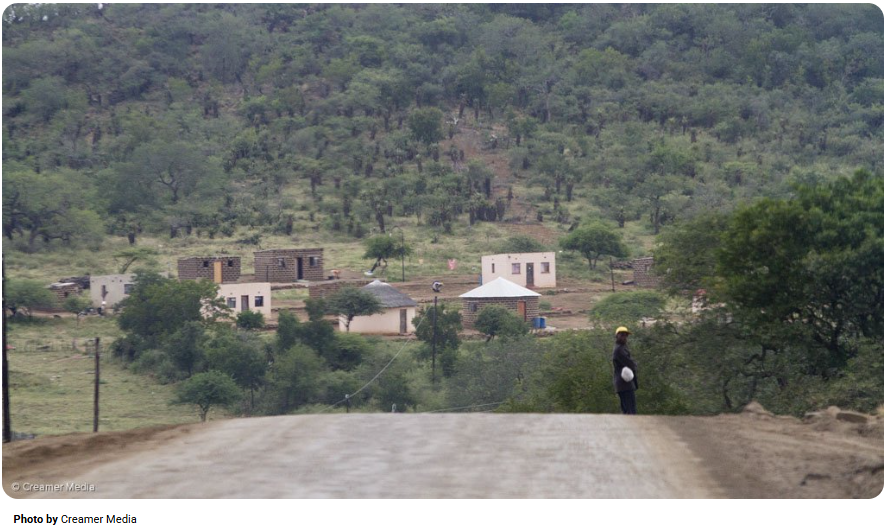
| | | On the 27th of August, the Ministry of Agriculture issued a media statement commending Agbiz and Agri SA for our support in fixing rural roads. Recognition is always welcome and the political will to address the issues that is so pressing for both farmers and agribusiness alike, is a cause of excitement. That being said, roads are a complex issue so an element of realism is also required to manage expectations. In this column I will expand on some of the initiatives underway. Road conditions are one of those items that have featured on the agenda of agricultural groupings for decades and decades. Roads are built, then through a lack of maintenance they deteriorate and it becomes an impediment to business. Same old story? Not quite. The joint initiative may still at the planning stage but the idea is certainly not to scold government about the current state of rural roads. Instead, we need to build a data-driven business case for investment into our rural logistics system. Click here to read full article for Farmers Weekly by Agbiz CEO Theo Boshoff.
| | Agricultural trade potential and policy trade-offs: Insights from country assessments and South Africa’s master plans |
| | | South Africa’s pursuit of preferential and partial-scope trade agreements with selected Asian and Middle Eastern partners is central to strengthening agricultural exports, advancing value addition, and securing long-term competitiveness. The analysis undertaken in this report follows a dual track: (i) a country-by-country trade opportunity assessment covering the Gulf, East Asia, and South-East Asia; and (ii) a cross-sector review of South African industry masterplans to identify areas of consensus and sensitivity regarding trade liberalisation. Key findings from the trade analysis indicate that the United Arab Emirates, Saudi Arabia, Japan, and South Korea represent high-value, low-resistance markets for South African agriculture. These economies combine significant import dependence, expanding consumer demand, and manageable tariff and regulatory barriers. Fruits, wine, meat, and processed foods emerge as priority product categories, with untapped potential exceeding USD 2 billion across these four markets alone. Tariff reductions, sanitary and phytosanitary (SPS) cooperation, and halal certification recognition would unlock immediate gains. Click here to read full report by Agbiz Researcher Diaan Venter.
| | The G20 & B20 - Global best practices driving growth | South Africa is hosting the G20 in 2025 — but what does that actually mean for agriculture, food security, and trade on the continent and beyond? In this episode of AgriView, we dive into the key takeaways from the recent G20 Agriculture Ministers' Meeting held in the Western Cape. From boosting global food security and strengthening resilient supply chains, to sustainable farming practices and reducing trade barriers — we explore the role of agriculture in global policy and why it matters for everyday farmers. We also unpack what the B20 (the business arm of the G20) is recommending for the agri sector, and how South Africa, along with the broader African continent, can align domestic policy with global best practices — while staying grounded in local realities. If you're passionate about the future of food, trade, or African agricultural growth, this episode is packed with insights you won’t want to miss. Click here to watch. | | Wandile Sihlobo: Reflections on South Africa’s Agriculture: Reality, Risks, and Reforms | | Notes from engagements with KwaZulu-Natal farmers and agribusinesses | |
On September 29, Agbiz had the opportunity to share our views and listen to representatives of agribusinesses from the KwaZulu-Natal province of South Africa. The general sentiment from folks in the region was that the agricultural conditions are favourable, which is a picture we painted from a national perspective in our previous letter. However, one aspect that got many people in the room engaged was the ongoing challenge of the foot-and-mouth disease among dairy producers in the province. Representatives from various banks commented on the cost burden faced by some of their clients, and dairy farmers' representatives painted a picture based on their firsthand observations of the challenges. This was a valuable input because many of us in central South Africa and the northern regions typically think of foot-and-mouth disease from the perspective of beef producers; rarely do we consider its cost burden on dairy farmers as well. Click here to read full article.
| | Another boost to SA's 2024-25 summer grains and oilseed harvest |
| | | We are ending South Africa's 2024-25 summer grains and oilseed production season on an optimistic note. We now have eight production estimates with two more to follow, which are unlikely to change the positive picture we have. The data released this afternoon by the Crop Estimates Committee show an increase in South Africa's 2024-25 summer grains and oilseed harvest estimate, up by 2% from the August 2025 estimate to an expected 19.94 million tonnes (a 28% year-on-year increase). There is an annual uptick in all the crops, mainly supported by favourable summer rains and the decent area plantings. The base effects also help, as we struggled with a drought last year that weighed on the harvest. This ample crop will likely continue to put downward pressure on prices, which bodes well for a moderating path of consumer food price inflation. A closer look at the data reveals that the monthly upward revisions were primarily in maize (+2%), dry beans (+5%) and sorghum (+5%). Meanwhile, the rest of the other crops were roughly unchanged from the previous month. Click here to read full article.
| | LETTER: Keep cannabis high on the agenda |
| | | It was encouraging to read in Business Day about the efforts of the Agricultural Research Council (ARC) to advance its cannabis and hemp research and, importantly, the seeds of this plant. Globally, the mood is somewhat downbeat on cannabis but that is no reason to change our focus in SA. These things tend to move in cycles. The ARC’s previous work on this plan, along with its continuous effort, is essential. For some time I have been troubled that for all our talk about cannabis and hemp in SA, we move very slowly on the legislative aspects that would enable the proper cultivation and development of this plant. We have been slow in providing a clear regulatory path for this plant, and the licensing price has been prohibitive for some people. When we finally progress with research, regulations and a clear policy framework for hemp and cannabis, I still believe the plant could be a catalyst for revitalising rural communities. It could also create opportunities for “cannatourism”, particularly in rural areas of the Eastern Cape, KwaZulu-Natal and Limpopo. Of course, life won’t drastically change because of this plant, but it will bring some value. Click here to read full article.
| | PODCAST: Kenya’s maize production has recovered | |
Similar to the improvement in maize production in South Africa, Zambia, Zimbabwe and other countries in Southern Africa, Kenya’s maize crop has shown signs of recovery. The latest estimate by the US department of agriculture puts the country’s harvest at 4.4Mt. This is up 15% from the previous season, thanks to an expansion in area plantings and improved yields. As a result, imports are expected to decline by 17% to 250,000t in the 2025/2026 marketing year. The typical maize suppliers to Kenya in times of need include Tanzania and Uganda. It is likely that when domestic supplies have decreased, Kenya will still rely on these countries. South African maize exporters are unlikely to participate in the Kenyan market due to the country’s reduced annual maize needs and its long-standing ban on imports of genetically modified crops. Click here to listen to the podcast for more information.
| | Factors shaping the state of South African agriculture |
| | | Various factors, both positive and negative, continue to shape South Africa’s agricultural sector. Starting on a positive note, early indicators suggest a strong likelihood of favourable rainfall conditions across South Africa for the upcoming 2025/26 summer season. Current forecasts indicate a neutral weather phase with average rainfall, which would be generally favourable. Yet the occurrence of La Niña rains remains a possibility, which would further ease concerns about a potential shift from the wet 2024/25 La Niña season to a drier El Niño pattern. South African producers are likely to begin evaluating the prospects for the 2025/26 summer crop season more seriously by October, once planting gets underway. For now, the focus remains on the ongoing harvest of summer grains, oilseeds, citrus, and other crops. The summer crop harvest is progressing well, with oilseed harvesting nearly complete. Encouragingly, feedback suggests crop quality – particularly in soya bean regions – is better than initially feared. In contrast, the maize harvest is lagging its usual schedule due to delayed plantings and persistent rains through April, which slowed crop development. Click here to read full article Agbiz Grain .
| | Quicker tariff implementation needed |
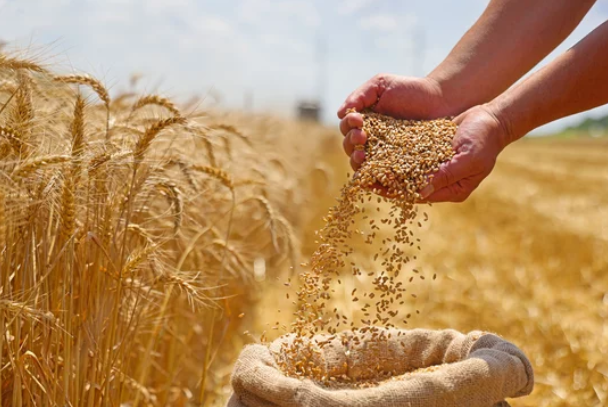
| | | South Africa’s wheat import tariff, designed to shield local producers from the effects of subsidies granted to producers in other wheat-exporting countries, has officially been published on 10 July this year. The recent increase in the tariff was triggered by a decline in international wheat prices below a specified threshold – also known in the industry as the ‘trigger level’ – prompting the need to provide South African producers with additional protection. According to the South African Grain Information Service (Sagis), which calculates the tariff using a variable tax formula, the wheat import tariff increased from R549,50 to R851,50/t. This adjustment was published by the South African Revenue Service (SARS),following the triggering of the tariff on 27 May this year due to a sustained decline in international wheat prices over a three-week period. Why adjustments are necessary Dr André van der Vyver, executive director of the South African Cereals and Oilseeds Trade Association (Sacota), believes that regular tariff adjustments are necessary to support the local industry during periods of low international prices. Click here to read full article for Agbiz Grain .
| | Trust and social inclusion: The foundations of jobs and development |
| | | Jobs are a visible sign of progress in development. They provide income, dignity, and a stake in society. But what enables jobs to flourish in the first place? Just as reliable roads and electricity power markets, trust is the “human infrastructure” of job creation. Trust takes different forms. Horizontal trust is the confidence people place in one another—the belief that neighbors, colleagues, or suppliers will keep their word. Vertical trust is the faith citizens have in public authorities and institutions to act fairly and deliver on their promises. A third form is trust in systems, which is confidence in markets, money, and contracts that make economic exchange possible. Each form reinforces the others, and together they underpin the ability of economies to generate and sustain jobs. When people trust institutions to be fair, feel included in shaping decisions, and see tangible benefits reaching their communities, they are more likely to support reforms, pay taxes, and comply with regulations. Click here to read full article.
| | Minister Tau remains optimistic about the renewal of the Africa Growth and Opportunity |
| | | Following his visit to Washington DC and New York, Minister Tau believes that the Africa Growth and Opportunity Act (AGOA) continues to enjoy bipartisan support and is optimistic about the renewal of the AGOA. In Washington DC, Minister Tau engaged with the United States Trade Representative and also members of Congress; while in New York, the Minister supported His Excellency President Ramaphosa in engagements with a number of members of Congress, both Republicans and Democrats. The overall message was that there remains broad support for the renewal of AGOA in Congress across the aisle. However, questions remained on the period of renewal, the timing of when AGOA will be renewed, and also the legislative vehicle for renewal. On the period of renewal for AGOA, the consensus suggests that AGOA may be renewed for a short-period of between one-to-three years to allow Congress to introduce changes and improvements to the programme. The timing of the renewal of AGOA will depend on the legislative vehicle that Congress chooses to renew AGOA. Click here to read full statement Issued by: The Department of Trade, Industry and Competition (the dtic).
| | "It's a tough fight, but we're getting there" |
| | | In South Africa, a ratio of 60:40 between ocean and air cargo reigns for blueberries, although Antoinette van Heerden, logistics manager at the Fresh Produce Exporters' Forum and moderator of the international blueberry summit logistics panel, remarked: it fluctuates quite a bit between seasons. From Peru, that ratio is 90:10, or even 95:5. At the start of the South African season, most blueberry exporters aim for a preponderance of sea freight, but it doesn't always work out that way (because of the 2022 dockworker strike, for example). "So at the time an exporter is at the point of doing more air freight, they're upset already," Schalk Bruwer, CEO of Morgan Cargo, a Kuehne + Nagel-owned air freight forwarder, told the audience. "Air freight is very expensive in comparison to the ocean." Kenyan perishable exports are heavily based on cargo planes, or freighters, because there aren't enough passenger flights, while the situation in South Africa is the opposite: exports piggyback on passenger flights. "At all times," Bruwer remarked, "airlines would like to have cargo from us, but we're catching the lift on the flight." Click here to read full article.
| | Mozambique outlines plan to boost logistics |
| | | The Mozambican government plans to boost the logistics sector’s contribution to GDP from 8% to 20% by 2027. Ministry of Transport National Director of Logistics, Fernando Ouana, told Agência de Informação de Moçambique (AIM) that ongoing structural investments in the sector could see its revenue increase within two to three years. “The contribution of logistics is at a minimum. We need to increase it, because the country can survive on logistics, and that is our effort,” said Ouana. “The Maputo Corridor is a driving force connecting Mozambique, South Africa, Botswana, and Zimbabwe. Currently, investments estimated at about two billion US dollars are under way to expand the capacity of the Port of Maputo, including the modernisation of the container and coal terminals.” He said the investment included a new railcar unloading system, which would reduce cargo-handling constraints at the Port of Maputo, while the Ressano Garcia border crossing was also on the agenda, with joint efforts between Mozambique and South Africa to integrate customs and immigration systems through a one-stop border crossing. Click here to read full article.
| | First Crop Estimate for the 2025/26 Season |
| | | According to the first crop estimate for the 2025/26 season, the South African table grape industry anticipates a quality harvest of sufficient size to meet market demands throughout the season. The industry expects volumes inspected for export for the 2025/26 season to increase by approximately 0.6% compared to the actual inspected volumes for the 2024/25 season. This forecast represents a 6.6% increase over the five-year average, positioning South Africa to maintain a reliable supply to global markets. A national crop estimate of 79.4 million cartons is anticipated, with the upper limit expected at approximately 81.7 million cartons and the lower limit expected at approximately 77.0 million cartons, respectively. “Good winter conditions prevailed, with sufficient chill units to support even budbreak and adequate winter rainfall to increase dam levels favourably, which bodes well for water availability in a normal season,” said Alwyn Dippenaar, chairperson of the South African Table Grape Industry (SATI). Compared to the five-year average, lower estimated volumes in the Northern Provinces and Olifants River Regions are due to 14% and 5% reductions in total planted area, respectively. Click here to read full article.
| | FAO Food Price Index virtually unchanged in August |
| | | The FAO Food Price Index (FFPI) averaged 130.1 points in August 2025, virtually unchanged from the revised July level of 130.0 points. Declines in the cereal and dairy price indices were offset by increases in the indices for meat, sugar and vegetable oils. Overall, the FFPI was 8.4 points (6.9 percent) higher than in August 2024 but remained 30.1 points (18.8 percent) below its peak reached in March 2022. The FAO Cereal Price Index averaged 105.6 points in August, down 0.8 points (0.8 percent) from July and 4.5 points (4.1 percent) from August 2024. International wheat prices declined month-on-month, reflecting ample global supplies and subdued import demand, especially from major buyers in Asia and North Africa. Larger harvests in the European Union and the Russian Federation further weighed on prices. By contrast, world maize prices rose for the third consecutive month, mostly underpinned by concerns over the impact of heatwaves on yields in the European Union and the increased demand for feed use and ethanol production especially in the United States of America. Click here to read full report.
| | Stormy seas for global shipping: UNCTAD warns of uncertainty, volatility and rising costs |
| | | Global shipping, moving over 80% of the world’s merchandise trade, is entering a period of fragile growth, rising costs and mounting uncertainty, according to The Review of Maritime Transport 2025: Staying the course in turbulent waters, released by UN Trade and Development (UNCTAD) on 24 September. After firm growth last year, seaborne trade is expected to stall in 2025, with volumes barely rising (+0.5%). Long-distance rerouting caused by geopolitical tensions kept ships busier last year with a record of nearly 6% growth in ton-miles. “The transitions ahead – to zero carbon, to digital systems, to new trade routes – must be just transitions,” said UNCTAD Secretary-General Rebeca Grynspan. “They must empower, not exclude. They must build resilience, not deepen vulnerability.” Political tensions, new tariffs, shifting trading patterns and reconfigured shipping lanes are reshaping the geography of maritime trade. The United States of America and several trading partners have announced policy measures, including new tariffs and port fees in the US for certain foreign-built or foreign-operated vessels. Click here to read full article.
| | South Africa’s rooibos tea: can it improve digestion? |
| | | Rooibos tea, a caffeine-free drink made from the leaves of a shrub indigenous to South Africa, is part of the country’s heritage. The rooibos plant (Aspalathus linearis) grows in the mountainous Cederberg region of South Africa’s Western Cape province. It has been traditionally harvested and consumed as a herbal tea by the Khoisan people. Beyond making tea, the plant has been touted for its potential health benefits. Rooibos has scientifically proven effects as an antioxidant. This is a natural substance that helps to protect your body’s cells from damage caused by harmful molecules. It’s also an anti-inflammatory: a substance that reduces inflammation (redness, swelling, and pain) in the body. It can help protect the heart and liver, regulate blood sugar and improve skin health. Commercial cultivation of rooibos began in the early 20th century. Scientific research into its health benefits started in the 1960s, when its antioxidant properties were first reported. Since then, numerous studies have explored its therapeutic potential. Click here to read full article.
| | Fresh Peaches and Cherries: World Markets and Trade |
| | | Turkey stone fruit production and exports are forecast to fall drastically in marketing year 2025/26 due to damaging spring frosts.1 Fresh peach and nectarine exports are forecast down 45 percent to 145,000 metric tons (tons). Fresh cherry exports are forecast down 85 percent to 10,000 tons. If realized, Turkey will fall from the top peach and nectarine exporter in 2024/25 to second largest in 2025/26 and from the third largest cherry exporter to tie for eighth largest. Turkey experienced widespread frosts in April 2025 that impacted fruit production throughout the country. Additionally, stone fruit production was negatively impacted by drought, hail, and excessive rainfall this year.2 Peach and nectarine production is down 45 percent year-over-year to 649,000 tons and cherry production is down almost 60 percent to 400,000 tons. The damaging weather in 2025/26 follows a decade of production growth for peaches and nectarines that nearly doubled output with higher-yielding varieties and increasing nectarine acreage.3 While cherry acreage has remained stable, yields have benefited from orchard modernization efforts in recent years. Click here to read full report.
| | BUSA Cargo Movement Update |
| | | This update provides a consolidated overview of the South African logistics network and the current state of international trade. At our container terminals, an average of 11 631 TEUs was handled daily, a significant decrease from 13 426 TEUs the previous week. Operational constraints this week were primarily due to inclement weather, vacant berths, and dredging and sounding operations. Adverse weather and high swells ensured operational difficulties in Cape Town, as equipment breakdowns, dredging, and congestion prevented optimal operational performance in Durban. Inclement weather, accompanied by vacant berths, disrupted operations at our Eastern Cape Ports, while minimal delays were reported at the Port of Richards Bay. Additionally, the latest reports from TFR suggest that intermittent cable theft caused operational delays on the Central Corridor near Pretoria this week, while locomotive issues resulted in slow-moving trains on the line between City Deep and Mafikeng. Global trade conditions remain uneven, with the current landscape marked by both resilience and pressure across transport modes. Click here to read full report.
| | Summary of the key market signals for the dairy industry, August 2025 edition |
| | | In the previous editions of “Summary of Key Market Signals for the Dairy Industry”, reference was made to the high level of uncertainty in the world and the reasons for it. The very high uncertainty referred to in the previous paragraph, which put downward pressure on economic growth in the world, increased sharply thus far in 2025, due to: The continuation of especially armed conflicts in the Middle East, Eastern Europe and Africa; and The actions and envisaged actions of the government in the USA in respect of military conflicts in the world, import tariffs, diplomatic relationships with other countries and statements about incorporation in the USA, of particular other countries. Viewed as a whole, the level of uncertainty in the world is extremely high and any prediction should be considered with great caution. The price index of dairy products of the FAO, which measures the price movements of butter, cheddar cheese, whole milk powder and skimmed milk powder, traded in the international market, decreased sharply from the very high levels achieved in the middle of 2022, to much lower levels in September 2023. Click here to read full report.
| | Cotton Market Report August 2025 |
| | | Production for 2025/2026 is estimated at 25.55 million tonnes and exceeds consumption (25.519 million tonnes). The yield in kilograms lint per hectare is indicated to be 829.18 kg/ha, and the global area under production is estimated to be 30.813 million hectares. Consumption, Imports and Exports. Global consumption is estimated at 25.519 million tonnes of lint, while 9.628 million tonnes are exported globally, and 9.628 million tonnes imported, indicating movement across the globe. China remains the important role player despite the introduction of U.S. tariffs. China cotton consumption is projected at 39.0 million bales in marketing year 2024/25 (August 2024 – July 2025), unchanged from the previous year and above previous USDA forecasts. Despite concerns from higher U.S. tariffs, Chinese product exports rose to a 7-year high. Domestic sales of apparel were a record and boosted by government stimulus. The country also witnessed record production and consumption of Xinjiang cotton fibre as imports fell to the lowest level in nearly a decade and the government did not auction from reserves. China’s largest export market for cotton products is the United States and tariff concerns suppressed earlier USDA forecasts. Click here to read full article.
| | BFAP Quarterly Trade Brief |
| | | BFAP’s Agricultural Trade Brief interprets and contextualises the latest quarterly international trade data and provides insights on the major factors driving agricultural trade such as global demand, seasonality and trade agreements. This quarterly brief provides the trends and patterns of the second-quarter (Q2 2025) South African agriculture trade for various commodities with several partners worldwide. In the second quarter of 2025 South African total exports have stagnated at the same level as they were during COVID-19 (since 2021), i.e., around R500 billion. In contrast, agricultural exports for this quarter have been on the rise since COVID-19. The trade surplus for agriculture is at the same level as imports. Important factors impacting agricultural trade included animal diseases and US tariff uncertainty. Animal diseases have restricted the meat trade (FMD on the beef export side and AVI for poultry imports). Export supply to the US remains uncertain as tariff increases to 30 % have yet to apply. This only kicked in in the second week of August 2015. Click here to read full report.
| | Applications are now open for the Agbiz Centenary Bursary 2026 | Established in celebration of Agbiz members who have reached their centenary milestones, this bursary is dedicated to supporting the next generation of leaders in agribusiness. It provides an opportunity for South African master’s and PhD students in agribusiness management-related fields to further their studies and contribute to the future growth of the sector. If you’re passionate about advancing your academic journey and making an impact in agriculture and agribusiness, this opportunity is for you. Learn more and apply here. | | Agbiz seeking Head: Strategic Projects | Agbiz would like to invite dynamic and suitably qualified individuals to apply for the position of Head: Strategic Projects. This is a strategically significant post that reports to the CEO. The Head: Strategic Projects leads Agbiz’s work on high-impact, cross-cutting initiatives that support the transformation, competitiveness, and sustainability of the agribusiness sector. This position is responsible for the identification, development, coordination, and execution of special projects, often in partnership with member organisations, government departments, industry associations, and external experts. The role contributes directly to Agbiz’s advocacy and visibility by managing strategic initiatives, responding to national sectoral developments, and supporting the CEO in implementing Agbiz’s mission. Click here to learn more. | | SAPPO domestic carcass price statistics | Increased producer prices and decreased yellow maize prices during week 38. During week 38 of 2025, the pork producer price averaged R35,78/kg, 1,5% higher than the previous week. The yellow maize price averaged R3 567/t, 2,1% lower than the previous week. Producer prices in relation to yellow maize prices averaged 10, 3,7% higher than the previous week. Click here to read full report. | | |
Agbiz Media Day WC
23 October 2025 | Elsenburg, WC
Learn more
AgriSA ATLAS Congress
15 October 2025 | Choose Life Church, Moreleta Park
Learn more
| |
- Agbiz is the only organisation that serves the broader and common over-arching business interests of agribusinesses in South Africa.
- Agbiz addresses the legislative and policy environment on the many fronts that it impacts on the agribusiness environment.
- Agbiz facilitates considerable top-level networking opportunities so that South African agribusinesses can play an active and creative role within the local and international organised business environment.
- Agbiz research provides sector-specific information for informed decision-making.
- Agbiz newsletter publishes members' press releases and member product announcements.
| | THIRD-PARTY WEBSITE LINKS TO THIS NEWSLETTER | | The Agbiz Newsletter may contain a few links to websites that belong to third parties unrelated to us. By making these links available, we are not endorsing third-party websites, their content, products, services or their events. Agbiz seeks to protect the integrity of its newsletter and links used in it, and therefore welcomes any feedback. | | | | |