From promises to proof: Why outcomes are the new currency of development cooperation |
| |  | Development cooperation is acquiring a dangerous new mathematics. In 2025, official development assistance from European Union donor countries fell by nearly 10 percent in real terms, according to the OECD. A few months later, an AFD-IFOP survey found that three-quarters of people across G7 countries still supported assistance to developing countries. Yet almost half also agreed that international cooperation could be a waste of public money. More revealingly, 81 percent said that knowing how the money is used would strengthen their support, while 79 percent wanted to see concrete results on the ground. These findings are not contradictory. They re-veal a new form of conditional solidarity. One dollar in ten gone. Four citizens in five asking for proof. A budget cut subtracts. Skepticism compounds. Skepticism changes how every remaining dollar is perceived. It weakens the political constituency for cooperation and makes the next reduction easier to justify. Cuts then erode the scale, continuity, and capacity needed to deliver visible outcomes. Programs fragment, horizons shorten, and results become harder to achieve and explain. Click here to read full article.
| | Farming can help drive southern Africa’s growth if countries in the region make trade easier |
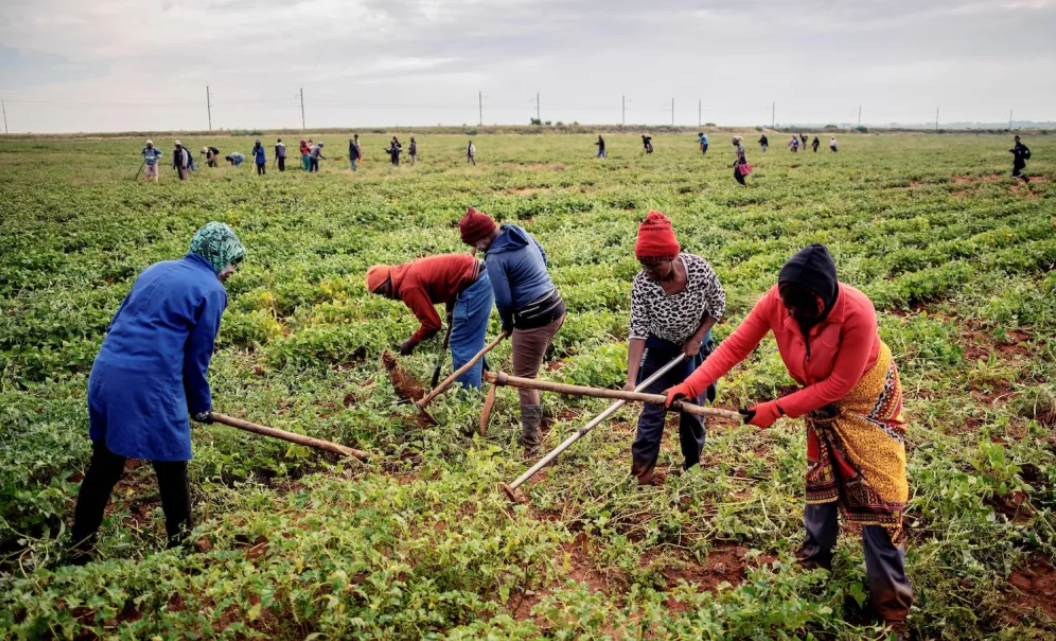
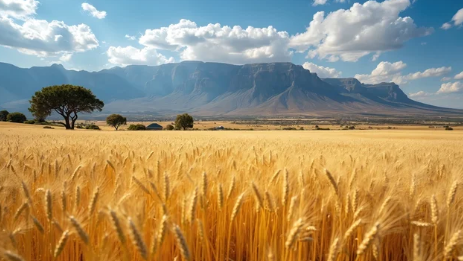
| | | The focus on agricultural development at the Southern African Development Community’s 46th summit in August 2026 reflected a clear understanding that the sector can still play a key role in the region’s economic development. Agriculture accounts for around 10% of the GDP of many of the regional community’s members. The conversations about agriculture focused on improving productivity, agricultural finance, climate resilience and regional value chains, all to enhance food security within the region. As an agricultural economist, I would argue that the sector faces three major challenges in contributing to economic growth and food security. The first is weak land governance. Informal land tenure is a feature of most farming in the region. As a result, agribusinesses may be reluctant to invest at scale. It’s also meant that smallholder farmers, who struggle with low agricultural productivity, remain prevalent. The second challenge is weak agricultural value chains. The summit discussed the need to deepen regional agro-processing value chains. But these can’t be fully developed if road networks linking farmers to consumption points remain in poor condition. Agriculture is about buying and selling perishable products. Roads are key. Click here to read full article by Wandile Sihlobo, Agbiz.
| | Transforming our energy system to ensure reliable and affordable electricity for all |
| | | A reliable electricity supply is the backbone of our economy. It is essential for development and growth. Not long ago, South Africans planned their lives around load shedding. Businesses and households that could afford to had to buy generators and diesel to keep operating. Factories lost production. Small businesses struggled to survive. Hospitals, schools and households had to cope with hours without power. The electricity crisis, with severe load shedding almost every day, undermined investment and disrupted daily life. As we saw, an unreliable electricity supply has a devastating impact across society. So too does the high cost of electricity. As a result of the Energy Action Plan and the steps we took to improve Eskom’s performance, we have made significant progress in restoring a reliable supply of electricity. This is an important achievement which we should recognise and acknowledge. But overcoming load shedding was never the end of our work. We must now confront another challenge that affects millions of South Africans: the rising cost of electricity. The cost of electricity has gone up significantly over the past two decades. For families trying to make ends meet, having to contend with the cost of food, transport and other necessities, high electricity costs cause real hardship. Click here to read full article.
| | Plans taking shape to move agri commodities by rail |
| | | Government’s request for information (RFI) for South Africa’s B-Network railway lines, a process managed by the Transnet Rail Infrastructure Manager (TRIM), opened earlier this month and seeks to gather as much information as possible on the country’s low-traffic regional railway lines. The aim of the RFI is to assess private- and public-sector interest in refurbishing, financing, operating, maintaining, and possible concessioning of some 9 000km of low-density feeder and branch railway lines. The ultimate goal is for some of these lines to be managed by TRIM, which was unbundled from Transnet for the specific purpose of managing the rail infrastructure, while the management of other lines may be contracted to private rail companies. In addition, various private rail companies could operate trains on the lines to transport goods. Dr Charl van der Merwe, general manager of Agbiz Grain, explained that this process was of particular interest to the grain industry, as a large proportion of South Africa’s older and still-operational grain silos were located next to such railway lines. Click here to read full article.
| | Agbiz comments on Petroleum Stocks policy |
| | | The Department of Mineral and Petroleum Resources published a Draft Petroleum Stocks Policy on 9 July 2026 for public comment. The policy aims to provide a comprehensive framework designed to safeguard the national economy against severe fuel supply disruptions and global market volatility. The intention is to maintain a buffer of physical stocks that can be released during a declared state of emergency. The policy will oblige licensed manufacturers and wholesalers to maintain an additional 14 days of refined product stocks, such as diesel, petrol and jet fuel. There was an opportunity for written comments on the draft policy. Agbiz submitted comments, as did BUSA. The Department is currently undertaking consultation workshops with stakeholders on the draft policy. A workshop with Agbiz and Agri SA was held on 26 August. A further workshop with BUSA members took place on 28 August. The consultation with the agricultural sector was constructive, with the Department acknowledging many of the points made by sector representatives. Agbiz raised the following concerns and made proposals as to how these can be addressed. Click here to read full article by Annelize Crosby, Agbiz.
| | Seed is key to stabilising food security | | Seed is where food security starts. In this episode of AgriView with Wandile, Wandile Sihlobo speaks to Andrew Bennett, CEO of the South African Cultivar and Technology Agency (SACTA), about why better seed is central to South Africa’s food security. They unpack how investment in new cultivars is helping to improve yields, particularly in wheat and soybeans, while maintaining the quality South African farmers and consumers depend on. The conversation also looks at climate change, new breeding technologies, transformation and the global risks facing agricultural production. With South Africa still importing a significant share of its wheat, could faster access to new technologies help close the gap and strengthen our ability to feed a growing population? Wandile and Andrew Bennett explore what it will take to build a more productive, resilient and food-secure agricultural sector. Click here to watch. | | SA agricultural jobs hold steady amid debate over migrant farm labour |
| | | We typically tout South Africa’s farming sector as crucial for job creation. The primary farming sector employs close to a million people, and more than 300,000 additional people work in the value chains. Looking to the future, given technological advancements, we remain convinced that as this sector expands, more jobs will be created. Emerging labour dynamics in agriculture also demand careful attention. The immigration discourse has created the impression that South Africa’s farming sector is reeling as unharvested produce rots due to foreign workers leaving the country. However, this issue needs to be treated delicately, without exaggerations that create undue reputational risks. Indeed, there are foreign workers in the South African farming sector, especially in the provinces bordering our neighbouring countries and in certain value chains, such as sugar cane and fruit. However, data on their share of overall farming employment are always challenging to assess. A number of these workers typically engage in the sector during the busy harvesting periods that require more labour. Click here to read full article by Wandile Sihlobo, Agbiz.
| | Three years on, and this book remains critical to South Africa’s agricultural policy discourse |
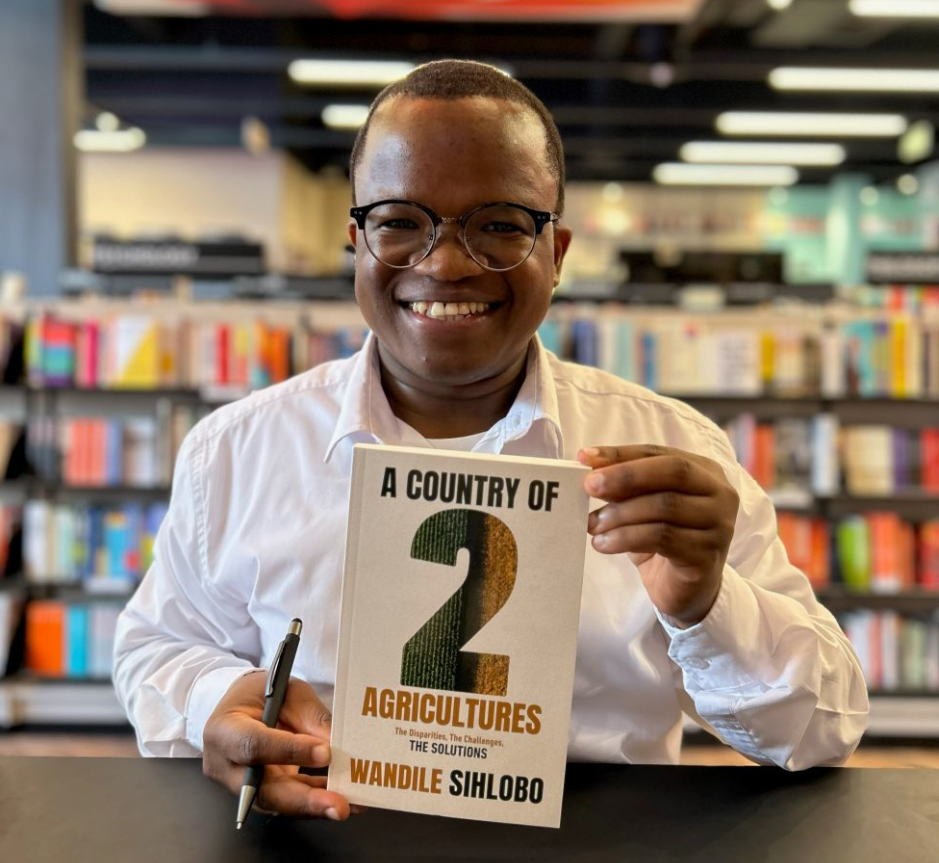
| | | Three years ago today, we released my second book, “A Country of Two Agricultures”. I won’t be the judge of how the book has impacted agricultural discussions since then, but I will say that my publisher is pleased with the sales. We continue to see it selling and part of discussions. In fact, last Friday, August 28, 2026, the Chief Economist of the South African Reserve Bank (SARB), Dr Konstantin Makrelov, invited me to the SARB’s Library Book Club to discuss this book. What I thought I would do to mark the day is to repost an extract from the book here, which has appeared on Our Long Walk, a blog by Professor Johan Fourie of Stellenbosch University. To those who haven’t read the book, I encourage you to visit your nearest store to get a copy or use an ebook platform. On the sunny morning of 5 April 2021, when the Covid-19 pandemic had provided a breather following a sharp wave of infection, I drove from my office at the Agricultural Business Chamber of South Africa in Pretoria to a farm in Bronkhorstspruit. Bronkhorstspruit is a small town of roughly 3 720 people, located 50 kilometres east of Pretoria in the Gauteng province of South Africa. Click here to read full article by Wandile Sihlobo, Agbiz.
| | Immigration and farm labour dynamics in agriculture |
| | | Immigration is not an easy issue to manage and will need to be handled carefully going forward, without causing alarm or undue reputational risk to the export-oriented farming sector, says the writer. We typically tout South Africa’s farming sector as crucial for job creation. The primary farming sector employs close to 1-million people, and more than 300,000 additional people work in the value chains. Looking to the future, given technological advancements, we remain convinced that as this sector expands, more jobs will be created. However, there are also new issues in the farming sector labour market that we must focus on more. The immigration discourse in South Africa has created the impression that the farming sector has been left reeling from unharvested fruit and other produce as foreign workers leave the country. This issue needs to be treated delicately, without exaggerations that create undue reputational risks. There are foreign workers in the South African farming sector, especially in provinces bordering our neighbouring countries and in certain value chains such as sugarcane and fruit. Click here to read full article by Wandile Sihlobo, Agbiz.
| | We must embrace science in order to boost our agricultural progress in South Africa |
| | | I have received a few text messages about this public notice of a new GMO event (see the end of the post). Some people seemed concerned about what this is about. As the note indicates, some of these events won’t be for general commercial release in South Africa. But I do want to make a brief, broader comment. Such notices are a normal step for transparency about what the country produces in agriculture. Since the 2000-01 season, South Africa has been growing GMO maize and soybeans and has improved the cultivars over the years. Amongst other things, these seed improvements have yielded great benefits for agriculture, improving yields and boosting our food security and exports. This technological embrace primarily explains the higher crop yields in South Africa compared to some neighbouring African countries with even better climatic conditions. Before its introduction, average maize yields IN South Africa were around 2.4 tonnes per hectare. This has now increased to over 6.0 tonnes per hectare. Meanwhile, maize yields in sub-Saharan Africa remain low, averaging below 2.0 tonnes per hectare. Click here to read full article by Wandile Sihlobo, Agbiz.
| | How is the maize harvest progressing in South Africa? |
| | | The maize season was roughly a month and a half behind its typical schedule in South Africa. Because of that, farmers are still busy in some fields finishing the harvest. Last week, on August 21, about 14.0 million tonnes were delivered to commercial silos, compared with the expected 17.4 million tonnes. In a brief catch-up with our members at the Agricultural Business Chamber of South Africa (Agbiz) on Thursday night, I asked them what they were seeing in their silos regarding maize, especially the folks in the western regions of South Africa. A couple of them told us that the quality of the crop they are receiving in the silos is good. This eased our fears, as late deliveries typically mean some minor quality issues. We are ending a season of abundance in South Africa’s grain industry. The ample maize harvest covers South Africa’s annual maize needs of 12.0 million tonnes, as well as those of the neighbours. There will also be decent stocks going into the new year. The new season will likely be challenging as we approach an El Niño year, which could bring drought. Click here to read full article by Wandile Sihlobo, Agbiz.
| | South Africa’s farming sector is heading into a challenging season ahead |
| | | Last night, the South African Weather Service (SAWS) once more reminded us in its monthly Seasonal Climate Watch report that we are heading towards a challenging summer season. Amongst other things, SAWS stated that: “The El Niño-Southern Oscillation (ENSO), which is currently in an El Niño state, has strengthened, and current predictions indicate that it will continue strengthening towards a very strong El Niño state within the next couple of months and last at least until the end of the 2026/27 summer season. The typical signs that El Niño will affect South Africa are starting to materialise over the Pacific Ocean, and it is expected that South Africa will experience the typical impacts of drier and warmer conditions during this coming summer.” SAWS added that: “Predictions indicate that during spring, favourable rainfall conditions over the eastern coastal areas as well as the eastern interior could still be expected. However, as we move towards early summer, significant areas are expected to receive below-normal rainfall, especially in the central interior and the far northeast. Even though there are indications that the eastern parts of South Africa can expect above-normal rainfall during early summer, caution is advised for the potential change in the forecast due to the developing El Niño.” Click here to read full article by Wandile Sihlobo, Agbiz.
| | Global wheat prices have increased too late for SA plantings |
| | | Global wheat prices have risen in recent weeks due to damage and disruptions at Ukrainian ports and fuel shortages in parts of Russia. But the timing of the price increases will not incentivise increased planting domestically, as it is already too late in the season. When the season started in May 2026, many factors were working against South African wheat farmers. First, global wheat prices were under pressure due to ample global supplies, which led to lower domestic prices at the start of the planting season. This discouraged an increase in the area under cultivation. South African farmers called for an increase in the wheat import tariff to provide some level of protection. But the policymakers decided not to increase the tariffs. We can understand their logic, among other things, by appreciating that import tariffs always entail a trade-off, as policymakers must balance farmers' and consumers' welfare when choosing a path. Second, input costs, mainly fuel and fertiliser, were high at the start of the planting period in May 2026, as the U.S.-Iran war disrupted the production and transportation of these key farm inputs in the Middle East. For a typical wheat farmer, fertiliser accounts for around 35% of the input costs, with fuel accounting for around 13%. With these key inputs increasing sharply, farmers were under financial strain as the season began. Click here to read full article by Wandile Sihlobo, Agbiz.
| | Leading above the line: How fear shapes workplace behaviour |
| | | One of the most common questions leaders ask me at the start of their leadership development journey is why managing people can feel so challenging. They often describe situations with a similar underlying theme: Team members are not taking full responsibility for execution, or they seem unwilling to go the extra mile. No combination of engagement strategies, one-on-one meetings, or Friday boerewors braais seems to move the needle in the right direction. Yet when I engage with teams and explain the dynamics of healthy leadership, they often ask whether the same training will be provided to their managers as well. Over time, I have realised that, despite the considerable effort invested in leadership development and engagement strategies, there is often a gap between what managers do and what team members need. This is in many ways a human pattern and becomes easier to understand when viewed through the lens of neuropsychology. The above-/below-the-line practice is a tool I use to help leaders and teams recognise their behaviour, understand the choices available to them, and intentionally change their responses for greater impact. The ‘line’ represents fear. Click here to read full article by Lizelle Jacobs, MindAlive.
| | Agbiz Grain Quarterly – August 2026 edition now available | |
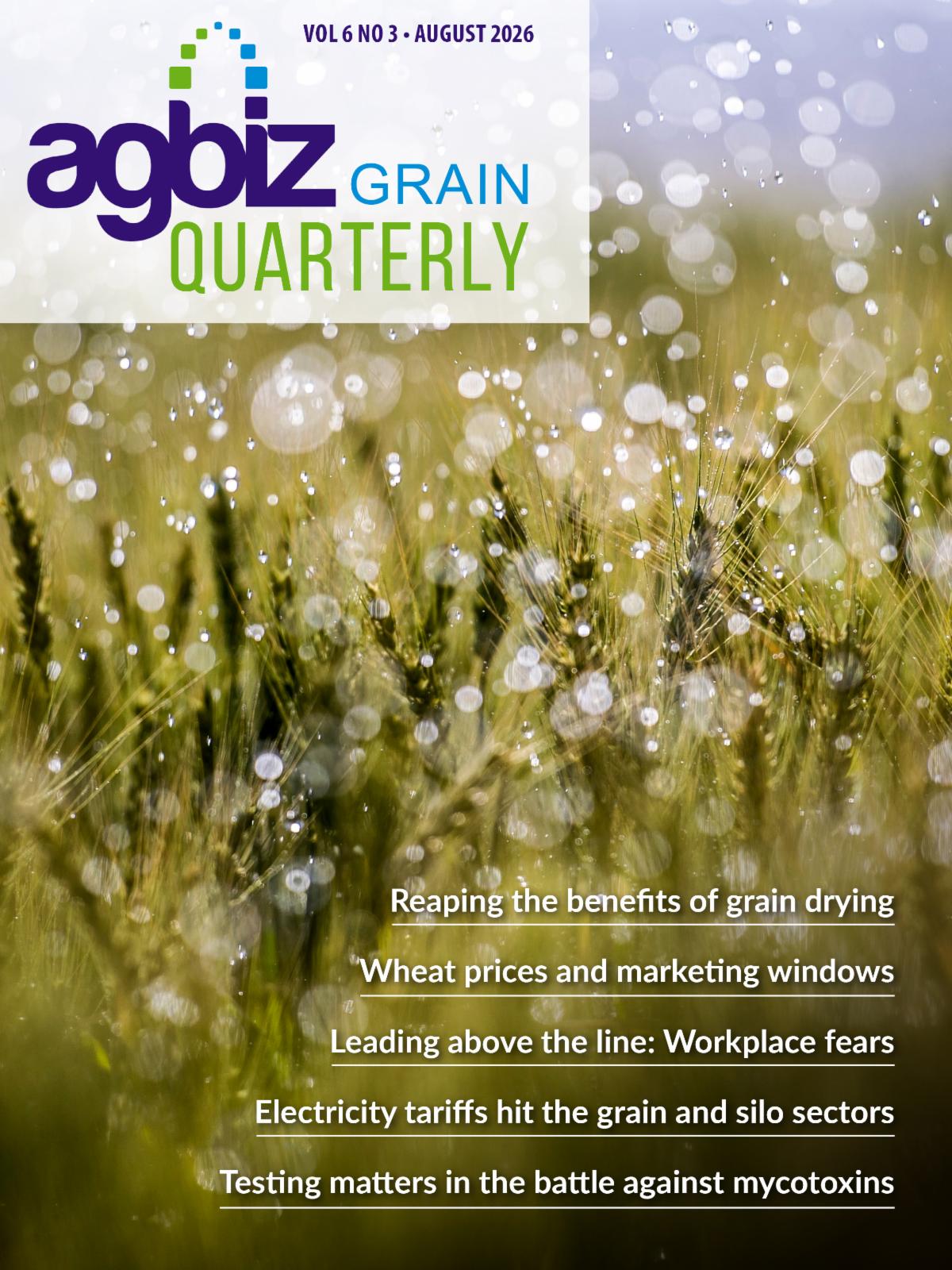
The August 2026 edition of Agbiz Grain Quarterly is now available, featuring expert insights and analysis on the key issues shaping South Africa's grain handling and storage industry. This issue explores topics ranging from compliance and safety accountability to logistical bottlenecks, rising energy costs and the latest developments in grain production and policy. Highlights include an in-depth look at the ongoing battle against mycotoxins and why testing remains critical for food and feed safety, the economic and operational benefits of commercial grain drying, and an analysis of South Africa's wheat pricing ahead of the National Agricultural Marketing Council's Section 7 investigation. Readers can also look forward to articles on workplace leadership, soaring electricity tariffs, the National Water Amendment Bill, the Agbiz Student Case Study Competition, and the latest local and international industry news.Read the interactive flipbook. Download the PDF.
| | Beyond poverty: Why growing the middle class is a different challenge |
| | | The East Asia and Pacific (EAP) region has achieved one of the most remarkable economic transformations in history. In just a few decades, hundreds of millions of people have been lifted out of poverty, living standards have surged, and the region has become a global benchmark for what development looks like when it works. But success raises its own questions, and the most urgent one is this: having come so far, so fast, what does it take to keep going? A new World Bank paper examines the region’s progress in building a larger and more economically secure middle class, and the findings are at once encouraging and sobering. Today, roughly one in three people in the EAP region belongs to the middle class, with economic security to withstand shocks without sliding back into poverty. The region also leads the world in the pace of growth in the middle class over the last decade. Much of this has been driven by China, where the middle class grew from 11 percent of the population in 2010 to around 40 percent in 2021. But across the rest of the region, momentum has slowed. Many who escaped poverty are struggling to gain a foothold in the middle class. Click here to read full article.
| | Brazil deal underscores need to strengthen country’s trade agreements – BLSA |
| | | The announcement last week that South Africa had reaffirmed its strategic partnership with Brazil, with ambitions to deepen economic ties, was presented as a diplomatic win; however, this being led by the Department of International Relations and Cooperation instead of the Department of Trade, Industry and Competition, suggests it was a political conversation, not an economic one, business organisation Business Leadership South Africa CEO Busi Mavuso writes in her weekly newsletter. She points out that South Africa requires a serious trade strategy that is built on analysis of where it can actually compete, not on the optics of summits. “Brazil is a case study in why getting this wrong might be costly,” Mavuso posits. She highlights the importance of South Africa diversifying its trade relationships; and of international trade to the country’s economic growth outlook. “We need our goods to be able to reach diverse markets where they can be competitive.” The work that is under way to improve the performance of the country’s logistics system is one part of the competitiveness equation, Mavuso emphasises, calling for this to be complemented by a trade strategy that strikes agreements with suitable markets to remove trade barriers. Click here to read full article.
| | Views on Itac's upward adjustment of sugar import duties still largely divergent |
| | | With the International Trade Administration Commission of South Africa (Itac) having adjusted upwards the dollar-based reference price (DBRP) for sugar imports from $680/t to $785/t this week, industry body SA Canegrowers welcomed the adjustment but sugar manufacturer Illovo Sugar believed the adjustment fell materially short of what was required. SA Canegrowers' view is that the upward adjustment of the DBRP is critical to the sustainability of the domestic sugar industry, which is contending with a flood of heavily subsidised sugar imports. SA Canegrowers did caution that while the adjustment is welcome, it may not go far enough to fully close the gap that has allowed a surge of subsidised imports to displace locally produced sugar from the local market, which echoes Illovo's view. “We thank [government] for listening to the industry and acting on the evidence we have presented over the past two years. This adjustment shows the government understands the severity of the crisis facing sugarcane growers," SA Canegrowers chairperson Higgins Mdluli says. Click here to read full article.
| | Indoor farming market to grow over 100 percent by 2032 |
| | | The indoor farming market is on track to double in value by 2032, according to a recent report by Strategic Market Research. The segment was valued at approximately $42 billion in 2025 and is projected to approach $86 billion by 2032, at a compound annual growth rate of nearly 11 percent. Demand for year-round availability, localized production, automation, and more predictable yields is supporting the expansion, the assessment notes. Controlled-environment agriculture operations increased from 1,476 in 2009 to 2,994 in 2019, while production volume rose 56 percent to 7.86 million hundredweight, according to US Department of Agriculture data cited by Strategic Market Research. Commercial growers accounted for approximately 65 percent in 2025, representing an estimated $27 billion, the report notes. Research institutes represented another 20 percent, valued at approximately $8.4 billion. Tomatoes, lettuce, and cucumbers accounted for between 60 and 70 percent of production during the period, while hydroponics remained the most widely used cultivation method. In 2025, leafy greens generated approximately 40 percent of indoor farming revenue, valued at nearly $17 billion. This is because lettuce, spinach, and kale benefit from short production cycles, standardized growing practices, and established retail channels, the firm states. Click here to read full article.
| | EU-27 avocado consumption on an upward trend, supported by rising supply |
| | | For its avocado consumption, which increased by 36% between 2020 and 2024, the EU-27 remains highly dependent on supply from third countries. Extra-EU imports rose from 603,673 tonnes in 2020 to 917,951 tonnes in 2025 (+52%). After strong growth in 2021 (+12.5%) and a slight dip in 2022 (–0.4%), a clear acceleration followed again in 2023 (+12.1%), 2024 (+5.6%) and 2025 (+14.3%). The bulk of imports from third countries clearly comes from Latin America and a series of African and Mediterranean suppliers. Peru is by far the largest origin: 416,894 tonnes in 2025, accounting for 45% of supply from third countries. It is followed by Colombia (12%), Morocco (10%), Chile (9%), Israel (8%), Kenya (6%), South Africa (6%) and Brazil, the Dominican Republic and Mexico, with around 1% each. This points to a highly diversified supply chain, but with one clear anchor: Peru. Within the EU-27, import volumes from third countries are highly concentrated. In 2025, the largest importers are the Netherlands (60%), Spain (27%) and France (8%). This confirms the Netherlands' role as the primary European gateway and distribution hub, with a strong focus on the origins of Peru and Colombia. In Spain, besides Peru, Morocco, Kenya and Chile also stand out. France sources relatively heavily from Israel and Morocco. Click here to read full article.
| | South African blueberries show resilience amid localized weather disruptions |
| | | Following unprecedented winter flooding in the Western Cape in mid-May, the South African blueberry industry faces a complex landscape defined by severe localized infrastructure damage, climate variability, and rising operational costs. “We recorded on some farms between 300 and 400 millimeters of rain over a two- or three-day period… It was a lot of rain”, said Dylan Coleman, National General Manager at Winterwood Holdings South Africa. Despite the dramatic rainfall, Coleman emphasized that the physical impact on crops was highly localized rather than industry-wide. While select blueberry growers located directly at the foot of mountain catchments suffered severe block losses (with some losing over 70 percent of their volume), other farms experienced minimal or zero crop damage. As a result, despite the extreme weather events, national export projections remain remarkably steady. Addressing concerns regarding overall market supply, Coleman clarified that the macro outlook for South African blueberries remains robust. The Western Cape currently accounts for approximately 50 percent of planted area and around 60 percent of total fruit production, while northern regions are expanding rapidly. Click here to read full article.
| | The trade pact that could stitch Africa's textile industry together |
| | | The AfCFTA offers African cotton, textile and clothing businesses the opportunity to build cross-border production networks, attract investment and retain more value on the continent. And it can do so while providing the shared rules and larger market needed to strengthen factories and trade corridors. More than five years after trading began under the African Continental Free Trade Area, one of its biggest tests is taking shape in the textile industry: can it connect the continent’s cotton growers, spinners, weavers and clothing manufacturers into a competitive regional production network? The AfCFTA offers access to a larger market and preferential trade, but its success will be measured by whether businesses can move African-made inputs across borders and turn that opportunity into factories, investment and jobs. Under this model, cotton grown and ginned in Benin could be spun into yarn in Côte d’Ivoire, woven in Ghana, and made into clothing for sale across West Africa. No country would need to master every stage of production. Instead, producers could specialise and trade intermediate goods across borders, retaining more of the value created between the farm and the shop floor. Click here to read full article.
| | Exporters can share freight costs |
| | | Exporters may collaborate on freight consolidation, warehousing and certain logistics costs under South Africa’s export block exemption, but it does not protect joint commercial negotiations with port or rail operators. The Department of Trade, Industry and Competition (dtic) and Competition Commission clarified the scope of the exemption during a public webinar on August 31. Dtic Director: Export Development and Support, Kwanele Mkhwanazi, said collective action could help exporters overcome some of the logistics challenges that make international markets difficult to access. “Smaller exporters in particular often struggle to afford logistics and consolidate enough volume to ship commercially,” Mkhwanazi said. “Several small exporters targeting the same overseas market could potentially share costs associated with logistics, warehousing and other export-related activities.” Competition Commission Senior Legal Counsel Simphiwe Gumede said permitted collaboration could include certain costs associated with shipping, storage, inspections and freight consolidation hubs. Exporters may also share aggregated information on export prices and volumes through an independent third party, according to the Commission. Click here to read full article.
| | Deputy Minister Steenhuisen undertakes trade and investment trip to Europe |
| | | The Deputy Minister of Trade, Industry and Competition, Mr John Steenhuisen will undertake a working visit to Czechia, Poland and Germany from 31 August-10 September 2026 to strengthen bilateral trade and investment relations between South Africa and the three European countries. In Czechia, Steenhuisen will chair the 6th session of the South Africa-Czechia Joint Committee on Economic Cooperation (JCEC). He will also meet with several businesses to advance the dtic’s investment attraction and export diversification mandate. In 2025, Czechia was South Africa’s 9th largest trading partner within the European Union with total bilateral trade of US$1.1 billion. Czechia also maintains a growing investment presence in South Africa, particularly in sectors such as renewable energy, electronic components, boat building, textiles, communication, hospitability as well as services. There are several South African companies investing in Czechia in sectors such as food and beverages, paper, printing and packaging, financial services, plastics, transportation and warehousing, as well as software and Information Technology (IT) services. Click here to read full article.
| | Global market overview mangoes |
| | | The global mango market is showing mixed conditions, with weather, crop development, and shifting supply windows influencing availability across major origins. European markets are transitioning towards Mediterranean supply, while Brazilian volumes are increasing and the Mexican season has largely concluded. In several origins, smaller crops, delayed flowering, and changing harvest schedules are affecting availability and expectations for the coming months. Trade conditions also vary by market. Demand remains relatively stable in parts of Europe, while exporters in Asia, Africa, and Latin America continue to adjust destination markets and supply programs. El Niño, phytosanitary pressure, quality requirements, and changing volumes remain key factors shaping the outlook for the coming months. A player representing 20-25 per cent of the Italian mango market reports that domestic consumer interest is steadily growing, with stable, seasonally adjusted consumption figures concentrated mainly in Central and Northern Italy, but also gradually expanding into Southern Italy. In terms of consumer preferences, the market has shifted from the traditional Tommy variety towards Palmer, which is in greater demand thanks to its excellent organoleptic properties and almost fibre-free flesh, despite its less intense skin colour. Click here to read full article.
| | NWK: July/August 2026: Agricultural economic report | The NWK Limited external factors report provides an overview of the main external factors that NWK and its clients are exposed to at a specific point in time. This report opts to aid in a timely basis to foresee external market and other factors that may have an impact on any business and clients. The main focus of this document is to have a closer look at external factors that can affect any business and our customers. External factors that can affect any business and its customers include various economic factors. This report will focus on monthly or quarterly changes of these economic factors. Please click here to peruse. | | Discover the latest updates and insights from Hortgro in the newest edition of their publication. Click here to read the AUGUST 2026 issue, featuring the latest industry developments and important information. | | FREE TRAINING | Livestock Growth Series – powered by AGDA and RMIS | AGDA and RMIS (Red Meat Industry Services) are proud to launch the Livestock Growth Series, a free online training initiative designed to equip livestock farmers with practical knowledge and tools to reduce risk, improve productivity and build profitable, sustainable farming businesses. The series will bring farmers and industry experts together to unpack key aspects of livestock production — from herd management and animal health to biosecurity and cattle marketing. RSVP HERE | | |
Mac Day on the road 2026
8, 10, 17 & 22 September | MP, Limpopo, KZN, WC
Learn more
AFMA Forum 2026
8 -10 September 2026 | Sun City
Learn more
31st Commonwealth Agriculture Conference
1 – 5 November 2026 | Century City Conference Centre in Cape Town, South Africa
Register here
IFPA Sustainability Summit 2026
11 November 2026 | Erinvale Golf Course Clubhouse, Somerset West
Register here
| |
- Agbiz is the only organisation that serves the broader and common over-arching business interests of agribusinesses in South Africa.
- Agbiz addresses the legislative and policy environment on the many fronts that it impacts on the agribusiness environment.
- Agbiz facilitates considerable top-level networking opportunities so that South African agribusinesses can play an active and creative role within the local and international organised business environment.
- Agbiz research provides sector-specific information for informed decision-making.
- Agbiz newsletter publishes members' press releases and member product announcements.
| | THIRD-PARTY WEBSITE LINKS TO THIS NEWSLETTER | | The Agbiz Newsletter may contain a few links to websites that belong to third parties unrelated to us. By making these links available, we are not endorsing third-party websites, their content, products, services or their events. Agbiz seeks to protect the integrity of its newsletter and links used in it, and therefore welcomes any feedback. | | | | |