Frontloading, measured responses cushion tariff impact in 2025 but risk high for 2026 |
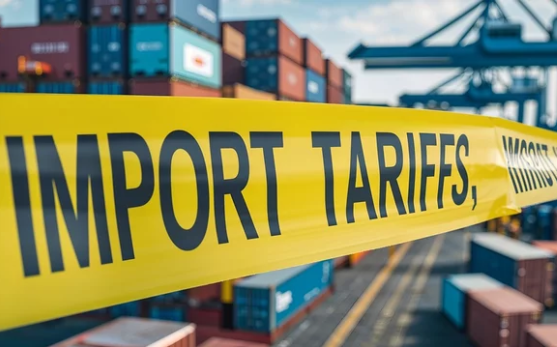
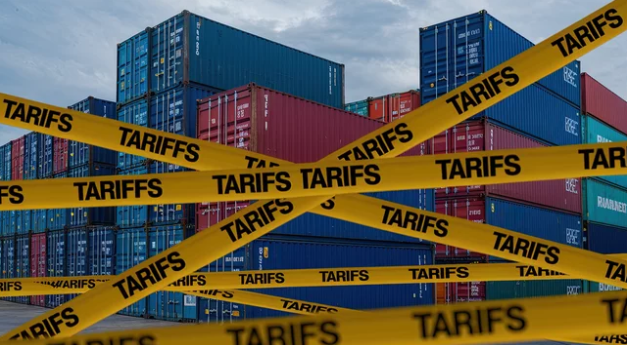
| |  | World merchandise trade is now projected to grow 0.9% in 2025, up from the -0.2% contraction forecasted in April but down from the 2.7% estimate pre-dating the tariff increases. The upgrade is mostly due to frontloading of imports in the United States, WTO economists said in a forecast update released on 8 August. However, higher tariffs over time will weigh on trade, bringing next year’s expected trade volume growth down to 1.8% from 2.5% previously. A surge of imports in the United States in the first quarter ahead of widely anticipated tariff hikes contributed to the upward revision to the forecast for 2025 issued in the April Global Trade Outlook and Statistics report. Increased tariffs—including those that took effect this week—will dampen trade in the second half of 2025 and in 2026. Director-General Ngozi Okonjo-Iweala said: "Global trade has shown resilience in the face of persistent shocks, including recent tariff hikes. Frontloaded imports and improved macroeconomic conditions have provided a modest lift to the 2025 outlook. Click here to read full article.
| | Joint statement on US tariffs |
| | | Following the 30% unilateral tariff imposed by the United States which came into force on 7 August 2025, Government has been implementing a response anchored on five key elements: i) continued engagement with the United States to secure a deal and reduce the tariffs; ii) diversification of exports to alternate markets; (iii) an economic response package to vulnerable companies and workers; iv) trade defense against import surge and dumping; and v) demand side interventions. Therefore, the press briefing will provide an update on progress on these key elements: Continued engagement with the United States to secure a deal and reduce the tariffs. Cabinet has approved that South Africa submits a revised offer as a basis for negotiations with the US. The new offer builds on the previous offer submitted in May 2025. The new offer substantively responds to the issues the US has raised in the 2025 National Trade Estimates Report. South Africa has already addressed sanitary and phytosanitary measures in compliance with the bio-security protocols affecting. Click here to read full statement. Click here to watch the press briefing.
| | Africa must look after itself in a ‘chaotic’ trade environment | |
| | | Africa is being forced to look towards itself in the current global “chaotic” trade environment, with the US introducing punitive measures against countries that do not toe the line the American way. The South African government failed to secure a more favourable trade deal with officials from US President Donald Trump’s administration by Friday, 1 August. As such, South African exports are now burdened with a 30% tariff. Rob Davies, former minister of trade and industry and member of the African Continental Free Trade Area’s (AfCFTA’s) trade and industrial development advisory council, said the current global conjuncture is adding to the imperative for collaboration and coordination within the African trade area. “Many of the rules preventing us from using policy tools to increase our value chains are being weakened and in fact being jettisoned by the developed world for their own reasons. The US has completely upended the system,” said Davies in the closing session of the 2025 Trade and Industrial Policy Strategies (Tips) Forum in Sandton last week. Click here to read full article.
| | South Africa’s revised trade offer to the US described as ‘broad, generous, open and ambitious’ | |
| | | South Africa submitted a revised trade offer to the US on August 12, after its previous ‘Framework Agreement’ submitted in May failed to avert the institution of 30% ‘reciprocal tariffs’ on South African products as from August 8. Details of the new offer were not provided during a joint briefing hosted on Tuesday by Trade, Industry and Competition Minister Parks Tau and Agriculture Minister John Steenhuisen, owing to a non-disclosure agreement in place with the US. Nevertheless, it was confirmed that it was confined to trade and tariff matters and did not include offers in relation to some of the domestic policy complaints raised by President Donald Trump during his Oval Office meeting with President Cyril Ramaphosa in May. Tau confirmed that the revised offer had been approved by Cabinet on August 6, while Steenhuisen described it as a “broad, generous and open offer” that sought to meet the ambition criteria set by the US and which he argued would be good for both South Africa and the US if adopted. Click here to read full article.
| | Employment equity targets a missed opportunity | |
| | | Of all the policy areas that we work with, transformation remains the most controversial and delicate. If done correctly, transformation can be a real asset to the agriculture sector as it unlocks the latent capabilities of those who may not otherwise get a chance in the mainstream economy. If done wrong, transformation can pose a serious challenge for companies and even those whom it seeks to advance. Employment equity is a specific subset of transformation that seeks to advance previously disadvantaged individuals in the formal employment sector so that they can compete on an equal basis with previously advantaged individuals. The concept is noble and deserves to be supported. Until recently, companies with a turnover that exceeded a certain threshold was required to formulate employment equity plans containing targets that each entity seeks to achieve over a five-year period. However, the pace of transformation at senior and top management levels in particular has been slower than expected. Click here to read full article by Theo Boshoff, CEO of Agbiz.
| | Improvements in logistics are key to driving agricultural growth and agritourism in SA | Positive news in South African agriculture is worth celebrating — and recent improvements at our ports, especially in agricultural terminals, are a big win. This is vital as South Africa’s agriculture is export-oriented, with half of the produce destined for the export market. Efficient logistics are key to this progress. In this week’s segment, Wandile Sihlobo reflects on logistics matters in South Africa’s agriculture, road infrastructure, agritourism, and coffee. Click here to watch. | | After Trump tariffs shock, SA must adapt and not deprioritise the US | |
The centrality of trade diversification to the US tariff saga in recent months is understandable as there are immediate and notable implications for various exporting businesses. But the recently announced 30% tariff on SA goods imported by the US is not the end of the road. Negotiations continue between the two countries. Still, the lingering uncertainty and the fact that the tariffs are already in place is a major concern. As SA navigates the tariff issue in the coming weeks there will be an increasing need to allocate resources and intellectual capital wisely when it comes to trade matters in general. We are in a rapidly changing world, and the global trading system has been upended. SA must increase its efforts in two areas: retaining existing markets in various regions of the world and expanding access in new places. This does not mean deprioritising the US, but adapting to the evolving world we live in. Click here to read full article by Wandile Sihlobo.
| | SA agricultural machinery sales are likely to remain strong this year |
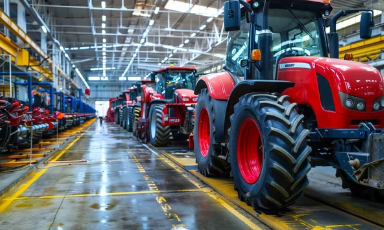
| | | South Africa's agricultural machinery sales have remained reasonably robust since the start of 2025, and are likely to continue on this encouraging pace. The tractor sales have increased for the past seven consecutive months, while the combine harvester sales only cooled in the last three months, having started on solid momentum. The recent data for July also paints a mixed picture. For example, the tractor sales are up 34% y/y, with 753 units sold. However, the combine harvester sales are down by 25% y/y, with six units sold. The decline in combine harvester sales is not a significant concern given the higher volume of sales in the past few months. The cumulative combine harvester sales for the first seven months of 2025 are up 27% from the corresponding period in 2024, with 167 units sold. The increase in agricultural machinery sales primarily reflects the positive sentiment in the sector regarding the 2024-25 field crop, horticulture, and wine grape harvest, supported by the favourable weather conditions. Click here to read full report by Wandile Sihlobo.
| | South Africa’s rural areas can be developed through agriculture |
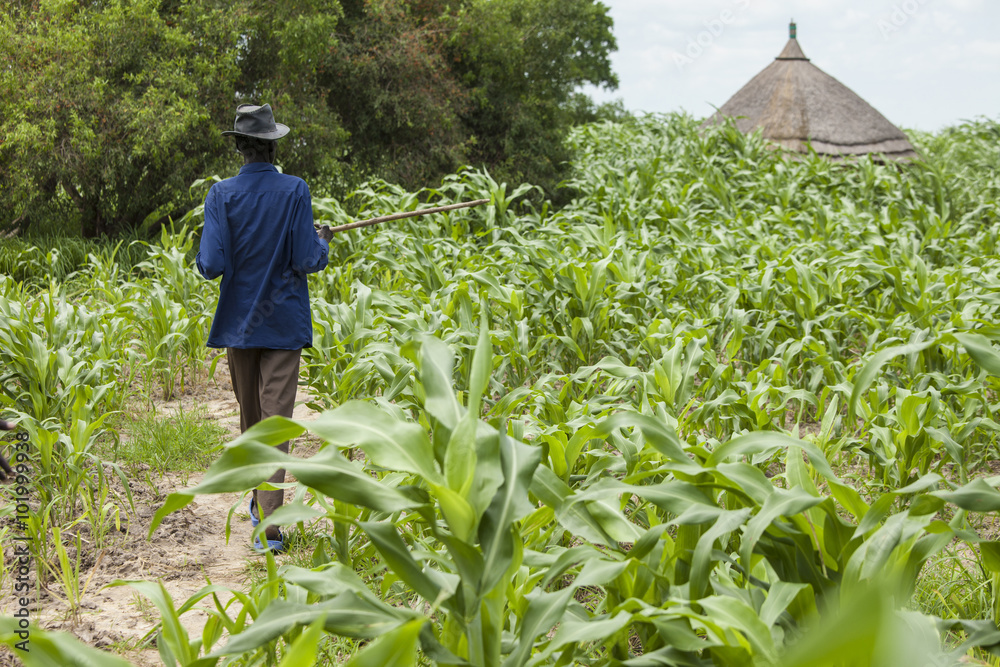
| | | Among other things, I emphasised that the rural economy should not be forgotten in South Africa’s economic growth agenda, where there tends to be a strong urban bias in policy discussions. Rural areas are still a significant segment of society and the economy, though 68% of the population now lives in urban areas. Apart from rural areas’ reliance on remittances and social transfer payments, the one outstanding characteristic of the rural economy is its dependence on a few key industries, all of which are typically resource-based, such as agriculture, mining, fishing, tourism, and forestry. With rising unemployment and low economic activity, policymakers are searching for areas of growth and job creation. For many rural areas, agriculture and tourism are the only industries that still have the potential to generate employment. However, for these industries to perform better, we must address the infrastructure and governance constraints that have inhibited agriculture’s growth and potential. Although the sector has more than doubled since 1994, it has not yet reached full capacity. Click here to read full article by Wandile Sihlobo.
| | A case for optimism about the upcoming 2025-26 agricultural season in South Africa |
| | | We are about two months away from the start of South Africa's 2025-26 summer crop season. While some regions are still finalising the 2024-25 summer crop harvest process due to a late start to the season, many will soon begin tilling the land for the next season. This also means our interest in weather conditions and outlook will increase. One of the primary sources for the medium-term weather outlook is the South African Weather Service (SAWS), which recently signalled a more regular season ahead, which means normal rains. In its Seasonal Climate Watch report of August 5, the SAWS stated that "With the start of the spring and early summer seasons, the eastern parts of the country normally start receiving significant rainfall. During early- and mid-spring, the eastern and south-eastern areas of the country are expected to receive above-normal rainfall, with most other areas expected to be below-normal. During the late-spring season, however, most areas of the country are expected to receive below-normal rainfall." Click here to read full report by Wandile Sihlobo.
| | My hesitancy about SA's agricultural export opportunities in Africa |
| | | I know some people have strongly argued that we must deepen our trade with the African continent to lessen the higher exposure to some risky regions. The African continent does present opportunities for the various sectors of our economy, but for agriculture, I am not as optimistic, at least in the near term. You see, the continent is already an important market, accounting for roughly half of our agricultural exports of US$13.7 billion in 2024. But if one looks closely at the data, one realises that approximately 90 cents in every dollar of these exports are to the neighbouring Southern Africa region. These are mainly in the Southern Africa Customs Union (SACU) and the Southern African Development Community (SADC) Free Trade Area (FTA). We will likely remain heavily dominant in these regions for some time, but the growth is limited. We have to play a more maintenance approach rather than hoping for further expansion in the area. The product scope of agricultural exports into SACU and SADC is quite diverse. Click here to read full article by Wandile Sihlobo.
| | SA farm jobs decline mildly in Q2,2025 |
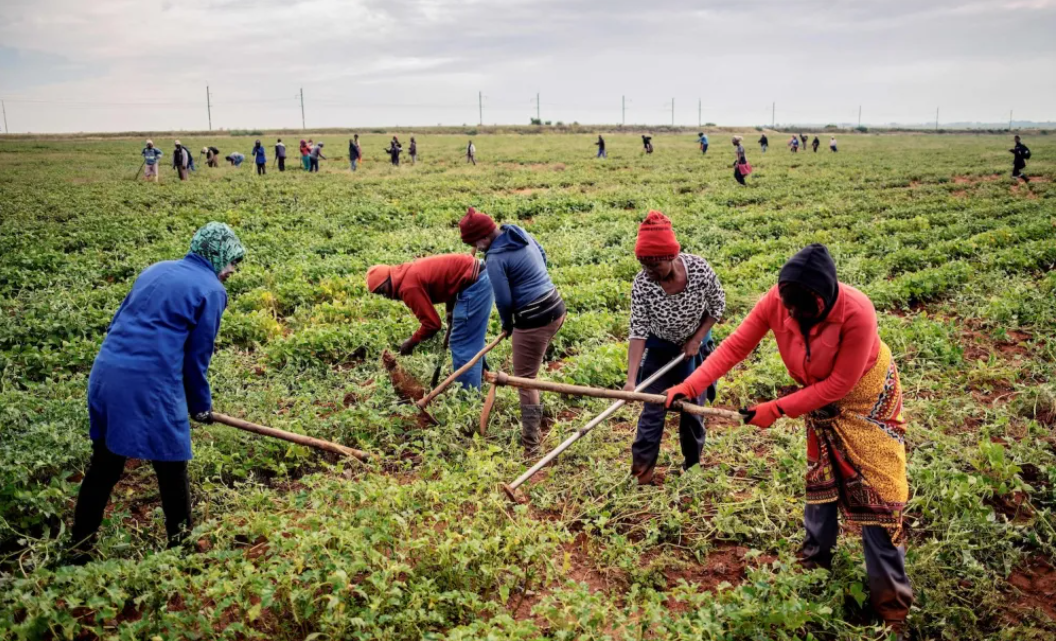
| | | The South African farm jobs have declined mildly from the first quarter of this year by 3% to 906k in the second quarter. We see the quarterly decline mainly in the livestock industry, some field crops, and aquaculture. This could be linked to specific challenges these industries are facing, particularly the foot-and-mouth disease in cattle farming in South Africa. We also think the delays in harvesting some summer crops may have also weighed on employment conditions. Still, we gain some encouragement in noticing that from an annual perspective, the overall farm employment is up 1% from the second quarter of 2024. The annual uptick is consistent with the robust production in field crops and horticulture that we see in the country. For example, the Crop Estimates Committee forecasts the 2024-25 summer grains and oilseeds harvest at 18.74 million tonnes, up 21% y/y. We also see encouraging production data across various fruits, wine, sugarcane, and vegetables. In essence, as the sector continues to struggle with foot and mouth disease, which will add financial pressures to the livestock industry, and lingering trade concerns, there remain some risks to South Africa's farming jobs. Click here to read full report by Wandile Sihlobo.
| | Selling Maize to Venezuela |
| | | We continue to see excellent maize export activity. I think there will be a greater increase in momentum at the end of the year and going into 2026. At the moment, some countries, especially on the continent, still have supplies from the recent harvest. But they may need to supplement them later in the year. It was interesting to see that last week, our maize exports are not only recovering in the Far East, but Venezuela is also reappearing in the export list once again, having imported 17,866 tonnes of South African white maize variety in the week of 01 August 2025. Not that Venezuela is a lucrative market, but the point is that we are back in export markets beyond the continent in the maize industry. The last time Venezuela was in our maize export list with a decent maize purchase was in 2018, with about 31,500 tonnes of maize imports. Anyways, I wanted to highlight in this post that South Africa exported 32,122 tonnes of maize in the week of 01 August 2025. About 56% was exported to Venezuela, and the rest to the Southern African region. Click here to read full article by Wandile Sihlobo.
| | Glimmers of light in the Western Cape's farming sector despite trade uncertainty |
| | | The agricultural discussions surrounding the Western Cape province of South Africa have primarily focused on the risks presented by the U.S. trade policy shifts in recent months. This is understandable, as the province has greater exposure to the U.S. market relative to other provinces, mainly through its exports of citrus, wine, table grapes, and ostrich products, among others. Securing better market access in the U.S. with relatively low tariffs is key to maintaining the competitiveness of these industries in that market. Still, some encouraging developments in the province's agriculture are worth highlighting, primarily in winter crop production. While it is still early to form a firm view, it seems likely that South Africa will have a decent winter crop season, primarily boosted by the Western Cape's harvest. At the start of the 2025-26 winter crop season, there was some uncertainty about the weather outlook, and the relatively higher input costs also added pressure to the farmers. Click here to read full article by Wandile Sihlobo.
| | PODCAST: Far East countries are back buying South Africa’s maize | |
South African maize is back in the Far East export markets. These aren’t new territories for our maize; we typically export to them during seasons of abundance, like this one. Last season, not a lot of maize was exported to the Far East. Our export activity focused on Africa. The region was hit by drought and needed maize more than other regions for staple food. South Africa channelled its maize exports, mainly white maize, to the continent. South Africa was also hit by the drought, but we still had a relatively decent yield and benefited from supplies from the past season. This enabled South Africa to export more maize to Africa. Zimbabwe accounted for 56% of South Africa’s maize exports of 2.3Mt last year. Now we are back in the season of abundance. Zambia has surplus maize, and Zimbabwe has a better yield, though it may still need about 700,000t of maize imports later in the season. Listen to the podcast for more insights here.
| | The August 2025 issue of Agbiz Grain Quarterly is now available! | |
Agbiz Grain Quarterly is an online magazine dedicated to the South African grain handling and storage industry. In addition to the usual offering of thought-provoking articles, the August 2025 issue highlights the revision of the wheat import tariff system to address delays in tariff adjustments, as well as ways in which technologies worldwide are using AI to perform certain functions in the grain handling and storage industry. Click here to read magazine.
| | Politicians strive for competitiveness |
| | | Competitiveness, Michael Porter remarked in The Competitive Advantage of Nations, his 1990 best-selling book, means different things to different people. As a member of US President Ronald Reagan’s competitiveness commission in the 1980s, the American economist met business leaders who believed it was about a global strategy to compete in world markets and members of Congress who thought it meant having a positive balance of trade. Today this commonly used term continues to defy definition and to divide opinion. If increasing competitiveness means boosting productivity, economists would agree that this is almost always and everywhere a worthy goal. But they would also note that more productivity raises a country’s welfare regardless of its effects on exports and even if the country doesn’t trade at all with other countries. Competitiveness, however, implies that relativity matters—that policymakers are less concerned about their country’s absolute level of productivity than about how it compares with that of other countries. Click here to read full article.
| | BRICS Expansion: Adaptive Response or Proactive Restructuring of Global Governance? |
| | | As BRICS evolves from a loosely defined economic grouping into a more structured geopolitical entity, its recent expansion signals a more deliberate effort to influence global governance. Does the BRICS’ recent expansion represent a proactive restructuring of global governance or an adaptive response to existing constraints? This article, by integrating Amitav Acharya’s multiplexity and Susan Strange’s structural power framework, analyses BRICS across systemic, institutional, and networked levels. The global political economy is witnessing a significant transformation as the BRICS grouping – originally comprising Brazil, Russia, India, China, and South Africa – undergoes its most ambitious expansion since its inception. This transition reflects a broader shift from a unipolar system to a more fragmented and decentralised configuration, shaped by the rise of emerging powers that have sought to challenge the traditional dominance of Western-led institutions through economic expansion, financial innovation, and joint diplomatic strategies in specific areas. Click here to read full article.
| | 60% of fastest-growing economies in Africa, says AfDB |
| | | ‘600m Africans lack access to electricity.’ Outgoing President of the African Development Bank (AfDB), Akinwumi Adesina, has stated that, in 2025, Africa accounted for 12 out of the 20 fastest-growing economies in the world. Adesina disclosed this in a paper presented at the 2025 Standard Chartered Bank Africa Summit recently in Lagos. He also noted that Africa has some of the largest renewable energy sources, yet 600 million people lack access to electricity on the continent. To bridge the massive energy deficit, he canvassed huge investment opportunities in the sector. Adesina, who has been AfDB President since 2015, is expected to complete his maximum two terms of 10 years on September 1, 2025. According to him, Africa’s economic growth is projected to rise from 3.3 per cent in 2024 to 3.9 per cent in 2025 and to 4.0 per cent in 2026. He added that, defying all odds, 21 African countries were expected to exceed five per cent growth in 2025, with some even exceeding seven per cent. Click here to read full article.
| | Trump and Modi can’t ignore the trade policy power of India’s farmers |
| | | The Trump administration has announced a doubling of tariffs on India to 50 per cent, with a 21 day window for further negotiations over its trade with Russia. President Donald Trump has also ruled out further talks on a wider trade deal with India until tensions are resolved. While India’s continued purchases of Russian oil remains a stumbling block, it is far from the only one. The US insistence on accessing India’s agriculture, dairy and fishery market has been a longstanding point of discord in the trade negotiations. The United States wants to lower tariffs on farm products such as corn, soybeans, apples, cotton, almonds and ethanol, while also pushing for the entry of genetically modified farm products like maize into the Indian market. Prime Minister Narendra Modi responded to the Trump tariff decision within hours last week, stating that “the interests of our farmers are our top priority” and that “India will never compromise with the interests of its farmers, livestock holders and fishermen”. Click here to read full article.
| | Exporters set to share shipping costs, intelligence as tariffs bite |
| | | SA’s exporters, facing debilitating tariffs from the US, are set to gain a five-year reprieve under a government plan that will allow firms to jointly shoulder shipment costs, intelligence and infrastructure as part of a big push to keep goods competitive and trade diplomacy intact. Minister of trade, industry & competition Parks Tau on Tuesday outlined measures the government will take to mitigate the “economic impact of the increased tariffs” and to contribute to the “resilience and growth” of SA exports. Tau gave the public 15 days to comment on the block exemption he intends to usher in for exporters, a short window that signals Pretoria’s pivot towards regulatory flexibility as an urgent counterweight to unilateral trade actions by the US, its second-largest trading partner. Under Tau’s proposals, exporting companies will be given the green light to co-ordinate funding and share export-related market information. Beyond sharing shipment costs, companies will be allowed to share storage costs and co-ordinate on insurance costs. Click here to read full article.
| | Launch of €25 million EU-Funded ATCMA SADC Programme supporting trade competitiveness and market access in SADC region |
| | | The Southern African Development Community (SADC), in partnership with the European Union (EU), the United Nations Industrial Development Organization (UNIDO), and the International Trade Centre (ITC), officially launched the Africa Trade Competitiveness and Market Access (ATCMA) – SADC Programme. The €25 million EU-funded regional initiative is designed to enhance trade competitiveness, strengthen regional Quality Infrastructure, and boost intra-African and Africa–EU trade. The ATCMA–SADC Programme was launched as part of the 8th edition of the SADC Industrialization Week (SIW), reinforcing the strategic alignment between economic transformation, regional integration and the Africa–EU Partnership. The launch session brought together various stakeholders including high-level Government representatives, policymakers, private sector, development partners and the media. The event also included extensive virtual participation, facilitating broader stakeholder engagement across the region. Click here to read full report.
| | IDA Youth Champions Circle: Empowering youth to shape the future of development | |
As the International Development Association (IDA)—the World Bank’s fund for low-income countries—enters its 21st cycle (IDA21), we stand at a pivotal moment for the 78 nations it supports. These countries are confronting overlapping global challenges, like climate shocks, conflict, and economic pressures, even as they hold enormous promise for growth through rising youth populations and local innovation. IDA21, launched on July 1, 2025, is not just a new funding cycle—it is a renewed commitment to ending extreme poverty and boosting shared prosperity on a liveable planet. At the heart of this mission is a simple but powerful truth: Besides being beneficiaries of development, young people are also the architects of tomorrow’s world. In many IDA countries, young people make up more than half of the population. Their energy, creativity, and resilience are essential to shaping a dynamic, inclusive, and technologically advanced future. Click here to read full article.
| | Africa customs and cross-border trade guide |
| | | Africa redefines cross-border trade strategies amid global disruptions and sustainability imperatives. As global supply chains shift and geopolitical and environmental pressures intensify, African nations are reimagining how goods move across borders. PwC’s newly released Africa customs and cross border trade guide offers strategic insights into the evolving trade landscape across ten key markets: Kenya, Ghana, South Africa, Tanzania, Uganda, Zambia, Namibia, Rwanda, Egypt and Nigeria. Governments across the continent are modernising customs frameworks to simplify procedures, reduce clearance times and enhance transparency. These reforms are not only improving trade efficiency—they’re laying the foundation for long-term economic growth. At the same time, regional integration is gaining momentum. Through active participation in Regional Economic Communities (RECs), African countries are harmonising standards, reducing tariff and non-tariff barriers and building more connected trade corridors. Click here to read full article.
| | Trade issues mustn’t overshadow SA biosecurity crisis |
| | | Leading agricultural economist Wandile Sihlobo has sounded the alarm over South Africa’s growing biosecurity threats. He cautions that the recent preoccupation with international trade tensions, particularly those involving the United States, must not come at the expense of addressing persistent animal and plant health challenges. “We may all focus on US trade matters and ignore some of the persistent domestic challenges,” warned Sihlobo, who serves as the chief economist of Agbiz. “Indeed, the trade friction issues are urgent and present notable costs to the affected businesses. But for us to export widely to the world, we have to strengthen both plant and animal health.” In recent weeks, the country’s strained trade relationship with the United States has dominated national headlines and industry discussions. However, Sihlobo believes that this discourse risks diverting critical resources and policy attention from biosecurity issues such as the ongoing battle against foot-and-mouth disease (FMD), which continues to plague livestock farmers. Click here to read full article.
| | MSC officially confirms SA-US direct sailing service |
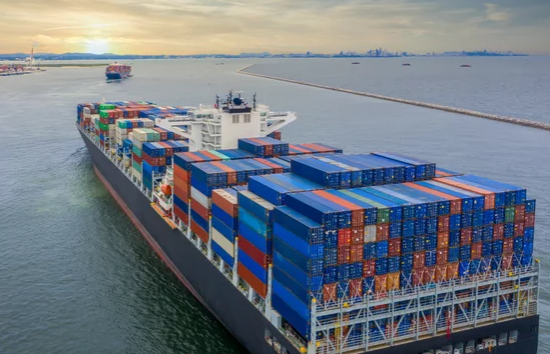
| | | Uncertainty among local exporters over South Africa’s direct sailing service to the East Coast of the United States has no foundation, despite various media reports purporting to stoke doubt about the 16- to 20-day American Express (Amex) service. The August 7 implementation of ‘Trump tariffs’ which the Government of National Unity’s trade negotiations with Washington failed to avoid on South African exports, will also not affect MSC’s decision to maintain the service. This was confirmed by the container line’s commercial executive in Durban, Zane Godwin. Responding to uncertainty aired earlier this week in the mainstream media whether or not the Swiss-run line would be proceeding with its plans to continue the service, especially given the expected cost impacts of the tariffs, Godwin said: “We are all systems go for the standalone service as per our last media advisory.” The advisory in question relates to the assurance MSC gave in May that direct sailings to the US would continue despite the vessel-sharing arrangement (VSA) it had with Maersk and which was terminated along with its 2M alliance with the Danish line. Read full article here.
| | South Africa’s Agricultural Conditions Report, Q2, 2025 | |
On 07 August 2025, the Agricultural Conditions Assessment Committee of South Africa (ACAC), under the Department of Agriculture, held its second quarterly meeting for 2025. The ACAC deliberated, amongst other things, on the statistical matters and the stress-testing of the data quality that supports the calculation of the quarterly gross domestic product from the agricultural sector (AgGDP). The Department of Agriculture is currently undertaking a benchmarking exercise to review the current methodologies applied in the calculation of the AgGDP. Furthermore, there will be regular reviews of the data and methodologies. The ACAC also discussed the agricultural conditions in the country, and the following is the Committee’s brief assessment. The ACAC currently views the year so far as broadly uneven for the South African agricultural production. In field crops, the output is up from the 2023-24 season, boosted by the favourable rainfall. Click here to read full report.
| | Agricultural analyst explains why we should be cautious with exporting in Africa |
| | | With the new US tariffs, South Africa will have to explore other export markets. After the US imposed a 30% tariff increase on SA exports, there have been calls for South Africa to invest in other African countries. However, Shilobo argues that we must be cautious about putting all of our focus on Africa. He says neighbouring southern African countries are already a major market for our agricultural exports and there is not much room for growth in that space. Beyond that, he says North Africa is closely tied to the EU market and competes with South Africa in key products - meaning it will be a difficult market to penetrate. In East and West Africa, he says there are challenges of non-tariff barriers, corruption, and poor infrastructure that could limit economic growth. He argues that we should focus on maintaining our current markets in Africa and expanding into Asia, the Middle East, and BRICS countries instead. “The key thing is about South Africa securing better trading terms with China and India, and advancing in the Middle East.” - Wandile Sihlobo, Agricultural analyst. Click here to listen.
| | UK drought declared to be ‘nationally significant incident’ | |
Low water resources are leading to mixed harvesting conditions and some significant drops in yields as the National Drought Group upgrades water shortage warnings. Ongoing water shortages in Yorkshire, Lancashire, Cumbria and the Midlands has meant the UK drought is now defined as a “nationally significant incident”. Five areas of the country are officially in drought conditions, with six more seeing prolonged dry weather following the driest six months to July since 1976. A meeting of the National Drought Group (NDG) held yesterday (11 August) evaluated water resources and rainfall levels, before confirming the drought status. Reservoir levels fell by two per cent last week and are now 67.7 per cent full on average across England. The average for the first week of August is 80.5 per cent, with last month’s average levels recorded as 75.6 per cent. Two rivers – Wye and Ely Ouse – were the lowest on record for July. Click here to read full article.
| | South African produce industry faces reality of 30 per cent US tariffs despite ongoing talks |
| | | After several deadline extensions, South African fresh produce exporters now face uneconomical tariffs that could devastate citrus exports to the US, potentially destabilising other markets as trade is redirected. South African government sources have said they are continuing talks with the US government to try and address the impact of new 30 per cent tariffs. After the deadline for the introduction of the tariffs had been extended several times, facing them is now a reality for the country’s fresh produce industry. The South African government announced this week that President Cyril Ramaphosa and US President Donald Trump have had another telephone conversation and have agreed to continue trade talks. However, South African foreign minister Ronald Lamola slammed US attempts to interfere with South Africa’s domestic issues. He told AFP this has brought relations between the nations to “a low”. Sources said that is hardly a good sign – and that it could harden US attitudes. Click here to read full article.
| | Yellow maize imports – a seasonal adjustment, not a structural shift |
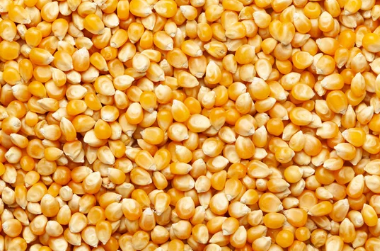
| | | South Africa is expected to import yellow maize again in the 2025/2026 marketing season. This is the second consecutive season where imports are required. Supply and demand estimates indicate that this is a short-term correction following drought-induced supply pressures, and not a structural shift in domestic production or demand. The 2024/2025 production season was expected to be a season of recovery for most crops. However, due to delayed rains during the critical growth stage in the prior season, South African producers missed the maize planting window, leading to a decline in the area planted of yellow maize. According to the fifth production estimate released by the Crop Estimates Committee (CEC), the total area planted of yellow maize for the current season is 997 000 ha, an 8,13% decline from the 1 081 500 ha planted in the 2023/2024 season. In contrast, the area planted of sunflowers increased by 4,92%. The switch to planting sunflowers was primarily influenced by climatic conditions which favoured shorter-season crops, and attractive global oilseed prices. At the end of October 2024, sunflower Safex prices peaked above R10 000/ton for the first time since February 2023. Click here to read full article.
| | Two contractors shortlisted for R31.5bn Hiryo coal-to-fertiliser project |
| | | Two Chinese engineering companies, East China Engineering Science and Technology (ECEC) and Sinopec Ningbo, have made the final round of bidding for a basic engineering contract to build the $1.7-billion, or R31.5-billion, Hiryo coal-to-fertiliser industrial complex in Kriel, Mpumalanga, for blue ammonia and sustainable chemicals producer SUISO. The final decision is expected to be made this month by multilateral financial institution the African Export-Import Bank (Afreximbank), which was appointed by SUISO as the project’s sole lead arranger, financial adviser and debt syndicator. Afreximbank is providing $1.2-billion of debt funding for the Hiryo project. SUISO completed its bankable feasibility study on the project in February and is now moving into detailed basic engineering, which takes 12 months. Construction is expected to start in 2026, with the plant to be commissioned in 2030. The Hiryo plant will sustainably produce 1.5-million tons of nitrogen-based fertilisers a year from coal. Click here to read full article.
| | World agricultural production |
| | | USDA forecasts European Union (EU) corn production for marketing year (MY) 2025/26 at 58.0 million metric tons (mmt), down 2.0 mmt (3 percent) from last month, down 1.3 mmt (2 percent) from last year, and 7 percent below the 5-year average. Harvested area is forecast at 8.1 million hectares (mha), down 0.2 million hectares (2 percent) from last month, 8 percent below last year, and 9 percent below the 5-year average. Yield is forecast at 7.21 tons per hectare (t/ha), down from 7.27 t/ha last month, but up from 6.81 t/ha last year and the 5-year average of 7.06 t/ha. EU corn area has fallen in recent years as many farmers have either switched to winter crops, which benefit from higher seasonal moisture levels, or to more drought-tolerant sunflowers. This trend has been most prominent in southeastern Europe, where irrigation is limited, and heat and drought are common. The summer heat and dryness can often be long-lasting; when poorly timed, they are devastating to corn. Due to extremely dry and hot conditions in the summer of 2024, Romania and Bulgaria had one of their worst corn harvests. Expectations were high this year when above-average spring rains boosted soil moisture levels and raised winter crop yields. Click here to read full report.
| | Grain: World markets and trade |
| | | European Union (EU) wheat imports are forecast drastically lower in marketing year 2025/26 (July – June) due to a recovery in domestic supplies from larger production and the reinstatement of import quotas for Ukraine. In 2022/23, the EU imported a historic volume of wheat, more than double the typical quantities. For the next 2 years, the EU continued to import unprecedented quantities, receiving 12.7 million tons in 2023/24 and an estimated 10.7 million tons in 2024/25. Ukraine alone accounted for about half of these substantial imports. The European Parliament temporarily removed tariff-rate quotas (TRQ) on Ukrainian wheat in a policy known as Autonomous Trade Measures in 2022, providing a vital market amidst the ongoing conflict. The measures expired in June 2025, and the EU has reinstated the EU – Ukraine Deep and Comprehensive Trade Agreement and the previous quotas. The change in trade policy coincides with a significant increase in EU production. In 2024/25, the EU experienced the lowest wheat harvest in over a decade, supporting the need for strong imports. However, in 2025/26, EU wheat production is forecast up 13 percent on increased area and yield. This will reduce the need for wheat imports overall, and particularly from Ukraine. Click here to read full report.
| | Oilseeds: World markets and trade |
| | | Indonesia imports of soybean meal are raised 200,000 metric tons (tons) this month, bringing the total to 6.2 million tons in MY 2024/25 (Oct-Sep), a 1.1-million-ton increase from 2023/24. Indonesia’s poultry and aquaculture industries use soybean meal as a major feed input, and as domestic protein demand increases, imports of soybean meal are forecast to rise concurrently (see Post report1). In 2023/24, imports of soybean meal hit a low as Indonesia’s feed industry grappled with culling mandates and high input costs that lowered demand. Until 2022/23, Argentina was consistently Indonesia’s top supplier of soybean meal. In that year, Argentina experienced a drought that decreased soybean meal production and exports by over 20 percent each. During that same period, Brazil increased soybean meal production, resulting in increased exports of nearly 30 percent between 2020/21 and 2022/23. Since 2022/23, Brazil maintained its dominance as Indonesia’s largest supplier of soybean meal, accounting for nearly 80 percent of imports in 2023/24. The United States is Indonesia’s top supplier of soybeans with nearly 90 percent market share in 2023/24, but captured only 3 percent of Indonesia’s soybean meal market in the same year as the third largest supplier after Brazil and Argentina. Click here to read full report.
| | China green lights imports of South African stonefruit |
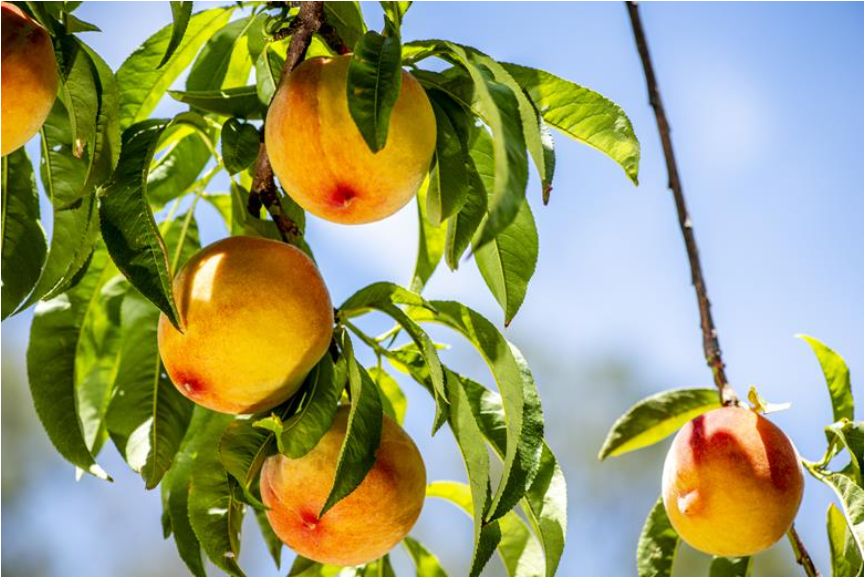
| | | South African Minister of Agriculture John Steenhuisen has announced that China has agreed to grant access to imports of South African stonefruit from next season. The new protocol is expected to be signed on the side-lines of the G-20 Summit in South Africa in November. It is the first time that access has been agreed for a whole category of fruits. Apricots, peaches, nectarines, plums and prunes will be part of the access agreement. “South African stonefruit is expected to be shipped to China for the first time in the coming season as soon as the final protocol is signed,” Steenhuisen said. The news will be welcomed by exporters reeling from the recent introduction of a 30 per cent tariff on US imports of South African fruit. In recent times, sales of South African nectarines and plums have been increasing in the US and the new tariff, in a market where these products had previously been imported duty-free, is seen as a major blow for the South African industry. Click here to read full article.
| | We’ve launched the first import of South African seedless lemons | |
"In a significant development for the Indian citrus industry, we've now introduced seedless lemons from South Africa for the first time in the country, in collaboration with SanLucar. This is the first time India is receiving seedless lemons via sea container, and the market response has been overwhelmingly positive," said Dinesh Shinde, CEO of fresh produce importer Anusaya Fresh. "These lemons are a premium product, but because they are shipped in bulk by sea, we're able to offer them at economical pricing, making them both high-quality and affordable for Indian consumers." Shinde emphasizes that lemons are used a lot in dishes that are cooked in the average Indian household, and Anusaya has aimed to make their product as convenient as possible. "In Indian cuisine, lemon is a core ingredient. Seedless lemons offer a premium, clean, and convenient alternative to conventional lemons that chefs are excited to use. Click here to read full article.
| | Fresh apples, grapes, and pears: World markets and trade |
| | | U.S. fresh pear exports are forecast to fall to the lowest level since the 1980s in marketing year 2024/25 (July 2024 – June 2025) as production is expected to fall more than 20 percent. U.S. pear production is forecast at 470,000 metric tons (tons) the lowest volume since 1967/68, as all three producing states experienced year-over-year declines. The United States is expected to fall to the world’s sixth-largest pear producer in 2024/25 after being ranked fourth the previous year and third for most of the preceding decade. Constrained by this historically low harvest, U.S. fresh pear exports are forecast at 85,000 tons, less than half the volume exported a decade ago, and at nearly the same level as fresh pear imports. Output in Washington, normally the top pear-producing state, is projected to drop more than 30 percent and be a smaller harvest than Oregon. A freeze in January damaged pear trees and continued cold weather during the spring blossom further limited volumes. This adverse weather compounds a decade-long trend of falling acreage in Washington. Oregon production is forecast down 15 percent and California down 17 percent, also due to damaging weather. Click here to read full report.
| | Powering Progress: Collaboration boosts Cape Town Port efficiency | In the video, stakeholders from the fruit export industry, the Western Cape Government, and Transnet Port Terminals reflect on the successful implementation of a public–private partnership that delivered two 500kVA generators and 120 additional reefer plug points at the Cape Town Container Terminal. Speakers featured in the video include: Theo Boshoff, CEO of Agbiz, Noxolo Thabatha, Terminal Manager at Cape Town Container Terminal, Glen Steyn, Project Manager, Logistics Development: Western Cape Government, Mecia Peterson, CEO: South African Table Grape Industry (SATI), Oscar Borchards, Managing Executive, Western Cape Terminals: Transnet, Ilse van Schalkwyk, Acting DDG: SEAD & Chief Director: Economic Sector Support, Antoinette van Heerden, Logistics Manager: Fresh Produce Exporters Forum and Jacques du Preez, General Manager: Trade and Markets, Hortgro. Watch the video here and read the full joint press release here. | | SSK seeks visionary leader to drive commercial growth | Sentraal-Suid Co-operative (SSK), a trusted agricultural partner for over 90 years, is looking for a dynamic Chief Operating Officer: Commercial to lead key business units across retail, mechanisation, and petro operations. This is a rare opportunity to shape strategy, drive profitability, and help future-proof one of South Africa’s leading co-operatives. Click here for more information and to apply. | | SAPPO Domestic Price Statistics (2025_Week 31) | Increased producer prices and decreased yellow maize prices during week 31. During week 31 of 2025, the pork producer price averaged R34,02/kg, 0,5% higher than the previous week. The yellow maize price averaged R4 084/t, 3,9% lower than the previous week. Producer prices in relation to yellow maize prices averaged 8,3, 4,5% higher than the previous week. Click here to view full report. | | The Citrus Growers' Association of Southern Africa (CGA), shares the latest news in the citrus industry in its weekly update, From the desk of the CEO. Please click here to peruse. | | |
International Blueberry Organisation Summit
25 – 27 September 2025 | CTICC, Cape Town
Learn more
| |
- Agbiz is the only organisation that serves the broader and common over-arching business interests of agribusinesses in South Africa.
- Agbiz addresses the legislative and policy environment on the many fronts that it impacts on the agribusiness environment.
- Agbiz facilitates considerable top-level networking opportunities so that South African agribusinesses can play an active and creative role within the local and international organised business environment.
- Agbiz research provides sector-specific information for informed decision-making.
- Agbiz newsletter publishes members' press releases and member product announcements.
| | THIRD-PARTY WEBSITE LINKS TO THIS NEWSLETTER | | The Agbiz Newsletter may contain a few links to websites that belong to third parties unrelated to us. By making these links available, we are not endorsing third-party websites, their content, products, services or their events. Agbiz seeks to protect the integrity of its newsletter and links used in it, and therefore welcomes any feedback. | | | | |