China’s Snub of U.S. Soybeans Is a Crisis for American Farmers |
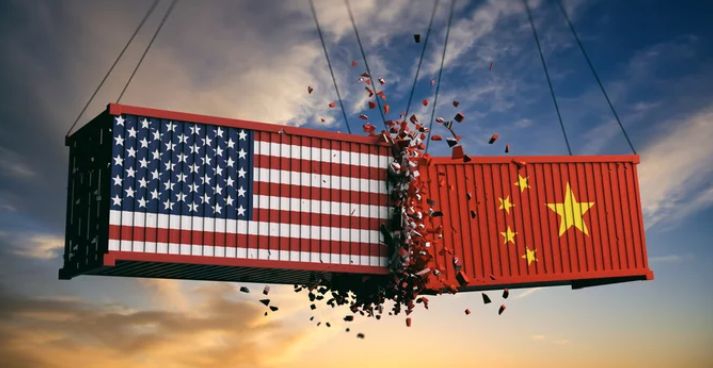
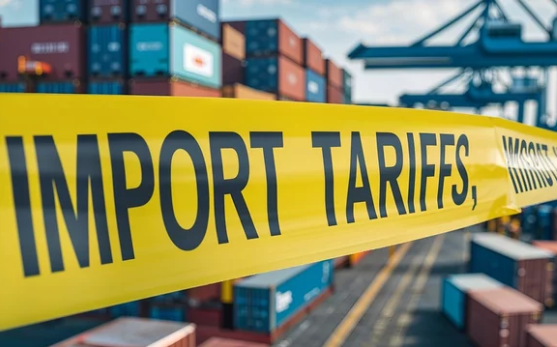
| |  | On a windy September morning, Josh and Jordan Gackle huddled to discuss the looming crisis facing their North Dakota soybean farm. For the first time in the history of their 76-year-old operation, their biggest customer — China — had stopped buying soybeans. Their 2,300-acre soybean farm is projected to lose $400,000 in 2025. Soybeans that would normally be harvested and exported to Asia are now set to pile up in large steel bins. Since President Trump imposed tariffs on Chinese goods in February, Beijing has retaliated by halting all purchases of American soybeans. That decision has had devastating repercussions for farmers in North Dakota, which exported more than 70 percent of its soybeans to China before Trump unveiled the new tariffs this year. Unless China agrees to restart its purchases as part of a trade deal, farmers that depend on the Chinese market will be facing steep losses that could fuel farm bankruptcies and farm foreclosures around the United States. Click here to read full article.
| | Global debt remains above 235% of world GDP | |
| | | Global debt has stabilized, though it remains at an elevated level, as a continued reduction in private-sector lending offset greater borrowing by governments. Total debt was little changed last year, just above 235 percent of global gross domestic product, according to the latest update of the IMF’s Global Debt Database. Private debt declined to under 143 percent of GDP, the lowest level since 2015, reflecting a reduction in household liabilities and little change in non-financial corporate debt. In contrast, public debt rose to nearly 93 percent, according to our database reflecting an annual survey of the amount and composition of debt held by governments, businesses, and households. In US dollar terms, total debt increased slightly to $251 trillion, with public debt rising to $99.2 trillion and private debt decreasing to $151.8 trillion. These global averages mask notable differences across countries and income groups. While the US and China continue to play a dominant role in shaping global debt dynamics, as our April Fiscal Monitor showed, debt and deficit levels in many countries are still high and concerning by historical standards, in both advanced and emerging economies. Click here to read full article.
| | Monthly report on food price trends |
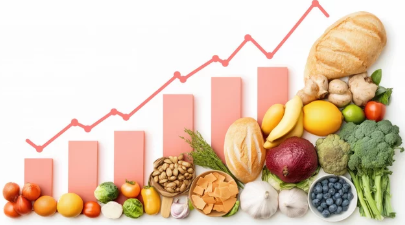
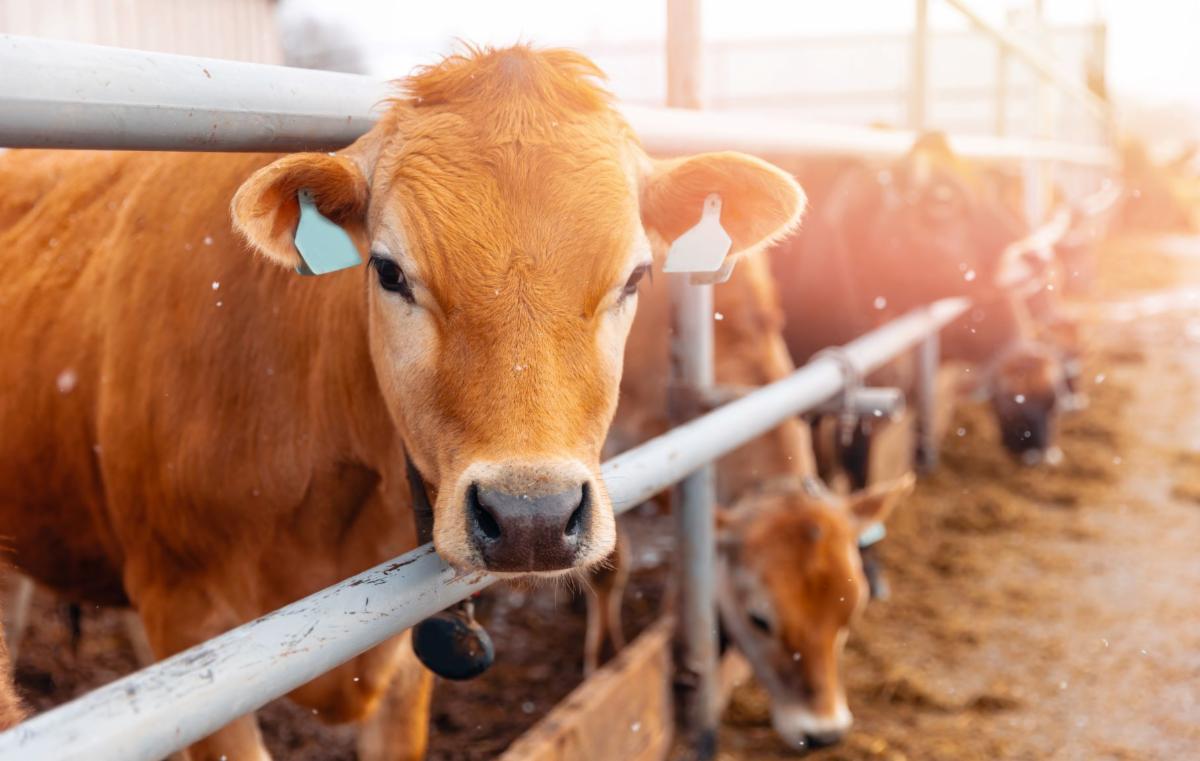
| | | The FAO report shows that in August 2025 the overall FAO Food Price Index (FFPI) remained nearly unchanged from July, with a modest 6.9 % year-on-year increase. While cereal and dairy prices slipped slightly month-to-month, these downward trends were offset by rising prices in meat, sugar, and vegetable oils. Within cereals, wheat prices dropped due to ample global supplies and soft demand, while maize ticked up, largely driven by concerns over heat stress in the EU and higher demand for feed and ethanol especially in the U.S. Vegetable oil prices hit their highest levels since mid-2022, buoyed by strong demand and tightening supply, particularly for palm, sunflower, and rapeseed oils. Meat prices set new records, particularly bovine and ovine, amid robust overseas demand from the U.S. and China. Dairy prices, conversely, have begun easing, with declines in butter, cheese, and whole milk powder helping drag that sub-index down. Overall, despite volatility in specific commodity groups, the food price landscape remains elevated compared to a year ago, though still well below peaks seen during the 2022 food-price crises. Click here to read full article.
| | Zimbabwe shuts the gate on maize | Zimbabwe has banned all maize imports, a move that shocked many across Southern Africa. Just last year, Zimbabwe was South Africa’s biggest maize customer, importing millions of tons after drought devastated local crops. But now, with a much-improved harvest, the government is turning inward – protecting local farmers, even if it means higher prices for consumers. What does this mean for regional trade, South African exports, and future food security in Southern Africa? In this episode, we unpack the numbers, the policy shifts, and what farmers and consumers can expect next. Don’t miss this deep dive into one of the region’s most important agricultural stories. Click here to watch. | | SA consumer food price inflation slightly eased in August 2025 |
| | | After accelerating for six consecutive months, South Africa's consumer food price inflation slowed, mildly, at 5.2% in August 2025, from 5.5% in the previous months. The primary drivers of the mild moderation were cereal products, fruit and nuts, and vegetables. In all these products, South Africa has an abundant harvest, and the benefits of it are starting to show in prices. A key product that many are watching is meat, which has remained elevated, although slaughtering has resumed in major feedlots across the country. Initially, the panic buying, not necessarily a shortage of product, was the main driver of meat prices. The fact that while the supply has improved somewhat, the prices remain elevated illustrates that the consumer demand may be slightly more buoyant and able to contend with the current higher prices, to an extent. There may also be a slight delay in price adjustments at the retail level. Regarding the grains, South Africa has an abundant harvest, although with quality issues in some white maize regions. South Africa's 2024-25 summer grains and oilseed harvest is estimated at 19.55 million tonnes (up 26% year-on-year). There is an annual uptick in all the crops, mainly supported by favourable summer rains and the decent area plantings. The various fruits and vegetables also saw ample harvests. Click here to read full article.
| | South Africa must not abandon BRICS, but elevate its economic ambition |
| | | The economists Daan Steenkamp and Jacques Quass de Vos make an important observation about the shortfalls in South Africa’s geoeconomic approach in their latest Business Day article (“SA’s geoeconomic gamble is not paying off”, September 15). Among other things, they argue correctly that the BRICS grouping has provided limited economic benefit to South Africa. The exception is China, with which South Africa has deeper trade relations, though more could be done in agriculture and other sectors of our economy if we had a free trade agreement. However, the path forward in this challenge is not necessarily to abandon the BRICS bloc but to elevate its economic ambition. BRICS remains a loose, informal grouping with no sound economic or trade approach that keeps the countries together. In fact, when one considers the intra-BRICS trade, it quickly becomes clear that little is happening in the grouping beyond political matters, with China again being an exception for many countries on trade matters. Click here to read full article.
| | Why is SA importing yellow maize at a time of abundant domestic harvest? | |
One thing that probably requires some clarification regarding South Africa’s maize trade at the moment is that we haven’t necessarily stopped imports. Yes, imports. But this does not mean we have shortages. South Africa has one of the best agricultural seasons, albeit with some quality issues with white maize. The volumes are solid. But the livestock and poultry producers in coastal regions of South Africa sometimes compare feed prices here at home and elsewhere in the world, and take advantage of relatively lower prices from other origins. But such opportunistic yellow maize imports happen rarely in seasons of abundance such as this one. I am raising this issue because those who closely examine our maize trade data will notice that, to date in the 2025-26 marketing year (corresponding to the 2024-25 production season), South Africa has imported 77,768 tonnes of yellow maize from Argentina. Click here to read full article.
| | G20 could be good news for global agriculture |
| | | This week, the G20 agriculture ministers will convene in the Western Cape to discuss issues concerning the sustainability of global food security. Agbiz economist Wandile Sihlobo explains why it matters. This week, the G20 agriculture ministers will convene in the Western Cape to discuss issues concerning the sustainability of global food security. This will include exploring various themes such as trade, sustainable production methods and agricultural productivity, among other things. While agricultural policy is ultimately a domestic matter, these discussions often present an opportunity to help shift the view on climate-smart agricultural practices, finance, and trade. They are also a platform to share ideas and production methods, helping each country think beyond its borders and adopt a global view, as agricultural markets and food security issues are ultimately interconnected globally. While much of the developed world has a stronger focus on affordability and the climate change impact of farming methods and outputs, much of the African continent, parts of Asia and the Middle East still need to contend with issues of agricultural productivity gains, in an environment where climate change risks and geopolitical tensions present additional risks. Read full article here.
| | SA doesn’t have the luxury to choose |
| | | The economists Daan Steenkamp and Jacques Quass de Vos make an important observation about the shortfalls in SA’s strategy (“SA’s geoeconomic gamble is not paying off”, September 15). Among other things, they argue correctly that the Brics grouping has provided limited economic benefit to SA. The exception is China, with which SA has deeper trade relations, though more could be done in agriculture and other sectors of our economy if we had a free trade agreement. However, the path forward in this challenge is not necessarily to abandon the Brics bloc but to elevate its economic ambition. Brics remains a loose, informal grouping with no sound economic or trade approach that keeps the countries together. In fact, when one considers the intra-Brics trade, it quickly becomes clear that little is happening in the grouping beyond political matters, with China again being an exception for many countries on trade matters. The constraining factor, as a result of the lack of a Brics free trade agreement, is the observation that Steenkamp and De Vos make about the low exports and investment in this region. Click here to read full letter.
| | South Africa's agricultural exports remained robust in the second quarter of 2025 |
| | | In a year where trade continues to dominate headlines after the U.S. started imposing higher tariffs against its trading partners, we take a look at South Africa's recent agricultural exports data to gauge the early impact of the changing trade environment. Encouragingly, the start of the year has remained positive for the sector. After solid export activity in the first quarter of the year, South Africa's agricultural exports totalled US$3.71 billion in Q2, up 10% from the same period a year ago. This is again a function of both higher volumes of various product exports and better commodity prices. The products that dominated the exports list in the second quarter of the year were mainly citrus, apples and pears, maize, wine, nuts, fruit juices, dates, pineapples, avocados, grapes, and wool, amongst other products. While there remains a need for further improvement in the efficiency of the ports, there has been a material improvement compared to recent years. Agricultural export activity in the second quarter experienced less friction than in the recent past. Click here to read full article.
| | What Zimbabwe’s maize import ban means for SA farmers and exporters |
| | | South Africa’s maize industry is export-oriented. Over the past five years, the country has exported roughly three million tonnes of maize each year. One of its largest markets is Zimbabwe, typically accounting for about 18% of annual exports. But in the near term, these exports may decline because the Zimbabwean government has banned imports of maize. This comes on the back of improved domestic production in the country, leading the regulators to believe that, at least for the near term, there are sufficient supplies and no need for imports. This is also an effort to protect the farmers whom the government supported with inputs at the start of the season. While we recognise the logic of the Zimbabwean policymakers, we generally prefer minimal interference in agricultural markets, as intervention may disrupt the efficient allocation of scarce resources or functioning of the market. We believe that in times of abundant harvests, farmers and agribusinesses must be allowed to export and benefit from the global market. In times of droughts or floods, trade must still be allowed. Click here to read full article.
| | Better feed costs for the SA Livestock industry | |
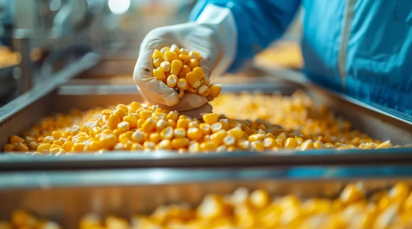
The South African livestock and poultry industry faces various challenges that include animal disease and stock theft, among other issues. The one positive development in recent months has been the notable decline in the feed prices. I was looking at yellow maize prices for today, and they remain at a level around R3,600 per tonne, which is roughly 7% down from a year ago. Soybeans, another key input in feed, are priced around R7,300 per tonne, which is down approximately 13% from a year ago. The decline in prices mirrors the improvement in the domestic harvest in the 2024-25 production season. We may likely have entered a period of reasonably affordable feed prices. The early views about the 2025-26 agricultural season, which starts next month, October, also point to optimism and possible favourable rainfall. Click here to read full article.
| | PODCAST: South Africa’s agricultural sector will likely see a mixed recovery in 2025 |
| | | South Africa’s agricultural sector is in a recovery phase, and the figures for the second quarter of 2025 signal a mild improvement. Agricultural gross value added expanded by 2.5% quarter on quarter (seasonally adjusted) in Q2. This follows the 18.6% quarter-on-quarter growth in Q1. The expansion was primarily due to the improved performance of certain field crops and the horticulture subsectors. As close observers of the sector know, the quarterly data tends to be somewhat volatile, influenced by times of harvest and crop deliveries, among other factors. It is because of such issues that the Q2 growth figure was much softer after a good start to the year. We experienced a delay in our summer grain harvest, with more momentum occurring at the start of Q3. We have ample summer grain and oilseeds, estimated at 19.55Mt (up 26% year on year). But the season was late by a month and a half because of the prolonged summer rains, among other factors. Click here to read full article. Click here to listen to South African farmers will start planting summer crops soon, and the outlook is encouraging.
| | Quicker tariff implementation needed |
| | | South Africa’s wheat import tariff, designed to shield local producers from the effects of subsidies granted to producers in other wheat-exporting countries, has officially been published on 10 July this year. The recent increase in the tariff was triggered by a decline in international wheat prices below a specified threshold – also known in the industry as the ‘trigger level’ – prompting the need to provide South African producers with additional protection. According to the South African Grain Information Service (Sagis), which calculates the tariff using a variable tax formula, the wheat import tariff increased from R549,50 to R851,50/t. This adjustment was published by the South African Revenue Service (SARS),following the triggering of the tariff on 27 May this year due to a sustained decline in international wheat prices over a three-week period. Why adjustments are necessary Dr André van der Vyver, executive director of the South African Cereals and Oilseeds Trade Association (Sacota), believes that regular tariff adjustments are necessary to support the local industry during periods of low international prices. Click here to read full article for Agbiz Grain .
| | GOSA Cape workshop: SHEQ audit criteria needed |
| | | The development of audit criteria for health and safety – specifically regarding the grain storage industry and the growing problem of grain theft in the country – was a key topic at a recent workshop of the Cape branch of the Grain Handling Organisation of Southern Africa (GOSA), held at Aan de Doorns Wine Cellar near Worcester. Jaco Joubert, health and safety manager at Overberg Agri, briefed GOSA Cape members on the importance of dedicated audit criteria for health and safety. He also shared updates on the progress made by Agbiz Grain in developing an industry- specific audit protocol tailored to the grain storage sector. Grain storage a unique industry He explained that the grain storage industry is unique, with its own set of risks and mitigation strategies. As such, there is a need for an audit framework tailored specifically to this sector – one that outlines all the compliance requirements relevant to grain storage facilities. “With a dedicated audit document, the grain storage industry can identify sector- specific challenges relating to safety, health, environment, and quality (SHEQ), explore practical solutions, establish a platform for continuous improvement, benchmark SHEQ performance across the industry, and offer peace of mind to executives, boards, investors, and insurers,” he said. Click here to read full article for Agbiz Grain .
| | SA agri-exporters urged to seek new markets |
| | | With South Africa’s agricultural production on the rise, finding new markets isn’t just a good idea – it’s a commercial imperative. At a recent G20 side event, experts highlighted the need to build long-term relationships in non-traditional markets. With ongoing geopolitical changes, South Africa’s agricultural exporters are being encouraged to move into non-traditional markets. This was the view at an exclusive side event of the G20 Agriculture Ministerial Meeting, hosted by First National Bank and other stakeholders. The event brought influential role players together to discuss how G20 frameworks can create new opportunities for South Africa’s agricultural sector. Representing farming organisations were Theo Boshoff, CEO of Agbiz; Christo Conradie, market access and policy manager at South Africa Wine; Gerrit van der Merwe, chairman of the Citrus Growers’ Association (CGA); Paul Makube, senior agricultural economist at FNB; and minister of agriculture, John Steenhuisen. Click here to read full article.
| | Cereal supply and demand balances for sub-Saharan African countries |
| | | The FAO report “Cereal Supply and Demand Balances for sub-Saharan African countries” provides updated data on the region’s cereal production, utilisation, and trade. It uses the Country Cereal Balance System (CCBS), combining both official and forecasted figures, to cover major staples such as wheat, rice, maize, millet, and sorghum. The report highlights the ongoing reliance of many countries on imports to bridge the gap between domestic supply and demand, while only a few nations achieve surpluses or near self-sufficiency in certain crops. Forecasts indicate that demand will continue to rise, driven by rapid population growth and changing consumption patterns. The balances account for food use, seed, feed, post-harvest losses, and other non-food uses, showing how these factors reduce net availability. Losses in storage and transport remain a notable challenge across the region. Published three times a year, the report complements FAO’s broader monitoring tools and serves as an important resource for policymakers, researchers, and development partners. Its insights are designed to support decision-making on trade, investment, and food security strategies, ensuring better preparedness and targeted interventions in countries facing cereal supply shortfalls. Click here to read.
| | Crop prospects and food situation | |
The Crop Prospects and Food Situation report is a tri-annual, forward-looking analysis of global cereal production, market trends, and food security conditions. It places special focus on Low-Income Food-Deficit Countries (LIFDCs), identifying those in need of external assistance and spotlighting factors driving food insecurity. Among the most urgent concerns are adverse climate events (e.g. droughts), conflict zones, and supply chain disruptions which continue to undermine crop yields in several regions. The report also provides a global cereals supply and demand outlook, helping to anticipate whether current production trajectories will meet forecasted needs. In its latest edition, FAO identifies 45 countries as requiring external food assistance, with 33 of those in Africa. It draws attention to elevated food prices and potential risks to food access, particularly for vulnerable populations in affected countries. Click here to read full article.
| | Fresh Produce Exporters’ Forum names Piet de Jager as CEO replacing Anton Kruger |
| | | South Africa’s Fresh Produce Exporters’ Forum (FPEF) has appointed Piet de Jager as its new chief executive officer. He takes over from Anton Kruger, who has held the position for the past 14 years. Kruger said he had to negotiate various ebbs and flows at the FPEF over his time at the head of the association. “I appreciate both the victories and the challenges that I’ve navigated alongside my team, as well as the human connections made,” he said. De Jager is a qualified Chartered Accountant, and has held CEO roles at Agrimall Africa and AgriSA Enterprises, while serving as managing director at Ecofarma Southern Africa and director at Into Africa Solution Services T/A Afrilogic. FPEF said De Jager’s career across the agriculture value chain has equipped him with vital skills in strategic relationship building, and development and implementation of targeted strategies for large commercial impact. “During the past 20 years he has built a deep understanding of how policy, trade, market development, transformation and innovation intersect in the sector,” FPEF noted. Click here to read full article.
| | South African stonefruit sector anticipates good season while navigating US tariffs and new Chinese market access |
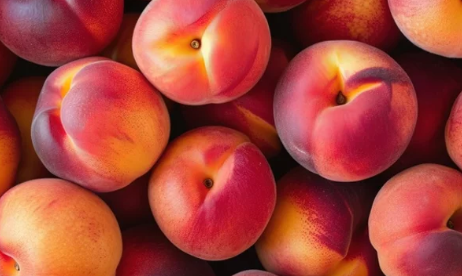
| | | South Africa is looking ahead to what it anticipates will be a good stonefruit season, with early peaches and nectarines being harvested from this month. Following last year’s 22 per cent rise in plum volumes, along with a 16 per cent rise in nectarines and 50 per cent growth in apricots, there are clear indications that the industry is heading for better times after some tough years. The outcome of this season will only be determined by the mid- and late season crops, and the industry will have to find a solution to the effect that the 30 per cent US tariffs will have on their rising exports to the US. However, new access to the Chinese market is expected to be signed in November when the Chinese president and his delegation arrive in South Africa for the G-20 summit. All agree that it will take time for South Africa to establish a foothold in the Chinese market and that perhaps only small volumes will be exported this season. On the logistical side the past season has shown an improvement in performance at South African ports, especially in Cape Town where fewer delays were experienced. Click here to read full article.
| | Global market overview oranges |
| | | €1/kg, but the outlook for the new campaign points to a possible 20–30% decline in Tarocco blood orange production. Spain closed its orange season in July with lower production and quality issues from heavy rainfall, while demand stayed firm on reduced Egyptian supply. In Puglia, spring weather and water scarcity cut overall yields by about 30%, adding pressure to supply. In the Netherlands, a strong South African harvest has saturated the market, with smaller sizes performing better while medium fruit faces price pressure. Germany reports stabilising sales after late seasonal transitions, with Zimbabwean oranges gradually gaining market share. France is seeing stable sales supported by the good quality of South African oranges, though operators remain cautious on pricing. In North America, tariffs have disrupted trade flows, but prices have strengthened, with California and Florida preparing for the new season. South Africa has exported record volumes, already surpassing last year by millions of cartons, while Egypt is reducing fresh exports as processing demand grows. Read full article here.
| | South African citrus reports 25.6% black farmer share |
| | | The Department of Agriculture has acknowledged the role of the citrus sector in South Africa's agricultural transformation. Between 2019 and 2023, black citrus farmers contributed 25.6 percent of total citrus production. Speaking at the Citrus Growers' Association of Southern Africa's Citrus Growers' Development Chamber (CGDC) Grower Indaba in Boksburg, Elder Mtshiza, Chief Director of the Comprehensive Agricultural Support Programme, addressed growers on behalf of Director General Mooketsa Ramasodi. She noted that the citrus sector is the second-highest contributor to transformation, after livestock, where black producers account for 37 percent of output. "The citrus industry has demonstrated transformation is not just possible, but profitable and sustainable," Mtshiza said. "Your achievements serve as a beacon for other agricultural sectors striving for meaningful economic inclusion." According to the Department, the national average across all commodities is 13 percent, and the Agriculture and Agro-Processing Master Plan aims for 20 percent black production by 2030. Click here to read full article.
| | BUSA Cargo Movement Update |
| | | This update provides a consolidated overview of the South African logistics network and the current state of international trade. At our container terminals, another record average of 14 727 TEUs was handled daily (eclipsing the previous record week ending 20 July by ↑1,7%), an increase from 13 842 TEUs the previous week. Despite the record throughput, some operational matters still constrained fluidity. These include inclement weather, vacant berths, as well as equipment breakdowns and shortages. Several operational hours were conceded in Cape Town due to adverse weather conditions and vacant berths, while strong winds, equipment breakdowns, and congestion ensured operational disruptions in Durban. Agent delays, vacant berths, and inclement weather resulted in operational delays at our Eastern Cape Ports, as minimal delays were reported at the Port of Richards Bay this week. The latest reports from TFR suggest that delays are still being experienced on the line between City Deep and Mafikeng due to ongoing cable theft and diesel hauling. Towards the end of the week, the taxi industry had a strike in Durban, which subsequently impacted operations at the port. Click here to read full article.
| | Agbiz seeking Head: Strategic Projects | Agbiz would like to invite dynamic and suitably qualified individuals to apply for the position of Head: Strategic Projects. This is a strategically significant post that reports to the CEO. The Head: Strategic Projects leads Agbiz’s work on high-impact, cross-cutting initiatives that support the transformation, competitiveness, and sustainability of the agribusiness sector. This position is responsible for the identification, development, coordination, and execution of special projects, often in partnership with member organisations, government departments, industry associations, and external experts. The role contributes directly to Agbiz’s advocacy and visibility by managing strategic initiatives, responding to national sectoral developments, and supporting the CEO in implementing Agbiz’s mission. Click here to learn more. | | The Animal Feed Manufacturers Association (AFMA) celebrated its 80th anniversary, marking a historic milestone during its Annual General Meeting (AGM) and Gala Dinner at The Capital Zimbali, which drew a record attendance of 180 delegates. The day-long event, which was preceded by the popular annual AFMA golf day, brought together industry leaders, members, and stakeholders to reflect on AFMA’s eight decades of involvement and leadership in the South African feed and livestock sectors, while charting a course for the future of sustainable animal nutrition and food security. Click here to read full statement. | | Feed prices decreased during August 2025 | The South African weighted average feed price reached R5,412/t in August 2025, 4,4% lower than in July 2025 and 7,2% lower than in August 2024. Yellow maize prices were 8,1% lower in August 2025 compared to July 2025 and 5,2% lower compared to August 2024. In August 2025, the producer price-to-feed price ratio reached 6,4. Click here to read full report. See SAPPO Domestic Carcass Price Statistics here. | | Hortgro celebrates excellence at prestigious annual awards 2025 | The South African deciduous fruit industry came together last night to honour excellence, innovation, and leadership at the annual Hortgro Awards 2025, celebrating individuals and organisations whose vision and dedication continue to transform the sector. The awards recognised achievements across media, science, transformation, leadership, and industry service — paying tribute to the people who ensure the continued growth and competitiveness of South Africa’s fruit industry. Click here to read full. | | |
International Blueberry Organisation Summit
25 – 27 September 2025 | CTICC, Cape Town
Learn more
Agbiz Media Day WC
23 October 2025 | Elsenburg, WC
Learn more
| |
- Agbiz is the only organisation that serves the broader and common over-arching business interests of agribusinesses in South Africa.
- Agbiz addresses the legislative and policy environment on the many fronts that it impacts on the agribusiness environment.
- Agbiz facilitates considerable top-level networking opportunities so that South African agribusinesses can play an active and creative role within the local and international organised business environment.
- Agbiz research provides sector-specific information for informed decision-making.
- Agbiz newsletter publishes members' press releases and member product announcements.
| | THIRD-PARTY WEBSITE LINKS TO THIS NEWSLETTER | | The Agbiz Newsletter may contain a few links to websites that belong to third parties unrelated to us. By making these links available, we are not endorsing third-party websites, their content, products, services or their events. Agbiz seeks to protect the integrity of its newsletter and links used in it, and therefore welcomes any feedback. | | | | |