Agbiz celebrated Mandela Day by uplifting the youth of Mamelodi |
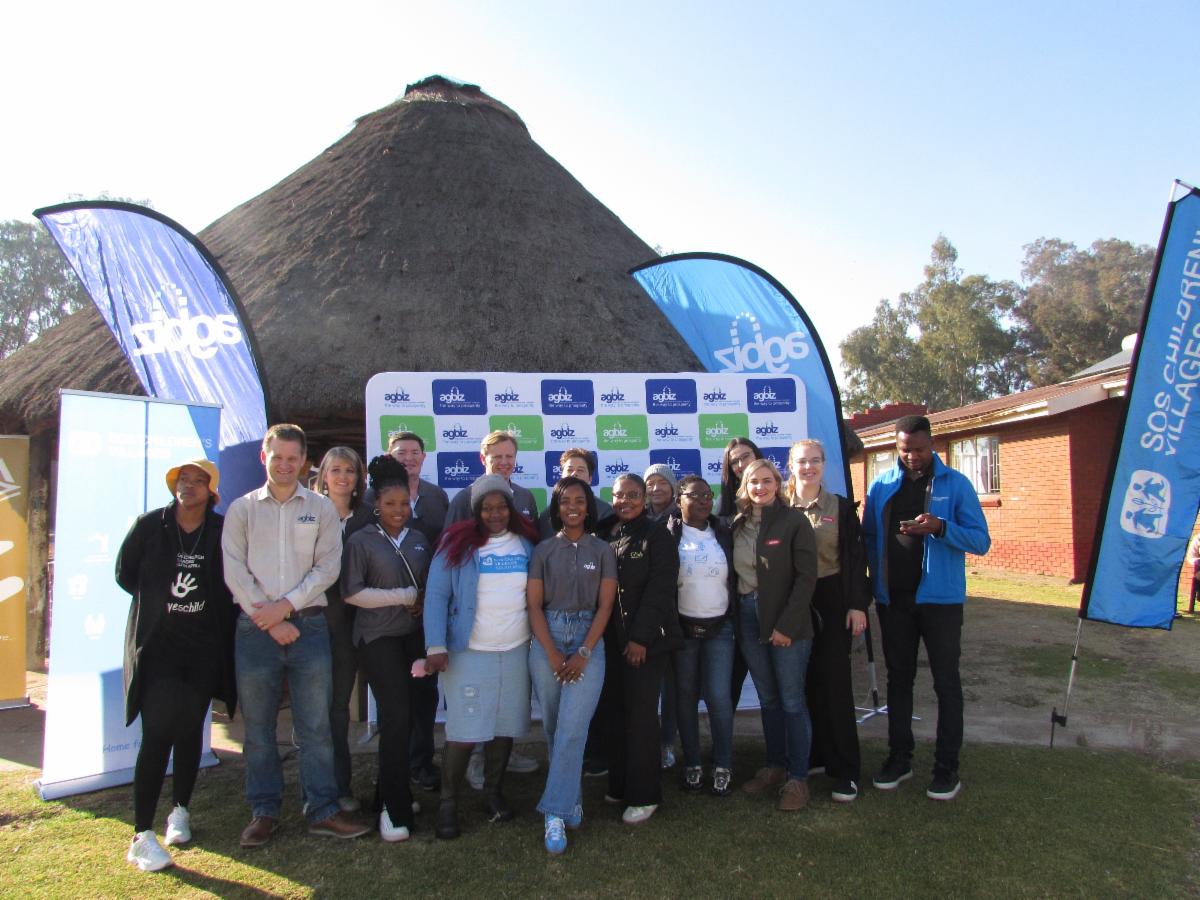
| |  | In commemoration of International Nelson Mandela Day, Agbiz partnered with SOS Children’s Village Mamelodi to contribute to the wellbeing and development of vulnerable children through an initiative aimed at providing practical support and inspiration. The visit forms part of Agbiz’s continued commitment to community upliftment and youth empowerment. SOS Children’s Village Mamelodi provides family-based care to over 80 children across 15 homes, along with a Family Strengthening Programme that reaches more than 250 children in surrounding communities. Through its services, the organisation plays a critical role in offering care, stability, and opportunity to young people in need. Agbiz made a corporate donation to support the organisation’s ongoing work. In addition, a number of Agbiz members joined in the effort by contributing branded supplies. The items, ranging from stationary, notebooks to backpacks, pens and 2 precision, drip irrigation kits were collected, and distributed to the children’s house during the visit on Friday, 18 July 2025. Click here to read full article by Temba Msiza, Agbiz. Click here to see SOS list of needs.
| | Global current account balances widen, reversing narrowing trend |
| | | Global current account balances widened by a sizable 0.6 percentage points of world GDP in 2024. When adjusted to account for the volatility around the pandemic and Russia’s war in Ukraine, the widening is a notable reversal of the narrowing since the global financial crisis and may signal a significant structural shift. Our just released 2025 External Sector Report (ESR) presents the latest assessment of these imbalances for the 30 largest economies, representing about 90 percent of world output. This assessment constitutes a key part of the IMF’s mandate to encourage the balanced expansion of trade and economic growth and promote international monetary cooperation. It is important to note at the outset that external surpluses or deficits need not be a problem and can be desirable to a degree. For instance, it is desirable for young or rapidly growing economies to finance part of their economic development with foreign capital. Conversely, older or less dynamic economies may need to save more and can obtain higher returns from cross-border investments. Click here to read full article.
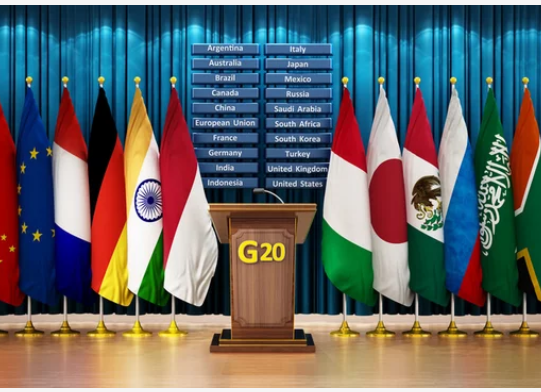
| | South Africa’s G20 can still deliver for debt and development | |
| | | The global economy has slowed and become less supportive of developing countries, leaving African nations increasingly reliant on international markets to fill the gap in their development financing needs. It is crunch time for South Africa to begin delivering on its ambitious G20 development finance agenda. The third of the four meetings this year of G20 finance ministers and central bank governors takes place on 17 and 18 July. A communiqué is expected to be issued, focusing on the development finance issues that South Africa prioritised at the beginning of its G20 presidency. The agenda includes politically and economically complicated topics such as sovereign debt and the cost of capital, and climate finance, which are issues that are high on the global policy agenda. At the recent African Union Conference on Debt held in Togo in May, African leaders, among other matters, called for the reform of the G20 common framework and for a “new debt doctrine”. Click here to read full report.
| | UN’s Guterres declares fossil fuel era fading; presses nations for new climate plans before COP30 summit | |
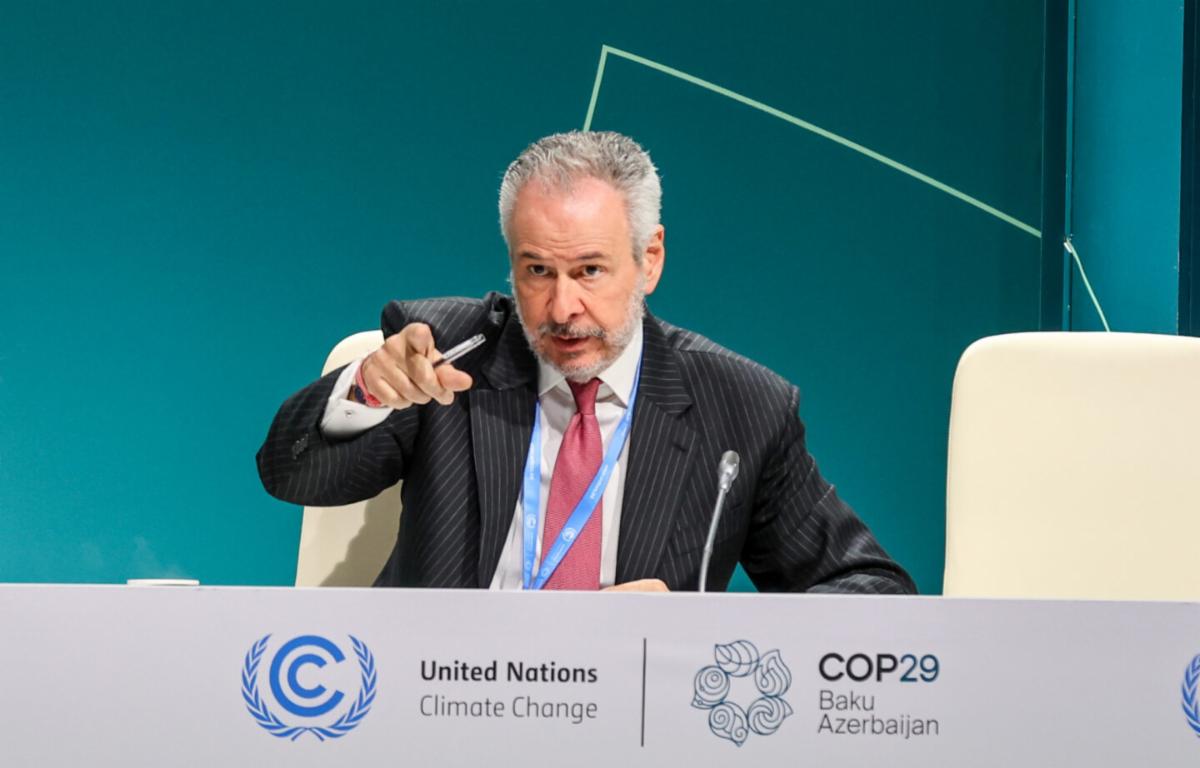
| | | In a special address at UN Headquarters in New York, Mr. Guterres cited surging clean energy investment and plunging solar and wind costs that now outcompete fossil fuels. “The energy transition is unstoppable, but the transition is not yet fast enough or fair enough,” he said. The speech, A Moment of Opportunity: Supercharging the Clean Energy Age – a follow‑up to last year’s Moment of Truth – was delivered alongside a new UN technical report drawing on global energy and finance bodies. “Just follow the money,” Mr. Guterres said, noting that $2 trillion flowed into clean energy last year, $800 billion more than fossil fuels and up almost 70 per cent in a decade. He noted new data from the International Renewable Energy Agency (IRENA) showing solar, once four times costlier, is now 41 per cent cheaper than fossil fuels. Similarly, offshore wind is 53 per cent cheaper, with more than 90 per cent of new renewables worldwide beating the cheapest new fossil alternative. “This is not just a shift in power. It is a shift in possibility,” he said. Click here to read full article.
| | Here is South Africa’s long-term agricultural growth plan | In the current environment where the South African agricultural sector is inundated with day-to-day challenges such as tariffs, biosecurity, and stock theft, amongst other challenges, it is easy to forget that the sector has a plan to confront these challenges and achieve long-term growth objectives. The Agriculture and Agro-processing Master Plan, which was co-created by labour, business, and government, amongst other social partners, remains relevant for the sector’s long-term growth objectives. Wandile Sihlobo explains more in this week’s segment of AgriView. Click here to watch. | | Is it time for South Africa to strengthen its human capital and knowledge base on trade matters? |
| | | The global trading system has changed rapidly in the last few months, and so should our trade policies and strategies. The instruments we used a decade – or even 24 months ago – are woefully inadequate for addressing today's challenges. Indeed, many countries have been preparing for times such as these. Hence, you see spirited activity in ASEAN, EFTA, and MERCOSUR to conclude bilateral trade deals in the form of new-generation free trade agreements. These act as powerful insurance at a time when uncertainty has become the norm in global trade, and the World Trade Organization has not been fruitfully negotiating new market access for over a decade. Hence, there is a need for a change in our strategies, including our resources and capabilities to respond to the world as it is shifting. For many decades, countries operated in an international trade environment that was reasonably stable, with minimal fundamental disruptions to trade policy, except for occasional disputes over specific products or cases of dumping, but not the fundamental shifts we are currently experiencing. Click here to read full Agri Trade Digest by Wandile Sihlobo.
| | The ample harvest of grains and oilseeds in the 2025-26 season could help keep global food prices at moderate levels |
| | | We continue to see an encouraging outlook for the 2025-26 global grains and oilseeds production. The latest organization to release an upbeat forecast is the International Grains Council, which predicts a 2025-26 global grains and oilseeds harvest of 2.38 billion tonnes, a 3% increase from the previous season. Indeed, the Southern Hemisphere regions will only start preparing the land for the new season in two months. It is only the Northern Hemisphere that has planted the crop. Still, the optimistic view is partly based on a favourable weather outlook and expectations that farmers will plant in the typical areas or slightly more in all the key production areas. Encouragingly, these forecasts also suggest that the heatwaves in Europe likely did not cause significant damage to the crops as we had feared. If we zoom in on the data for the major crops, starting with maize, the 2025-26 global harvest is forecast at 1.28 billion tonnes, up 4% from the previous season. We anticipate significant crop improvement in the U.S., Argentina, Ukraine, China, the EU, South Africa, and Russia. This is a result of both the expected expansion in area plantings in some countries, as well as the expected higher yields. Click here to read full article by Wandile Sihlobo.
| | SA food inflation rises again, but it is still not a significant concern |
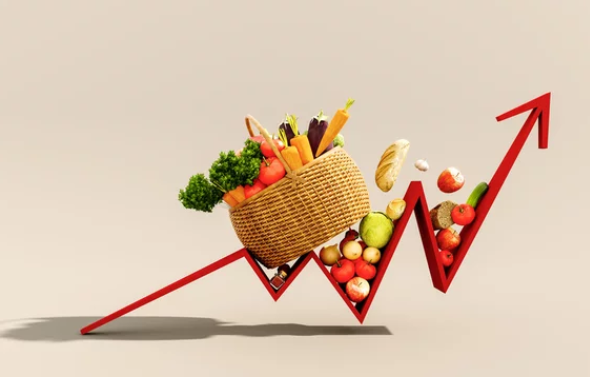
| | | South Africa’s consumer food price inflation rose to the highest level in 16 months, at 4.7% in June 2025, from 4,4% in May, underpinned mainly by the recent increases in the meat, oils and fats, and vegetables prices. However, this increase does not alter our assessment of moderate food price inflation in 2025. The increase in the meat price inflation was due to two significant factors, which have now somewhat eased. First, the outbreak of avian influenza in Brazil led to South Africa temporarily restricting the imports of poultry products from Brazil, and this caused panic in the market. However, the restrictions have now been lifted, and imports are expected to recover in the coming months. Second, South Africa experienced an outbreak of foot-and-mouth disease, which led to concerns about red meat supplies and some panic buying, thus temporarily pushing up prices. Slaughtering has now resumed in the major feedlots, and we are seeing some easing in red meat prices, which should be reflected in the inflation figures of the coming months. Click here to read full article by Wandile Sihlobo.
| | These are early days, but the season ahead for South Africa’s maize production looks promising |
| | | We are still grappling with the harvest of the 2024-25 maize season in South Africa, which is quite decent but presents some quality challenges because of the excessive rains. As of July 11, farmers have delivered around 56% of the expected commercial harvest of 14.8 million tonnes. The quality is a significant challenge for white maize, but less so for yellow maize. For example, the white maize that we categorise as “WM1”, the first grade, accounts for 66% of the delivered maize compared with over 90% in past seasons. While yellow maize of the first grade, “YM1”, accounts for approximately 88% of the delivered maize. The prolonged rains, which continued through to the end of April, posed a challenge. While this won’t change the view that we have decent supplies and keep food prices moderate in the coming months, it does mean we may see financial pressures on the maize farmers. We are now at the tail end of this season, and the 2025-26 season is expected to begin in mid-October. We haven’t been thinking much about this season, as our minds have been mainly on the current crop and the harvest progress. Click here to read full article by Wandile Sihlobo.
| | South African agriculture’s long-term growth is as vital as current issues |
| | | South Africa’s agriculture has had to contend with several urgent issues in recent months, including the need to manage the spread of foot-and-mouth disease and the uncertainty surrounding US and global trade. The country is making progress in addressing animal diseases, with vaccination programs having started in some regions. Still, the work of reviving SA’s vaccine manufacturing, collaboratively with the private sector, needs to gain momentum. The Department of Agriculture, through the revival of the Onderstepoort Biological Products, can have a significant effect, but that will not be sufficient. The times have changed, and disease occurrences have become more prevalent, making it even more urgent to expand risk mitigation efforts. This can be achieved by also assigning private laboratories to produce the vaccine alongside the revival of Onderstepoort Biological Products. In terms of trade, SA’s efforts to renegotiate its relations with the US have not yielded much success thus far. Click here to read full article by Wandile Sihlobo.
| | A Necessary Foot and Mouth disease dialogue |
| | | Over the next two days, July 21-22, South African livestock farmers, regulators, industry stakeholders, economists, veterinary scientists, and agricultural experts will gather in the north of Pretoria to discuss the one challenge that has confronted the agricultural sector more intensely in recent years: foot-and-mouth disease. South Africa is working to find long-term solutions for our biosecurity challenges. The constant occurrence will ultimately reduce earnings and export opportunities to high-value markets. This is already happening and presenting financial pressures on cattle farming businesses, with some struggling to meet all their financial commitments. It is for this reason that I would like to revisit some points we have discussed before as a reminder as we begin this conversation. Indeed, a significant amount of work has happened over the past few months, but the challenge remains. Organised agriculture groups, such as the Red Meat Industry Services and the Department of Agriculture, are collaborating to contain the disease and restore the industry to its productive level. Click here to read full article by Wandile Sihlobo.
| | Foot & Mouth Disease Indaba | Farmers seek solutions: Wandile Sihlobo weighs in | Agriculture Minister, John Steenhuisen, in collaboration with the Agricultural Research Council, says that to effectively reduce the spread of animal diseases, a deliberate and sustained investment must be made. He says government funding alone will not be sufficient to expand the scientific frontiers to curb the spread of diseases in animals. The ministry is hosting a two-day Indaba that is set to bring together the country's foremost veterinary and agricultural experts to confront one of the most pressing threats to South Africa's livestock industry. Agricultural Expert, Wandile Sihlobo weighs in. Watch here. | | PODCAST: South Africans can take a few more tonnes of Brazilian coffee | |
Brazil is a major producer of coffee, accounting for nearly 40% of global coffee production. Other major producers are Vietnam 17%, Colombia 8%, Indonesia 6% and Ethiopia 6%, amongst others. Brazil is also a major coffee exporter to the U.S. Consequently, the 50% tariffs that will take effect on August 1 will likely cause Americans headaches. Brazil's coffee is inescapable due to its significance in global coffee production. Coffee prices have been relatively high since the start of the year due to unfavourable weather conditions in Vietnam and Brazil, which have weighed on global supplies. The U.S. tariffs will pose a challenge for American consumers. We are watching the impact of all this on the global coffee prices, which have surged recently on the back of the U.S. tariffs and the preexisting challenges of unfavourable production conditions in South America. Click here to read full article and listen to podcast.
| | Renewed thrust for land reform measures – expropriation, land ceilings, land register? |
| | | The debate on land reform in South Africa does seem like a case of the same proposals coming around again and again. Although South Africa has a clear constitutional and legal framework for land reform, a lack of effective implementation of available measures and instruments coupled with low levels of budgetary allocations for land reform, corruption, lack of political will and lack of capacity, as cited in the 2017 High-level panel report on key legislation[1], has frustrated progress with the various land reform programmes. The Minister of Land Reform and Rural Development, Minister Nyhontso recently engaged with the portfolio committee on rural development and land reform in Parliament. He said, amongst other things, that the land redistribution programme is moving at a slow pace and that the slow pace of land reform in South Africa has become a source of mounting frustration for millions. Click here to read full article by Agbiz Head of Legal Intelligence Annelize Crosby for Agbiz Grain Quarterly. Page 28-31.
| | IMF First Deputy Managing Director Gita Gopinath’s Statement at the Conclusion of the Third Meeting of the G20 Finance Ministers and Central Bank Governors |
| | | International Monetary Fund First Deputy Managing Director Gita Gopinath delivered the following remarks at the third meeting of the G20 Finance Ministers and Central Bank Governors KwaZulu-Natal, South Africa: “Sincere thanks to the Government of South Africa for hosting this week’s G20 meeting, and Minister Godongwana and Governor Kganyago for leading fruitful discussions across several important economic and financial sector issues. High levels of policy uncertainty remained a key theme in these discussions. But so too did the shared objective to navigate through this uncertainty and seek ways – domestically and collectively – to spur growth. Our April WEO forecast projected global growth of 2.8 percent in 2025 and 3.0 percent in 2026, well below the historical average of 3.7 percent. This included significant downgrades to major economies such as the U.S. and China, owing to greater policy uncertainty, trade tensions, and softer demand momentum. Global headline inflation was projected to decline, but at a slower pace, reaching 4.3 percent in 2025 and 3.6 percent in 2026. Click here to read full report.
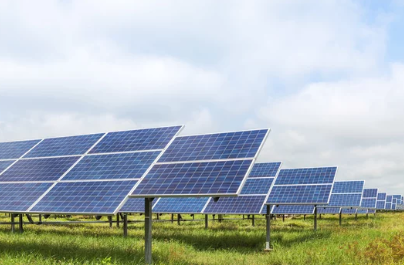
| | Five of world's top-20 solar power producers are BRICS nations | |
Five of the world’s top 20 solar power producers in 2024 were BRICS countries, led by China, which generated 839 terawatt-hours (TWh) of solar electricity – more than any other nation. India ranked third globally with 137 TWh, after the United States at 303 TWh. Brazil followed in sixth place with 71 TWh, while South Africa placed 16th with 20 TWh. The United Arab Emirates, which joined BRICS in 2024, was 20th. According to energy think tank Ember’s report Solar BRICS: Emerging economies now lead the world’s clean energy race, the expanded BRICS group – Brazil, Russia, India, China, South Africa, Egypt, Ethiopia, Indonesia, Iran and the UAE – together produced 51% of global solar electricity in 2024. China alone accounted for 39% of global solar generation in 2024, up sharply from just 12% a decade earlier. South Africa contributed 0.9%. To watch Creamer Media's latest video reports, click here.
| | Rising to the Challenge: boosting adaptation and resilience for development |
| | | One in five people globally are at high risk from climate-related hazards—not just because they’re exposed to floods, heatwaves, cyclones, or droughts, but because poverty or limited access to essential services like clean water, electricity, social protection or financial services leaves them more vulnerable. But here’s the good news: the share of people at high risk from climate-related hazards has halved globally within a decade—from 2010 to 2021, demonstrating global progress and illustrating the benefits of development for resilience. In South Asia, for example, the drop is largely thanks to reductions in poverty and better access to financial services, electricity, and education. Our analysis shows that a 10% increase in income could reduce the global population at high risk from climate hazards by almost 100 million people. In short, development can significantly strengthen people’s ability to cope with and recover from shocks. But development alone isn’t enough, especially in the face of increasing risks—from rising temperatures to more frequent and more intense disasters. Click here to read full article.
| | Getting a grip on the informal sector |
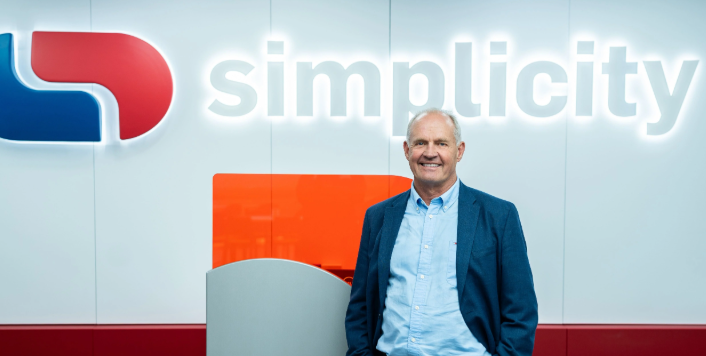
| | | The outgoing Capitec CEO, Gerrie Fourie, generated quite a debate on measuring the informal sector and unemployment in South Africa. I paid a visit to Joe de Beer, Deputy Director-General responsible for economic statistics at Stats SA. He was very generous and helpful and clearly has his feet firmly on the ground. I also rely on several 30-year overviews of the SA economy by the Bureau of Economic Research at Stellenbosch and work done by Prof Johan Fourie at Stellenbosch. Any mistakes are mine. The size of a country’s economy is determined through a system of accounts, standardised globally by the United Nations and known as the SNA or System of National Accounts. The first guidelines were published in 1953. The SNA has been regularly updated since then, with the most recent update in 2025. The SNA measures the economy through a sequence of accounts. These allow, among others, the estimation of GDP in various ways, using production, income, and expenditure approaches. The accounts capture the money flow and give us a bird's-eye view of the economy. We call that bird’s-eye view GDP or gross domestic product. Click here to read full JP Landman report.
| | Global trade policy fragmentation would pose risks for developing countries |
| | | For decades, developing countries have seen global value chains (GVCs) as a path to greater prosperity. GVCs have made it possible to climb the income ladder faster by focusing on specific stages of production rather than turning out more complex finished goods. Thanks to GVCs, Bangladesh can supply fabric for European fashion brands, and Vietnam can assemble smartphones for customers in South Korea and North America. Over half of world trade is now conducted indirectly, through GVCs. This growth has been especially pronounced in lower-middle income countries (Figure 1). Participation in value chains has myriad benefits. It accelerates productivity growth and job creation. Firms that take part in GVCs tend to pay higher wages and offer better working conditions as they strive to comply with global standards. But now, the prospect of global trade-policy fragmentation threatens that progress. The reason: Striking trade deals on a country-by-country basis risks weakening the principle known as Most Favored Nation (MFN). Click here to read full article.
| | Digital technology is unlocking financial inclusion |
| | | Mobile phones and the internet are revolutionizing financial inclusion, enabling more people to access and use digital financial services to manage their financial lives. From mobile money accounts accessible on basic phones, to bank-account-linked wallets used on smartphones, digital services are fulfilling their promise of being more accessible and affordable than traditional alternatives. Digital financial services offer numerous benefits, such as the ability to make daily savings deposits using local agents, manage loan disbursements and repayments using an app, and purchase pay-as-you-go renewable electricity directly from a phone. These services are not just convenient but are integral to making finance more accessible and affordable. The latest Global Findex 2025 report, Connectivity and Financial Inclusion in the Digital Economy, reveals a remarkable surge in financial account ownership and use of digital financial services, but also highlights critical areas for continued focus: closing gaps in access to digital technology and financial services and better equipping people to leverage financial services for their needs. Click here to read full report.
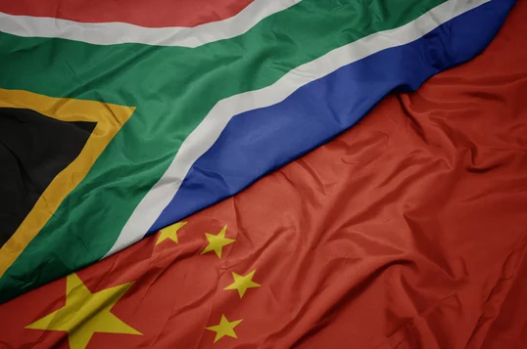
| | South Africa and the China-Africa economic partnerships for shared development |
| | | The recent Chinese offer of duty-free market access for all goods for African countries has triggered great interest amongst agribusiness exporters. SA exports currently comprise only around 0.4% of the massive $215 billion Chinese agricultural import total. China is currently a small component of SA Agri exports (2024 data), but with great potential. SA exports include fruits, wine, red meat, nuts, maize, soybeans, and wool. China is on record as saying recently that it would want to see an increase in Agri imports from SA. The desire by China to further diversify its import basket is possibly a factor in this as well. At the same time, SA has been a promoter within BRICS+ policy discussions of the need for increased intra-BRICS+ agricultural trade. The visit this week by SA’s Deputy President is therefore an opportunity to take these relations forward. Deputy President Mashatile will undertake a strategic working visit to the People’s Republic of China from 14 to 18 July 2025 to participate in the China International Supply Chain Expo (CISCE) and officially launch the South African National Pavilion. Click here to read full article by Agbiz Fruit Desk Manager Wolfe Braude.
| | Produce Prescriptions: Tackling the Fruit and Vegetable Consumption Crisis Through the Healthcare System |
| | | Diet-related diseases account for more than 80% of U.S. healthcare spending. It’s an astounding statistic, and one that has consistently challenged an American healthcare system that is skilled at the treatment of these diseases — but largely falls short in prevention of diet-related sickness. Relatedly, only 1 in 10 Americans eat the recommended amount of fruits and vegetables. The produce industry has dutifully promoted, marketed and innovated to help overcome this consumption barrier and while there have been pockets of success, consumption has largely not budged despite nearly every American knowing they should be eating more fruits and vegetables. When we put these two realities together, it becomes increasingly clear that healthcare must be part of the solution. Enter produce prescriptions. So what are they exactly? Simply put, the “prescription” is a dollar amount exclusively for fruits and vegetables and is financed by the healthcare system. Patients are prescribed fruits and vegetables (often alongside traditional pharmaceuticals) to help treat or manage a diet-related disease. Click here to read full article.
| | SA ports break through 100 000-containers-per-week barrier | |
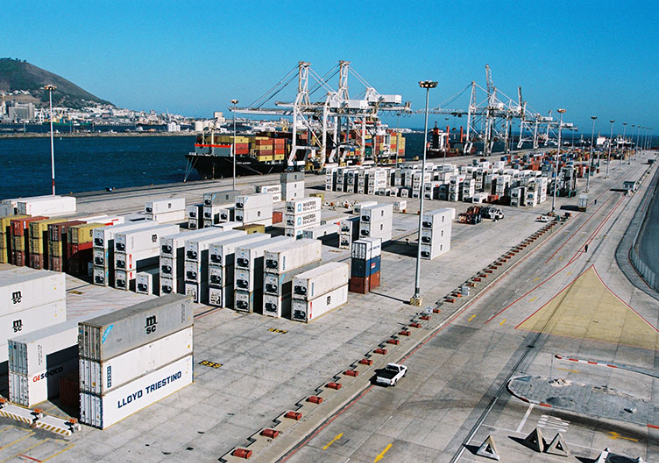
Ports along the coast of South Africa handled 101 295 twenty-foot equivalent units (TEUs) last week – 15% above the weekly target for all container terminals combined. Transport Port Terminals (TPT) said on Monday that it had last achieved volumes at this level in the 2017/2018 financial year, when it moved 101 871 TEUs, which remains a current record. It said this was in line with “consistent performance improvements” recorded since the implementation of Transnet’s Recovery Plan. “TPT has also been exceeding targets for the arrival, berthing and departure of vessels, in line with its shipping agreements and there have been no vessel backlogs and delays across port terminals nationwide,” the ports operator said. This follows a combination of real-time performance reporting, the introduction of a new incentive scheme and a focus on equipment replacement along with the introduction of a fourth shift across all terminals. Click here to read full article.
| | Weekly economic briefing and week ahead |
| | | South Africa saw modest economic recovery indicators this past week. Mining output edged up 0.2% year-on-year (y/y) in May, ending a six-month streak of contractions, while mineral sales jumped by 18.8% y/y—thanks largely to a 338.7% spike in gold sales. Retail trade grew 4.2% y/y, indicating solid consumer activity, though wholesale trade slipped 4.3% y/y. Motor trade saw a healthy 4.7% y/y gain, signalling revived vehicle demand. Meanwhile, building plans passed declined slightly by 2.8%, but completions were up 0.9%, showing some resilience in construction. In the energy sector, Eskom’s Energy Availability Factor dropped to 61.71%, although there was a welcome decline in the use of diesel-intensive open-cycle gas turbines. On the policy front, S&P downgraded Transnet’s credit rating, warning of financial strain. Internationally, the UK committed to a new infrastructure partnership with South Africa, while Angola announced a significant natural gas discovery. Mozambique secured World Bank funding for its $5 billion Mphanda Nkuwa hydropower project. Nigeria’s inflation rate eased to 22.22% in June despite rising food costs. Globally, China posted 5.2% GDP growth, and both consumer and producer prices in the US continued to rise. Click here to read full report.
| | FMD indaba | Red meat industry demands urgent action |
| | | Speaking at a crucial national FMD indaba in Pretoria, Dewald Olivier, CEO of Red Meat Industry Services (RMIS), delivered a stark message about the urgency of the situation facing the sector. “Our gathering here is a shared acknowledgment that we can no longer rely on the way things have always been done. It’s not just unsustainable, it’s damaging our industry,” Olivier declared. The industry has developed a comprehensive Strategic Plan aimed at addressing the mounting biosecurity challenges that have hampered the red meat sector’s growth and competitiveness. The plan focuses on critical areas including veterinary capacity restoration, vaccine production diversification, enhanced traceability systems, and regional zoning options for foot-and-mouth disease vaccination. Central to the industry’s proposal is the alignment of South Africa’s biosecurity systems with international standards set by the World Organisation for Animal Health (WOAH). This modernisation effort seeks to replace what industry leaders describe as an inadequate framework that undermines both domestic production and export potential. Click here to read full article.
| | Westfalia expands avocado production in Africa |
| | | Thabo Mavundza, managing director for Africa at Westfalia Fruit, says the company currently manages around 2,500 hectares of avocados under cultivation in South Africa and Mozambique, primarily for export markets. He oversees Westfalia's operations across the continent, including its nursery and packhouse facilities in Tzaneen, South Africa, where all the company's trees are propagated. While the nursery previously produced 300,000 trees per season for both Westfalia and international growers, challenging global market conditions have led to a temporary reduction to 50,000 trees per season. Mavundza remains optimistic, noting that production will be scaled up incrementally in response to market demand. To support the growing demand for avocados, Westfalia is expanding its tree nursery and planted hectares. South Africa's diverse climate allows for year-round production, and the company is working with various local communities to increase planting, aiming to boost supply by the fourth quarter of 2026. Click here to read full article.
| | BUSA Cargo Movement Update |
| | | This update provides a consolidated overview of the South African logistics network and the current state of international trade. At our container terminals, an average of 12 424 TEUs was handled daily, down from 13 933 TEUs the previous week. Port operations were mainly constrained by adverse weather, vacant berths, as well as equipment breakdowns and shortages. Adverse weather and equipment breakdowns led to operational delays at the Port of Cape Town, while the main operational constraints in Durban were continuous equipment breakdowns and adverse weather conditions. Vacant berths and inclement weather mainly impacted operations at our Eastern Cape Ports, while minimal delays were reported at the Port of Richards Bay. The latest reports from TFR indicate that intermittent cable theft continued on the Central Corridor this week; however, the situation appears to be improving. Additionally, TFR communicated that the annual shutdown on the line between Pretoria and Durban will commence next week, resulting in no trains moving on the line for two weeks. World merchandise trade volumes grew strongly in Q1 2025, outperforming WTO forecasts due to pre-emptive importing ahead of US tariff hikes, with notable import surges in North America (↑13,4%, q/q) and Africa (↑5,1%). Click here to read full report.
| | Powering Progress: Collaboration boosts Cape Town Port efficiency | In the video, stakeholders from the fruit export industry, the Western Cape Government, and Transnet Port Terminals reflect on the successful implementation of a public–private partnership that delivered two 500kVA generators and 120 additional reefer plug points at the Cape Town Container Terminal. Speakers featured in the video include: Theo Boshoff, CEO of Agbiz, Noxolo Thabatha, Terminal Manager at Cape Town Container Terminal, Glen Steyn, Project Manager, Logistics Development: Western Cape Government, Mecia Peterson, CEO: South African Table Grape Industry (SATI), Oscar Borchards, Managing Executive, Western Cape Terminals: Transnet, Ilse van Schalkwyk, Acting DDG: SEAD & Chief Director: Economic Sector Support, Antoinette van Heerden, Logistics Manager: Fresh Produce Exporters Forum and Jacques du Preez, General Manager: Trade and Markets, Hortgro. Watch the video here and read the full joint press release here. | | Red Meat Industry Demands Urgent Action at FMD Indaba | Addressing the FMD Indaba today, Dewald Olivier, CEO of Red Meat Industry Services (RMIS), called time on the status quo - declaring that South Africa’s current biosecurity and disease control systems are unsustainable, actively undermining the red meat industry, and ultimately threatening the country’s food security. Click here to find the press release and click here for Dewald Olivier's address at the Indaba attached. | | World Economic Forum (WEF) Survey 2025/26 | The World Economic Forum (WEF), in partnership with its South African Partner Institute, Business Unity South Africa (BUSA), invites you and your members to participate in the Executive Opinion Survey 2025/26. The survey plays a key role in assessing South Africa’s competitiveness within the global economic landscape and forms a critical input into the WEF’s Global Competitiveness Report. The data collected contributes to international research, investment decisions, and policy development by global organisations, think tanks, and academic institutions. Click here to take survey. | | The Citrus Growers' Association of Southern Africa (CGA), shares the latest news in the citrus industry in its weekly update, From the desk of the CEO. Please click here to peruse. | | Get the latest news from the FPEF | In the latest edition of Keeping it Fresh, the Fresh Produce Exporter's Forum (FPEF)'s newsletter, you will get a summary of the most pertinent information as well as reminders of important upcoming events. Please click here to peruse. | | |
District Export Seminars
31 July 2025 | Lutzville Landbou, Skou Grounds
Learn more
International Blueberry Organisation Summit
25 – 27 September 2025 | CTICC, Cape Town
Learn more
The 2025 Agricultural Transformation Lekgotla
13 August 2025 | Batter Boys, Pretoria
Learn more
SATI & SASEV Table Talk: Grape Conversations Roadshow
28 July 2025 | Wildwood Estate, Groblersdal
30 July 2025 | Lake Grappa, Kakamas
01 August 2025 | Kronenburg, Paarl
Learn more
Agbiz/Agbiz Grain 11th Virtual SHEQ Workshop
29 July 2025 | Virtual
Learn more
TIPS FORUM 2025
30-31 July 2025 | IDC Auditorium, Sandton
Learn more
BFAP Baseline 2025
13 August 2025 | Pretoria
Learn more
2025 Agricultural Transformation Lekgotla
13 August 2025 | Batter Boys, Pretoria
Learn more
SAPPO PIGx2 2025
31 July - 1 August | Maslow Hotel, Menlyn, Pretoria
Learn more
South African Sugar Technologists’ Association Congress 2025
12-14 August 2025 | ICC Durban
Learn more
| |
- Agbiz is the only organisation that serves the broader and common over-arching business interests of agribusinesses in South Africa.
- Agbiz addresses the legislative and policy environment on the many fronts that it impacts on the agribusiness environment.
- Agbiz facilitates considerable top-level networking opportunities so that South African agribusinesses can play an active and creative role within the local and international organised business environment.
- Agbiz research provides sector-specific information for informed decision-making.
- Agbiz newsletter publishes members' press releases and member product announcements.
| | THIRD-PARTY WEBSITE LINKS TO THIS NEWSLETTER | | The Agbiz Newsletter may contain a few links to websites that belong to third parties unrelated to us. By making these links available, we are not endorsing third-party websites, their content, products, services or their events. Agbiz seeks to protect the integrity of its newsletter and links used in it, and therefore welcomes any feedback. | | | | |