The Power of Social Connection: Why It Matters for Everyone | |
Staying connected with others is one of the most powerful ways to stay healthy and happy—regardless of age. Strong social connections helps us feel valued, supported, and part of our community. When we spend time with others, share experiences, or even check in with a friend, we’re doing something that’s good for our minds, bodies, and hearts.
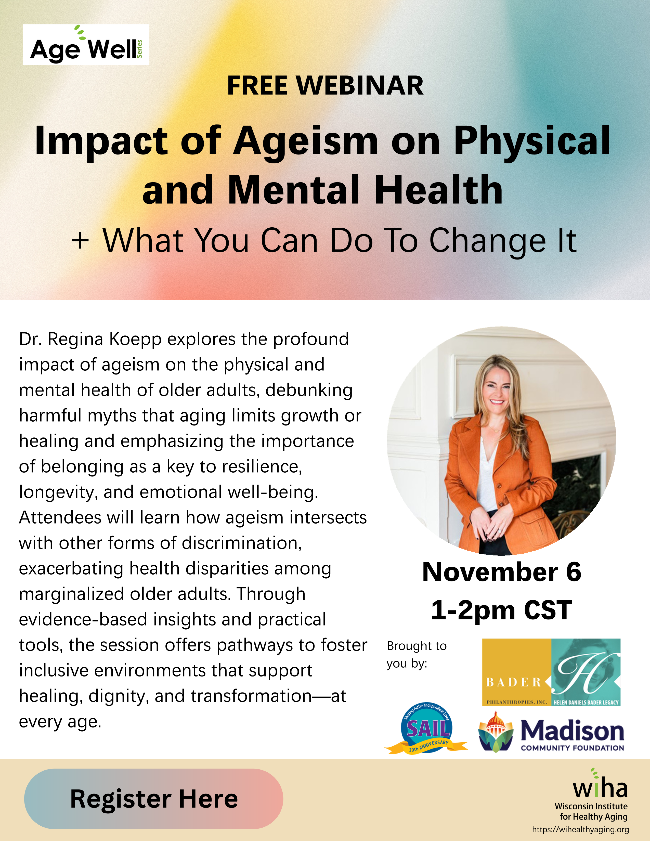
Research shows that feeling connected can lower stress, boost memory, and even support physical health. People who have strong social ties tend to live longer, recover faster from illness, and have a greater sense of purpose. But connection isn’t just about avoiding loneliness—it’s about belonging, contributing, and continuing to grow at every stage of life.
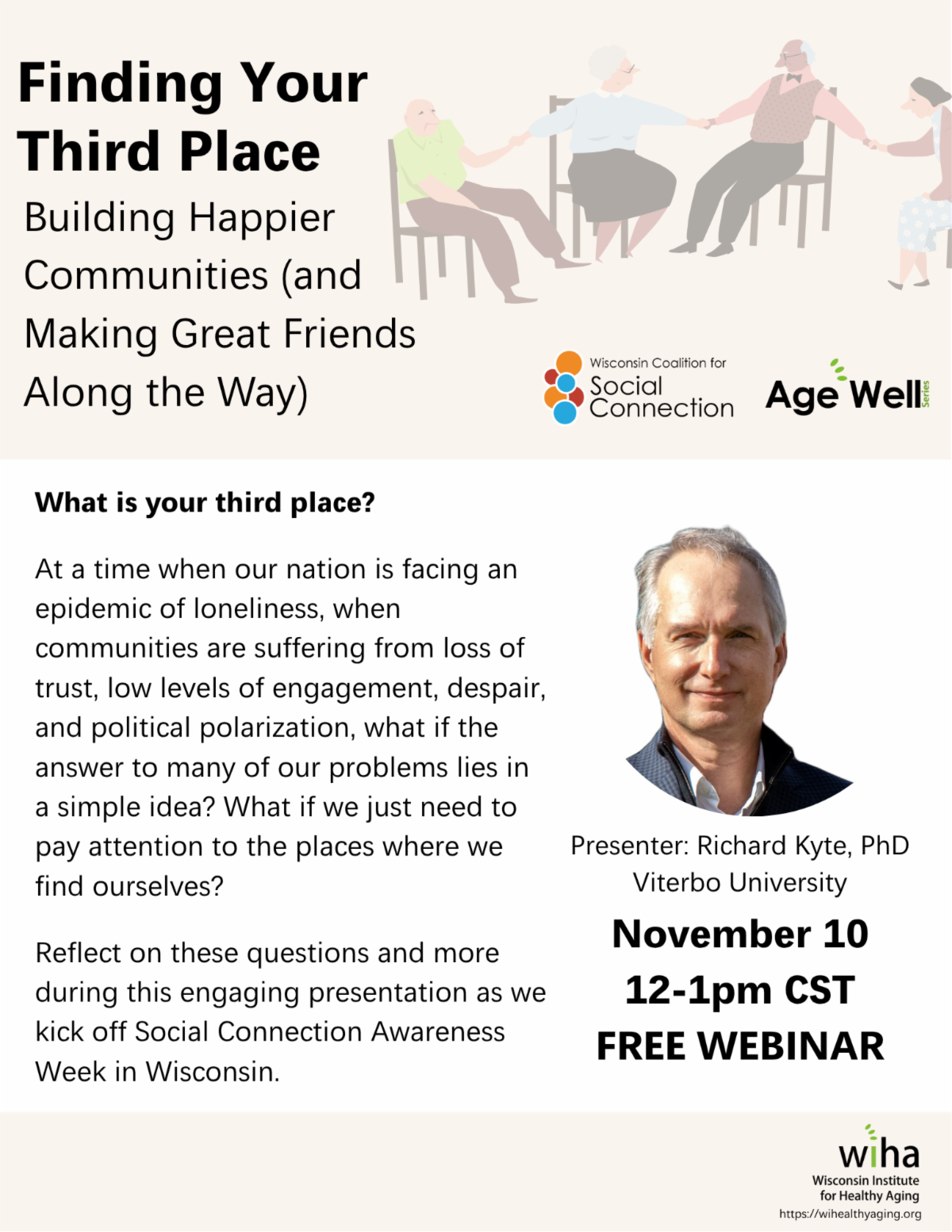
That’s why the Wisconsin Coalition for Social Connection (WCSC) is working to make sure everyone in Wisconsin has opportunities to connect. The WCSC brings together organizations, communities, and individuals to raise awareness about the importance of social connection and create welcoming spaces where people can build meaningful relationships.
This November, WCSC invites everyone to take part in Social Connection Awareness Week—a time to celebrate the many ways we can strengthen community bonds. Whether it’s calling a neighbor, joining a club, or volunteering for a local cause, every small action helps build a more connected Wisconsin.
>Read More
| Understanding Falls and Medications: What Every Adult Should Know | |
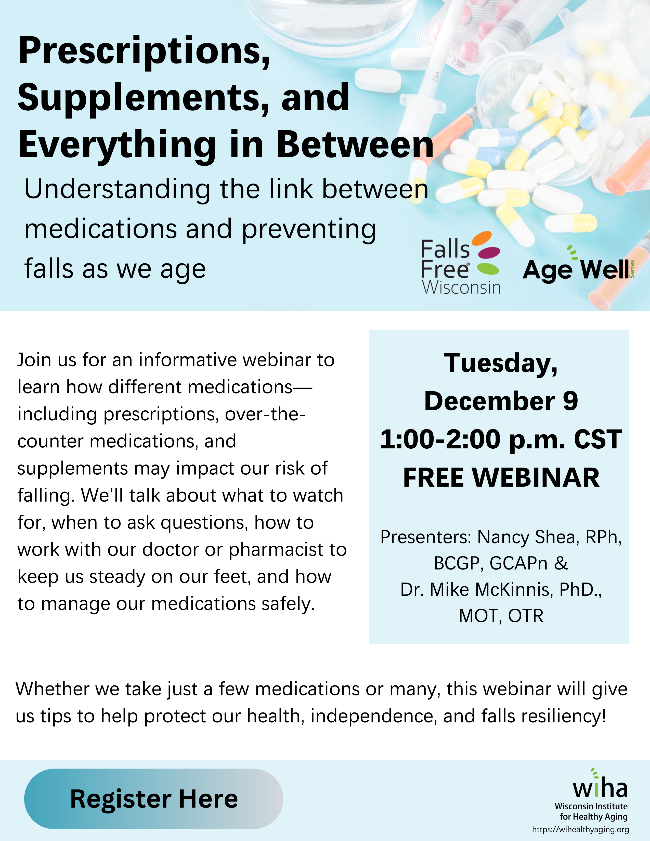
As we age, staying steady on our feet becomes more important — and more challenging. One of the biggest risks that older adults face is falling. Falls can lead to serious injuries, loss of independence, or even death. The good news is: many falls are preventable, especially when we pay careful attention to what medicines we use.
How medicine use raises fall risk
An article from the Journal of the American Medical Association explains that certain prescription drugs, known as fall risk–increasing drugs (FRIDs), make falls more likely. These drugs can slow your reflexes, make you dizzy, blur your vision, or weaken balance.
Here are a few examples of FRIDs that are especially concerning:
- Opioids (for pain relief)
- Benzodiazepines (for anxiety or sleep)
- Gabapentinoids (used for nerve pain, sometimes for other pain)
-
Antidepressants
Many older adults take multiple prescriptions. The article notes that 90% of adults over age 65 take at least one medication, 43% take multiple ones, and 45% take medications that might be risky.
In fact, research has found that 65% to 93% of older adults who are injured in falls were taking at least one FRID at the time.
Why are falls increasing over time?
Even though people today are not necessarily more frail or more likely to live alone than in the past, deaths from falls have more than tripled over the past 30 years.
>Read More
| Empowering Health, Independence, and Connection: The Work of the Wisconsin Institute for Healthy Aging | |
At WIHA, our mission is simple but powerful: to improve the health and well-being of all of us as we age. For the past 15 years, WIHA has been dedicated to offering programs, training, and resources that support independence, prevent falls, and foster social connection—so that all Wisconsinites can thrive as we grow older.
Through evidence-based programs like Stepping On, Living Well with Chronic Conditions, and Mind Over Matter, WIHA helps us reduce fall risk, manage chronic conditions, and make healthy choices that enhance quality of life. (See our 2024 By-the-Numbers Report.) Our programs don’t just focus on physical health—they also provide opportunities for social engagement, peer support, and community involvement, recognizing that connection is a cornerstone of well-being.
But WIHA’s impact goes beyond the participants. We train and support hundreds of community professionals and volunteers across the state, ensuring that these life-changing programs reach even the most rural and underserved areas. Every session taught, every facilitator trained, and every participant supported is a step toward a safer, healthier Wisconsin for all of us.
The benefits of our work are real and measurable: fewer falls, greater confidence, improved self-management, and enhanced social connection. These outcomes mean that we can maintain our independence longer, stay active, and continue to contribute to our families and communities.
>Read More
| Thank you to our Sponsors! | | |
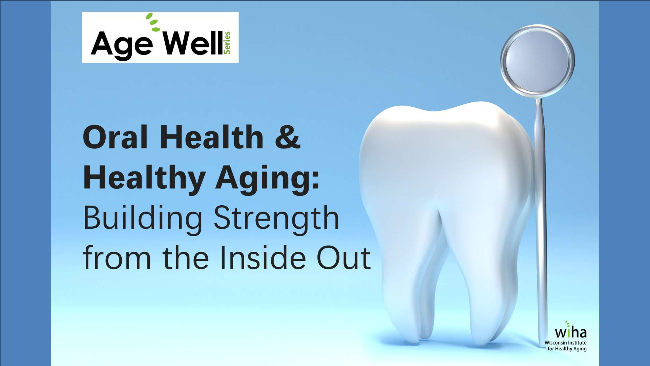
In October, Dr. Patti Sigl, from Algoma Family Dentistry, hosted a helpful webinar with WIHA on effective ways to care for our teeth.
Watch the recording here:
| Living Well with Chronic Conditions | |
Taking care of yourself is an important part of life. If an ongoing health problem such as arthritis, cancer, heart disease, high blood pressure, high cholesterol, obesity, or another health complication has kept you from activities that you enjoy, you are not alone. In fact, nearly 95% percent of older adults have at least one chronic condition, and nearly 80% have two or more. Living Well with Chronic Conditions (or Living Well) is a fun, interactive, 6-session workshop that helps you take charge, feel better, and improve your health. Living Well is an evidence-based self-management program originally developed at Standford University.
“By us sharing our experiences and being able to connect participants with health care providers that have helped us in the past. We are always sharing with others and helping get other people involved in these programs because we know it can help them”
Jim Coffman, Past Participant, Vilas County
Research: Research from the Self-Management Resource Center has found that Living Well improves health behaviors such as exercise, coping, and communication with health care professionals. In addition, it improves health status and quality of life. Studies also show that Living Well helps to keep you out of the emergency room (27% fewer emergency room visits) and out of the hospital (22% fewer hospitalizations).
>Read More
| |
Find a Workshop
Take charge of your health by taking a WIHA workshop. We offer in-person and virtual (online or by phone) programs that give you the tools to age well. Getting started is easy – simply click the link below.
| |