|
Aging is a natural part of life. Yet, we often hear messages that make getting older sound like something to fear or avoid. These ideas can shape how we think about ourselves, our families, and our communities.
What if we looked at aging in a different way?
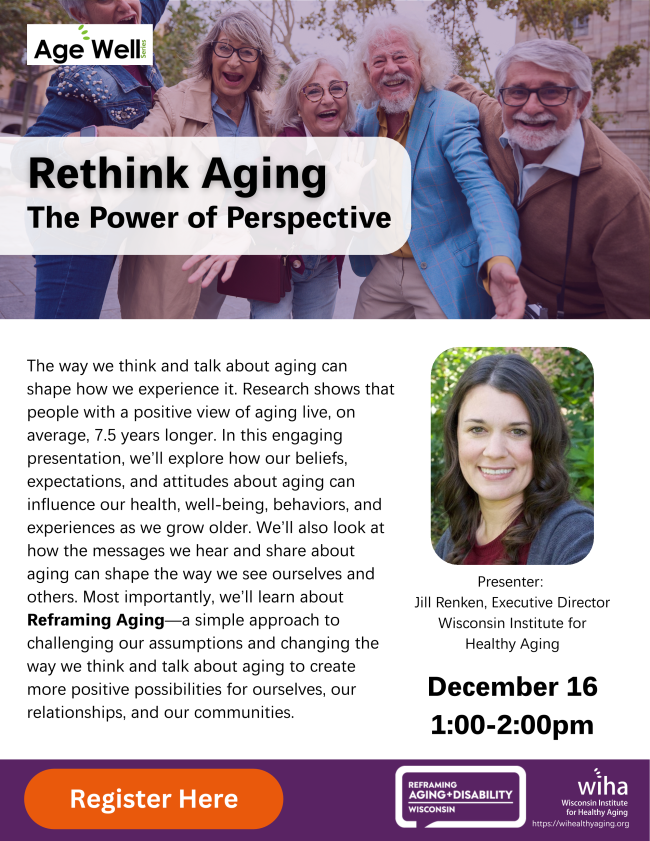
Reframing aging means changing the way we talk about and think about growing older. It does not mean ignoring the challenges that can come with aging. Instead, it means telling a fuller story—one that recognizes the strengths, experience, and contributions of older adults.
Aging is more than a number
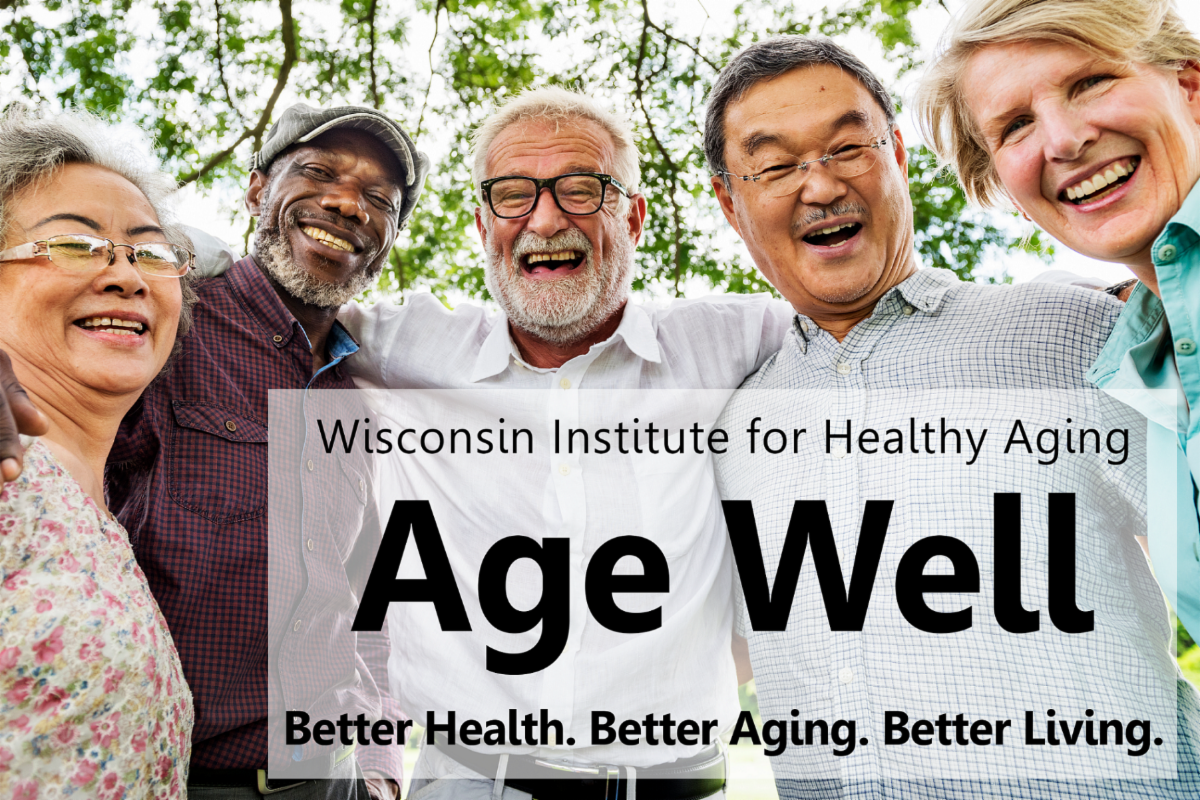
People do not all experience aging in the same way. Many older adults continue to work, volunteer, care for family members, learn new skills, and contribute to their communities.
At the same time, some people face barriers that can make it harder to stay healthy and involved. These may include limited transportation, high housing costs, lack of access to health care, or physical and social barriers.
When we talk about aging, it is important to focus on both the challenges people may face and the opportunities to create communities where everyone can thrive.
Changing the conversation
The Wisconsin Institute for Healthy Aging (WIHA) is working across Wisconsin to help change the way we talk about aging and disability.
Through our Reframing Aging & Disability work, WIHA helps organizations and communities use language and messages that show older adults and people with disabilities as valued members of our communities. The goal is to move away from stereotypes and toward a more complete picture of people's lives.
>Read More
|