The Regional Air Quality Council's newsletter about improving air quality in Colorado. | | |
Grab an electrifying coffee and ride into fall.
Welcome back to the Air Monitor, the newsletter of the Regional Air Quality Council (RAQC)! We just wrapped up a month of logging our emissions-reducing commutes to work for Go-Tober. If you were riding a bike to work in October, too, know that the time change doesn’t have to mark the end of the fun. A brisk morning bike commute can still bring joy (and worthwhile emissions reductions), so long as you’re prepared for the ride home. We have tips, plus an update from our Accessible Bikes for Communities pilot program below.
We're striking a celebratory note in this edition of the Air Monitor by introducing you to the 100th food truck to convert to electric operations through our Engines Off Mobile Grants program. This small business owner is seeing big benefits from swapping out her diesel generator for an electric power station, and you're going to want to grab a coffee and read more.
This month’s Air Monitor includes:
- Latest on the Blueprint for clean air
- Accessible Bikes for Communities pilot program update
- Celebrating a Go-Tober win
- Winter bike commuting tips
- Why electrifying food trucks helps air quality
Ready to breathe easier? Make sure you're signed up for the state's winter air quality alerts, forward this newsletter to a friend (so they can sign up), and read on!
| | Regional Air Quality Council | | |
Blueprint for clean air development update
Following a public comment period in October and the October RAQC Board retreat, RAQC planning staff have prepared the final draft version of the Control Strategy Blueprint for consideration at the November Board meeting. Finalized briefing papers on each control strategy concept and an updated stakeholder engagement information document are now available on the RAQC’s page for the Blueprint for clean air as well.
The Blueprint is a road map to advance potential emission reduction concepts through 2030 and beyond. The RAQC held extensive stakeholdering throughout the spring, summer, and fall for the 2026 Blueprint, including four public workshops in July and August.
RAQC staff have recommended that the RAQC Board endorse the 2026 Blueprint at the November Board meeting. Endorsement enables staff to move forward with further analysis of strategies outlined in the Blueprint and toward development of the upcoming State Implementation Plan, or SIP, which is a regulatory document informed by concepts from the Blueprint.
Learn more about our air quality planning work.
| | |
Accessible Bikes for Community e-bikes installed at 3 new locations
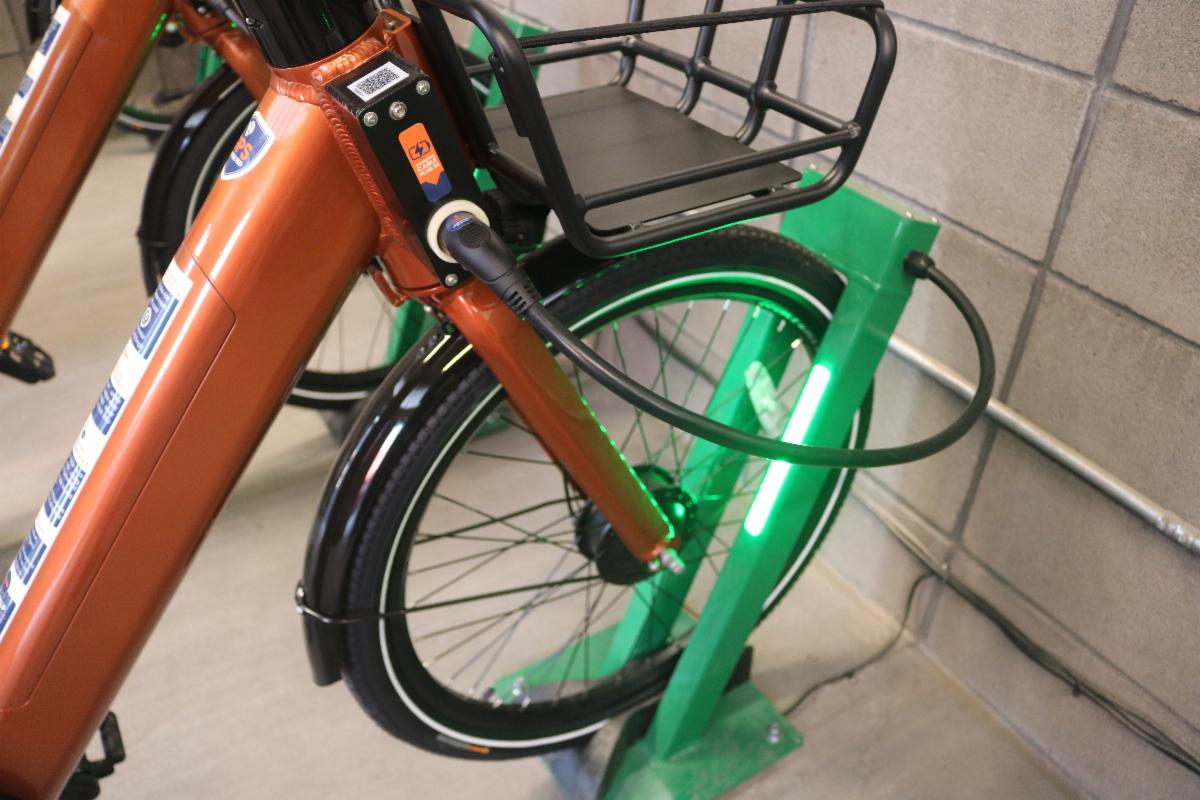
The RAQC’s Accessible Bikes for Community (ABC) program has partnered with Boomerang Fleets to install e-bikes for residents at three new affordable housing communities in the metro area. The e-bikes, which are installed at a secure charging station at each housing community, are a free amenity for residents to use as a reliable, sustainable, and emissions-free transportation option for commuting and running errands. After launching the pilot program at Lamar Station Crossing in Lakewood in late 2025, ABC worked with Boomerang to install new e-bike fleets at housing communities in Lakewood, River North, and Five Points this summer and fall, with two more Front Range communities slated for fleets later this year. RAQC will analyze ridership and miles-traveled data from the six community fleets throughout the coming year to evaluate the program’s emissions-reduction benefits.
Learn more about Accessible Bikes for Communities.
| | |
RAQC wins its Go-Tober Business Challenge category!
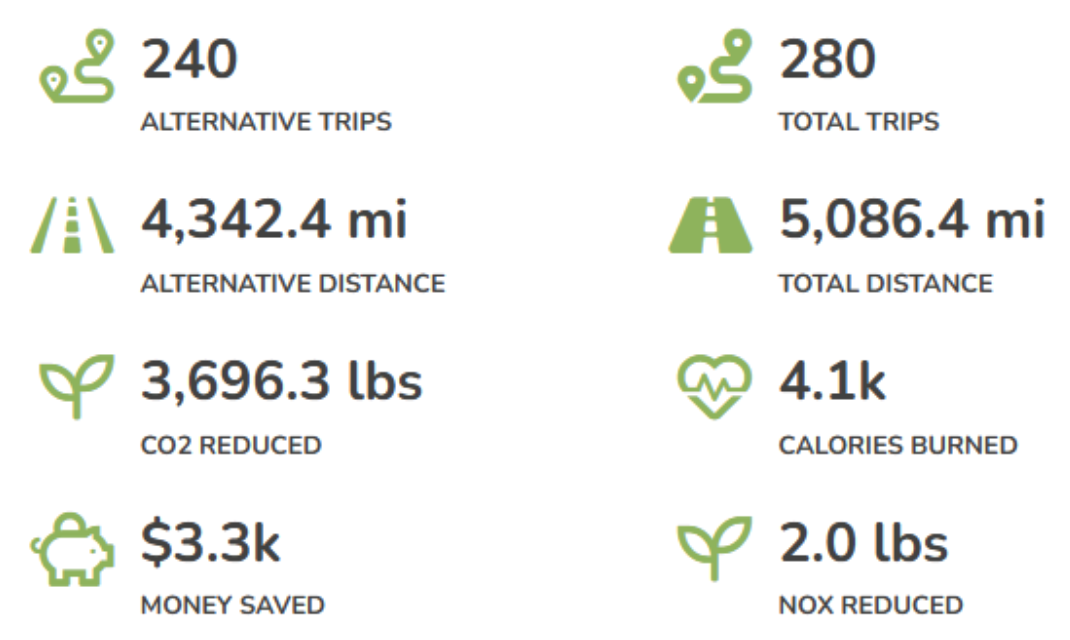
We're celebrating a win! RAQC staff tracked the most alternative commutes in the Denver Regional Council of Government’s Way to Go Go-Tober Business Challenge in the extra-small category by logging more than 4,000 miles of alternatives to single-driver commutes in October. We’re proud of our emissions-reducing commutes and encourage all participants (and everyone else) to keep using transit, bikes, carpools, and other alternatives like telework and hybrid schedules. Way to Go reports that participants reduced 101 tons of carbon dioxide emissions and saved nearly $200,000 in commuting costs. Congrats to all of the winners!
Learn more about the Go-Tober challenge at drcog.org.
| | |
The RAQC Clean Air Fund is a 501(c)(3) public charity dedicated to funding and supplementing RAQC air quality programs that reduce ozone within the EPA’s Denver Metro/North Front Range Ozone Nonattainment Area.
| | Regional Air Quality Council | | |
RAQC AQ experts present at Ozone Exchange
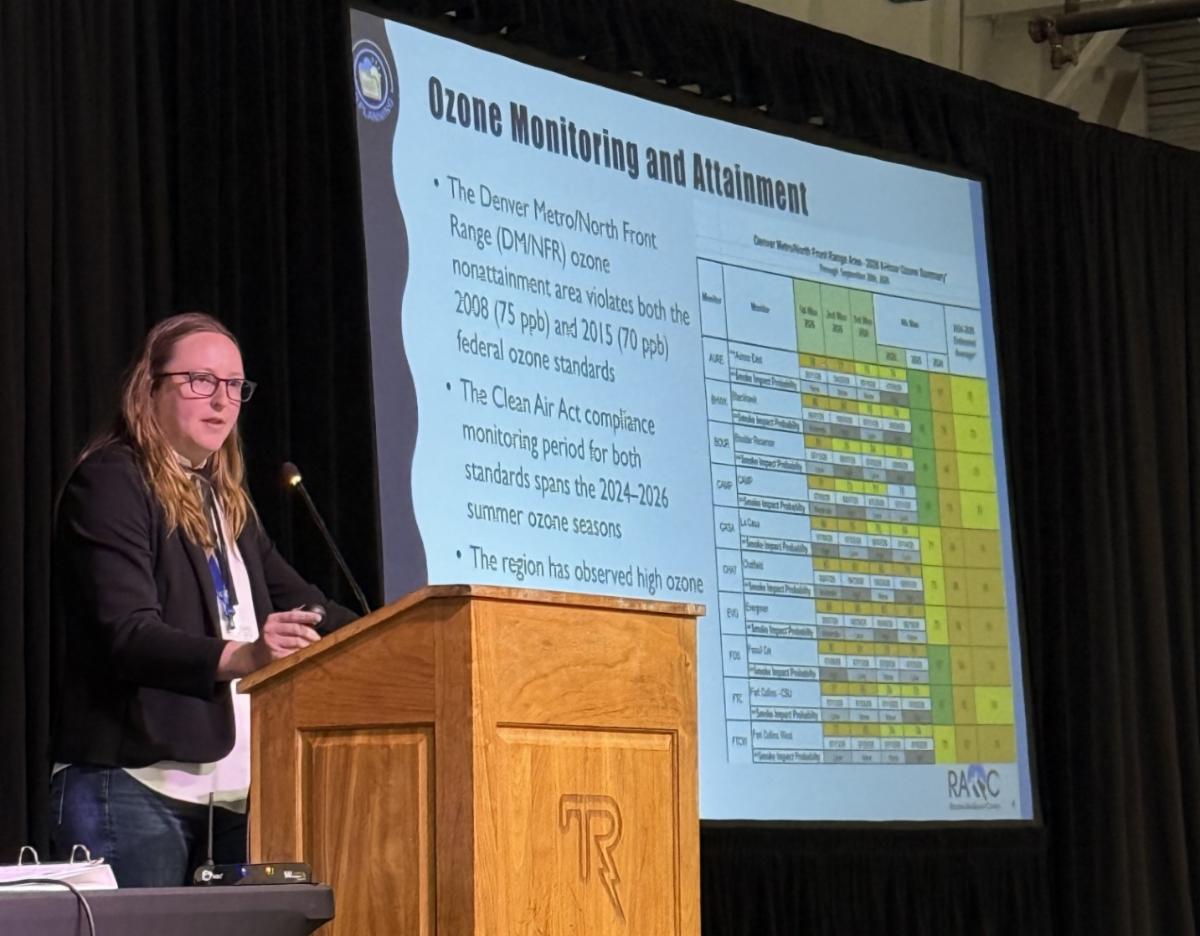
Staff and board members from the Regional Air Quality Council recently attended and presented at the Intermountain West Ozone Exchange in Loveland, Colorado, where about 250 attendees representing four ozone attainment regions in the western U.S. gathered to discuss the current state of ozone. The RAQC’s Mike Silverstein, Tom Moore, Kelley Grubbs, and Kelsey Simpkins shared their work on air quality in presentations at the conference.
Read more at raqc.org/news.
| | Regional Air Quality Council | | |
Run the Rocks
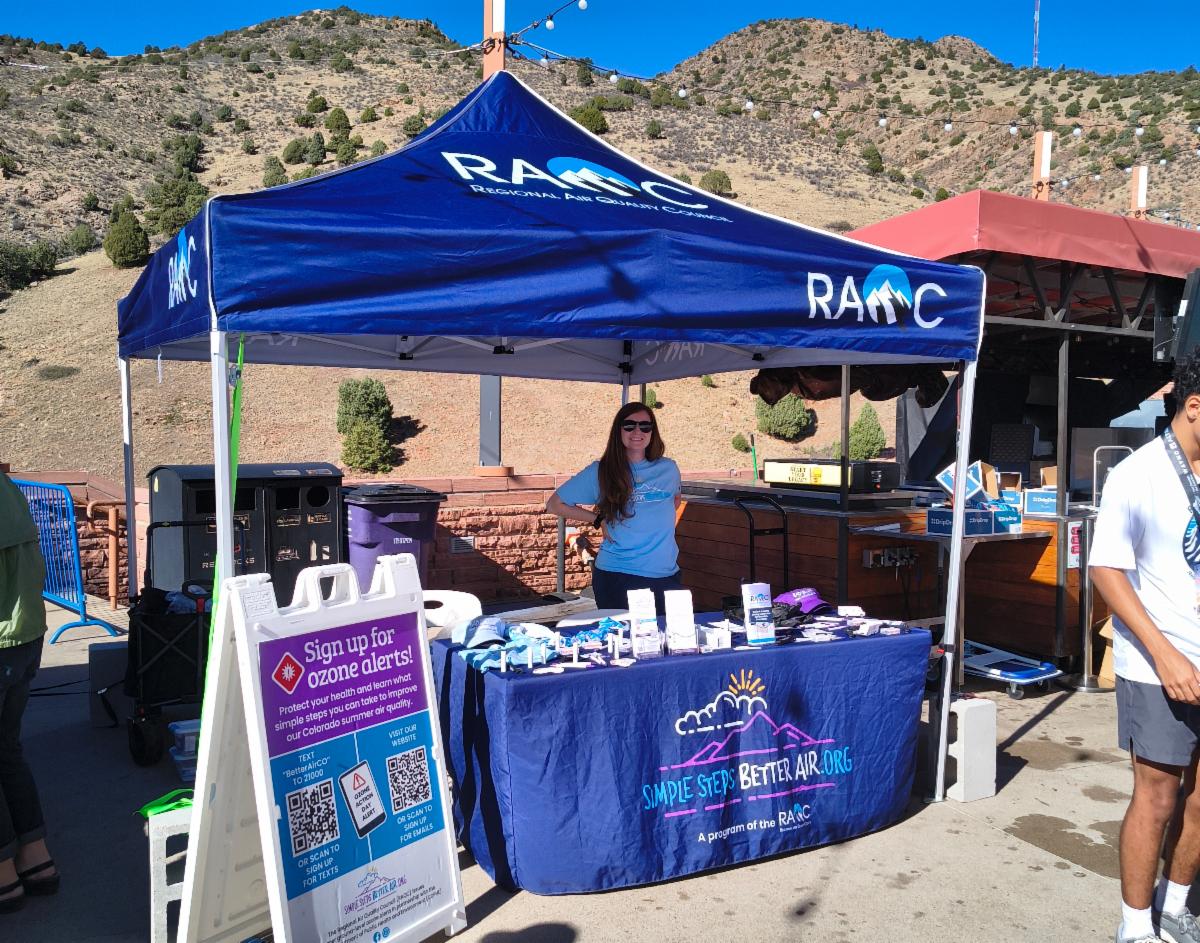
The RAQC’s Simple Steps. Better Air. public education program was at the American Lung Association in Colorado’s Run the Rocks on Oct. 11, and it was a beautiful day to be out at Red Rocks! Thanks to everyone who stopped by to talk about clean air.
| | Simple Steps. Better Air. | |
✅ Try This: Keep up your bike commute this fall.
The end of summer doesn’t have to mean hanging up the bike — if you’re prepared for cooler weather and shorter days. Way to Go offers helpful winter biking tips for those intrepid commuters who love riding to work and want to keep going.
- Use lights on the front and back of your bike. Way to Go recommends at least 500 lumens for front lights and 100 lumens for rear lights. Consider a light for your helmet, too — they’re helpful going around turns.
- Wear bright, reflective clothing to improve your visibility. You want to be seen!
- Dress in layers for unpredictable weather. (Coloradans probably already know this, but we’re saying it again!)
- Keep e-bike batteries warm because they drain faster in cold temps. Either park your bike inside, if your building allows, or bring the battery inside with you.
- If you ride when it’s icy, consider lower tire pressure for better grip or try different tires.
By the time Winter Bike to Work Day arrives in February, you’ll have all your systems dialed in! But if you'd rather stick to warm-weather bike commuting, we’ll see you on your bike next summer.
| | Courtesy of Kitty Beanz Coffee | | |
One electrified food truck saves 1,760 hours of diesel generator use
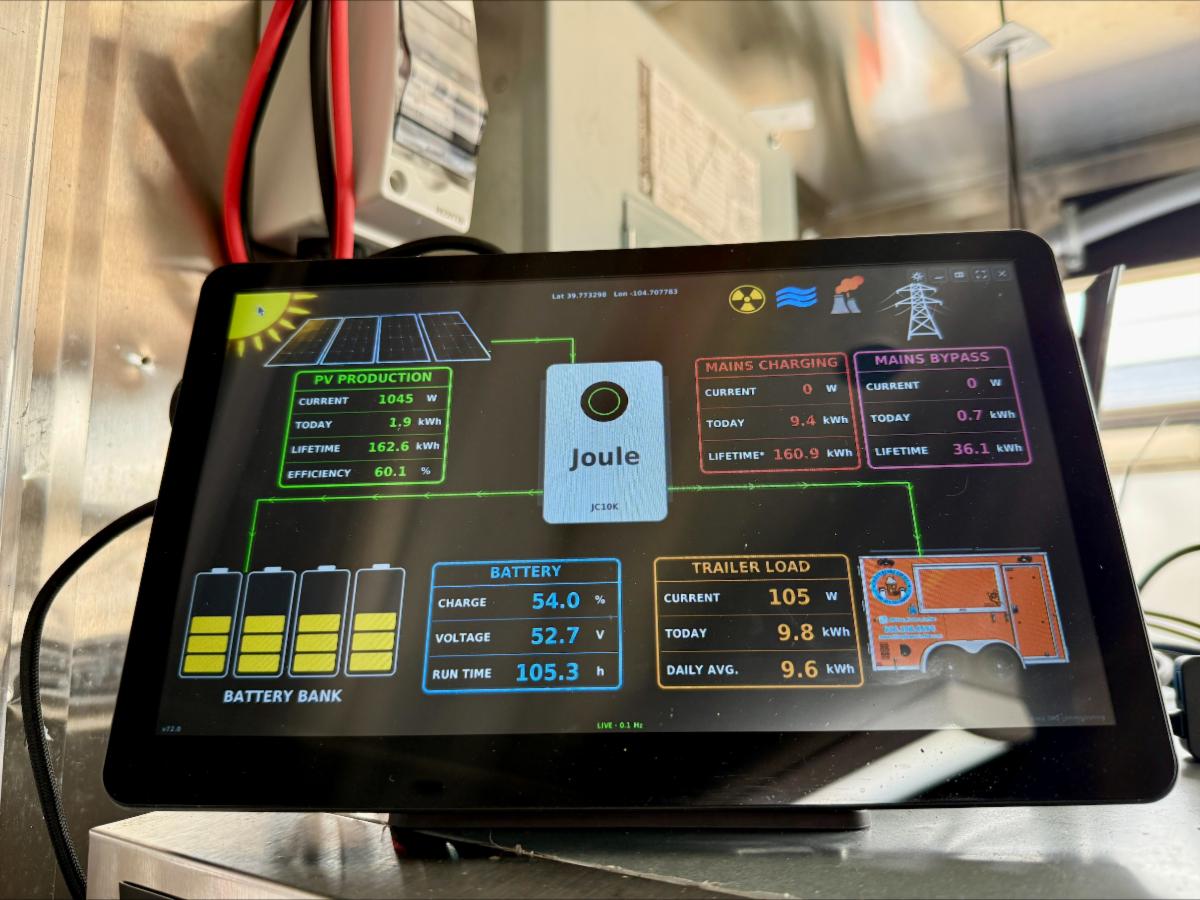
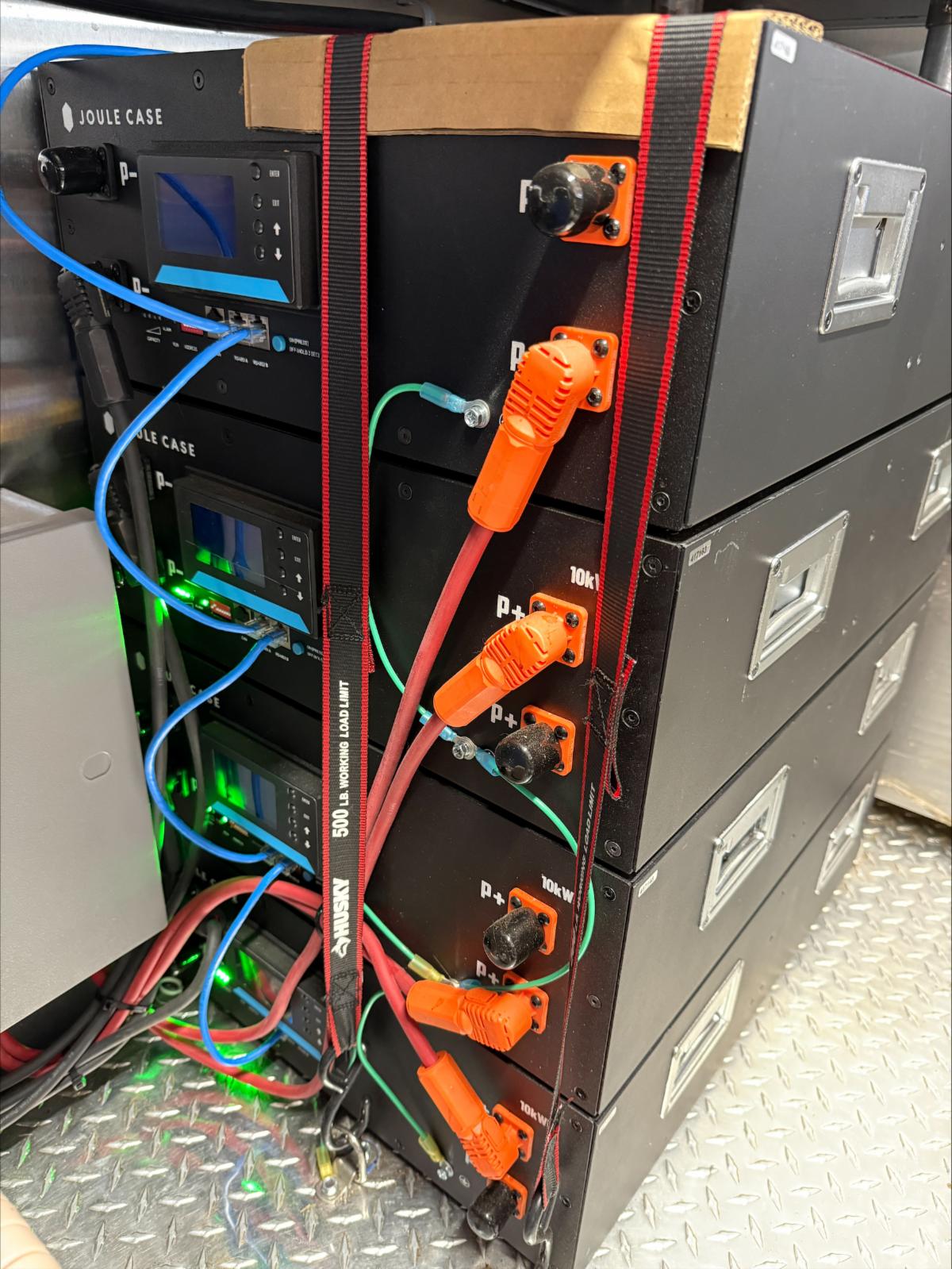
The RAQC’s popular Engines Off Mobile Grants support local food trucks who wish to switch to electric power. Electrifying these mobile businesses improves air quality in the region: Data provided by grantee businesses shows that electrified food trucks save an average of 1,760 hours of diesel generator use annually. As diesel and gasoline prices climb, electrification also comes with significant savings for their businesses.
| | |
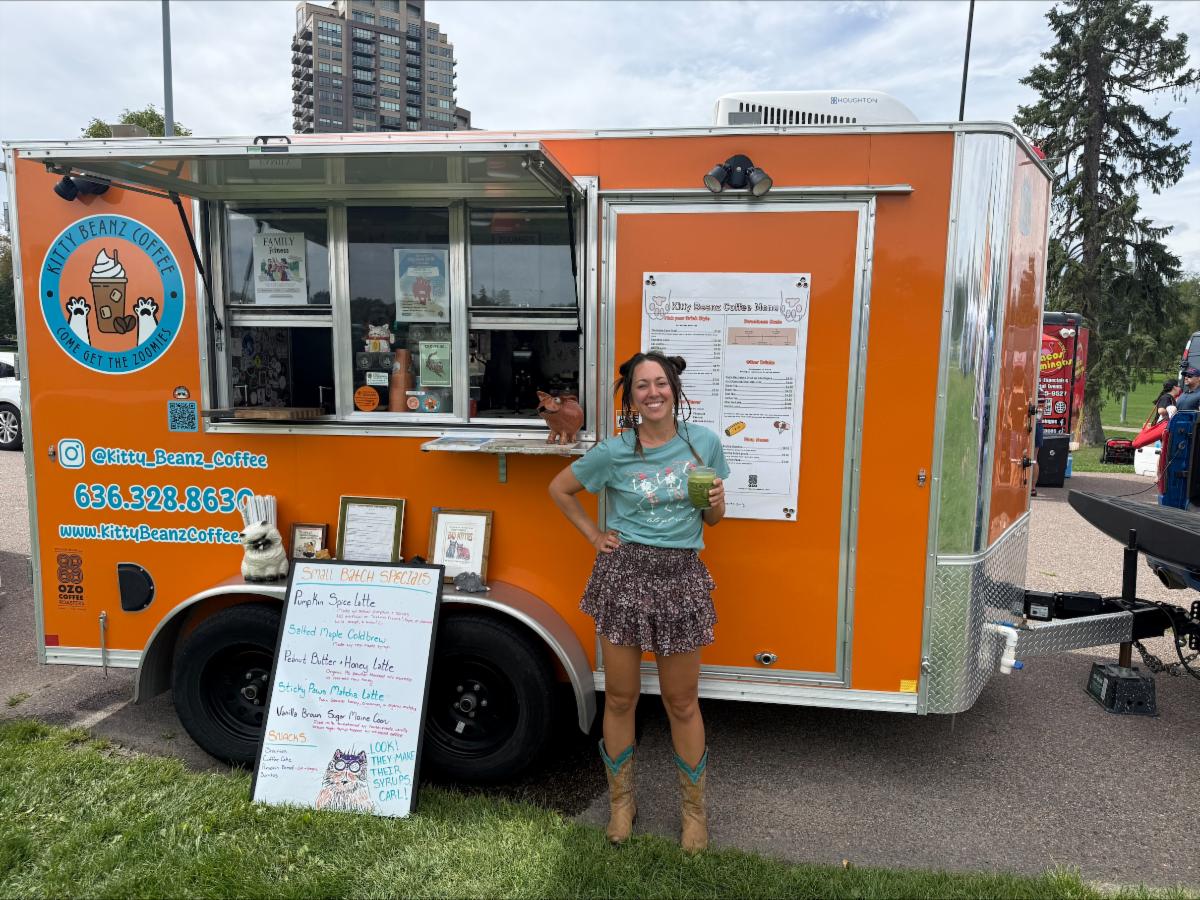
Electrifying comes with other benefits, too. Alicia Lombardo, owner and operator Kitty Beanz Coffee, said her Aurora-based food truck’s electric power station handles multi-day events in the mountains easily, and her business can now participate in events that prioritize food trucks without generator noise and emissions.
Plus, her customers have noticed the switch. “My customers are always commenting on how nice it is that I no longer have the fumes and noise,” Lombardo said.
Engines Off celebrated a milestone this fall when Kitty Beanz Coffee became the 100th food truck to convert to cleaner, quieter electric operations through support from this voluntary emissions-reduction program.
Meet Kitty Beanz Coffee and learn more about electrifying at raqc.org/news.
| | |
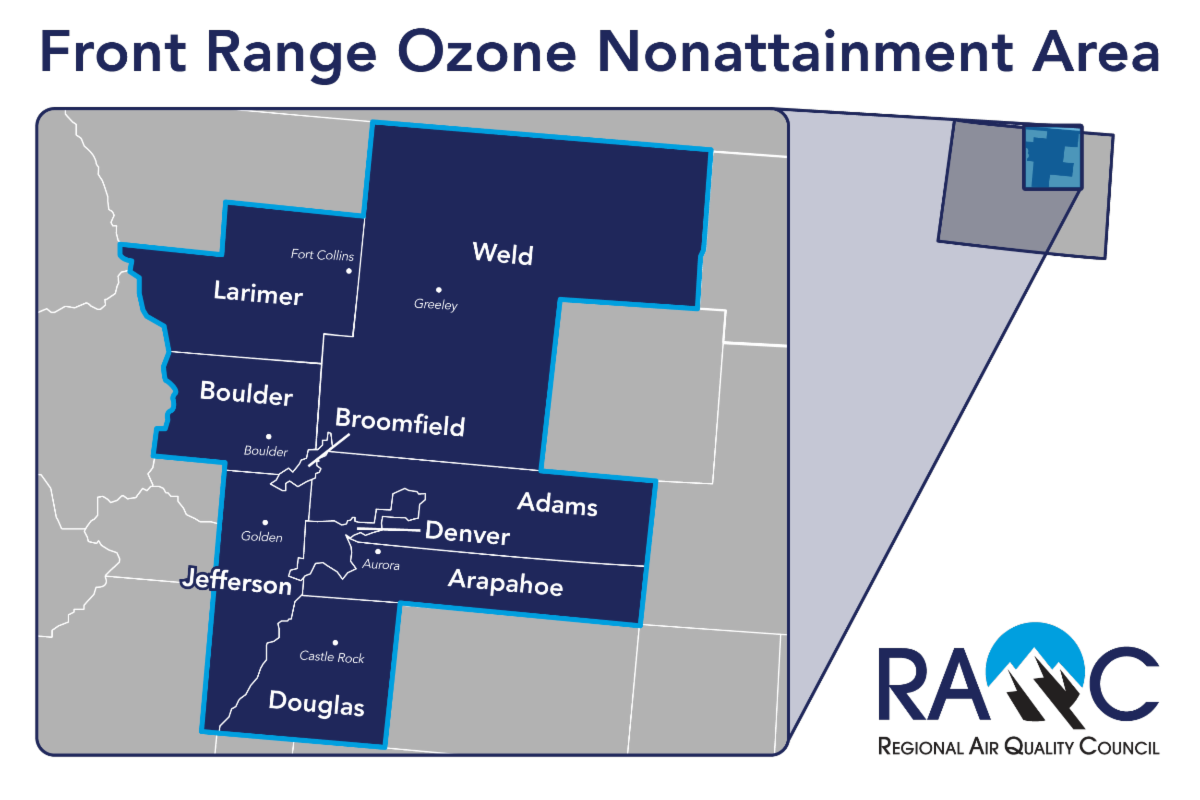
The Regional Air Quality Council is a state-adjacent nonprofit in Colorado that serves the nine-county area in the Front Range that’s out of compliance with EPA air quality standards. The main issue we currently work on through strategic planning and public engagement is ground-level ozone. This invisible pollutant is the Front Range’s most pressing air quality problem, impacting our health and environment each summer.
We send monthly newsletter updates about our work, which is why you are receiving this email. Follow us on social media or visit our website to learn more, or support our work by donating to our 501(c)(3) charity, the Clean Air Fund.
| | | | |