The Regional Air Quality Council's newsletter about improving air quality in Colorado. | | |
Leaves? Update to quieter, cleaner electric.
Welcome back to the Air Monitor, the newsletter of the Regional Air Quality Council (RAQC)! The leaves are beginning to fall, and even if you plan to leave the leaves for your garden this year, you probably need a handy way to move them around your yard. This is the perfect time of the year to upgrade to an electric leaf blower! We have details below on how to get 30% off when you swap out your gas leaf blower (and other gas-powered lawn and garden tools) for a cleaner, quieter electric version.
This month’s Air Monitor includes:
- Why an electric leaf blower is a healthier option
- Latest on the Blueprint for clean air
- 2026 ozone season wrap-up
- Celebrating our 2026 Clean Air Champions!
- Why background ozone is so hard to measure
Ready to breathe easier? Make sure you're signed up for our summer ozone alerts, forward this newsletter to a friend (so they can sign up), and read on!
| | |
Blueprint for clean air development update
This summer and fall, the RAQC has been developing the Control Strategy Blueprint as a road map to advance potential emission reduction concepts through 2030 and beyond. The Blueprint is slated for final consideration and approval by the RAQC Board this November.
The RAQC published the first draft of the 2026 Control Strategy Blueprint in early September and posted an updated second draft at the end of month. Updated briefing papers on each control strategy concept are now available on the RAQC website. Public comment has now reopened with a deadline of Oct. 16.
The RAQC’s Blueprint for clean air landing page now has a Q&A that addresses frequent questions about the Blueprint. This page will continue to be updated throughout the fall with draft documents, meeting materials, and information about the process to submit comments on draft materials.
Learn more about our air quality planning work.
| | |
2026 ozone season wrap-up
Front Range residents experienced 66 days this summer with concentrations of ground-level ozone that exceeded the federal standard, according to analysis from the RAQC. Hot, sunny, stagnant weather this summer contributed to the frequent build-up of ozone pollution throughout the 2026 season. Wildfire smoke was also a prevalent air quality issue in Colorado this
summer, and analysis of air quality data using RAQC’s Smoke IMpact Assessment System (SIMAS) suggests that smoke contributed to increased ozone on certain days this summer. While the impact of wildfire smoke was significant, we also experienced many ozone exceedance days independent of wildfire smoke, and the region was out of compliance with the federal ozone standard regardless of smoke. Learn more about the 2026 ozone season.
| | |
Mow Down Pollution grants to open for Weld County
Our popular grant program helping small business owners and local governments electrify their lawn and garden equipment has been extended to Weld County! The RAQC’s Mow Down Pollution program helps local governments and small businesses switch from gas-powered leaf blowers, trimmers, mowers, and other equipment to quiet, clean, electric tools. This project is supported through the Supplemental Environmental Project fund approved by Colorado Department of Public Health and Environment, which determines the funding area. Businesses, local governments, and other public entities located or operating in Weld County and nearby localities are eligible.
The grant awards up to $20,000 for a range of equipment, including lawn mowers (push and riding), trimmers, leaf blowers, chainsaws, and batteries. Grants require a 30% cost-share from the applicant, with RAQC awarding the other 70%, and gas-powered equipment must be recycled. Applications will open Oct. 19. Learn more at MowDownPollution.org.
| |
Drive Clean Colorado Summit + Expo
Part of improving summer air quality in the Front Range includes reducing emissions from vehicles. Drive Clean Colorado, a nonprofit coalition, delivers equitable clean transportation choices with the goal of reducing greenhouse gases for cleaner, healthier air for Colorado.
Do you work in vehicle electrification, or are you passionate about accelerating the adoption of clean transportation in Colorado? If so, check out the Drive Clean Colorado Summit + Expo on Oct. 22 at Empower Field at Mile High in Denver — we'll be there! This one-day event brings together fleets, municipalities, businesses, utilities, and clean transportation advocates to connect leaders and drive clean solutions. Register and learn more at drivecleancolorado.org.
| |
Get ready to Go-Tober
If you work in Denver, next month isn’t October — it’s Go-Tober, the month when companies and commuters take on the challenge to skip solo drives to work and use sustainable transportation options to improve air quality. The RAQC participates in Go-Tober every year because we know that carpooling and taking public transportation make a big difference for reducing emissions (which is why we opt for sustainable transportation every other month of the year, too). Fun fact: Last year’s Go-Tober participants reduced 112 tons of carbon dioxide emissions and saved themselves nearly $200,000 in commuting costs! Learn more about the Go-Tober challenge at drcog.org.
| | |
Hope we run into you at Run the Rocks!
The RAQC’s Simple Steps. Better Air. public education program will be at the American Lung Association’s Run the Rocks on Oct. 11. We’ll be there to cheer on runners and those supporting them and help everyone learn more about why clean air is so important in our communities. Sign up and learn more at runtherocks.lung.org/runtherocks.
| | |
The RAQC Clean Air Fund is a 501(c)(3) public charity dedicated to funding and supplementing RAQC air quality programs that reduce ozone within the EPA’s Denver Metro/North Front Range Ozone Nonattainment Area.
| | Photos by Nisha Shrestha for RAQC | | |
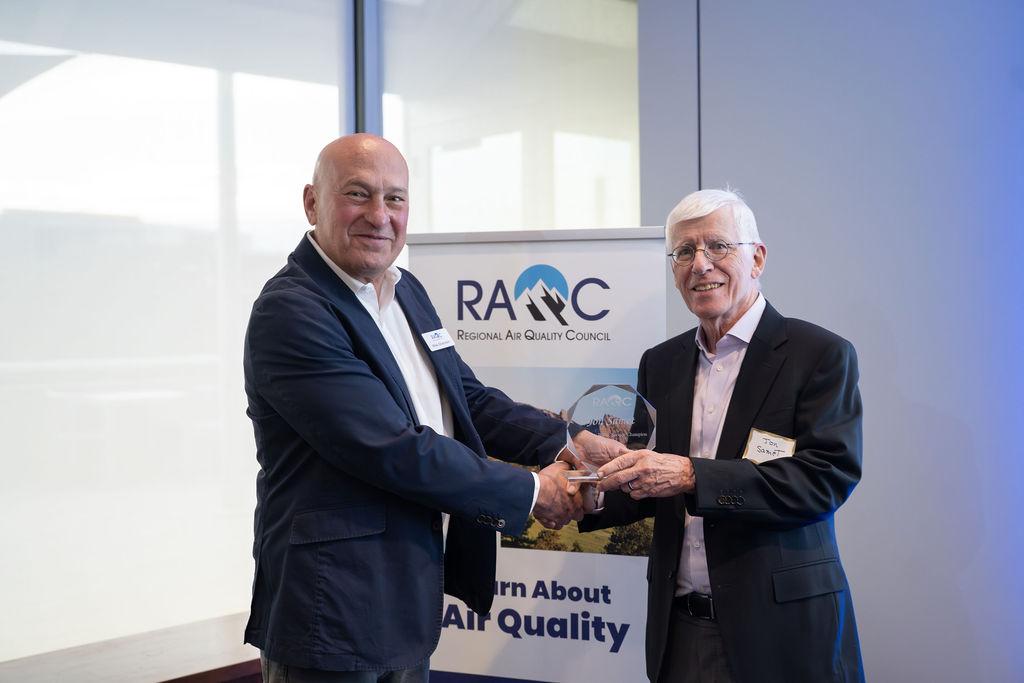
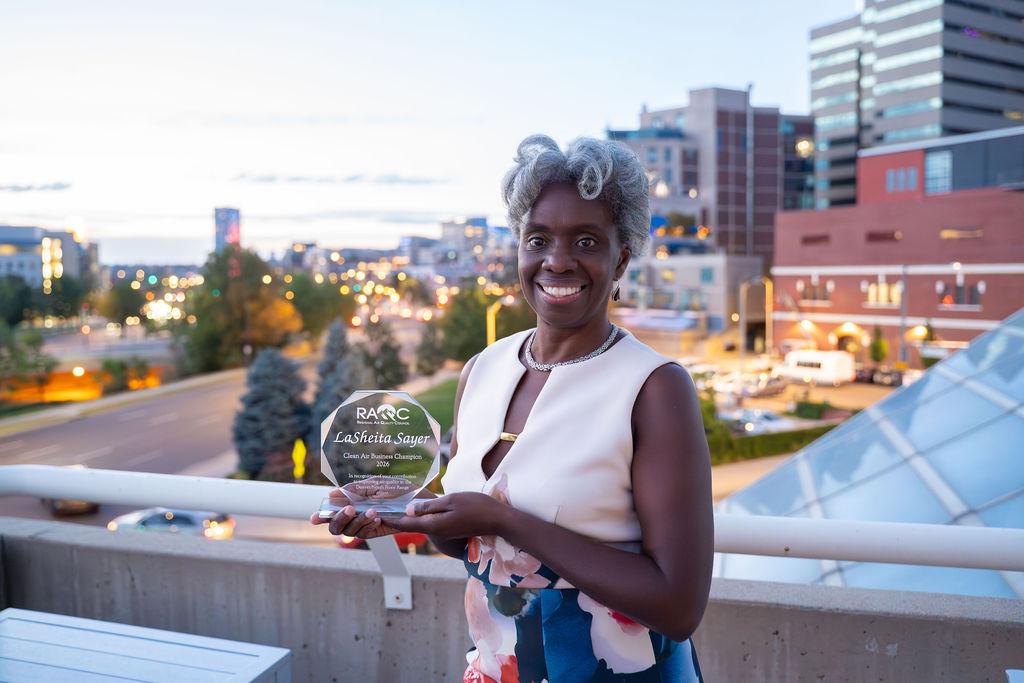
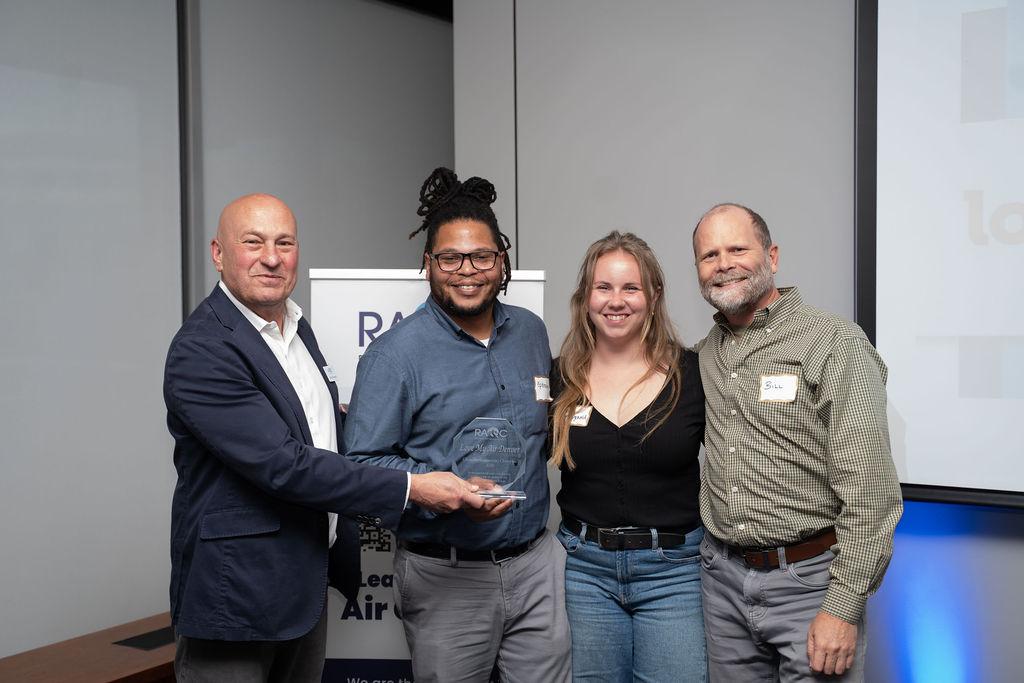
Congratulations to all our Clean Air Champions!
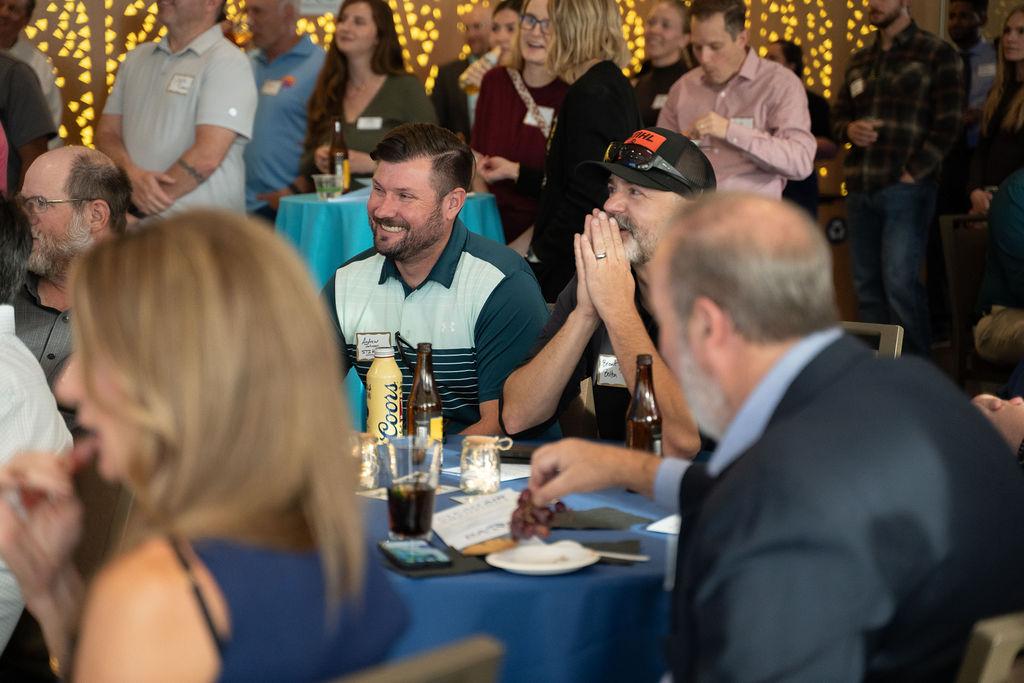
The RAQC held our Clean Air Champions Awards on Sept. 15 to honor our 2026 cohort of champions, and it was a wonderful night to breathe easy and connect with fellow advocates for clean air.
This annual event celebrates the exceptional efforts of individuals and organizations working toward for healthy air for everyone in our Front Range communities. Our 2026 Clean Air Champions were recognized for their work in categories including public service, local government, business, community, and former RAQC Board members. Congrats to all and thank you for your work for clean air!
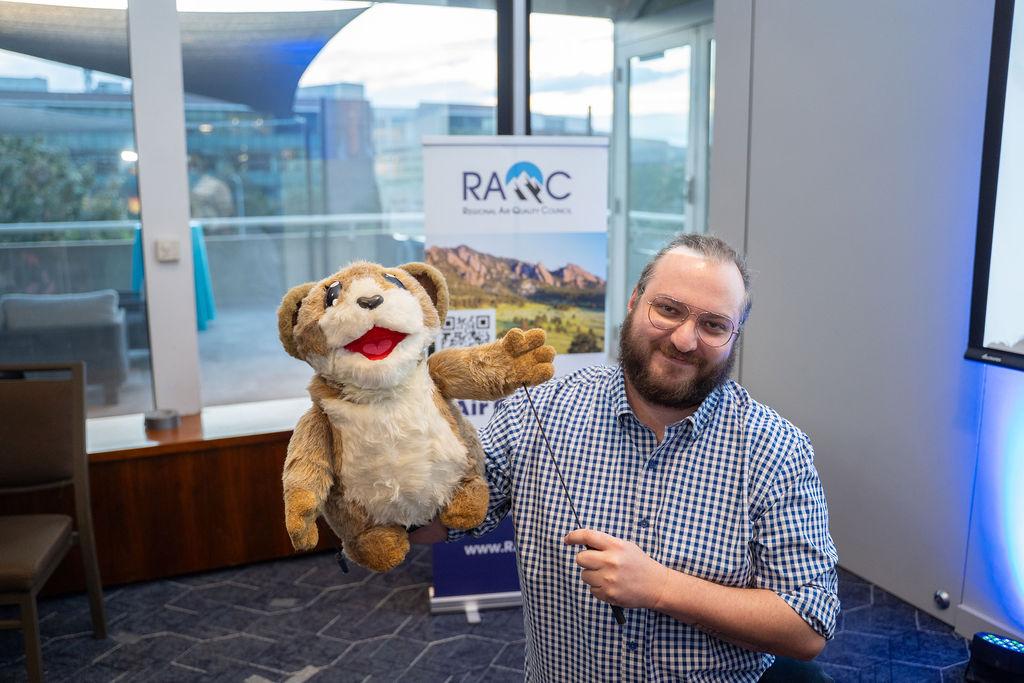
This was the second year that the event took place at the Denver Center for Performing Arts, and the evening began with an on-screen welcome from Scout the Pika, a cheerful pika puppet developed by Rocky Mountain PBS for use in educational partnerships. Scout was featured in a new educational video series this year as part of the Simple Steps. Better Air. annual summer advertising campaign. Scout (and his puppet handlers) later joined the celebration in person for photos with Clean Air Champions attendees.
We’d like to offer a heartfelt thank you to everyone who attended and our friends at Rocky Mountain ACE Hardware for their generous sponsorship and support of this event!
| |
✅ Try This: Swap your gas leaf blower for electric.
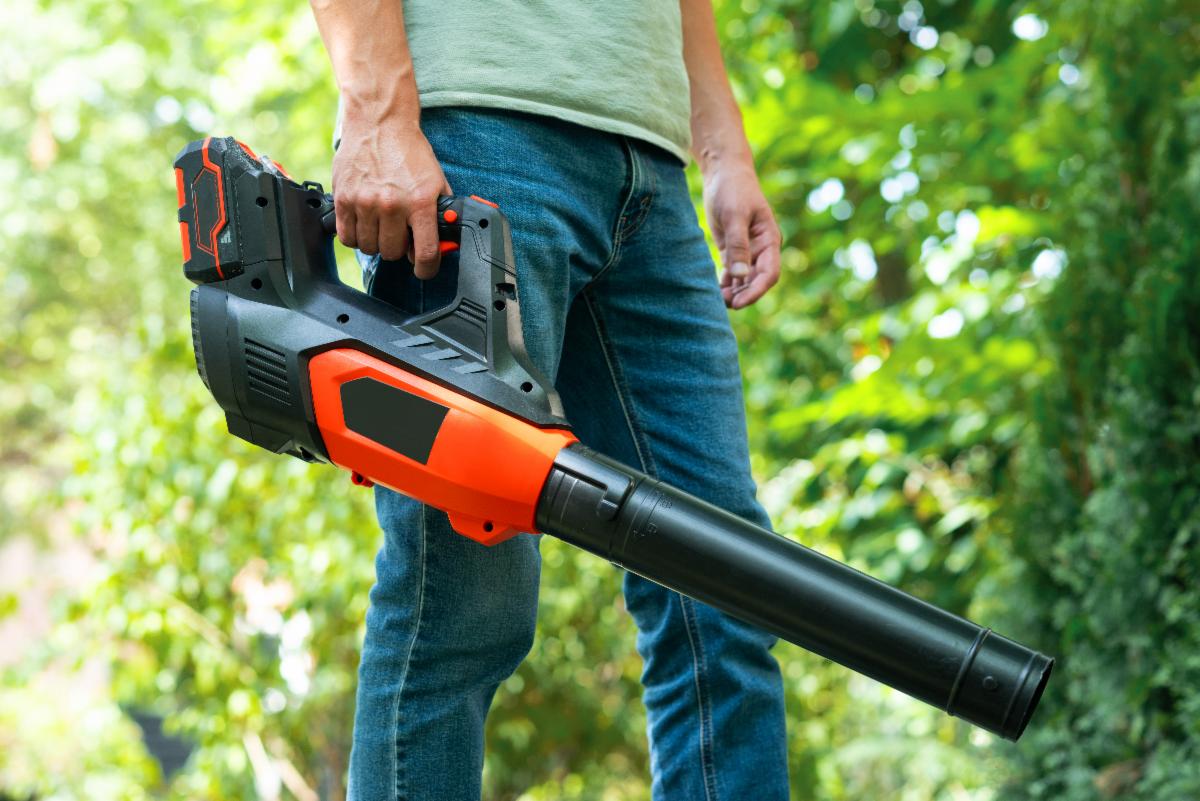
Gas-powered lawn and garden equipment is a surprisingly significant source of emissions that lead to the formation of ground-level ozone on the Front Range. Unlike cars, they’re not equipped with technology that converts pollutants into less harmful substances. Running a gas-powered leaf blower for an hour creates the same amount of emissions as driving a gas-powered car more than a thousand miles, all the way from Denver to Los Angeles!
Ready to upgrade your old leaf blower for a cleaner electric model? Coloradans can get a 30% point of sale discount on electric lawn mowers, leaf blowers, trimmers, and even snow blowers at participating retailers statewide — no need to get a coupon or apply for the discount!
| |
We don't have a good way to measure background ozone.
We know a lot about some aspects of ground-level ozone pollution. It forms when precursor emissions — specifically, volatile organic compounds (VOCs) and nitrogen oxides (NOx) — bake in our abundant summer sunshine and heat. But we don’t really know how much background ozone we have because it’s so difficult to measure.
| | |
“Background” ozone refers to the ozone that’s here even if you eliminate our known human-caused local emissions sources. EPA offers standardized model inputs for background for the complex models we use to estimate how much background should be separated out from human-caused emissions. But they’re only estimates — we don’t have urban background ozone measurements.
Background ozone is a complicated mix, and it doesn’t come to the region with a return address. Some of the NOx and VOCs are blown in from nearby regions. Some come from other continents. Some even comes from local natural sources, such as trees that emit VOCs. There’s no good way to separate these various sources to get a measurement, so all we have is a modeled estimate.
What we do know: We have many summer days with ground-level ozone pollution at unsafe levels for human health, and reducing our known precursor emissions helps lower our local ozone concentrations.
| | |
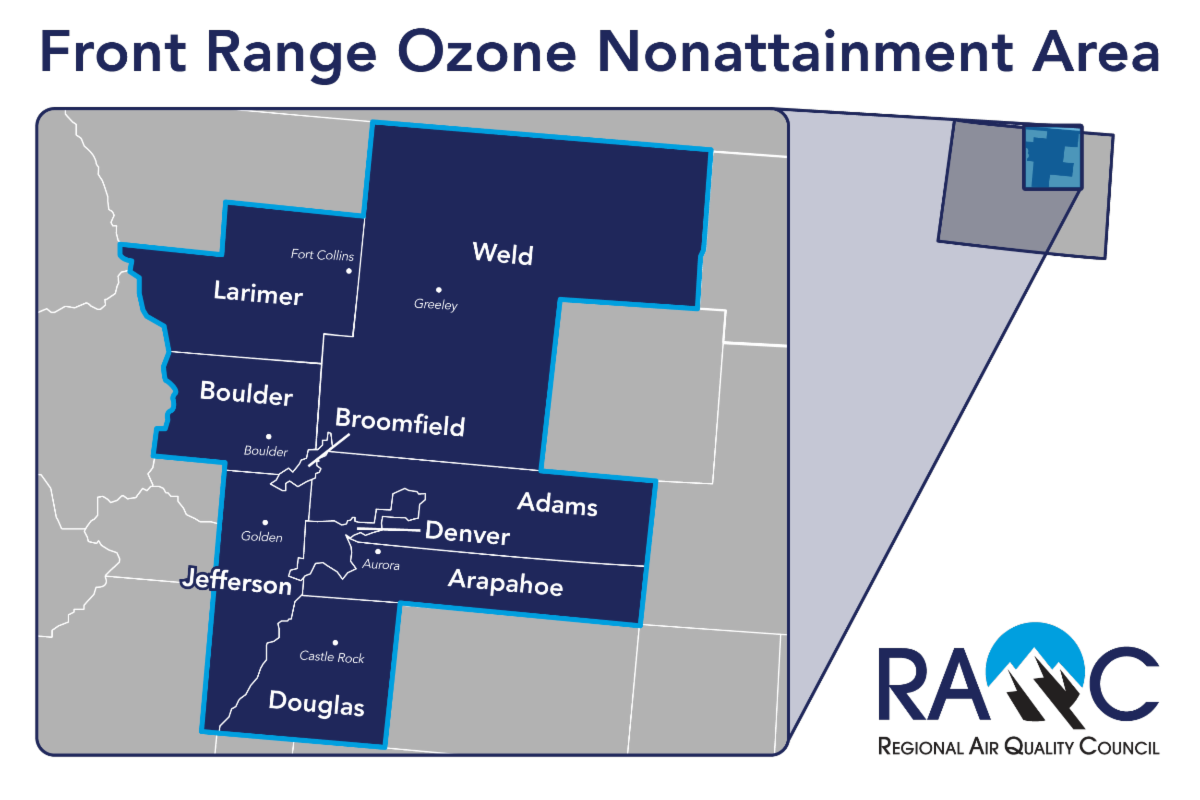
The Regional Air Quality Council is a state-adjacent nonprofit in Colorado that serves the nine-county area in the Front Range that’s out of compliance with EPA air quality standards. The main issue we currently work on through strategic planning and public engagement is ground-level ozone. This invisible pollutant is the Front Range’s most pressing air quality problem, impacting our health and environment each summer.
We send monthly newsletter updates about our work, which is why you are receiving this email. Follow us on social media or visit our website to learn more, or support our work by donating to our 501(c)(3) charity, the Clean Air Fund.
| | | | |