The Regional Air Quality Council's newsletter about improving air quality in Colorado. | | |
Engines off for back to school.
Welcome back to the Air Monitor, the newsletter of the Regional Air Quality Council (RAQC)! Summer is nearly over, but we’re not done with ground-level ozone pollution just yet. Thanks to continued warm weather and sunny skies, we usually still have a few high ozone days in September. Shorter days add up to less time for ozone precursor emissions to form in the heat and sunshine, though, so our final ozone alert of the year will likely come in the next few weeks. Stay tuned for a wrap-up of up the 2026 ozone season in our next newsletter.
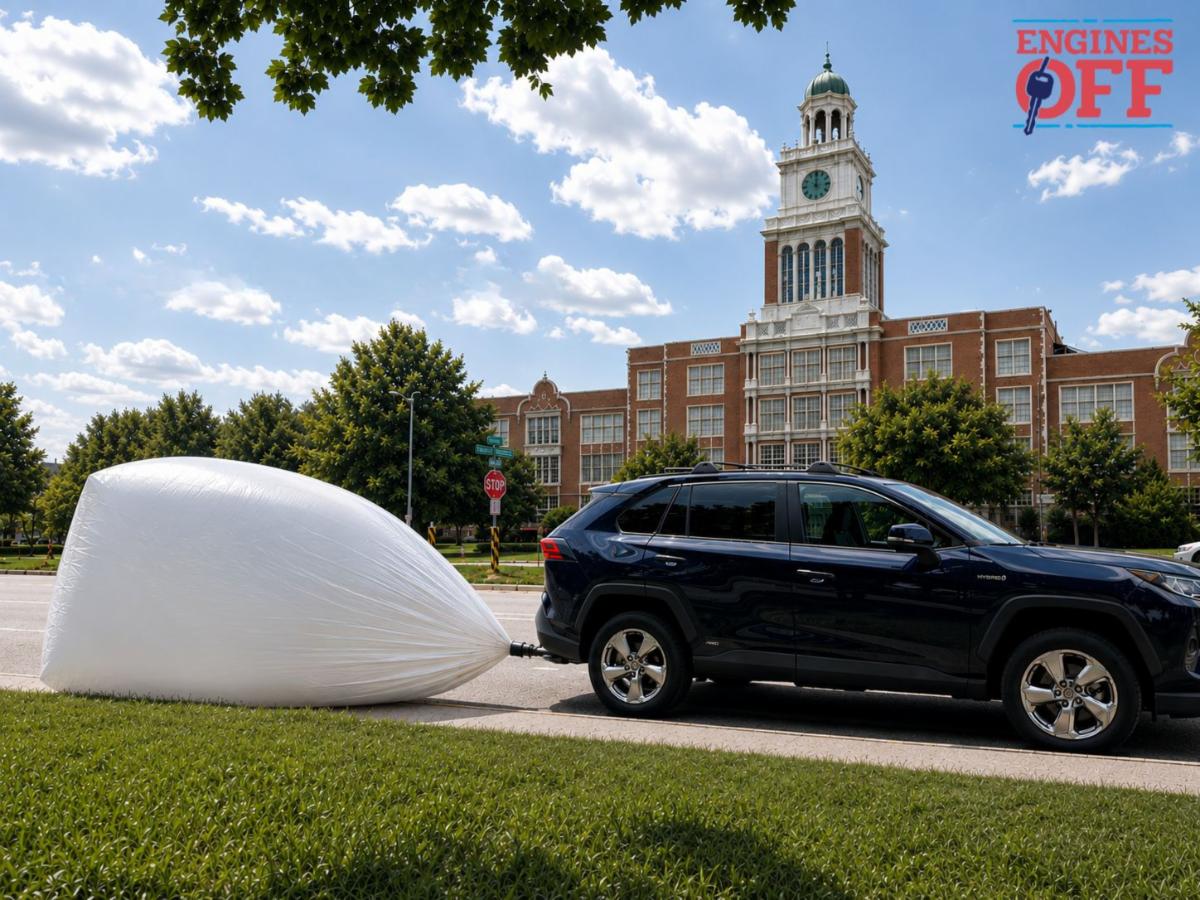
In the meantime, school’s back, and with it, our annual reminder to turn your car’s engine off when you drop off and pick up kids at school. Exhaust from idling vehicles has an oversized effect on children. More below, but to keep it simple: Opt to turn off your car instead of idling.
This month’s Air Monitor includes:
- How idling your car impacts kids’ health
- Latest on the Blueprint for clean air
- Food truck electrification grants reopen
- Why you can't sniff out ozone pollution
- Register for Clean Air Champions Awards!
Ready to breathe easier? Make sure you're signed up for our summer ozone alerts, and read on!
| | |
Blueprint for clean air development update
This summer, the RAQC is developing the Control Strategy Blueprint as a road map to advance potential emission reduction concepts through 2030 and beyond. The Blueprint is slated for approval this fall.
The RAQC has completed its public workshop series convening stakeholders to review and discuss emissions-reduction control strategy concepts for the Blueprint. The RAQC gathered public input at these workshops to improve strategy proposals for the 2026 edition of the Blueprint. Thank you to all who participated!
The first draft of the 2026 Control Strategy Blueprint is expected in early September. At that point, revised briefing papers on each control strategy concept will also be available on the RAQC website and public comment will reopen on the Blueprint and draft supporting materials.
The RAQC’s Blueprint for clean air landing page will continue to be updated throughout the fall with draft documents, meeting materials, and information about the process to submit comments on draft materials.
Learn more about our air quality planning work.
| | |
Engines Off mobile business grants have reopened
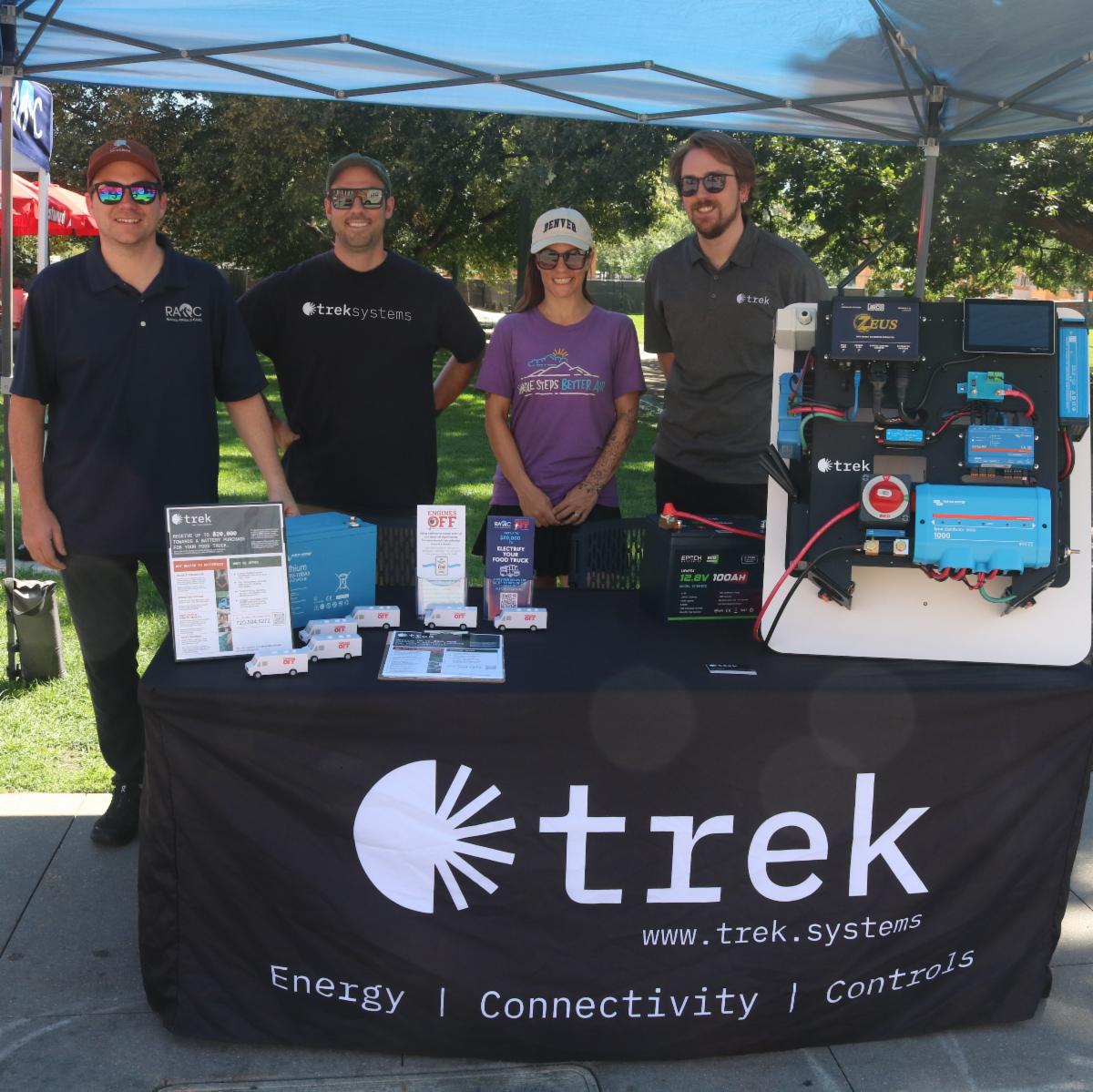
Our popular grant program helping small business owners electrify their mobile operations has reopened! The RAQC’s Engines Off Mobile Grant program supports food trucks and other mobile businesses making the switch from gas-powered generators to battery electric power. Due to high demand and limited availability, we are expecting this funding round to be competitive. Learn more about the grant, our trusted vendor network, and apply at EnginesOff.com/food-trucks.
| | |
The RAQC Clean Air Fund is a 501(c)(3) public charity dedicated to funding and supplementing RAQC air quality programs that reduce ozone within the EPA’s Denver Metro/North Front Range Ozone Nonattainment Area.
| | |
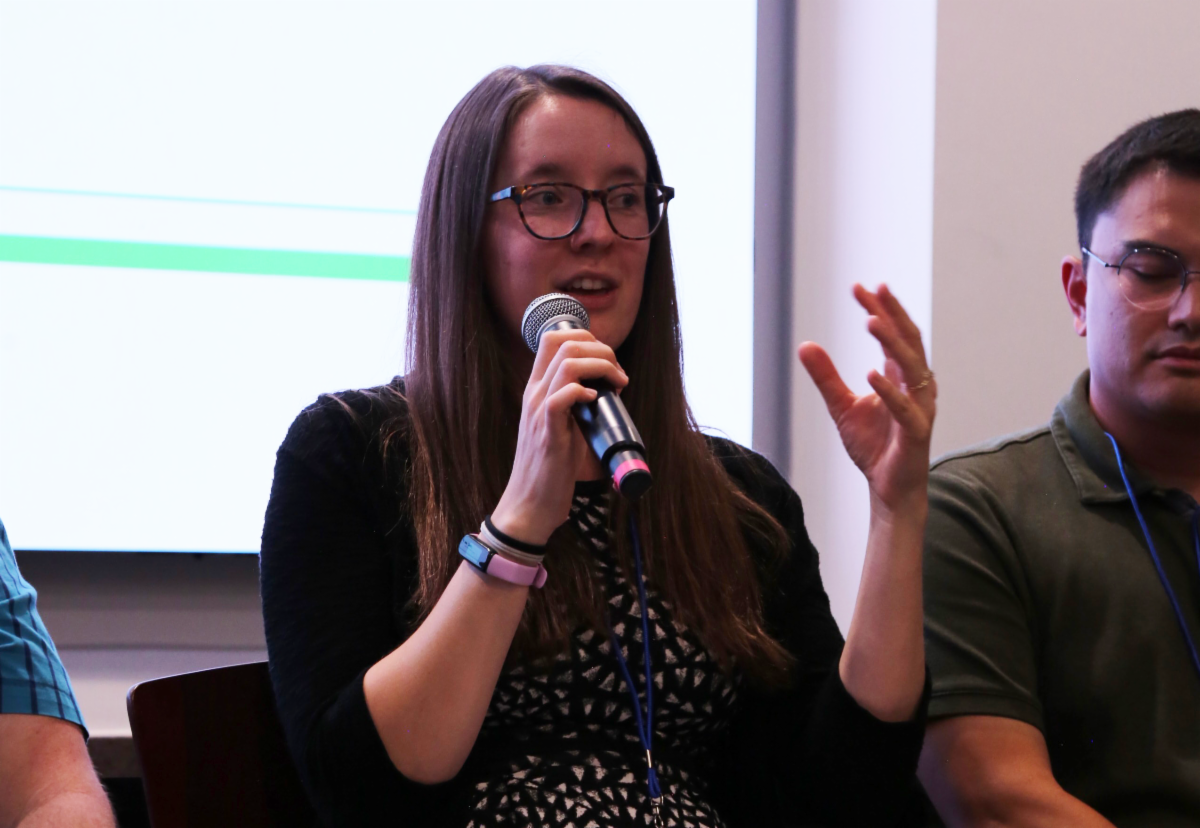
High ozone affects gardens. We usually talk about the human health impacts of ground-level ozone. But ozone pollution has a negative effect on plants, too, damaging cells and making it more difficult for plants to make and store food. RAQC air quality planning and policy manager Kyra Reumann-Moore joined other experts on a panel about air quality and ozone this month at the National Ozone Garden Network conference at the National Center for Atmospheric Research (NCAR) in Boulder. The National Ozone Garden Network is a collaborative citizen-science effort to monitor ground-level ozone and its effects in gardens around the country, and there are several in Colorado. Thanks to the network for inviting us to participate!
| | Regional Air Quality Council | | |
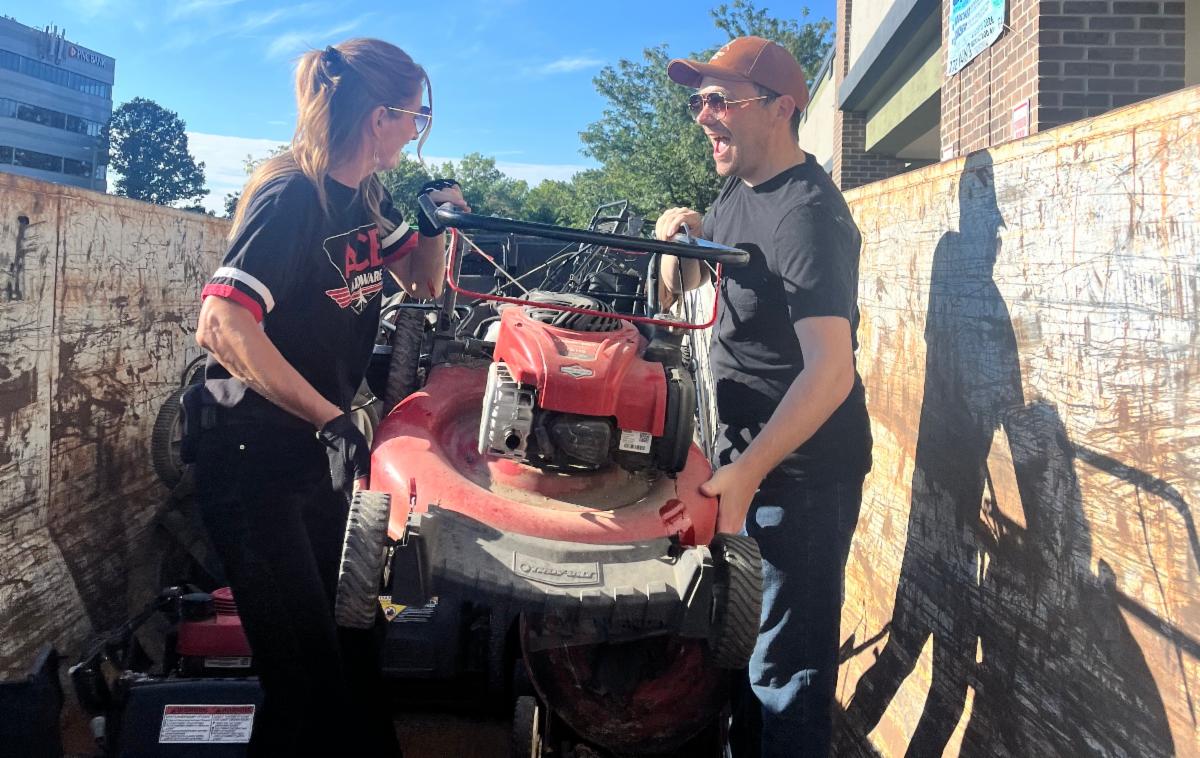
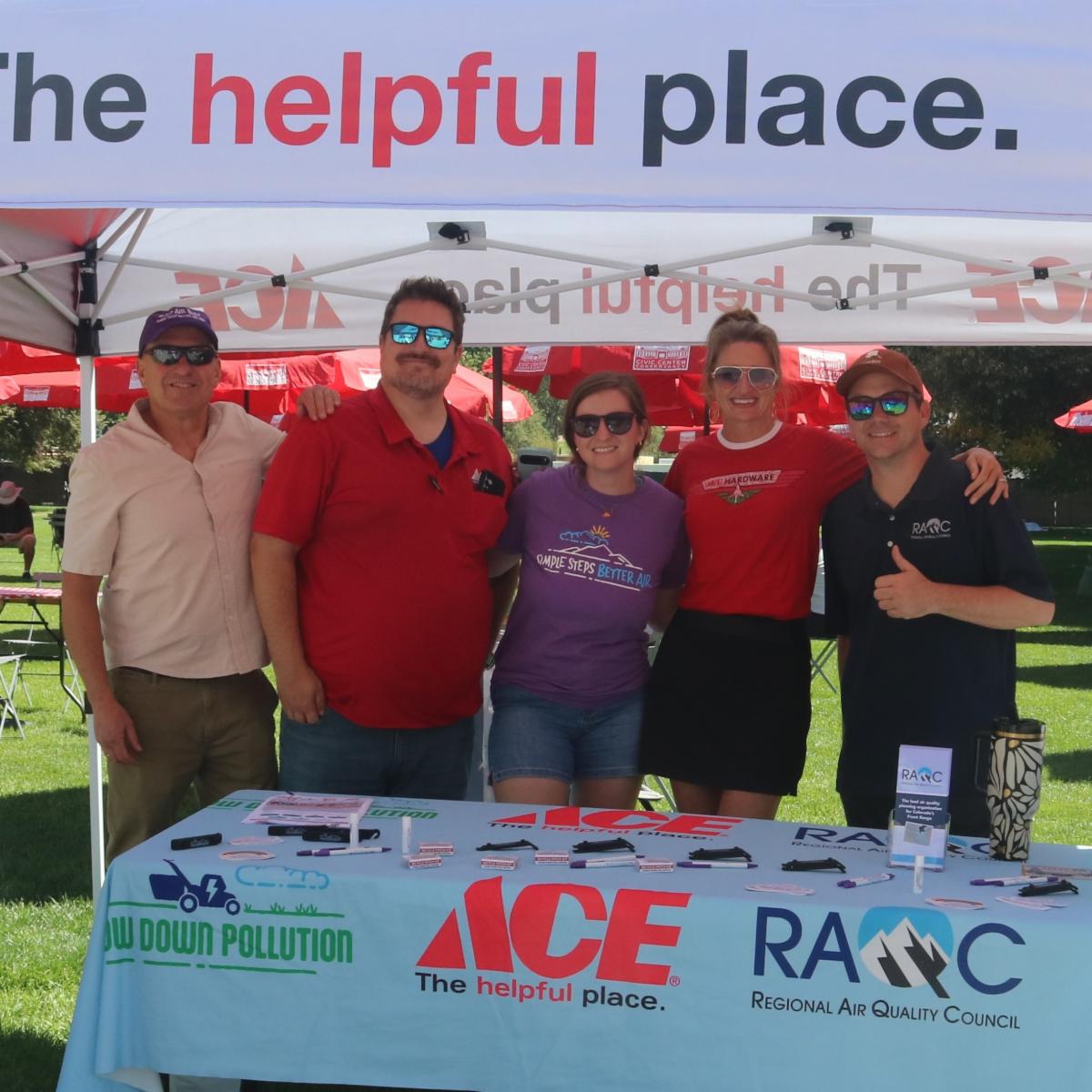
Our Longmont gas-powered lawn equipment trade-in was a hit! The RAQC's Mow Down Pollution program partnered with ACE Hardware and City of Longmont for a trade-in event for gas-powered lawn and garden equipment in August. We accepted more than 50 gas-powered mowers, leaf blowers, trimmers, and other lawn equipment for recycling. We also handed out $100 vouchers for hand-held electric tools like leaf blowers and trimmers and $200 voucher for an electric lawn mower or snow blower — a nice addition to Colorado's 30% discount on electric lawn and garden upgrades.
We still have some vouchers remaining for Longmont residents, so we've extended the program through today, Aug. 31. First, register here, then bring your registration confirmation to ACE Hardware as proof of your voucher. ACE Longmont (1727 Main St.) asks you to leave your equipment for trade-in on the sidewalk, then check in with an ACE associate inside the store.
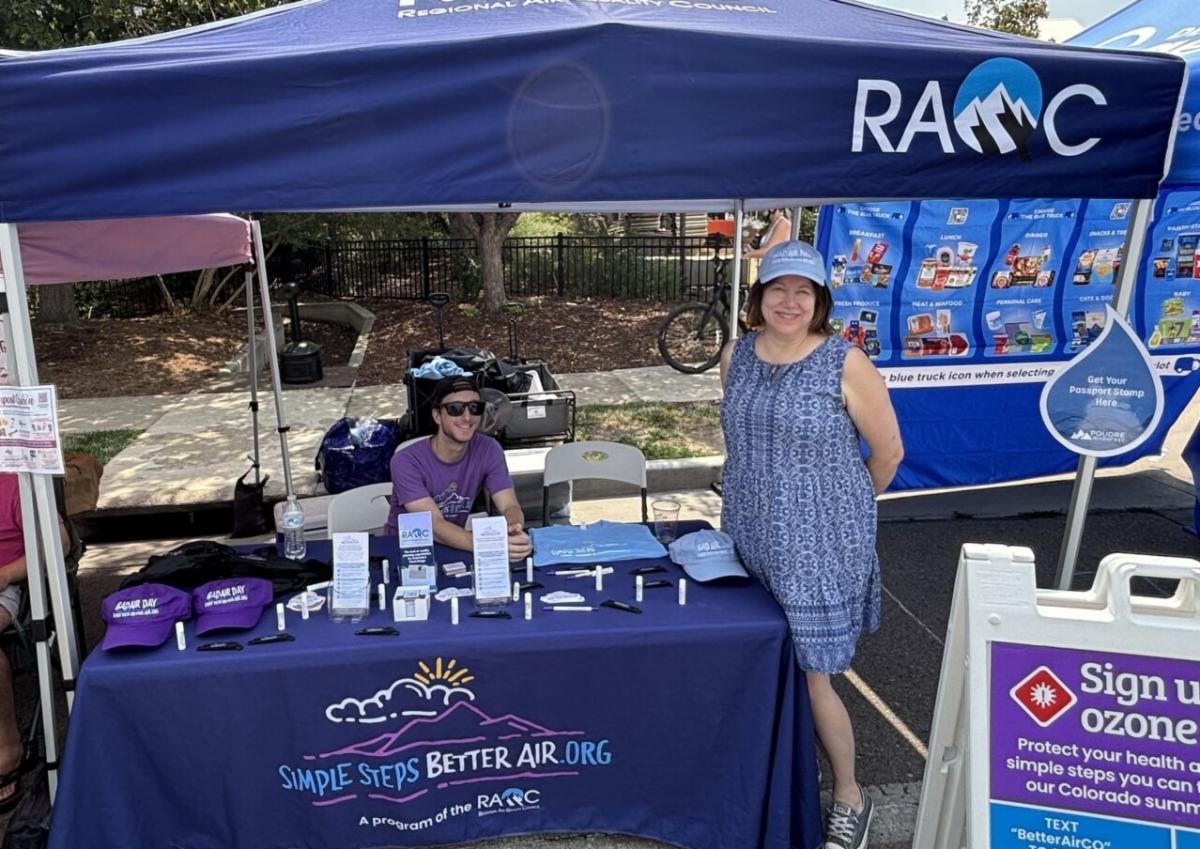
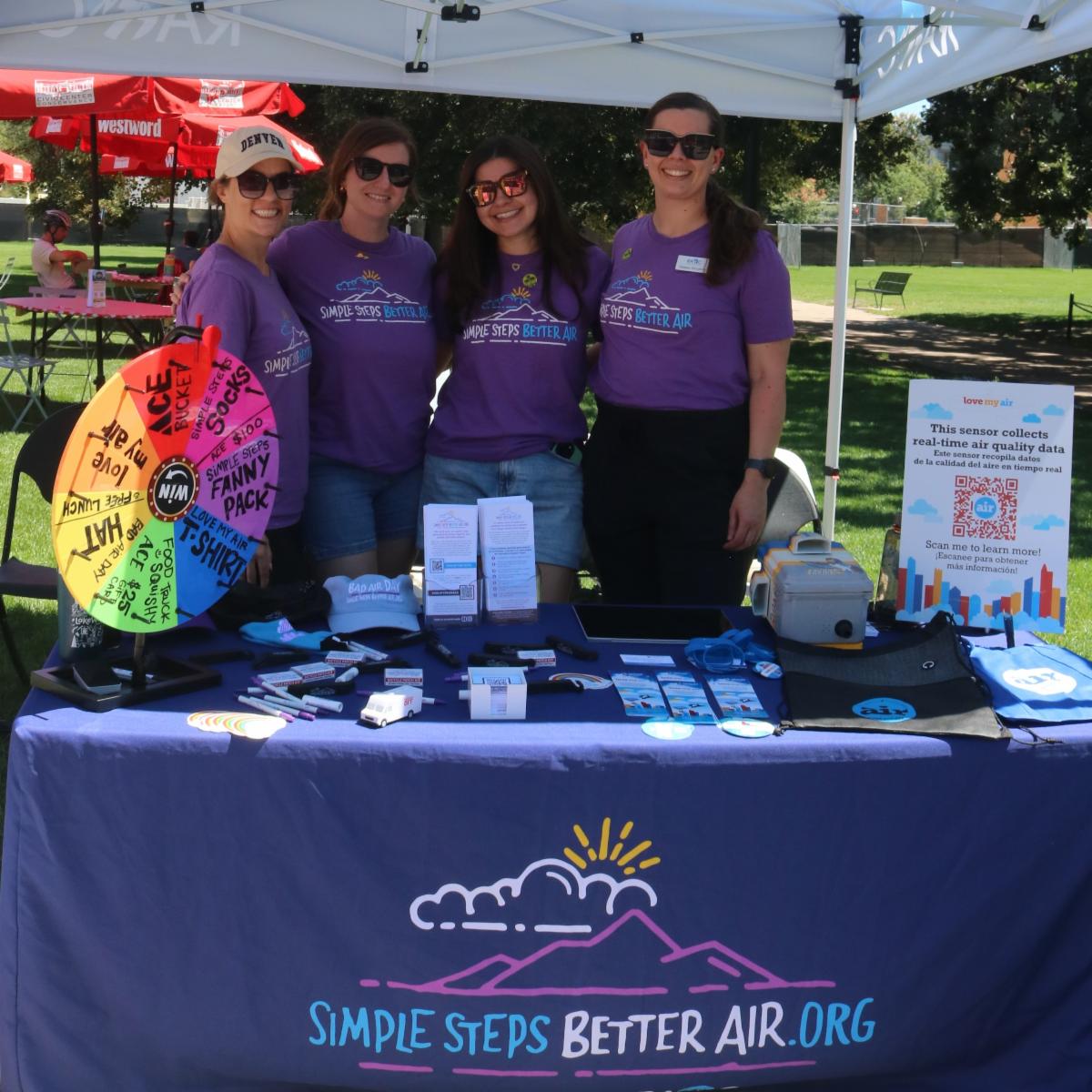
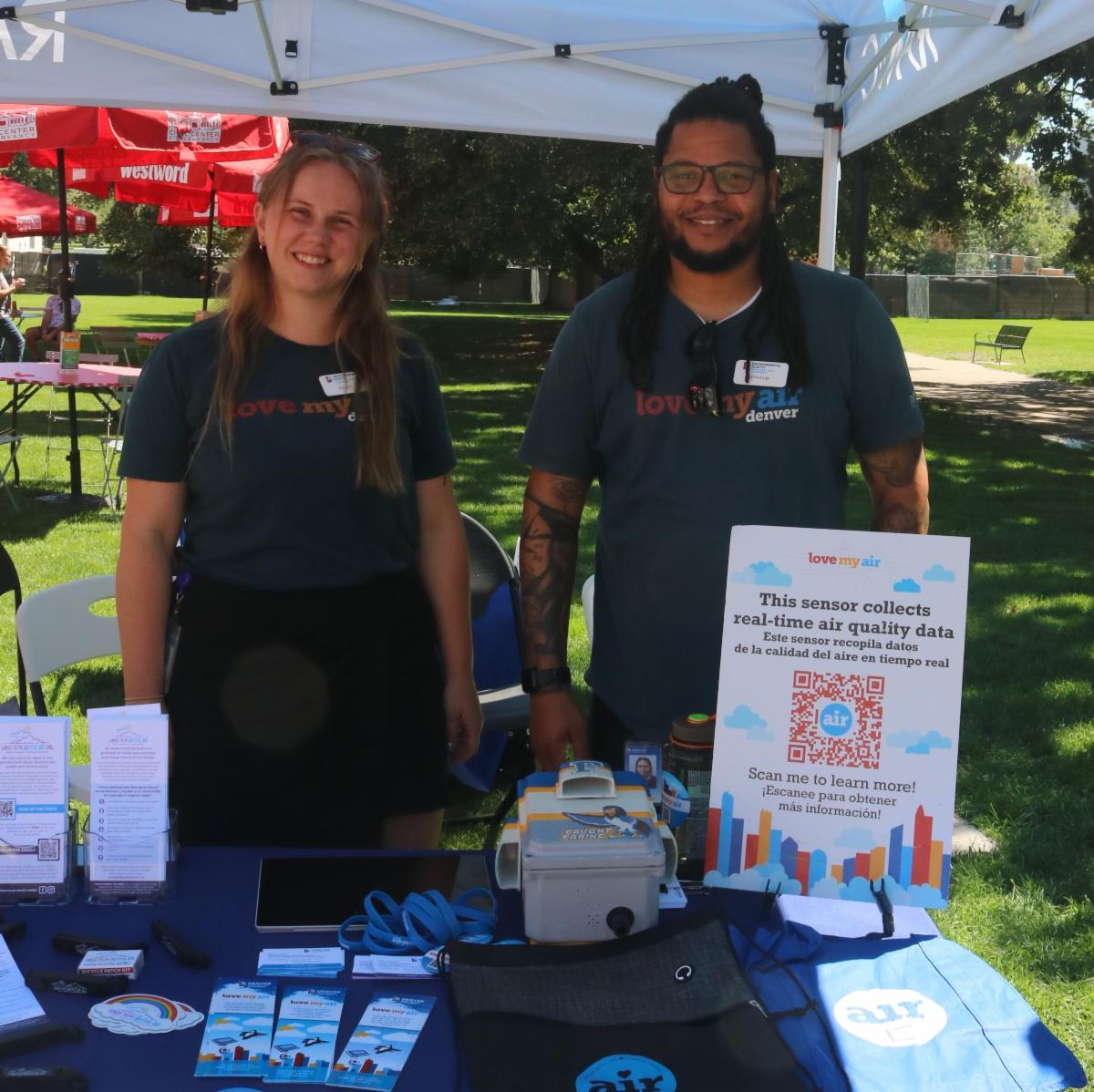
| | Regional Air Quality Council | Poudre River Fest was hot, but we stayed cool in the shade! The Poudre River Fest in Fort Collins is focused on the waterway's important role as a resource for clean water, wildlife, and recreation in the region and beyond, and we were grateful for the opportunity to talk with the community about clean air, too. Larimer County Commissioner and RAQC Board member Kristin Stephens stopped by, and we're always glad to see Board members at our community events! | | Regional Air Quality Council | | Downtown Denver's Civic Center EATS never leaves us hungry, and August's Air Quality Day at the food truck fest was no exception. We were glad to be joined this year by our Mow Down Pollution partners from ACE Hardware as well as our Engines Off Mobile Grants partners Trek Systems, who had a mobile battery system on display. We were fortunate to have Denver's Love My Air join us, too — the more the merrier! Thanks to everyone at Civic Center EATS who stopped by to learn more about clean air! | | Regional Air Quality Council | |
✅ Try This: Stop idling your car in the school pick-up line.
Pop quiz: What’s an easy way to make the school drop-off and pick-up line better?
Answer: Turn off your engine! Vehicle exhaust in the line of cars at school (or anywhere) can have serious consequences on kids’ health. Children breathe more air per pound of body weight than adults, so they get a higher dose of pollutants from vehicle exhaust.
Childhood exposure to the air pollutants from idling vehicles is associated with asthma, impaired lung function and development, increased allergies, and even impaired reproductive health. Exposure to idling pollutants can also lead to cancer and cardiovascular diseases later in life. Learn more about how you can reduce the risk for kids in the school pick-up line at the Simple Steps. Better Air. blog.
Ready to take this info to your child’s school? See what other schools have done to protect kids’ health, request free “No Idling” signs, and learn more about the Engines Off at Schools program at EnginesOff.org/schools.
| |
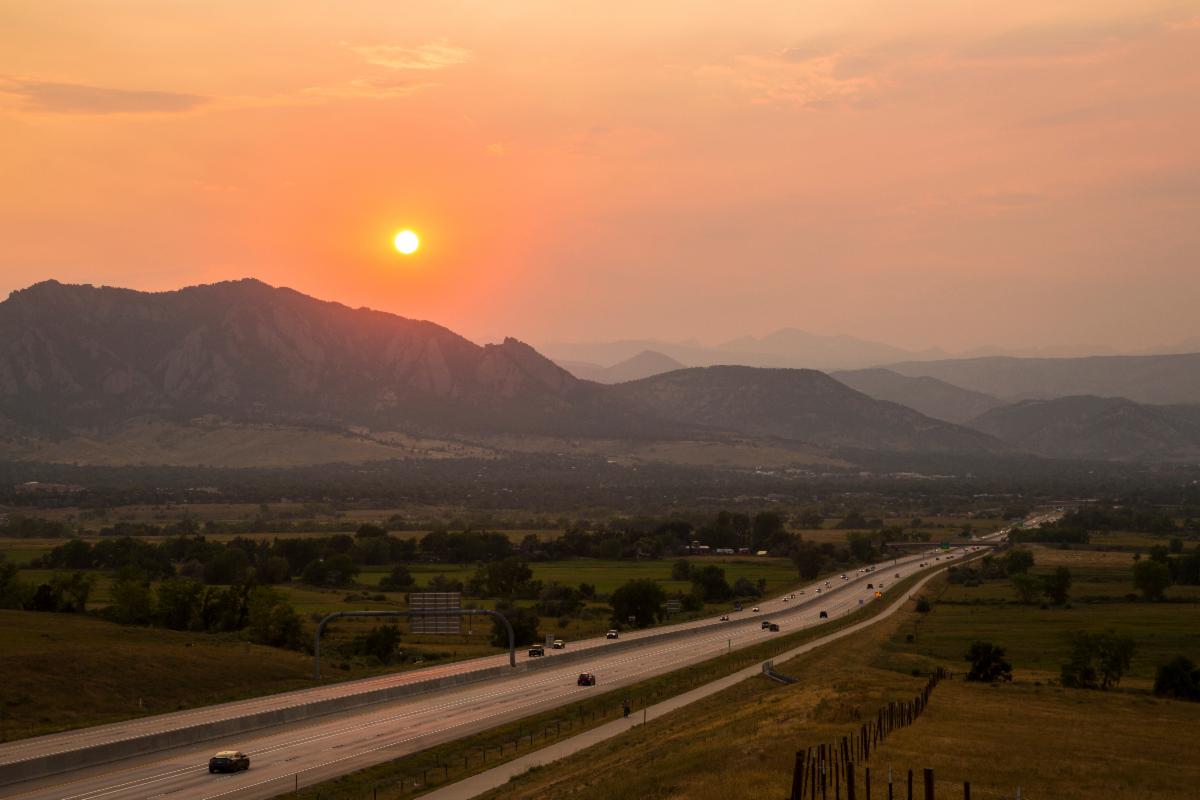
Unlike wildfire smoke, ozone pollution is invisible and odorless.
When wildfire smoke clears from our skies, it can seem like our air is a lot cleaner. But ground-level ozone is an odorless, colorless pollutant that you can’t see — unless it combines with another pollutant, like wildfire smoke, to form smog.
| | | |
Ground-level ozone forms when emissions from gas-powered vehicles, lawn and garden equipment, industry, and other sources combine in the heat and sunshine. Without other pollutants in the mix, you can’t see it. But you can feel it: It’s an irritant to the tissues in your respiratory tract.
Who is most at risk? People with asthma, children, older adults, and people who are active outdoors, especially outdoor workers. Learn more about the health effects of ozone at Simple Steps. Better Air.
| | Regional Air Quality Council | | |
Register for Clean Air Champions Awards now
Join us for our annual celebration of the people and organizations making our air cleaner and healthier for everyone at the 2026 Clean Air Champions Awards! This in-person event in downtown Denver on Sept. 15 honors a new cohort of leaders who are going the extra mile for healthy air in the Denver metro and north Front Range. Please register now to join us for appetizers, drinks, and connection with fellow air quality advocates in Colorado.
| | |
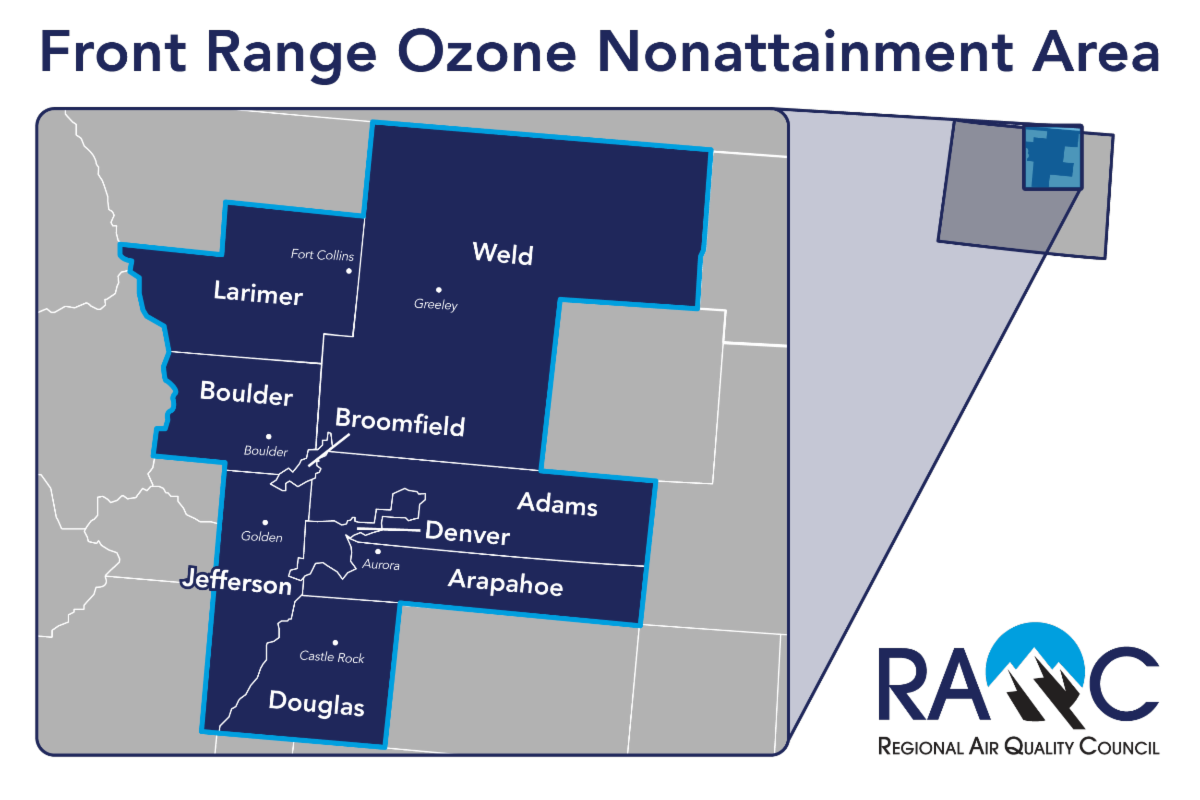
The Regional Air Quality Council is a state-adjacent nonprofit in Colorado that serves the nine-county area in the Front Range that’s out of compliance with EPA air quality standards. The main issue we currently work on through strategic planning and public engagement is ground-level ozone. This invisible pollutant is the Front Range’s most pressing air quality problem, impacting our health and environment each summer.
We send monthly newsletter updates about our work, which is why you are receiving this email. Follow us on social media or visit our website to learn more, or support our work by donating to our 501(c)(3) charity, the Clean Air Fund.
| | | | |