Ngahuru Autumn 2026

Alcohol licensing tips and reminders

While autumn is blowing in cooler temperatures, there are also some holidays to look forward to. The Easter break begins on Friday 3 April, with Anzac Day on Saturday 25 April. There are different rules for serving alcohol on these days, so read on for all the information you need, plenty of seasonal tips, and raise a glass to a successful autumn.

Are you being served?

Special rules for special days


Easter and Anzac Day are just around the corner, so restrictions will be in place under the Sale and Supply of Alcohol Act 2012 (the Act) on who can sell alcohol on certain days.


On Licensed premises can only sell alcohol on Good Friday, Easter Sunday or before 1pm on Anzac Day (April 25) to:


  • people living or lodging on the premises
  • people who are on the premises to dine.


Simply put, if people want to drink alcohol on those days, they must be eating, have ordered food, or just finished a proper-sized meal - not just a snack such as hot chips. The meal must also be at a regular eating time eg lunch or dinner.  


Holders of an Off Licence can't sell or deliver alcohol on Good Friday or before 1pm on Anzac Day.


Sunday best

In 2017, the Far North District Council adopted the Easter Sunday Shop Trading Policy, allowing business owners to trade on Easter Sunday, but they still cannot sell alcohol unless they comply with the conditions of the Act.


Head to the Employment NZ website for more information.

Getting in on the act

Don't get left behind

Changes are coming for clubs that hold an alcohol licence.

Any clubs originally registered under the Incorporated Societies Act 1908 have until 5 April 2026 to register under the new Incorporated Societies Act 2022.


We’ve had a fantastic response so far, but the clock is ticking. If a club doesn’t re-register under the new Act, its alcohol licence will no longer be valid.


Submit your updated incorporated certificate to dlg@fndc.govt.nz. Alternatively, if your club’s alcohol licence is due for renewal between now and April 2026, include the updated certificate when filing the renewal application. 


Handling public scrutiny

Public objections are a normal part of the licensing process and are designed to give the community a voice. Objections must be based on valid statutory grounds, not moral views about alcohol, competition concerns, or unrelated personal grievances. Understanding the process helps avoid unnecessary stress and delays.


Remember:

  • Don’t panic! Objections are part of the statutory process
  • Read the objection carefully
  • Consider if adjustments or voluntary conditions could address concerns
  • Seek professional advice if needed.

Managing managers

So what’s the difference between acting and temporary managers?


Here’s your quick guide:


Temporary Manager: When someone applies to be a manager, they should be appointed as a temporary manager within two days while the District Licensing Committee considers their application. They can continue acting as manager while a decision is made.


Acting Manager: These are appointed for short periods only – up to three weeks at a time, with a maximum of six weeks in total per year.


Any questions, get in touch with us.

Keep training on track

Proper training isn’t just a box to tick, it keeps your teams selling alcohol safely, responsibly, and lawfully.

We’re still noticing that some staff training records are not fully up to date during compliance checks.

There are heaps of online resources for managers and staff, so make sure everyone knows their stuff. 


Minor problems

A Controlled Purchase Operation (CPO) involves a supervised minor (under 18) trying to buy alcohol from a licensed premises. It’s not to “catch businesses out”, but to ensure robust systems are in place to prevent underage sales.

If a sale to a minor takes place:

  • The staff member may be prosecuted
  • The licensee may face enforcement action
  • It could impact licence renewals.


Make sure staff are up to date with the correct training and have the confidence to refuse a sale if the customer can’t provide ID.


Keeping it clear

Clear information when lodging on, off or club licence applications helps speed up the process.


Remember to include the following:

  • The areas used for the consumption of alcohol, including outdoor areas
  • The areas to be designated – restricted, supervised, or undesignated
  • The principal entrance
  • The layout of the interior of the premises
  • The location of any food outlets or other relevant activities
  • The location of the bar/point of sale of alcohol.


It’s also really helpful if all sections of the application forms are completed, all requested additional information is provided, and it is clear and easy to read.


Winning ways

We've had a few questions about the rules around giving alcohol as a prize. Here's the rule - if your premises has an on-licence or club licence, alcohol cannot be given to be consumed off the premises. Giving alcohol as a prize could be seen as promoting irresponsible drinking.


Featured business

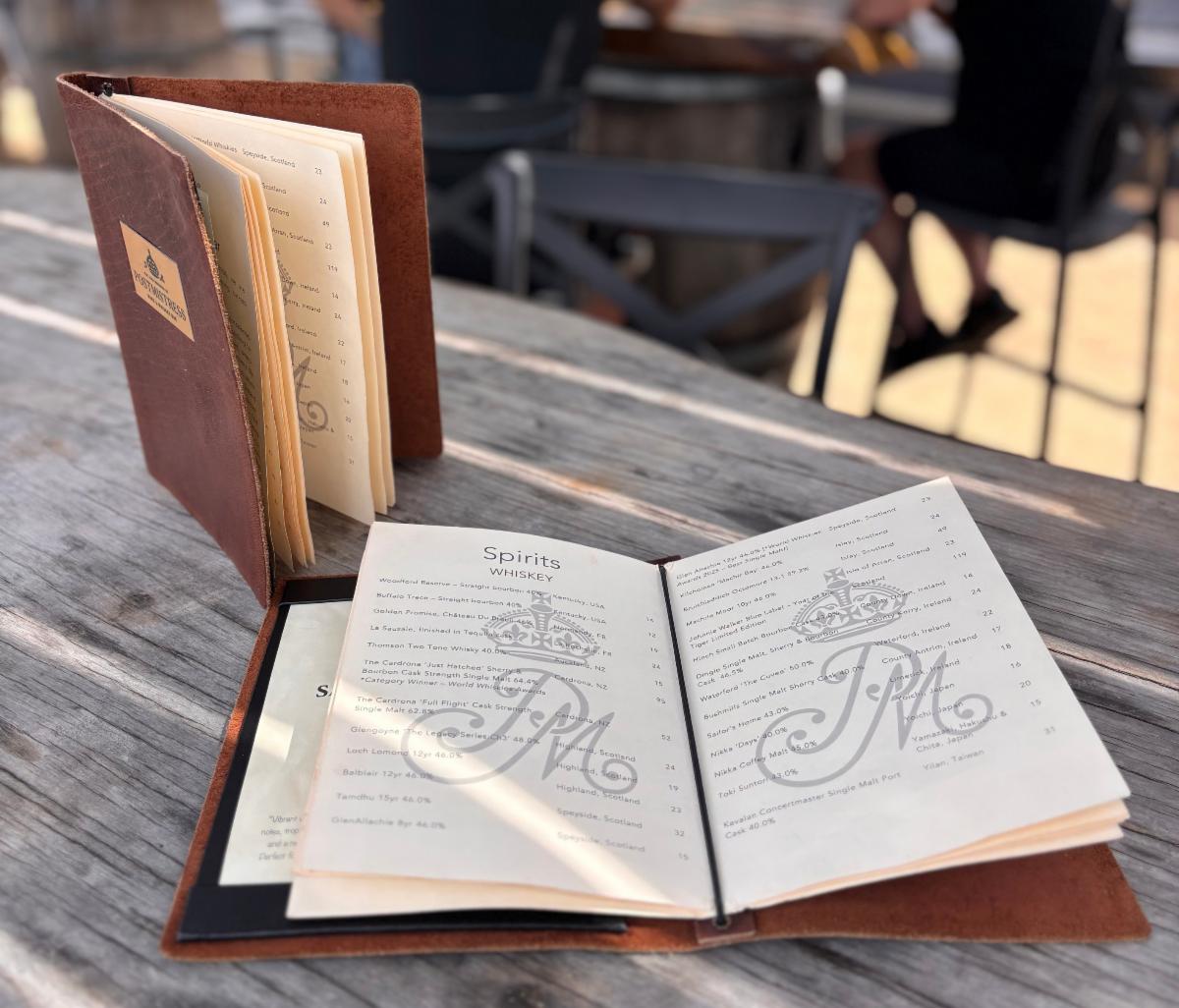
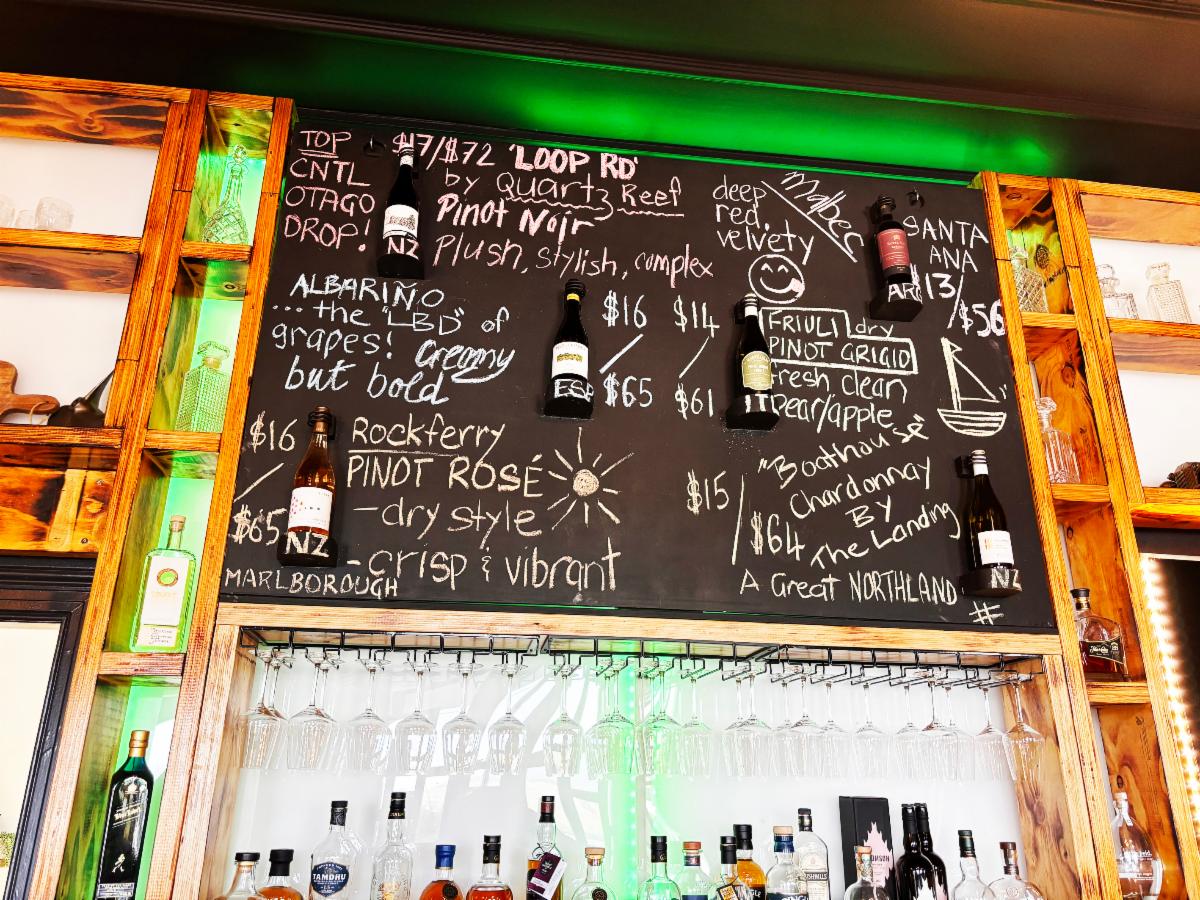
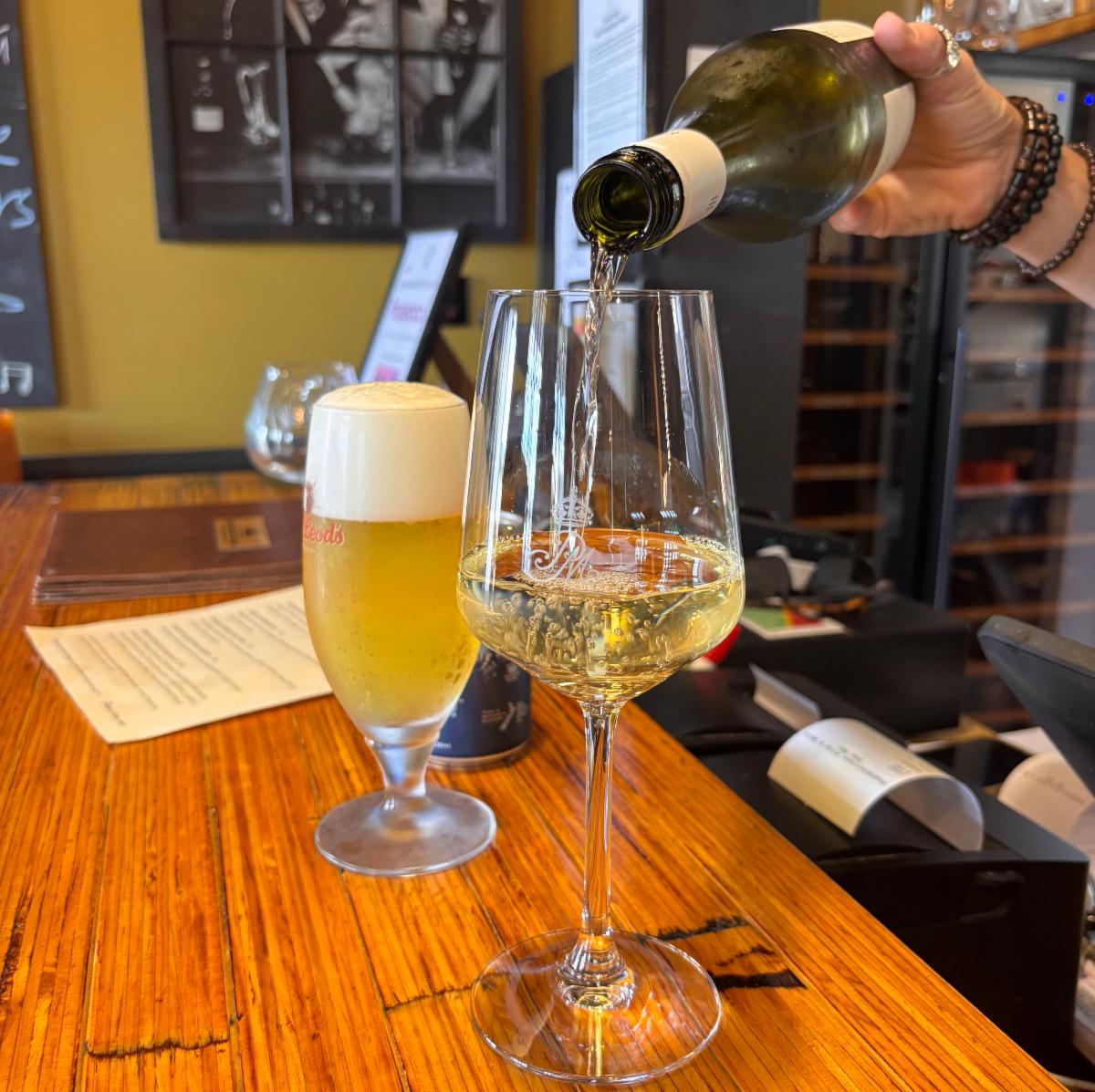
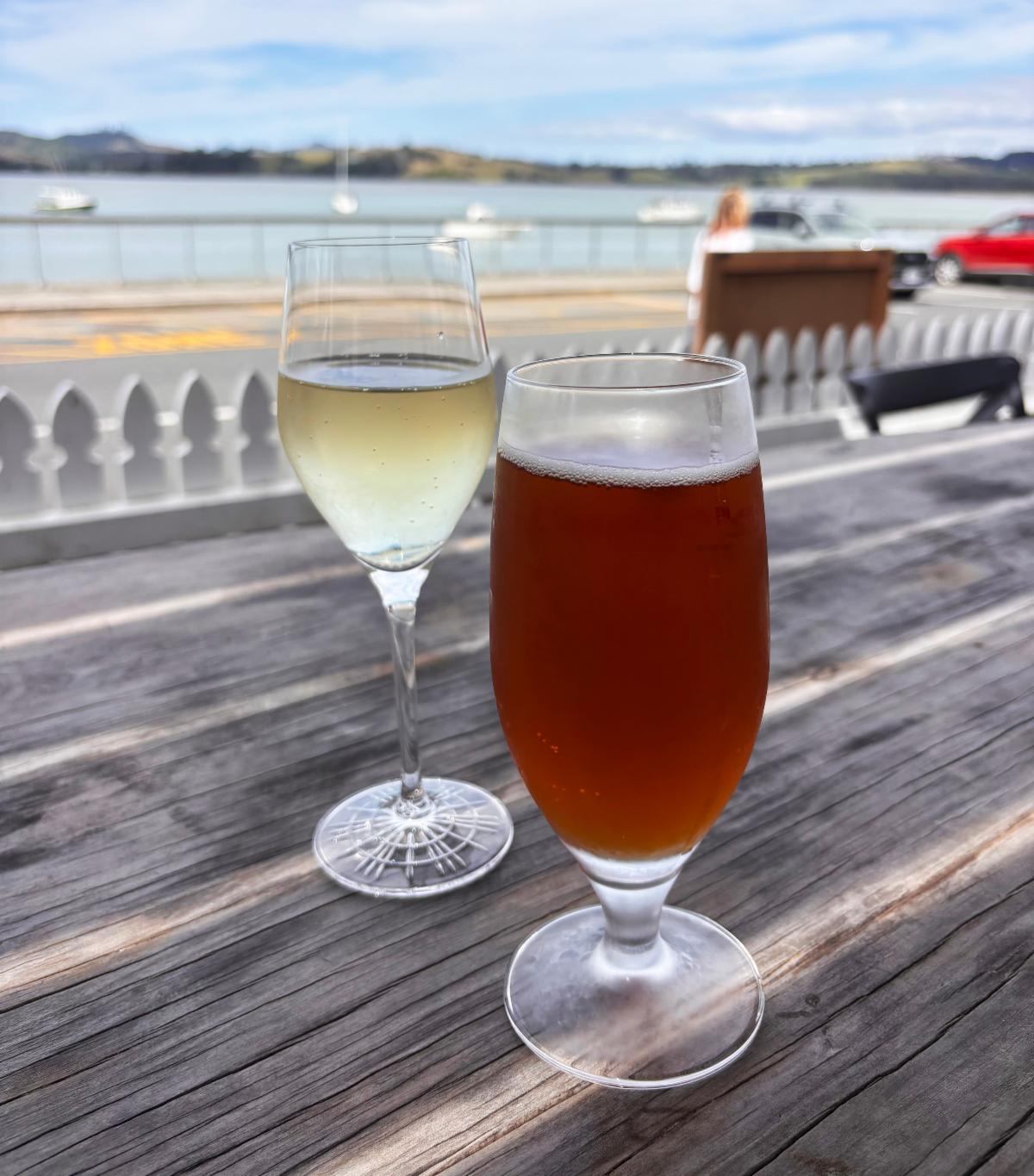
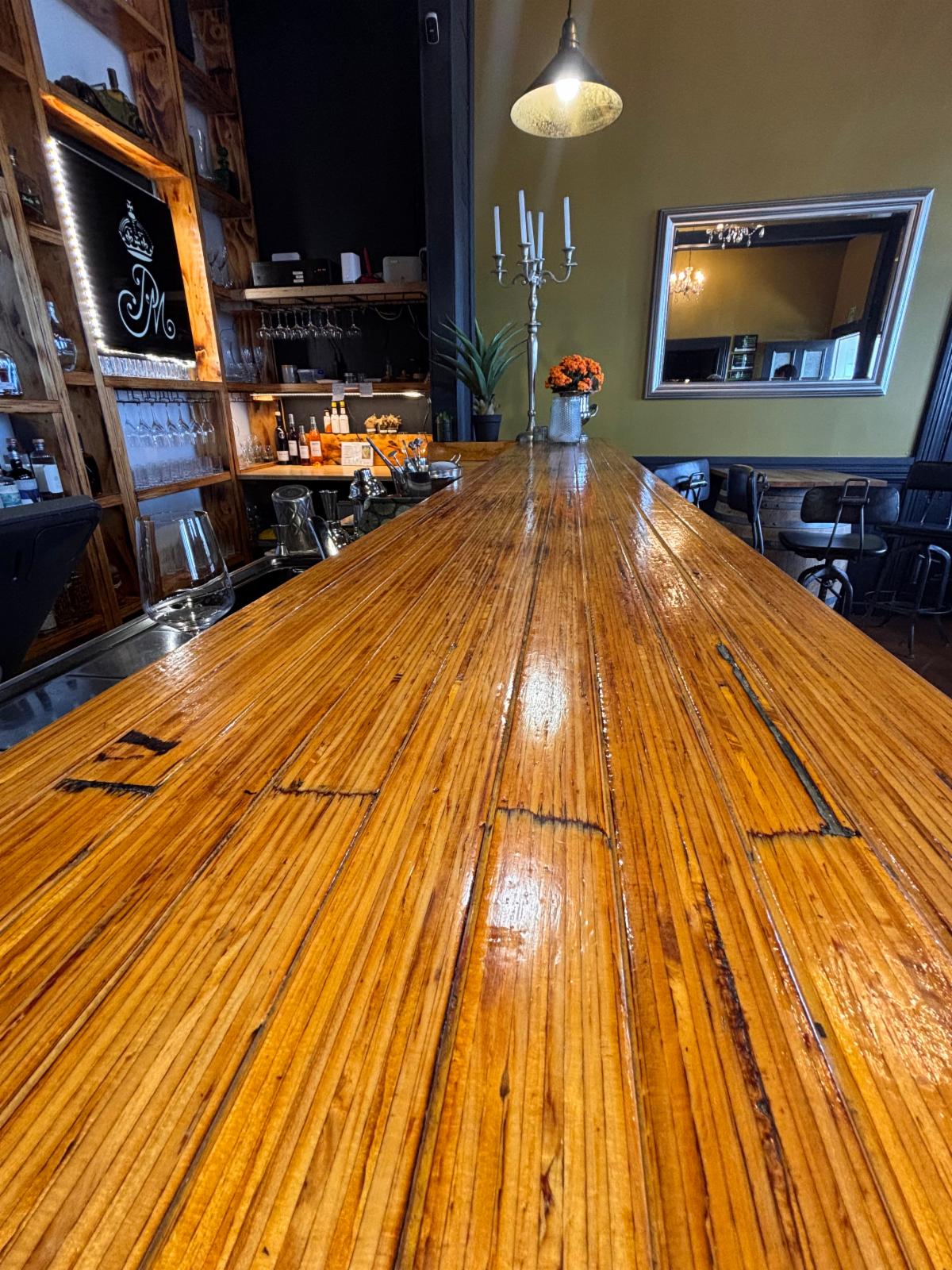
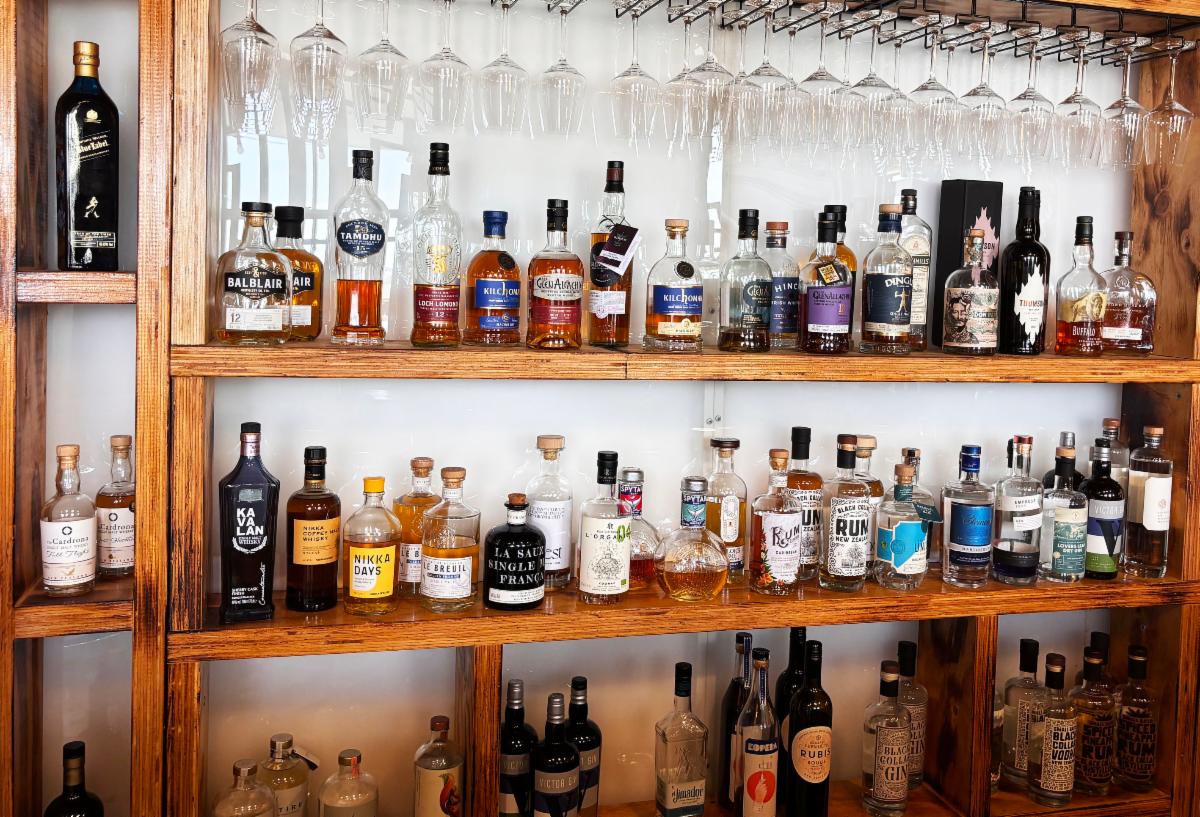
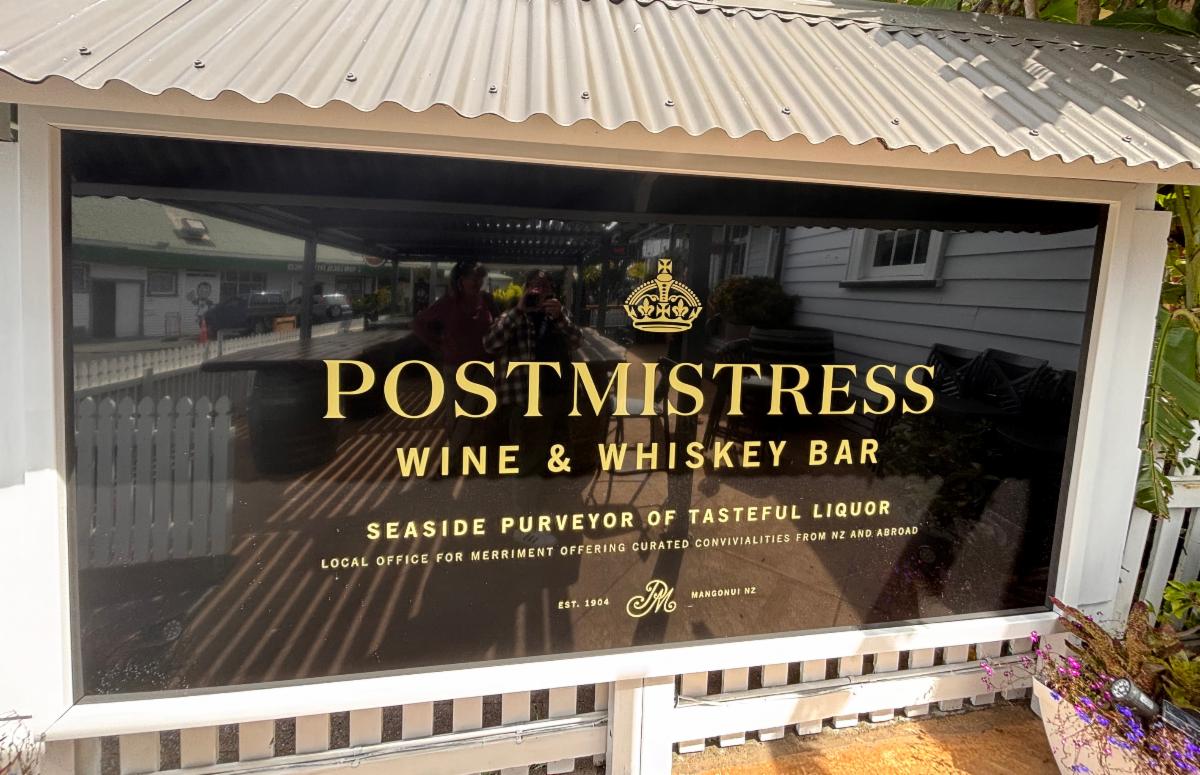
Postmistress Wine and Whiskey Bar

118a Waterfront Drive, Mangōnui

Open: Tuesday- Saturday, 3pm-late


Website

Facebook

Got a question? Ask your inspectors.

Send your questions to DLG@fndc.govt.nz


Include the following information:

Subject: (e.g.) Q&A Newsletter

Location: (e.g.) Kaitāia

Question: (e.g.) Where should my ON Licence be situated?


Any suggestions for our next newsletter?


Email us at ask.us@fndc.govt.nz or visit our website at:

www.fndc.govt.nz/Our-Services/Licences_and_permits


Facebook  Twitter  Instagram