|
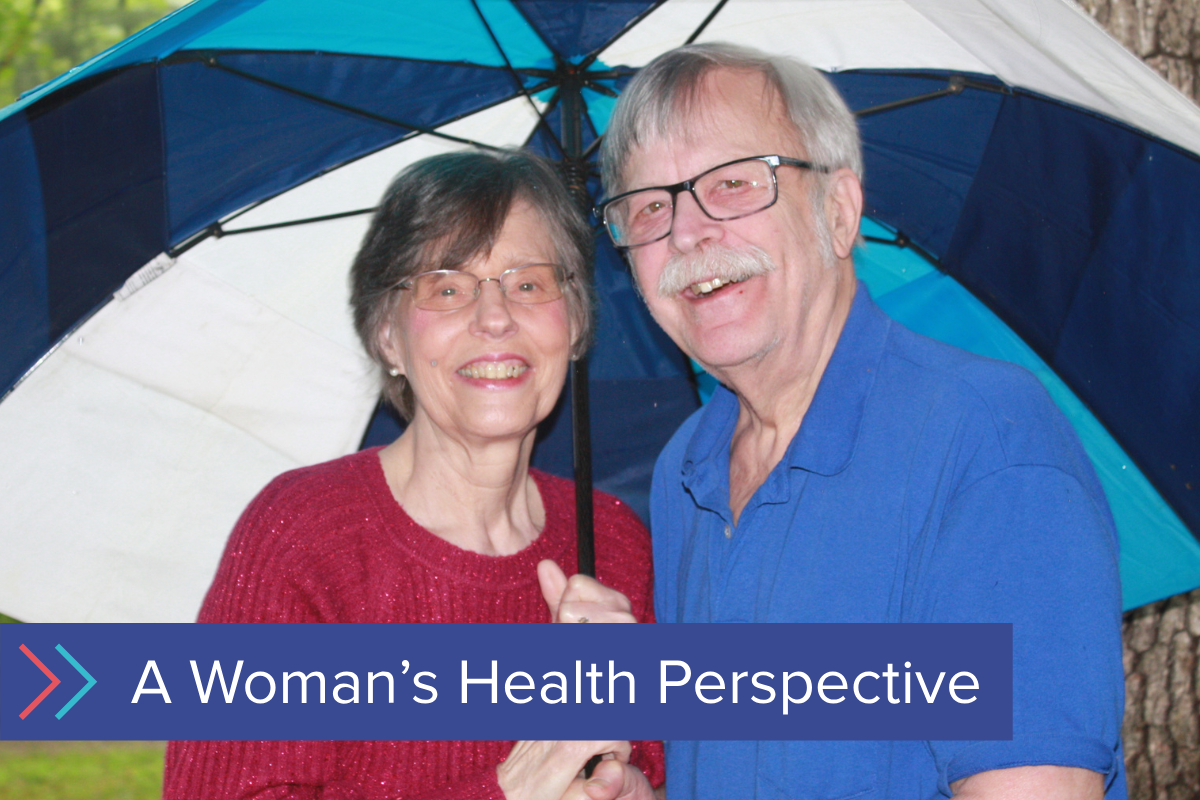
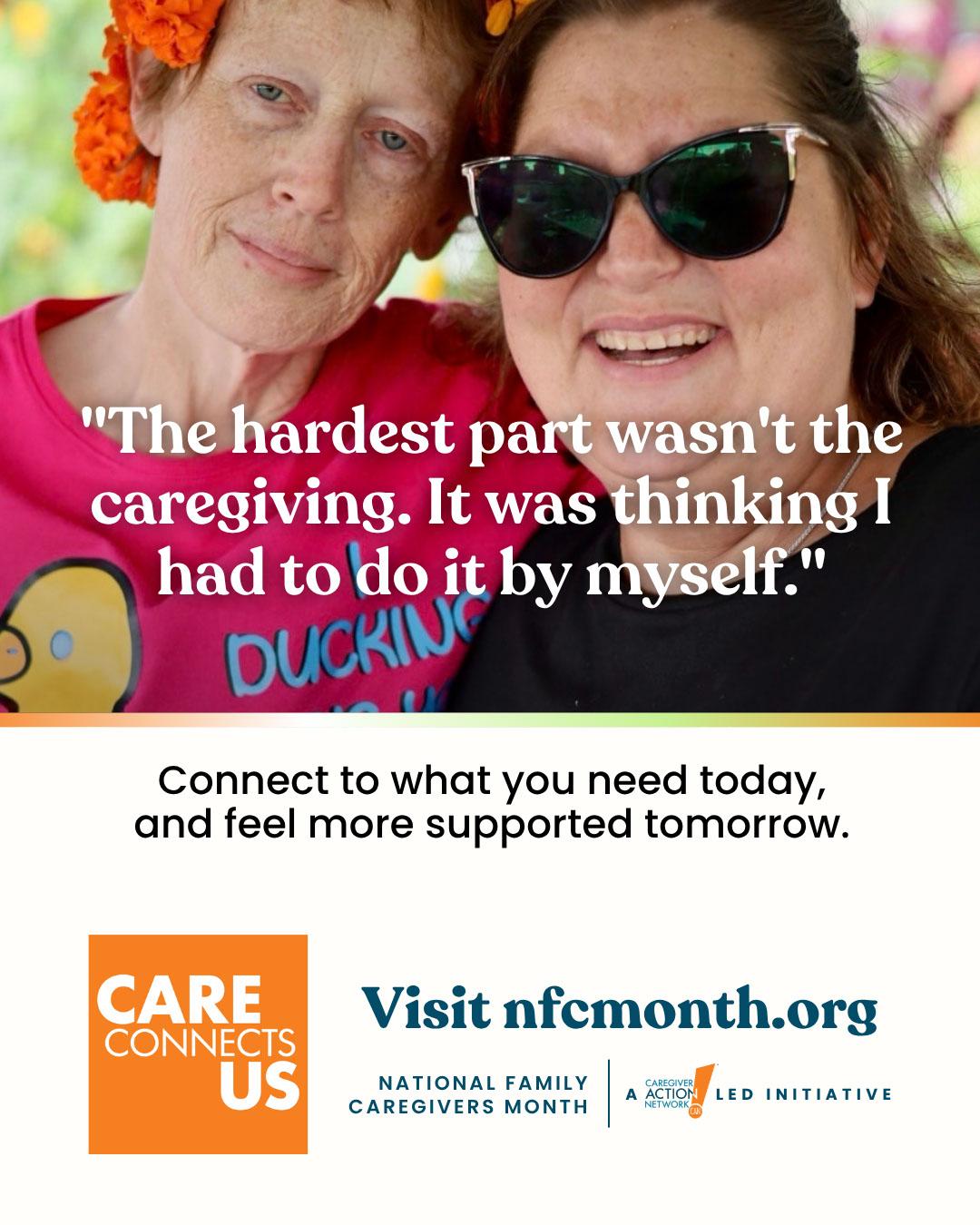
"Women may feel guilt, decision fatigue, and burnout as a caregiver; women can be forced to leave the workplace to manage caregiving responsibilities; and women are often left alone to navigate between providers, insurance companies, community services and school systems."
Read more in the blog: Fostering Care, Support, and Research for Rare Disease Patients.
| | |
According to a recent study, women in the United States spent three more years on average caregiving for an older adult than men. The study also indicated that lifetime family caregiving increased for women by a year between 2011 and 2023.
Caregivers plays an essential role in the health care ecosystem. Whether it's a parent caring for a child, a child caring for a parent or grandparent, or a sibling caring for a sibling, the 63+ million family caregivers in the United States dedicate significant time and energy to support the health needs of others.
This November, in recognition of National Family Caregivers Month, the Society for Women's Health Research (SWHR) is highlighting resources that support caregivers in their important work to take care of, advocate for, and make informed decisions on behalf of loved ones.
| | |
Upcoming SWHR Webinar on Caregiving!
Family caregivers are an essential part of the U.S. health and long-term care systems, and women continue to shoulder a disproportionate share of this work. In 2025, an estimated 61% of caregivers were women.
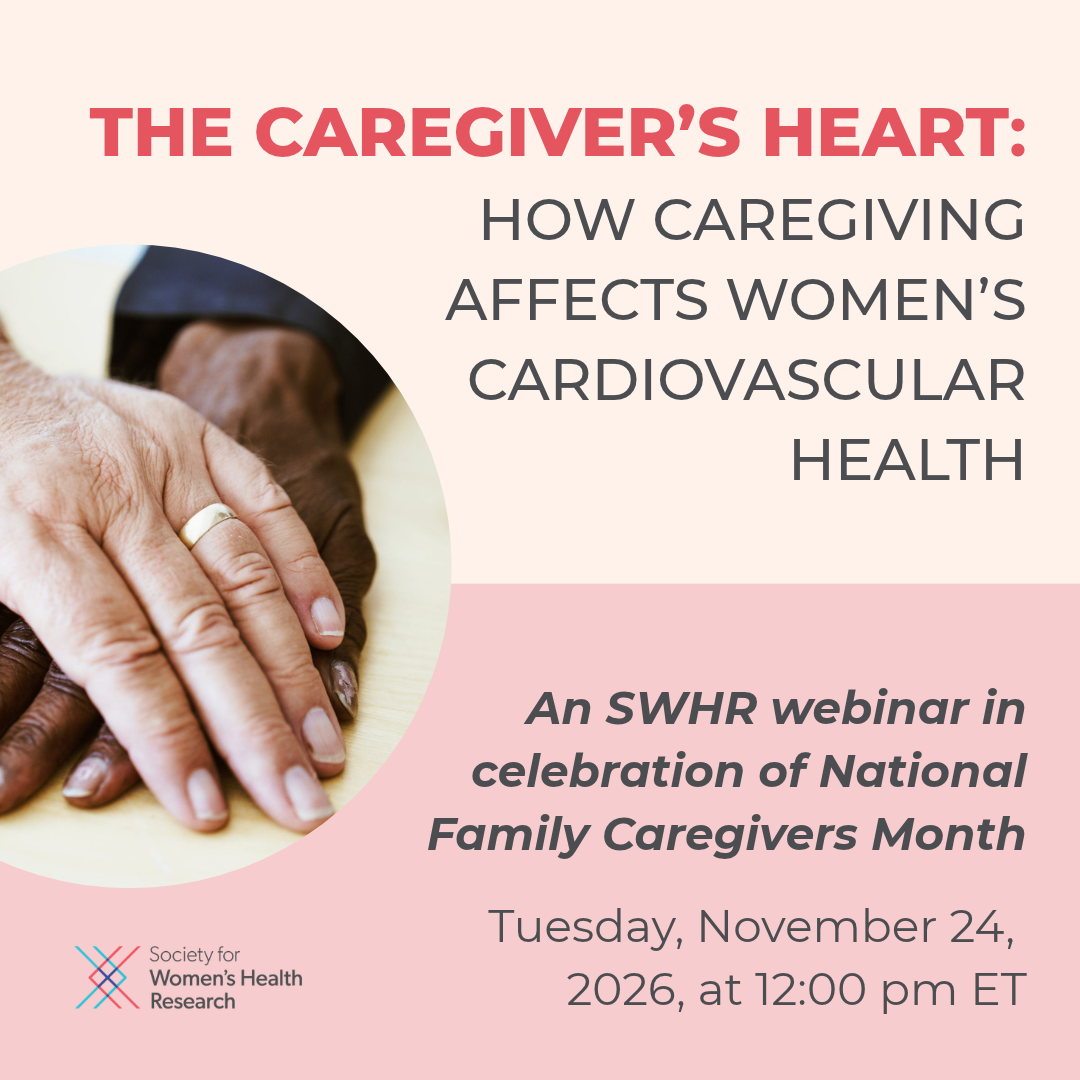
Join SWHR on November 24, 2026 at 12:00 p.m. ET for the webinar, The Caregiver's Heart: How Caregiving Affects Women's Cardiovascular Health. The conversation will examine caregiving through a women’s heart health lens, bringing together cardiovascular research, caregiving science, and lived experience. Register now for the conversation.
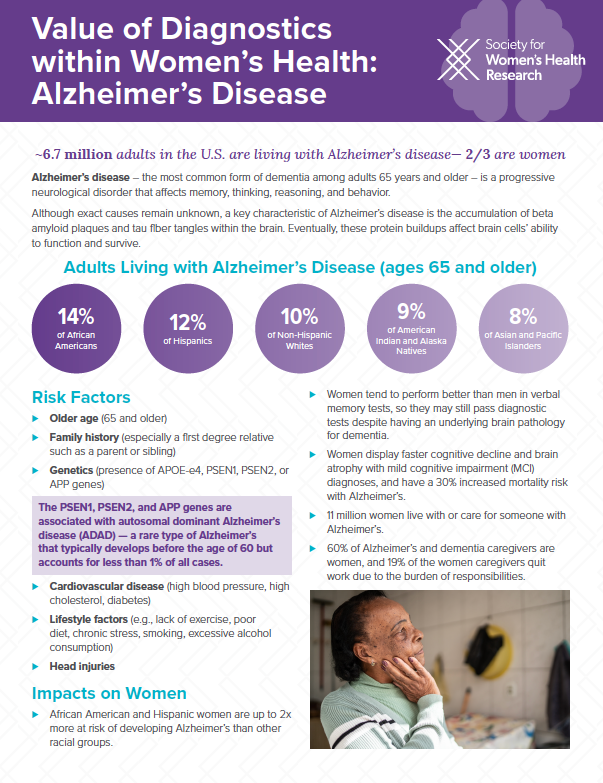
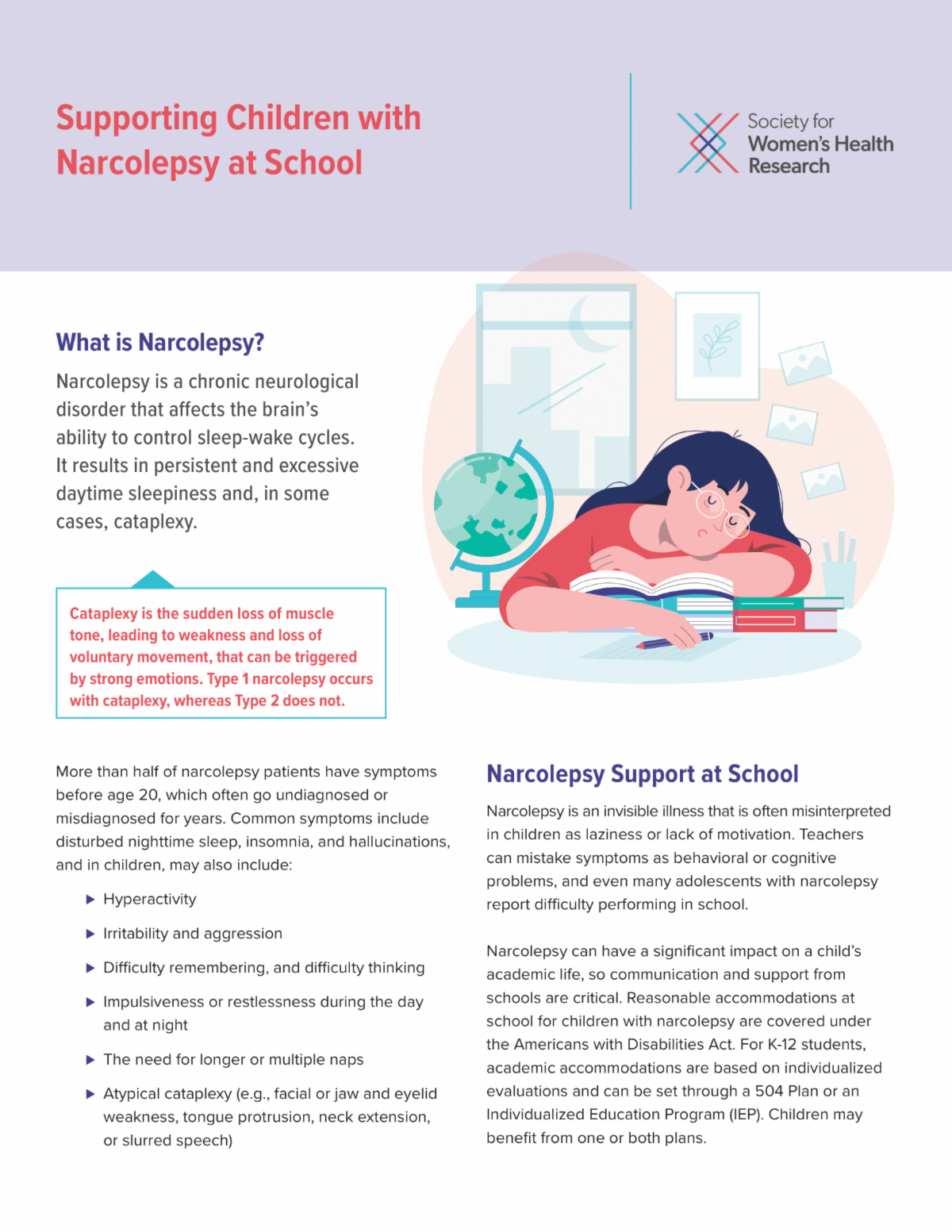
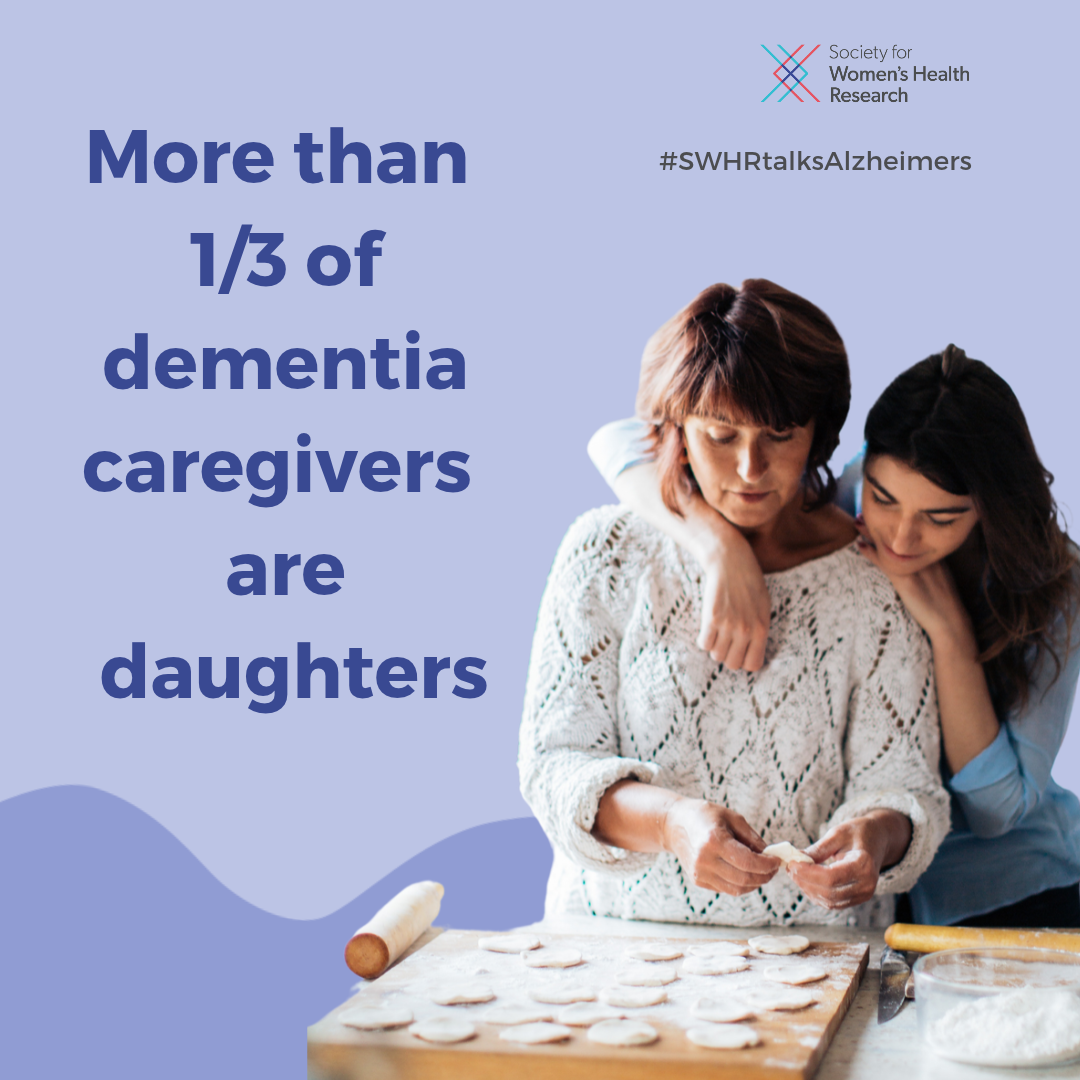
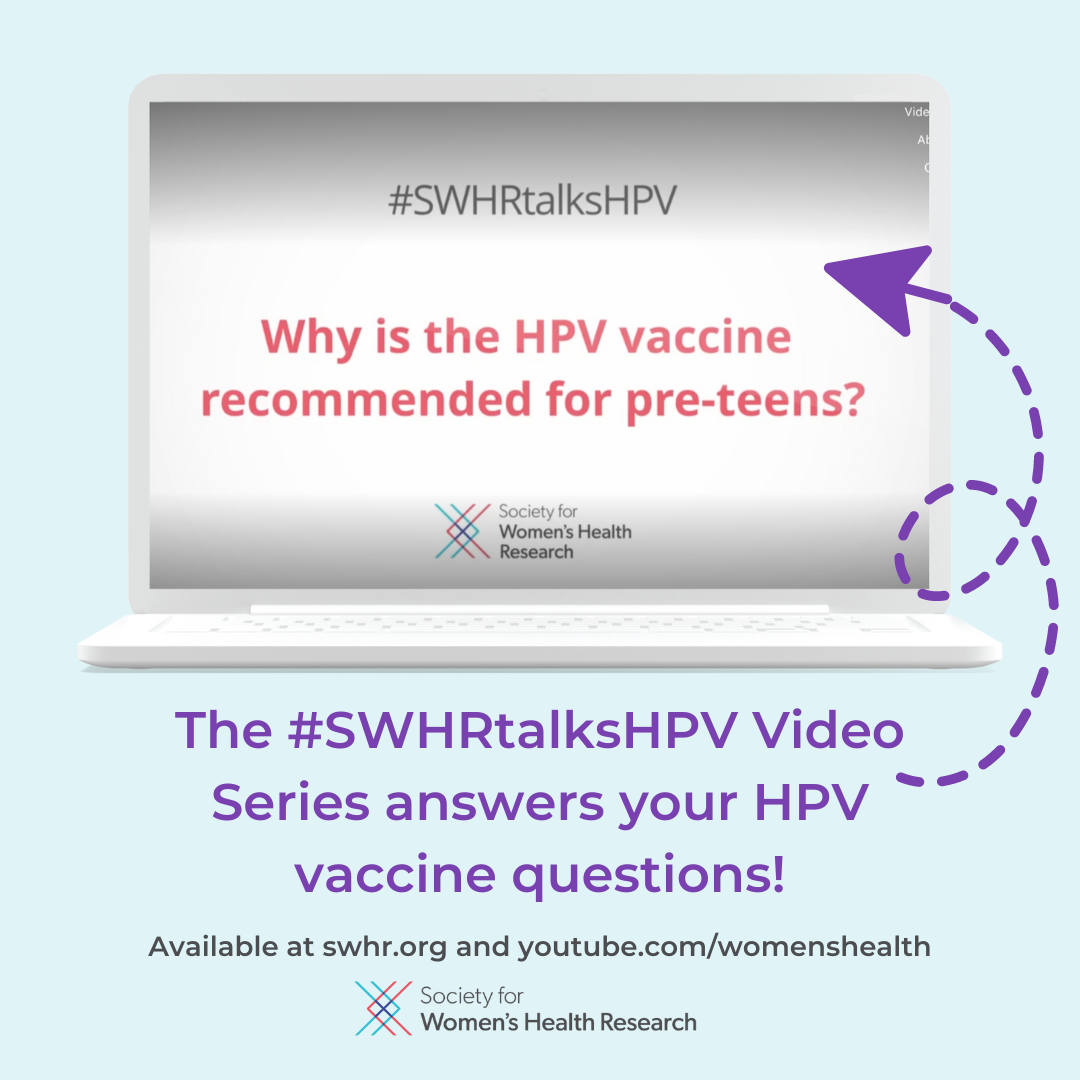
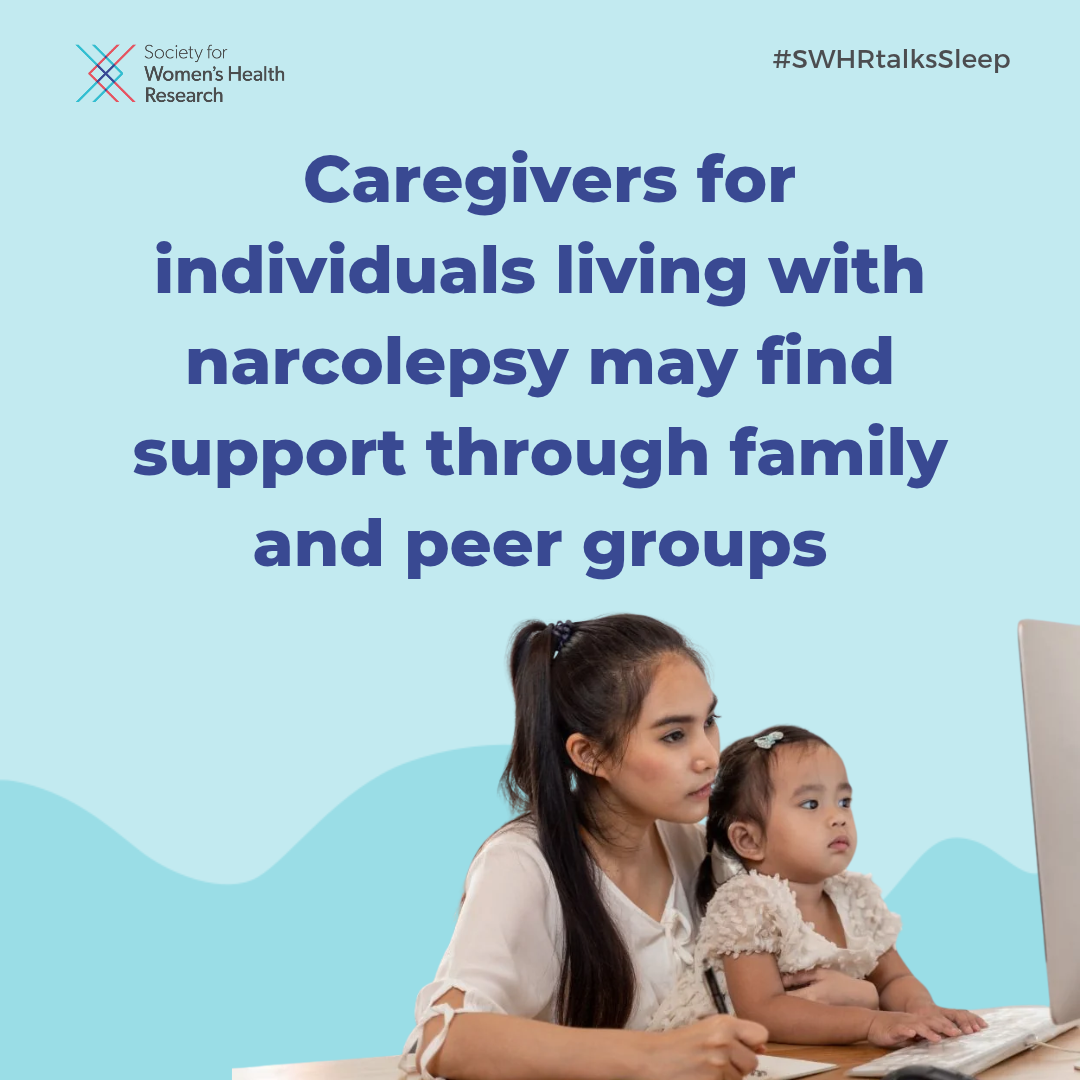
| | | More than 60% of unpaid Alzheimer's disease and dementia caregivers are women. The Value of Diagnostics within Women’s Health: Alzheimer’s Disease fact sheet highlights the disproportionate impact of Alzheimer's disease on women's health, including the role of caregivers. | | Women are often considered the chief medical officers of their families, carrying the responsibility of making important health care decisions. The #SWHRtalksHPV Video Series and the Questions & Answers fact sheet was created to help parents and guardians learn about the HPV vaccine role in cancer prevention. | | Serving as a caregiver to a child with a chronic condition like narcolepsy can be overwhelming. The Supporting Children with Narcolepsy at School fact sheet was created to support narcolepsy caregivers as they navigate reasonable accommodations and care for their families. | | Read more about caregiving on our blog! | | |
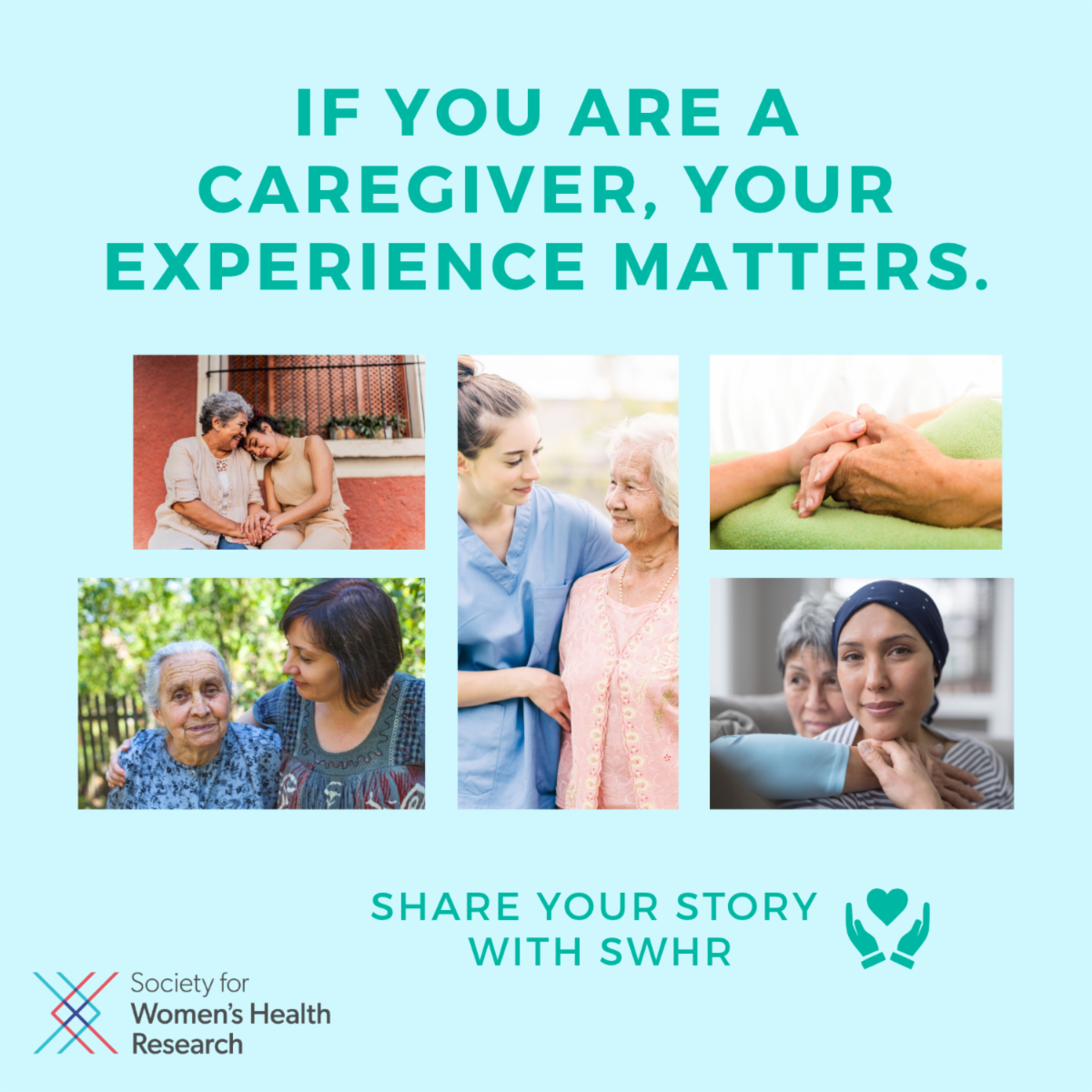
Share your caregiving story!
Do you have a caregiving or health story to share? Your story can help educate and inform other women and health care decision makers. Visit swhr.org/shareyourstory or click the button below to share.
| | |
NEWS AND RESEARCH
SWHR Working Group members have produced and shared the following news, research, and resources related to caregiving:
News and Research
-
Employers Health: Closing Gaps in Women’s Health Care: How Employers Can Help, submitted by Matt Harman, PharmD, MPH, MBA, CEBS, Employers Health
-
Forbes: ‘Mommy Brain’ And Menopause Boost Cognitive Health Long Term, Research Finds, submitted by Talia Varley, MD, MPH, Cleveland Clinic Canada
-
Mayo Clinic Proceedings: Association of Informal Caregiving and Menopause Symptoms in Midlife Women: A Cross-Sectional Study, submitted by Stephanie S. Faubion, MD, MBA, Mayo Clinic
-
Obesity Pillars: Clinical review: Menopause hormone therapy in weight management, submitted by Teresa Fraker, FACHE, RN, CPHQ, CAE, Obesity Medicine Association
-
Women of Influence: Menopause Belongs in the Workplace Conversation — Here’s Why, submitted by Talia Varley, MD, MPH, Cleveland Clinic Canada
| | |
Events and Resources
-
Event: Empowered Transitions: Menopause and Midlife Health, February 25-26, 2026, submitted by Wen Shen, MD, MPH, Johns Hopkins Medicine
-
Resource: Be Informed Lecture: Bone Health After Breast Cancer, submitted by Alana Serota, MD, CCFP, Hospital for Special Surgery
-
Resource: BMO supporting women’s health through conferences, resources, submitted by Talia Varley, MD, MPH, Cleveland Clinic Canada
-
Resource: Johns Hopkins Menopause Guide App, submitted by Wen Shen, MD, MPH, Johns Hopkins Medicine
-
Resource: Tula Wellness & Aesthetics celebrated its reopening, expanding a model of integrative women's health care focused on menopause, hormonal health, and overall well-being, submitted by Arianna B. Sholes-Douglas, MD, FACOG, Tula Wellness
| |
SHARE ON SOCIAL MEDIA
Join SWHR this National Family Caregivers Month as we raise awareness about the essential role of caregivers in our health care ecosystem.
Follow SWHR on social media, share educational resources, and help amplify the conversation.
| | |
#DYK? More than 1/3 of #dementia caregivers are daughters.
This National Family Caregivers Month, learn more about risk factors, #diagnostics, and support for caregivers in SWHR's resources on Alzheimer's disease: swhr.org/health_focus_area/alzheimers-disease/
#SWHRtalksAlzheimers
#NationalFamilyCaregivers Month #AlzheimersAwarenessMonth
| | |
November is National Family Caregivers Month!
Navigating #vaccine decisions for your child can be confusing. #Immunization experts say that children who get the #HPVvaccine between the ages of 9-12 have a better immune response to the #HPV virus. Explore questions and answers in the #SWHRtalksHPV Video Series: swhr.org/resources/swhrtalkshpv-video-series/
#NationalFamilyCaregiversMonth
| | |
Serving as a caregiver to a child with a chronic condition like #narcolepsy can be overwhelming. You may find support through family and peer groups.
Learn more tips for caregivers in SWHR's free fact sheet "Support Children with Narcolepsy in School": swhr.org/resources/supporting-children-with-narcolepsy-at-school/
#SWHRtalksSleep #NationalFamilyCaregiversMonth
| |
| | |
Are you a #caregiver? This National Family Caregivers Month share your story and connect with community.
As a caregiver, your experience matters. SWHR values the real-life experiences that shape #WomensHealth to inform work in science, policy, and education. Share your journey at swhr.org/shareyourstory. #NationalFamilyCaregiversMonth
| | | |
PARTNER SPOTLIGHT
Our work is only possible with the help of great partners. Check out one of our caregiver partners here!
| |
Caregiver Action Network
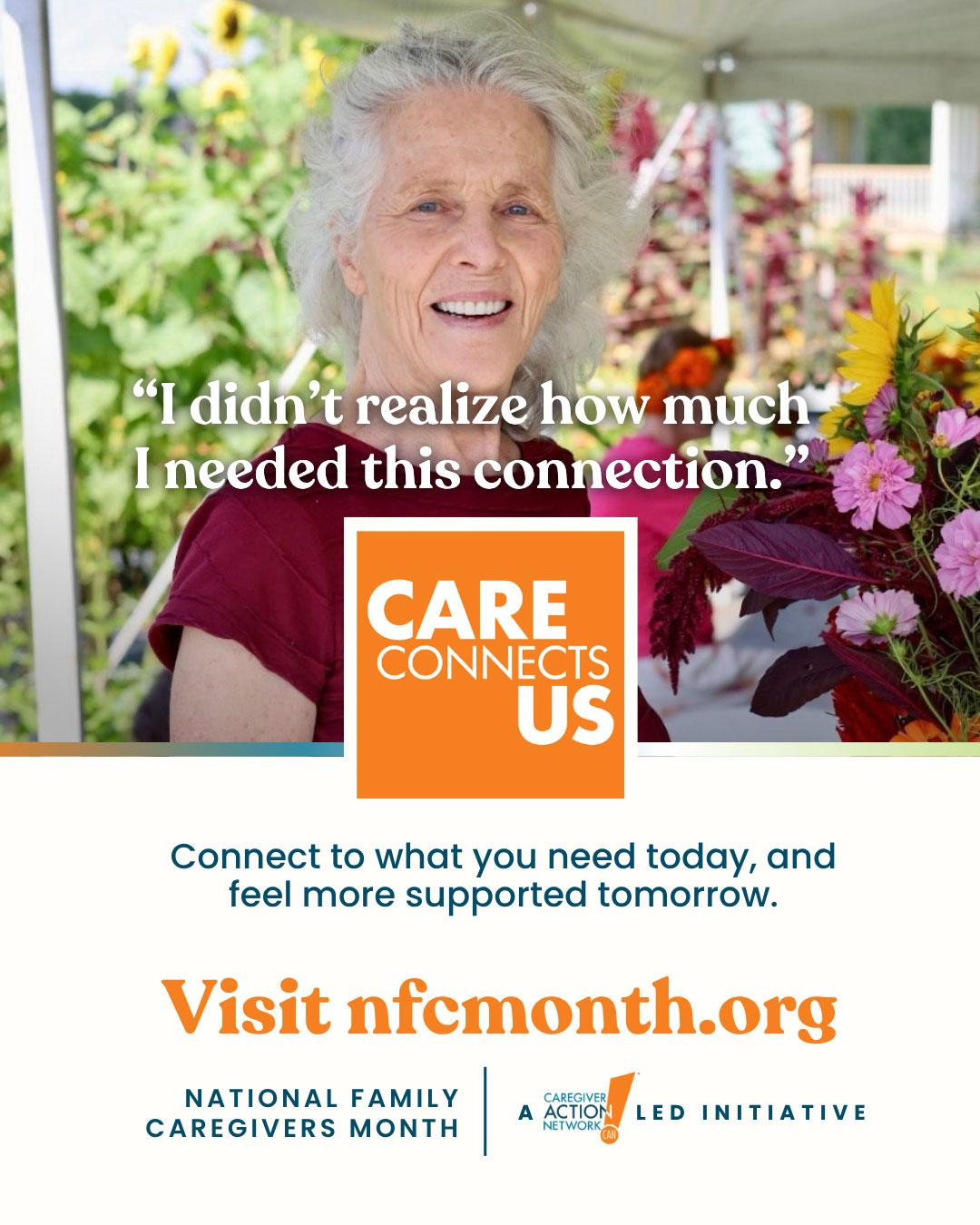
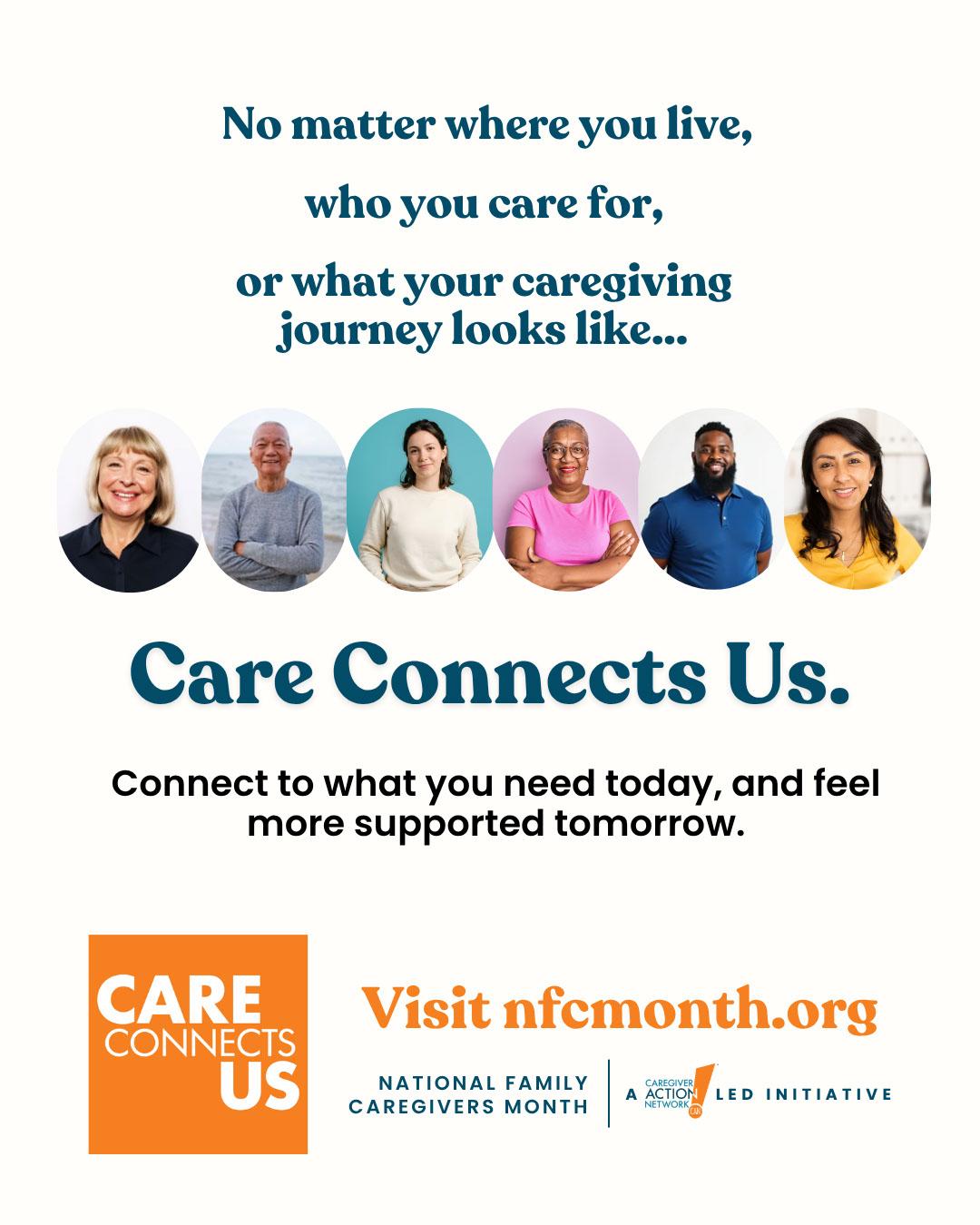
Since 1997, Caregiver Action Network (CAN), a national nonprofit dedicated to supporting family caregivers, has led National Family Caregivers Month each November to recognize the millions of Americans caring for loved ones. This year's theme, Care Connects Us, celebrates the relationships, shared experiences, and support networks that connect caregivers across families, communities, and generations. Recognizing the vital role caregivers play in the health and well-being of women and families, CAN invites you to help amplify their voices and connect more people with support.
Explore CAN's National Family Caregivers Month Social Media Toolkit for ready-to-share graphics, messaging, and resources to help spread the word throughout November. Also, check out CAN's Care Connects Us webinar series, happening throughout the month to gain insights from family caregivers, advocates, organizations, and leaders on managing caregiving, finding support networks, and supporting relevant policy opportunities.
| | All SWHR resources are free to view and share. Here's why: Women spend three more years on average caregiving for an older adult than men. | | | Did someone forward you this email? Looking for more news on women's health research? | | | | | |