RESOURCES
While 25% of infertility in women is related to issues with ovulation, fertility can be impacted by a wide range of both male and female factors. A variety of challenges can arise for women, including issues with the cervix or damage to the uterus or fallopian tubes, but there are treatment options available.
This World Infertility Awareness Month, learn more about infertility's impact on women's health.
| | |
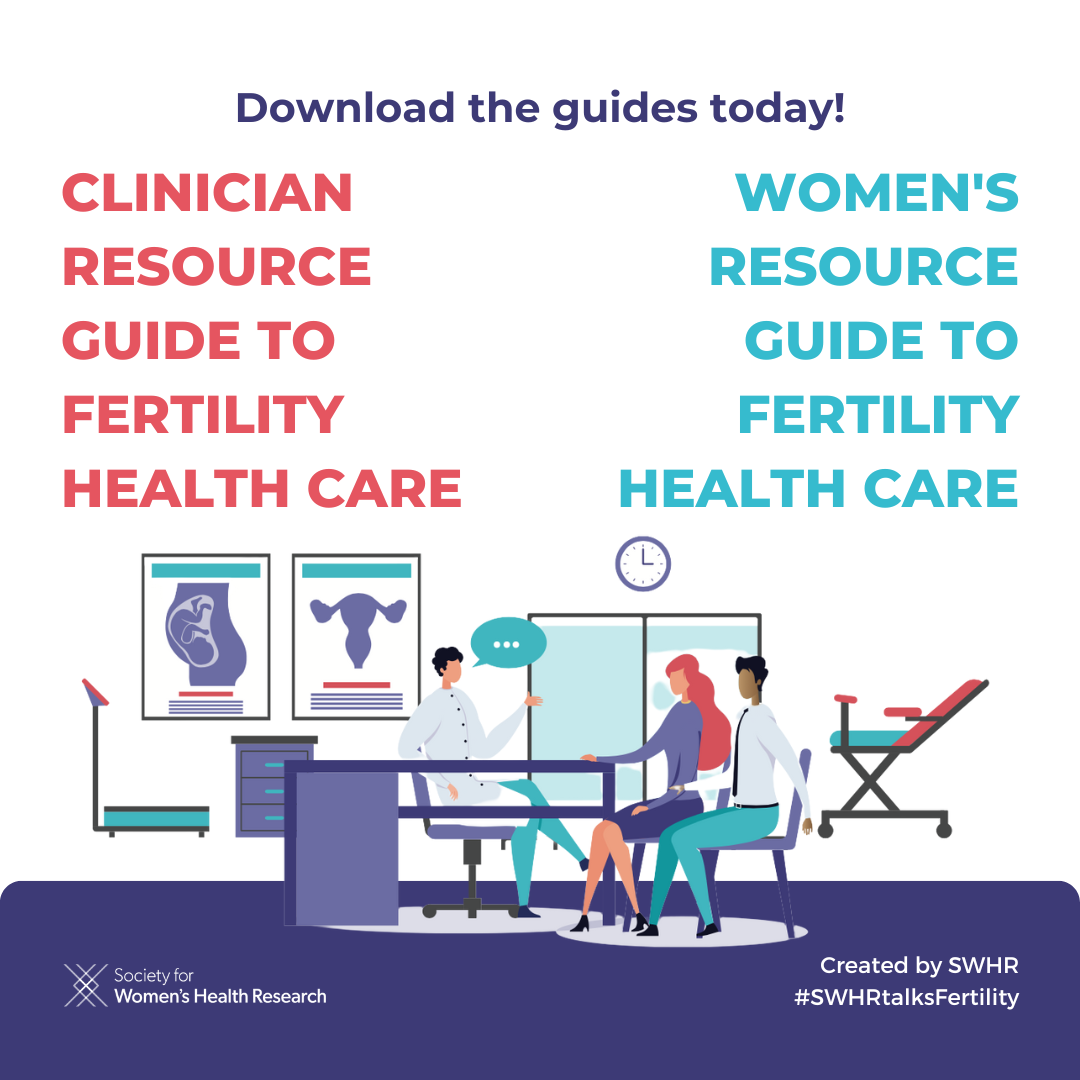
Check Out the Women’s Resource Guide to Fertility Health Care
Infertility is increasingly common in the United States, with nearly 1 in 7 couples having trouble getting pregnant or sustaining their pregnancy.
While infertility is found to be due to male factors as often as female factors, women tend to bear a greater burden in infertility treatment and care management.
The Women’s Resource Guide to Fertility Health Care was created to help patients navigate their care, from creating a reproductive life plan to treatment. Read the guide today!
| | | |
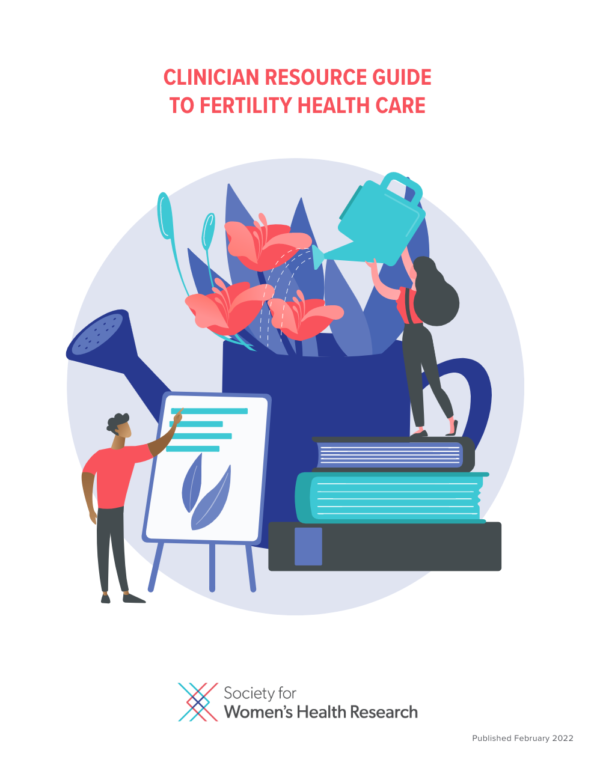
Explore the Clinician Resource Guide to Fertility Health Care
The Clinician Resource Guide to Fertility Health Care was created to assist health care providers as they work with patients, women, and families to navigate their fertility options, from family planning to evaluating and treating infertility using a shared decision-making approach. Download the guide today!
| | | |
Polycystic ovary syndrome (PCOS) affects nearly 5 million women in the United States, but an estimated 70% of women with the condition remain undiagnosed.
In the Exploring PCOS Throughout the Body Fact Sheet, learn how PCOS impacts mental health, heart health, and reproductive health in women.
| | |
Genetic screening is often associated with pregnancy and childbirth; however, different genetic screenings performed before, during, and after pregnancy can each offer unique insights.
For essential information on noninvasive prenatal screening (NIPS), read the Noninvasive Prenatal Screening Resource Guide for Women.
| | |
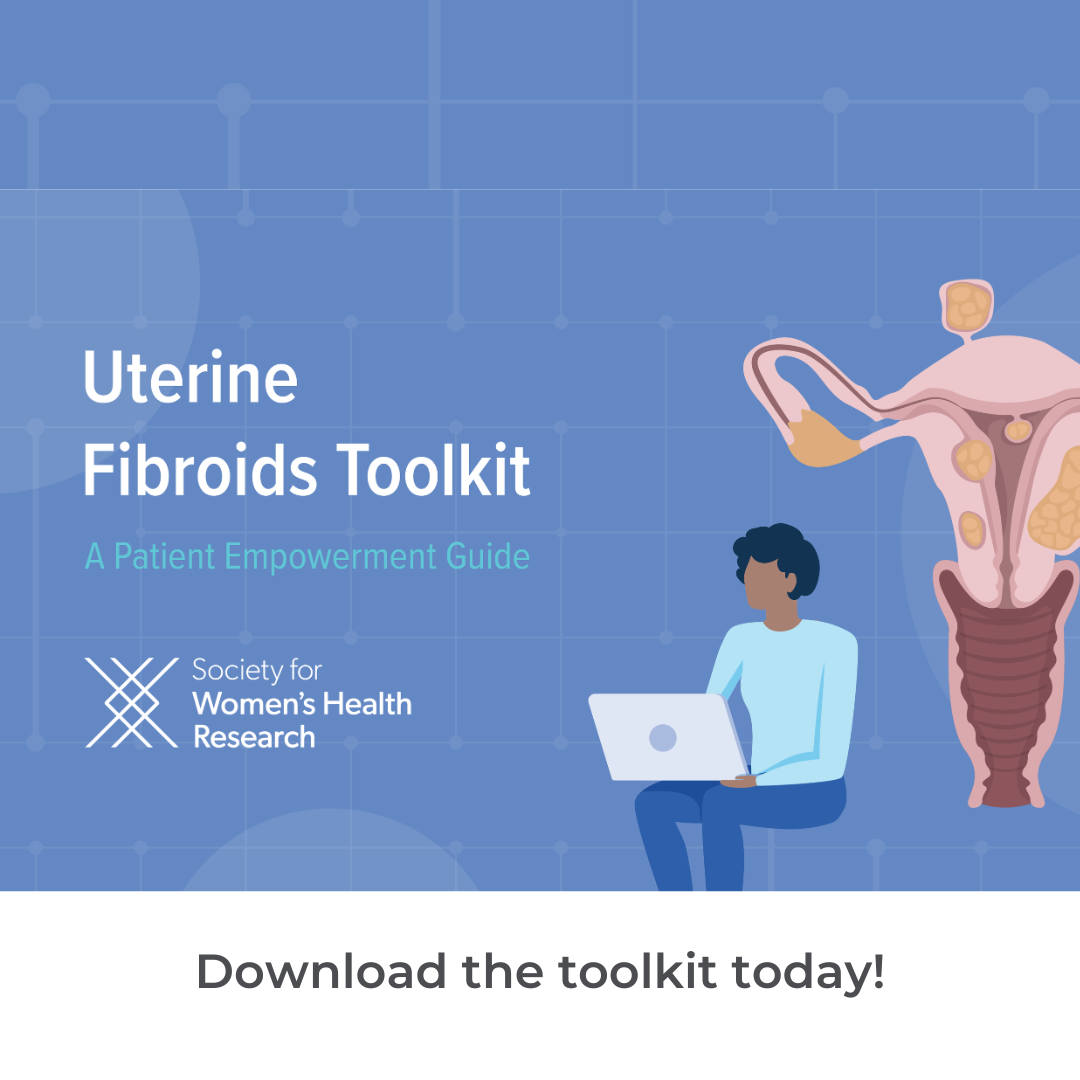
While an estimated 26 million women ages 15-50 in the United States have uterine fibroids, this number is often underestimated.
The Uterine Fibroids Toolkit: A Patient Empowerment Guide is designed to empower individuals with uterine fibroids in navigating their care, seeking diagnosis and treatment, and interacting with care providers.
| | Read more about fertility on our blog! | |
NEWS AND RESEARCH
SWHR Working Group members have produced and shared the following news, research, and resources related to fertility:
News and Research
-
American Journal of Obstetrics and Gynecology: Fertility protection: a novel approach using pretreatment with mesenchymal stem cell exosomes to prevent chemotherapy-induced ovarian damage in a mouse model, submitted by Ayman Al-Hendy MD PhD FRCSC FACOG CCRP, University of Chicago
-
Clinical and Translational Science: Evaluating the Effect of Epigallocatechin Gallate (EGCG) in Reducing Folate Levels in Reproductive Aged Women by MTHFR and DHFR Genotype in Combination With Letrozole or Clomiphene, submitted by Ayman Al-Hendy MD PhD FRCSC FACOG CCRP, University of Chicago
-
Fertility and Sterility: Advancing fertility equity: uplifting black women’s voices to design culturally responsive support solutions. Fertility and Sterility, submitted by Natalie D. Hernandez-Green, PhD, MPH, Morehouse School of Medicine
-
Fertility and Sterility: Efficacy and safety of relugolix combination therapy in women with uterine fibroids and adenomyosis: subgroup analysis of LIBERTY 1 and LIBERTY 2, submitted by Ayman Al-Hendy, MD, PhD, FRCSC, FACOG, CCRP, University of Chicago
-
F&S Reports: Lack of adequate counseling about pregnancy complications in patients with polycystic ovary syndrome: a cross-sectional survey study, submitted by Anuja Dokras, MD, MHCI, PhD, University of Pennsylvania, Perelman School of Medicine
-
JAMA: Endometriosis: A Review, submitted by Sawsan (Suzie) As-Sanie, MD, MPH, University of Michigan
-
Journal of Obstetrics and Gynaecology: The Effect of Relugolix Combination Therapy in Black/African American Women with Uterine Fibroids, submitted by Sateria Venable, Fibroid Foundation
-
Social Science & Medicine: Mapping fertility trajectories: An endarkened narrative inquiry of Black women’s fertility experiences and pathways through, submitted by Natalie D. Hernandez-Green, PhD, MPH, Morehouse School of Medicine
-
Open Research on "Day 3 versus Day 5 embryo transfer in IVF patients with few embryos (PRECiSE)." Researchers are working with nine IVF centers across the United States to enroll 1126 patients age 18-44 who are treated for infertility with IVF for the first time and have 5 or fewer embryos. Research are working with patients, advocacy groups, professional societies in reproductive medicine, clinicians, embryologists, nurses, implementation experts, and a health psychologist, as well as payer and policymaker representatives to design and conduct this study, and implement the results. Learn more. Submitted by Werner Neuhausser, MD, PhD, FACOG, Beth Israel Deaconess Medical Center, Harvard Medical School
| | |
Events and Resources
-
Event: SisterSong is hosting the second annual Black (In)fertility Awareness Week (BIAW), July 28 - August 1, 2025, in partnership with Morehouse School of Medicine Center for Maternal Health Equity. BIAW is a dedicated week of events, conversations, and actions aimed at highlighting the unique experiences of Black people navigating infertility and family building. Submitted by Natalie D. Hernandez-Green, PhD, MPH, Morehouse School of Medicine
-
Resource: Recent American Society for Reproductive Medicine white papers and fact sheets, submitted by Rebecca W. O’Connor, JD, American Society for Reproductive Medicine's Office of Public Affairs
- Fact Sheet | Misleading Terminology in Reproductive Medicine
- White Paper | Oversight of IVF in the U.S. and Abroad
- Fact Sheet | Just the Facts: The Safety of In Vitro Fertilization
- Fact Sheet | Just the Facts: It Takes More than One
- Fact Sheet | Just the Facts: IVF Policy Priorities
-
Resource: Last month, The Endo Black, Inc. proudly launched the extended version of their Empowering Endo Sistas: Together Health Equity Toolkits — tailored specifically for Caribbean women. In collaboration with University of Maryland School of Public Health – Public Health Science Program, with thoughtful guidance from the Barbados Association of Endometriosis & PCOS, Lake Health & Wellbeing, and other partners, they released four culturally relevant resources, including the Community Leaders and Faith-Based Organizations Toolkit which offers guidance on fertility care. Submitted by Lauren Kornegay, The Endo Black, Inc
-
Resource: Women's health resources from the Genetic Support Foundation, submitted by Katie Stoll, MS, LGC, Genetic Support Foundation
-
Resource: Low Insulin Lifestyle book, submitted by Ali Chappell, PhD, MS, RD, Lilli Health
-
Resource: Lilli Health launched the Lilli App—a digital tool designed to help patients with PCOS address insulin resistance, a key driver of infertility, irregular cycles, and miscarriage. Built on more than 13 years of research and the principles of a low insulin lifestyle, the app offers a robust library of free, evidence-based education, along with premium features for symptom and lab tracking, sample meal plans, recipes, and real-world support to improve metabolic and hormonal health. Learn more at www.lillihealth.com/lilliapp, submitted by Ali Chappell, PhD, MS, RD, Lilli Health
-
Resource: Low Insulin Lifestyle book, submitted by Ali Chappell, PhD, MS, RD, Lilli Health
-
Resource: RESOLVE: The National Infertility Association tracks state and federal legislation related to infertility, informing and activating their community when legislation may impact them. Join the RESOLVE Advocacy Network to receive updates. Submitted by Barbara Collura, RESOLVE
| |
SHARE ON SOCIAL MEDIA
Join us on social media and amplify the conversation on fertility research and treatment. Follow #SWHRtalksFertility to learn more!
| | |
June is #InfertilityAwarenessMonth. While #infertility is caused by both male and female factors, women often carry the greater burden of treatment and care.
This month, let’s work together to raise awareness and support all those impacted by infertility. Learn more in the SWHR Women's Resource Guide to Fertility in Health Care: https://swhr.org/resources/womens-resource-guide-to-fertility-health-care/. #SWHRtalksFertility
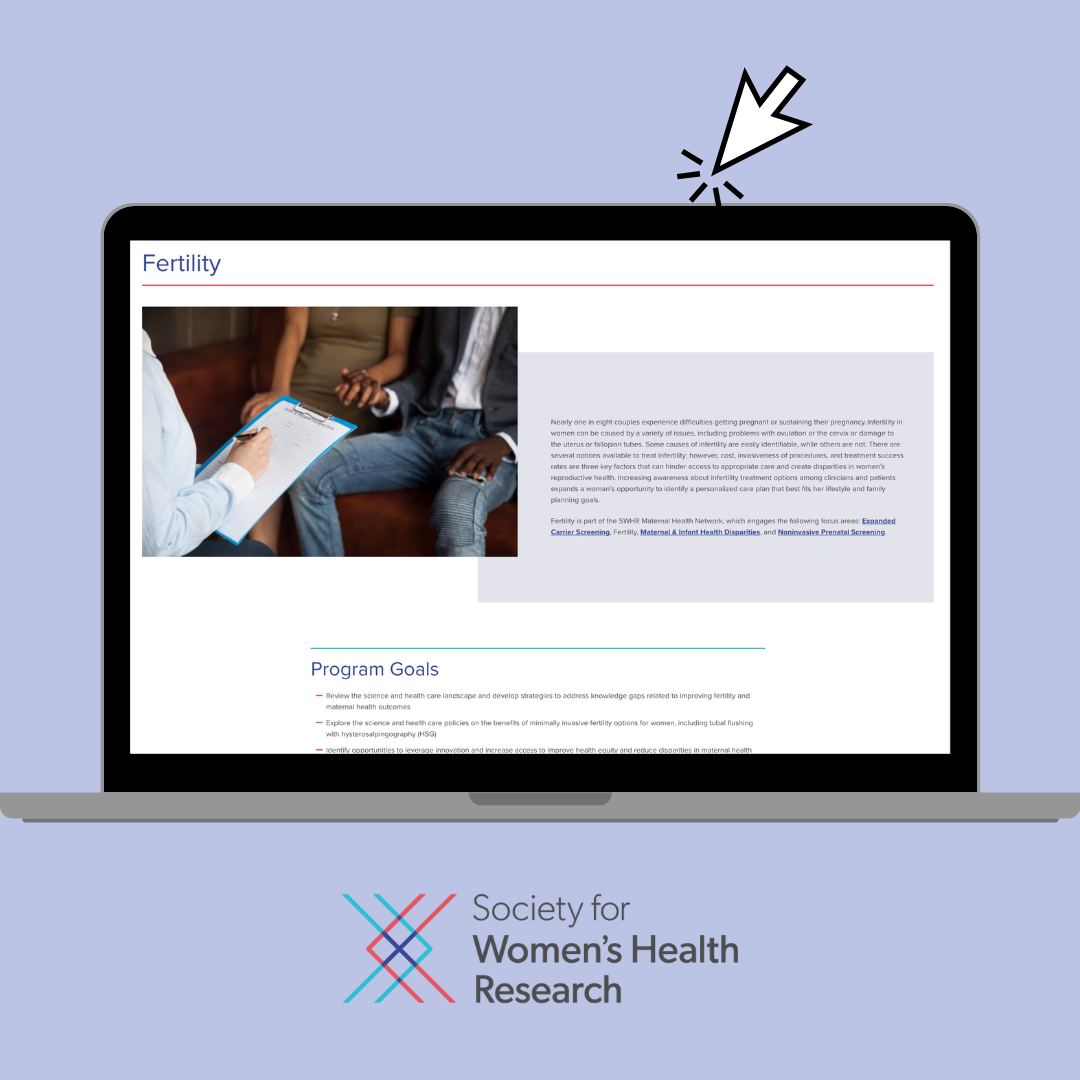
| | #DYK about 12% of women ages 15-49 have received some type of #infertility service? Raise awareness about the available treatment options this #InfertilityAwarenessMonth by exploring SWHR's FREE, science-based fertility resources: https://swhr.org/health_focus_area/fertility/ #SWHRtalksFertility | | |
#UterineHealth is #WomensHealth! #UterineFibroids in one of the most common gynecological conditions nationwide, affecting about 26 million women ages 15-50.
Uterine fibroids can results in many challenges with fertility. Help those with uterine fibroids get the care they need by sharing SWHR's Uterine Fibroid Toolkit with your friends and family: https://swhr.org/resources/uterine-fibroids-toolkit-a-patient-empowerment-guide/ #SWHRtalksFibroids
| |
PARTNER SPOTLIGHT
Our work is only possible with the help of great partners. Check out one of our fertility partners here!
| |
Fertility Within Reach
Fertility Within Reach's mission is to increase access to fertility treatment and fertility preservation.
Research is vital to policy change, public understanding, and improving how health care is offered. In 2025, Fertility Within Reach co-authored a published article in Global Reproductive Health and is participating in a study exploring optimal timing for embryo transfers in fertility treatments.
This year, Fertility With Research presented a roundtable discussion about The Domestic Policy Council's Considerations of President Trump's Executive Order "Expanding Access to In Vitro Fertilization."
Advocacy work:
- Capitol Hill lobbying in Washington DC to discuss the federal bill co-authored to make fertility treatment available federally, including ERISA plans.
- Massachusetts-based advocacy to improve fertility health care law through individuals meetings and organizing a legislative Information Session.
- Support other organizations and efforts in seven other states.
Education Initiatives:
-
Podcasts and Webinars with WellWellUSA: Overcoming Infertility Challenges & Risks as well as Connected Nest Facing Fertility, Ask the Experts.
-
Educational booklets on fertility health care specific to each patient community. Fertility Within Reach focuses on the underrepresented, underserved, and ensure their information is available in Spanish.
| | All SWHR resources are free to view and share. Here's why: Nearly 1 in 7 couples experience difficulties getting pregnant or sustaining their pregnancy. | | | Did someone forward you this email? Looking for more news on women's health research? | | | | | |