|
As the days shorten and become colder and darker, and the wind pulls the last red and gold leaves from the trees, we feel the mysterious unsettling of seasonal changes. Pumpkins, ghosts and goblins appear on porches. Themes of death and dying and liminality fill the air.
Today is November 1st, Día de los Muertos, Day of the Dead, a vibrant and deeply spiritual tradition observed in Mexico and other Latin American cultures. This holiday blends Indigenous beliefs with Catholic influences to honor and celebrate the lives of loved ones who have passed on. It is a time when the veil between the worlds of the living and the dead is thought to be thin, allowing families to connect with departed ancestors in meaningful ways.
Honoring our ancestors is a timeless practice, connecting us with those who have come before us and shaping the path we walk today. We pause to recognize the wisdom, resilience, and love that our ancestors offer as a legacy. By honoring them, we acknowledge the gifts they passed down and strengthen our sense of belonging and purpose.
I often call in “my Triple A team” (Allies, Angels and Ancestors), and ask them to bring in their wisdom and love. This is my way of honoring and inviting in all those supportive energies and entities from the other side of the veil to circle up and bring it!
Practices for honoring ancestors can be as simple as lighting a candle, saying their names aloud, or setting up a small altar with photographs, mementos, or natural elements like flowers. Some also reflect on family stories, look through old photos, or write letters to ancestors, seeking their guidance and reflecting on the qualities they embodied. These rituals help us feel rooted, offering strength during difficult times and reminding us of the interconnectedness of life.
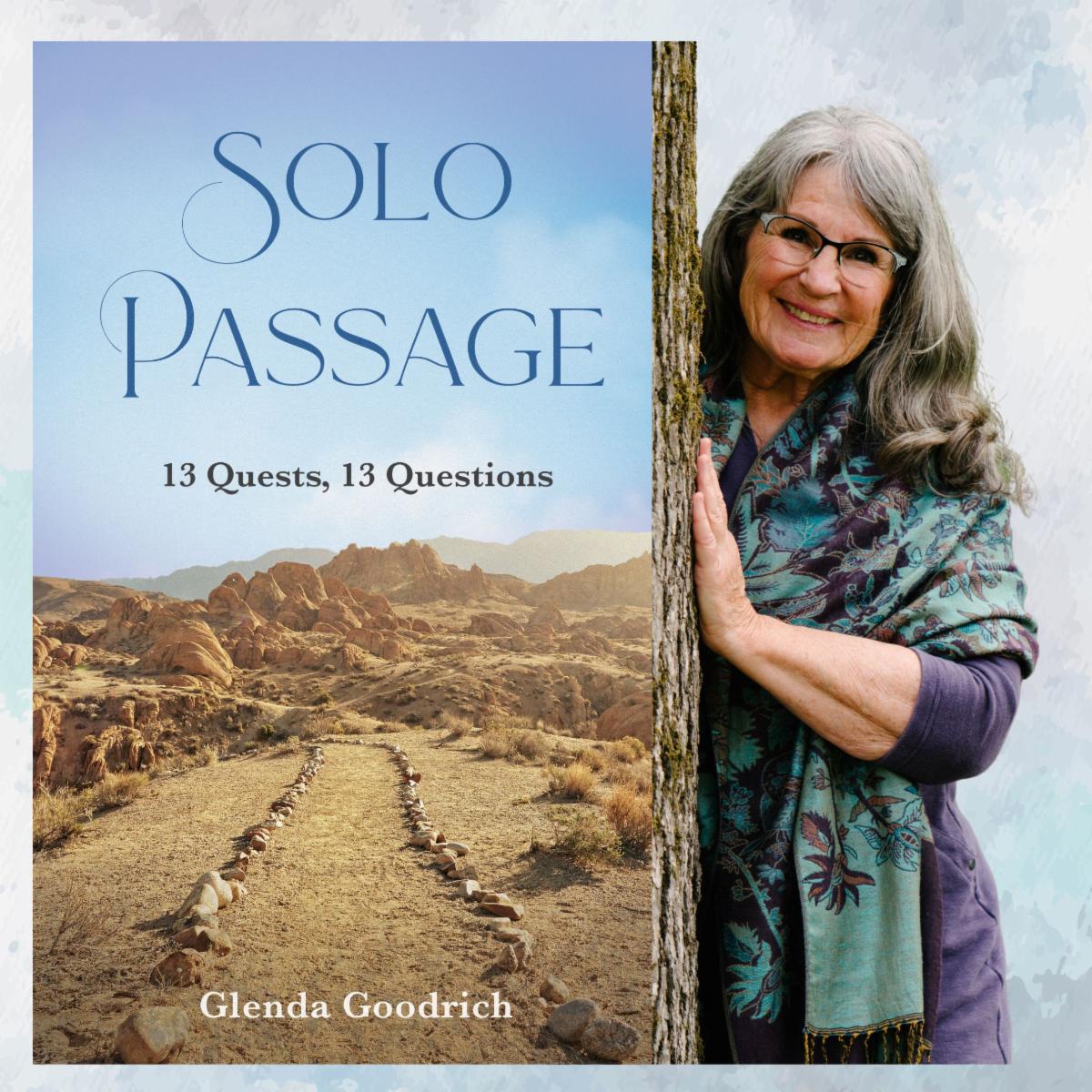
My book, Solo Passage: 13 Quests, 13 Questions, is a legacy I will leave to my descendants. Here is an excerpt from the chapter titled “Small Things Die Every Day.”
“I had quested in the Modoc many times before, but on that trip, I felt the presence of the Moatokni maklak ancestors, the Modoc people who had inhabited the land for thousands of years before Euro-American fur trappers came to the area in the early 1800s. The Modoc, the Pit River or Achomawi, and the Northern Paiute tribes still occupy the area today. Lying in my tent the night before [after being stuck in my tent for two days of unrelenting rain], halfway between sleep and consciousness, I had heard a voice say, “Let go and trust.” I blinked awake and wondered if it had been an actual person speaking or a voice in a dream. Was I going crazy from the entrapment? I didn’t know what I was being asked to let go of or if I wanted to follow the advice of a nameless voice. Then I remembered that it was important to pay attention to subtle messages, especially on a quest.
How could I learn to let go of control and trust in a greater, universal wisdom?”
When we honor our ancestors, we invite their spirit, wisdom, and courage to live within us. This practice encourages us to carry forward the love, resilience, and vision they held, fostering a sense of continuity and connection that guides our journey. In honoring them, we find inspiration to live in a way that will one day leave a legacy of our own.
|