Liholiho Elementary School STEM Night | |
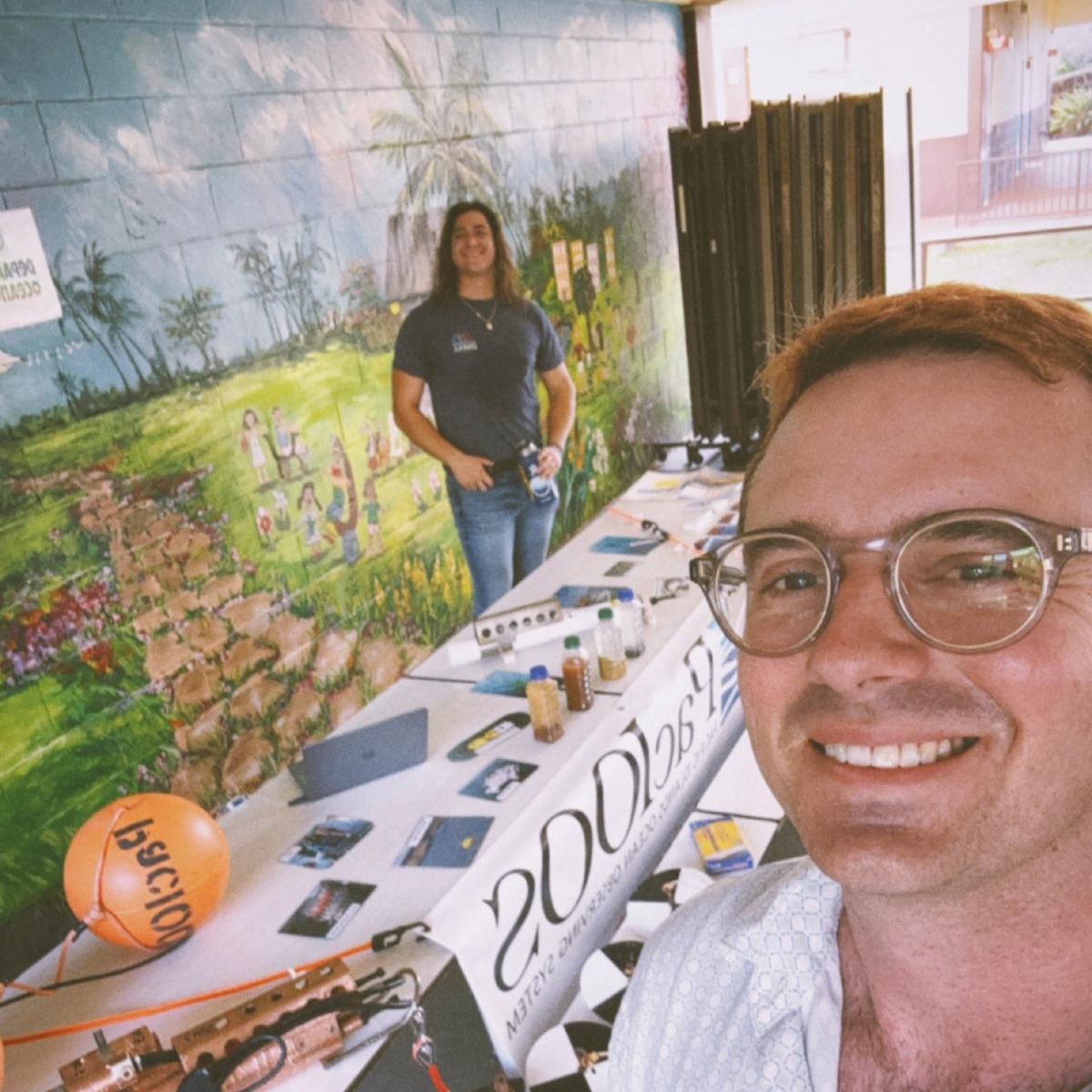
 | | Shaun Wriston and Peter Felicijan represented the PacIOOS Nearshore Sensor (NSS) Group at the Liholiho 2025 STEM Night, which brought science and arts to local students and their families with an exciting evening of hands-on learning and discovery. The event saw an impressive 90 families in attendance, full of excited students and just as many curious parents. With 15 interactive booths, attendees engaged with a diverse range of topics, from robotics and aerodynamics, to plant displays and water quality instruments. The NSS Group provided an interactive look at ocean monitoring and data collection. Students and parents explored real-world observational science by using secchi disks and handheld thermometers to measure water clarity and temperature and were provided demonstrations of real-time oceanographic data via instruments used by the NSS Group. Beyond the activities, it was rewarding to hear families express their familiarity with the PacIOOS website, sharing how they regularly use its data to plan paddling, surfing, and diving outings. The event highlighted the power of STEM education in fostering curiosity and bridging the gap between classroom learning and real-world applications. Liholiho STEM Night 2025 was not only a success in sparking enthusiasm among young learners but also in strengthening the connection between science and the local community.
[Photo: Peter (left) and Shaun (right) at STEM Night. Credit: Shaun Wriston]
| | Upcoming Waves, Reefs, and Resilience Workshop | |
| | | Ocean waves and coral reefs are essential to the cultural, social, and economic life of tropical island communities. While coastal wave dynamics and wave-reef interactions are fascinating research topics, the technicalities can be challenging for the general public to grasp due to terminology, limited access to resources, and a lack of scientific background on the subjects. To help bridge this gap, PacIOOS researchers formed a team of passionate graduate students and researchers from the Department of Oceanography, Department of Natural Resources and Environmental Management, and the Hawaiʻi Natural Energy Institute’s Hawaiʻi Marine Energy Center to make ocean science more accessible to future generations. With support from the NSF Catalyst Awards for Science Advancement (CASA) mini-grant, the team is partnering with the UH STEM Pre-Academy to host a one-day workshop for middle school teachers on April 26 at the Mānoa Innovation Center. Registration is still open! This introductory, hands-on, workshop will explore ocean wave dynamics, wave energy harvesting, wave-reef interactions, and the impacts of climate change through interactive lectures, object demonstrations, group discussions, and wave tank experiments. Educators will have an opportunity to gain valuable insights into ocean science while receiving practical classroom resources, curriculum materials, and hands-on activities to enhance STEM education. We look forward to seeing you there!
| | Ocean Discovery League Accessing the Deep | | |
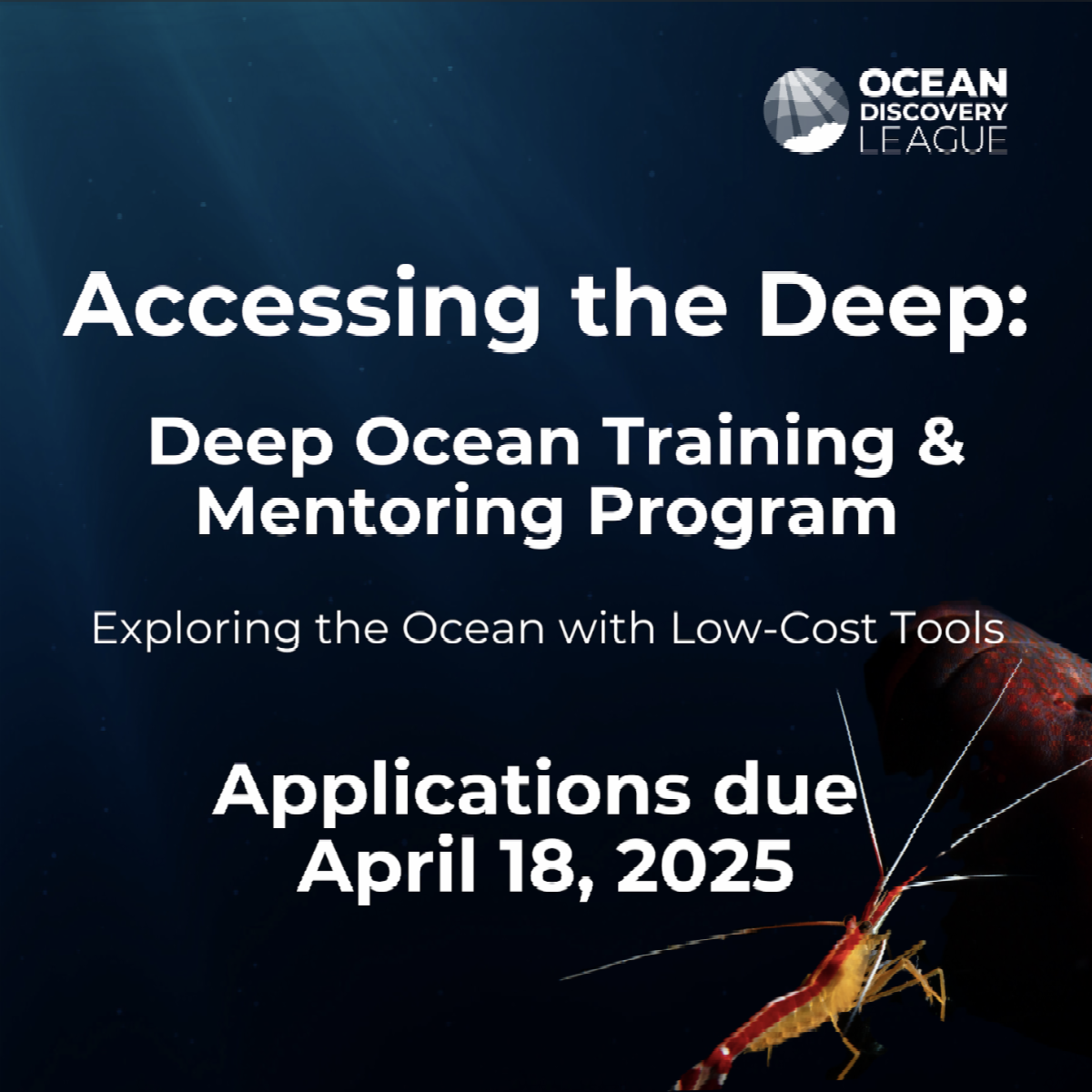
Applications are now open for Ocean Discovery League's Online Deep Ocean Exploration Training and Mentorship Program 2025. Designed for early-career professionals interested in deep-sea research, this online program will emphasize fundamental technical and oceanographic knowledge, focusing on low-cost and accessible methods for exploring depths greater than 200 meters. After the training, selected participants will receive mentorship from deep-sea or regional experts to help develop their deep-sea research and exploration project plans. Whether participants are new to ocean research or have experience in shallow-water environments and are looking to transition to deep-sea studies, all are encouraged to apply. Applications are due April 18, 2025.
For more information, click here.
[Image: ODL Accessing the Deep graphic]
| | American Samoa Climate Data Portal | |
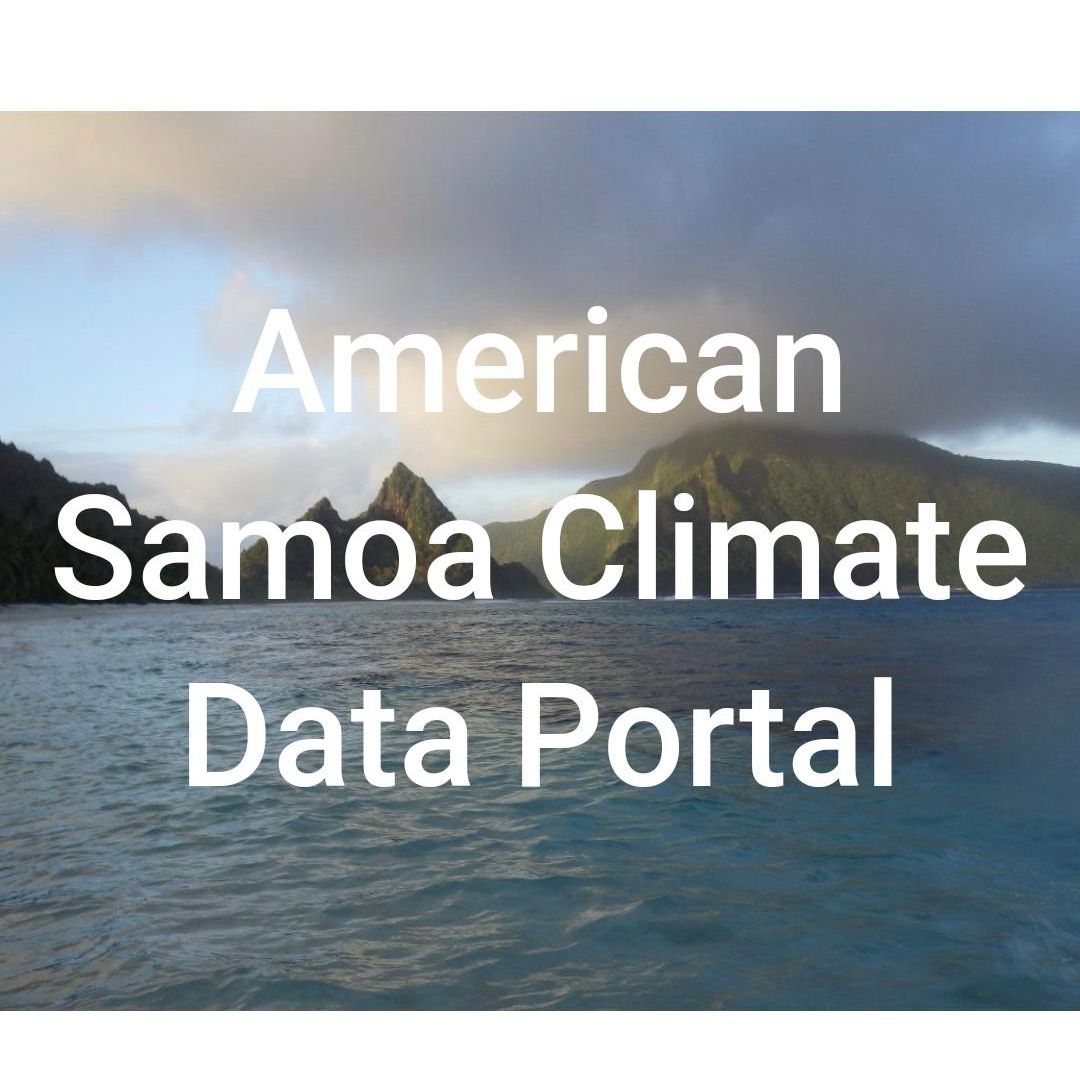
| | | American Samoa faces significant challenges from climate change. Organizing and providing access to vast amounts of climate data is critical to the efforts of the many agencies and natural resource managers in American Samoa who are working to mitigate and adapt to the effects of events such as sea level rise and extreme weather. The American Samoa Climate Data Portal (ADSCP) was developed as a partner project to the Hawaiʻi Climate Data Portal, which serves as the home to real-time climate monitoring data from weather and stream stations spread throughout American Samoa. The ADSCP provides centralized access to real-time and historical climate, hydrology and weather data, as well as new and existing web-based tools with open access to GIS and climate-related data. These tools will enable users to collect, download, and view relevant data, facilitating a wide range of adaptation and management activities. The portal is in a development phase, and welcomes feedback from a google form at the bottom of the homepage! [Image: American Samoa Climate Data Portal]
| Updates to Backyard Buoys App | | |
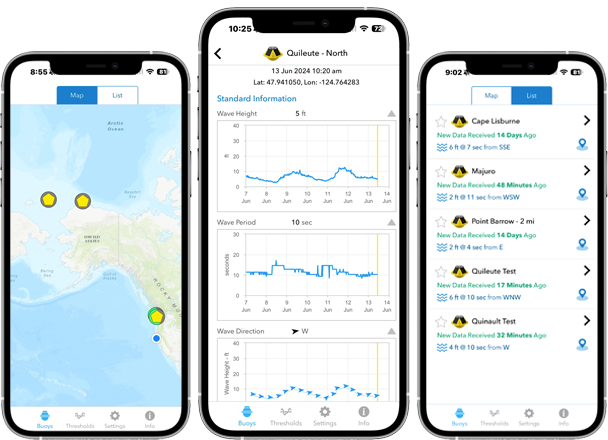
The Backyard Buoys app is expanding to include data from Aqualink Spotter buoys deployed by partners in the project regions! In the Federated States of Micronesia, data from a buoy off Ulithi Atoll has been added. This buoy is stewarded by the Ulithi Community and One People One Reef. Data from two buoys in American Samoa are also now available on the app. Located off Taema Bank on the south side of Tutuila Island, and in the Fagamalo Village Marine Protected area north of Tutuila Island, these buoys were deployed through a collaboration between Old Dominion University, the National Park of American Samoa, and the National Marine Sanctuary of American Samoa. All three buoys join the network of buoys listed in the Backyard Buoy apps, providing access to wave height, period, direction and spread for enhanced ocean safety information. [Image: Backyard Buoys App]
| | Meet PacIOOS' New Water Quality Buoy Assistant Erin Smith | |
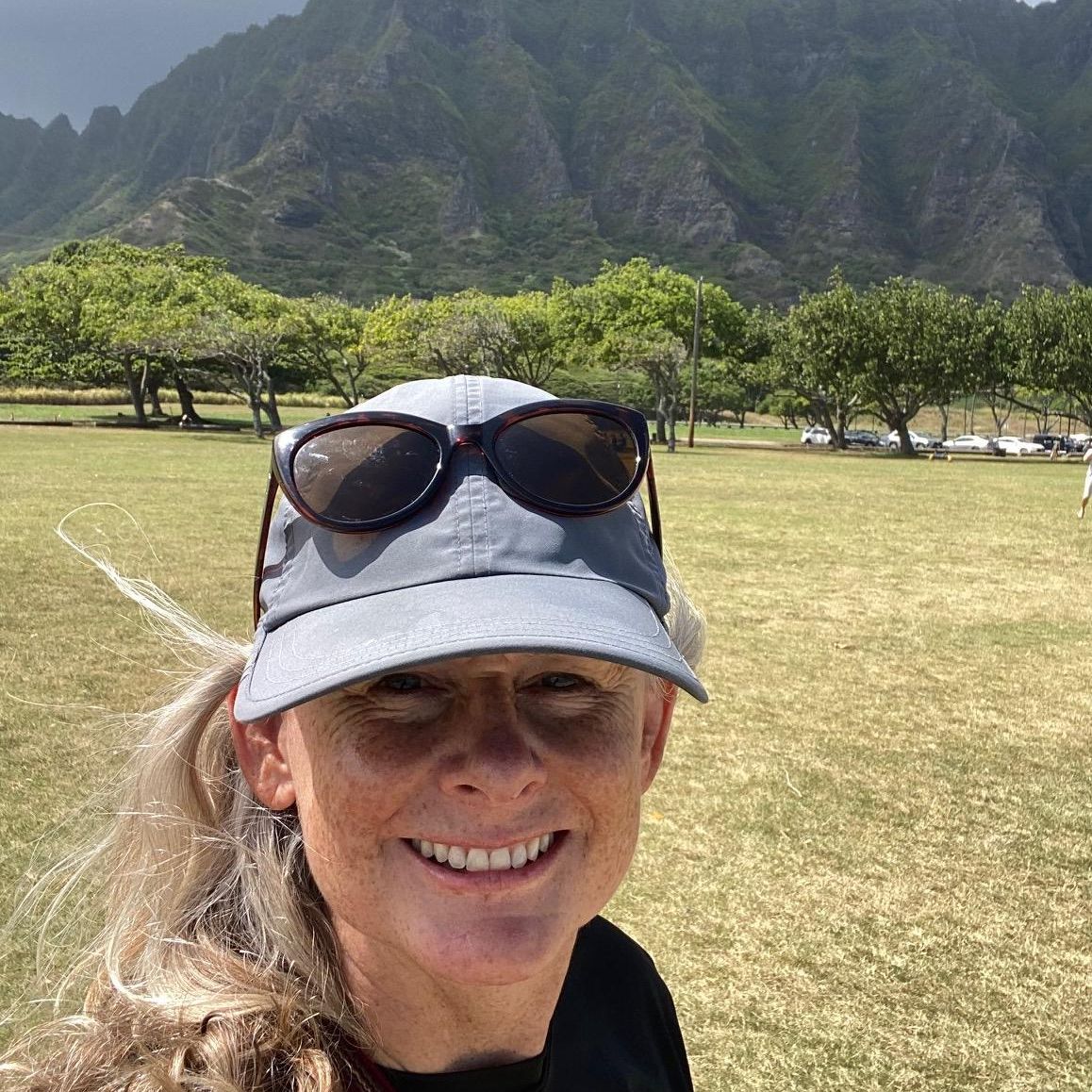
| | | Erin is a second-year student at the University of Hawaiʻi at Hilo working toward a double major of a B.S in Marine Science, a B.A in English, and a Data Science Certificate. She completed UH Hilo’s QUEST (Quantitative Underwater Ecological Survey Techniques) program and recently received her AAUS Scientific Diver Certification. She is beginning a research project on coral reef health using SCUBA surveys in conjunction with data obtained from PacIOOS Water Quality Buoys. Besides SCUBA diving, Erin is a long-distance ocean swimmer, and a triathlete. In a previous life, she received an MBA from Florida State University and worked in public relations, graphic design, human resources, information technology, and business process development. Erin believes that working on the UH Hilo Buoy Team offers the chance to learn from the ground up the marine technology that supports the connections between ocean water quality and coral reef ecology. She is very glad to be out of an office and in the ocean almost every day of the week. [Photo: Erin at Kualoa, Oʻahu]
| | Meet PacIOOS' New Shark Research Coordinator Edward Cardona | |
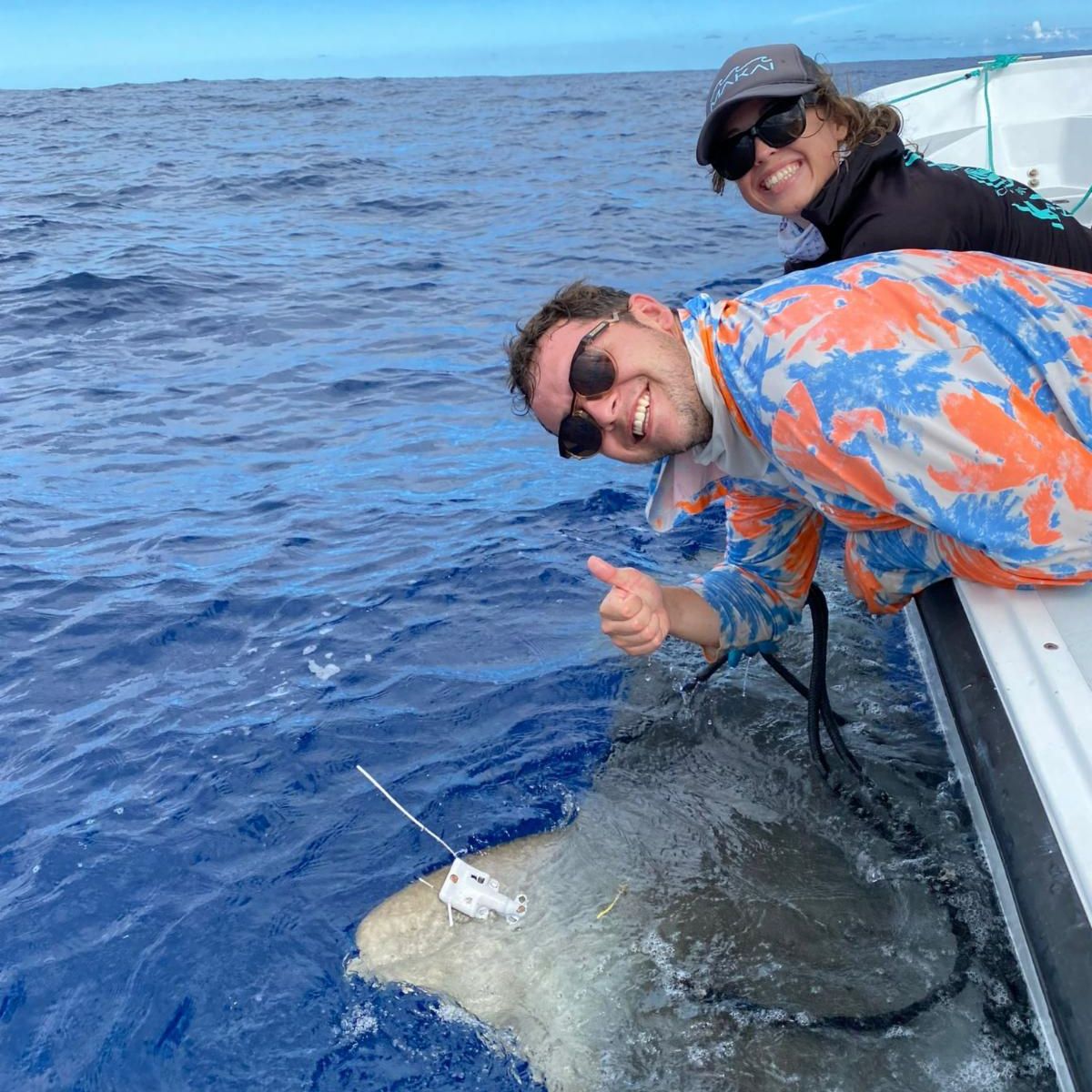
| | | Edward Cardona is a recent Master's graduate in Marine Biology from the University of Hawaiʻi at Mānoa, where he conducted research under the supervision of Dr. Kim Holland. His work focused on testing putative deterrent electrical and magnetic stimuli on captive juvenile tiger sharks (Galeocerdo cuvier). He earned his Bachelor's degree in Applied Marine Biology from Bangor University, Wales, UK. Edward's current research involves the deployment of SCOUT Tags and the near real-time collection of Temperature/Depth Data from free-swimming sharks, integrating these data into the IOOS Data Assembly Center (DAC) to inform oceanographic and meteorological models. Additionally, Edward serves as the Research Coordinator for the Holland Lab at the Hawaiʻi Institute of Marine Biology, where he is involved in the testing and development of innovative shark deterrent devices. With a lifelong passion for the ocean fueled by his experiences diving, surfing, fishing, and sailing around the world, Edward is eager to tackle new challenges and make significant contributions to PacIOOS, further deepening his understanding of marine processes.
[Photo: Edward Cardona and Corey Nevels tagging in Kāneʻohe Bay. Credit: Chloe Blandino]
| | | | |