August 2026 Newsletter

PacIOOS Partner Spotlight

Coral Reef Research Foundation

Based in the Republic of Palau, the Coral Reef Research Foundation (CRRF) is dedicated to understanding and protecting the diverse reefs and tropical marine environments of the Western Pacific. Operating out of their facility in Koror, CRRF maintains research vessels, laboratories, and specialized ocean observation tools. The foundation leads deep-water habitat mapping, climate tracking, and extensive research into Palau’s unique marine lakes. Beyond its independent research, CRRF is a PacIOOS Memorandum of Agreement (MOA) Partner, providing essential on-the-ground support for deploying PacIOOS buoys and scientific instruments across local waters.


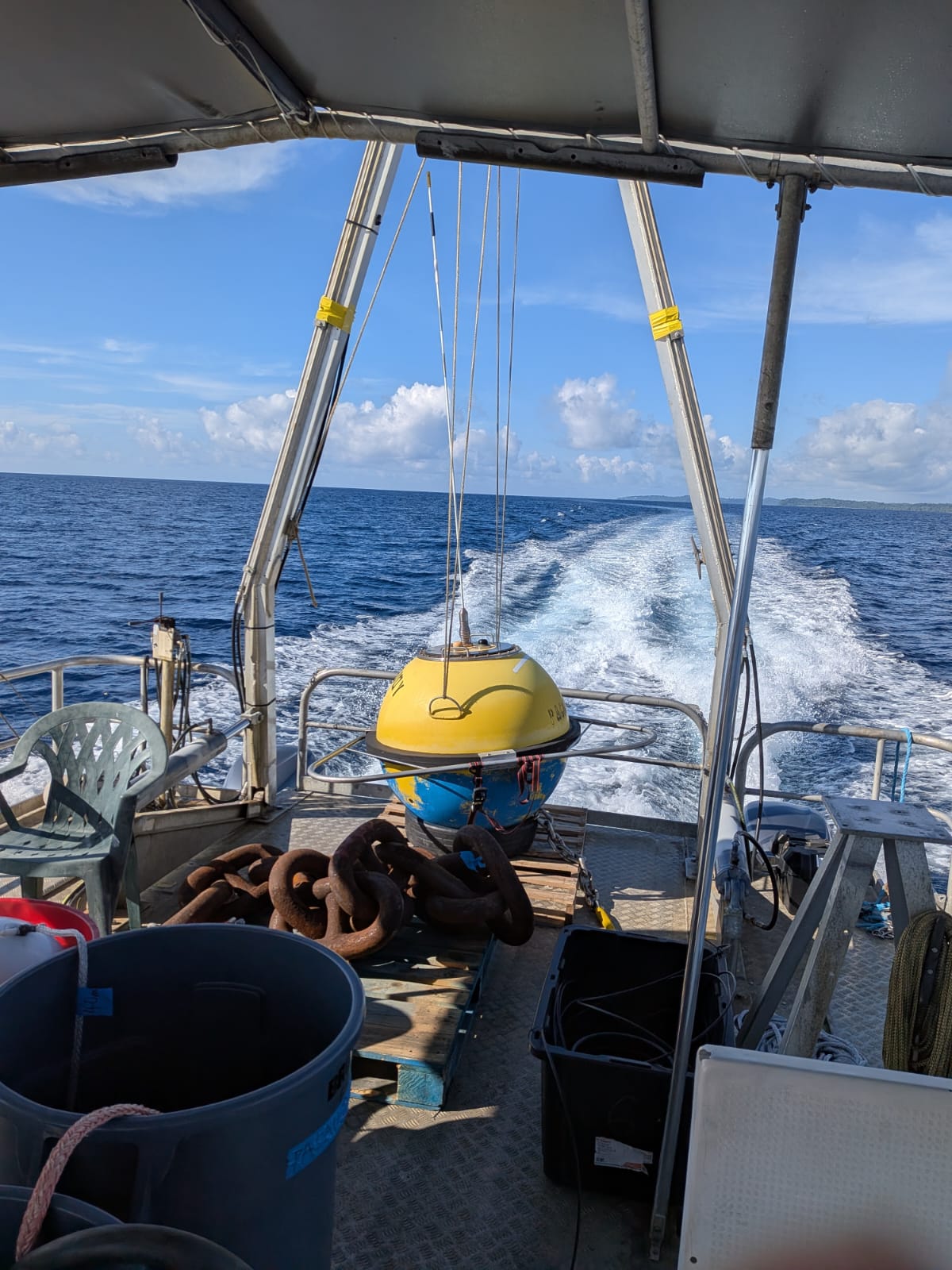
The Ngaraard Wave Buoy was successfully deployed off the northeast coast of Babeldaob, Palau. CRRF was instrumental in the deployment of this buoy, including coordinating with the Palau National Weather Service and other local partners and vendors, receiving the buoy and mooring at their facility, storage and transportation of the equipment, and using their time and vessel to safely deploy the buoy. The deployment would not have happened without the team at CRRF! This buoy provides wave height, direction, period, sea surface currents, sea surface temperature, and air temperature- valuable information for ocean monitoring, scientific research, weather and wave observations, and marine safety. [Photo: Ngaraard Wave Buoy. Credit: CRRF]


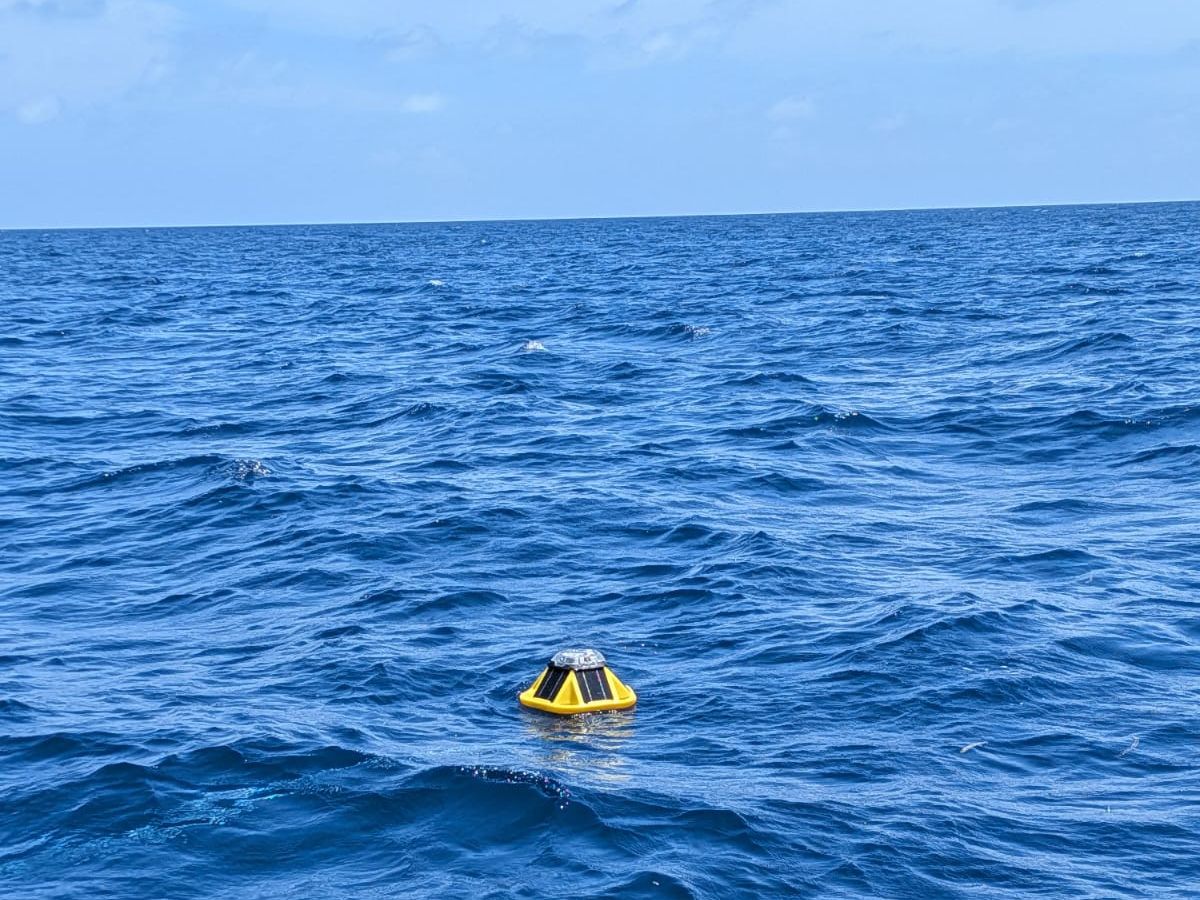
The second Backyard Buoys Spotter was deployed in Palau! Located in the Northern Lagoon of Ngarchelong State, the buoy provides real-time wave height, wave period and wave direction. The buoy was deployed in collaboration with CRRF and Ngarchelong State Rangers. Download the free Backyard Buoys app to access wave data from buoys throughout the Pacific Islands. [Photo: Ngarchelong Spotter buoy. Credit: CRRF]


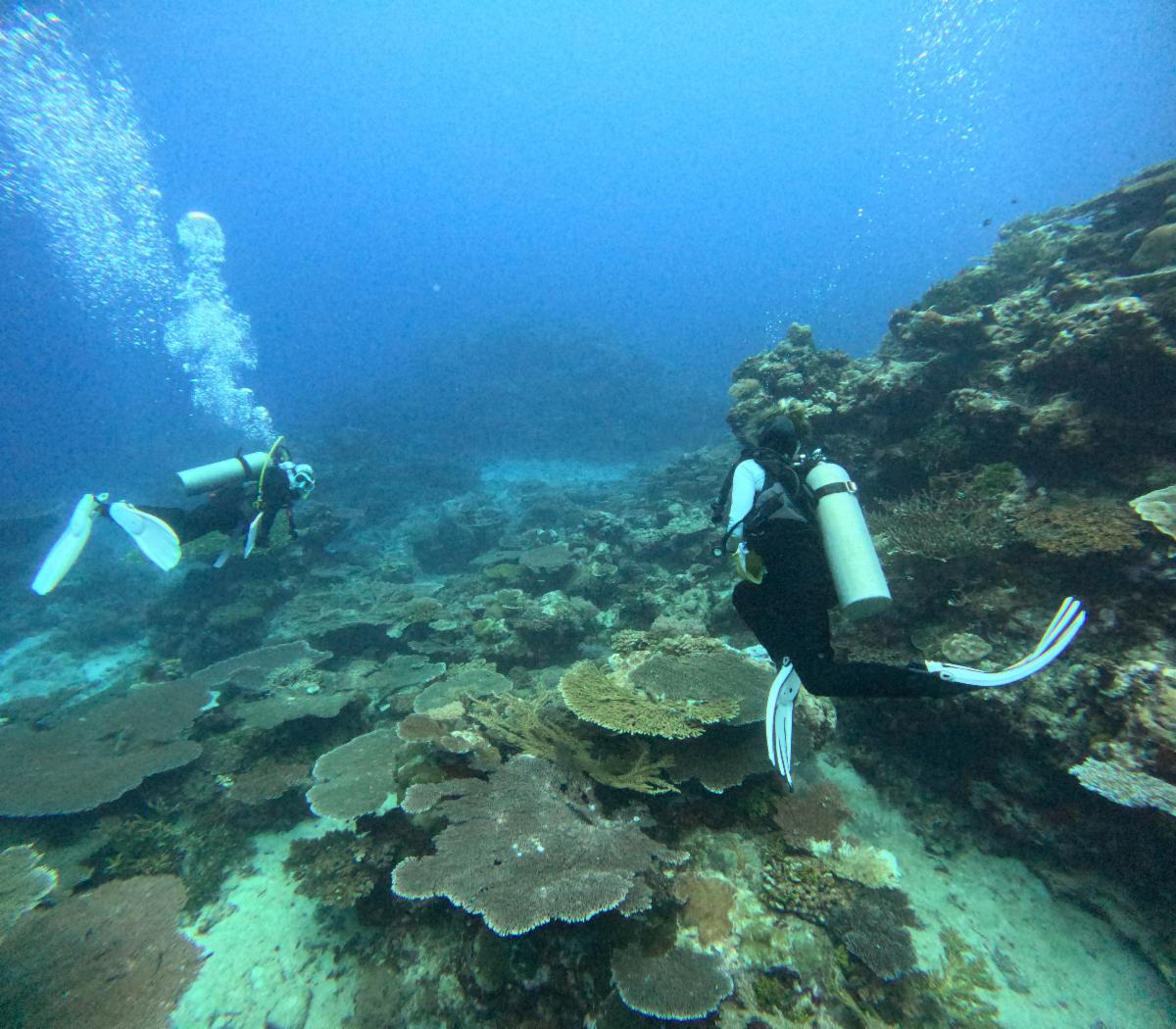
CRRF played an integral role in the deployment of 27 RBR pressure sensors along the coast of East Babeldaob by the PacIOOS Wave-Driven Coastal Processes (WaveCPR) group. CRRF picked up the sensor shipment, and provided the group with a staging area to assemble the instruments during their trip to Palau. CRRF supplied materials such as weights, coordinated with the local dive shop to provide tanks for underwater deployments, and allowed access to one of their vessels. Several CRRF employees also accompanied the group on deployments and provided additional hands in the field. The deployed sensors will remain at their sites for six months; once retrieved the data will be used by the WaveCPR group to develop a 6-day wave run-up forecast for the region.

[Photo: Lucia Hosekova and Kate O'Malley swimming to sensor deployment site. Credit: PacIOOS]


Beyond logistical support, CRRF shares their vast knowledge of Palau, and helps communicate with government and community members to ensure PacIOOS projects and deployments are successful. MAHALO for your partnership, and dedication to ensuring ocean data is available and accessible for your coastal communities!


Click here to explore PacIOOS tools and services currently available for Palau, and stay tuned for upcoming releases! 

PacIOOS ʻOhana

Welcome Abby Moeras

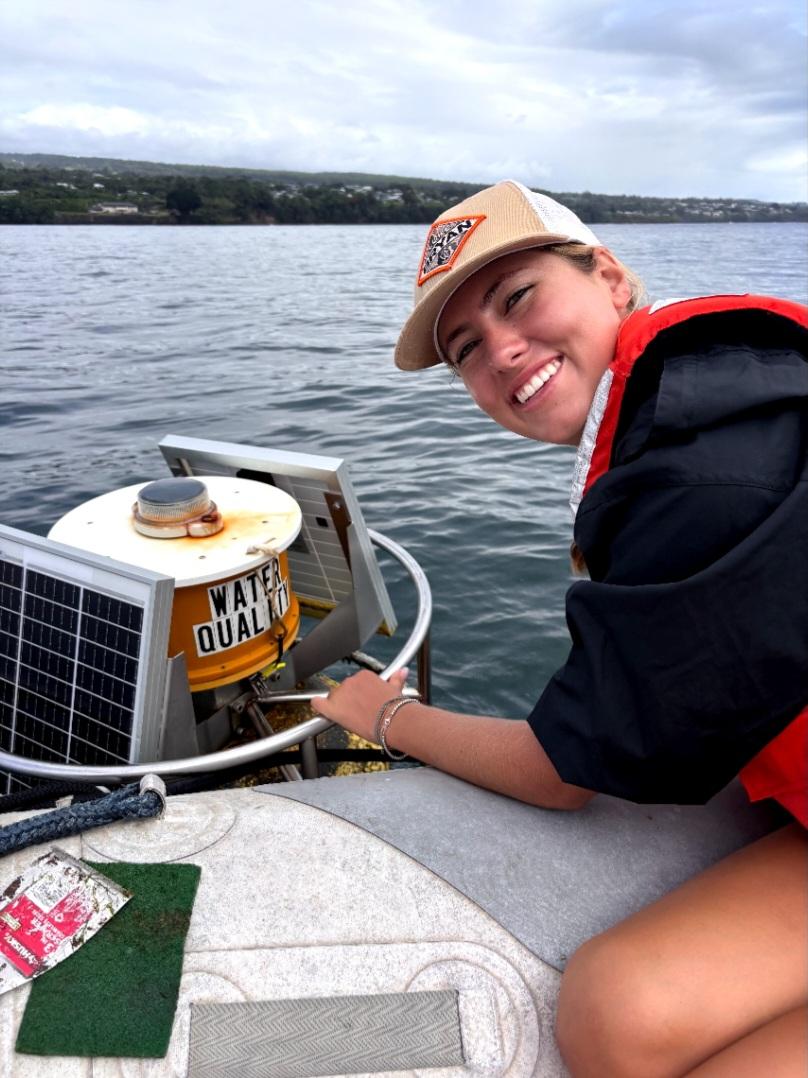
Abby is a second-year student at the University of Hawaiʻi at Hilo working toward a Bachelor of Science in marine science and her Marine Option Program (MOP) Certificate. This summer she attended UH Hilo’s Quantitative Underwater Ecological Survey Techniques (QUEST) program and received her AAUS Scientific Diver Certification. Abby is excited to join the PacIOOS team, working to maintain the water quality buoys on Hawaiʻi Island. She hopes to develop a dive plan to better assess the buoys and discover what lies beneath the surface. [Photo: Abby with the Hilo Bay water quality buoy]

Meet PICH Fellow Maverick Jagon

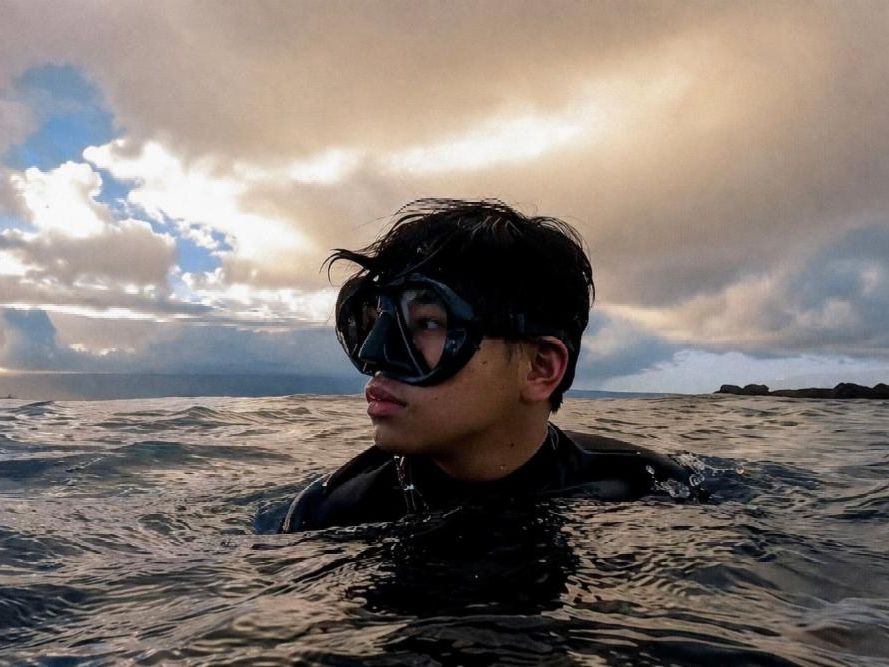
Coming from American Samoa, Maverick holds degrees in marine science from American Samoa Community College and the University of Hawaiʻi at Hilo, bringing a background that ranges from environmental monitoring at Rose Atoll to training students in Palau on Remotely Operated Vehicles (ROVs). Now, as a Pacific Islands Coastal Health Fellow with Conservation International Hawaiʻi’s Center for Oceans, his work focuses on community-based conservation, science communication, and sustainable seafood solutions like turning fish byproducts into fish leather. Outside of his fellowship, Maverick is an avid freediver and underwater photographer and is always looking for creative ways to blend ocean tech, photography, and community outreach. [Photo: Maverick diving. Credit: Maverick Jagon]

 
Facebook  Instagram  LinkedIn