|
A Note on Dynamic Policy Landscape
We remain committed to providing timely updates on key health care policy developments. However, many of the changes highlighted this month are complex and lack full guidance from federal agencies, making it difficult to immediately assess their impact on our organization.
The Government Relations team is actively monitoring these changes and working to interpret what they mean for our employees, patients, and the communities we serve. If you have any questions, please contact us at GovernmentRelations@AltaMed.org.
| | |
Government Shutdown
On Wednesday November 12, the U.S. House of Representatives passed a bipartisan bill, officially ending the longest shutdown in U.S. history. President Trump signed the spending package shortly after, allowing federal agencies to reopen overnight. The agreement funds most federal agencies through January 30, 2026.
Key Points
- The government is fully reopening. Several important health programs will continue to receive funding through January 30, 2026 including the Community Health Center Fund, National Health Service Corps, and the Teaching Health Center Graduate Medical Education Program (THCGME).
- Three funding bills will be enacted for the full year: Agriculture, Military Construction and Veterans Affairs, and the Legislative Branch. This includes full funding for SNAP, the food assistance program.
- All furloughed or unpaid federal employees will receive back pay. Employees who were laid off during the past 40 days will be allowed to return to work.
- Key Medicare programs will also keep operating during this period. This includes support for telehealth flexibilities.
We will continue to closely monitor the situation and provide updates as new developments arise.
SNAP Benefits Restored
The Supplemental Nutrition Assistance Program (SNAP) is funded through the U.S. Department of Agriculture (USDA). Because the new federal spending package includes full-year funding for USDA, SNAP benefits (CalFresh in California) are now funded through September 2026. According to the Department of Public Social Services (DPSS), all CalFresh recipients in Los Angeles county have received their full benefits for November.
In California, Gov. Newsom has also taken additional steps to support families. The state is providing up to $80 million in state funding and deploying the California National Guard and California volunteers to support food banks — using the same emergency approach first implemented during the COVID-19 pandemic. Los Angeles county expanded its response as well, approving a $10 million agreement with the Los Angeles Regional Food Bank to increase food purchasing and distribution capacity for November. In Orange county, CalOptima Health has allocated $8 million to support food banks and provide $25 grocery cards to Medi-Cal members.
If you know someone who could use assistance, our social care network, AltaMed Helps, makes it easy to find nearby food pantries by entering a ZIP code and the type of help needed.
Key Points
- SNAP (CalFresh) is fully funded through September 2026 and all November benefits in Los Angeles County have been fulfilled.
- California is allocating $80 million and mobilizing the National Guard and California Volunteers to support food banks.
- Local partnerships in Los Angeles and Orange counties are expanding to fill immediate nutrition gaps created by the lapse in federal funding.
Health Insurance Premium Hikes Due to Uncertainty Around ACA Subsidies
Open enrollment began on November 1 and many consumers are seeing higher health insurance premiums as the enhanced premium tax credits (eAPTCs), which lower monthly costs are set to expire at the end of the year. A new analysis released on Thursday, October 30 found that Marketplace premiums for 2026 are projected to rise by an average of 26% — with increases closer to 30% in states that use the federal Marketplace and about 17% in states that run their own. Because the recent government funding package does not include an extension of the eAPTCs, millions of people could see their monthly premiums more than double.
Key Points
- Premiums for ACA health plans are projected to increase significantly in 2026.
- The enhanced tax credits are set to expire at the end of the year, unless Congress renews them.
- Many consumers are already experiencing “sticker shock” as they review 2026 plan options.
- States and health plans are preparing contingency plans, including adjusting rates, updating notices, and planning outreach, on very tight timelines.
Centers for Disease Control and Prevention Shifts Vaccine Policy, Reverses Course on COVID-19 and MMR Guidance
On Monday, October 6, the Centers for Disease Control and Prevention (CDC) announced major updates to its vaccine recommendations. The agency is ending its “recommended for all” guidance for COVID-19 vaccines and is urging manufacturers to develop separate measles, mumps, and rubella vaccines.
Preemptively, last month Gov. Newsom signed AB 144: Protecting California’s Public Health Care Framework. This new law protects Californians’ access to critical health services including vaccines, gender-affirming care, and reproductive health services, regardless of future federal actions. AB 144 allows California to set its own public health standards and to base immunization guidance on evidence-based recommendations from professional medical organizations.
Key Points
- In California, AB 144 requires Health plans to cover vaccines that are recommended by the California Department of Public Health (CDPH) and providers who follow CDPH guidance are protected from liability.
- COVID-19 vaccines will still be available and covered by insurance, but the shift away from a universal recommendation may create confusion and could reduce vaccination rates.
- The CDC is encouraging vaccine manufacturers to create standalone measles, mumps, and rubella vaccines, which would represent a significant change from the long-used combined MMR formula.
- Public health experts warn that separating the MMR vaccine could make childhood vaccination schedules more complicated, potentially lower vaccination uptake, and increase costs.
| | |
End of California Legislative Session
The California Legislature adjourned its 2025 session on Saturday, September 13, with 794 bills signed and 123 vetoed by Gov. Newsom. This session marked significant reforms in housing, health care affordability, energy, fire relief, labor, and immigration. While several AltaMed-supported bills advanced, key health care measures were vetoed due to ongoing fiscal constraints.
Notable Outcomes:
Proposition 50 passed with strong voter support. The measure would temporarily transfer responsibility for drawing California’s congressional district maps from the independent Citizens Redistricting Commission to the State Legislature, starting in 2026 through 2030.
- California Enacts Patient Privacy Protections in Health Care Settings
On Saturday, September 20, Gov. Newsom signed SB 81 (Sen. Jesse Arreguín), requiring health care providers to ensure patient care spaces remain safe and private. The law prohibits sharing a patient’s immigration status or place of birth for immigration enforcement without written consent or a court order and bars immigration agents from entering nonpublic clinical areas without a judicial warrant. Providers must comply by Tuesday, November 4.
- California Prohibits AI Chatbots from Impersonating Licensed Clinicians
On Thursday, October 30, California enacted AB 489, which prohibits AI chatbots from presenting themselves as licensed medical or mental health providers. Lawmakers stated the law aims to safeguard patient safety as virtual care and AI-based tools continue to expand.
Looking ahead, California’s structural budget deficit, combined with the ongoing federal shutdown and unstable tax revenues, continues to create financial uncertainty for safety-net providers. The Government Affairs team will continue to closely monitor the implementation of these new laws, budget actions, and regulatory developments that may impact the operations, patients, and communities at AltaMed. We will share updates and guidance as more information becomes available.
Legislative Analyst’s Office Warns of Medi-Cal Coverage Risks Amid Federal Reductions
On Friday, October 24, the Legislative Analyst’s Office reported that potential federal Medi-Cal cutbacks could result in coverage loss for up to 1.2 million Californians and create significant funding gaps for providers across the state. The report warns that without new federal agreement or state intervention, hospitals, clinics, and community health centers may face severe financial strain and reduced service capacity.
New Prior Authorization Timeframes Set for Medicare Advantage and Medicaid
On Monday, October 27, CMS confirmed new rules taking effect January 1, 2026, requiring Medicare Advantage and Medicaid plans to resolve standard prior-authorization requests within seven days and expedited requests within 72 hours. The changes are intended to reduce administrative burden for physicians and speed patient access to care. Read more on RSM Real Economy.
| | Community and Policy Engagement | | |
Across community meetings, local events, and digital engagement, AltaMed remains deeply connected with our elected officials and community partners to improve health outcomes and emphasize the essential role of health centers.
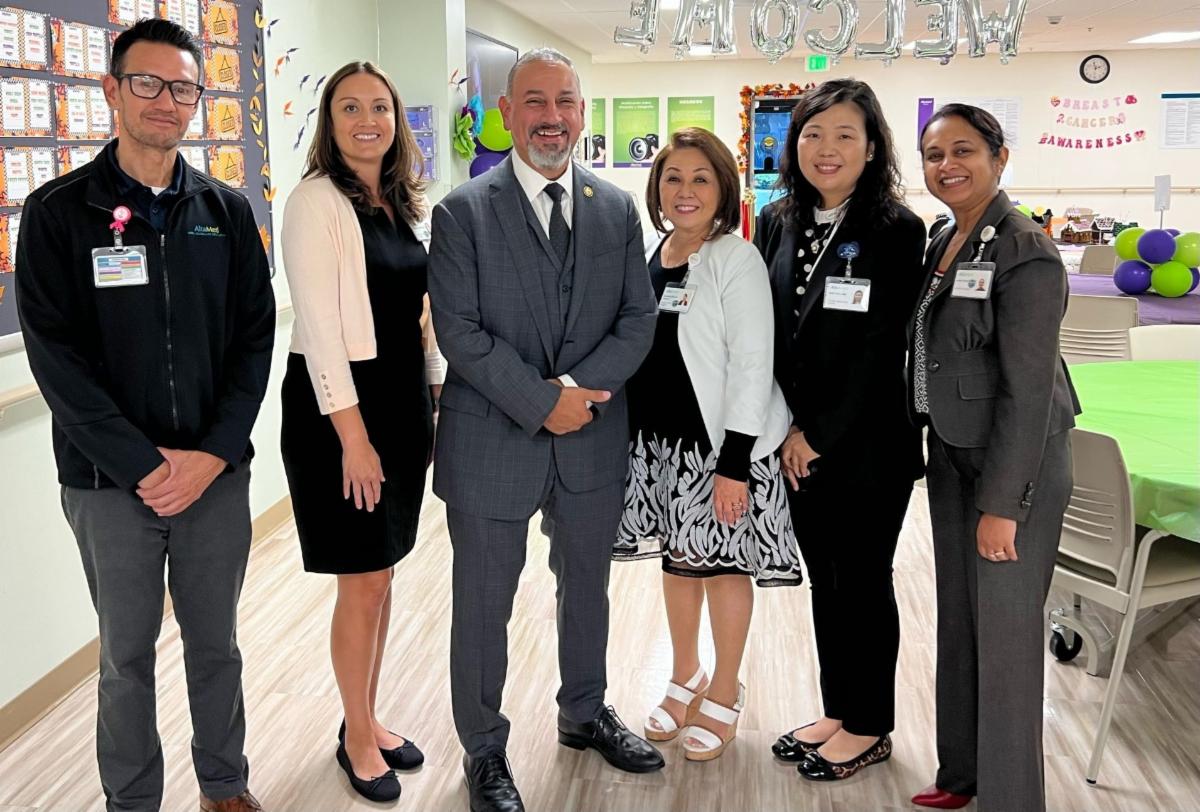
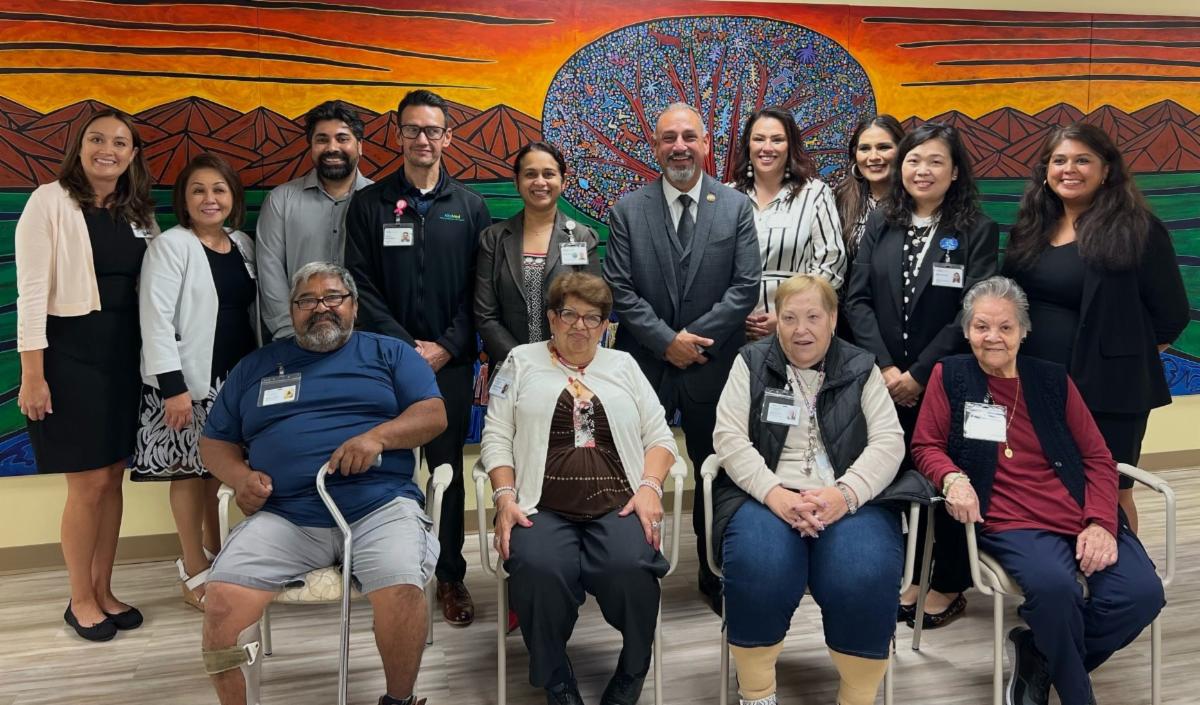
AltaMed PACE – West Covina Tour with Congressman Gil Cisneros
On Wednesday, October 1, AltaMed hosted Congressman Gil Cisneros (CA-31) for a tour of AltaMed PACE — West Covina. The Congressman had the opportunity to meet participants and employees, observe onsite care services, and discuss ongoing federal funding priorities for PACE programs and community health centers.
| |
2025 California Primary Care Association Annual Conference
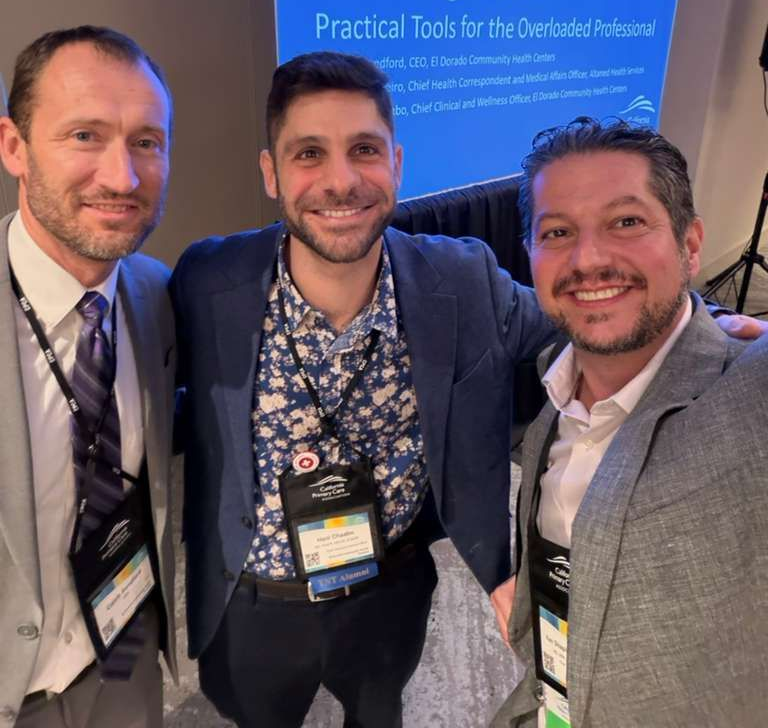
From Thursday, October 30 to Friday, October 31, the Government Relations team joined the California Primary Care Association Annual Conference, which brought together health center leaders, advocates, and partners for two inspiring days of learning, connection, and collaboration.
AltaMed played a key role in two panels: “When the Smoke Clears: Community Health Center Response and Recovery from the L.A. Wildfires,” which reflected on how community health centers serve as anchors in times of crisis and demonstrate our collective capacity for care; and “AI for Beginners,” which offered practical tools for streamlining workflows and maximizing impact. The conference was a powerful reminder of our shared commitment to building systems that honor the strength and resilience of our communities.
|
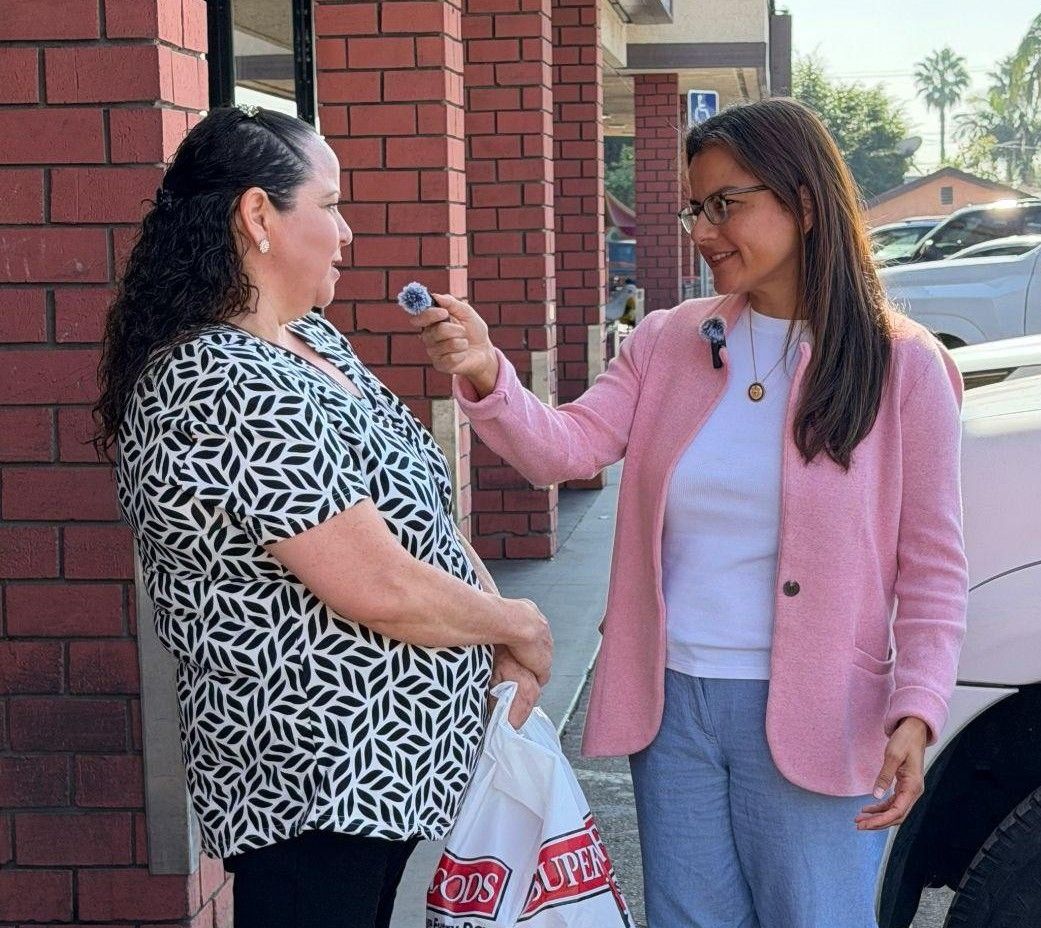
Elevating Voices on Enhanced Premium Tax Credits with Representative Nanette Barragán
On Friday, October 24, the Government Relations team engaged with Congresswoman Nanette Barragán to share patient impact stories illustrating how the expiration of enhanced premium tax credits would affect families in her district. These stories help highlight the real-life consequences of rising coverage costs and support continued advocacy for affordable care. Watch the video here.
| |
AltaMed PACE – Sunland Grand Opening and Mural Unveiling
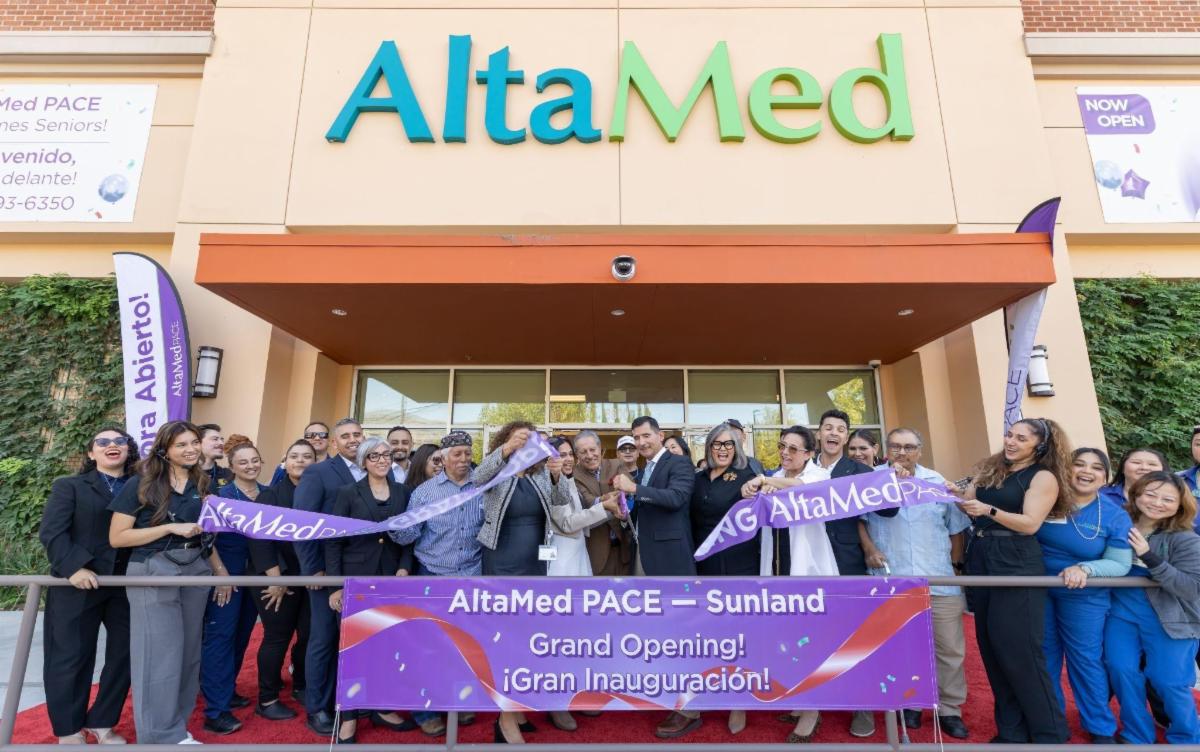
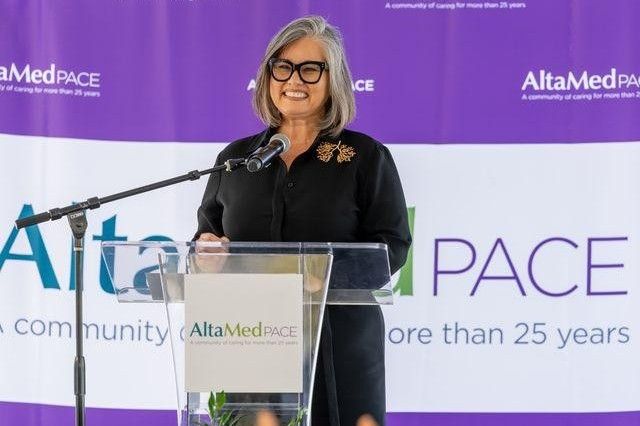
On Friday, October 24, AltaMed proudly opened its new AltaMed PACE – Sunland site, expanding access to high-quality, community-based care for older adults in the San Fernando Valley. Councilwoman Monica Rodriguez and staff from the offices of Senator Caroline Menjivar, Assemblymember Pilar Schiavo, and Supervisor Kathryn Barger joined AltaMed in celebration. The center will support up to 600 participants with integrated medical, social, and wellness services.
| |
California Becomes First State to Ban Ultra-Processed Foods in School Meals
On Wednesday, October 8, Gov. Newsom signed AB 1264, making California the first state to phase out ultra-processed foods containing harmful additives from public school meals. The law complements the state’s Universal School Meals Program and aims to improve child nutrition amid rising youth prediabetes rates. Read more on Gov.CA.gov.
State Awards $140 Million to Support Planned Parenthood Clinics
On Friday, October 24, California awarded $140 million to Planned Parenthood to help maintain clinic operations amid ongoing federal funding uncertainty. The funding supports reproductive, preventive, and primary care services for low-income communities. Read more on CalMatters.
Senate Votes to Reverse Global Tariffs to Ease Medical Supply Costs
On Thursday, October 30, the U.S. Senate approved a resolution nullifying global tariffs imposed by President Trump, a move expected to reduce pharmaceutical and medical equipment import costs. Economists noted the decision could help stabilize pricing and supply chains. Read more on Reuters.
| |
Coalition Sues to Block $100,000 H-1B Visa Fee
On Thursday, October 9, a coalition of health care, religious, education, and advocacy organizations filed suit in federal court in San Francisco to halt the Trump Administration’s newly imposed $100,000 H-1B visa fee. The groups argue the fee was enacted without legal authority and threatens staffing pipelines for critical sectors, including health care and education. The lawsuit emphasizes that the H-1B program is a key pathway to hiring specialized professionals, supporting U.S. innovation and workforce capacity. Read more on AP News.
Federal Judge Restricts the Department of Homeland Actions Against Journalists at Protests
On Thursday, October 9, a federal judge in Illinois issued a 14-day injunction limiting how Department of Homeland Security (DHS) agents may interact with journalists covering protests. Under the order, agents are barred from using riot-control weapons or making arrests of reporters unless there is probable cause. The ruling responds to reports of journalists being harmed while documenting immigration enforcement activity near an Immigration and Customs Enforcement facility. Read more on DHS.gov.
Immediate Impact Fund Now Active
The AltaMed Foundation launched the Immediate Impact Fund to support patients and participants, who are experiencing urgent needs. Please refer to the Wednesday, July 2 memo from Zoila D. Escobar, Executive Vice President and Chief Administrative Officer, President, AltaMed Foundation, on how to help support patients and participants facing urgent hardships.
| | |
While we remain focused on delivering uninterrupted care, all employees are encouraged to review internal resources on Town Square for support and guidance:
Reminders
Employees should not sign on to any letters or provide public comment on policy issues on behalf of AltaMed without prior coordination and approval from the Government Relations team.
Please remember that any meetings, visits, or communication with dignitaries and elected officials must be coordinated through the Government Relations department. Please refer to the Dignitary Meetings or Visits policy (LD-GVR-003) for guidance. Coordinating these efforts with Government Relations ensures that AltaMed is consistently and accurately represented.
| |
Contact Us
If you have any questions regarding these updates or any Government Relations inquiries, please email GovernmentRelations@AltaMed.org.
Stay Informed On Town Square
All related resources, FAQs, and up-to-date information can be found on Town Square. We encourage all employees to visit regularly to stay informed.
Sign Up for “In Case You Missed It”
For news and media information, sign-up for “In Case You Missed,” a compilation of AltaMed news coverage that includes a sampling of interviews and articles highlighting the work of the organization’s experts, teams, and leaders, while also spotlighting key developments in the health care industry.
| | | | |