Alzheimer's Disease, Dementias and Healthy Aging
March 2026 Newsletter
| | |
Rheumatoid Arthritis and Your Brain
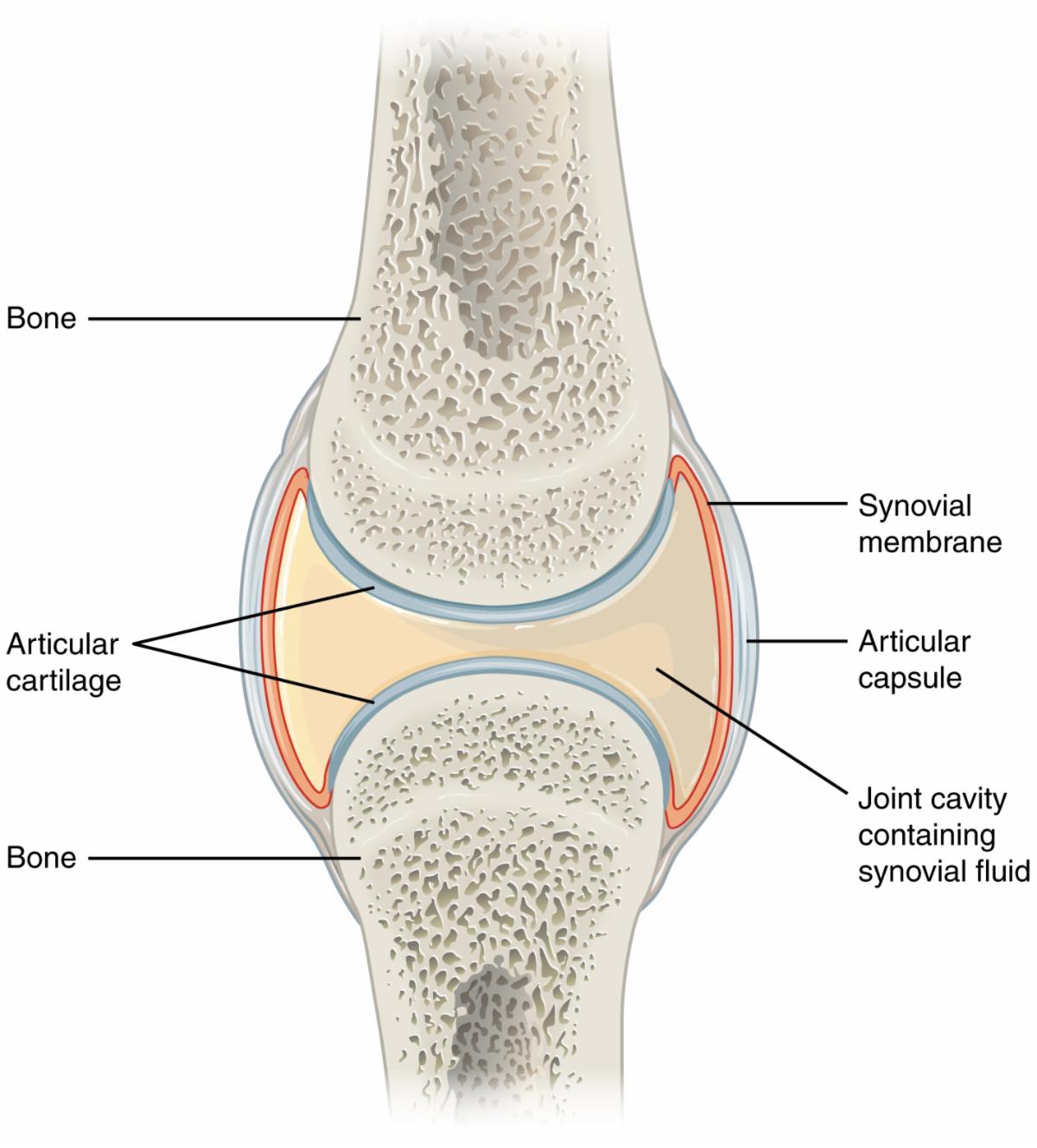
Rheumatoid arthritis (RA) is an autoimmune disease in which the immune system attacks the synovium, the tissue on the inner surface of joints. This causes chronic joint inflammation, pain, stiffness, and, over time, joint damage and deformity. Because this inflammation is ongoing and systemic, RA can also affect organs beyond the joints—including the eyes, lungs, heart, blood vessels, and importantly, the brain. Persistent inflammation is linked to changes in mental function, including mild cognitive impairment (MCI), which involves noticeable declines in memory, concentration, problem-solving, and learning, though it is not the same as dementia or Alzheimer’s disease. People with MCI can still manage daily activities, but both RA and MCI are associated with a higher risk of developing dementia over time. Encouragingly, treatments that reduce inflammation may also protect brain health: a large three-year study of 141,000 adults with RA found that those treated with newer biologic medications developed dementia 19% less often than those on traditional therapies. While not definitive, these findings suggest that effectively controlling inflammation in RA may help reduce its impact on cognitive function as well as joint damage.
| | |
The U.S. Study to Protect Brain Health Through Lifestyle Intervention to Reduce Risk (U.S. POINTER) is a two-year clinical trial to evaluate whether lifestyle interventions that simultaneously target multiple risk factors can protect cognitive function in older adults (age 60-79) at increased risk for cognitive decline. U.S. POINTER is the first such study to be conducted in a large group of Americans. Approximately 2,000 volunteer older adults, who were at increased risk for dementia, were enrolled and followed for two years. Two lifestyle interventions were compared, which varied in their intensity and format. Eligible volunteers were randomly assigned to these interventions to evaluate whether cognitive benefits from a structured program differ from a self-guided program. Study results show both interventions improved cognition, but the cognitive benefits were even greater for participants in the more structured intervention group.
The U.S. POINTER Brain Health Recipe
This is the regimen followed by the structured group in the US Pointer Study:
-
Physical exercise: 30-35 minutes of moderate-to-intense aerobic activity four times a week, plus strength and flexibility exercises twice a week.
-
Cognitive exercise: Computer-based brain training program three times a week for 30 minutes, plus regular engagement in other intellectually challenging and social activities.
-
Nutrition: Adherence to the MIND diet, which emphasizes dark leafy greens, berries, nuts, whole grains, olive oil and fish, and limits sugar and unhealthy fats.
-
Health monitoring: Regular check-ins on blood pressure, weight and lab results.
| | |
Vascular Cognitive Impairment and Vascular Dementia
Vascular cognitive impairment is a term used to describe the changes in thinking and memory that occur when there isn't enough blood flow to part of the brain. Vascular cognitive impairment can cause issues with language, decision-making, planning and judgment. Previously, only the term "vascular dementia" was used to describe memory and thinking changes caused by problems with blood flow. But experts started using the term "vascular cognitive impairment" because it better represents the wide range of types and the severity of cognitive changes caused by vascular problems. Both terms still are used, but now they are used to describe different points on the spectrum of dementia:
-
Vascular cognitive impairment (vascular mild cognitive impairment, mild VCI, VaMCI). This term indicates milder symptoms that don't affect daily living. These changes mostly affect thinking skills, memory, focus and language.
-
Vascular dementia (vascular major cognitive impairment, major VCI, VaD). This term describes significant symptoms of dementia that affect daily living. Symptoms may be similar to vascular mild cognitive impairment but are more severe and may be more like symptoms of Alzheimer's Disease. Vascular dementia sometimes is called major vascular cognitive impairment.
The most common symptoms of vascular dementia during the early stages are:
- problems with planning or organising, making decisions or solving problems
- difficulties following a series of steps (such as when cooking a meal)
- slower speed of thought
- problems concentrating, including short periods of sudden confusion.
A person in the early stages may also have difficulties with their memory and their language.
| | |
University of VT Health Network
Dementia Family Caregiver Center
Have You Cared for a Family Member with Dementia?
The Center is seeking volunteer mentors to help folks new to dementia caregiving, in our upcoming Peer to Peer Mentoring Program. As a mentor you will have the opportunity to share your skills, give back, ease isolation, offer listening, guidance and compassion. Contact UVM Health Dementia Family Caregiver Center at DFCC@uvmhealth.org to learn more.
Are You a Caregiver Currently Caring for a Family Member with Dementia?
The Peer to Peer Mentoring Program will match family caregivers (mentees) with former caregivers with lived experience (mentors) in this 6 month volunteer program. This experience will provide support and guidance, with someone who understands the challenges caregivers face, someone who has been there. Through this, you will feel supported and encouraged, learn about valuable resources, and benefit from the experiences of a peer.
Contact UVM Health Dementia Family Caregiver Center at DFCC@uvmhealth.org to learn more.
| |
Mindfulness Speaker Series:
Mindfulness, Dharma and the Ethos of Reconciliation
Tuesday, March 24 at 12:00-1:00pm ET
(virtual)
In a fireside-style dialogue, Bob Stahl and Lynn Koerbel explore the links among ancient teachings and personal practice with a focus on reconciliation across inner divides, cultural contexts and systems of care. Drawing on decades of experience teaching Mindfulness-Based Stress Reduction , Stahl shares insights from his work in retreats and teacher training. The session offers reflection and a call to renew the foundational intentions of mindfulness practice during times of stress,fragmentation, and change.
Bob Stahl, PhD, is a longtime mindfulness teacher, author, and educator who has played a foundational role in the development and dissemination of Mindfulness-Based Stress Reduction (MBSR). He founded multiple MBSR programs in medical centers across the San Francisco Bay Area and has taught mindfulness meditation retreats worldwide, drawing on decades of practice and study.
| | |
Did someone share this email with you? Sign-up to subscribe to this newsletter.
Alzheimer's Disease and Healthy Aging Program
March 2026
| | | | |