ACA NEWS

Alzheimer's Updates & News for Families and Caregivers

June 5, 2026


📣 Alzheimer's of Central Alabama Announcements

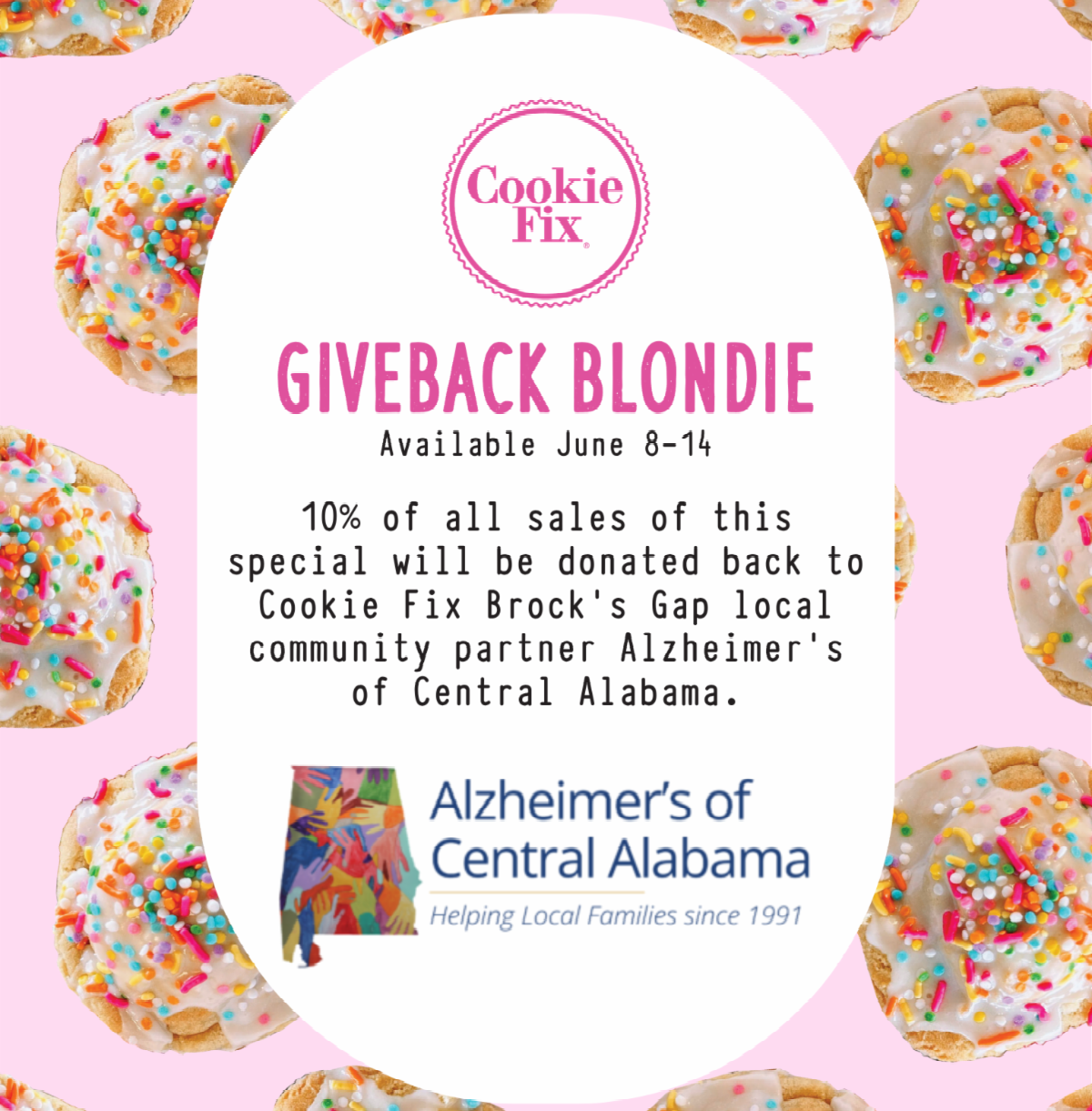
Need a Cookie Fix?


Stock up on delicious Blondie cookies from the Brock's Gap Cookie Fix location!


📅 June 8 - 14, 2026

⏰ all day

📍 1021 Brocks Gap Pkwy, Ste 109, Bham 35244


Buy a Blondie and tell them we sent you!


ACA receives 10% of sales this week.

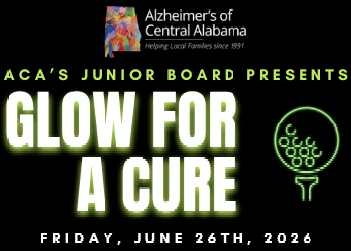
Join ACA’s Junior Board for Fun — Even if You Don’t Golf


You don’t have to play golf to participate in Glow for a Cure.


Spectator tickets are only available for $50 and include dinner and drinks. Come participate in the silent auction, try your hand at the putting challenge.


Help support local families affected by Alzheimer’s while enjoying an exciting evening with the community.


📅 Friday, June 26, 2026

⏰ 5:00pm Tee Time

6:30pm Silent Auction & Dinner

📍 Highland Park Golf Course


Glow for a Cure supports the Lindy Harrell Predoctoral Scholars Program in Alzheimer’s research at UAB.


Register your team, sponsor a hole, or get your tickets today: alzca.org/glow


🧩 Caregiver Support Group Meetings

undefined

Support groups have been updated and few new ones have been added to More Support Groups!


ACA’s Coffee Talk with Miller & Vance, Tuesdays, 11 – noon CT. 
Join us:
https://us02web.zoom.us/j/85247427423

Questions? (205) 871-7970 or
aca@alzca.org


💬 Caregiver Corner: Why Earlier Detection Matters

We've talked about why earlier detection matters many times. A new brain imaging test is working to make diagnosis even earlier.


Researchers at the University of Pittsburgh have developed a new brain imaging test that may detect a key sign of Alzheimer’s disease earlier than current methods. The test uses a PET scan to identify tau tangles, a protein buildup in the brain that is closely linked to symptoms and future cognitive decline.


In a recent study, the new imaging tracer detected tau buildup earlier and more effectively than the tracer commonly used in clinical practice. Researchers say this could help doctors better identify who is on an Alzheimer’s disease path and may benefit from emerging treatments or participation in clinical trials.


The test is still being studied and is not yet approved for routine clinical use. However, the findings represent an important step toward earlier and more precise detection of Alzheimer’s disease.


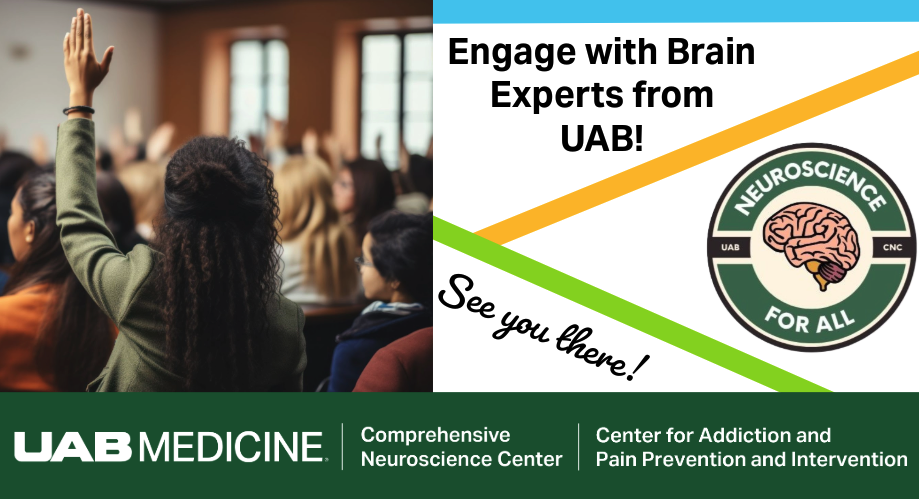
🌟 Happenings: UAB Brain Chats

This month's UAB Brain Chat is about neurodivergent individuals, including those with ADHD and autism and how they face higher rates of substance use — influenced by differences in brain-based reward and regulation systems, as well as stress, stigma, and misunderstanding. In this accessible talk, Dr. Heather Relyea Ashley will explain the science behind this risk and offer practical tools to build connection, reduce shame, and support families with compassion. 


📅 Saturday, June 13, 2026

⏰ 11am-12pm CT

📍 Hoover Public Library, Fitzgerald Room

✅ Free, no registration required


📌 News You Can Use: "What do we know about Alzheimer's disease and what brings us hope?"

Stanford Podcast Part 2

Following Part 1 of the Alzheimer’s episode, Sharon Sha, MD, MS, clinical professor of adult neurology at Stanford, speaks to the practical questions patients and families have when receiving an Alzheimer’s diagnosis and how she helps her patients navigate their health journeys.


What This Means for Families

  • Earlier detection may lead to earlier support and planning
  • Research continues to improve our understanding of how Alzheimer’s develops
  • New treatments are creating hope, even as scientists work toward more effective options
  • Education, support, and healthy lifestyle habits remain important tools for families today


While there is still no cure, progress in Alzheimer’s research continues to move forward—and with it, hope for the future.


Read the story that inspired this podcast. We'll include the link to Part 2 next week!


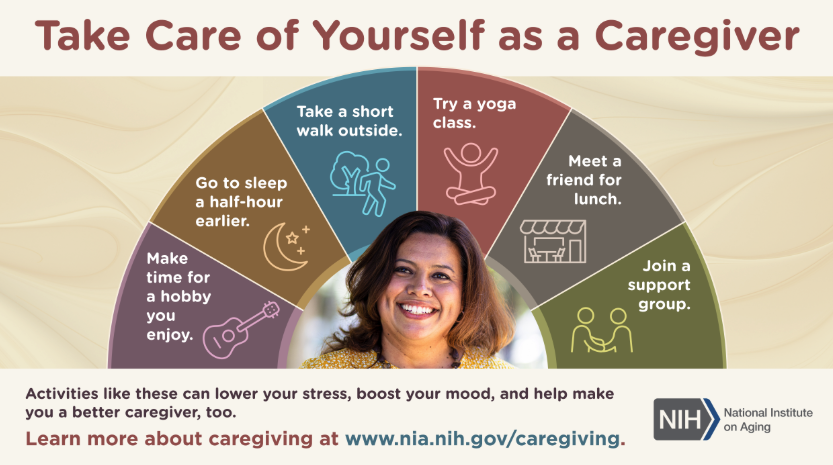
🧠 Activity of the Week: Caregiver Self-Care (You!)

As a caregiver, taking care of yourself is just as important as caring for others. You cannot pour from an empty cup.


This week, schedule a little time just for you:

🚶 Micro-Walks: Take a brisk 10–15 minute walk outdoors for fresh air, gentle movement, and a quick mental reset.


🛁 Spa Time at Home: Set aside 20 minutes to relax with a calming playlist, a hot shower, or a soothing foot soak.


💙 Make It Your Own: Choose activities that feel enjoyable and restorative to you. Self-care can be as simple as reading, stretching, gardening, listening to music, or enjoying a favorite beverage in a quiet space.


Remember: Always tailor activities to your current energy level, schedule, and physical abilities. Even small moments of self-care can help reduce stress and improve overall well-being.


❓ Newsletter & Website Feedback

Send us an email with your comments and questions.


🤝 How You Can Help

Every contribution makes a difference - support Alzheimer's of Central Alabama.

 
Facebook  Instagram  LinkedIn