|
MPHA Signs on to Amicus Brief in Grants Pass Case
The City of Grants Pass, Oregon is the subject of a lawsuit on behalf of people who are unhoused that will be heard by the U.S. Supreme Court on April 22, 2024. MPHA, along with APHA and dozens of medical and public health professionals, joined an amicus brief to oppose the criminalization of being unhoused and to support the rights of those who sleep in public areas. This case has widespread implications for how we address the needs of people facing homelessness, substance use disorders, and mental health challenges. Jail time and fines will not solve our housing crises. Rather than criminalizing homelessness, local governments should deploy public health solutions such as affordable and accessible housing, behavioral health services, and other supports. Read the full amicus brief here that also addresses the health benefits of sleep and the right of those sleeping outside to protect themselves from the elements.
| |
In any given week, MPHA staff is out and about conducting trainings, presenting at conferences, meeting with neighborhood groups and advocacy partners, and building community to promote public health. Here’s a quick snapshot of where we’ve been and where we’re going next! | |
|
MPHA Building Connections in Central Massachusetts
You’re invited to join us on May 16th in Leominster at “Bridges to Health: Building Thriving Community Partnerships.” MPHA is co-hosting and presenting at this free half-day symposium focused on public health in North Central Massachusetts. For program details and to register, click here.
| |
|
Together for Hope: Boston Addiction Conference 2024
MPHA staff led two panels at this well-attended conference hosted by Boston Medical Center’s Grayken Center for Addiction to address the opioid and substance use crisis touching every community of Massachusetts. While recordings are not available, you can read BMC's HealthCity story from the opening remarks and keynote event.
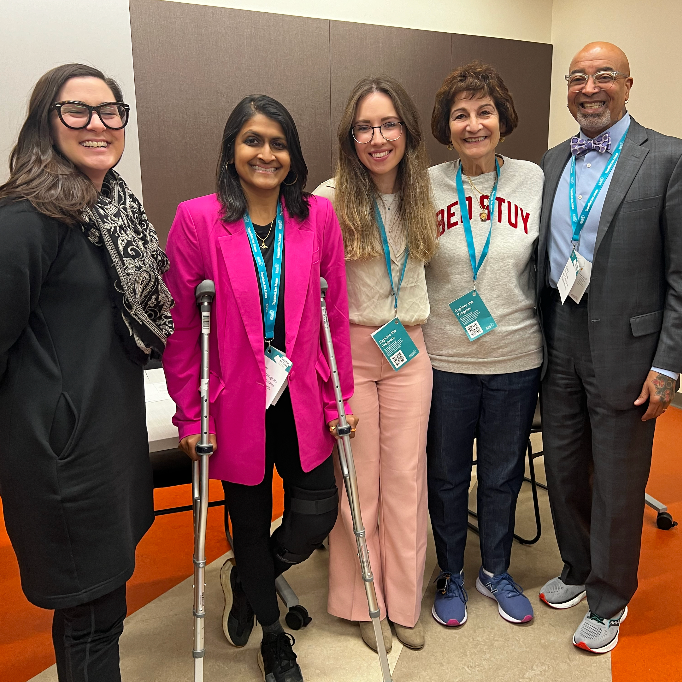
Alexis Walls, MPHA Assistant Campaign Director, and Jeneczka Roman, MPHA Assistant Director of Advocacy and Communications, co-led an “Advocacy 101 For Healthcare Professionals” workshop to demystify the advocacy and legislative process and help attendees better understand effective strategies for engaging with state lawmakers.
Oami Amarasingham, Esq., MPHA Deputy Director, moderated a panel with colleagues from the Boston University School of Public Health, Fenway Health, and the City of Worcester, that explored the legacy of racism in drug policy and current progress toward centering public health strategies in Massachusetts entitled, “From the “War on Drugs” to Overdose Prevention Centers.”
| |
|
Congratulations Fairmount Indigo Collaborative Community Action 101: Advocacy Training Series Graduates!
One of MPHA’s core commitments is to partner with community-based organizations to help them increase their confidence to engage policymakers and navigate systems to bring about locally informed changes to policies, systems, and environments. For the past 2 years, MPHA has teamed up with the Fairmount Indigo CDC Collaborative (FICC) to help build the advocacy muscles of two cohorts of Boston residents. Through this series, participants have gained experience championing programs that align with FICC and MPHA priorities, including affordable housing and robust, sustainable transit. We had a blast celebrating with this year's cohort on graduation day at the Massachusetts State House on April 2. Special thanks to the MA Department of Public Health for supporting this equity framework approach for public health.
| |
|
Connecting with the Quaboag Connector
Our advocacy for regional transit takes us to every corner of the state, including the Quaboag Valley in West Central Massachusetts. We participate in the newly launched Micro Transit Learning Collaborative, facilitated by the Quaboag Valley CDC (QVCDC). Since 2017, QVCDC and the Town of Ware have partnered together to run the Quaboag Connector, a demand-response shuttle service covering nine towns, helping residents access healthcare, employment, and social resources. The Connector is a great example of a cross-sectoral collaboration that strives to meet the growing demand for sustainable, consumer-centered rural transportation models. The Micro Transit Learning Collaborative is a space for rural groups to come together and learn more about programs like the connector, which could be replicated in other parts of the state.
This FY25 budget cycle, MPHA is advocating for $15 million in transit innovation grants, which have the potential to boost funding for micro transit and other transportation programs that address gaps in transit in parts of the state that fall outside of core RTA service areas.
| |
|
TACKLE THE STRUCTURAL RACISM EMBEDDED IN THE HEALTH CARE SYSTEM
A recent editorial in The Boston Globe made a strong case for measures that would reduce direct out of pocket costs for health care. We couldn’t agree more that reducing costs is crucial, however, we know that alone won’t improve health. The Globe published our Letter to the Editor in which we point to the need to prioritize upstream public health approaches and solutions to tackle structural racism in healthcare, including statewide benchmarks and legislation like SAPHE 2.0 and An Act to Advance Health Equity to more comprehensively advance better health for everyone.
| |
|
HEALTH EQUITY IMPACTS OF STEWARD HEALTH CARE CRISIS
The potential loss of hospital access in communities served by Steward Health Care, a for-profit system threatening to close its doors in Massachusetts, requires swift action, especially since 70% of Steward patients are covered by Medicare and Medicaid. MPHA’s public comments were featured in the Boston Globe: “There are dramatic health inequities that are based on geography, that are based on race, that are based on income,” shared Carlene Pavlos, MPHA’s executive director. “The slightest tip in the health care landscape is going to always impact people who are already experiencing the worst health outcomes.”
MPHA also added our support to an effort being led by U.S. Senator Ed Markey, the Health Over Wealth Act, an ambitious piece of legislation that places health over wealth by demanding transparency and accountability in the health care sector and protects patients and providers.
| |
-
Budget Updates + Action Reminder: MPHA is actively supporting seven amendments to the House Ways & Means FY2025 state budget. There’s still time to add your voice. Click here to take action and help ensure that key health equity provisions on housing, food, transportation and more are included in the final House FY25 budget.
-
Lobby Day on May 2 at the State House. Legislators and community leaders will discuss three of our priority bills before we fan out to meet with as many state representatives and senators as possible to advocate for health equity policies that will help realize a healthier and more just Commonwealth! To register, click here.
-
Spring Awards Breakfast is 49 days away! Get your tickets today and enjoy the early bird discount through April 24.
| |
Thank you so much for supporting public health solutions. | | | | |