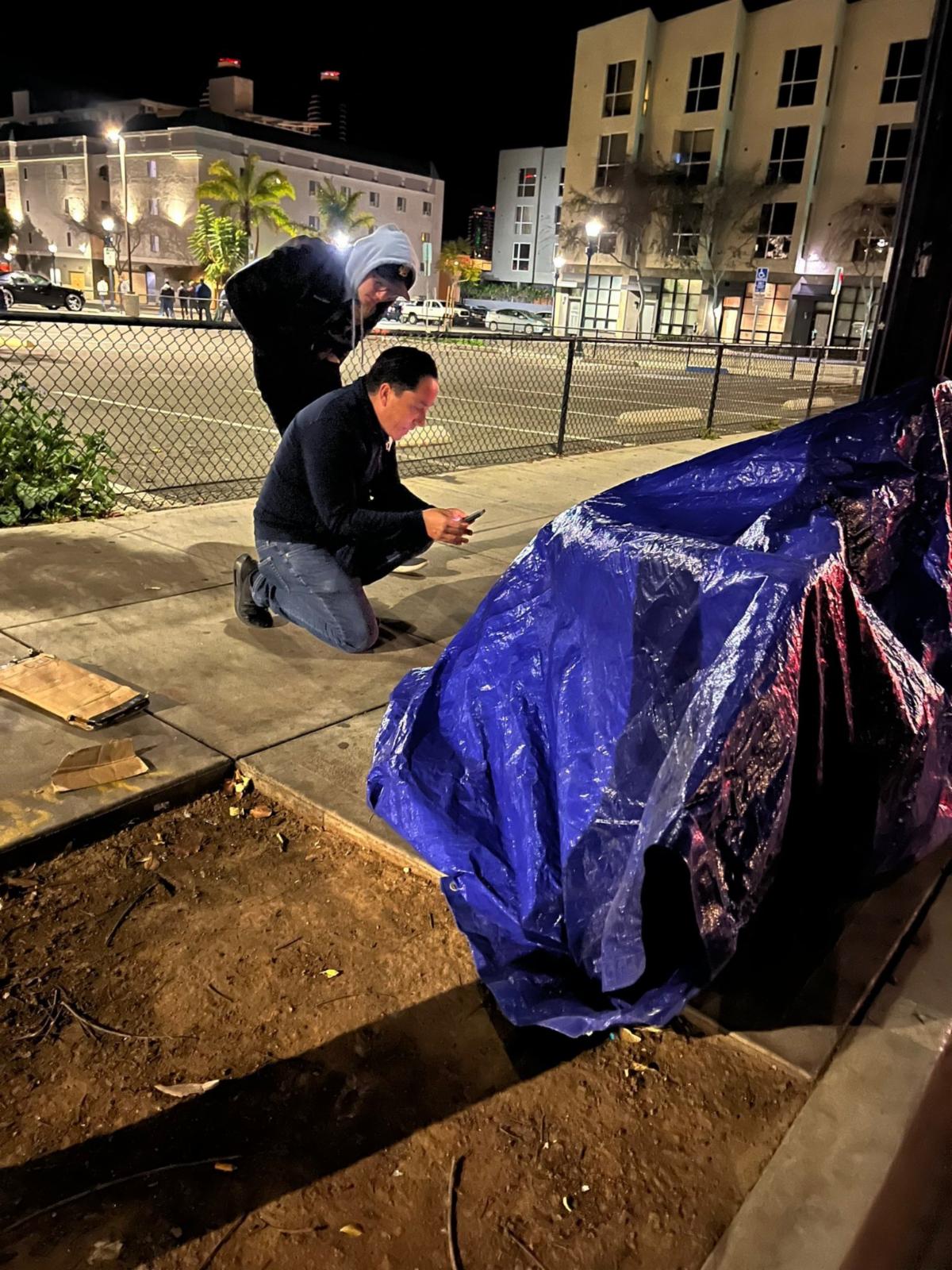
Addressing homelessness is one of my top priorities. Every single day, we are getting people off the street, connected to services and on a path to securing permanent housing.  


Latest News

The State of the City: Significant Progress Made to Address Homelessness, More to Do


While it’s true the solution to homelessness is a home, it’s not always that simple. As I shared in my State of the City address last week, the puzzle that is homelessness is an extraordinarily complicated one. That’s why my administration has pursued a comprehensive strategy that tackles homelessness from all angles. 


We have made significant progress to address homelessness over the past three years. 


Here’s a quick look at what we’ve done to date: 


• We opened a series of new shelters tailored to seniors, women, families, LGBTQ youth and people with substance-use issues. Since April 2021, we have more than doubled the options for people experiencing homelessness to come off the street. 


• We’ve maximized the space in our existing shelters and expanded our successful Safe Parking Program for people living in their vehicles. 


• We launched the Safe Sleeping Program to get people living in tents off streets and sidewalks. The program includes two sites with space for more than 1,000 people. In just a few months, this program has already moved more than 600 people off the streets. 


• I signed into law the Unsafe Camping Ordinance, which prohibits people from camping in public spaces when shelter is available. And, as has been reported, there has been a significant reduction in tents and people experiencing homelessness – a 60% decrease in street homelessness Downtown since it peaked in May. 


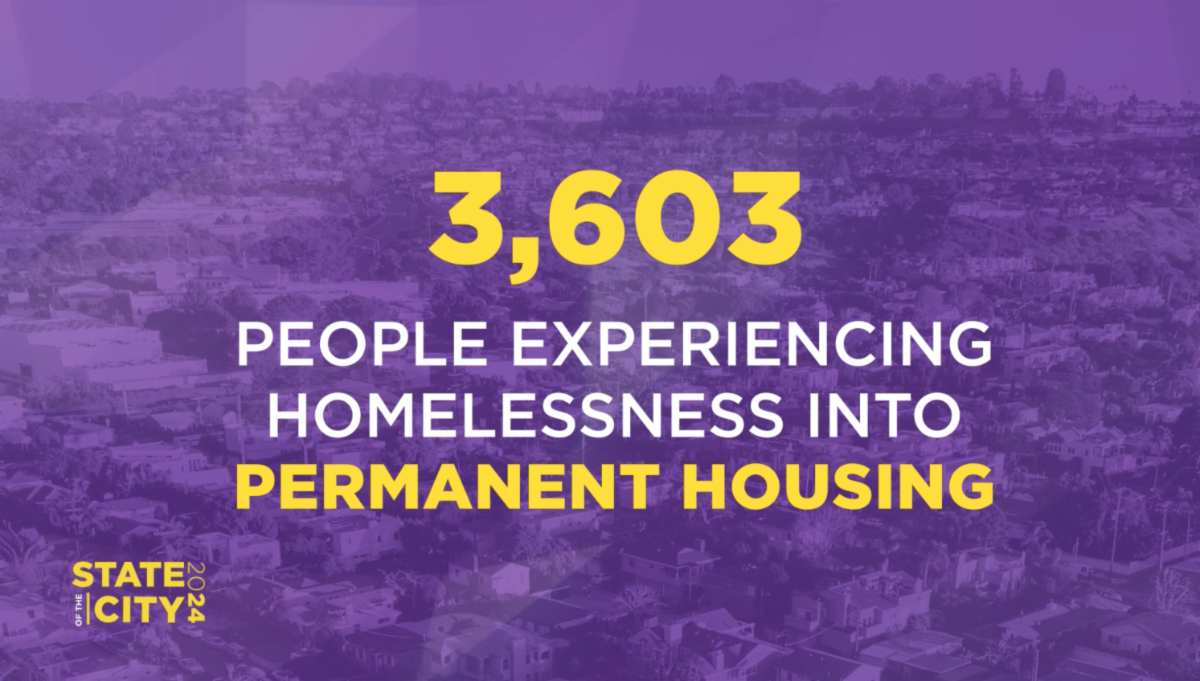
• Overall, our City-funded outreach, shelter and family reunification programs, have successfully placed more than 3,600 people into permanent housing! 

What's Next...


This year, consistent with our Comprehensive Shelter Strategy, we will build on all of the progress made over the past three years and bring forward the largest homeless services proposals this City has ever pursued. 


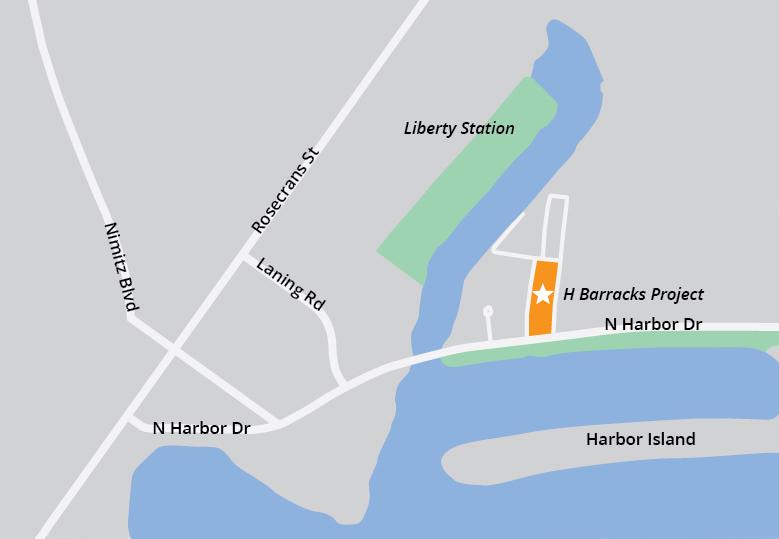
The first is a plan to add another 1,000 beds to our homeless shelter system by this time next year at new sites, like H Barracks, near the San Diego International Airport. 


The second is a redevelopment of the old Downtown Central Library site. 


Our plan is to create additional shelter space along with hundreds of new affordable, permanent homes for low-income and homeless San Diegans. 


I’m proud of all that the City of San Diego has done to address homelessness in our communities, but we will not let our accomplishments so far stop us from working hard to address homelessness from every angle. 

State Allocates $29.9 million to San Diego to Address Homelessness


The City is set to receive a $29.9 million grant from the State of California. 


The California Legislature made the money available through the latest round of funding from the Homeless Housing, Assistance and Prevention Program (HHAP-5), and allocations for cities and counties were just announced. The City’s Homelessness Strategies and Solutions Department is now working on an application describing exactly how the allocated funds will be spent here in San Diego. 


Since 2018, HHAP funding has been key for the City of San Diego to help run shelters, Safe Parking lots, rapid-rehousing programs and prevention efforts – among other programs and services that work to get people off the street and on the path to permanent housing.  


HHAP funding is allocated based on the most recently available data from the point-in-time count of people experiencing homelessness in the region. The block grant program is designed to provide jurisdictions like the City of San Diego with funds to develop or expand programs that are proven to end homelessness.  


San Diego is one of the cities that has risen to the challenge of addressing California’s homelessness crisis, taking a number of actions to reduce unsheltered homelessness and connect more people to housing using this crucial HHAP funding. 

Road to Home

San Ysidro Senior Village Resident Shares His Story


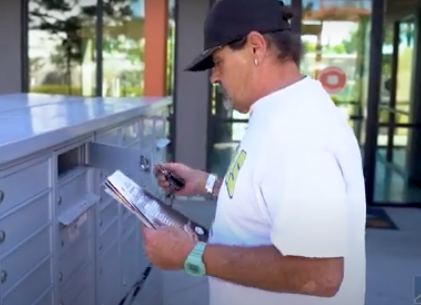
After years of being homeless, John was excited to finally have a key to his own place. He moved into San Ysidro Senior Village in 2020 amid the COVID-19 pandemic and still remembers the joy he felt when his case manager told him he would soon have a place to call home


Now, John enjoys tending to the Village’s community garden with his dog, Savvy. He especially cherishes how safe he feels at the Village and how he always has someone he can count on – either a community staff member or a neighbor. 


San Ysidro Senior Village provides 50 affordable apartment homes for seniors aged 55 and up who experience homelessness.  


Read more, plus watch a video about John and San Ysidro Senior Village on Inside San Diego.

Yes-In-God's-Backyard Project in Logan Heights


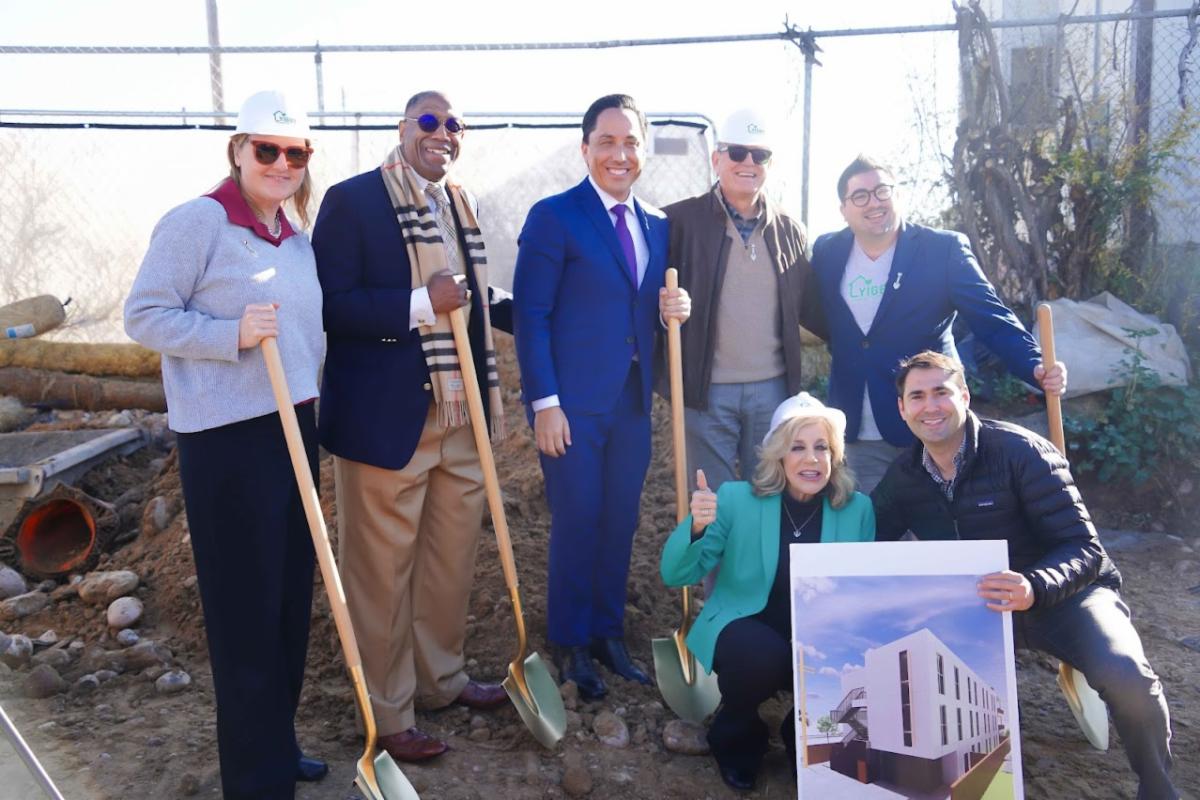
Yes in God’s Backyard (YIGBY) has broken ground on a new construction project in collaboration with Bethel AME Church of San Diego. 


This multifamily project will provide 26 units for formerly homeless veterans and seniors. By combining the resources and expertise of philanthropic organizations, the faith community, the private sector, the Department of Veterans Affairs and the San Diego Housing Commission, this partnership aims to address the pressing need for affordable housing available to vulnerable populations. 


The three-story residential development at 3180 Imperial Avenue in Logan Heights is YIGBY's first affordable housing endeavor.  


“In laying the literal foundation for our transformative multifamily project, we are not just constructing homes; we are building a foundation of hope and stability for our new tenants,” says Rev. Harvey L. Vaughn III, senior pastor at Bethel AME Church, the oldest African-American church in San Diego. “This inaugural project stands as the cornerstone, the bedrock upon which YIGBY will expand its mission.  


Andy Ballester, cofounder of YIGBY says that leveraging the faith community’s excess land provides a unique opportunity to address the affordable housing crisis in our region. 


"Through this collaborative approach, congregations can create a triple bottom line where they are providing mission-driven housing solutions and contributing to their own financial sustainability,” Ballester said. “The unique funding model leverages diverse sources of financial and philanthropic capital, thus avoiding the delays and costs of traditional affordable housing tax credit financing." 


YIGBY is committed to partnering with public and private entities to develop housing options on faith community land throughout San Diego neighborhoods. The nonprofit was founded with the goal of addressing San Diego's housing crisis by combining the real estate assets of the faith community with financing and structural support from the philanthropic and private sectors to create additional affordable residential units for the local housing supply.  


Outreach Corner

City-Funded Outreach Workers Guide People Out of Homelessness  


Outreach is a critical tool for ending people’s homelessness. 


Outreach teams work to build relationships with people experiencing homelessness. The teams use a person-centered approach to resolve their homelessness through the offer of services tailored to the specific needs of individuals. 


The City of San Diego has several types of street-based outreach teams operating on a daily basis.  


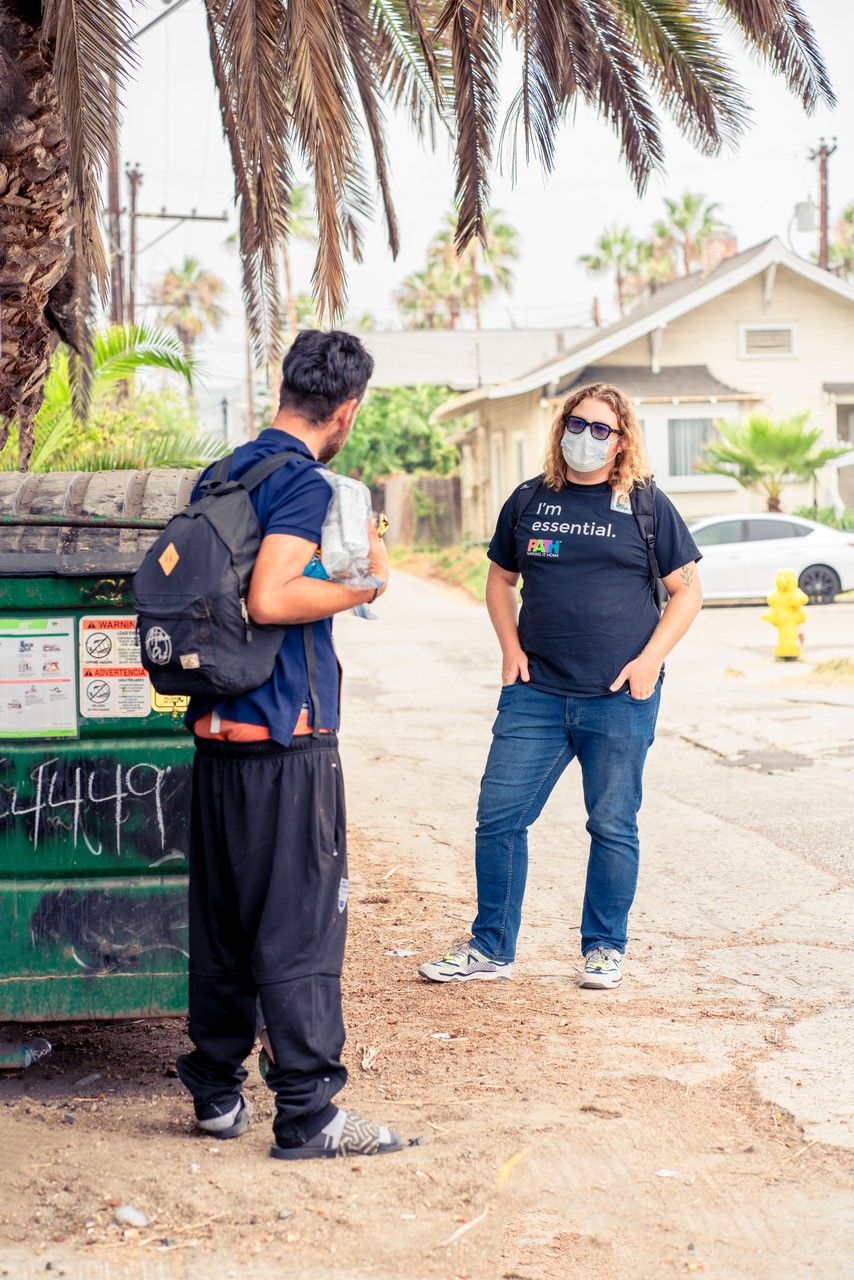
One of those teams is operated by our nonprofit partner, People Assisting the Homeless (PATH).  


Cory Stapleton is the Program Manager for PATH’s Mobile Homeless Resolution Team. Cory oversees a team of seven outreach team members who cover the beach communities, Balboa Park, Downtown, Hillcrest, and Old Town. 


Cory joined PATH in May of 2020. He was an English teacher, but when schools closed down because of the pandemic, Cory wanted to make a career change and focus on giving back to the community and helping those in need. 


“If I’m going to be paid to do something, if I can do it outside and have a positive impact on my community, I can’t really think of a better use of my time,” Cory said. “Outreach is the best in my opinion; you’re helping people, meeting people and making a difference.” 


Cory has been able to help connect people experiencing homelessness to services by forging meaningful relationships with the community. Specifically, Cory has helped develop a relationship with Shoreline Community Services to provide a space where unhoused people in the beach community can connect with service providers.

Get Involved

Volunteers Needed for #WeAllCount Annual Point-in-Time Count 


The purpose of #WeAllCount point-in-time count is to collect data on the needs of people experiencing homelessness in our community.  


This year’s #WeAllCount is happening from 4 a.m. to 8 a.m. on Thursday, Jan. 25. To volunteer to help, you can register here.   


When registering for a particular volunteer site, please review the volunteer hours listed in the volunteer portal and in your volunteer confirmation email. If you have any questions regarding your site, email pitc@rtfhsd.org. 


Get details and sign up here.  


News Stories of Interest... 


Chula Vista council considers possible camping ban as homeless encampments grow (NBC 7 San Diego)   


Volunteers still needed to tally the region’s homeless population later this month (Rancho Santa Fe Review)  


Will 2024 be a pivotal year in fighting homelessness? (San Diego Union-Tribune) 


Office of the Mayor

202 C St., 11th Floor

San Diego, CA 92101

619-236-6330

Contact Us
Facebook  Instagram  Twitter  YouTube
 
X Share This Email
LinkedIn Share This Email