Addressing homelessness is my top priority. Every single day, we are getting people off the street, connected to services and on a path to securing permanent housing. 


Latest News

Nurses Encourage Governor to Sign Conservatorship Reform Bill into Law


Nurses are too often forced onto the frontlines of our state’s mental health and homeless crises. Severely mentally ill patients experiencing homelessness are admitted and treated, but then discharged back to the streets because they don’t recognize they can’t care for themselves, but can’t be hospitalized against their will.


The nurses watch as desperate family members attempt to coax their sick loved ones into care to keep them from harm, but fail because the bar for conservatorship is too high.


One way to get these patients the help they need is through conservatorship reform. I, along with California’s Big City Mayors, sponsored Senate Bill 43, a bill by Senator Susan Talamantes Eggman that reforms California's outdated and inadequate conservatorship laws.


SB 43 reforms California’s conservatorship law by updating the criteria for determining if a person is “gravely disabled,” which is the current standard for conservatorship eligibility that too few seriously ill people meet. SB 43 would update the “gravely disabled” definition to include a new focus on preventing serious physical and mental harm stemming from a person’s inability to provide for their needs for nourishment, personal or medical care, find appropriate shelter, or attend to their own personal safety due to their mental health illnesses or substance-use disorders.


SB 43 is now just one signature away from becoming law. I’ve heard from several nurses and health care professionals who are urging Governor Gavin Newsom to sign these crucial reforms so it’s easier for their patients’ loved ones to step in to help those unable to access treatment themselves.


I stand by our physicians and behavioral health care providers who are urging our governor to sign SB 43 to help their severely mentally ill patients receive the care we all know they need.

Many Suffering from Mental Health Illnesses Stuck in Cycle from the Streets to Hospitals. CARE Court will help.  


Brian Black cycled in and out of hospitals and homelessness for 7 years before one Sunday morning March 1988 when voices in his head told him to jump off the Coronado Bridge. 


Miraculously, he survived. The traumatic incident led Brian and his family to finally diagnose the mental health problems he struggled with for years: paranoid schizophrenia.  


But Brian chose to ignore his diagnosis and instead of seeking treatment he continued to cycle in and out of hospitals and homelessness. His family tried to force him into care both in Orange County and San Diego County, but they were not able to keep him in any facilities long enough for it to make a difference. 


It took five more years of suffering and other suicide attempts before Brian walked into a jewelry store in La Mesa with a steak knife and a plan to end his life via police-assisted suicide. He was shot five times by a La Mesa police officer, but again, survived. 


Brian's family fought hard to keep him out of prison, and they were ultimately successful. A San Diego judge ordered Brian into a locked facility where he was required to take court-ordered medicine to treat his schizophrenia. The court’s decision turned Brian's life around.  


He got better, eventually was let out of the facility and graduated college, got married and became an activist who helped keep other people suffering from mental illness stay out of prison. He continued to take his medication every day of his life up until he died in a car accident in 2008. 


Brian’s sister, Laurie Black, a well-known civic and political activist, told me she thinks about her brother every time she sees someone suffering on San Diego’s streets, clearly caught in the fog of a severe mental illness. She says her brother needed the court’s intervention to finally comprehend the seriousness of his diagnosis and accept the help he needed.  


Laurie says her family’s experience makes her hopeful that the state’s new CARE Court program, which launches in San Diego County on Oct. 1, will help people like her brother well before they go to dangerous extremes like he did.  


Experiences like Brian’s are why I worked with legislators and pushed so hard for the signing of Senate Bill 1338, the bill that establishes CARE Court. The program offers a new pathway to deliver mental health and substance use services to people like Brian who are diagnosed with schizophrenia or other psychotic disorders and not able to get the treatment they need on their own.  


Read more about CARE Court here.

Streamlining Affordable SRO Housing in San Diego


Housing ends homelessness, which is why I’m working hard to clear barriers and incentivize the creation of new homes for San Diegans of all income levels.


My Housing Action Package 2.0 is a series of policy amendments and reforms that work to protect existing affordable homes and encourage the construction of more.


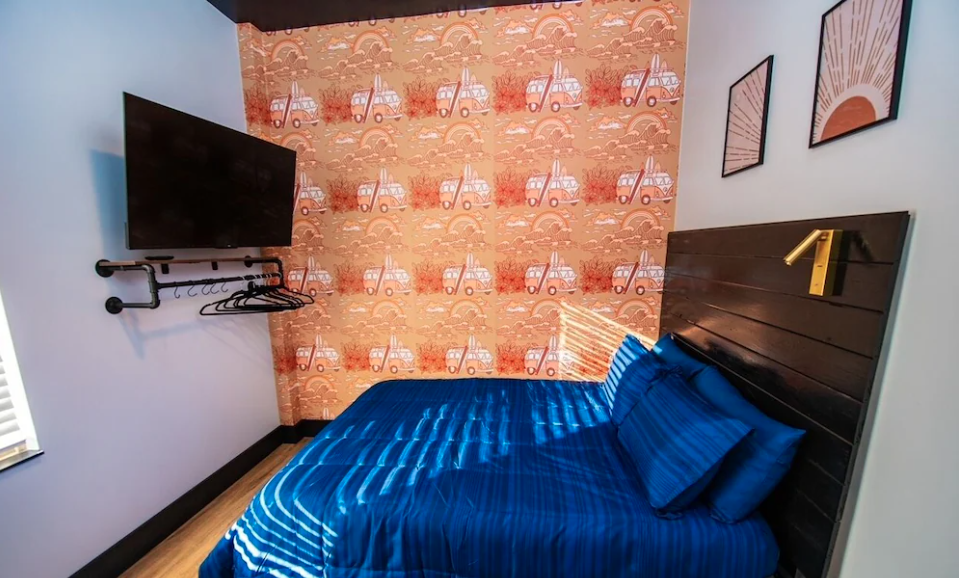
One of those proposed policy amendments incentivizes the construction of new Single-Room Occupancy (SRO) housing. SROs are a critical source of housing that's often naturally affordable to extremely low-income people and those at risk of homelessness. This housing type often provides homes for those most vulnerable to becoming homeless and can either be a hotel guest room or a small self-contained room with a shared bathroom, kitchen and other living quarters. Rent for these rooms is often much lower than any other housing type.  


Encouraging the building of more SRO housing is just one of several policies in HAP 2.0 that will work to combat our homelessness crisis. I look forward to presenting these new housing policy reforms to the full City Council for their consideration in coming months.


Read more about this housing policy reform here.

The Road to Home

City College’s Plans to Build Affordable Housing for Students Who Need it  


The Board of Trustees of the San Diego Community College District is moving forward with a plan to develop, design, construct, and operate an apartment complex that will provide affordable housing for San Diego City College students. 


The district is partnering with The Michaels Organization to build the affordable housing development on the San Diego City College campus where the school’s former Child Development Center is currently located. The project would serve students who most need housing to pursue their education, including students who are low-income, veterans, foster youth, and others. 


I want to commend City College for being among the first community colleges to be selected for the state’s Affordable Student Housing Program. Close to 20 percent of California's community college students have experienced homelessness, so I look forward to more colleges following their lead and helping house the students they serve.   


Read more about City College’s affordable housing project here.  


Understanding the City's Shelter System 


The City of San Diego has contracts with various service providers to offer shelter options to people experiencing homelessness. At our shelters, people are connected to support services and ultimately put on a path toward permanent housing.  


The shelters listed below are City-funded or included as part of the City’s Coordinated Intake System for shelter placements. (Note: There are additional shelters outside of this system that are operating within the City of San Diego.) 


  • Alpha Project Bridge Shelter I  
  • Alpha Project Bridge Shelter II  
  • Barrio Logan Family Shelter 
  • Community Harm Reduction Shelter  
  • Community Harm Reduction Safe Haven 
  • Father Joe’s Villages Bishop Maher Center  
  • Father Joe’s Villages Paul Mirabile Center  
  • Golden Hall, First Floor  
  • LGBT Center - LGBTQ+ Affirming TAY Shelter (Clairemont) 
  • LGBT Center - LGBTQ+ Affirming TAY Shelter (Midway) 
  • PATH Connections Housing  
  • Rachel’s Promise Women’s Shelter  
  • Rosecrans Shelter  
  • Salvation Army Interim Family Shelter 
  • San Diego Youth Services 
  • Seniors Landing  
  • San Diego Youth Services  
  • Urban Street Angels Youth Shelter  


News Stories of Interest...


California's mental health CARE Court aims to help thousands with untreated psychotic disorders (CBS News) 


San Diego files petition to push Supreme Court to hear homeless camp bans case (Fox 5) 


San Diego County receives $5.1 million to assist homeless living in Sweetwater Riverbed (KPBS)


Office of the Mayor

202 C St., 11th Floor

San Diego, CA 92101

619-236-6330

Contact Us
Facebook  Instagram  Twitter  YouTube
 
LinkedIn Share This Email