This Issue of the Animal Care Newsletter Covers:
- Digital Ventilated Cage (DVC) System
- ACFC Invoices and Reporting Upgrade
- Update from our Training Team
- Aidekman Vivarium Auto Watering Project
- Research Tower Zebrafish Facility Upgrade
- New Zebrafish Facility in Newark's Medical Science Building
- IVRS Core Services
- New Faculty Highlight
- Staff Achievements
| |
|
Digitizing Animal Care's Vivarium
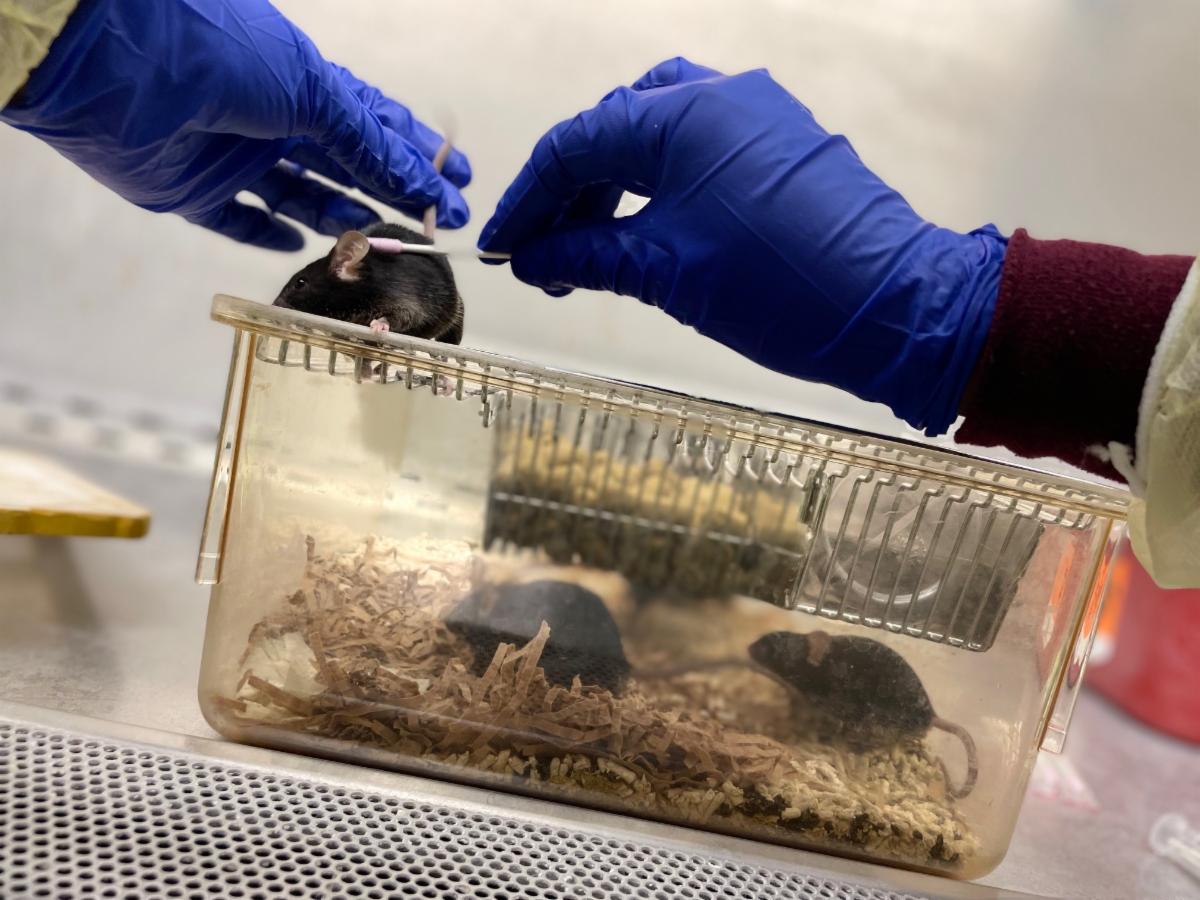
We mentioned in our last newsletter about an Artificial Intelligence (AI) based Digital Ventilated Cage (DVC) system for home cage monitoring of mice in our RT facility. We currently have 800 DVC cages setup within the RT facility and have completed 2 studies internally to understand how the cages work. We can track animal movement, sleep pattern changes, aggression and fighting, as well as animal well being 24 x7. We also have 40 exercise wheels that can be fitted into these cages to monitor their voluntary exercise behavior in their home cages. Additionally, we have five faculty members test their unique neurodegenerative animal models in the caging system to see if any translational digital biomarkers of disease can be identified.
If you would like to review how the DVC analytic platform can benefit your research, visit Digital-Cage Tecniplast. For enquiries on how to use the cages for your research please contact Matthew Keller and Jeetendra Eswaraka.
| |
ACFC Billing/Report Upgrade
ACFC platform will undergo an upgrade, December 1st - December 4th to its reporting features to provide future stability and performance enhancements. This upgrade will enhance the current PI per diem invoice and detailed census reports to provide a more intuitive invoice for easier viewing, while also providing a more granular report for doing deeper dives on individual cages. Both currently utilized reports will be retired, but still viewable for the months prior to November 2023. New reports will be available for November 2023 period and onwards.
Note, we will also be retiring the “Census Account Change Request” function. If a PI lab wishes to change charging allocations, please email your requests to CMR Managers for processing.
| |
|
Room and Equipment Reservations
We hope you are finding the room/equipment visuals along with mobile friendly option to make reservations using QR codes beneficial. We have had lab members make over 800 reservations in iLab since its release in September! With anticipation, look out for more resources being added to iLab as they become available.
| |
|
Rodent Survival Surgery
All staff, students or faculty performing rodent survival surgery are required to obtain a “Rodent Survival Surgery Certification.” This IACUC requirement was implemented in August 2021 and applies to all rodent surgeons who joined an IACUC protocol after this date and also existing researchers who amended their protocol to now include surgical procedures.
The complete steps can be found on our website Training and Development | Rutgers Research. All the steps including surgical observation are required for certification and a person should not perform survival surgery without completing it first. Failure to follow these requirements is an IACUC noncompliance concern. Please reach out to the training team with any questions or to schedule an observation. Newark: cmrtraining@research.rutgers.edu or Piscataway/New Brunswick/Camden: Animal-training-nb@research.rutgers.edu
| |
|
In Vivo Techniques Course: With the Fall Semester coming to a close, it’s time to say goodbye to pumpkin spice lattes and cozy sweaters, and time to welcome our next batch of students to the In-Vivo Techniques (IVT) course in the spring! IVT is an intensive training course for undergraduates to gain proficiency in lab animal rodent concepts and commonly performed techniques. After completing this course, many of our students have been fast-tracked into research teams here at Rutgers University, such JJ from the Synder lab and Xochitl in the Boison lab. The Comparative Medical Resource (CMR) department also retained 3 students (Tatiana, Meredith, and Yerina) and all three are doing fantastic work. We’re happy to be offering IVT for the third year this coming Spring Semester and excited to see where it takes our students!
If you’re interested in adding students to your research team after they’ve completed this course, let us know and we can link you up!
| |  |
|
Training Stats
From July-September:
- 170 people have taken Vivarium procedures and onboarding training
- 35+ of those people have taken basic mouse handling class
- 200 people have attended euthanasia re-training
- Approximately 10 animal caretakers completed the ALAT AALAS certification training course
| | |
Aidekman Automatic Watering Upgrades | |
|
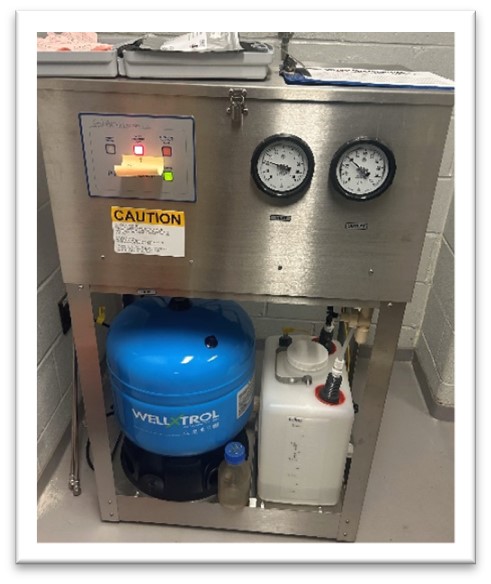
The Aidekman facility's automatic water system underwent a significant enhancement to ensure optimal performance. Recognizing the potential issues associated with aging PVC piping, which can develop spider cracks, we proactively upgraded the water lines. In the initial phase, all existing PVC lines were meticulously replaced with durable stainless steel, executed over a three-week period.
To minimize inconvenience to the investigative staff, coordination was key, with the need to locate cages during the upgrade. Through collaboration with CMR staff, the project was executed, resulting in minimal disruption and incidents.
| |
|
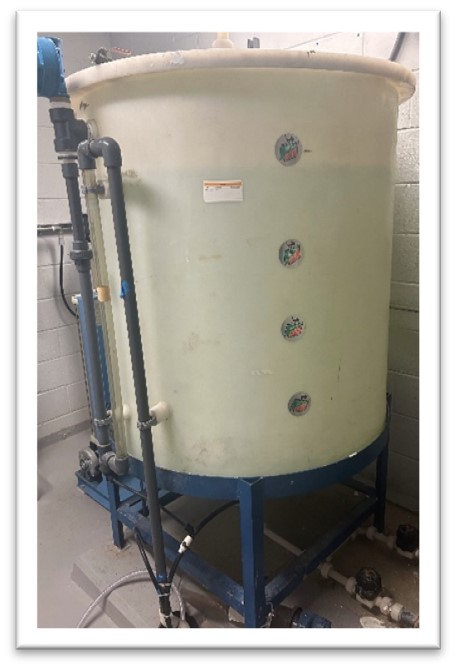
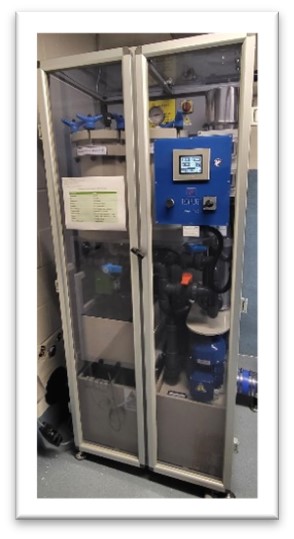
The second phase focused on elevating the quality of drinking water for the animals. A central proportioner was introduced to the system during this stage, enhancing the water treatment process. This innovative addition involves the precise mixing of chlorine with city water, ensuring a hyper chlorinated drinking water level of 3 ppm, thus further prioritizing the well-being of the animals in our care.
| |
Medical Science Building Zebrafish Facility | |
|
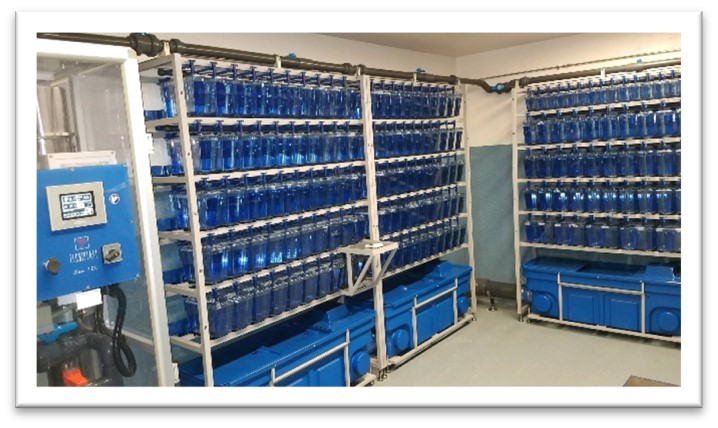
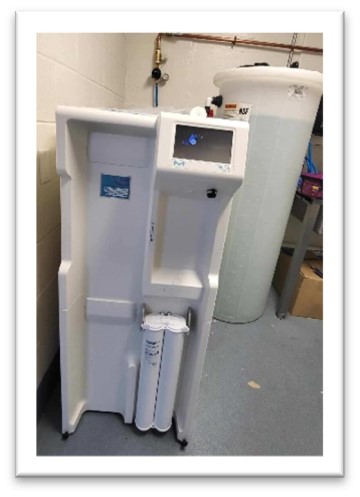
We successfully concluded the renovation project to introduce a Zebrafish facility within the MSB vivarium. Functioning as a satellite facility, it is dedicated to supporting the research endeavors of Dr. Miskolci. This cutting-edge facility comprises five racks, each housing 50 tanks, thereby boasting a total capacity of 250 tanks.
Distinguished by its autonomous operation, the fish facility is equipped with a standalone system. The facility's water needs are met through the supply of reverse osmosis (RO) water facilitated by the advanced Milli-Q system. Further ensuring the quality of water, we've implemented the Tecniplast ZEB Tech filtration system, providing a comprehensive and efficient filtration process for optimal conditions within the facility.
In addition, we have undertaken an upgrade of a pre-existing satellite fish facility situated on the G level of MSB. This renovation has transformed the facility into a dedicated quarantine space designed to facilitate the importation of fish. This strategic enhancement aligns with our commitment to maintaining the highest standards of care and biosecurity in our research facilities.
| |
Research Tower Zebrafish Upgrade | |
|
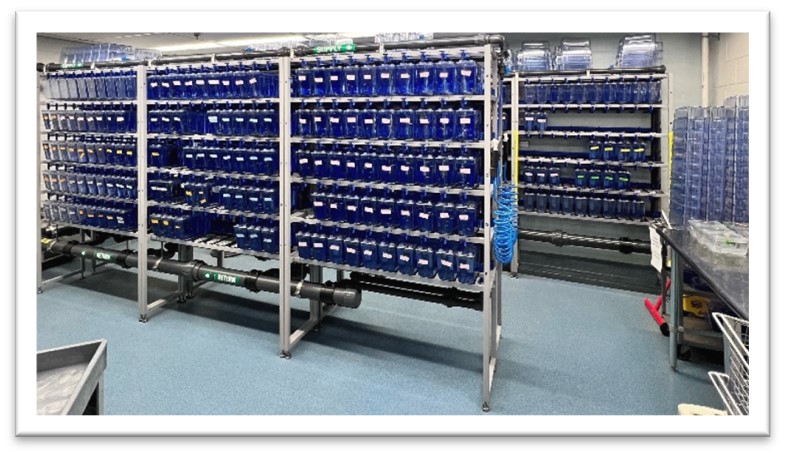
We expanded our RT fish facility by incorporating five additional racks, effectively increasing our total tank capacity to accommodate 500 tanks of 3.5 liters each. Notably, this expansion was seamlessly integrated without necessitating any modifications to our existing Controlled Environment Systems (CLS).
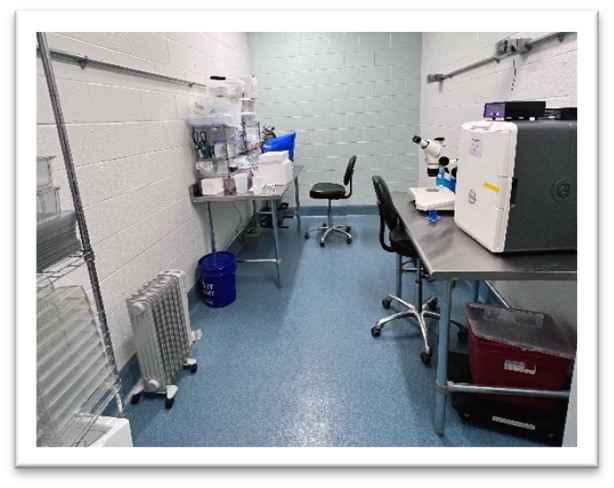
In tandem with this enhancement, we inaugurated a dedicated procedure room equipped for Microinjection and Fluorescence Microscopy, complete with an incubator. This state-of-the-art space is made possible through the provision of cutting-edge equipment generously provided by our esteemed researchers.
| |
|
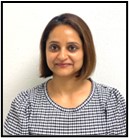
Tejbeer Kaur, Ph.D
Assistant Professor Department of Otolaryngology
Robert Wood Johnson Medical School
Rutgers, The State University of New Jersey
675 Hoes Lane West
Piscataway, NJ 08854
tk755@rwjms.rutgers.edu
(732) 235-7311 (O)
Dr. Kaur received Bachelor of Science degree in Pharmacy and Master of Science degree in Pharmacology with merit from the University of Delhi, India. She received PhD in Pharmacology from Southern Illinois University, USA under Drs. Vickram Ramkumar and Leonard Rybak studying the role and coupling of inflammation and reactive oxygen species in chemotherapeutic drug cisplatin-induced ototoxicity and hearing loss. This work led to several publications in high impact journals for which Dr. Kaur was honored with an award for an Outstanding Scholar in Pharmacology along with other accolades. She continued her research interests of studying the role of immune cells in hearing and hearing loss as a postdoctoral fellow with Dr. Mark Warchol at Washington University, St. Louis and discovered a novel role for macrophages (innate-immune cells) in the survival of auditory neurons during inner ear damage and identified the necessary molecular signaling, fractalkine signaling involved in this process. Dr. Kaur received an R03 grant award from NIDCD/NIH to further understand the role of fractalkine signaling in noise trauma-induced cochlear synaptopathy and neuropathy and discovered that fractalkine receptor on macrophages may promote the spontaneous repair of noise-damaged cochlear ribbon synapses. These studies are the first of its kind relevant to the field of auditory neuroscience with high clinical implications. Dr. Kaur joined Creighton University in August 2019 as an Assistant Professor in the Department of Biomedical Sciences to establish an independent research program. Her lab at Creighton established that the resident cochlear macrophages are both necessary and sufficient to restore hearing loss and damaged ribbon synapses following noise-induced cochlear synaptopathy for which Dr. Kaur received Young Investigator Award in 2022. Recently, Dr. Kaur has moved her lab to Rutgers University in the Department of Otolaryngology, Robert Wood Johnson Medical School, Piscataway.
Research in the Kaur lab aims to understand the complex biology and interactions of immune cells such as macrophages and their effector molecules with the sensory cells in the cochlea of the inner ear and how these interactions regulate hearing, hearing loss and sensory cell degeneration, endogenous repair, and survival. Labs long-term goal is to develop novel biological methods to prevent the loss of cochlear ribbon synapses and neurons & promote neuron survival and synaptogenesis to restore hearing and thus, treat hearing loss. Current projects in the lab are focused towards both noise-and age-related hearing loss in investigating the 1) cellular and molecular mechanisms by which neuroimmune fractalkine signaling and macrophages confer synaptic repair and neuroprotection in the damaged ears, 2) association of human CX3CR1 polymorphisms with sensorineural hearing loss, ototoxicity, and immune response, 3) efficacy, potency, therapeutic window, and cochlear bioavailability of FKN in synaptic repair in noise- and age-related cochlear synaptopathy and hearing loss and 4) in development of novel FKN-based immunotherapies for the restoration of loss of cochlear synapses and function. The Kaur lab employs a variety of cutting-edge scientific approaches to address the research questions mentioned above such as transgenic mice including global knockouts and Cre-loxP system generated transgenics for macrophage lineage tracing and conditional knockout of genes, noise exposures in awake mice, auditory electrophysiology in anaesthetized animals, transtympanic delivery of putative molecules, tissue culturing of inner ear organotypic explants, inner ear microdissections, histology, advanced confocal and electron microscopy imaging, immunology, flow cytometry, molecular biology, and omics. Her lab is currently funded by NIH and generous start-up funds. The Kaur lab is actively recruiting undergraduate and graduate students and is open for collaborations.
| |
|
We would like to introduce IVRS' Precision Cut Lung Slice (PCLS) Model for ex-vivo lung studies.
Precision Cut Lung Slices (PCLS) are viable slices of lung tissue which retain the three-dimensional structure of the lung, comprising all resident cell types and maintaining basic pulmonary functions. They can be prepared from animal or human lung tissue and satisfy the 3R concept of refining, reducing and replacing animal use in research. PCLS have been used for a wide range of research studies, including investigation of the on-set of lung fibrosis, the pathogenesis of asthma/COPD and other non-infectious or infectious pulmonary diseases, including studies on SARS-CoV. PCLS are also a powerful tool for high-throughput screening of toxicants or candidate therapeutics.
Please contact the IVRS team for more details.
| |
|
Equipment available for services related to behavior or neurologic experiments:
The Bussey-Saksida Touch Screen Chambers
The Bussey-Saksida Touch Screen Chamber is non-invasive device has been used in a variety of studies, including investigations into spatial learning, attention, executive functions, and other cognitive processes.
Applications include the study of cognition in rodent models of psychiatric and neurodegenerative diseases (e.g., Alzheimer’s
disease, schizophrenia, Huntington’s disease, frontotemporal dementia), and characterization of the role of select brain regions, neurotransmitter systems and genes in rodents. This methodology is low stress (using appetitive, rather than aversive reinforcement), has high translational potential, and lends itself to a high degree of standardization and throughput.
YouTube webinar on using this system to study cognitive behavior in rodents is available here : https://youtu.be/JBh5BJ-kUuA
| | |
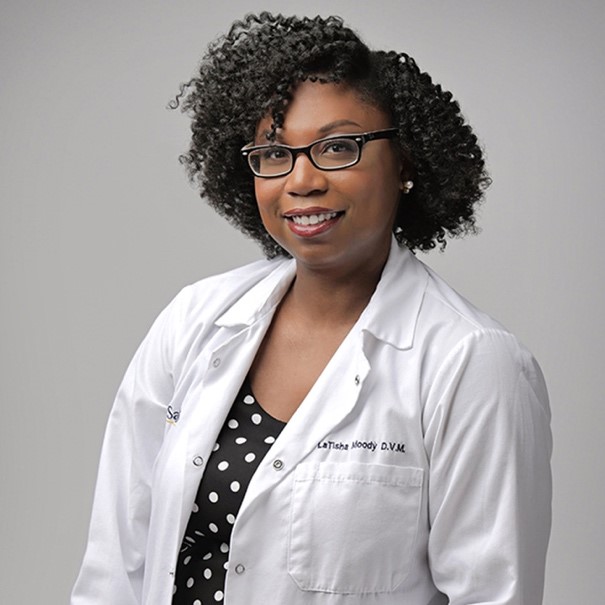
Dr. Latisha Moody, Assistant Director, CMR
We would like to congratulate Dr. Latisha Moody on clearing her ACLAM board examination. Congratulations on this great achievement, Dr. Moody!
| |
|
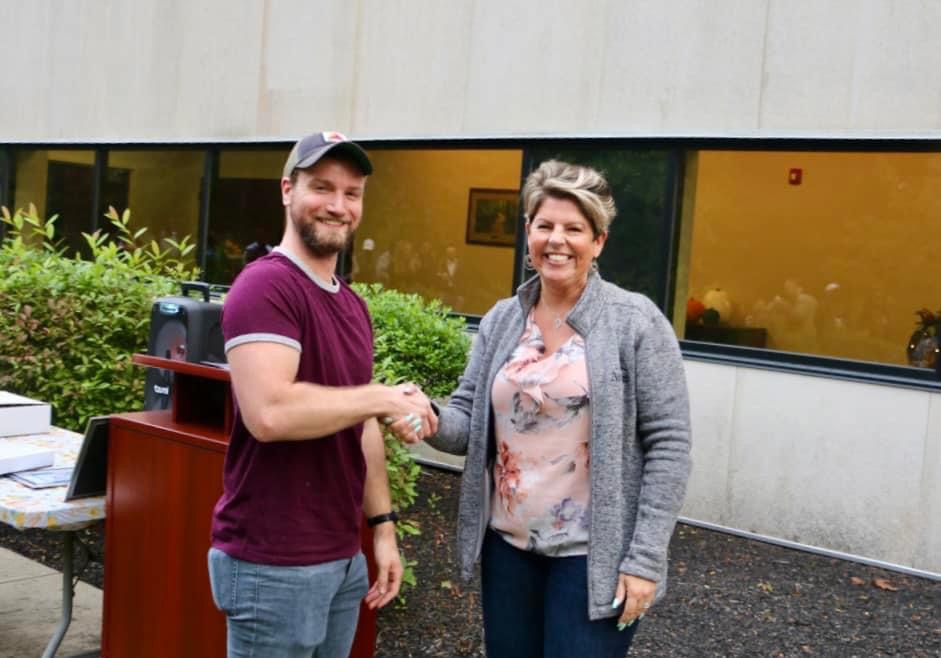
2023 NJAALAS Award Winners!
Several Rutgers Animal Care team members received awards at the Annual NJ American Association for Laboratory Animal Science (NJAALAS) meeting held in September!
| |
|
Joseph Collins
Ancare Veterinarian of the year
Annually presented, this award is to a veterinarian who is an AALAS branch member and has contributed significantly to AALAS and Laboratory Animal Medicine.
| | |
|
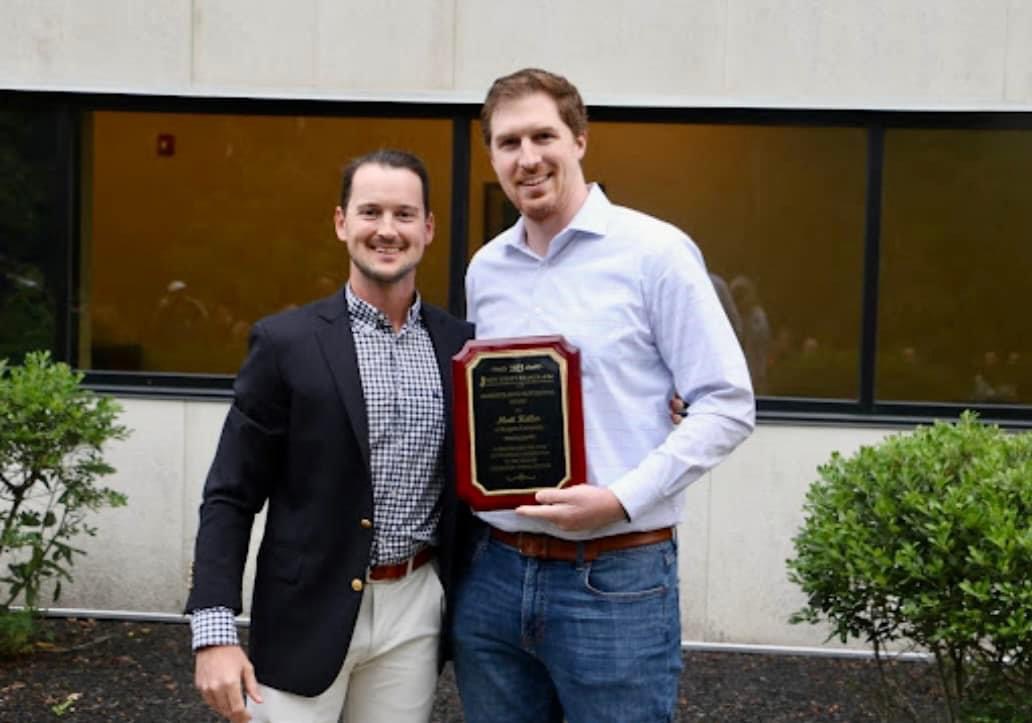
Matthew Keller
Administrative Professional Award
Sponsored by NJ AALAS, this award is presented to an animal facility administrative support individual for their efforts in supporting daily functions in an animal facility and related areas.
| | |
|
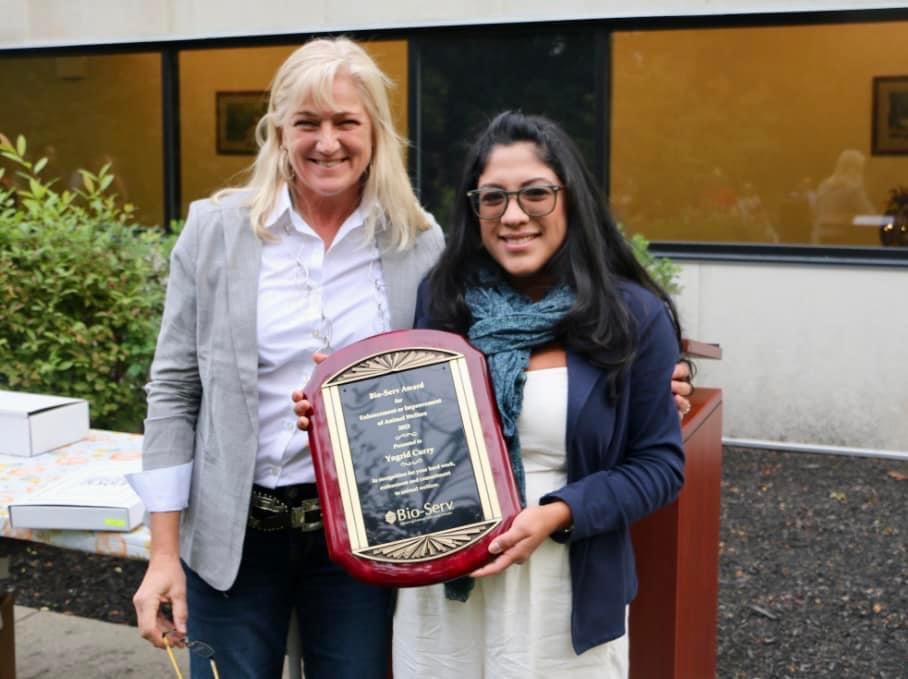
Yngird Curry
The Bio-Serv Enhancement or Improvement of Animal Welfare Award
This award is presented to an individual who has made a positive impact to enrich, enhance, and improve the lives of animals or the environment they work in.
| | |
|
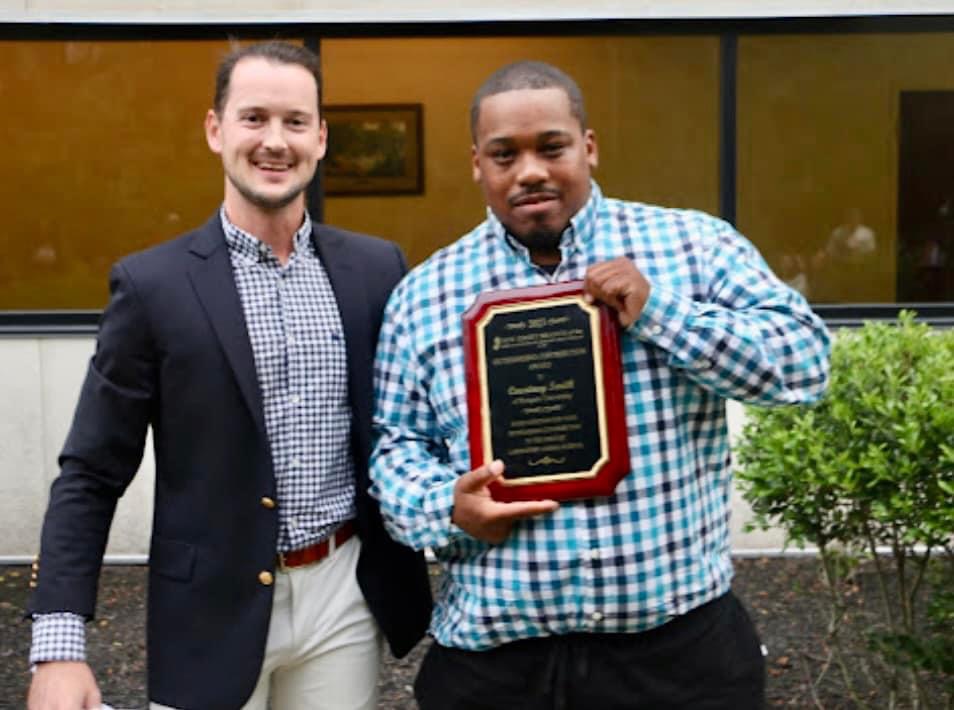
Courtney Smith
Outstanding Contribution Award
This award is presented to an individual who has significantly contributed to the field of Laboratory Animal Medicine and Welfare.
| | |
If you would like to contribute, share research-related news, events, or simply have feedback, send us a message at ruac@research.rutgers.edu. We'd love to hear from you!
| | | | |