FasTrain Website

FasTrain Course Registration

Free Bioassay Month Newsletter

Hello Bioassay Enthusiasts,


Welcome to FasTrain’s Potency Bioassay Month Extravaganza. We invite you to join our month of bioassay highlights!


Signup and over the next four weeks, you'll receive highlights, technical insights and practical hints about bioassays. Each newsletter will take a closer look at key concepts from FasTrain courses and explore how these ideas apply to real work in the pharmaceutical CMC analytical field.

Newsletters to Come

  • Volume 2: It’s All Relative Potency
  • Volume 3: Comparing Dose-Response Curves
  • Volume 4: Finding Your Critical Reagents
  • Volume 5: Using Statistical Tools to Accelerate Development
  • Volume 6: Modern Approaches to Bioassay Validation
  • Volume 7: Monitoring the Bioassay
  • Volume 8: The Audit of Bioassays
  • Volume 9: Lessons Learned Throughout the Month


Have Questions?

This is an interactive newsletter!


We want to hear your burning bioassay questions.


Send your questions to

Dr. Laureen Little (laureen.little@fastraincourses.com) and she and our team of instructors will answer them in the coming newsletters.


Let's Begin with the Basics

Why Potency Bioassays? What sets them apart? In the pharmaceutical CMC analytical field, two core principles are often repeated: tests must verify the “identity, purity, and strength” of our products and methods must be “suitable for use.” While these statements sound impressive, they lack specific details. And honestly, how does this impact bioassays.

What Does This Mean?

According to 21 CFR 210.3(b)(16), strength is described as “the potency,” meaning the therapeutic activity of a drug product as determined by laboratory tests or well-designed clinical data. Additionally, 21 CFR 600.3(s) elaborates that potency refers to “the specific ability or capacity of the product, as shown by appropriate lab tests or controlled clinical data, to produce a desired outcome.”

So, Potency Is Clearly Essential — But What Steps Should We Take?


First, gather a group of subject matter experts (SMEs) who understand the mechanism of action (MoA) of your product. Next, consult them about the biological methods used to select drug candidates and how they differentiate between potential drug candidates.


Some examples include:


• Monoclonal antibody products: binding studies, target cell line killing


• Enzyme replacement therapies: enzyme activity assays, intracellular activity measurements


• Vaccine therapeutics: binding assays, neutralization tests, animal disease protection


• Oncology products: targeted cell destruction, tumor reduction


• Arthritis treatments: decrease in inflammatory protein secretion


The possibilities are vast and we guarantee that your product will be special (and fascinating). Each drug candidate has its own unique MoA.

Developing an Acceptable Potency Assay


To succeed in developing an acceptable potency assay, you need both biological expertise and storytelling skills to vividly explain how an effective drug works in the body. And if you are involved with writing up an application to any regulatory authority in the world. They won’t know your product the way you do. Take them on the journey that you have taken. Draw cartoons, give them references which include reviews of the disease you are treating and product you are developing. Next, demonstrate how you isolate relevant cells, organs, or proteins and bring them into the lab to develop solid, trustworthy methods that let us compare potency across different manufactured batches.

The Reality of Bioassay Development


Does this sound straightforward? It shouldn’t, because it’s not.


Is it enjoyable? Absolutely, it’s among the most rewarding experiences you can have in your career. Far more exciting than developing yet another ELISA or HPLC assay.


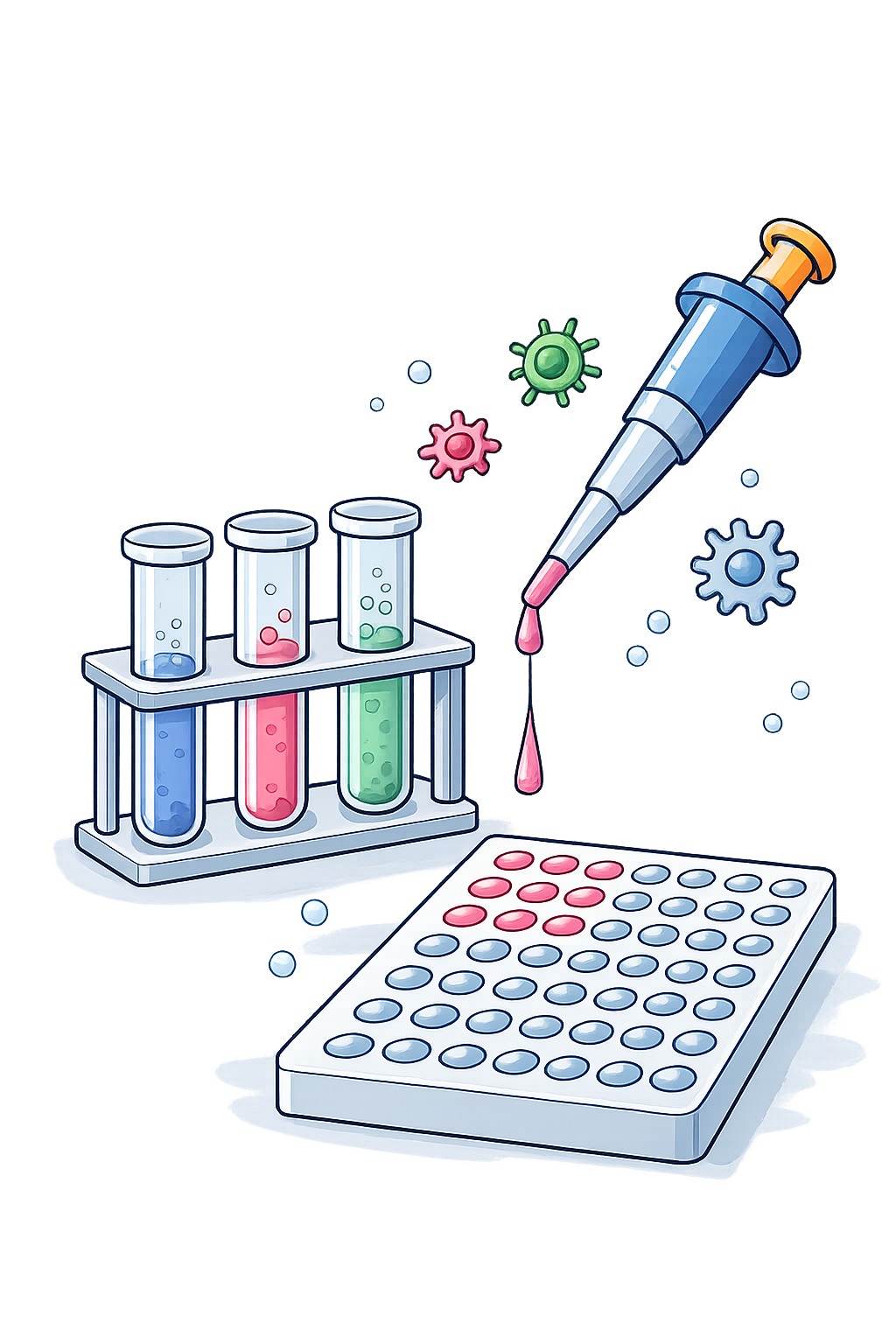
So grab your test tubes, microplates and pipettes and let’s embark on this adventure together!

Our Goal This Month Is Simple

To help strengthen your understanding of bioassays while illustrating how statistical thinking and assay design work together to produce reliable results.


If this is a goal that interests you, please click the link below to be added to the Bioassay Month Newsletter list.

Interested in FasTrain Bioassay Courses?

Explore the full list of bioassay courses we offer.


Potency Bioassays Development & Validation


CMC Relative Potency Analytical Methods: A Technical Deep Dive


Introduction to Statistics for Potency Bioassays


Statistical Method in Bioassay


Cell Culture and Cell-Based Assays