Be the Change
Community Newsletter
Resources for Sustainable Living
Tuesday, May 21, 2024
|
|
|
|
What's In This Issue
Simply Living News
Two brilliant Women Leading Us Out of the Neoliberal Economy
Stacy Mitchell and the Rising Anti-Monopoly Movement
> Our Last Best Hope. Stacy's inspiring speech on the fight against corporate monopolies.
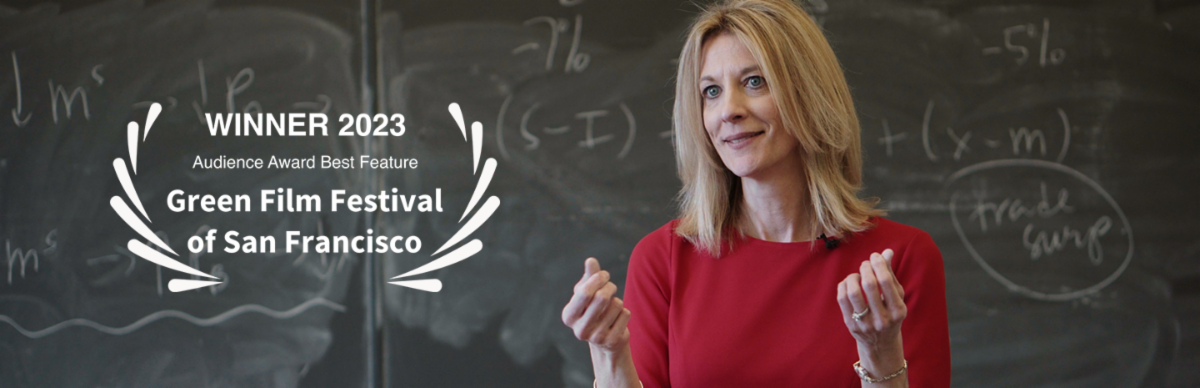
Stephanie Kelton Film: Finding the Money
> Yes, there really is another economics that can fund a Green New Deal and more. Watch for free on Kanopy if you have a Columbus Library Card.
Shop Local Directory
> Learn about Simply Living's resource for finding local sustainable businesses
> Browse the Entertainment Section - movies, games, local radio, breweries, and more category for clothing, bikes, kayaking, getaways, and more
Volunteer Opportunities at Simply Living
> Columbus Arts Festival, Comfest, Community Garden, Blessing the bikes, and more!
May Tree of the Month
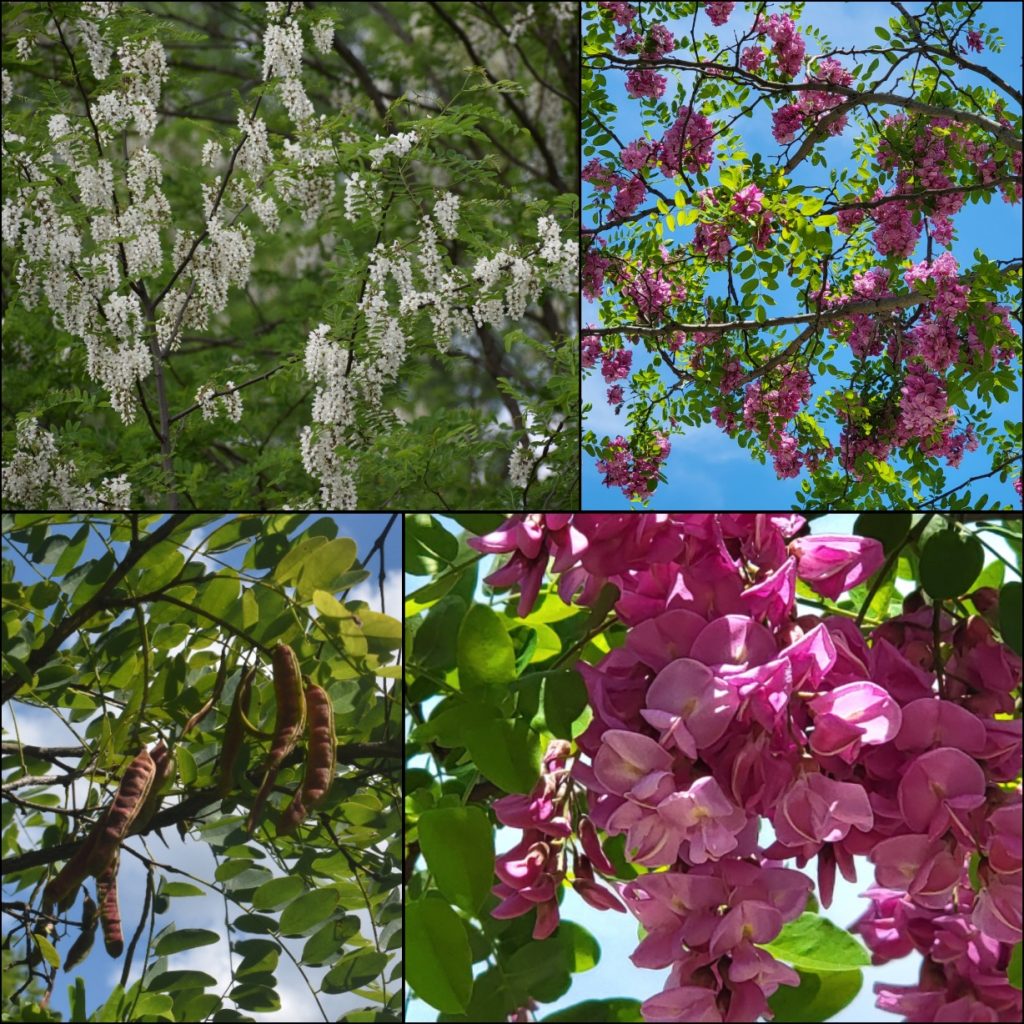
> Black Locust - In may, an incredibly sweet-smelling addition in the woods
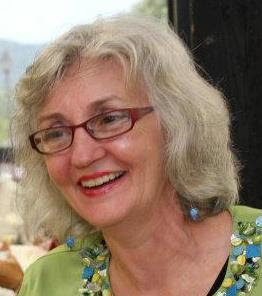
Rita Haider leads the Simply Living Intern Program
> Seeking New Interns Winter and Spring
Sustainability New
Columbus Navigator
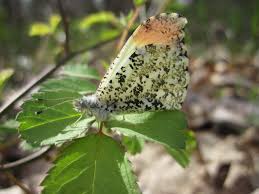
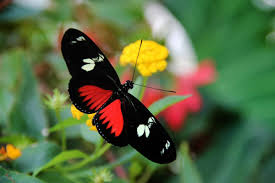
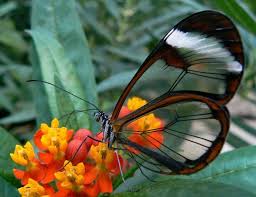
> Best places to see butterflies in Ohio
RMI Spark Newsletter
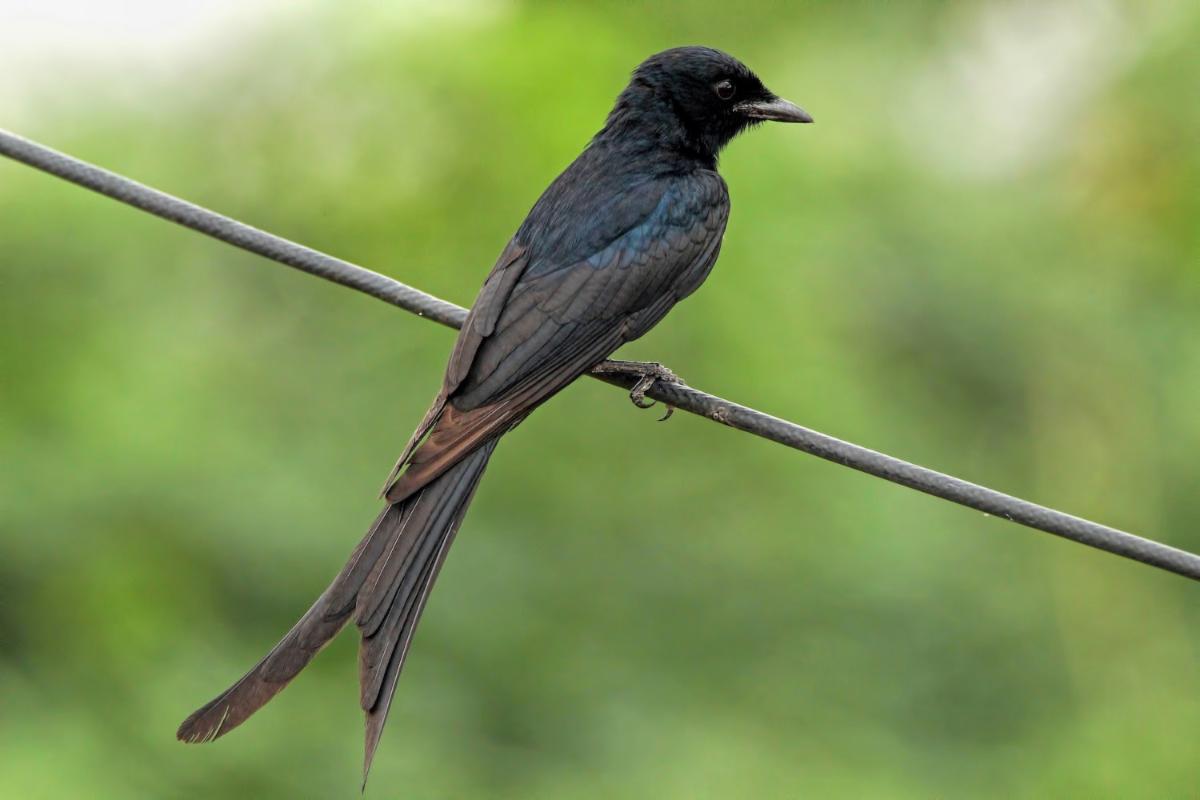
Featured Creature from Center for Biological Diversity
> Slime Mold - you might be surprised!
Bioneers
> ‘An Ancient Library of Solutions:’ The Effort to Save the Mycorrhizal Fungi Vital to Life on Earth
Resilience
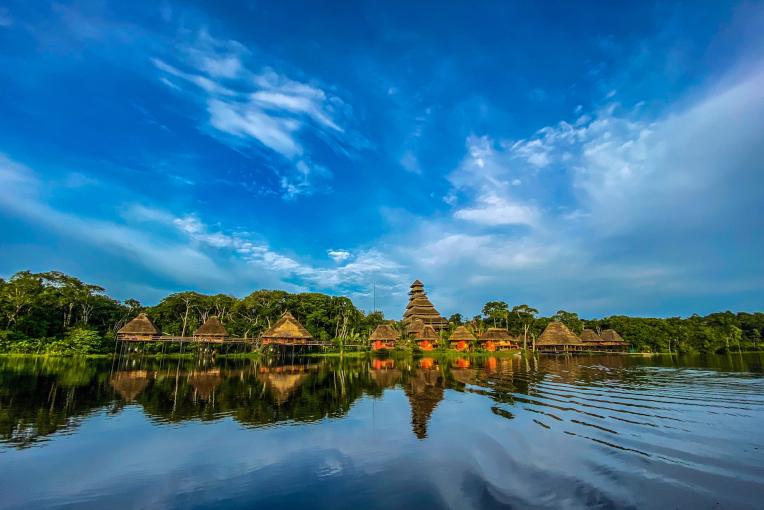
> Nation-states are destroying the world. Could ‘bioregions’ be the answer? by Shrishtee Bajpai, Juan Manuel Crespo, Ashish Kothari
> Why social coops offer potential transformation of care and more
> Listening the New Into Being by Otto Scharmer
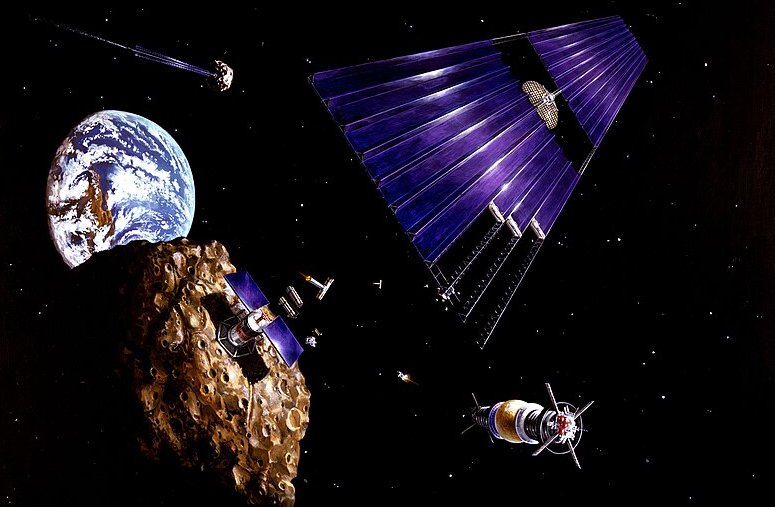
> Yet more boondoggles: Extracting carbon dioxide from the air, mining asteroids by Kurt Cobb
> The race to end fossil fuel production by John Feffer
> Going Sane in a Crazy World by Richard Heinberg
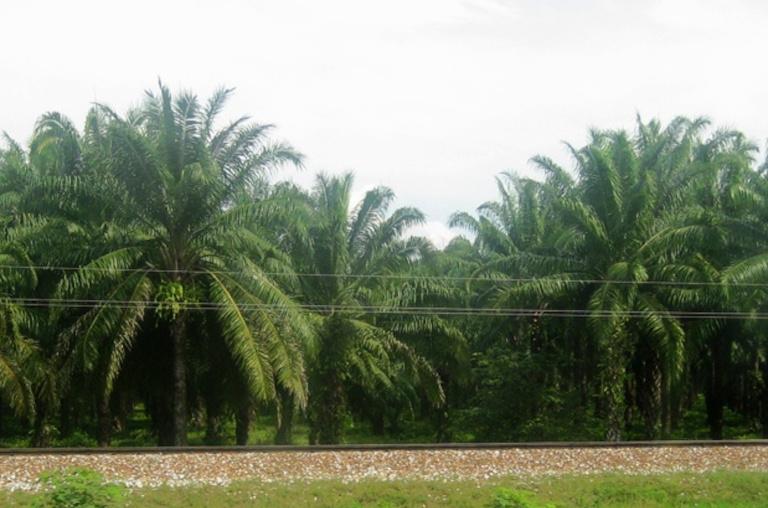
> A new and silent land grab is underway – we must stop it by Ian Scoones, Angela Serrano
> Eating at the Old Growth Table by Valerie Segrest
Ecowatch
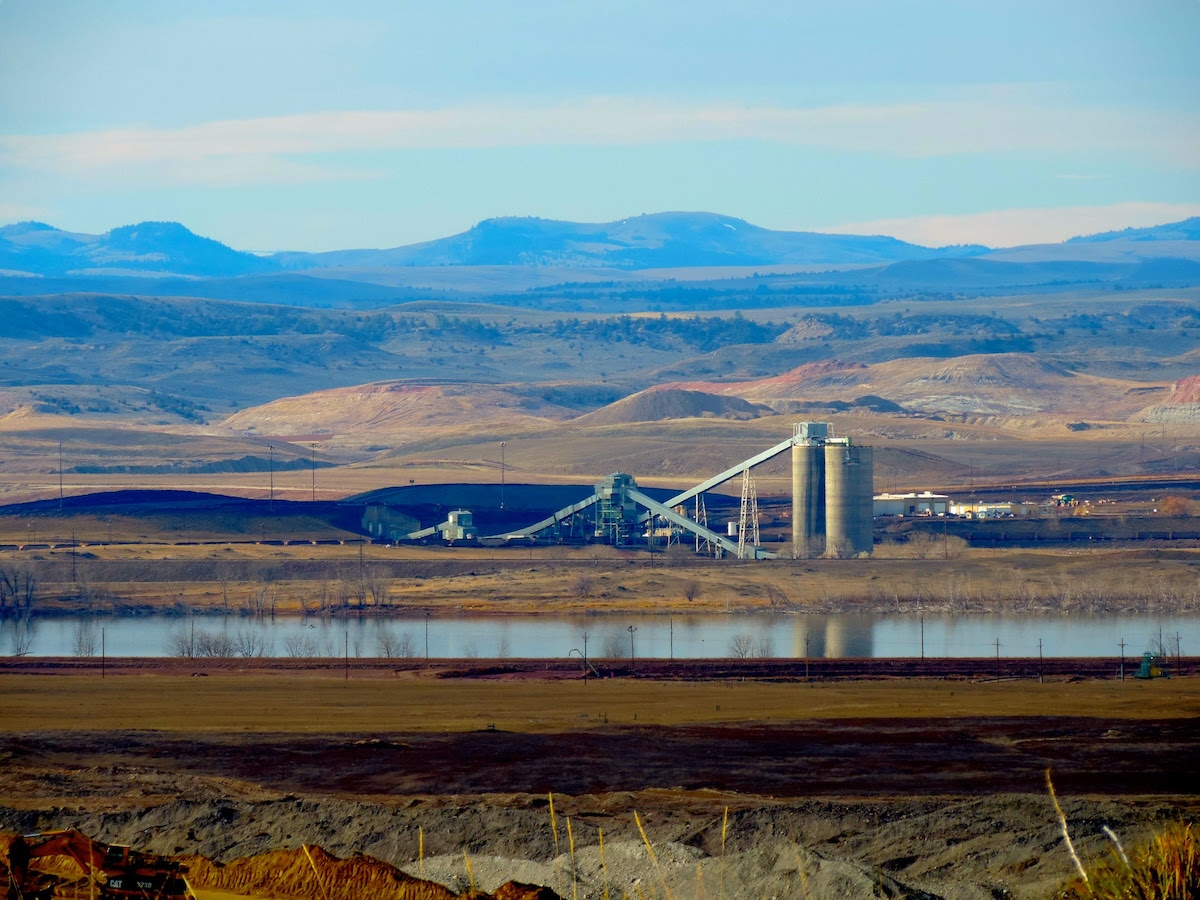
> Monumental Decision’: Biden Admin Proposes Ending Coal Leasing in Nation’s Most Productive Mining Area
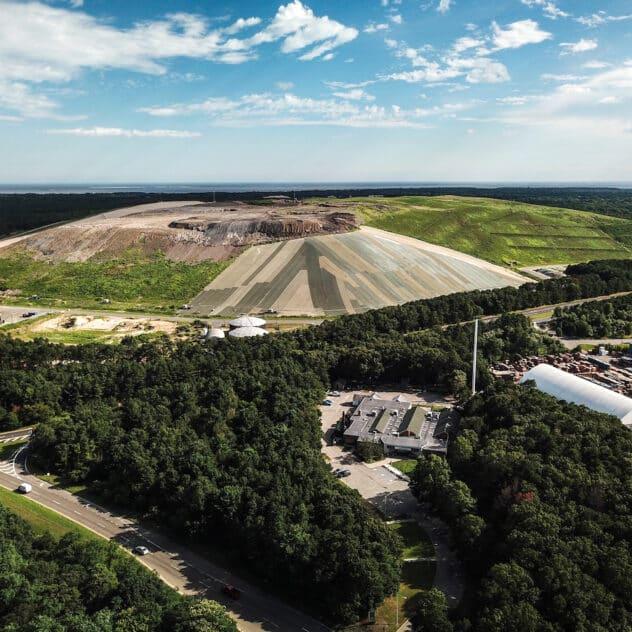
> Landfills 101: Everything You Need to Know
> Rewilding 101: Everything You Need to Know
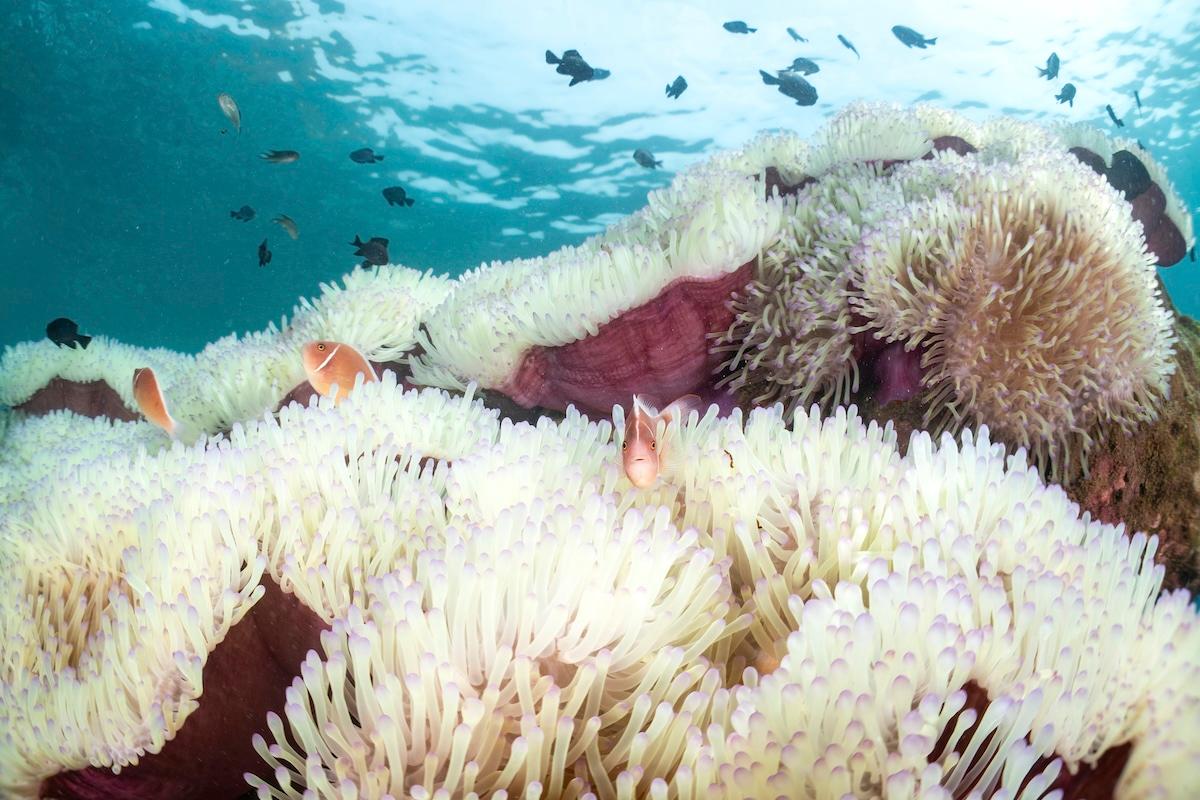
> 60.5% of World’s Coral Reefs Have Bleached in Past Year, NOAA Says
> Bumblebee Populations Threatened by Nests Overheating Due to Climate Change
> Oakland School District Transitions to 100% Electric Bus Fleet
> Los Angeles Captured More Than 96 Billion Gallons of Stormwater in Recent Months of Heavy Rain, Officials Announce
> Researchers Develop a Plastic That Digests Itself
Earth 911
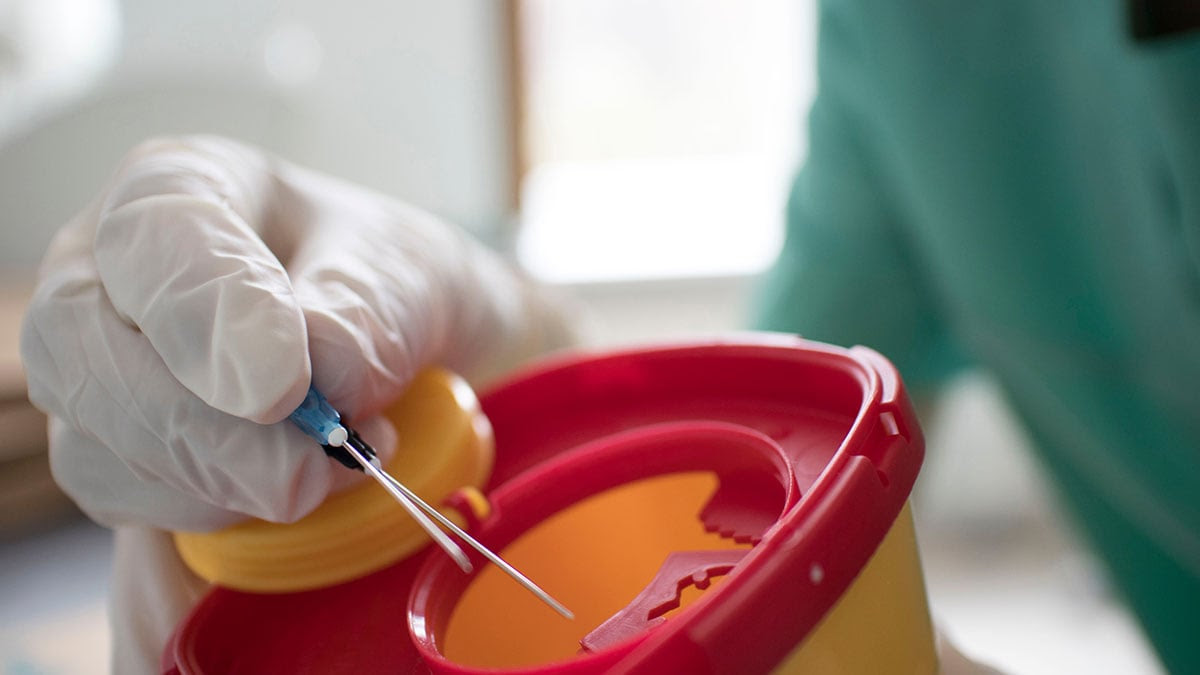
> How Oklahoma Cleaned Up Medical Sharps
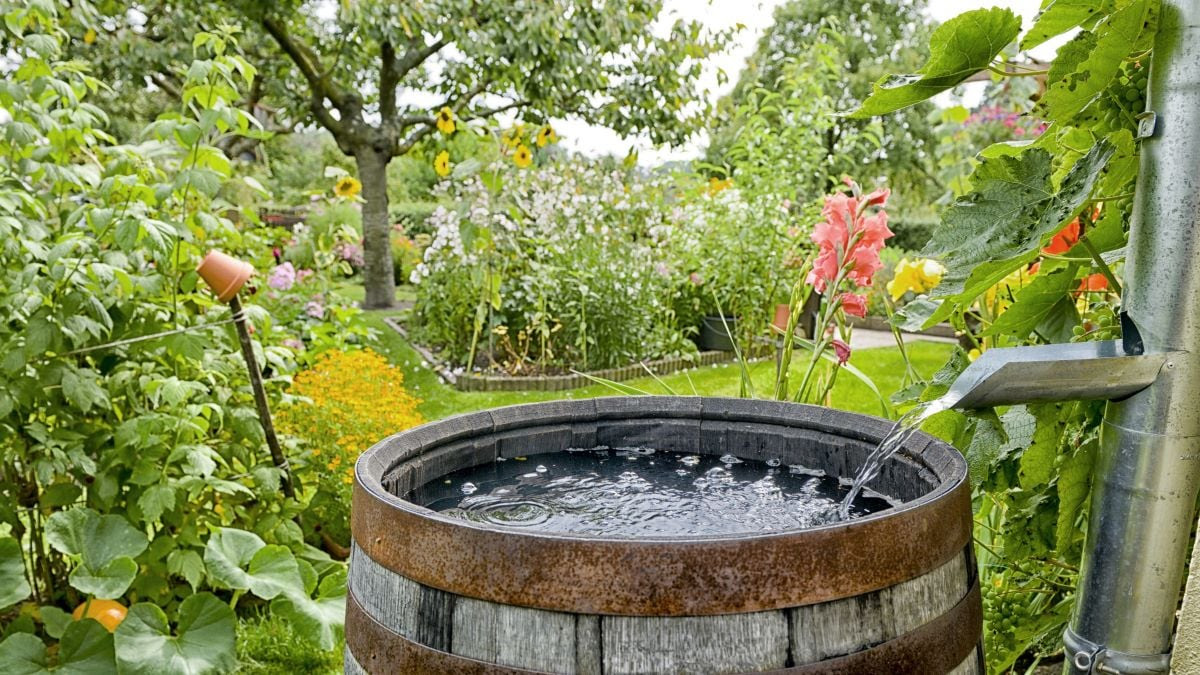
> How To Fight Climate Change In Your Garden
> Home Soda Machines: Sustainable? Are The CO2 Canisters Recyclable?
> Best Of Earth911 Podcast: Getting Started With Sustainable Investing
Community Events Posted every Friday
> We will be back with events on Friday's newsletter - See our Calendar anytime!
Mark your Calendars for Sun June 2nd 5-9pm
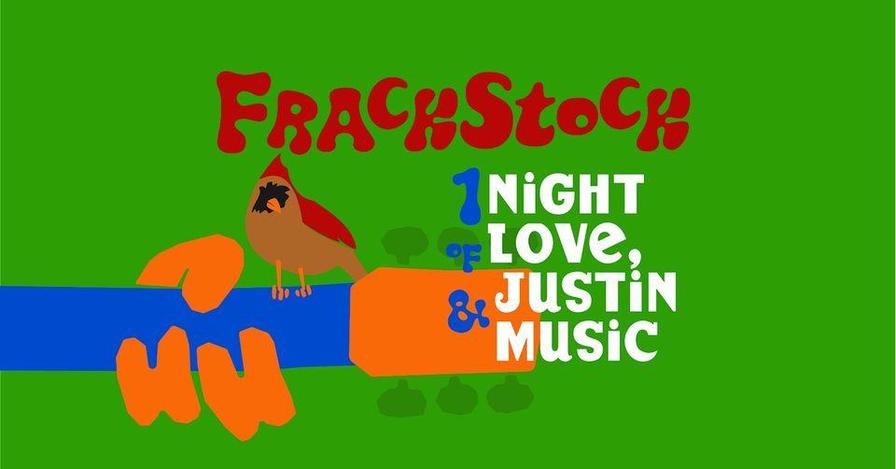
> FRACKSTOCK - A musical book event with Justin Nobel at the UU Church
>
Thanks for subscribing and please share and invite friends to sign up for this free
service here. Your support makes this work possible. If you are not already a member, please consider joining Simply Living here or donating here. |
|
|
|
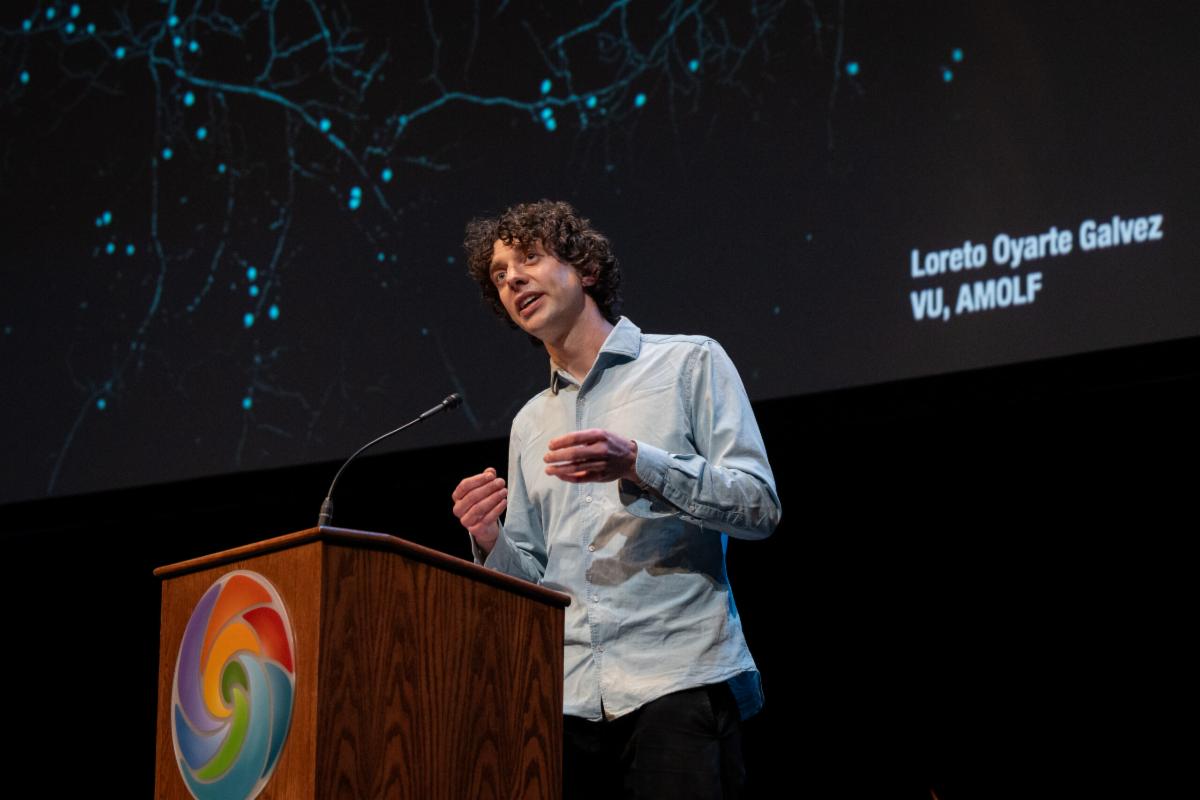
Our Last Best Hope
Stacy Mitchell – Democracy vs. Big Tech:
How We Can Win the
Fight Against Monopoly Power
https://ilsr.org/articles/the-best-chance-we-have/
The movement to fight rising corporate dominance is growing. ILSR Co-Executive Director Stacy Mitchell gave a rousing keynote speech to an enthusiastic audience of environmentalists and indigenous leaders at the 2024 Bioneers Conference. On the same stage where Heather McGhee and Michael Pollan have keynoted, Stacy told an impassioned story of the momentum to rein in corporate power and expand the freedom and agency of ordinary people, which the audience met with a standing ovation.
“It’s fostering new alliances between labor and small businesses. It’s energizing people in both rural and urban, red and blue places. It’s doing the crucial work of defining a common enemy, a shared culprit for what ails us, and thereby helping to steer us away from the politics of scapegoating and hate,” Stacy shared.
Stacy also warned that she doesn’t know if this movement can outrun the forces of authoritarianism. “But I think it’s the best chance we have. Which is why I’m here today. We need your help. We need you to join us.”
|
|
|
|
Finding the Money: A Documentary Film
"A masterpiece! By far the most inspiring economics film I have ever seen. This film is a gift to humanity.
Everyone should watch it." ~ Prof Jason Hickel
An underdog group of economists is on a mission to instigate a paradigm shift by flipping our understanding of the national debt, and the nature of money, upside down.
FINDING THE MONEY follows Stephanie Kelton on a journey through the controversial Modern Money Theory or “MMT”, to unveil a deeper story about money, injecting new hope and empowering democracies around the world to tackle the biggest challenges of the 21st century: from climate change to inequality.
NOTE: More info here: https://findingmoneyfilm.com/.
Watch the trailer here:https://www.youtube.com/watch?v=R47h_ux-nE8
Good News! Watch the film for FREE on Kanopy if you have a Columbus Library Card. Need help? https://help.kanopy.com/en-us/4171.htm
|
|
|
|
Volunteers Needed for Simply Living Beverage Booth at the 2024 Columbus Arts Festival
Friday, June 7 & Sunday June 9
Friday, shifts from 10:30 am to 2:30 pm, 2:30 pm to 6:30 pm, & 6:30 pm to 10:30 pm, and on
Sunday, June 9th, shifts from 9:30 am to 1:15 pm & 1:15 pm to 5:00 pm.
This event is a fundraiser with the potential to earn several thousand dollars! We need your help so we can continue to fulfill our mission to connect our community with learning opportunities that promote sustainability, environmental justice, and our local economy!
If you can spare 4 hours that weekend, we would love to have you help in our booth. All hours volunteered for Simply Living are eligible for Care And Share Time Bank hours. Senior and student volunteers will receive a complimentary one-year membership in Simply Living.
If you can work in the Beverage Booth this year, or if you need more information, please respond to SL Board member Lenn Black(lenn@simplyliving.org) and indicate what shift you want. Many thanks!
|
|
|
|
May Tree of the Month:
Black Locust
By Mort Schmidt for Simply Living
Black Locust is an interesting and attractive part of the Ohio forests, and for a few weeks in May, an incredibly sweet-smelling addition.
Learn about the characteristics and uses of the black locust, including by Native Americans.
In the coming weeks, be on the lookout for Honey Locust’s clusters of white, fragrant flowers.
|
|
|
|
Simply Living's
Searchable by category - take a look at our Health Section - Herbs, Yoga, Massage, Fitness, Local Pharma, Wellness, Trager, Acupuncture, more
|
|
|
|
Rita Haider Leads the Simply Living Intern Program
Interns can work on a variety of projects including organizing and publicizing events, updating our community calendar, posting to our social media, reaching out to our business members, and maintaining our Sustainable Business Directory. Question? Contact rita@simplyliving.org.
|
|
|
|
Sustainability News and Resources |
|
|
|
Featured Creature
What small but fearless songbird can astonish with its aerial acrobatics and is always ready to battle much bigger birds for dominance?
The Black Drango
A songbird with fearless attitude, the black drongo, or Dicrurus macrocercus, can be found across Southeast Asia. I first encountered this amazing avian when visiting India, where drongos could be seen across the treetops of Delhi and Kolkata. Their variety of calls and distinctive two-pronged tail caught my attention, and the more I learned about these creatures, the more I came to respect their cleverness and adaptability.
Some consider drongos to be a symbol of good fortune. This may be related to their ecological role controlling the population of certain insects that can prove to be major pests in agricultural areas. Whether due to their beauty, their singing talents, or contributions to ecological balance, black drongos’ deserve our respect and high regard.
|
|
|
|
Best Places To See Beautiful Butterflies In Ohio
Ohio is a butterfly lover’s paradise, with nearly 150 species of butterflies fluttering about and over 3,000 species of moths to marvel at. If you’re planning to catch a glimpse of these beautiful creatures, timing is everything.
Mid to late summer is the prime time to see butterflies in the wild across Ohio, though some spots might offer butterfly sightings earlier in the season. Here’s a friendly guide to the best places in Ohio to immerse yourself in the enchanting world of butterflies.
|
|
|
|
Source: RMI (Rocky Mountain Institute)
|
|
|
|
Vicki Robin Interviews Stacy Mitchell
If you were inspired by Stacy's speech (top of post) this interview offers a deeper dive into her decades long work to build a movement that challenges the outsize influence of corporate monopolies and their negative impacts on local economies.
|
|
|
|
‘An Ancient Library of Solutions:’ The Effort to Save the Mycorrhizal Fungi Vital to Life on Earth
Before plants evolved their own root systems, fungi provided the connection to the soil that enabled plants to move from water onto land. These underground networks remain crucial to plants’ survival, exchanging nutrients, forming relationships with microbes, and funneling billions of tons of carbon dioxide into the soil. They are also vast, with the mycorrhizal fungal mycelium in the top 10 centimeters of soil extending more than 450 quadrillion kilometers. Despite this, they represent a global blindspot. Because they are underground and unseen, 90% of mycorrhizal fungal hotspots currently fall outside protected areas. This is a problem not only for the fungi but all the organisms and ecosystems that depend on them. In the following edited transcript of a Bioneers keynote address, biologist and bestselling author Merlin Sheldrake talks about the vital work of the Society for the Protection of Underground Networks (SPUN) to map and protect these fungal networks and preserve this “ancient library of solutions.”
|
|
|
|
FCACO is a non-profit organization of area residents dedicated to helping individuals understand options and costs so they can make funeral arrangements that are dignified, meaningful and affordable. Founded in 1953, we are one of more than 110 similar groups across the country supported by the national Funeral Consumers Alliance (FCA). FCA monitors the death care industry and is run by volunteers. We have no attachment to the funeral industry or any religious group. Our membership is open to all.
All are welcome at the FCACO Annual Meeting Saturday
|
|
|
|
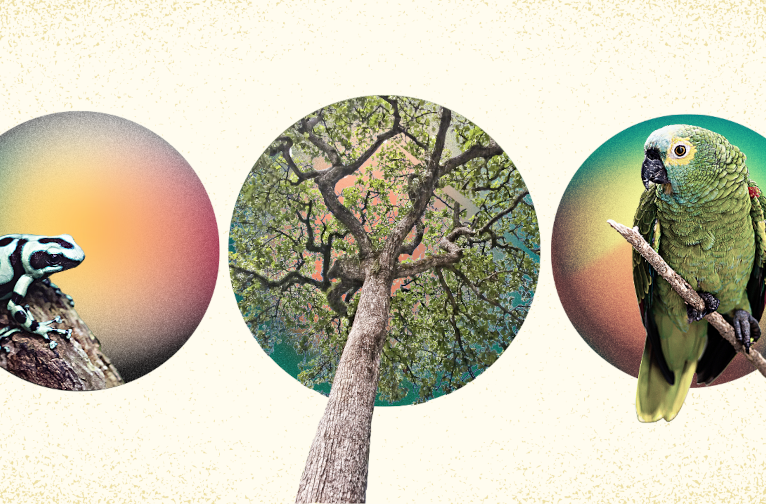
Nation-states are destroying the world.
Could ‘bioregions’ be the answer?
by Shrishtee Bajpai
Now, from the war-torn border regions of South Asia to the Amazon rainforest, people are questioning whether sustainability can ever be achieved through the framework of nation-states. They are turning to other ways of organising society based on Indigenous worldviews and practices that respect all humans and the rest of nature.
|
|
|
|
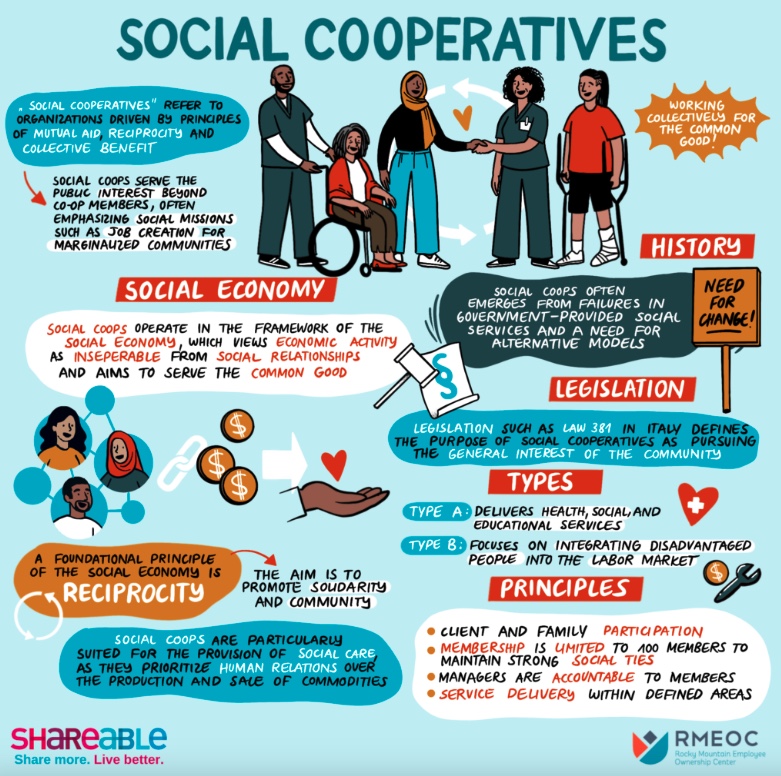
Why social coops offer potential
transformation of care and more
By Shareable Staff
Social coops offer a wholly new model of social care. They are community-led, multi-stakeholder, democratically governed, and highly relational. Community benefit, not maximum profit, is prioritized to provide high-quality care.
At the conclusion of the Academy, RMEOC will begin a monthly Community of Practice so participants can deepen their knowledge and share best practices in their work, especially in the sectors of childcare, homecare, and disabled care.
|
|
|
|
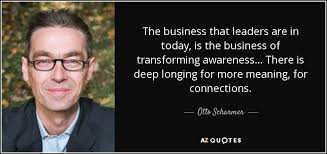
Listening the New Into Being
by Otto Scharmer
There is no limit to what we can collectively create once we align our intention, attention, and agency on the scale of the whole.
|
|
|
|
Yet more boondoggles: Extracting carbon dioxide from the air, mining asteroids
By Kurt Cobb
Boondoggles must NOT be conceived in a way that would actually solve a problem. But it turns out that using this technology in places without ready access to sufficient sources of non-carbon energy would actually force increased use of fossil fuels to power the extractors that remove carbon dioxide from the air. It’s a perfect circle that would increase emissions of the very gas it is trying to extract. (Compare to self-licking ice cream cone.)
There is the argument that the world will soon ramp up huge new sources of energy that are carbon-free. As of 2021 after decades of renewable energy deployment, the world now generates less than 2 percent of its total energy from solar and less than 3 percent from wind according to the Our World in Data (and based on the BP Statistical Review of World Energy). A little over 6 percent is from hydroelectric. But most of the best sites in the world have been taken. And, the energy from existing hydroelectric plants is already committed anyway.
|
|
|
|
The race to end fossil fuel production
By John Feffer
Everyone talks about ending fossil fuel production, but almost no one is doing anything about it. Given all this Green rhetoric and crude (oil) action, it’s hard to find examples around the world where people are actually doing something to end fossil fuel production.
|
|
|
|
Going Sane in a Crazy World
by Richard Heinberg
Individual psychological resilience is valuable for its own sake. But it may also be essential to the bigger and more important project of creating a human world that’s actually sane—i.e., one that serves the long-term survival of our species within a healthy ecosphere.
|
|
|
|
A new and silent land grab is underway – we must stop it
By Ian Scoones, Angela Serrano
As recently as 15 years ago, large-scale land grabs regularly made headlines around the world, as wealthy governments bought up fertile fields in poorer countries to grow and export produce to feed their own populations.
This was part of a trend that has seen 30 million hectares of agricultural land sold off around the world since the early 2000s, according to the Land Matrix, an independent monitoring initiative that tracks land deals across the world.
But these spectacular state-led land grabs appear to have now been replaced by silent, often small and incremental forms of expropriation, where capital extends its frontier for either expanding agricultural estates, conservation areas, carbon investments and energy projects.
Against this background, land struggles are playing out across the world.
|
|
|
|
Eating at the Old Growth Table
By Valerie Segrest
We have been required to navigate our food system with great care and caution to keep on living. As a result, we have perfected practices that have been passed down through generations. We have refined recipes that contain ingredients representing species that predate woolly mammoths and dinosaurs.
|
|
|
|
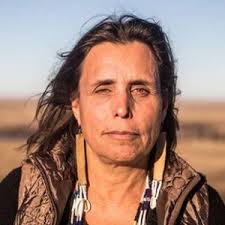
Winona LaDuke Quotes
We are a part of everything that is beneath us, above us, and around us. Our past is our present, our present is our future, and our future is seven generations past and present.
Food for us comes from our relatives, whether they have wings or fins or roots. That is how we consider food. Food has a culture. It has a history. It has a story. It has relationships.
What we all need to do is find the wellspring that keeps us going, that gives us the strength and patience to keep up this struggle for a long time.
|
|
|
|
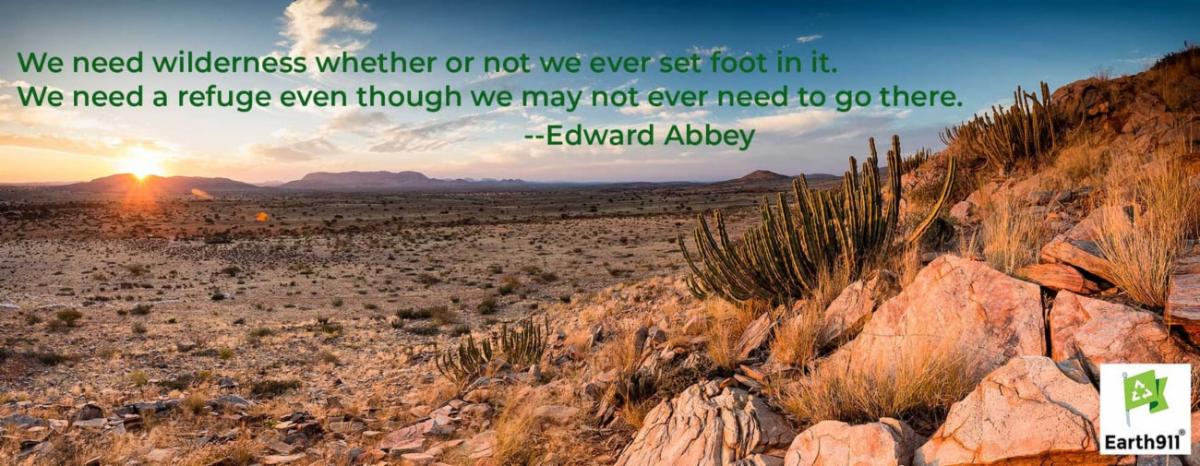
“To leave the world better than you found it, sometimes, you have to pick up other people’s trash.” ~ Bill Nye |
|
|
|
‘Monumental Decision’: Biden Admin Proposes Ending Coal Leasing in Nation’s Most Productive Mining Area
The United States Department of the Interior’s Bureau of Land Management (BLM) has proposed the ending of new coal leases on federal land in Montana and Wyoming’s Powder River Basin (PRB) — the nation’s most productive area for the highly polluting fossil fuel.
|
|
|
|
Landfills 101: Everything You Need to Know
Most of us barely have to think about our trash. We throw it in a bin, take the bag to the curb, then the garbage truck comes and takes it away. Pretty quickly, our waste becomes invisible to us, but it has to end up somewhere.
Related:
|
|
|
|
Rewilding 101: Everything You Need to Know
It’s no secret that modern humans have ravaged the planet. We have decimated ecosystems to make way for monocrop agriculture, the raising of beef cattle and development. Ecosystems that had maintained a delicate balance for millions of years have been turned into ecological wastelands with cascading negative effects on biodiversity, humanity and essential biogeochemical processes like Earth’s water cycle.
Rewilding is the reversing of negative impacts on natural environments through the restoration and conservation of ecosystems, wilderness areas and their natural processes, and it is essential for the survival of most life on our planet.
|
|
|
|
60.5% of World’s Coral Reefs Have Bleached in Past Year, NOAA Says
|
|
|
|
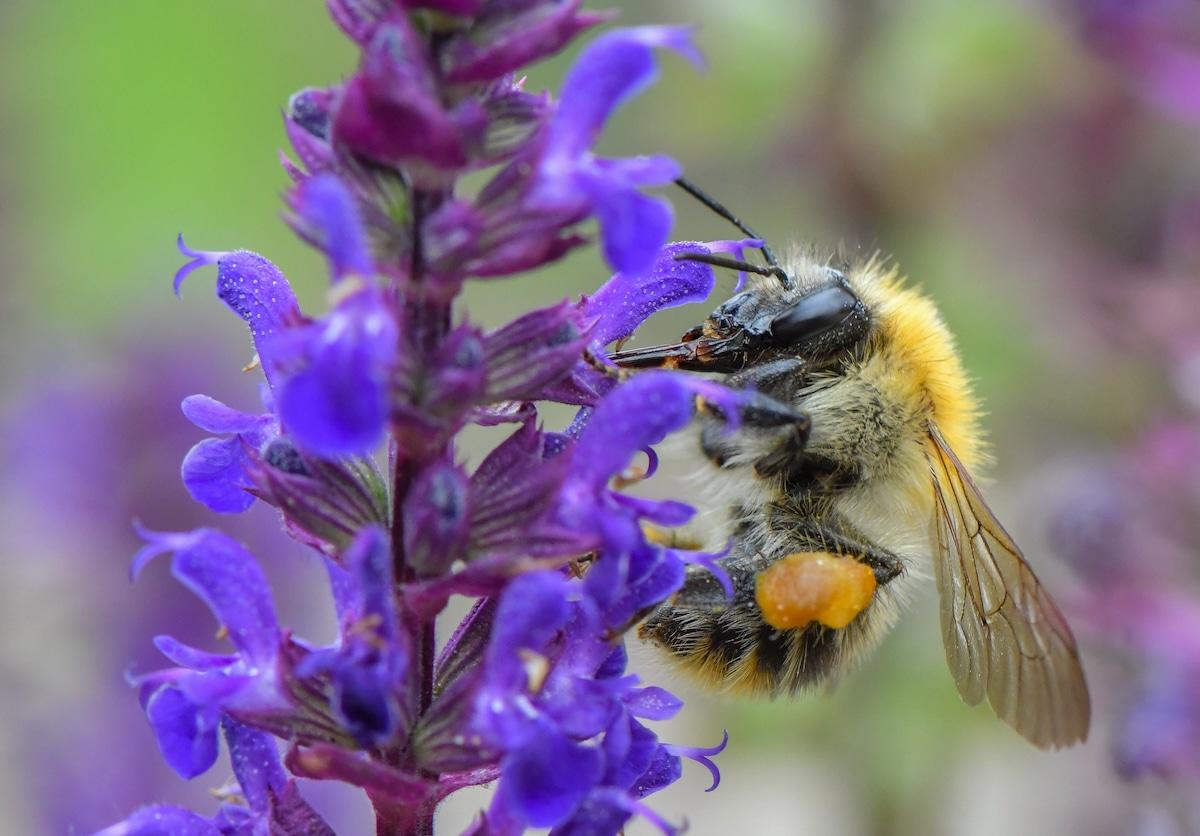
Bumblebee Populations Threatened by Nests Overheating Due to Climate Change
There are more than 250 species of bumblebee on Earth, inhabiting a variety of environments. Many are in decline due to climate change, but the specific cause has been difficult to pinpoint.
Following a review of the scientific literature, the research team found that the optimal temperature window of bumblebee nests — roughly 28 to 32 degrees Celsius — was consistent between many species around the world.
|
|
|
|
Los Angeles Captured More Than 96 Billion Gallons of Stormwater in Recent Months of Heavy Rain, Officials Announce
In a regular year, the city captures an average of 8.8 billion gallons of stormwater, the Los Angeles Department of Water & Power reported. In the past year, stormwater capture has reached about 204 billion gallons, enough to supply water to about 5 million people, according to Water for LA, a county program.
|
|
|
|
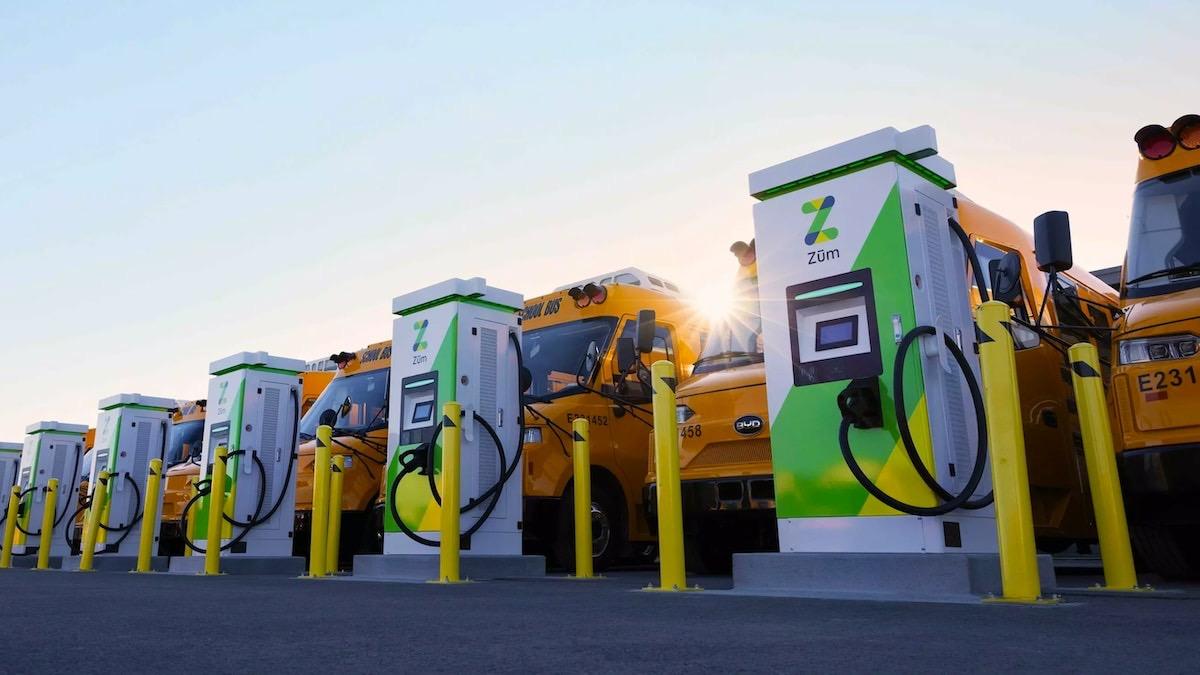
Oakland School District Transitions to 100% Electric Bus Fleet
The Oakland Unified School District (OUSD) in the Bay Area of California is set to fully transition its school bus fleet to electric buses. With this move, it is expected to become the first big school district in the U.S. to switch to 100% electric buses with vehicle-to-grid (V2G) capabilities.
The school district has partnered with Zūm, a school transportation services company, to acquire a fleet of 74 entirely electric buses. In addition, the school district will receive bidirectional chargers, which can not only charge the buses but send stored or excess energy from the vehicles back to the grid.
This means the fleet of electric buses and chargers will double as a virtual power plant (VPP). Zūm reported the OUSD fleet VPP is expected to send 2.1 gigawatt hours (GWh) per year back to the grid, which will save about 25,000 tons of emissions.
|
|
|
|
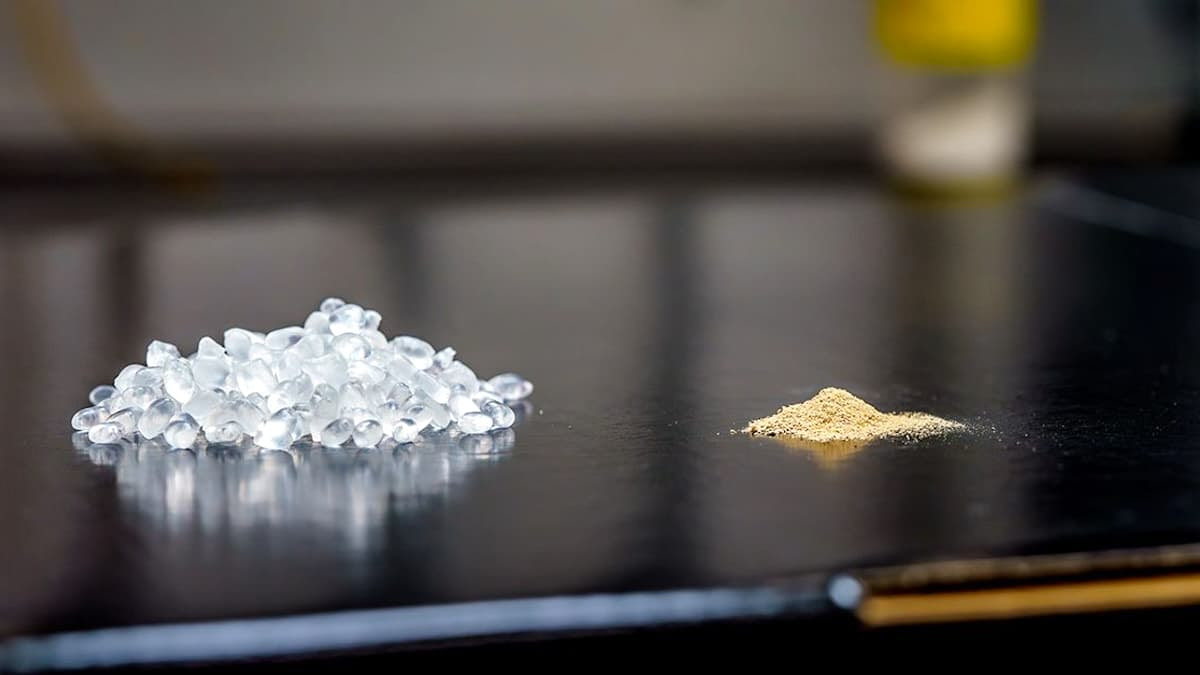
Researchers Develop a Plastic That
Digests Itself
A team led by researchers at the University of California San Diego have developed a type of biodegradable plastic that can begin digesting itself when it makes contact with soil or compost.
|
|
|
|
How Oklahoma Cleaned Up Medical Sharps
Editor’s Note: Our friends at the Product Stewardship Institute recently helped the state of Oklahoma solve its medical sharps disposal dilemma. They graciously agreed to share their lessons learned and actions you can take to handle medical sharps safely in your community..More than 8 million US residents are prescribed self-injecting medications, generating as many as 3 billion needles per year.
Although medical sharps are life-saving devices for millions of Americans, when needles are flushed or trashed, they pose grave health and safety risks to residents, sanitation workers, sewage treatment plant operators, waste management personnel, and hospitality workers. more...
|
|
|
|
How To Fight Climate Change In Your Garden
Regenerative gardening is one way to improve our local resiliency and restore nature's capacity to remove carbon dioxide from the atmosphere. more...
|
|
|
|
Home Soda Machines: Sustainable? Are The CO2 Canisters Recyclable?
More households are choosing soda machines to reduce plastic bottle use, and Consumer Reports found these systems more than pay for themselves in savings after about two years. But are the CO2 gas and canisters sustainable? more...
|
|
|
|
Best Of Earth911 Podcast: Getting Started With Sustainable Investing
As inflation cools, consumers are expected to continue migrating to sustainable products and services, fueling higher returns for ESG-aligned stocks. Explore the first steps you can take. listen now...
|
|
|
|
Community Events
SIGN UP to Receive our E-Newsletter Every Friday in Your Inbox
|
|
|
|
Mark Your Calendars
Frackstock - Sun June 2nd, 5-9pm
Musical book event at Unitarian Universalist Church,93 W. Weisheimer Rd Cbus 43214
Hosted by Buckeye Environmental Network, GrassRoots Ohio and First UU Church
|
|
|
|
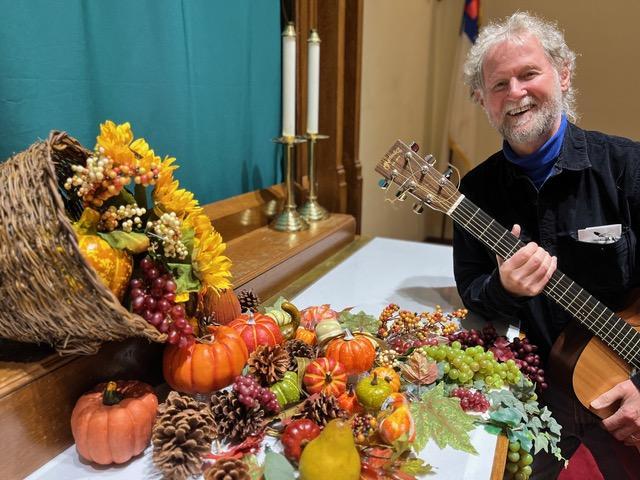
Bill Cohen’s Joyful
“Songs of Gratitude” Concert
Sat Jun 8th 7:00pm
2833 Valleyview Dr, Columbus, OH 43204 map
Let’s Celebrate Thanksgiving in June
|
|
|
|
|
|