|
November 4, 2024
Dear Aoki Community:
We celebrate Native American Heritage Month alongside all of our Native American community members! We invite you to explore UC Davis' resources for better understanding how the campus can best serve our Native American students. Stop by the Gorman Museum of Native American Art and appreciate its current exhibit by Brenda Mallory: In the Absence of Instruction, which "explores an intersection of themes from the past and present to express new forms of cultural knowledge despite historical disruption."
The Aoki Center would also like us to take this time to reflect on the history and current systems of oppression against Indigenous peoples in the United States and across the world, and to delve into the calls for decolonization, land back, and tribal sovereignty. May we all continue to learn from Indigenous culture and practices with profound humility and respect so we can join alongside their advocacy efforts and achieve redress.
In Solidarity,
| |
|| Aoki Center Updates || | | |
|
|
UC Davis Achieves HSI Eligibility, Serving More Than 8,000 Latinx Students
UC Davis has earned HSI eligibility with 25.1% of its full-time undergraduate students being Latino/a. The campus has long sought after this goal and established the HSI Task Force to help guide the university on how to better support the academic success of Latino/a students through interdisciplinary research and leadership.
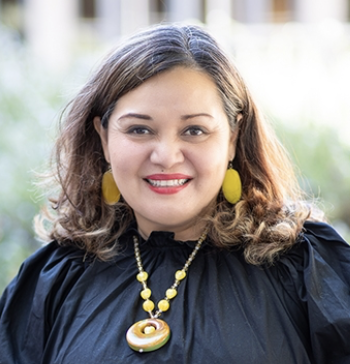
Our very own Raquel Aldana has co-chaired on the task force to help UC Davis achieve this important mission. With profound love and dedication for this initiative, Professor Aldana has been an important role so that Latino students can be academically successful at UC Davis. Read the HSI Task Force report written by co-chairs, Raquel Aldana and Rahim Reed. Congratulations to Professor Aldana and the HSI Task Force!
_____________________
| | |
|
|
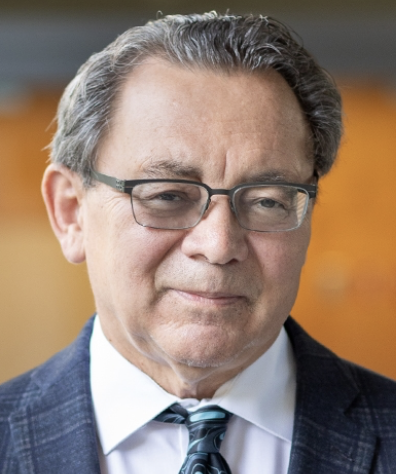
Reporter Jasmine Garsd interviewed Kevin Johnson for a Nov. 1 Morning Edition news segment on NPR regarding former President Trump’s plans to use law enforcement for the implementation of his plans for mass deportation of immigrants if he is re-elected to the White House.
He also spoke to reporter Mira Patel of the Indian Express about the role of immigration as a flashpoint in the 2024 presidential election, and the history of immigrants as political scapegoats in the United States.
_____________________
| | |
|
|
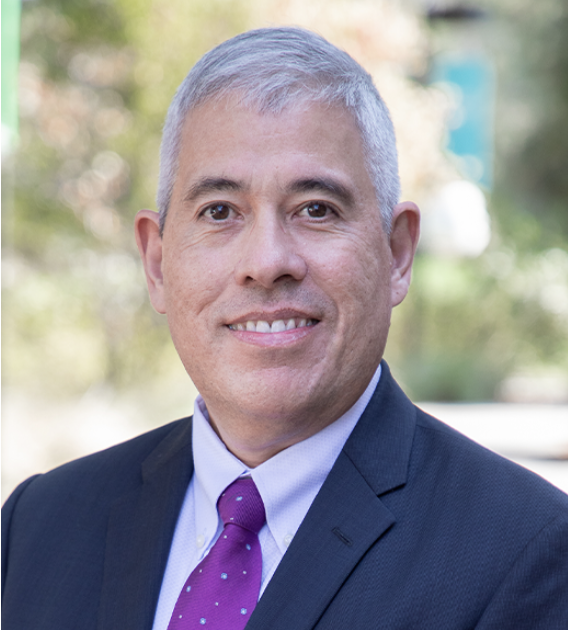
Los Angeles Times reporter Andrea Castillo interviewed Professor Gabriel “Jack” Chin for a story about former President Donald Trump’s claim that, if re-elected president, he would carry out the “largest deportation in history.” Read the article.
He also spoke to writer Jonathan van Harmelen for an International Examiner story about his research on Chinese restaurants, including the Chicago Cafe in Woodland. Chin’s interdisciplinary Asian Exclusion Research Project identified the Woodland diner as the oldest continuously running Chinese restaurant in California – and perhaps the United States.
| |
|
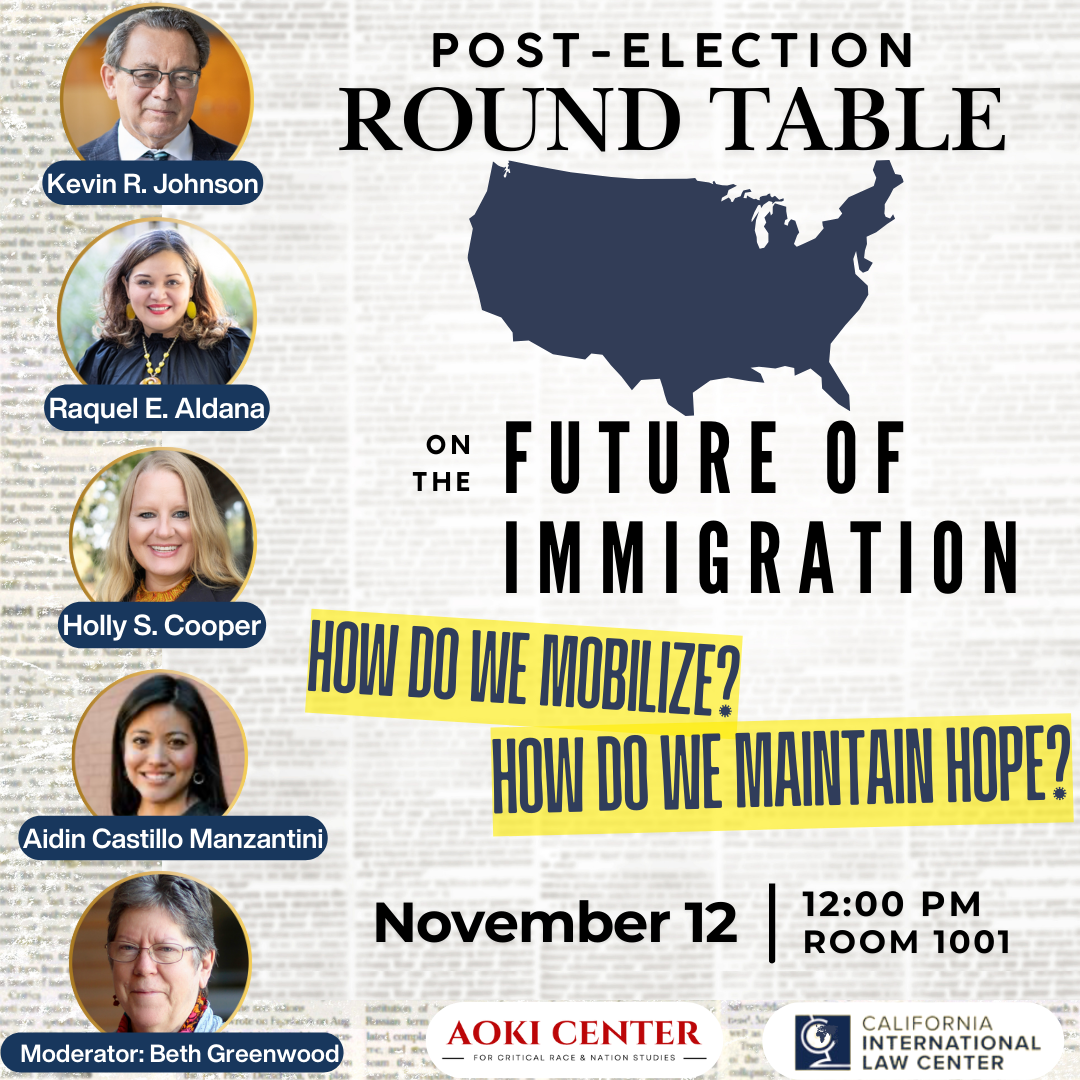
Next Tuesday: Post-Election Round Table Talk On The Future Of Immigration
Join us for an insightful discussion on the future of immigration policy in a post-election landscape. This round table will explore potential immigration priorities of the new administration, concerns about emerging initiatives, strategies for impactful advocacy, and hopes for positive change. Featuring leading immigration law experts—Kevin R. Johnson, Raquel E. Aldana, Holly S. Cooper, and Aidin Castillo Mazantini—and moderated by Beth Greenwood, this event is sponsored by the Aoki Center and California International Law Center. Don’t miss this chance to engage with top voices on the critical challenges and opportunities ahead for immigration reform.
Tuesday, November 12 | 12:00 to 1:00 PM | Room 1001 | Livestream
| |
|
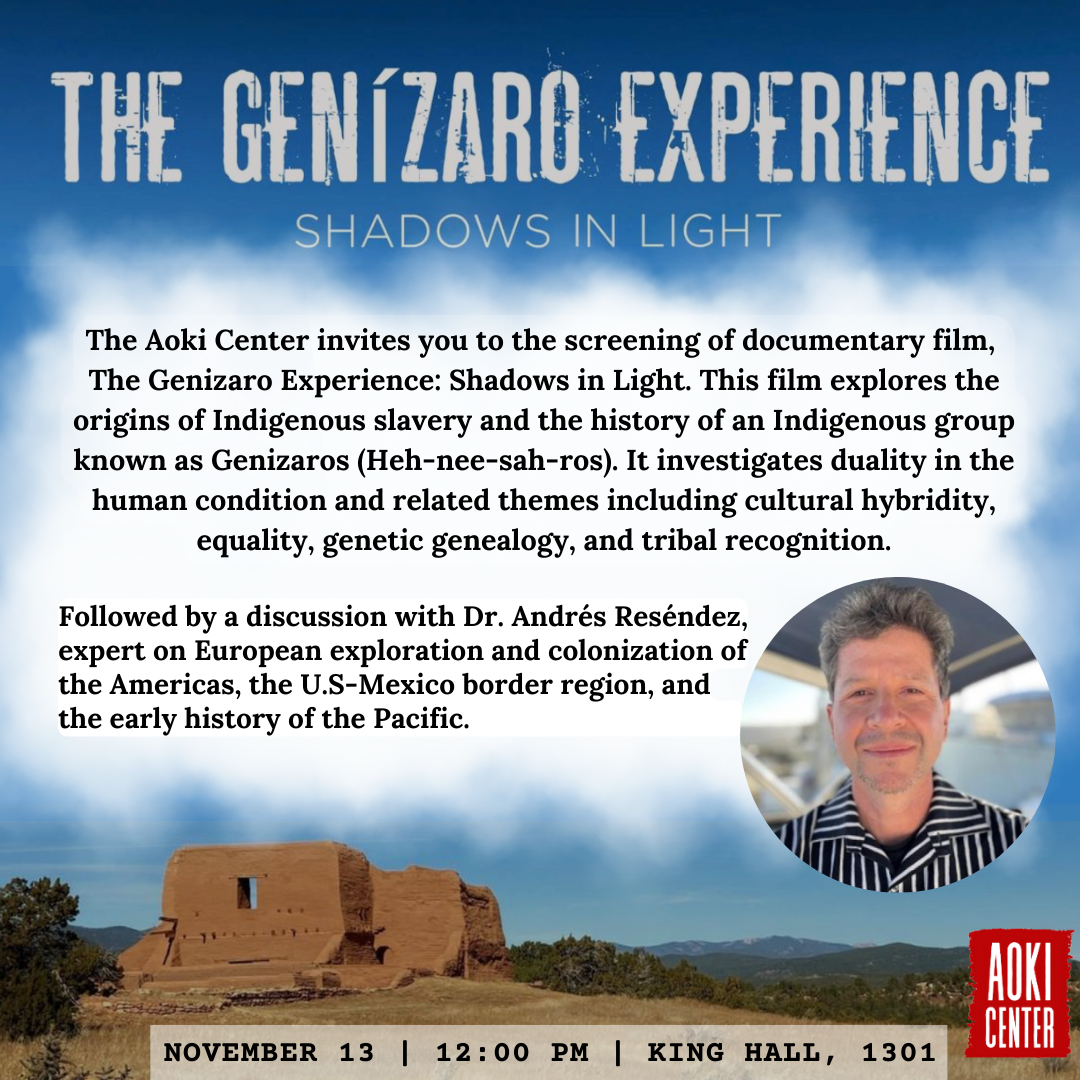
Next Wednesday: Screening of The Genízaro Experience with Discussion Led by Dr. Andrés Reséndez
Please join us for a screening of The Genízaro Experience, a documentary exploring the origins of Indigenous slavery and the history of the Indigenous group knows as Genizaros (Heh-nee-sah-ros). The film investigates duality in the human condition and related themes of cultural hybridity, equality, genetic genealogy, and tribal recognition.
The screening will be followed by a discussion with UC Davis Professor Andrés Reséndez, an expert on the European colonization of the Americas, the U.S. border region, and the early history of the Pacific.
Wednesday, November 13 | 12:00 to 1:00 PM | Room 1301 | Livestream
| |
|
Save-the-Dates for Our End of November Events:
-
Monday, November 18 from 4:00 to 6:00 PM: "Power in the Process: Engaging Legal Systems for Indigenous Rights." Featuring experts in indigenous studies and rights under international law Natsu Taylor Saito and Beth Rose Middleton Manning.
-
Tuesday, November 19 from 4:30 to 6:30 PM: "Redress for Japanese Latin Americans Under the U.S. WWII Rendition Program." Featuring expert in international law Professor Natsu Taylor Saito and coordinator of the Campaign for Justice Grace Shimizu. Co-sponsored by the UCD Hemispheric Institute of the Americas.
-
Thursday, November 21 from 12:00 to 1:00 PM: "Unmentionables: Textiles, Garment Work, and the Syrian American Working Class." Presented by Dr. Stacy D. Fahrenthold who will discuss her project on a labor history of Arab Americans in the industry before 1934. The talk touches on immigration, race in labor politics, diaspora capitalism, and supply chains in the textiles businesses between the Middle East and the Atlantic world. Co-sponsored by the UC Davis Labor Center.
| | |
|
|
Congratulations to the Los Angeles Dodgers!
The Dodgers' victory reminds us of their history of intentionally seeking racial inclusion in their team. They had the first African American major league baseball player, Jackie Robinson, and brought LA Mexican Americans to major league baseball with Fernando Valenzuela, an iconic figure and source of Latino pride in the city who beat the Yankees in the 1981 World Series. May racial diversity, inclusion, and justice be incorporated into all aspects of society and culture to uplift all communities.
| |
|
Today: How Poverty, Economic Insecurity, America's Large Criminal Justice System and Other Symptoms of an Unequal Society Impact Individuals' Physical & Psychological Well-Being
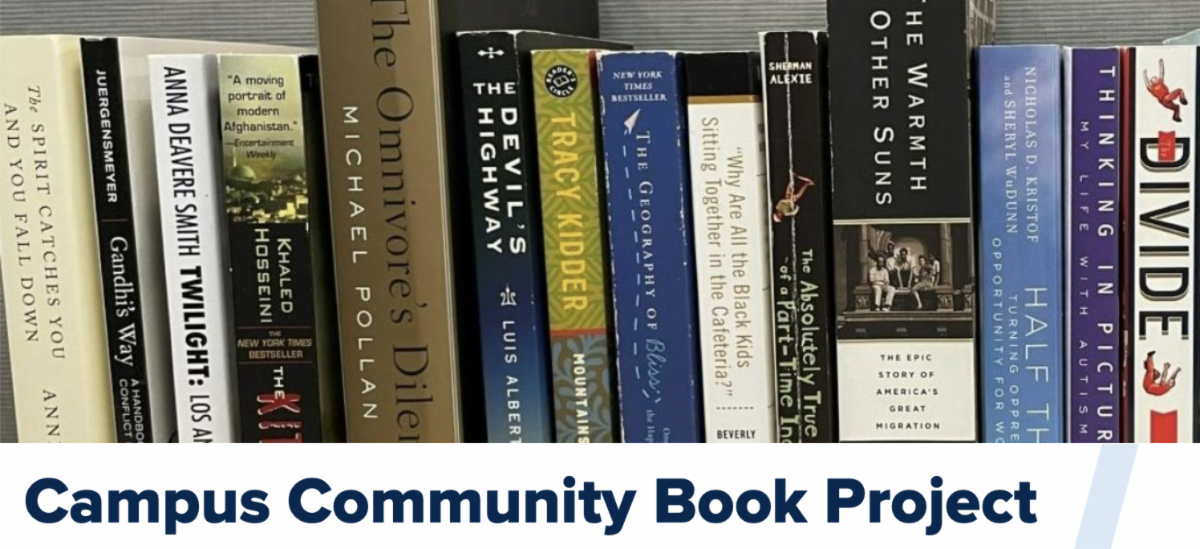
The 2024-2025 Campus Community Book Project focuses on the topic of health equity and justice and features Weathering: The Extraordinary Stress of Ordinary Life in an Unjust Society by Arline T. Geronimus. Join the Aoki Center in the Spring as we host Dr. Geronimus at King Hall.
Today, the Campus Community Book Project (DEI | OCCR) presents Sasha Abramsky, continuing lecturer, University Writing Program and research affiliate, Center for Poverty and Inequality research, draws on his reporting and research for his books "Breadline USA, The American Way of Poverty, Jumping at Shadows" and his three books on the criminal justice system to explore how bodies and minds are quite literally shaped and chemically altered by the stresses of living on the margins. He will talk about how stress lowers life expectancy, makes it harder to hold down jobs, makes it more difficult to function in relationships, and so on.
This session’s learning objectives include:
- Understanding the importance of empathy in interpreting other people's actions/experiences.
- Gaining a better sense of the interplay between actions at a communal and individual level.
- Getting a handle on the large-scale societal forces that help shape the physical and mental health and well-being (or sickness) of individuals.
November 4 | 2:30 to 3:30 PM | Student Community Center, Room D
|  | |
|
UC Davis Global Migration Center's Seminar Series
Tomorrow: Skills, Distortions, and the Labor Market Outcomes of Immigrants across Space
Speaker: Gabriele Luchetti
Affiliation: Rockwool Foundation, Berlin
Luchetti studies the geography of immigrants' labor market outcomes and its implications for spatial inequality. Using US micro-data, they document that, compared to natives and immigrants from high-income countries, immigrants from low-income countries i.) do not earn a premium from working in big cities and ii) are more likely to work in non-cognitive occupations and live in big cities. To shed light on the mechanisms driving these facts, they build a quantitative general equilibrium spatial model where the technology of firms in cities favors cognitive skills, workers are heterogeneous in human capital and tastes for cities and occupations, and immigrants face labor market distortions. Removing all sources of heterogeneity between immigrants and natives reduces their earnings gap by 29 percent at the expense of an increase in the earnings gap between cities by 2.3 percent. An immigration policy opening borders to non-college-educated workers increases the earnings gap between immigrants and natives by 2.6 percent but reduces the earnings gap between cities by 0.3 percent.
Tue, Nov 5, 2024 | 12:00pm - 1:00pm | Via Zoom
|  | |
|
Certifying Justice: Contesting and Constructing U-visa Eligibility in California
Speaker: Fernando Moreno
Affiliation: UC Davis School of Law
The U-visa was created by Congress in 2000, “to improve reporting of criminal activity among immigrant communities” and “to encourage law enforcement officials to better serve immigrant crime victims”. Before filing a petition with federal officials, immigrants must first receive a signed certification from a local law enforcement agency attesting that the applicant has been a victim of certain qualifying criminal activity, was cooperative in the investigation or prosecution of that crime, and that they are willing to assist law enforcement in the future. Scholars and legal advocates have found significant variation in subnational U-visa policies, finding major barriers and blanket denials of certifications by police leaders in more anti-immigrant locales. This subnational variation produces a “geographic roulette” in securing U-visa protections for immigrant crime survivors across the United States. However, little is known about the variation that exists within states. This study asks: how do law enforcement certifiers interpret and contest U-visa eligibility in California? How do law enforcement compare to one another?
Tue, Nov 12, 2024 | 12:00pm - 1:00pm | Andrews Room (2203 SS&H)
| |
|
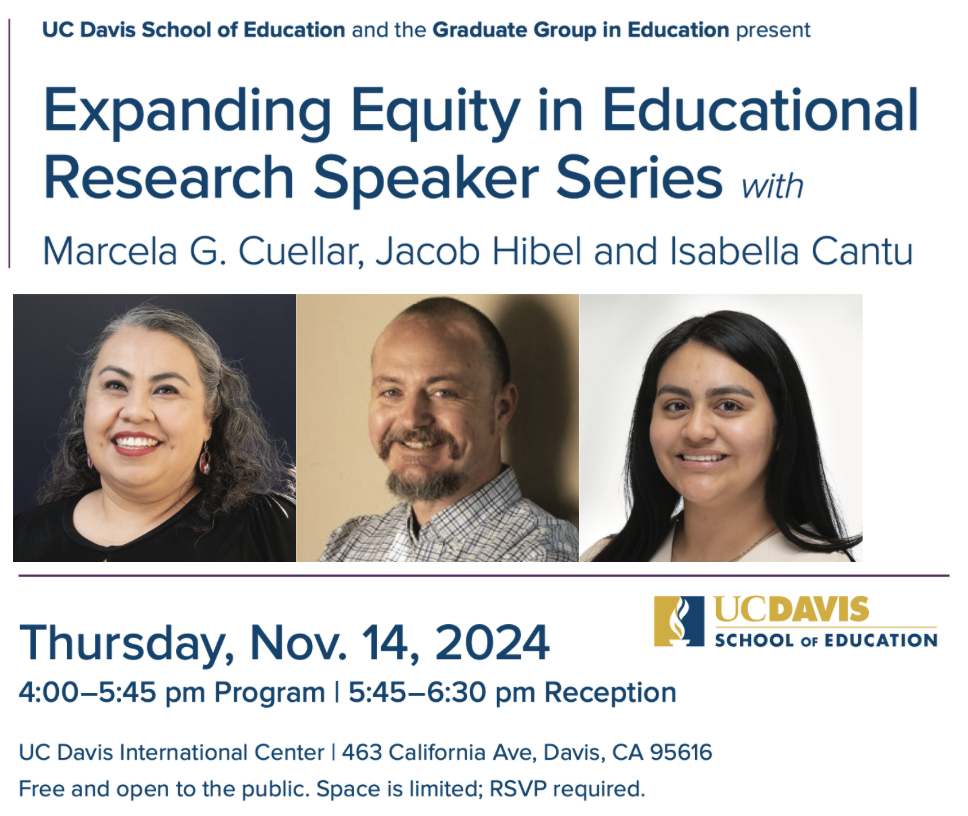
Next Week: Expanding Equity in Educational Research Speaker Series
Presented by the UC Davis School of Education and Graduate Group in Education, the Expanding Equity in Educational Research speaker series highlights multidisciplinary experts that explore how faculty and students can use their research to shift practices and create more equitable outcomes across the educational field.
Thursday, November 14 | 4:00–5:45 pm Program | 5:45 pm Reception
UC Davis International Center | RSVP
Dr. Marcela G. Cuellar is an associate professor in the School of Education at the University of California, Davis. Her research examines Latinx/a/o student experiences and outcomes at Hispanic-Serving Institutions (HSIs) and emerging HSIs, campus climate, and community college baccalaureates. She is currently a co-PI on a research project examining the unique role of R1 HSIs, especially within the University of California.
Jacob Hibel is an associate professor in the Department of Sociology. His research focuses on large-scale immigration’s consequences for children, schools, and communities. He is particularly interested in community-level effects: the consequences of living and attending school in an immigrant-rich community versus one with lower historical immigration levels.
Isabella (Bella) Cantu is a 2nd year Ph.D. student in the Department of Sociology and assists in research with both Dr. Cuellar and Dr. Hibel. Cantu grew up in the Inland Empire region of Southern California, and earned her bachelor’s degree in sociology from CSU San Bernardino, an HSI. Her research examines students’ educational pathways from K-12 to higher education and disparities in access and attainment of postsecondary education.
|  | |
|
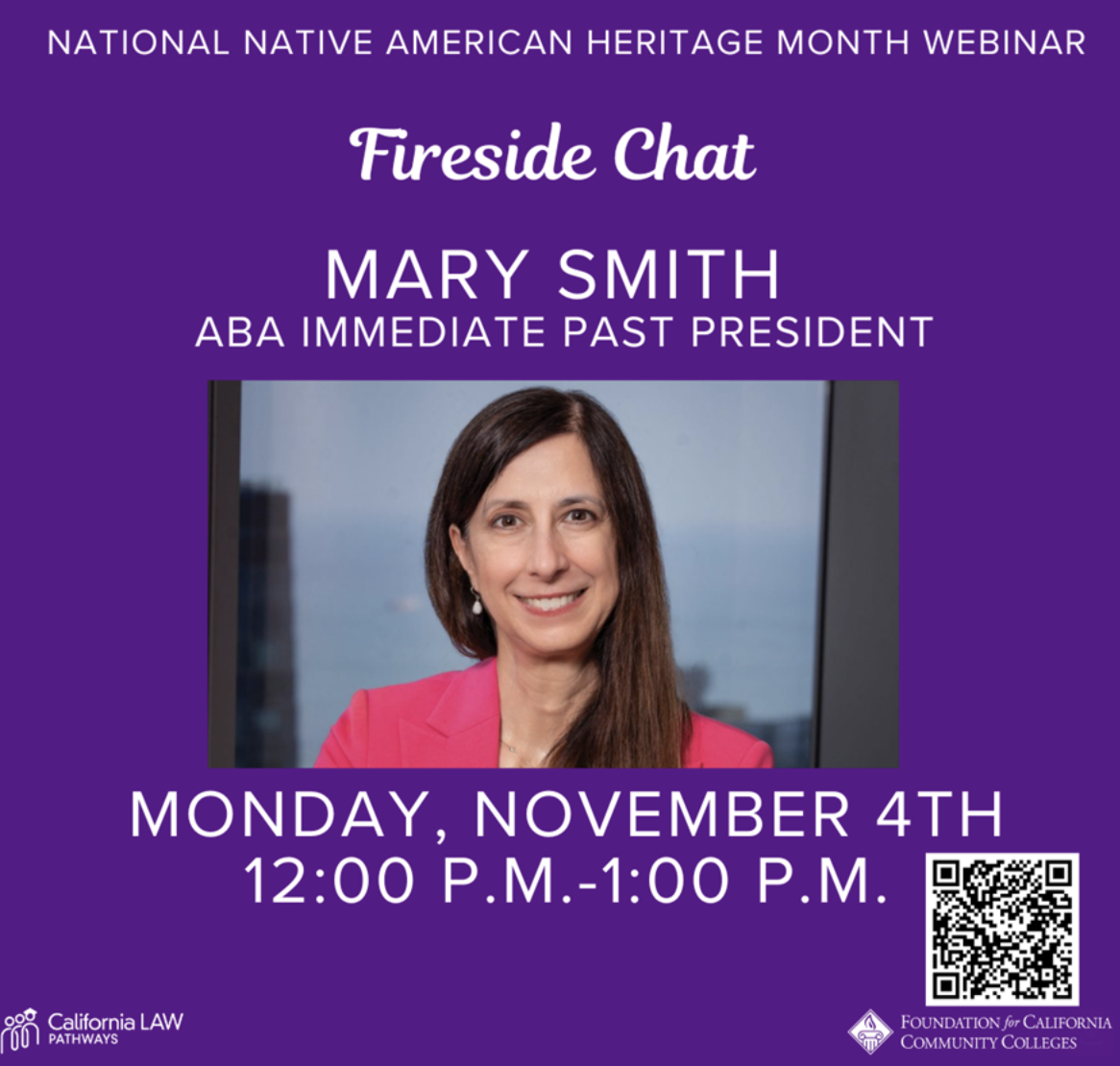
TODAY - Virtual Fireside Chat Featuring Mary Smith
Join CA Law Pathways in celebrating National Native American Heritage Month with a special virtual fireside chat featuring Mary Smith, Immediate Past President of the American Bar Association. She will discuss the history of Native American Heritage Month, important legal topics in the Native American community, and her remarkable career trajectory. Don't miss out on this opportunity to hear from a trailblazing leader in the legal community! Read her full biography here.
November 4 | 12:00 PM | Register Here
| |
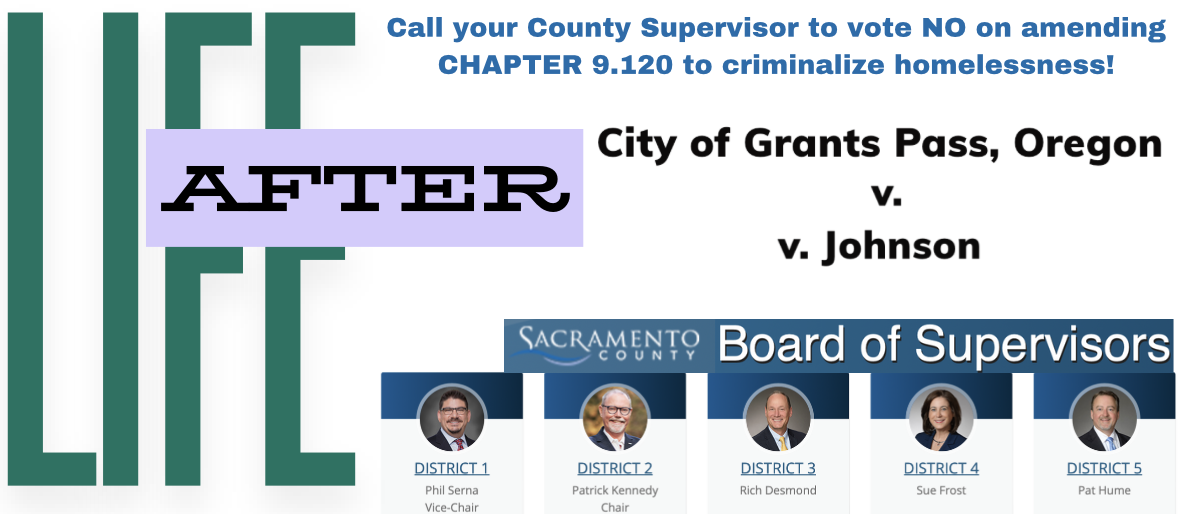
TOMORROW: Call To Action - Protect Our Unhoused Neighbors
The Board of Supervisors will discuss and vote on the Anti-Homeless Law (ordinance) on Tuesday, November 5 at 9:30AM. Sacramento County will decide to make using survival gear (such as tarps, bedrolls, and tents) illegal across all public property in unincorporated county areas. These misdemeanor offenses will be used to enforce cruel, forced displacement orders under threat of arrest or citation, to confiscate and destroy people's belongings, and to give fines, court dates, and jail time for the "crime" of survival.
All advocates, the unhoused, groups, and concerned community members must show up, send emails, texts, and call to say NO to the Anti-Homeless Law and voice your concerns!! You can ensure those are not the only voices the county hears related to this policy. You can send a public comment by emailing BoardClerk@saccounty.gov, including the meeting date and agenda item number (#52). And until then, reach out to your supervisor as soon as possible to register your opposition to this anti-survival proposal as well as encouragement to focus on long term solutions.
Tuesday, November 5 | 9:30AM
700 H Street, Board Chambers Room 1450, Sacramento | Livestream
| |
|
Saturday: Letter Writing Night
NorCal Resist is teaming up with friends to host another letter writing night to political prisoners. It's a chill event where we eat, chat, and send a little kindness to someone who is behind bars. See you there!
November 9 | 7:00 PM | 2775 Cottage Way, Suite 15, Sacramento
| |
|
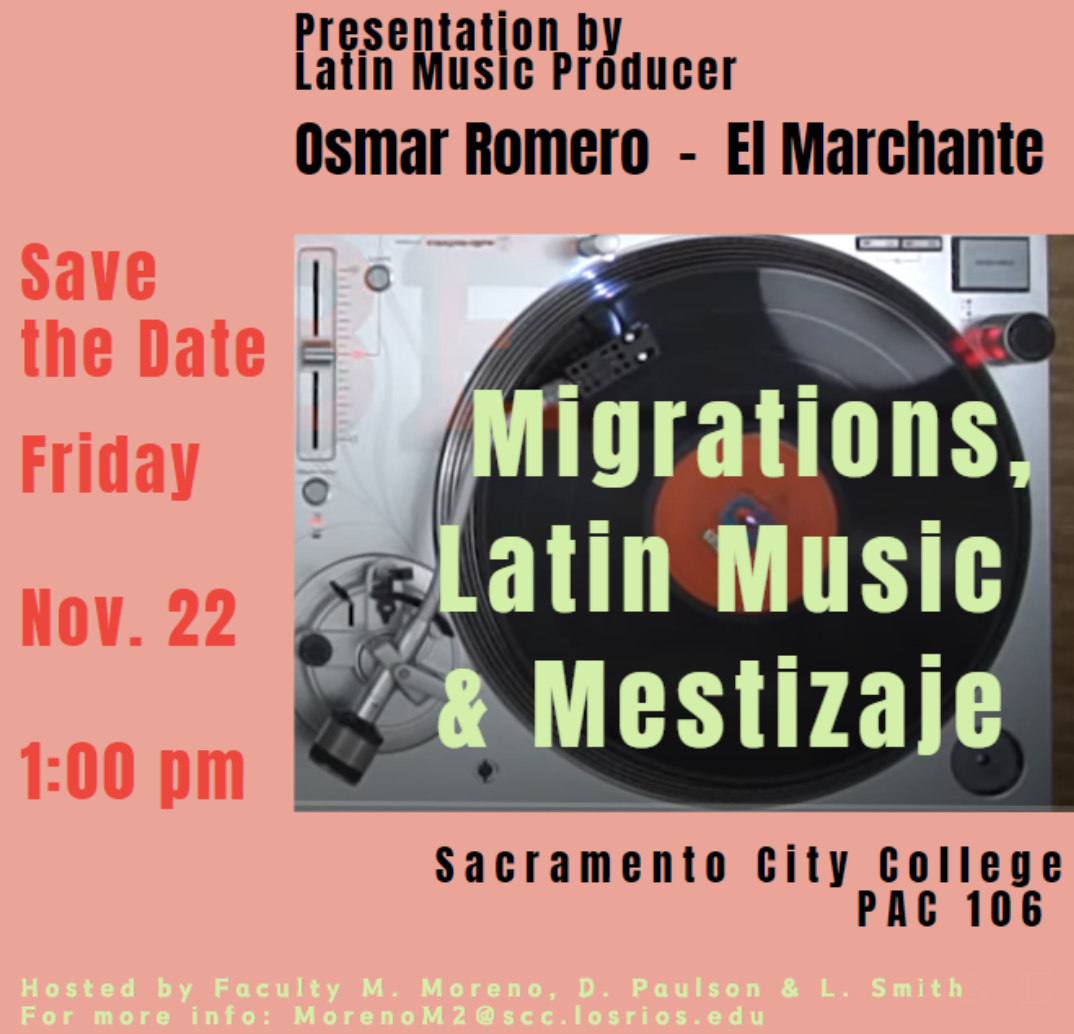
Save-the-Date: Migrations, Latin Music, and Mestizaje by Osmar Romero (El Marchante)
Latin migration is not merely the movement of people across borders; it is the constant reconfiguration of cultural music identities. In this process, music becomes a critical space where the fusion of diverse influences produces mestizaje, a dynamic and ongoing formation of identities. In the United States, this is particularly evident, where the blending of sounds and rhythms has given rise to hybrid genres like jazz, salsa, and hip hop. In this workshop, through listening to various pioneering Latin vinyl records, we will analyze how these forms of mestizaje are not just reflections of migration, but complex negotiations of historical identities, power, and belonging. It will allow us to trace how migrant communities reshape cultural landscapes, producing new meanings and connections that continually transform the sonic and social fabric of this nation.
Osmar Romero (El Marchante) Biography - Romero is a professional music and event producer. He grew up and studied in Venezuela and migrated to Los Angeles, with a blend of salsa, cumbia, jazz, and hip hop fusion of Latin American traditional rhythms. Romero collaborates with artists, labels, and blends an array of Latin sounds. He uses music to present the intersectionality of identity, power, and practices of belonging.
Friday, November 22 | 12:00 to 1:30 PM | Sacramento City College, PAC 106
|  | |
||Podcast Recommendation|| | |
|
Listen: How the Legacy of Colonialism Keeps Puerto Rico's Healthcare System in Shambles
Almost half of Puerto Rico's doctors have fled the island over the past decade, leading to a lack of specialists and treatment and incredibly long wait times. And this isn't just an inconvenience. People are dying from lack of care. Why is Puerto Rico's health care system collapsing, and why are doctors fleeing the island?
We take a look at its deeply dysfunctional private medical system and why attempts to fix it, and create a universal health care plan on the island, are being hindered by Puerto Rico's status as a US colony. Its massive unpayable debt, held by investors in the US, means that it cannot make its own economic decisions, even when it affects the livelihood of poor Puerto Ricans living there. But there might be a fix, getting rid of Puerto Rico's debt and rethinking its colonial relationship to the US. Listen here.
| |
Are you passionate about an issue and would love to express your thoughts and research through our Aoki Blog? We would love to collaborate with on a post!
Reach out to Giselle at gigarcia@ucdavis.edu to get started! Don't forget to check out our Aoki Blog for inspiration!
| | | | |