Join IAE for Earth Month
Our mission is to conserve native species and habitats through
restoration, research and education. Our vision is a world where all people and wildlands are healthy and interact positively, biological diversity flourishes, and environmental challenges are met with a social commitment to solving problems with scientific principles.
To join us in our work,
"He that plants trees loves others beside himself." - Thomas Fuller
|
|
|
|
Bradshaw’s lomatium is back! |
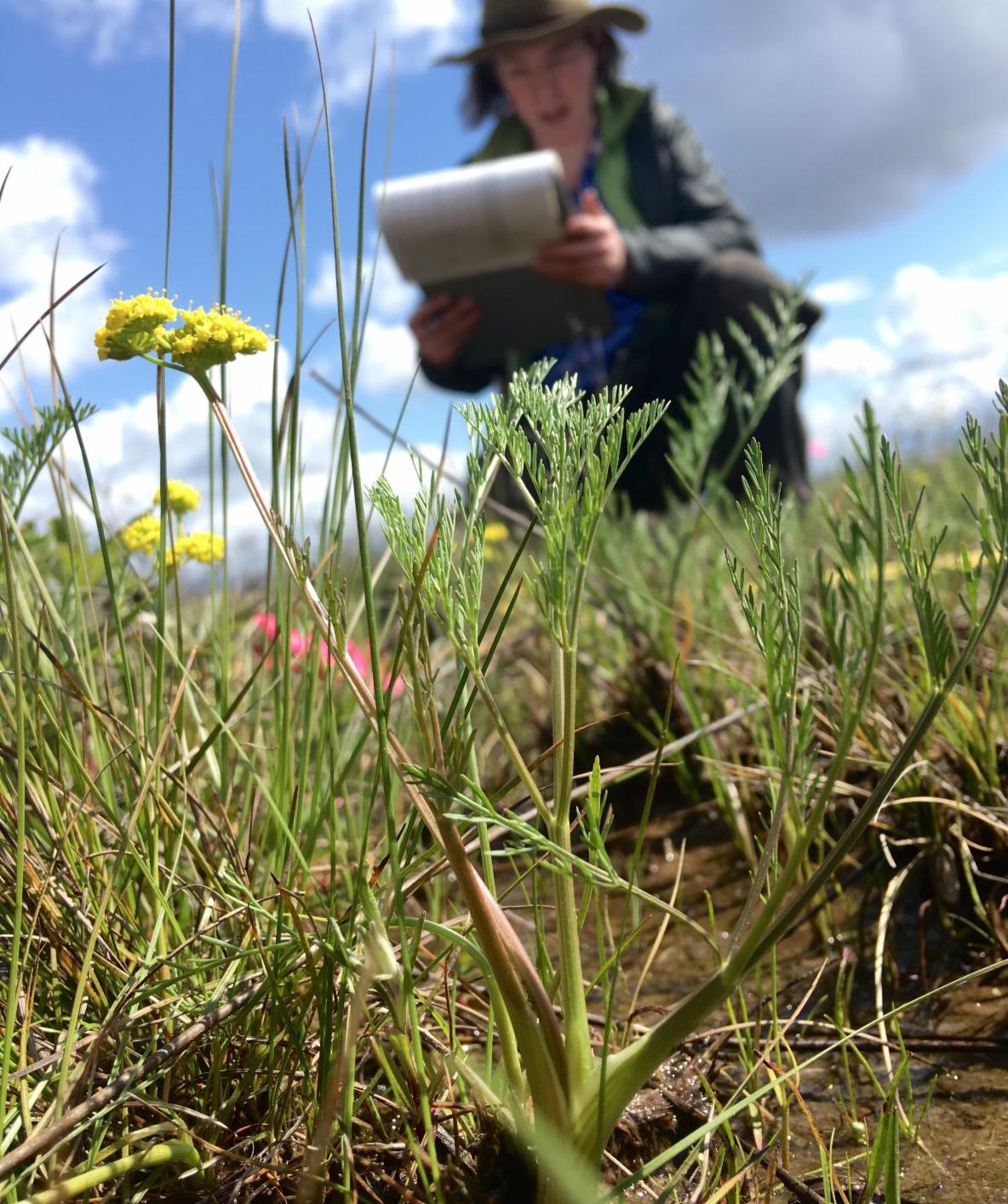
Once thought extinct, the recovery and recent delisting of the endangered Bradshaw’s lomatium (Lomatium bradshawii) is a success story that IAE can celebrate with many of our partners. Who would have thought that when this species was re-discovered in the Willamette Valley in the late 1980’s, it would trigger an over 30-year recovery effort that lead to its eventual delisting? Over the last 20 years, IAE has had the opportunity to participate in many aspects of this recovery journey. Read More
|
|
|
|
Tidal wetlands at Ni-les’tun, Year 9 after restoration
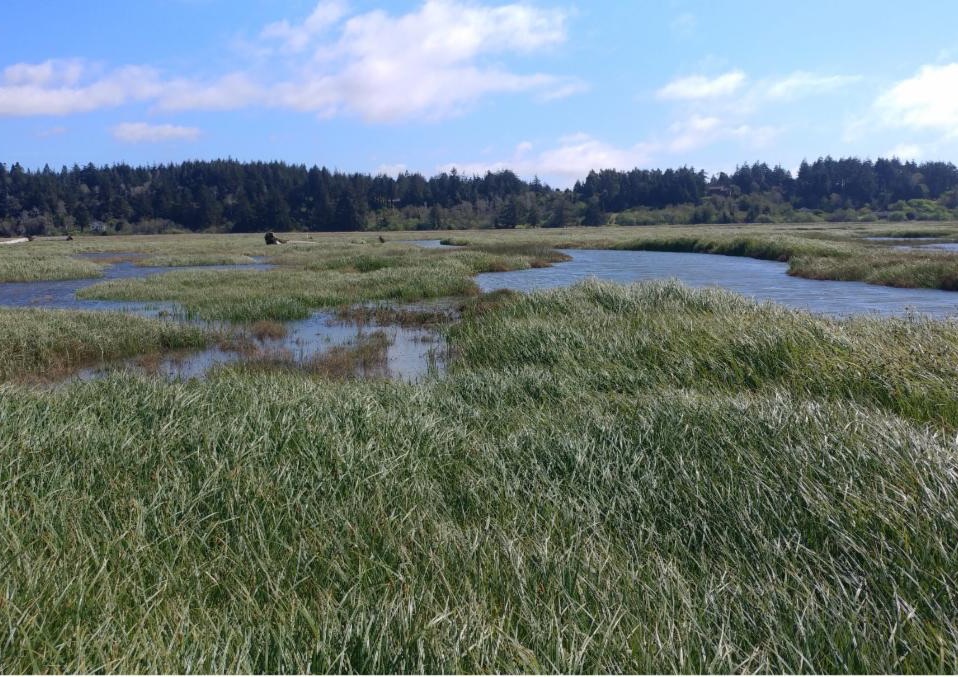
The Estuary Technical Group (ETG) monitors tidal wetland restoration projects to track their effectiveness, glean "lessons learned" to guide future restoration work, and generally improve our understanding of estuarine ecology. On the southern Oregon coast, ETG, Oregon State University, and the Confederated Tribes of Siletz Indians (CTSI) co-lead monitoring at the Ni-les'tun Tidal Wetland Restoration project at Bandon Marsh National Wildlife Refuge. Along with the Southern Flow Corridor project in Tillamook County (also monitored by ETG, OSU and CTSI), Ni-les'tun is one of the largest tidal wetland restoration projects on the Oregon coast. Read More
|
|
|
|
Correctional Horticulture in the California Department of Corrections and Rehabilitation |
By Uma Nicole, IAE Contractor
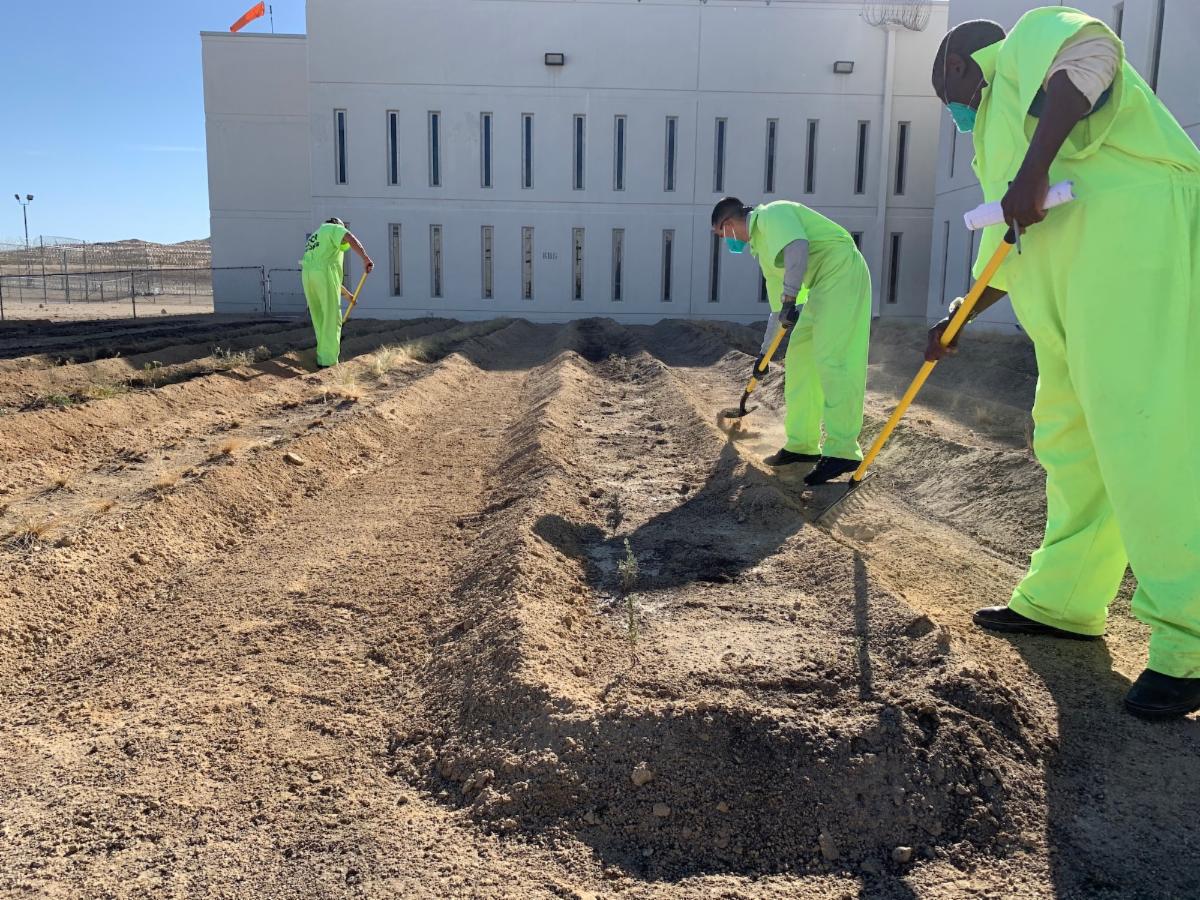
The Mojave Desert Seed Rehabilitative Training Project (Mojave DSRT) is in its second year at the California City Correctional Facility (CAC) in California City, California. Despite the heavy COVID-19 restrictions imposed at the municipal and state levels, growing native plants to help restore habitat for the desert tortoise (Gopherus agassizii) has been successful. The remaining participants from the first year have requested to be a part of the second year, and share their skills while performing plant tending, seed collecting, and data collection to ensure the world is a better place and that ecological balance is being restored. Read More
|
|
EarthDay Campaign - Coming Soon
Give a Dozen Endangered Daisies for Mother Earth!
|
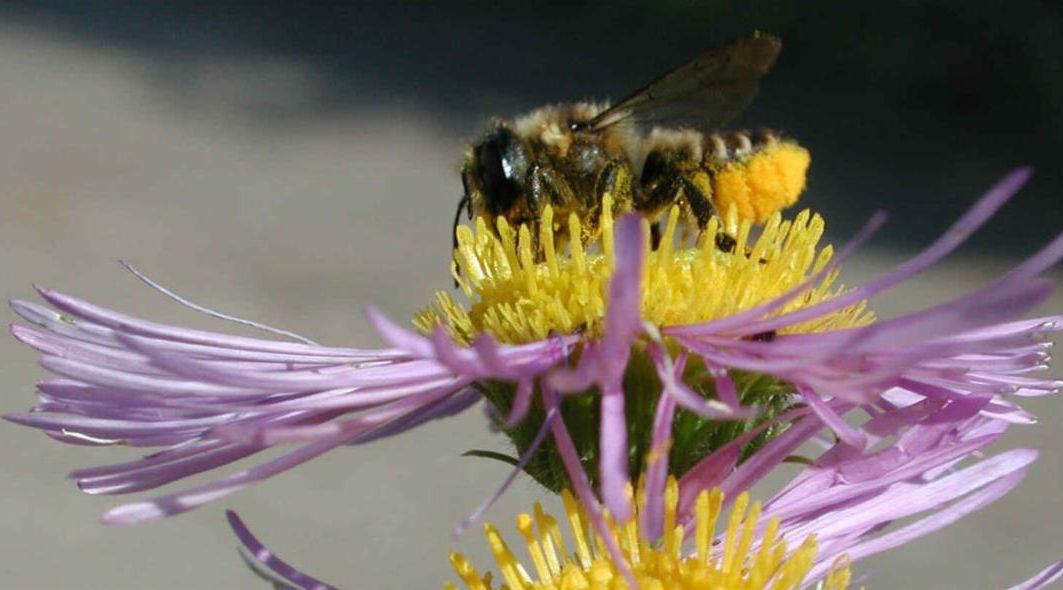
This Earth Day, give a gift that truly gives plants, pollinators and wildlife the resources they need to survive and thrive. When you make a donation to support the endangered Willamette daisy (Erigeron decumbens), our staff will plant out the daisies into a restoration site, and acknowledge your gift with a card you or your loved one. We will be sharing details this month!
|
|
|
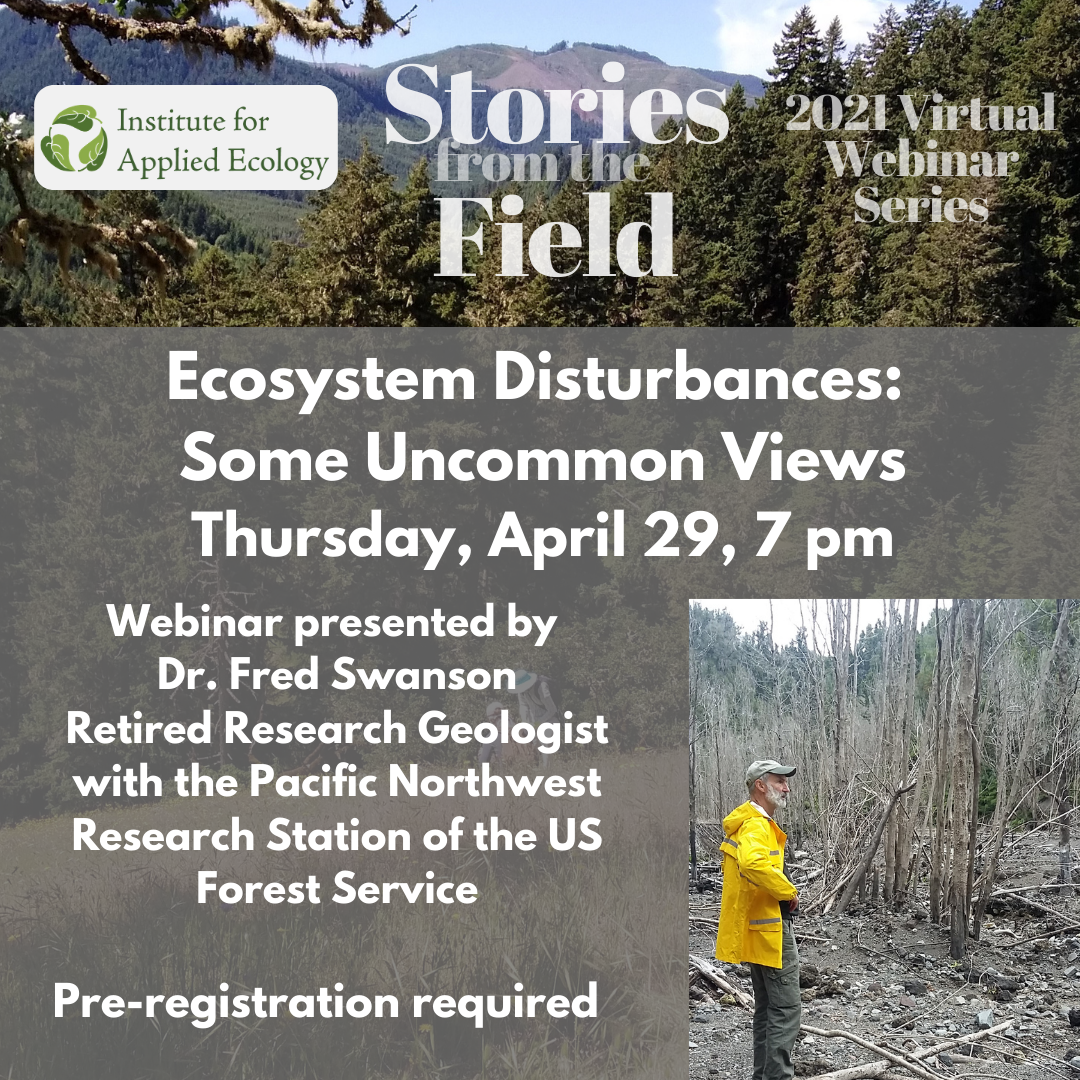
Stories from the Field Webinar Series
Ecosystem Disturbances: Some Uncommon Views
April 25, 7 pm Webinar
|
Disturbances are abrupt and unexpected components of life on earth. Join us for a webinar discussing fires and floods in an historical context with Dr. Fred Swanson. Thursday, April 29, 7 pm. Pre-registration required; once registered, you will receive a Zoom link. Register here
In lieu of our annual Stories from the Field fundraiser event, we have a series of webinars are on the the 4th Thursday of the month at 7 pm. Click for more information.
|
|
|
Welcoming Back Andrew Esterson |
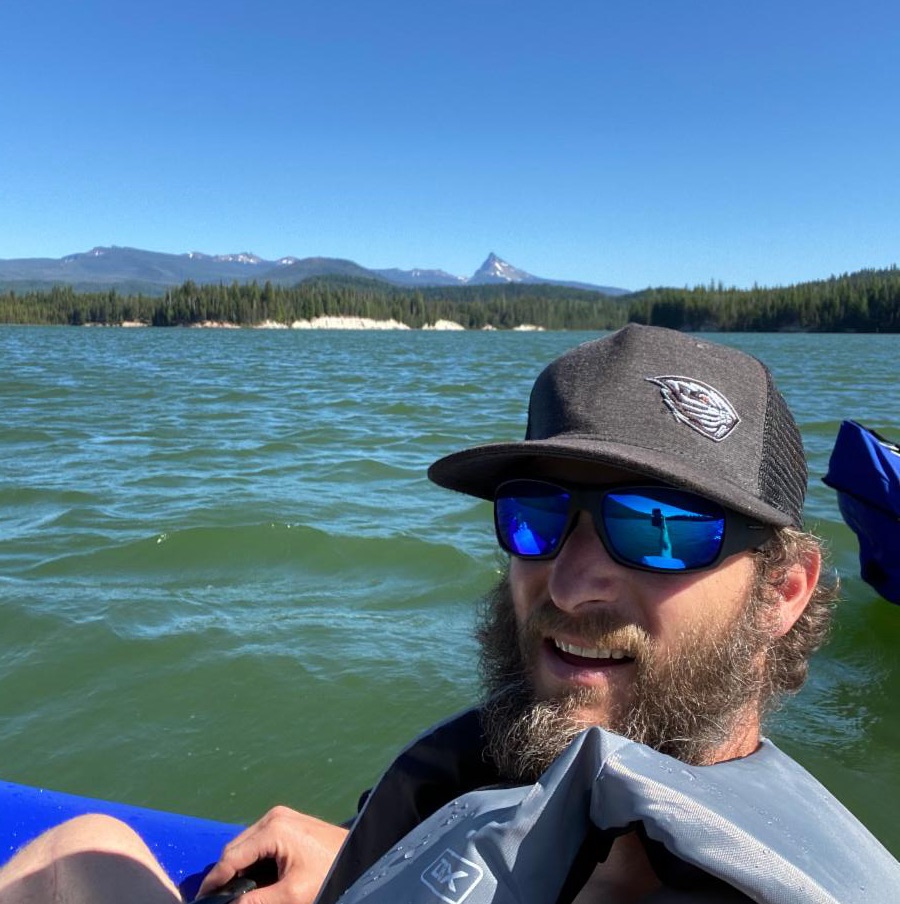
Andrew Esterson is a restoration ecologist with the Habitat Restoration Program. He rejoined IAE last fall, and we are excited to have him back! Andrew brings over ten years of experience working in plant conservation and ecology, a passion for his work, and a strong sense of collaboration and fun. Although Andrew discovered plants early (his first job was on a farm, watering plants in the nursery), his path to a career in ecology had some curves. He has always loved working outdoors and interfacing with nature, but he also has a strong love for music, and he spent much of his 20s helping to put on a huge music festival (120K attendees!) at the very same farm where he got his start. Working intensely for part of the year enabled Andrew to indulge in one of his other interests, travel, and he has combined his love for music and travel to journey all over the world to see his favorite musicians. However, Andrew “will travel anywhere to see the band Phish.” Esterson was not immune to the ecology bug, and a fateful community college class trip to Big Sur involving hunting for mushrooms, whale watching and identifying plants opened his eyes to the fact that people could make a career out of being outside studying amazing organisms. He was hooked, and the rest, as they say, is history. He went on to receive his B.S. in environmental biology with an emphasis in ecology from California Polytechnic University, Pomona and his M.S. in Botany and Plant Pathology from Oregon State University. Over the course of his time at IAE, Andrew has worked on projects all over the Willamette Valley and Oregon Coast. When asked what drew him to IAE and the work that we do here, he replied, “I love the variety of projects we get to work on, the different aspects, challenges, landscapes and people – we interact with so many different partners. 21st century ecologists have to integrate so many things – writing, speaking, researching, mapping, field work. It keeps it interesting!” We are glad you think so, Andrew, and we are delighted to have you as part of our team! Welcome back! Read more
|
Staff Spotlight: Audrey Rader, IAE Conservation Research Program
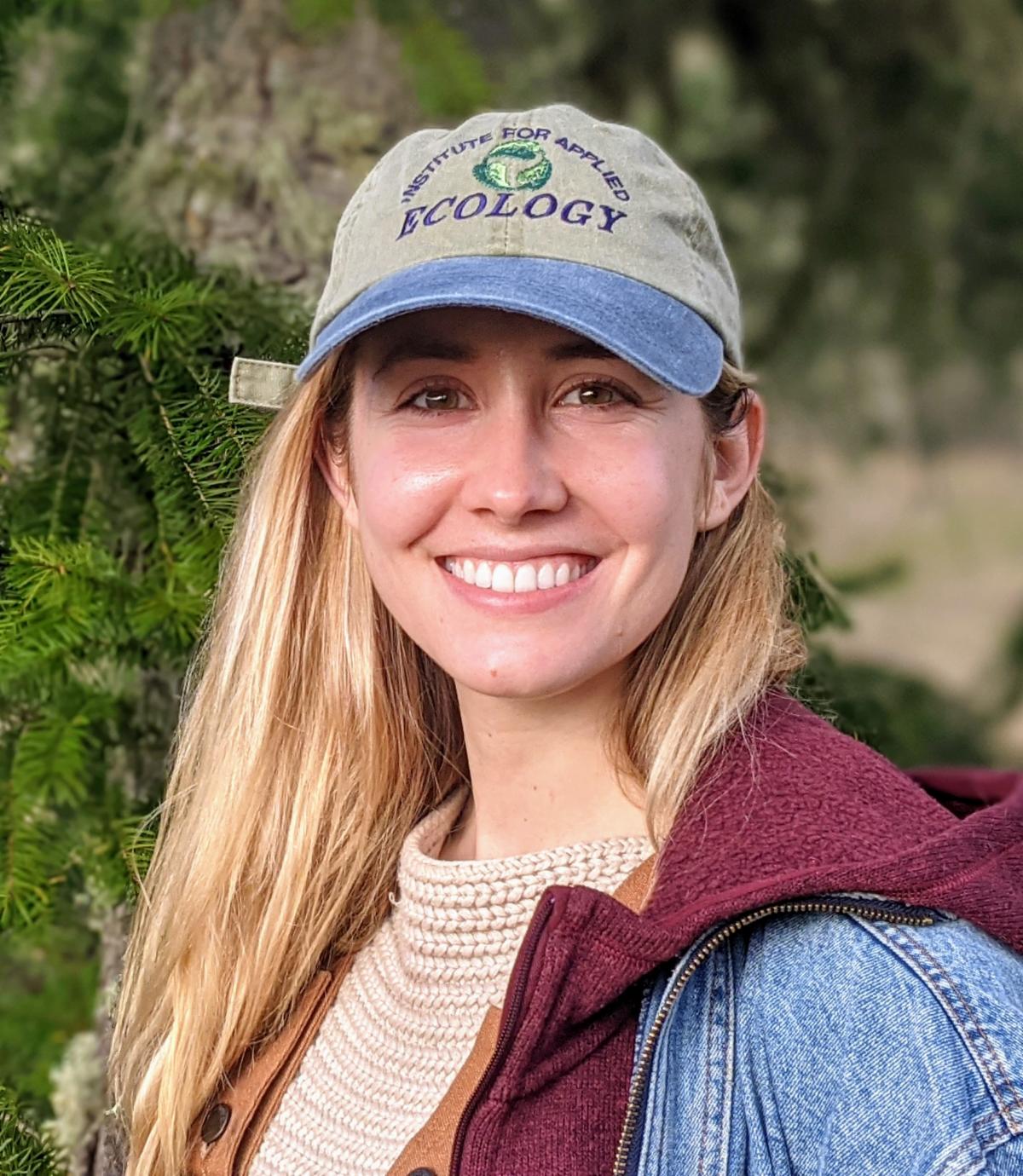
Audrey Rader is a new Ecologist with IAE's Conservation Research Program who works to mentor and lead seasonal field crews and staff, design and implement restoration experiments, write reports and grants, and analyze data. After spending over half a decade working with federal, non-profit, and academic institutions conducting ecological research across the western United States, Audrey brings a wealth of experience and enthusiasm to IAE.
Audrey received her Bachelor of Science in Geoscience, and her Masters of Science in Biology from the University of Nevada, Las Vegas. Her masters research centered on validating minimum effort revegetation and soil stabilization techniques in one of the hottest and driest places in the United States. Upon graduating, she developed a binational habitat and watershed restoration program in the Arizona/Mexico borderlands with projects spanning oak woodlands, grasslands, and riparian areas. Audrey has also led and participated in a range of projects including invasive plant management, rare species conservation, seed collection, desert landscape and wetlands assessments, botanical inventories, and soil chemical analyses.
Audrey loves blending science-informed conservation approaches with cross-cultural collaboration for holistic habitat restoration. When not pursuing her passions with IAE, Audrey can be found crafting natural dyes, hiking, knitting, gardening, or reading on the beach with her fiancé and her dog. We are glad to have you on board, Audrey!
|
|
The Xerces Society added Santa Fe, New Mexico to its list of regional offices last year with the hiring of Kaitlin Haase in the new position of Southwest Pollinator Conservation Specialist. This year Kaitlin is working to launch the Santa Fe Pollinator Trail and Habitat Kit program to create connected, climate-resilient urban pollinator habitat throughout Santa Fe. As part of the Habitat Kit program, Xerces will provide locally-sourced, pollinator-friendly native plants to residents and organizations who commit to maintaining pollinator habitat on their property. Kaitlin is excited to partner with the IAE Southwest Program to develop Santa Fe Pollinator Trail educational events and resources to encourage and support residents to create backyard pollinator habitat.
|
|
|
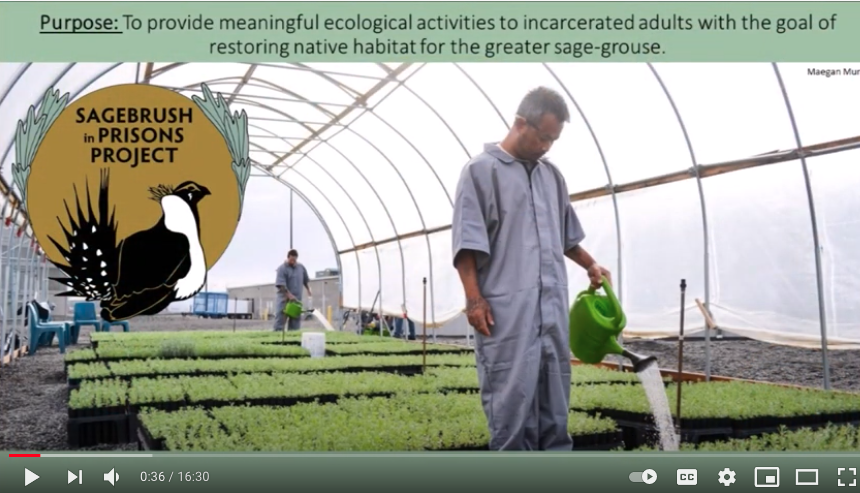
Watch a new video on IAE's Youtube on the Sustainability in Prisons Project, a partnership between the Institute for Applied Ecology, Department of Corrections, and the Bureau of Land Management. Adults in custody at participating prisons will watch this video before they sow the sagebrush seeds in late April - early May. This video gives the adults in custody a background to the program, and detailed instructions for mixing soil and preparing the seeds for sowing. Adults in custody learn about restoring native habitat for the greater sage-grouse through this plant production and ecological certificate program. Watch the video
|
|
|
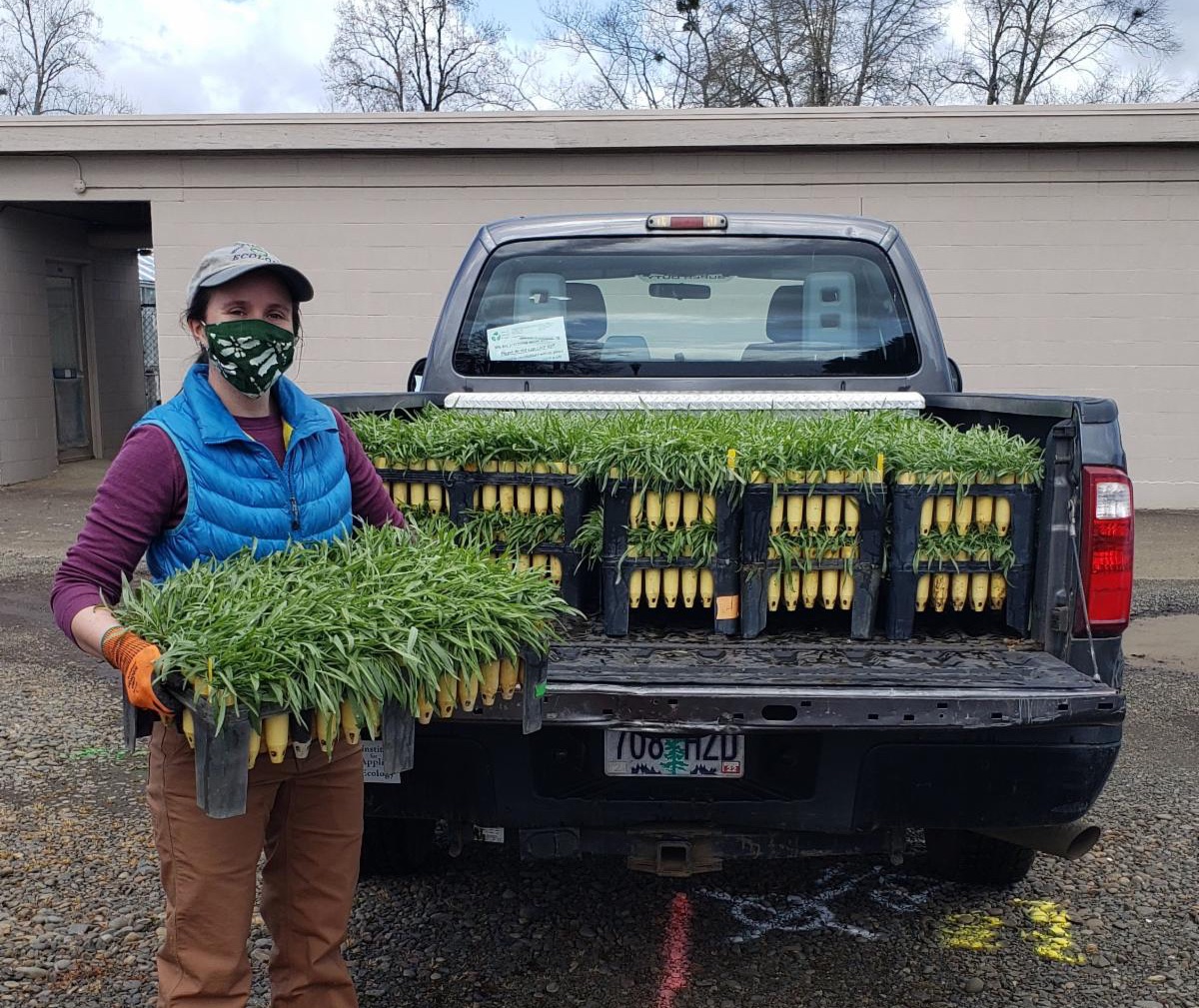
IAE, in partnership with the Bureau of Land Management, planted over 2,000 endangered Willamette daisy (Erigeron decumbens) in the West Eugene Wetlands on Friday, April 2. See announcement above for a fun way to contribute to Willamette daisy's recovery in Oregon's Willamette Valley!
|
|
|
|
|
Looking for an easy way to support our restoration, research and education work? IAE is proud to partner with EarthShare, a federation of leading non-profit environmental charities, making it easy for Oregonians to share the responsibility for our environmental legacy. When you give at work to Institute for Applied Ecology via EarthShare, you’re keeping our state and planet healthy for our families today and for future generations. Many workplaces can deduct from your paycheck via Earthshare; ask your employer to set up a Workplace Giving account. If you have questions, please send us an email at info@appliedeco.org. We appreciate you taking action to support Institute for Applied Ecology in this way. |
|
IAE Board of Directors:
Ken Bierly, President; Brandy Humphreys, Vice President; Cary Stephens, Secretary, Jack Halsey, Treasurer; Jason Bradford, Anne Bradley, Deborah Clark, Shinji Kawai, Judy Li, Carol Savonen, Sunia Yang
|
|
|
|
|
|
|