The Wyoming Health Council works to ensure that all people can access safe, unbiased, high-quality sexual and reproductive health care. | |
|
We are pleased to announce that our Wyoming Title X Family Planning Clinics continue to be funded through the Title X Grant for 2023-2024.
Unfortunately, we were once again flat funded. While this insures that we will still be able to fund our 8 amazing clinics throughout the state, we will be unable to expand services to underserved areas in the state once again.
We are hopeful that additional funds will be appropriated in the future. Until then, the Wyoming Health Council will continue to ensure access to equitable, inclusive, high-quality, and affordable reproductive and sexual health care for all by providing support and resources to care providers statewide.
Executive Director,
Rob Johnston
| |
|
In March the White House released its fiscal year (FY) 2024 budget proposal, which included a $512 million for the Title X family planning program, which would have been a 79% increase relative to current funding. While the proposal does not have the force of law, it is an important statement of the administration’s priorities.
“As reproductive health crises continue to deepen in communities nationwide, we commend President Biden for his commitment to the Title X family planning program. The proposed funding would support millions of people having access to preventive health care, including contraceptive care, STI and HIV services, cancer screenings, and more. Without a funding increase like the one proposed today, health centers will continue to struggle, endure staff shortages, be forced to offer limited hours, and/or reduce services relative to their communities’ needs." National Family Planning & Reproductive Health Association
| |
Flat Funding For Title X Causes Scramble For Clinics
“It’s historically been a program that's been underfunded. But we all know that in light of the Supreme Court's decision last year to restrict women's reproductive freedom, this is a program that's more essential than ever..."
Title X, the government-supported family planning service that has helped low-income Americans access reproductive health services since 1970, served 193.5 million people during its first 50 years.
But funding for the program has been flat at $286.5 million for nine straight years, including in fiscal 2023, despite a growing population, inflation and unmet need for family planning services in many parts of the country. That's led to uncertainty for individual Title X service providers, some of whom have had to seek outside support, and calls from Democratic lawmakers and the White House for a major increase in federal spending.
| | |
|
|
We Remember
It is with great sadness that the Wyoming Health Council announces the passing of our Medical Director, Dr. James F. Broomfield.
Dr. Broomfield passions in medicine lead him to be one of the most respected and amazing doctors in the Wyoming and Nebraska area and his guidance and support of the Wyoming Health Councils Title X Family Planning Program was invaluable. He will be greatly missed.
| | | |
National STD Awareness Month | |
STD Awareness Month provides an opportunity to raise awareness about sexually transmitted diseases, of STDs, also known as sexually transmitted infections, or STIs, and how they impact our lives; reduce STI-related stigma, fear, and discrimination; and ensure people have the tools and knowledge for prevention, testing, and treatment. | |
 | |
Swiping Right to Track Sexually Transmitted Infections
In online dating, the first message you send to a match can instantly make or break the connection. Heather Meador has it down. Her messages aren't funny, charming or seductive. But they are thought-provoking and incredibly personal.
Meador, a public health nurse at Linn County Public Health in Iowa, is one of a growing group of public health workers using dating apps to contact people who might have been exposed to a sexually transmitted infection (STI).
Meador explained that "tracers" obtain as much information as possible, including how the partners met and their contact details. Frequently—about 50 percent to 75 percent of the time, Meador estimated—the answer to both is an app.
The contact tracers use apps throughout the day, searching for potential contacts in their vicinity. This is particularly straightforward with apps such as Grindr and Tinder, which use geolocation to render potential matches in a user's vicinity. When a health department employee sees a contact, they send a message disclosing who they are and asking them to call.
"The messages we're sending out are still pretty benign because we don't know who will be reading that message," she said. "So it's usually, 'Hi, my name is Heather and I'm with Linn County Public Health and I need to talk to you about a personal matter. Can you please call me at this phone number?'"
Meador noted that message recipients are generally "very responsive" and call back, even if some are initially wary.
| |
 | |
STDs are rising among teens. Can video games help?
As the pandemic has driven learning online, some sex education game developers think this could be their moment.
Perhaps for no group does the specter of sexually transmitted diseases loom larger than it does for young people. At the beginning of the last decade, youth aged 15 to 24 accounted for half of new STD cases in the United States, though they made up just 27 percent of the sexually active population. An estimated 44 percent of all adolescents and young adults living with HIV/AIDS were unaware of their status. And by many accounts, the problem seemed to only be getting worse: Between 2016 and 2017, rates of chlamydia, gonorrhea, and syphilis each climbed by between 7 and 16 percent among U.S. adolescents.
Public health experts say these worrying trends likely result from a number of individual and systemic factors, including stigma, inadequate access to clinics, and a lack of appropriate sexual health education. In response, a growing cadre of researchers has begun to explore an alternative, technology-based approach to educating young people about healthy sex practices: video games.
The push to gamify sex education is part of a broader movement to deploy video games in targeting health issues ranging from depression to tobacco use. Proponents tout the games as cheaper and more accessible alternatives to the traditional small-group discussions typically held in schools and clinics. And while relatively few randomized controlled trials — considered the gold standard for research — have been performed to test the efficacy of game-based interventions in sex education, the ones that have suggest virtual sexual health education, and in particular video games, could be at least as effective as traditional methods in promoting things like condom use and STD testing.
| |
 | |
America’s Forgotten Mass Imprisonment of Women Believed to Be Sexually Immoral
For much of the 20th century in America, a little-known but widespread government program locked people up without trials simply for having sexually transmitted infections—and then forced them to undergo dangerous, poisonous “treatments.”
If they were women, that is.
The “American Plan.” From the 1910s through the 1950s, and in some places into the 1960s and 1970s, tens of thousands—perhaps hundreds of thousands—of American women were detained and forcibly examined for STIs. The program was modeled after similar ones in Europe, under which authorities stalked “suspicious” women, arresting, testing and imprisoning them.
If the women tested positive, U.S. officials locked them away in penal institutions with no due process. While many records of the program have since been lost or destroyed, women’s forced internment could range from a few days to many months. Inside these institutions, records show, the women were often injected with mercury and forced to ingest arsenic-based drugs, the most common treatments for syphilis in the early part of the century. If they misbehaved, or if they failed to show “proper” ladylike deference, these women could be beaten, doused with cold water, thrown into solitary confinement—or even sterilized...
| | |
 | |
How to Talk to Your Partner About Getting Tested for HIV and Other STIs
Tips for getting through a potentially awkward — but definitely important — conversation.
Your chemistry is palpable, but uncertainty lingers. You’re approaching that part of the date. The one where you’re not sure if you want to invite them back to your apartment or wait for an invitation to theirs. You may even think about asking when their last STI (sexually transmitted infection) screening was, but fear ruining the moment or making things awkward. These feelings of anxiety may be so powerful that they lead to detachment or distraction from experiencing connection and pleasure with your partners.
Prior to my work as a sex educator, there was a time when I, too, was uninformed about the reality of STIs. When confronted with a herpes diagnosis in 2015, I became paralyzed by the shock and fear of living with a lifelong infection. I quickly realized not only how little I knew about STIs but also how even less I knew about how to communicate with my partners about our sexual health. Even if you are educated about the symptoms and management of STIs, it still may be difficult to share your status or ask your partners about their testing history.
Informed by my personal and professional experience, and alongside expertise from a clinical psychologist and board-certified gynecologist, this guide aims to serve as an inclusive resource for you and your partners to create meaningful, shame and stigma-free conversation around getting tested for STIs.
| |
|
Wyoming's Very Own KnoWyo
The Birds, The Bees, and STD's
We know you’re out there making great choices about your sexual health, including using condoms and getting tested regularly for STDs, hepatitis, and HIV—but it never hurts to brush up on the basics every so often. Let’s put your knowledge of STDs to the test!
| |
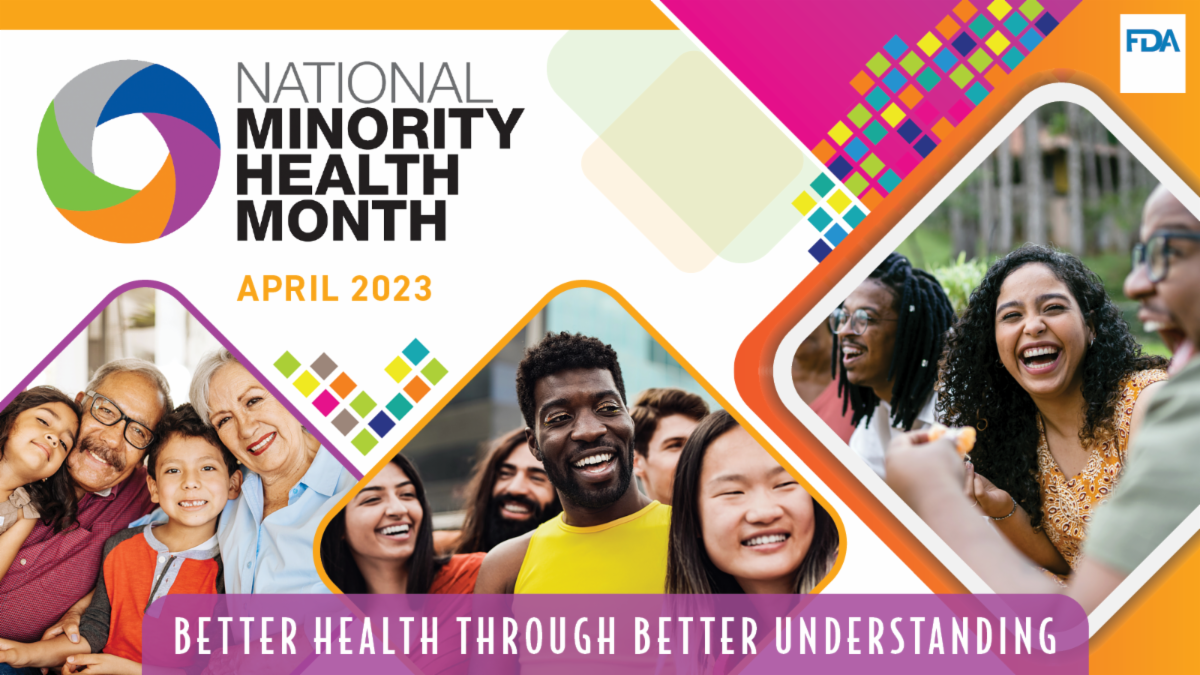
National Minority Health Month is observed the entire month of April. It is an inclusive initiative that targets the health needs of African Americans, Hispanics, Asians, Native Americans, and other minorities.
It builds awareness regarding the unequal burden of preventable death and sickness in these groups. It also promotes action through health education and early management of disease complications. In a multicultural society such as the U.S., access to healthcare for everyone is paramount for the country’s continued progress.
| |
|
Racial and Ethnic Disparities in Reproductive Services and Outcomes
Racial and ethnic disparities in women's health have existed for decades, despite efforts to strengthen women's reproductive health access and utilization. Recent guidance by the American College of Obstetricians and Gynecologists (ACOG) underscores the often unacknowledged and unmeasured role of racial bias and systemic racial injustice in reproductive health disparities and highlights a renewed commitment to eliminating them.
Reaching health equity requires an understanding of current racial–ethnic gaps in reproductive health and a concerted effort to develop and implement strategies to close gaps. We summarized national data for several reproductive health measures, such as contraceptive use, Pap tests, mammograms, maternal mortality, and unintended pregnancies, by race–ethnicity to inform health-equity strategies.
| |
How can racism affect a person's sexual health?
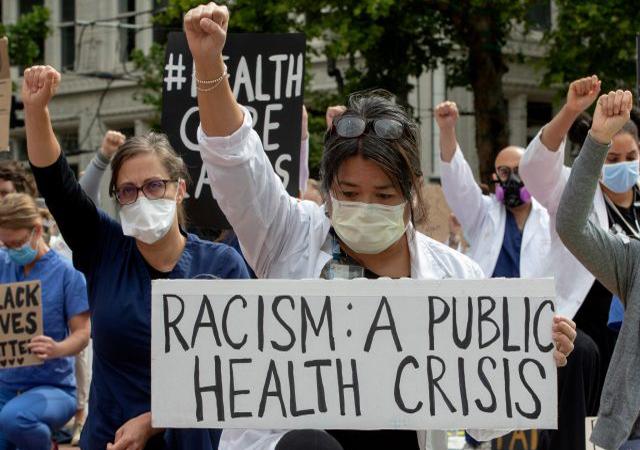
Racism and sexual health are closely linked. Discrimination based on race and ethnicity may result in difficulties accessing effective treatment for sexual health conditions among Black, Indigenous, and people of color (BIPOC). This can result in higher rates of illness or harm.
Sexual health refers to the physical, emotional, mental, and social well-being regarding sexuality.
Sexual health-related issues are wide-ranging and may include sexually transmitted infections, family planning, sexual relationships, unintentional pregnancy, sexuality, and abortion.
Racism plays a role in preventing people from receiving adequate care due to health inequity, or healthcare providers neglecting, disbelieving, or actively discriminating against patients.
This article explores some of the ways racism may affect sexual health and where people may find support.
| |
Sexual and Gender Minorities
Sexual and gender minority (SGM) populations include, but are not limited to, individuals who identify as lesbian, gay, bisexual, asexual, transgender, Two-Spirit, queer, and/or intersex. Individuals with same-sex or -gender attractions or behaviors and those with a difference in sex development are also included. These populations also encompass those who do not self-identify with one of these terms but whose sexual orientation, gender identity or expression, or reproductive development is characterized by non-binary constructs of sexual orientation, gender, and/or sex.
| | |
 |
Harvard Med School Associate Professor Discusses Health Disparities in Sexual and Gender Minority Females
Harvard Medical School associate professor Brittany M. Charlton discussed reproductive health care disparities experienced by sexual and gender minority women at a Harvard School of Public Health seminar Wednesday.
Sexual and gender minority populations encompass LGBTQ+ people or others who are nonbinary or do not self-identify as specific sexual orientations or gender identities.
Presenting her research findings, Charlton said “structural stigma” has led to reproductive health disparities in sexual minority women.
“It can include things like discriminatory laws, same-sex marriage bans. Those really adversely impact the reproductive health of sexual minorities above and beyond that of their heterosexual peers,” Charlton said. As a result of these causal factors, she said, sexual minority women are “twice as likely to have had a sexually transmitted infection” and are “more likely to have an unintended pregnancy.”
Charlton’s research shows that for every one cisgender and heterosexual woman who becomes pregnant as a result of sexual assault and rape, about 10 LGBTQ+ people experience the same.
| |
 | |
Disparities In Health and Health Care Access Between Sexual Minorites and Their Heterosexual Counterparts Did Not Change from 20213-2018
A research letter published today in JAMA Internal Medicine finds that differences in health status and health care access between sexual minorities and their heterosexual counterparts did not change from 2013 through 2018. Disparities persisted despite substantial policy, legislative, and sociocultural shifts recognizing the constitutional right to marriage equality and increasing public support for lesbian, gay, and bisexual (LGB) issues.
The study found that nearly all subgroups of LGB adults in the United States reported higher levels of poor or fair health status, functional limitation, severe psychological distress, and difficulties with health care affordability than their heterosexual counterparts.
“Health inequities are driven by minority group stress and multifaceted societal marginalization. Our findings demonstrate the pernicious effect of stigma and discrimination on health and wellness,” said study senior author Dr. Alex S. Keuroghlian, who directs the National LGBTQIA+ Health Education Center at The Fenway Institute and the Massachusetts General Hospital Division of Public and Community Psychiatry.
“Our research calls for renewed action at the policy, legislative, sociocultural, and health-system levels,” said study lead author Michael Liu, M.Phil. “As we continue to see legislative attacks on lesbian, gay, and bisexual individuals at the state level, federal legislation through the Equality Act could lesson some of the minority stressors experienced by LGB individuals by explicitly prohibiting discrimination on the basis of sexual orientation.”
“The health sector could also promote health among sexual minority groups by ensuring that all clinicians receive adequate training to provide informed, inclusive, and affirming care for these populations,” said study co-author Sahil Sandhu, M.Sc.
| |
|
A statement from Black Mommas Matter Alliance:
"In light of the alarming rise of maternal deaths in the U.S., which recent data shows has been exacerbated by the pandemic; and amidst growing cases of clear neglect in care in hospital systems immediately after labor and delivery, BMMA continues to highlight and center culturally-congruent practices with a focus on Black midwifery care and full spectrum Black-led Doula care as sound, evidence-based solutions. Most importantly, these are practices and solutions that incorporate the true needs, wants and desires of Black women and birthing people. As we reckon with the upending of Roe V. Wade and the relentless attacks against reproductive rights and bodily autonomy, this year’s theme speaks to our strength, power and resilience, and our unassailable right to live freely, safely, and joyfully."
"Our Bodies Belong To Us: Restoring Black Autonomy and Joy"
-
According to the Centers for Disease Control and Prevention, approximately 700 women die each year in the United States as a result of pregnancy or delivery complications. Almost two-thirds of pregnancy-related deaths are preventable (Source: CDC)
- In 2020, Black women were most disproportionately affected with a mortality rate of 55.3 deaths per 100,000 live births, compared to 19.1 deaths per 100,000 live births, and 18.2 deaths per 100,000 live births for White and Hispanic women, respectively (Source: CDC).
- In 2020, the maternal mortality rate for Black women was 3 times the rate for White women in the United States. Multiple factors contribute to these disparities, such as lower quality healthcare, structural racism, and implicit bias from healthcare providers, and underlying chronic conditions. (Source: CDC)
- The U.S. has an infant mortality rate of 5.4 per 1000 live births in 2020, with a health disparity among Black babies at a rate of 10.6 deaths per 1,000 live births in 2019. (Source: CDC)
| |
 | |
Promoting Black Girls’ and Women’s Sexual and Reproductive Health Requires Acknowledging Their History and Experiences
Systemic racism and reproductive oppression have, over centuries, denied bodily autonomy to Black girls and women and led to disproportionately adverse sexual and reproductive health outcomes.
This brief argues that the reproductive justice framework can help decision makers identify and respond to Black girls’ and women’s reproductive health needs, thereby promoting their reproductive autonomy and the well-being of Black families.
In this brief, we first describe the legacy of reproductive oppression (i.e., unjust regulation and control of individuals’ bodies, sexuality, and reproductive capacities) and coercion (i.e., behaviors that impede individuals’ autonomous sexual and reproductive decision making) experienced by Black girls and women, from the history of enslavement to current restrictions on access to culturally responsive reproductive health care services. Second, we describe the ongoing disadvantages and barriers in sexual and reproductive health that Black girls and women continue to experience today. Then, third and finally, we show how the reproductive justice framework provides a more holistic approach to Black girls’ and women’s wellness and, in turn, the well-being of their children and families.
| |  |
 |
Black Midwives Are Pillars Of Pregnancy Care. Here’s What We Can Learn From Them.
Black midwives are uniquely positioned to see what has gone wrong in maternity care and how we can attempt to make it right.
In 1930, there were about 5,000 midwives in Mississippi alone, many of them Black. These lay or “Granny” midwives learned their trade through apprenticeship and served as pillars of their communities — a history that went mostly undocumented. But in 1951, a Life magazine photo essay chronicling the work of midwife Maude Callen and “All My Babies,” a 1953 documentary training film funded by the Georgia Department of Public Health starring midwife Mary Coley, have preserved moving images of the way these midwives tirelessly cared for mothers and families living in abject poverty.
While they earned the respect of their communities and occasionally the public at large, midwives were simultaneously blamed for high infant and maternal mortality rates and tasked with reversing those trends.
While medical advances, including ways to treat infection and hemorrhage, did bring down maternal and infant mortality rates from their high early 20th-century numbers, this trend has begun to reverse — and racial disparities in these numbers endure.
The U.S. has the distinction of being the only developed country with a rising maternal mortality rate. We report double maternal deaths as other high-income countries, and the CDC has found that almost two-thirds of these deaths are preventable. In addition, Black mothers are three to four times more likely to die than white ones.
Black babies also fare much worse. Recent data from California show grimly tiered levels of risk by race and income. The babies of the lowest-income Black families were almost four times as likely to die as those from the wealthiest white families. Wealth alone did not negate the impact of race, with the babies of the lowest-income white families more likely to survive than those of the richest Black families.
The causes of these rates and disparities are difficult to untangle. Still, we know that countries with lower C-section rates and higher numbers of midwives have much lower maternal and infant mortality rates.
Black women, including tennis champion Serena Williams, report that doctors dismiss their medical concerns during and after childbirth. The families of women who died following childbirth profiled in the film “Aftershock” similarly tell stories of doctors brushing off their pain and other symptoms in the days and hours preceding their deaths.
Black midwives are uniquely situated to see both the scope of this problem and some ways we might begin to solve it. HuffPost talked to six Black midwives to gather some of their insight.
| | |
The theme of Sexual Assault Awareness Month 2023 is "Drawing Connection: Prevention Demands Equity."
This Campaign calls on all individuals, communities, organizations, and institutions to change ourselves and the systems surrounding us to build racial equity and respect.
| |
 |
Tips for Talking with Survivors of Sexual Assault
It’s not always easy to know what to say when someone tells you they’ve been sexually assaulted, especially if they are a friend or family member. For a survivor, disclosing to someone they care about can be very difficult, so we encourage you to be as supportive and non-judgemental as possible.
Sometimes support means providing resources, such as how to reach the National Sexual Assault Hotline, seek medical attention, or report the crime to the police. But often listening is the best way to support a survivor.
Here are some specific phrases RAINN’s National Sexual Assault Hotline staff recommend to be supportive through a survivor’s healing process.
“I believe you. / It took a lot of courage to tell me about this.” It can be extremely difficult for survivors to come forward and share their story. They may feel ashamed, concerned that they won’t be believed, or worried they’ll be blamed. Leave any “why” questions or investigations to the experts—your job is to support this person. Be careful not to interpret calmness as a sign that the event did not occur—everyone responds to traumatic events differently. The best thing you can do is to believe them.
| | |
|
WDH Maternal Child Health Rape Prevention Education Program (RPE)
WDH Maternal Child Health Rape Prevention Education Program (RPE) is a federally funded program intended to prevent sexual violence victimization and perpetration through education and strengthening community supports, managed by the Centers For Disease Control and Prevention (CDC). The RPE Program uses a public health approach to implement and evaluate identified sexual villous primary prevention strategies based on the best available evidence.
| | |
National Youth HIV/AIDS Awareness Day-April 10 | |
According to the CDC, 1 in 5 new HIV diagnoses occurs in young people ages 13-24, thus making youth a critical audience for us to engage in both treatment and prevention education.
Whether your work takes place in a school, clinical, or community-based setting, you play a key role in improve an adolescent’s immediate and lifelong health.
| |
How HIV Positive Teens Handle The Disease - Positive Youth - HIV Documentary | |
|
TikTok Creator Zach Willmore is Vlogging His Life Living With HIV
"Information is power, so I really wanted to help people understand," said the 19-year-old college student, who has over 1.7 million followers on the social media app.
“It's Friday, Feb. 17. I'm 19 years old. And yesterday, I found out that I got diagnosed with HIV," Willmore said as he put on makeup in the inaugural post of his TikTok video "diary."
"I feel drained emotionally, physically, everything," he continued.
Since creating these day-in-the-life videos, which have amassed millions of views on TikTok. Willmore has harnessed his social media power to educate others about the auto-immune disease, including sharing content about how the disease is spread, the science of HIV medication and a video paying homage to pioneering HIV activists and scientists.
“People are scared of the unknown,” Willmore said.
| | |
 | |
What These 4 Young People Want You to Know About HIV
According to the Centers for Disease Control and Prevention (CDC), 21%of all new HIV cases in 2016 were young people. Despite the clear need for frank conversations about HIV prevention, the CDC says that stigma, fear, homophobia, low testing rates, and a lack of sex education may all contribute to why some young people are at a higher risk for contracting HIV. But April 10 is National Youth HIV & AIDS Awareness Day, and young people are ready to make a change.
To help break down the stigma surrounding HIV and help young people get educated, Teen Vogue spoke with four young people living with HIV about what they want their peers to know. For these young people, advocacy goes well beyond one awareness day — they're all part of Advocates for Youth's Engaging Communities around HIV Organizing (ECHO), a program dedicated to lifting up the voices of young people living with HIV to prompt a shift in culture and policy.
This is what these young people want you to know about HIV.
| | |
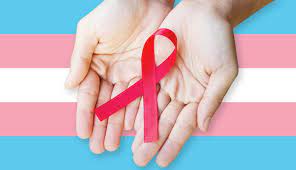
National Transgender HIV Testing Day (NTHTD) is observed each year on April 18 and recognizes the importance of routine HIV testing, status awareness, and continued focus on HIV prevention and treatment efforts in people who are transgender or gender nonbinary.
| |
 |
Why are transgender people at higher risk of HIV?
HIV is a virus that weakens the immune system and can worsen the effects of other infections and diseases. Without treatment, HIV may progress to stage three, an advanced stage commonly known as AIDS. Transgender people have a higher risk of HIV and may not have access to adequate care.
According to the Center for Disease Control (CDC) and the World Health Organization (WHO) transgender people are among those at high risk for contracting HIV. This is particularly true of transgender women, who make up a disproportionately high percentage of those with HIV in some regions, according to the WHO.
Simple interventions can greatly reduce the spread of this virus, and proper treatment can save lives. However, due to the health inequities that transgender individuals often experience, they may not receive the help they require.
A range of factors, including violence, legal barriers, stigma, and discrimination, may affect the access that transgender people have to healthcare and HIV services.
This article discusses the potential barriers that those in the transgender community may experience when seeking HIV treatment and suggests ways to overcome these obstacles.
| | |
|
How Tennessee axed millions in HIV funds amid scrutiny from far-right provocateur's
Tennessee decided to scrap $8.3 million in federal grants to combat HIV after right-wing personalities targeted gender dysphoria treatment for minors in the state.
Tennessee’s recent decision to reject over $8 million in federal funds to combat HIV was motivated, at least in part, by right-wing provocateurs stoking anti-LGBTQ sentiment, according to four sources within the state Health Department.
The move by Republican Gov. Bill Lee will hamstring, if not cripple, efforts to combat one of the country’s most poorly controlled epidemics of the virus, HIV advocates said.
The announcement followed a political crisis in Tennessee that began in September when conservative media personalities, including Matt Walsh and Ben Shapiro, launched attacks on Vanderbilt University Medical Center over its care of transgender minors, which they alleged was barbaric.
| | |
WYOMING HEALTH COUNCIL
111 S. Durbin, Suite 200
Casper, WY 82601
Call Us: (307) 439-2033
| | | | | |