April 10, 2026

Dear Community:


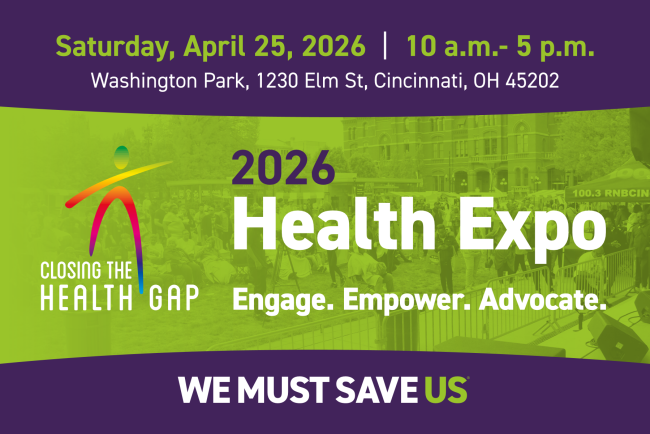
We are just 15 days away from the 2026 Health Expo, and the excitement is building across our community!


On Saturday, April 25, Washington Park will come alive with a full day of energy, engagement and empowerment. This year’s Expo will feature a dynamic Main Stage lineup, including fitness experiences, a live CEO podcast conversation, the IMEC Combine with former Bengals players, and community-led performances that celebrate movement and culture.


Across the Expo, attendees can take part in hands-on wellness activities in our Move Right Pavilion – from line dancing and hip-hop fitness to meditation and strength training – while the Eat Right Pavilion will offer live cooking demonstrations, meal prep sessions and nutrition education to support healthier lifestyles. Our Live Right zone will provide free wellness services, including massages, mental health resources and more. Families will enjoy a vibrant Children’s Pavilion with free health screenings, games and interactive activities for kids of all ages.


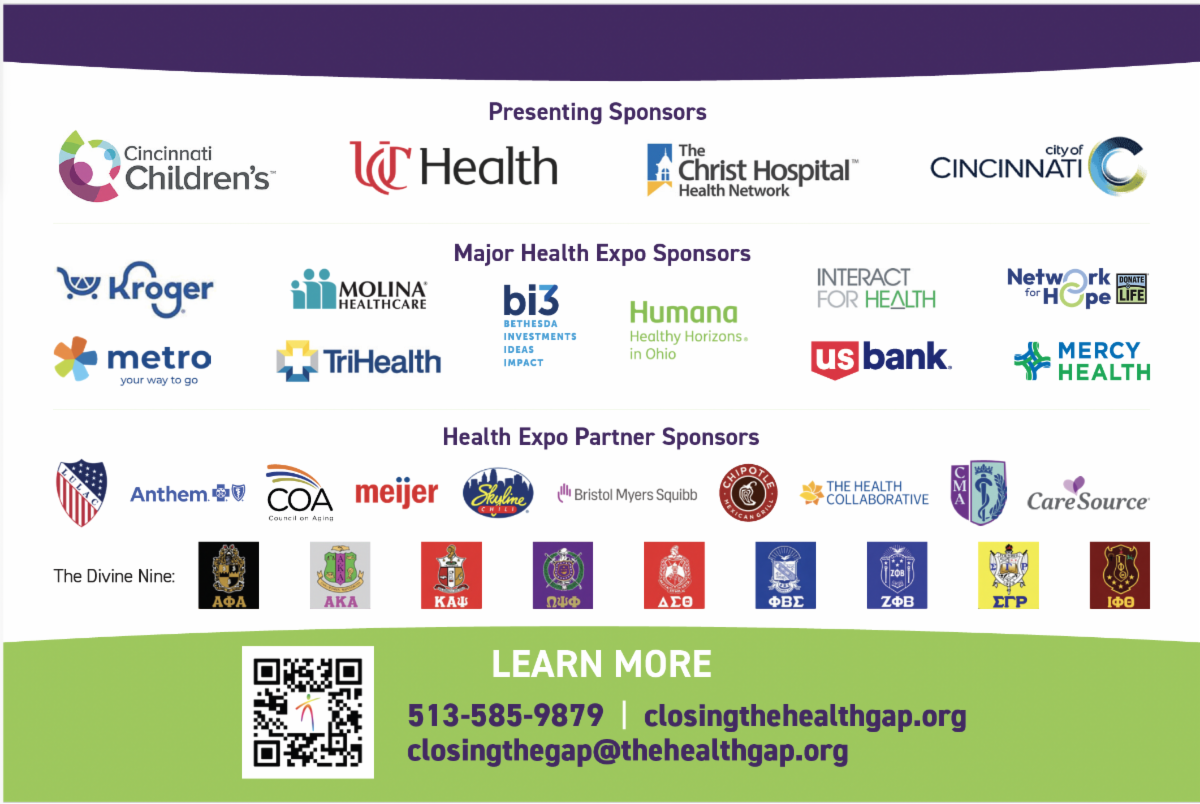
This event would not be possible without the incredible support of our sponsors, partners and volunteers. Thank you for helping us bring “We Must Save Us” to life. We look forward to seeing you on the 25th!


Renee Mahaffey Harris

President & CEO

New study sheds light on health disparities of bi+ dementia caregivers

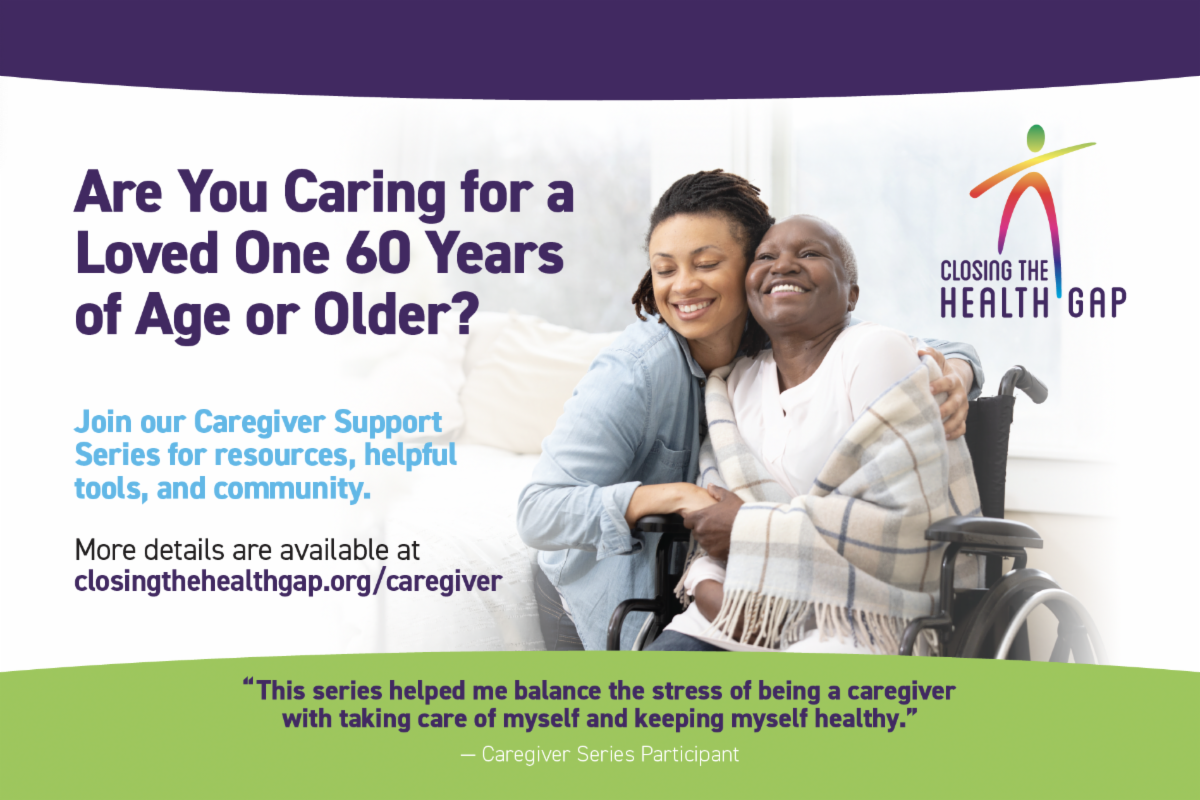
Krystal Kittle, assistant professor of community health education in the School of Public Health and Health Sciences, has led a new study that sheds light on the community of bi+ (e.g., bisexual, pansexual, queer) dementia caregivers.


Published in the American Journal of Alzheimer's Disease and Other Dementias, the study examines a group that has been described as an "invisible majority" among the estimated 11+ million adults in the U.S. who provide unpaid care to family members, friends, and other people living with Alzheimer's disease and related dementias (ADRD).

Health Disparities: When Disease Doesn’t Discriminate but Healthcare Does

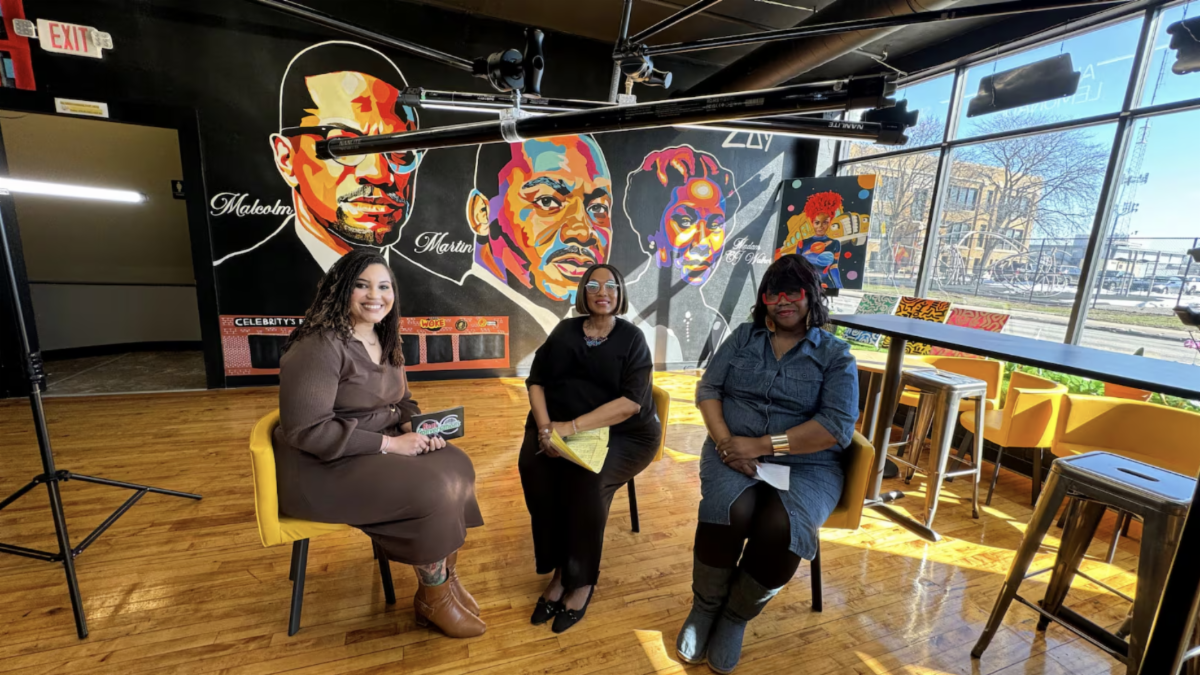
In this edition of Real Conversations in the QC, the cast sat down with community members and local experts to break down disease and healthcare issues that often affect the Black community. In this series, Jasmine Butler sat down with Yolanda Graves-Jefferson, a sickle-cell warrior, and Cheryl Easley of ImpactLife to discuss what sickle-cell is and the importance of community support and education

The Impact of Redlining on Mental Health

This study aimed to investigate the relationship between historical redlining—the discriminatory denial of financial services and investment in predominantly Black and minority neighborhoods—and contemporary mental health outcomes.


Methods:

Data were combined from the Centers for Disease Control and Prevention’s PLACES dataset, Agency for Healthcare Research and Quality’s Social Determinants of Health dataset, and Centers for Medicare and Medicaid Services’ Provider of Services File to construct a sample at the census tract level. The primary exposure was historical redlining, measured with the Home Owners’ Loan Corporation (HOLC) grade for each census tract. Outcome measures included health care access indicators and prevalence of mental health problems.


Conclusions:

These findings illustrate cross-sectional census tract–level correlations between structural racism and mental health, showing that historical redlining is associated with higher levels of depression, mental distress, and social isolation in contemporary communities. The authors identify key targets for policy and intervention development to address structural racism in population health.

Study Finds Persistent Lack of Diversity in U.S. Alzheimer’s Clinical Trials

A new study led by researchers at the Yale School of Public Health finds that Alzheimer’s disease clinical trials in the United States have consistently failed to reflect the nation’s racial and ethnic diversity, raising important concerns about whether new treatments are equally safe and effective for all patients.


Published in JAMA Network Open, the study offers one of the most comprehensive reviews to date of diversity in late-stage Alzheimer’s clinical trials. The research team examined 88 U.S.-based phase 3 drug trials conducted between 1997 and 2023, focusing on how race and ethnicity were reported and how well participants represented the broader population.


The findings revealed persistent and widespread gaps. Nearly half of published trials did not report participants’ race or ethnicity at all. Among those that did, reporting was often inconsistent and incomplete. White participants made up the overwhelming majority of enrollees — more than 90% in a typical trial — while Black, Hispanic, Asian, and Native American populations were included at much lower rates.


These disparities are especially troubling given the unequal burden of Alzheimer’s disease. In the United States, older Black adults are nearly twice as likely to develop Alzheimer’s as their white counterparts, and Hispanic adults also face a significantly higher risk. Yet these same groups were underrepresented in clinical trials used to evaluate new treatments.

Closing the Hypertension Gap: Remote Monitoring Boosts Blood Pressure Control in Brooklyn

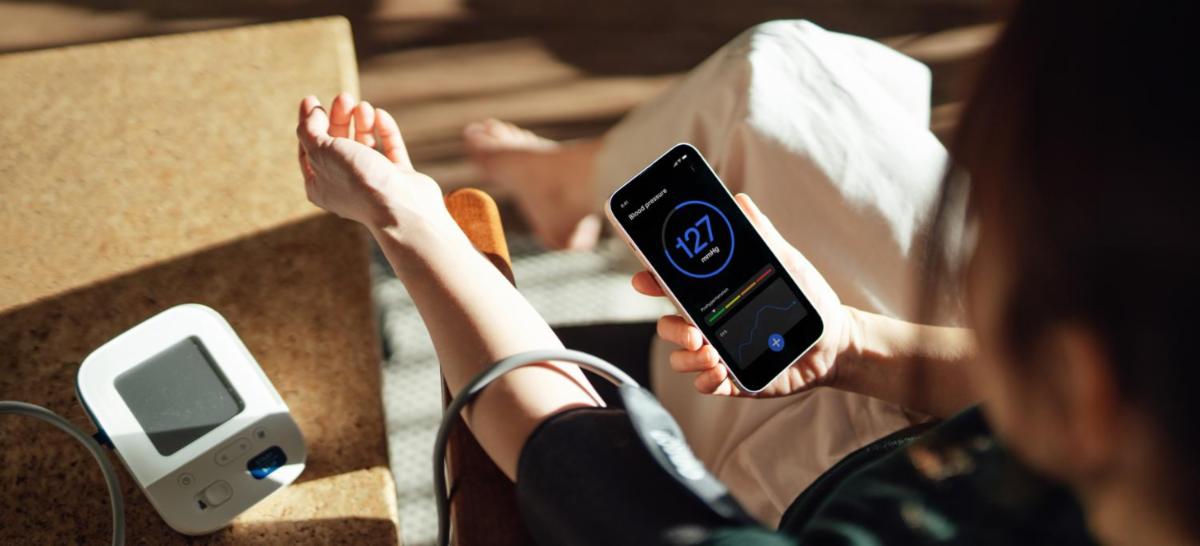
When 57-year-old Brooklyn resident Timothy Rhonda visited Park Ridge Family Health Center at NYU Langone with dangerously high blood pressure, he worried he might once again end up in the hospital. Instead, to his surprise and great relief, his care team handed him a device no larger than a standard blood pressure cuff—giving him the ability to manage his condition from home safely.


Rhonda has a long history of high blood pressure. In 2019, he underwent successful robot-assisted mitral heart valve repair at NYU Langone’s main campus in Manhattan under the care of cardiac surgeon Didier F. Loulmet, MD. After the surgery, Rhonda stopped taking his blood pressure medication and went nearly two years without treatment. But years later, he began experiencing mild discomfort near the surgical incision in his chest, and numbness in his leg at the bypass site, so he sought care at the Park Ridge facility. Tests revealed that his blood pressure had become dangerously elevated.


To help prevent future complications, he enrolled in NYU Langone’s remote patient-monitoring program, which allows clinicians to track his blood pressure and adjust treatment through virtual visits—reducing the need for repeated in-person appointments.


The program, designed to improve blood pressure control in underserved communities, launched in January 2022. It is part of an initiative, supported by the National Institutes of Health and NYU Langone's Beyond Bridges program, that brings together community-based and clinical efforts to improve the health and well-being of diverse populations in Sunset Park. The program also reflects NYU Langone’s broader strategy to incorporate remote monitoring into routine care across the health system, expanding virtual oversight for patients with cardiovascular disease, diabetes, maternal health conditions, and other chronic illnesses.

FOLLOW US
Facebook      Twitter      Instagram