|
Dear Community:
As we celebrate Minority Health Month and Black Maternal Health Week, I’m reminded of the power we have when we come together around a shared purpose: improving the health and well-being of our community.
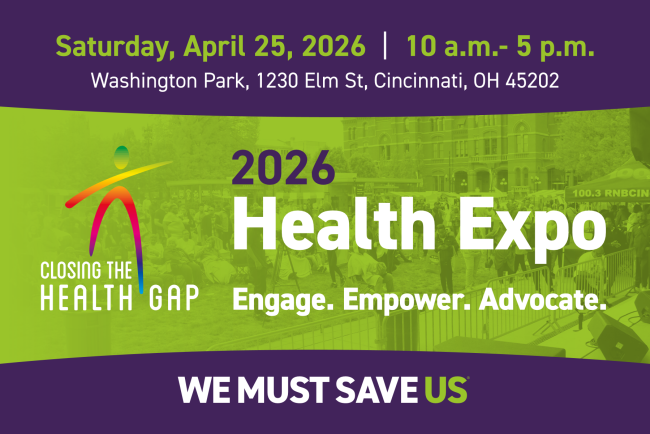
With the 2026 Health Expo on April 25 just eight days away, I want to extend my heartfelt thanks to our Sponsors, Exhibitors, Volunteers and Partners who are helping bring this important event to life. Your commitment makes it possible for us to connect thousands of individuals and families to vital health resources, screenings and support. Click here to check out the full Health Expo Schedule.
We also invite you to join us. Our call for Health Expo volunteers (see details below) is a meaningful opportunity to give back – to stand alongside your neighbors and help empower them to take charge of their health. Together, let’s make our health our goal.
We Must Save Us! I look forward to seeing you on the 25th in Washington Park!
Renee Mahaffey Harris
President & CEO
| | |
Volunteers Needed for Health Expo on April 25
Qualifications: Approachable and inviting presence. Strength to stand on your feet for 2-3 hours. Willingness to share stories about your health journey and connection with CCHG. Humility to defer tough questions to CCHG staff and medical professionals who will be on-site.
Benefits: An event t-shirt and meal ticket will be provided – 4 hours of volunteer time.
Logistics: There will be 3 volunteer shifts: 8:30AM-12PM, 12-2PM and 2-5PM. Training will be provided in advance.
| |
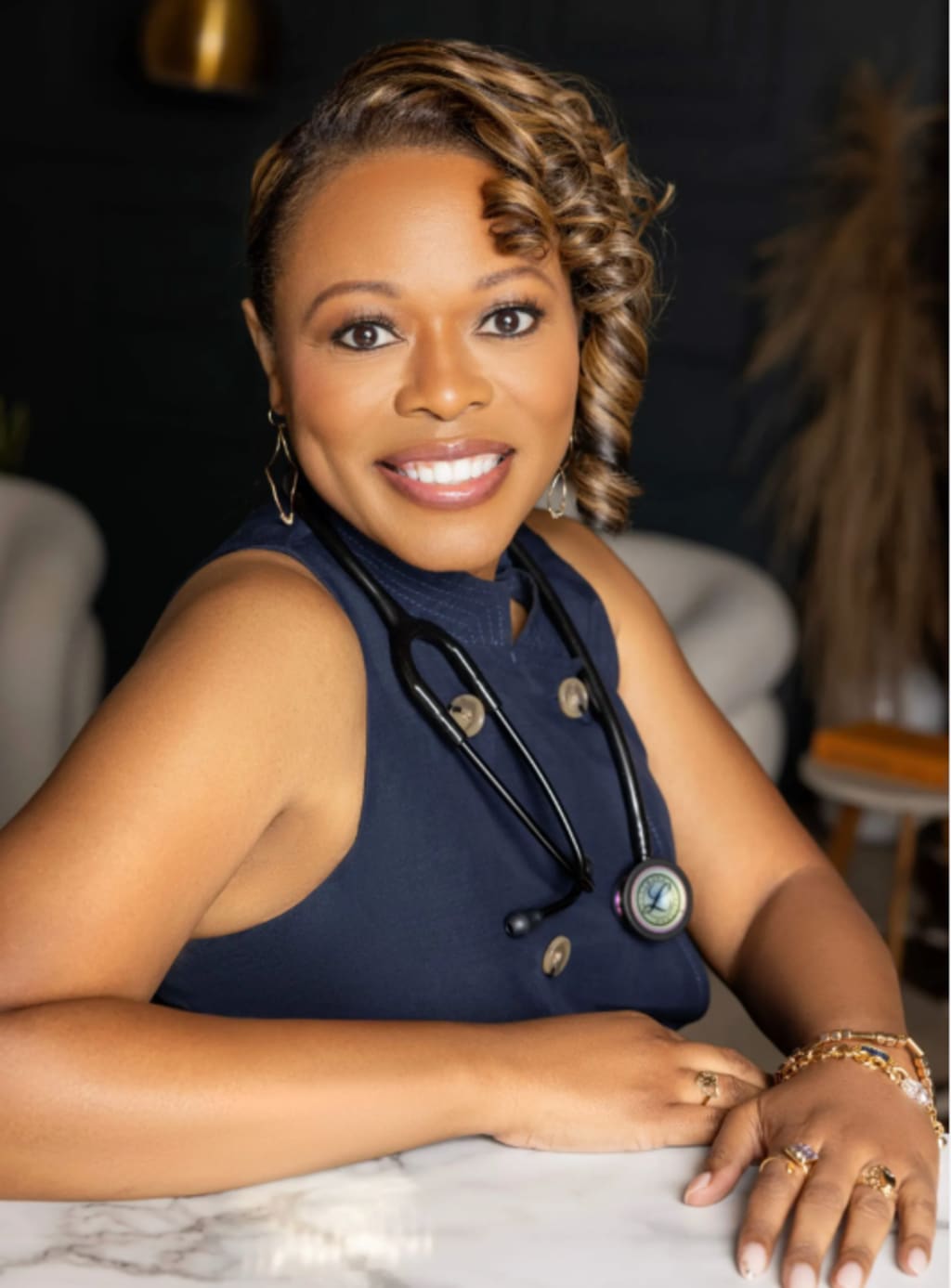
Dr. Kela Henry on the Front Lines of Health Equity
Dr. Kela Henry brings a deeply personal and wide-ranging perspective to the conversation about health equity. As a primary care physician who has cared for patients across generations, cultures, and economic backgrounds, her practice reflects the realities of modern medicine in diverse communities. From treating uninsured patients to working with families navigating language and cultural barriers, Dr. Henry has witnessed firsthand how systemic gaps in housing, income, and access to care shape health outcomes.
In this interview, Dr. Henry shares candid insights on the most pressing disparities affecting minority communities today, including maternal health risks, declining access to coverage, and the ongoing struggle to deliver equitable care within complex healthcare systems. She also highlights the power of community-based solutions—from vaccination outreach to coalition-building—that are helping close gaps and restore trust. Her perspective is both practical and hopeful, grounded in years of clinical experience and a firm belief that collaboration between communities, healthcare providers, and policymakers can drive meaningful change.
|
New documentary puts spotlight on Black maternal healthcare
Hers chief medical officer Jessica Shepherd and filmmaker Emmai Alaquiva discuss the factors leading to Black maternal healthcare disparities, a topic covered in the documentary "The Ebony Canal."
| |
LOCAL 12: Center for Closing the Health Gap to host health expo at Washington Park
With spring and summer approaching, families will have a chance to get a jump start on their health and wellness at an annual event returning to Washington Park. The Center for Closing the Health Gap is bringing back its Health Expo in Over-the-Rhine, with organizers aiming to connect families with screenings, demonstrations and resources designed to reduce chronic disease and improve overall wellness.
Renee Mahaffey Harris, president and CEO of Closing the Health Gap, said the expo is adding new activities this year to draw in more families through fitness-focused events.
|
UC launches new Center for Public Health
The University of Cincinnati College of Medicine recently announced Suzanne Judd, PhD, as the inaugural director of its new Center for Public Health. The hire follows a national search launched in August 2025, as the Cincinnati Business Courier reported.
Judd joins UC from the University of Alabama at Birmingham, where she has served as a professor and chair of its department of health behavior. Judd brings more than 26 years of research experience and more than $100 million in National Institutes of Health-funded projects.
“Judd’s appointment marks a pivotal moment for our university and our city,” said Gregory C. Postel, MD, dean of the College of Medicine, Christian R. Holmes professor, executive vice president for health affairs at UC and chair of the UC Health Board of Directors. “Her experience leading multi-institutional studies and her commitment to addressing barriers to health care align perfectly with our mission.”
|
Health Systems Supporting Local Healthy Housing Goals
afe, stable and healthy housing is foundational to public health, but the housing stock in many communities are met with hazards like lead, mold, pests and insufficient heating. To address housing hazards, municipalities can leverage available and existing partnerships to ensure the greatest impact is achieved. Health systems, like nonprofit hospitals, can play a crucial role in investing in the social determinants of health (SDOH). Partnering with health systems can enable cities to access research, community connections and potentially secure funding to support initiatives such as healthy housing.
Nearly 50 percent of all hospitals are nonprofit and can be potential partners for increasing local capacity to address the social needs of their communities meaningfully. Every three years, nonprofit hospitals must conduct a Community Health Needs Assessment (CHNA) to address the health needs of the community. Through the CHNA, hospitals can identify housing instability, substandard housing and housing hazards as critical community health issues, opening the door to community benefit investments in healthy housing. Once a need is identified, hospitals may then allocate community benefit funds
| | | | |