Jewish Faith Network

Newsletter

April 2025


Thank you for joining us for this month’s Jewish Faith Network newsletter at the One America Movement. See below for resources to support your work.

Register for a Mussar Series on Conflict Resolution

Holding Our Communities and Relationships Together in Times of High Conflict: Mussar and the Practice of Constructive Conflict


In today’s challenging landscape, navigating communal conflict with wisdom and compassion is more important than ever. Join a transformative series of workshops designed specifically for rabbis and congregational leaders.


Grounded in the rich teachings of Mussar and Chassidic wisdom, and integrated with best practices in conflict transformation, this series was co-created by Kirva and the One America Movement. It will equip you with immediately applicable skills to turn toxic conflict into opportunities for constructive engagement.


Through six immersive sessions on Zoom, bi-weekly chevruta learning, and personal Mussar practice, you’ll deepen your leadership, cultivate essential traits like humility, compassion, and forbearance, and help build a more resilient and joyful communal culture.


Session Dates:

May 21, June 4, June 18, July 2, 23, August 6


Together, we will study, practice, and grow — ensuring you are prepared to meet conflict with dignity, creativity, and strength.

Register Now

Sermon Hooks for Next Month's Torah Readings

Tazria-Metzora

Leviticus 13:45-46The person with tzara'at...shall dwell outside the camp, alone."


Themes: Group norms, identity, relationship-building – These verses establish group norms around health and purity but also raise questions about balancing communal safety with compassion. They highlight how individuals are temporarily marginalized and what the community’s responsibilities are in eventual reintegration.


Leviticus 14:3-7 The purification ritual for the recovered metzora.


Theme: Trust, Relationship-Building, Sacred Values Restoration rituals affirm that isolation isn't permanent and that trust and sacred belonging are repairable through structured community processes.


Emor

Leviticus 21:1-6 — Special purity requirements for kohanim.


Themes: Group norms, identity - These verses regulate behaviors for a specific subgroup, raising questions about layered identities and internal group expectations.


Leviticus 23:22 — Laws of leaving gleanings for the poor and the stranger during the harvest.


Themes: Sacred values, relationship-building, trust - Trust is placed in landowners to voluntarily relinquish part of their harvest, emphasizing sacred values of dignity, equity, and care for marginalized populations.


Achrei Mot/Kedoshim

Leviticus 16:29-31You shall afflict your souls and do no work... for on this day atonement shall be made for you.


Themes: Sacred values, superordinate identity - These verses call for collective humility and self-reflection, anchoring identity in shared sacred practices rather than divisions.


Leviticus 19:15 — "Do not pervert justice; do not show partiality to the poor or favoritism to the great."


Themes: Group norms, challenging one’s own group, trust - This command challenges bias even within one’s own in-group, demanding fair treatment regardless of status — a clear call to maintain just norms even when it is uncomfortable.


Behar/Bechukotai

Leviticus 25:10 — "Proclaim liberty throughout the land to all its inhabitants."


Themes: Superordinate identity, sacred values, trust - The Jubilee year vision dissolves entrenched social divisions (like permanent poverty) in favor of a renewed collective identity under divine ownership and justice.


Leviticus 25:35-37 — Prohibition against charging a fellow Israelite interest.


Themes: Group norms, relationship-building, trust - Economic justice is framed as a test of social solidarity and moral trust within the group.


From the Talmud

Kiddushin 40b


The Talmud discusses how every person should view themselves and the world as perfectly balanced between merit and sin: "One mitzvah can tip the scale for oneself and for the entire world toward merit." And conversely, one sin can tip the scales toward guilt. Although we seem to know this sugya backward and forward, there are aspects of it when seen in light of the One America Movement mission that are highlighted.


Key Takeaways from a One America Movement perspective:


Sacred Values: The idea that a single action has cosmic significance elevates daily acts into sacred responsibility.


Group Norms: The communal impact of individual behavior suggests that group norms must inspire good because individual behavior shapes collective destiny.

Trust: Trust is implied: we act believing that our good deeds matter — even when unseen.


Superordinate Identity: A single person’s deeds affect the whole world — suggesting a profound interconnectedness beyond individual or factional identity.

Relationship-Building: Every act can either build or erode the moral fabric that binds us together.


Challenging One’s Own Group: Implicitly challenges complacency: one cannot say, “My actions don’t matter,” or blame others for the community’s spiritual or ethical state.

Sermon From the Field

Rabbi Kelly Levy discusses the state of the Jewish people. She points out that as survivors of historical hardships, we have endured pain and division, yearning for comfort and security. Despite the challenges, we have persevered, finding strength in community and hope. Hope, distinct from optimism, is an active virtue that drives change and is deeply ingrained in Jewish history and culture.

Read the sermon here!

Articles of interest from the Internet

More in Common - Promising Revelations: Undoing the False Impressions of America's Faithful


Our perception of religion in the United States has become increasingly distorted by partisan politics and misinformed stereotypes. More in Common’s newest report, Promising Revelations, sheds light on false assumptions about faith communities and explores how misperceptions contribute to division in our society. By dispelling common myths about religious America, Promising Revelations paints a hopeful and clear picture of what it means to be a person of faith in America today. 


How Dayeinu Can Help Us Deal with "Enough Already!"


Rabbi Geoffrey Mitelman is the founder of Sinai and Synapses and will be a featured speaker at our Summit in May. In this Passover reflection, he thinks about the usefulness of the song Dayeinu for our lives today.

Meet Our Director

Contact Fred

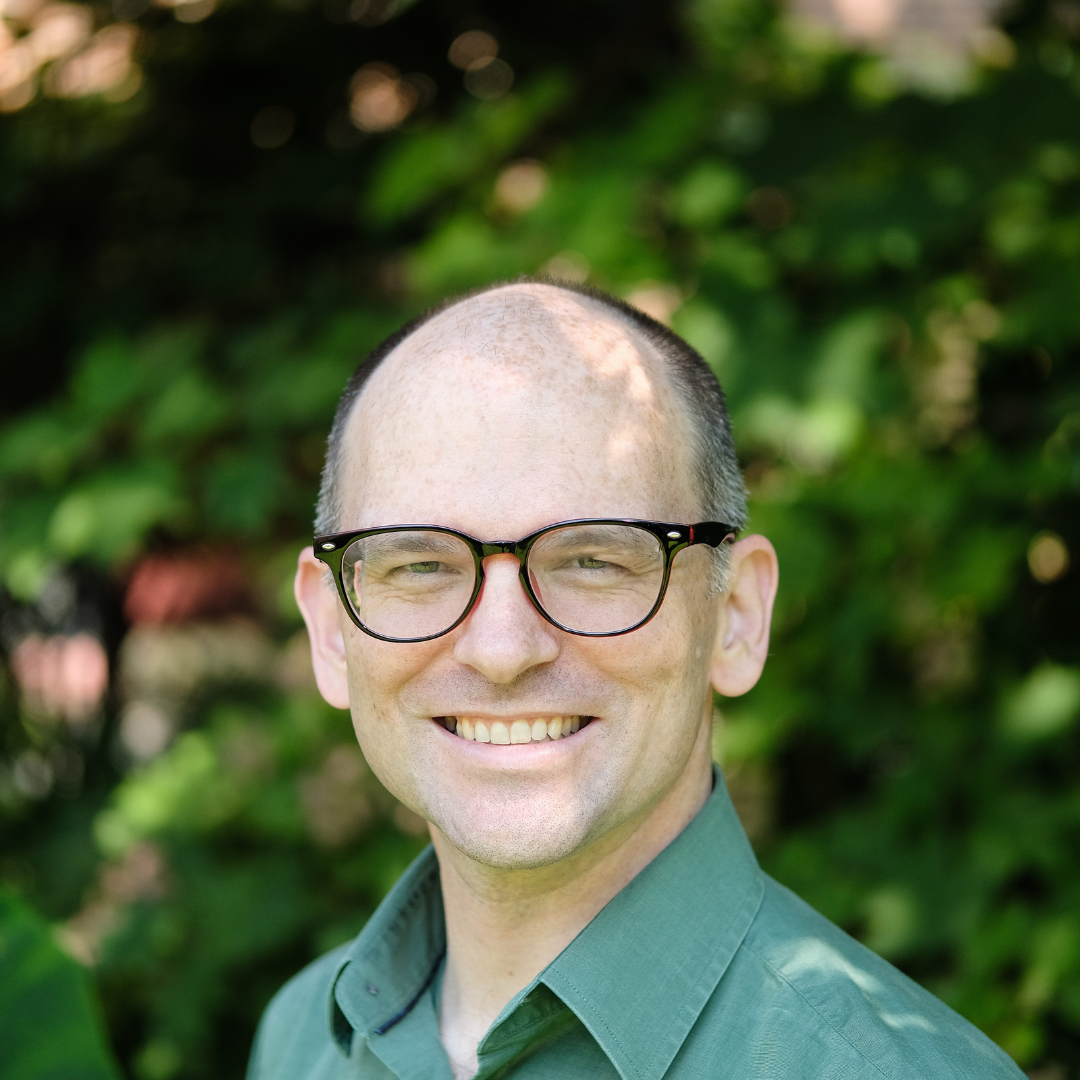
Rabbi Frederick Reeves is the Director of Jewish Programs at the One America Movement.


Fred served pulpits in Atlanta and Chicago before coming to the One America Movement. He also was the president of the Hyde Park-Kenwood Interfaith Council, the Jewish Council on Urban Affairs, and the Chicago Association of Reform Rabbis. In those roles, he has been active Jewishly and across faith lines working to bring positive change to our society. Fred graduated from the College of William and Mary in Virginia with a degree in French Literature. He completed a Master’s in Hebrew Letters and received rabbinic ordination from the Hebrew Union College-Jewish Institute of Religion in Cincinnati, Ohio.

Learn More About Our Work

The One America Movement's mission is to build a network of people of faith who speak and act against toxic polarization in America in accordance with their faith tradition. 

Follow Us on Substack
LinkedIn  Facebook  Instagram  Web  X