the Breakwater

A newsletter from the Prince William Sound Science Center

April 1, 2025

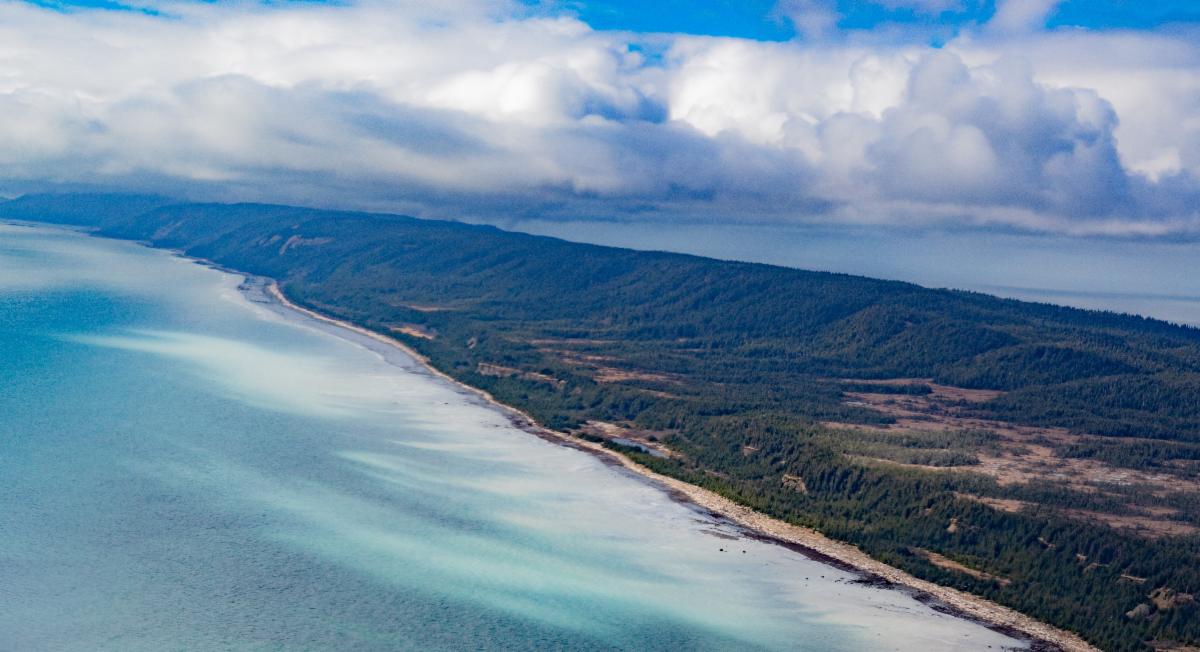
ADF&G received reports of herring spawn at Kayak Island and Cape Suckling on March 29. They surveyed the area on March 30 and confirmed active spawn along the northeastern shoreline of Kayak Island and Cape Suckling. Follow Prince William Sound Herring Watch on Facebook for updates. Photo by Cordova ADF&G.

KILLER WHALE ECOTYPES

Check out our latest Field Notes episode on killer whale ecotypes in Prince William Sound and the Kenai Fjords!


Field Notes is a three- to five-minute science program aired on local public radio. Since 2010, it has allowed us to reach a broader audience in Prince William Sound and outlying areas in the upper Copper River Basin, increasing our reach and ability to connect with our citizens.

CONNECTING GLACIERS AND SALMON IN THE COPPER RIVER

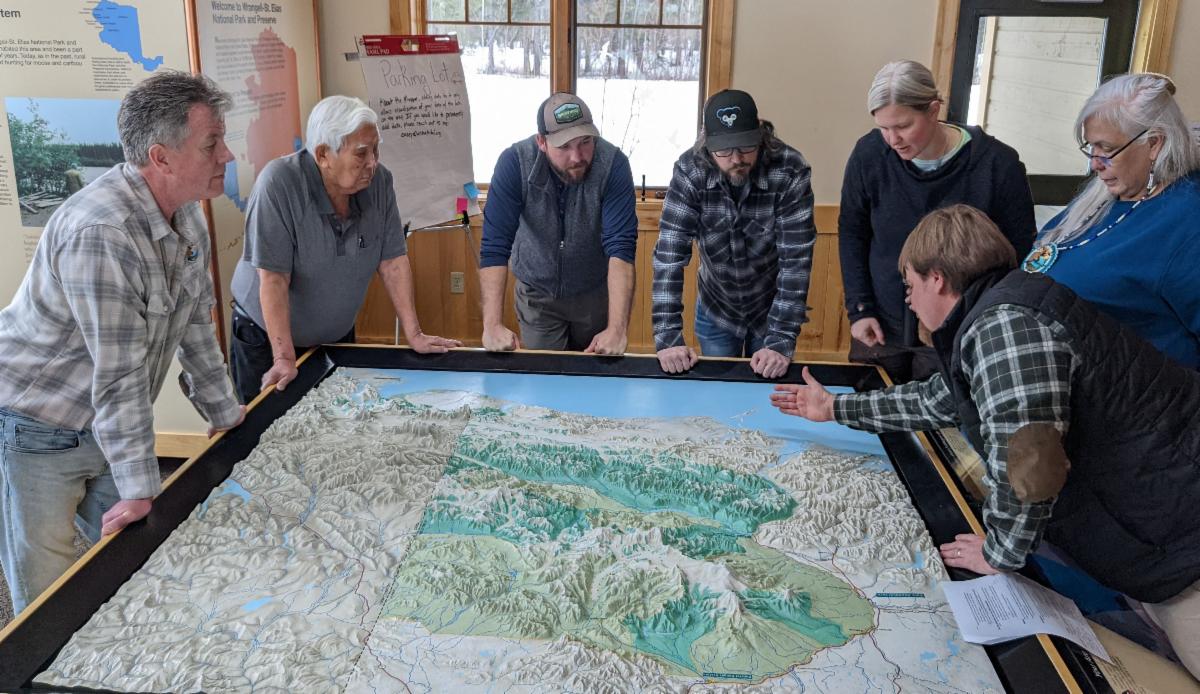
Matt Piche (right) describes Native Village of Eyak salmon research projects to a group of workshop participants. Photo by Pete Rand.

Glaciers play a critical role in the Copper River watershed. Understanding how glacial melting may impact salmon was the focus of a two-day workshop in February at Wrangell-St. Elias National Park in Copper Center, Alaska. Hosted by the PWSSC and UAF’s College of Fisheries and Ocean Science, the event was the first in the “Copper River Salmon 2125” series, emphasizing the importance of taking a longer-term perspective on salmon in this iconic river.


The workshop's objective is to develop a model that incorporates a “systems perspective,” with an emphasis on how changes in marine and freshwater ecosystems might affect salmon productivity and how fisheries management will need to adapt to future changes.


Breakout groups focused on the complexities of salmon biology and fisheries management. Presentations and discussions focused on how glacier dynamics will impact salmon and how a better understanding of these processes will inform salmon management.


Participants emphasized the need to understand ongoing research efforts throughout the basin. With help from GIS specialist Casey Cusick, an online map was developed to track various monitoring and research projects. The map will be developed over time but already includes a variety of ongoing efforts, including water temperature and salmon abundance monitoring, locations of new stream and lake habitats that may be created as glaciers recede, and the distribution of different salmon species in the region. For those with active field projects in the Copper River basin or those interested in starting new ones, a questionnaire has also been created to help people contribute to this effort.


The workshop included a tour of the Gulkana Salmon Hatchery, offering participants a close-up view of salmon fry and hatchery operations. The event concluded with a plan to build a comprehensive model of ecosystem dynamics. The next workshop is set for November 3–4 at the PWSSC in Cordova. Click here for more details.

COPPER RIVER NOUVEAU 2025

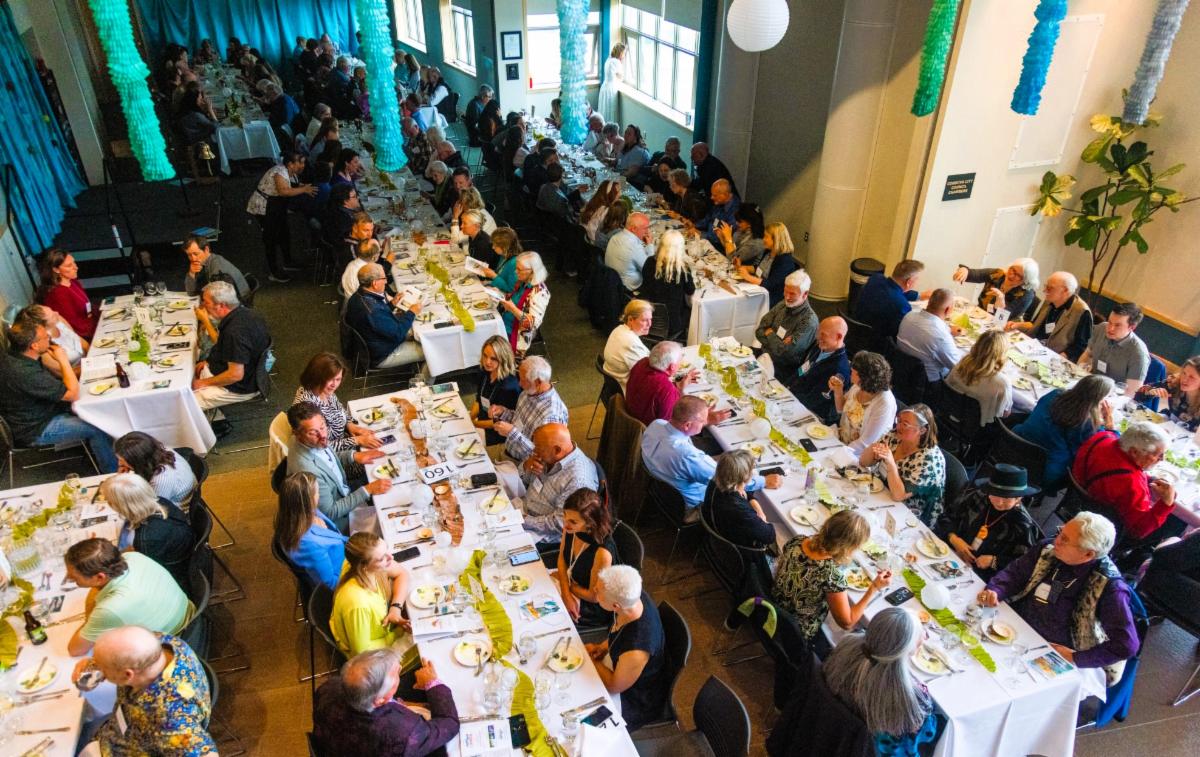
Copper River Nouveau dinner guests during the 2024 annual gala.

Our annual benefit gala, Copper River Nouveau, is scheduled for June 7, 2025.


Chef Laura Cole will prepare the five-course gourmet dinner for this fun-filled event celebrating regional resilience, science, education, community, and wild salmon.


We welcome individual and corporate sponsorships and auction donations. Dinner tickets cost $125 for current members and $150 for non-members.


To purchase tickets or support our event, please contact Signe Baumann.  

COMMUNITY EVENTS FOR APRIL

We hope you can join us this month for some educational fun! Different programs are intended for specific ages, as noted below. Younger participants need to be accompanied by a caregiver. Everyone is welcome to attend. A current calendar of events can be found on our website. Subscribe here if you'd like to receive email notifications for upcoming community education programs.


April 6 (7:00-8:00 pm) Nature Yoga: Helpful Herring

Join Aviva at the Science Center for a nature yoga session. We will draw inspiration from schools of herring as we synchronize movement and breath.

Please arrive five minutes beforehand and bring a yoga mat.


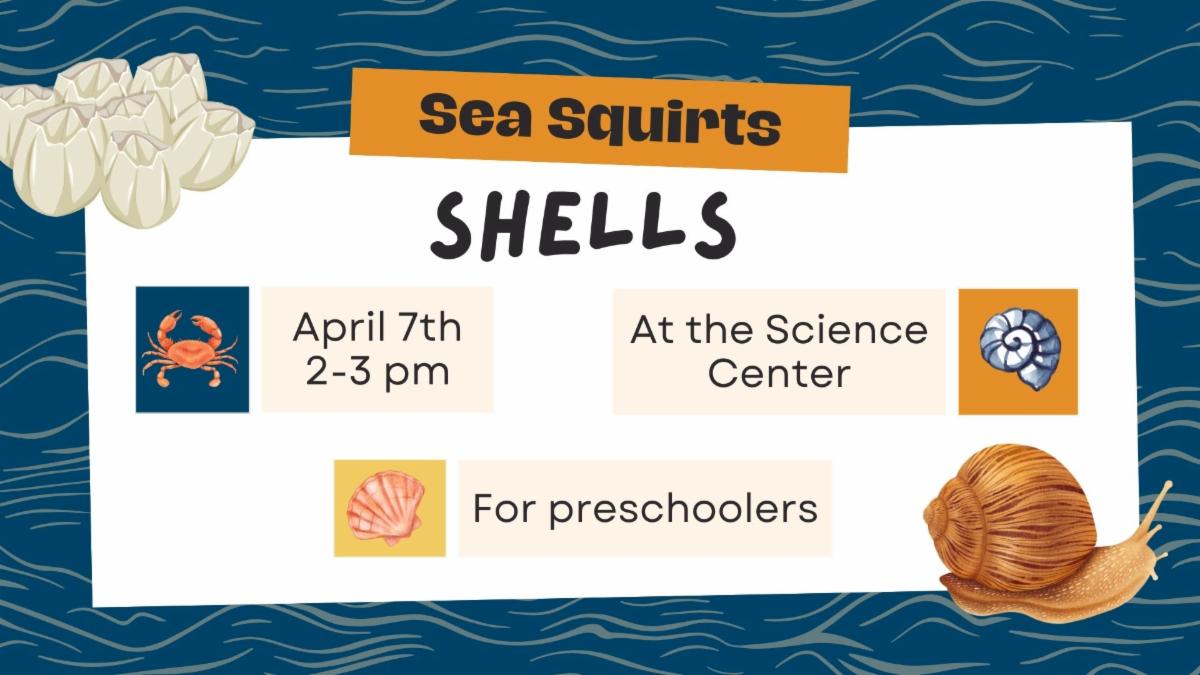
April 7 (2:00-3:00 pm) Sea Squirts: Shells

Why do some animals have shells? We will read a book, play a game, and make snail shell puppets. Hands-on play with shells will help preschoolers practice categorizing, sorting, and describing. The program is designed for kids ages 3 to 5.


April 14 & 21 (3:30-5:00 pm) Science and Snacks: Let it Grow

The theme for April will be gardening! We will explore compost, dig for worms, and plant some seedlings to take home. This program is limited to ten children in grades 1-6. You must register in advance. Please email education@pwssc.org.


April 15 (7-8 pm) Tuesday Night Talk: PWS Audubon

This night’s talk will be a meeting of the Prince William Sound Audubon and is open to the public at the Prince William Sound Science Center.


April 22 (7-8:30 pm) Tuesday Night Talk: Climate and Fisheries Adaptation

Learn about the Climate and Fisheries Adaptation project from PWSSC Social Scientist Kinsey Brown during this extended TNT. This NOAA-funded effort focuses on adaptive planning to combat climate vulnerabilities in our local fisheries. The evening will include project updates and an interactive adaptation planning exercise where community members can add their voices to the conversation. This talk will take place at the Cordova Center. Food and refreshments will be provided.

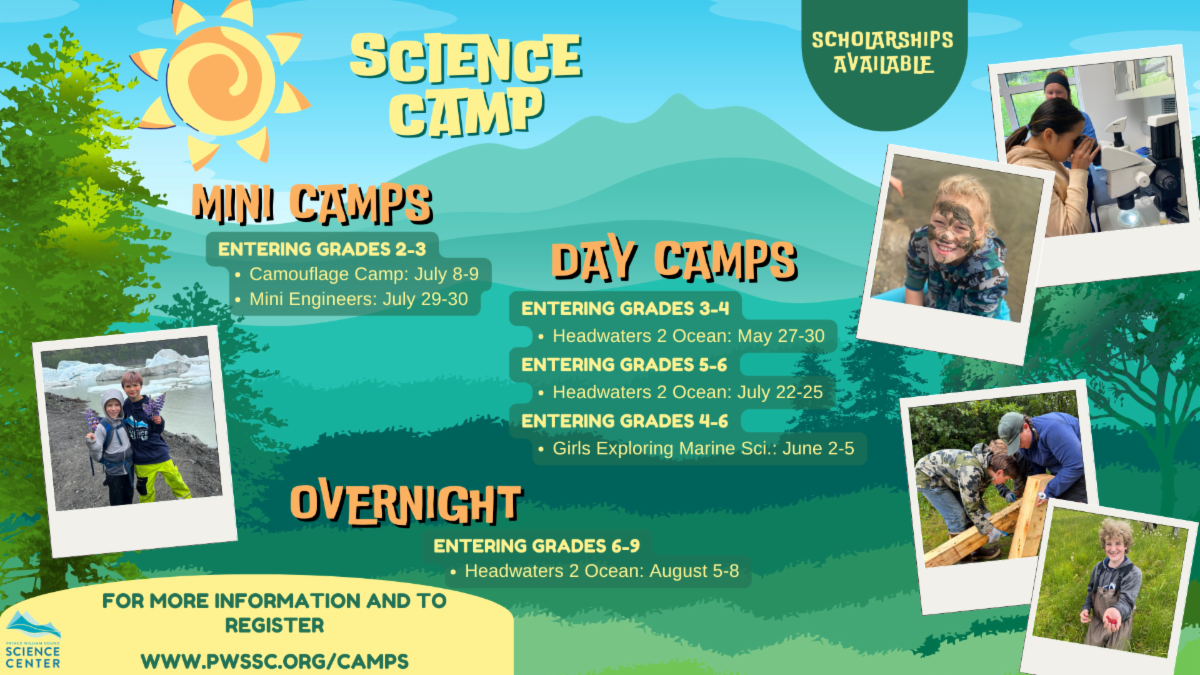
SUMMER CAMP REGISTRATION IS OPEN

Summer camp season is just around the corner and now is the time to sign up your favorite little scientist for fun-filled summer adventures. Registration is filling up fast! Click here for more information and to register for camp.

MARCH EDUCATION UPDATES

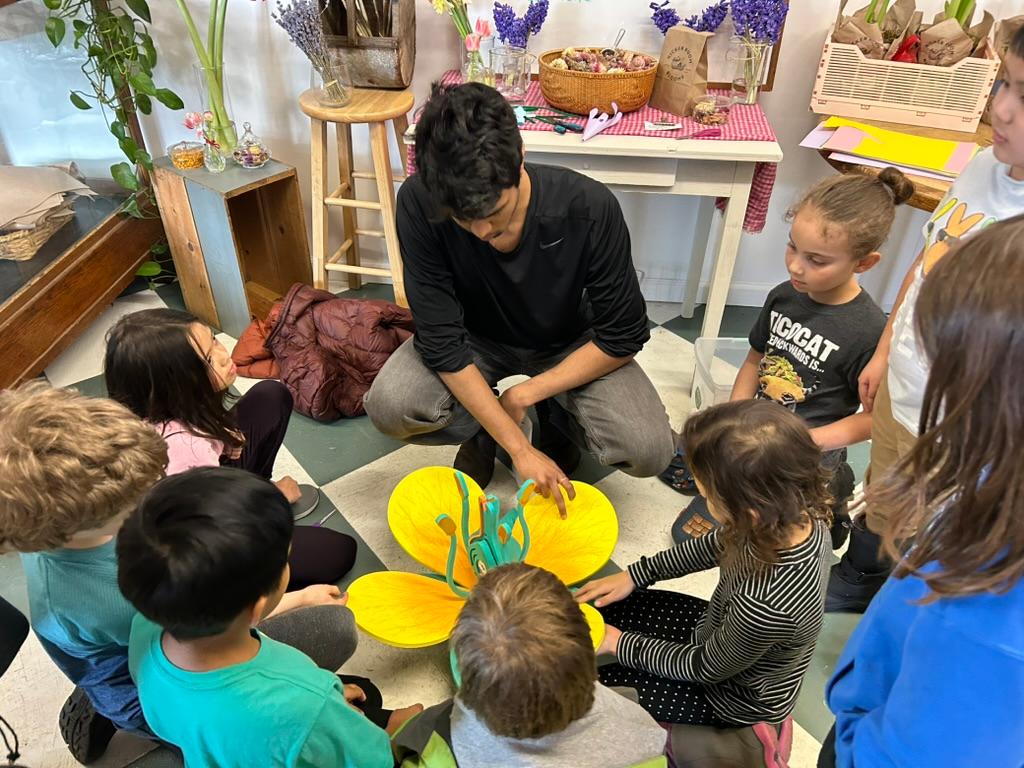
Americorps member, Nachi, discusses flower parts with second graders during Discovery Room. Photo by PWSSC staff.

Preschool Programs

Sea Squirts learned the word “absorb” as they explored the concepts of wet and dry. They splashed in kiddie pools, built sandcastles, and observed what happens when different materials get wet. 


After-School Programs

Students in the Science & Snacks afterschool program learned to identify several different species of crabs, including the local decorator crab and the invasive European green crab, through games and crafts and spent time at the shoreline looking at crabs. 


Teaching Through Technology (T3) has been preparing for Alaska’s Science Olympiad state competition for the past few months. This month, they put their knowledge to the test at the state competition in Fairbanks.


Our friends in Homework Club engineered towers of spaghetti, discussed indigenous companion agriculture, and worked with renewable energy.


Adult Programs

Nature Yoga participants practiced deep breathing as they meditated on the rhythm of the tides in a gentle stretching session.


Our March Tuesday Night Talk lecture series can be viewed by visiting our YouTube Channel and clicking on the Lecture Series playlist.


School Programs

In March, our educators met with grades K-6 as part of our Discovery Room program.

  • Kindergarteners learned about precipitation using their fine motor skills to fill rain gauges with pipettes and their gross motor skills to decorate and play with rain sticks. 
  • First graders went on a color scavenger hunt outside as they applied their knowledge of light’s reflection to describe how we can see color. 
  • Second graders visited Kicker Room Blooms to see hydroponics on a larger scale and learn how hydroponics can be a business. 
  • Third graders compiled all their knowledge of the nesting cycle to solve a “birder murder mystery.” They identified feathers, weighed “chicks,” and used scientific tools to find the culprit in the death of a baby crow. 
  • Fourth graders visited with CEC to learn how hydropower electrifies our community. To implement their new knowledge, they experimented with Lego-built hydro turbines and 9 volts of electricity!
  • Fifth graders explored carbon's journey through the carbon cycle and how it functions as a feedback loop. 
  • Sixth graders learned about remotely operated vehicles (ROVs) and how they can support scientific research and oil spill response. They then constructed their own ROVs, which will be tested next month during the ROV challenge.
 

The Prince William Sound Science Center is committed to resilient communities and healthy ecosystems. We need your help now more than ever. If you believe in our mission and care about what we do, please consider donating today.

DONATE NOW
Facebook  Instagram  YouTube  LinkedIn