The Sweet Spot of Buying a Laptop: Avoiding the

Too-Cheap and Overpriced

In the Market for a New Laptop? There's a Sweet Spot


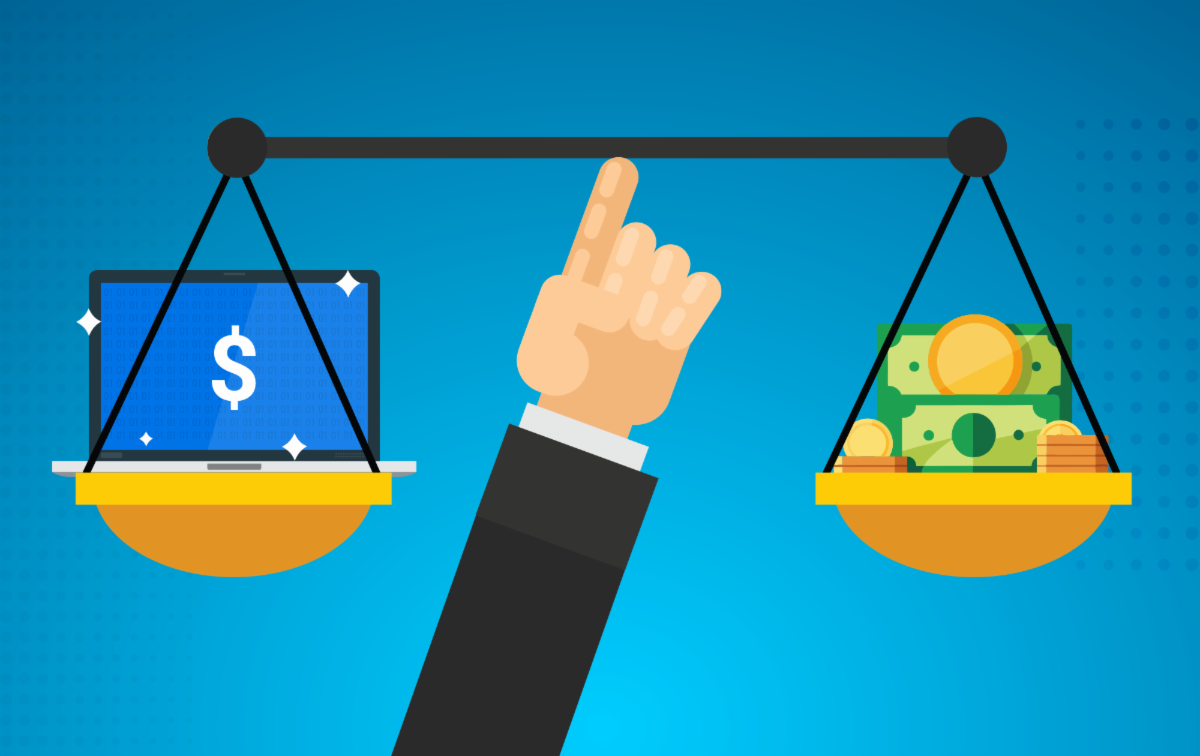
If you're looking to buy a new laptop, you've probably noticed that prices range from a few hundred dollars to several thousand. So how much should you spend? There's a balance between getting a good deal and buying something that will last. Spend too little, and you'll end up frustrated with a slow, flimsy laptop that won't hold up. Spend too much, and you might be paying for power and features you'll never use.


Let's look at the sweet spot where price and quality meet, helping you get the best value for your money.


Tempted by a Cheap Laptop? Here's Why It's So Cheap


Seeing a laptop for just a few hundred dollars might seem like an incredible deal, but there are reasons why these laptops are priced so low. Manufacturers cut costs in ways that aren't always obvious at first but can make a big difference in everyday use.


  1. Lower specifications. Many budget laptops come with just 8GB of RAM. These days, we recommend at least 16GB for smooth performance. They also tend to have low-power processors, which are fine for basic tasks such as email and browsing but struggle with anything more demanding.
  2. Cheaper build quality. Low-cost laptops often use plastic that flexes under pressure, and the hinges may start breaking after a couple of years.
  3. Keyboard and touchpad issues. If you type a lot, you'll notice the difference between a cheap, mushy-membrane keyboard and a well-built keyboard with proper key travel. Even the touchpad on a cheaper laptop might feel imprecise and frustrating to use.


These issues might not be obvious at first glance, but they can become daily annoyances that make using your laptop a chore. A slightly higher investment upfront can mean a laptop that lasts years longer.


Spending Too Much? Watch Out for Diminishing Returns


While it's easy to see the downsides of buying too cheap, spending too much can also be a mistake. There's a point where extra money doesn’t give you much in return.


  1. Think about what you actually need. If you're just using your laptop for browsing, email, Office apps, and streaming, you don't need a high-end machine; a mid-range laptop will handle those tasks just fine.
  2. Do you really need the latest model? New laptops often come at a price premium simply because they're the newest, but the performance jump from one generation to the next is usually only around 10%. Buying last year's model can save you a significant amount while still getting great performance.
  3. High-powered machines for demanding users. If you're into video editing, graphic design, or gaming, then you do need a more powerful machine. But even then, you don't necessarily need the absolute top-of-the-line model.


Want a High-Quality Laptop Without Overspending? Consider Business-Grade


One of our favorite recommendations for people who want a durable, well-built laptop without paying a fortune is to go for a business-grade laptop. These are designed for corporate environments, meaning:


  1. Better build quality. Business laptops are built to last and use higher-quality materials than consumer models.
  2. Easier to repair. Parts are easier to replace, and support is generally better.
  3. Great value in used models. Large companies refresh their laptops regularly, meaning you can get a lightly used business-grade laptop at a great price.

Need Help Choosing the Right Laptop? We can help.


Buying a laptop can be tricky, especially with so many options out there. If you want to get the best value for your money, we can help you find the right fit.


Whether it's identifying the best deals or supplying a high-quality business-grade laptop, we're here to make sure you get a machine that lasts without overspending.


Let us help you find the perfect match.


Call us directly at 940-282-0290.

DOWNLOAD PRINTABLE VERSION

The Truth About Free Streaming Sites: Are They Safe?


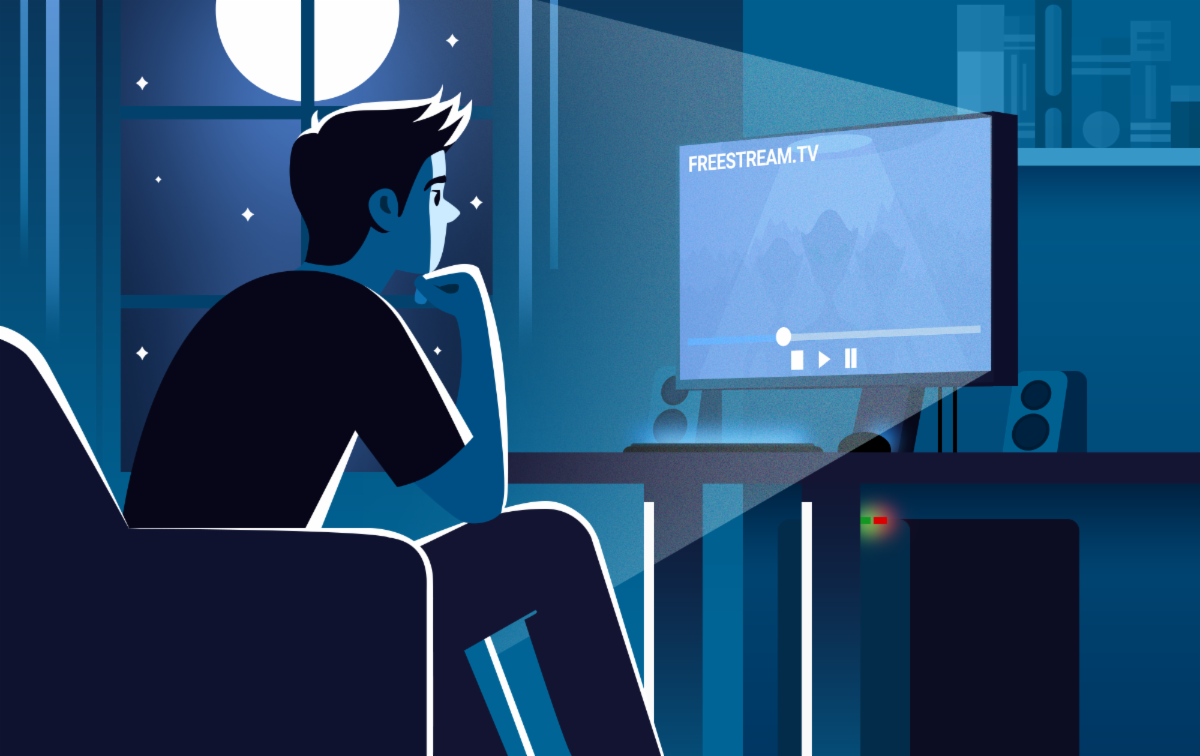
We all love free stuff, and when it comes to movies and TV shows, the idea of watching the latest blockbusters without paying a cent sounds tempting. However, while free streaming sites promise unlimited entertainment, they also come with serious risks that could cost you more than a monthly streaming subscription.


So, are free streaming sites safe? Let's break it down.


Are Free Streaming Sites Legal?


The vast majority of free streaming sites operate illegally. They offer copyrighted content without permission, which means they constantly evade law enforcement. Many of these sites are based in countries with weak copyright laws, allowing them to dodge takedown orders.


Now, will the authorities come knocking on your door for watching a pirated stream? Probably not, but that doesn't mean you're safe. The real danger isn't from law enforcement but the streaming sites themselves.


How Do These Sites Make Money?


Running a website that hosts or streams movies isn't cheap. The servers, bandwidth, and maintenance all cost money. Since these sites have already shown they don't respect copyright law, it's no surprise that how they make money can also be shady.


The Risks You Face:


1. Malware and Fake Video Players


Many free streaming sites require you to download a "special" video player or browser extension to watch their content. This is often malware in disguise. Once installed, it can:


  1. Infect your computer with viruses or spyware.
  2. Steal personal information, including saved passwords.
  3. Slow your computer down or make it crash.


Even if you don't download anything, simply visiting these sites can put you at risk. Some use "drive-by downloads," where malware installs itself in the background without you even clicking on anything.


2. Malicious Ads and Pop-Ups


Most free streaming sites rely on advertising to make money. Unlike legitimate platforms, these sites don't have strict advertising standards. This means you might see:


  1. Explicit ads that aren't suitable for younger viewers.
  2. Fake virus alerts that try to trick you into downloading harmful software.
  3. Malicious ads that automatically install malware just by loading on your screen.


Even if the site owner isn't intentionally serving malware-ridden ads, cybercriminals often sneak their way into these ad networks.


3. Paying for "VIP" Access – A Trap for Your Credit Card


Some sites offer "VIP" memberships where you pay for ad-free streaming or faster speeds. Sounds reasonable, right? The problem is that you have no idea who you're giving your credit card details to.


  1. Your payment information could be stolen and sold on the Dark Web.
  2. The site might charge you repeatedly without your consent.
  3. If the site gets shut down (which happens often), you lose access to what you paid for.


Why Risk It? Legal Streaming Is Cheap and Safe


With so many legal streaming services available, there's little reason to take the risk with shady free sites. Services such as Netflix, Disney+, Prime Video, and even free ad-supported platforms such as Tubi and Pluto TV offer plenty of content without the risks that come with illegal streaming.


For the cost of a couple of coffees per month, you get:


  1. A hassle-free, high-quality streaming experience.
  2. No malware or sketchy ads.
  3. No risk of credit card fraud.

Think You May Have Been Infected? We Can Help.


If you've visited a free streaming site and suspect your computer may have picked up a virus or want protection from future threats, give us a call.


We can:

  1. Check your computer for malware and remove any infections.
  2. Improve your security to prevent future attacks.
  3. Give you advice on safe and legal streaming options.


It's always better to be safe than sorry when it comes to your personal data and computer security.


Call us at 940-282-0290, and let's get your system cleaned up and protected.

DOWNLOAD PRINTABLE VERSION
 
Brian W. Norby
 
(Owner of both BWN Computer
AND That Computer Man)


1-940-282-0290
Visit BWN Computer's Website
Visit That Computer Man's Website
Connect with us
Facebook  Linkedin