|
“HE IS NOT HERE; HE HAS RISEN!”
Early on that first Easter morning, before anyone knew that Christ had risen, a group of women made their way to the tomb. Mary Magdalene, Joanna, Mary the mother of James, and the other women went to care for Jesus’ body, expecting only grief and loss. Instead, they found an empty tomb and heard the angel’s astonishing message: “He is not here; he has risen!”. These women—who would have been overlooked and dismissed in their time—were not only the first to hear the good news of the resurrection, but they were also the first Easter preachers.
Scripture says that upon learning of the Easter miracle, they ran to tell the disciples, and the disciples didn’t believe them. While the women proclaimed the greatest news the world has ever known, the men stayed silent, locked away in fear and doubt. What would have happened if the women had stayed quiet too? What if they had let their voices be silent? Without their bold proclamation, would the world have ever heard the good news?
Despite how important these women are to the story of Jesus and the history of our faith; we don’t often speak about them. So, who were these early preachers? Mary Magdalene was a devoted disciple of Jesus, first introduced as a woman from whom Jesus had cast out seven demons. Contrary to later misconceptions, there is no biblical evidence that she was a prostitute; rather, she was a deeply faithful follower of Jesus. In fact, Mary Magdalene may have been the only person at the crucifixion, burial, and resurrection. Joanna was a follower of Jesus and one of the women who traveled with him during his ministry. She is mentioned in Luke 8:1-3 as the wife of Chuza, a steward in the household of Herod Antipas, the ruler of Galilee. This connection suggests that Joanna may have been a woman of means and influence, supporting Jesus’ ministry financially. Mary, the mother of James is a little more mysterious. She is often identified as the mother of James the Less (one of the twelve disciples), though little else is known about her. While it is uncertain, some scholars suggest she may be the same Mary referred to as the wife of Clopas who meets Jesus on the Road to Emmaus.
As a church, we can give thanks that we are part of a faith tradition that recognizes the value of every voice. Martin Luther’s Reformation spoke of the priesthood of all believers, affirming that God calls all people—not just a select few—to proclaim the good news. This commitment to an inclusive church continues today in the ELCA’s practice of ordaining women and people of all backgrounds as pastors and deacons. Just as the first witnesses of the resurrection were entrusted with sharing Christ’s victory, we too are called to use our voices and actions to proclaim God’s love in our daily lives.
And so, you and I cannot be silent. Every voice matters in the telling of God’s story—even yours. The women at the tomb remind us that the gospel is not a secret to be kept only for ourselves but is meant to be shared.
Let us join them in proclaiming: Christ is risen! Christ is risen indeed!
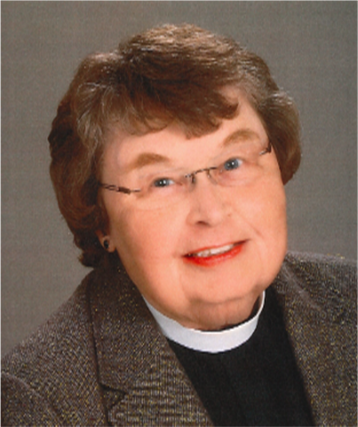
-Pastor Justin
|