|
We finally made it! It’s finally Spring!
*checks temperature outside*
OK, we made to Spring in Wisconsin!
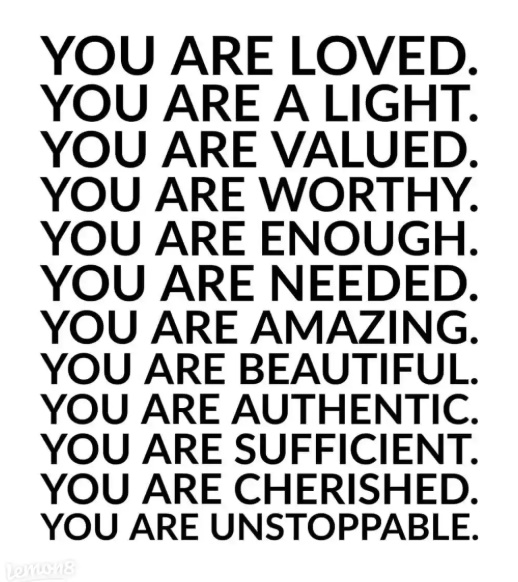
As we look forward to eventual warmer weather, the upcoming months promise a slew of holidays, celebrations, festivals, cookouts, and networking opportunities. After a long winter, some of us can’t wait to dive into this plethora of social interaction. However, some of us are perfectly content continuing with our private, individual hobbies far away from the throng of crowds and fried food. And there are even some of us that are perfectly happy fluctuating between the two. If any one of those sentiments resonates with you – great! As they say, “You do you.” But what does that mean - “You do you” or more to the point, what does it mean to live authentically?
I tend to think that most people assume living authentically just means that your personality is dialled to 11 twenty-four hours a day, seven days a week, and that you have a “devil may care” attitude outlook on life. However, living authentically is so much more layered and nuanced than that.
Living authentically should be a continually evolving sense of self. As you grow and learn and become educated whether by books or by life, you become aware of what values are most important to you. However, those values can also shift throughout your lifetime with new information and experiences. Every new setting and person you encounter is an opportunity for your “self” to either realign or further commit to what you value.
The challenge, of course, with living authentically is that not everyone will like the authentic you. And you know what? THAT’S OK because, when you think about it, do YOU like everyone? And, of the people you do like – even love – do you like EVERYTHING about them? I think about my best friend, my children, my husband of 30 years. These are all people living their authentic selves and I could tell you 300 things that annoy me about them – but I still love them!
The other maybe even bigger challenge with living authentically is trying to live authentically within settings where your “personality at 11” will get you fired, demoted, arrested, or some really strange looks. Assuming you don’t look good in orange, how can you be authentic when your authenticity will get you questioned?
This very thing has happened to me over and over again in the workplace. I’ve had to face some pretty harsh criticism over my attitude, my manner of communication, and even my clothing. It hurt. It all really hurt. It took me years to figure out how to retain who I was without getting called into HR.
Despite those personal experiences, I’m no expert on how to be authentic in a professional setting, so I consulted with my best friend, Google AI. This is what Google AI had to say:
Being authentic in professional settings involves aligning your core values, strengths, and personality with your work, rather than hiding behind a persona. It is achieved through vulnerability, honest communication, and setting professional boundaries. Authenticity is not oversharing, but rather thoughtfully sharing your unique perspective while respecting professional norms and ensuring psychological safety.
Key ways to practice authenticity at work include:
-
Align Values with Actions: Define your core values and identify which are non-negotiable, integrating them into how you make decisions and work.
-
Practice Vulnerability: Confess when you are overwhelmed or unsure rather than putting on a brave face, which builds trust.
-
Set Professional Boundaries: Authenticity includes communicating your limits and protecting your time, such as declining to share personal information you are uncomfortable with.
-
Share Your Unique Perspective: Offer honest, respectful opinions, even if they challenge the status quo.
-
Gradual Disclosure: Start sharing personal interests or stories gradually to build rapport and allow colleagues to know you.
-
Use Social Intelligence: Tailor how you express your authentic self based on the context, timing, and audience, rather than sharing everything impulsively.
Authenticity fosters trust and improves professional reputation, allowing you to bring your best self to work.
I wish Google AI had been around when I was struggling to express myself in professional settings. At 54 years old (did I really just type that number out loud?), I still consider myself a “work in progress,” but I am much better equipped now to navigate situations where I would previously alienate myself from everyone because I refused to not be “at 11” all the time.
|