|
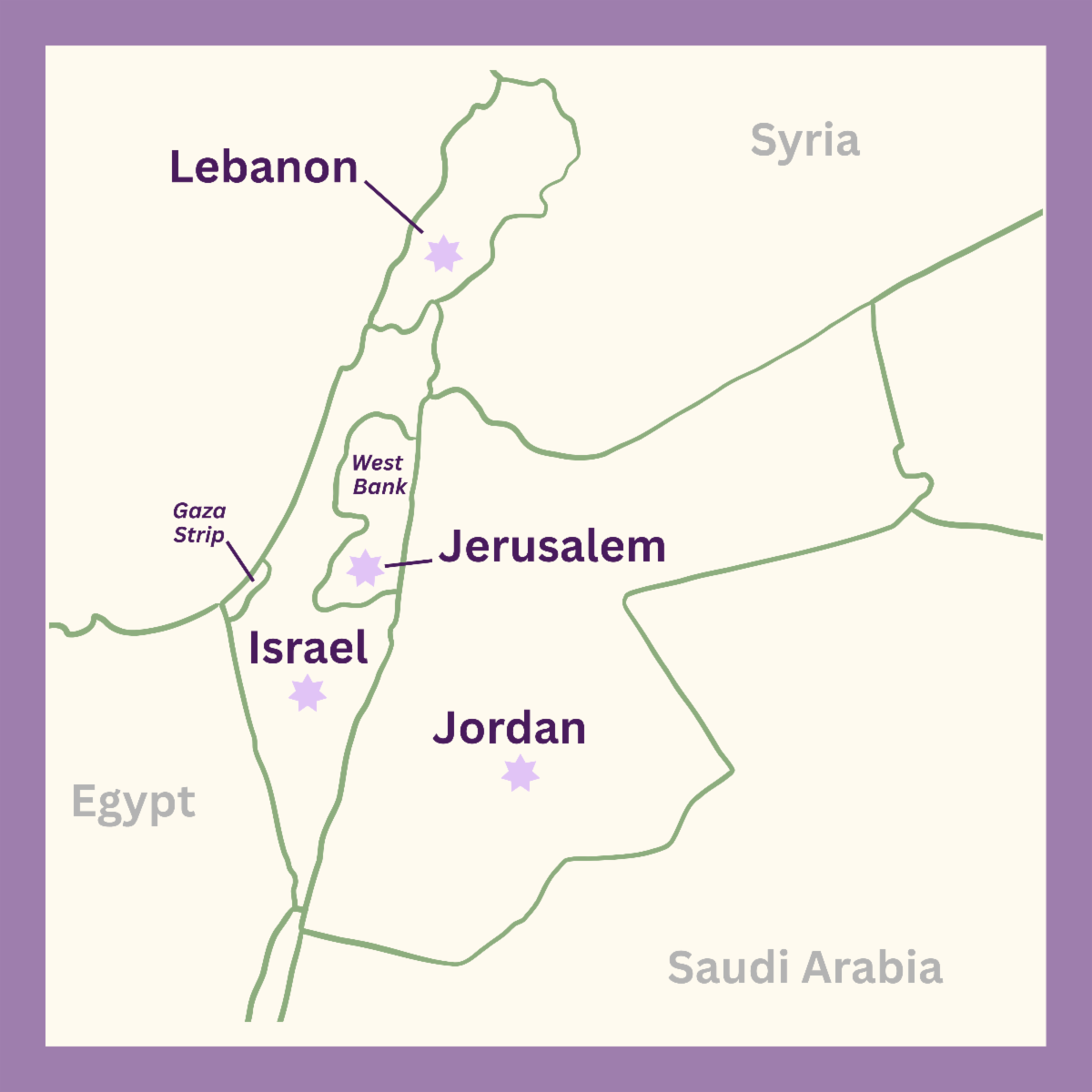
Lebanon, a country with one of the highest numbers of refugees per capita in the world, is currently facing a severe and compounding humanitarian crisis. Daily life is increasingly shaped by uncertainty, as conflict and economic strain continue to escalate, leaving devastation behind. For so many, a sense of safety and stability is slipping dangerously out of reach.
A renewed escalation of violence in March this year has pushed an already fragile country to a breaking point. Airstrikes have struck densely populated areas, destroying homes and critical infrastructure, and displacing more than one million people.
This latest wave of violence is unfolding on top of years of economic disruption. The Lebanese lira has lost most of its value, and a large majority of the population now lives below the poverty line.
Displacement, overcrowding, and a deepening economic crisis are not abstract challenges—they shape how people access medical care, whether children can attend school, and how communities can live safely. As conditions continue to deteriorate, the need for stability and support has only intensified.
Across the Episcopal Diocese of Jerusalem, your support reaches communities facing these challenges every day, including some of the most vulnerable in Lebanon.
A place of stability in an uncertain time
In Beit Mery, a suburb overlooking Beirut, located just twenty minutes from the areas most devastated by recent violence, St. Luke’s Center for Rehabilitation continues to serve children and young adults with cognitive disabilities. Here students receive education, therapy, and vocational training, alongside something else that is just as essential: dignity, routine, and a sense of belonging.
Most of the families who come to St. Luke’s were already navigating financial hardship. Today, those challenges have deepened significantly.
Due to the recent unrest and violence, the Center made the difficult decision to close for several weeks to ensure the safety of its students and staff. Though it has since reopened, operations remain fragile. Attendance has dropped by more than half, as families weigh the risks of travel against their children’s needs. Transportation has become both more dangerous and more expensive, making daily access to care increasingly difficult.
For the students at St. Luke’s, even short interruptions matter. Missing days of therapy and structured learning can set back critical developmental progress for months, or even years.
And yet, the work continues.
“In these circumstances, continuing our work is no longer merely an educational mission, but a deeply humanitarian one. It requires sustained support to ensure that we can continue to provide a safe and nurturing environment for our students,” says Rev. Imad Zoorob, Director of St. Luke’s Center for Rehabilitation.
What your donation makes possible
In moments like this, flexibility matters.
When your support is directed to where the need is greatest, it allows AFEDJ to respond in real time, adapting to rapidly changing conditions and ensuring that institutions like St. Luke’s can continue serving their communities as needs evolve.
Across the Diocese, in Lebanon and beyond, your support is part of a larger network
of care that continues to reach people in moments when it is needed most. It allows institutions to adapt, to remain present, and to continue serving their communities even as conditions shift around them. And it helps ensure that this work continues—steadily and consistently, even in times of ongoing uncertainty.
|