Whittier City Elementary School District:
Community School Learning Visits
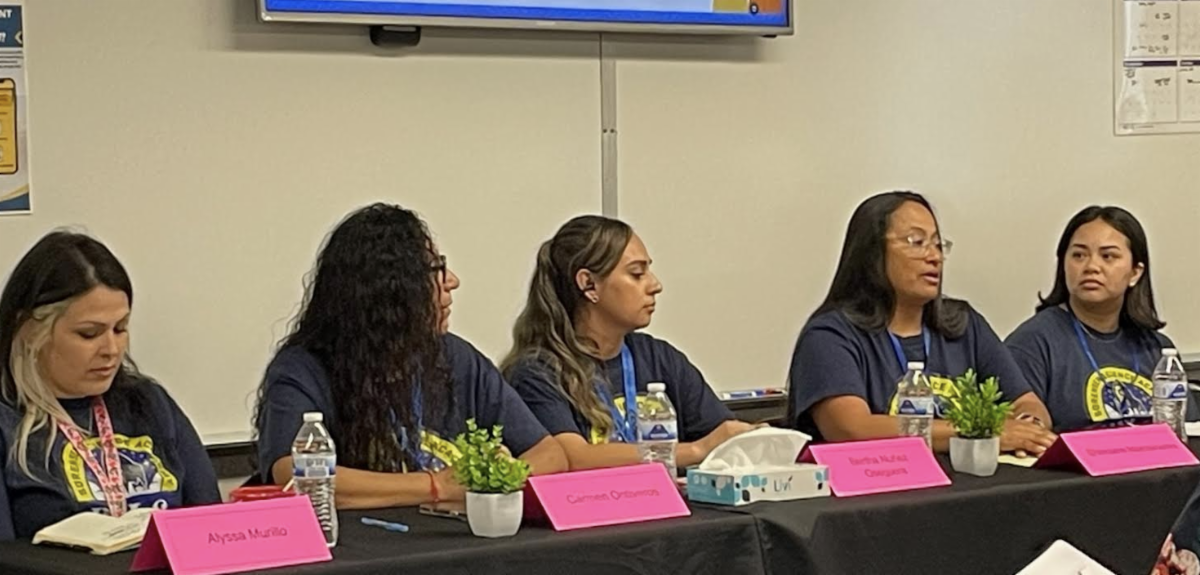
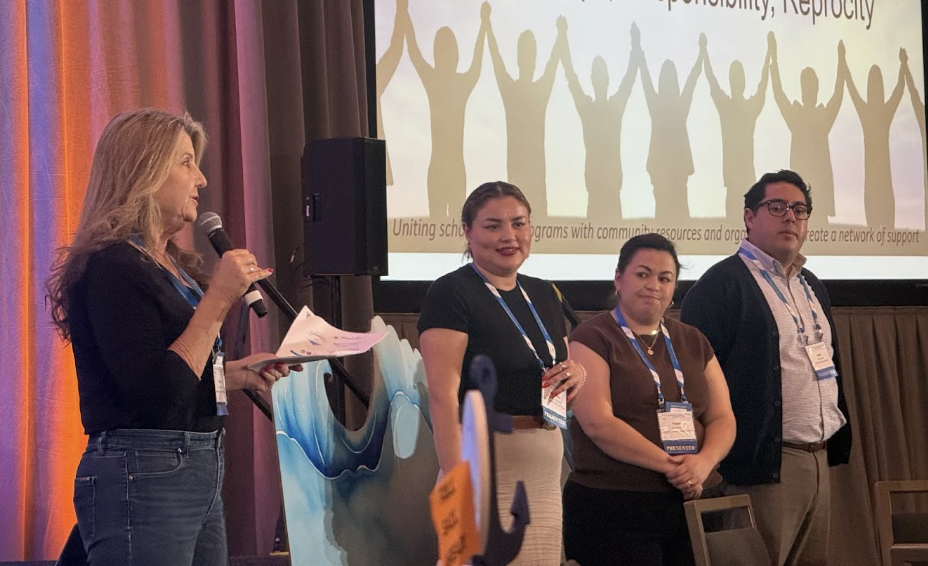
| | Caption: Sorensen Elementary School parent leaders shared their perspectives on what it means to be actively engaged as partners within the school community. Photo courtesy of the wcsd_sorensen Instagram page. | | |
On March 16, 2026, Central Coast CCSPP representatives and educators from across California gathered for a Community Schools site visit hosted by Whittier City School District (WCSD), offering a powerful opportunity to see the Community Schools strategy in action.
The day began with networking and a welcome from district leadership, including Superintendent Dr. Brad Mason and members of the executive team, who shared insights into WCSD’s community schools journey and the systems that support their work.
Attendees then visited Sorensen Elementary and Orange Grove Elementary, where school leaders, community school coordinators, and partners provided overviews of their site-based implementation. Each visit highlighted strong collaborative leadership, integrated supports, and a deep commitment to authentic family and student engagement. Participants heard directly from Parent Ambassador Leadership (PAL) members, educators, and students, whose voices reflected the impact of inclusive practices and shared decision-making.
A key highlight of the visits was the emphasis on elevating family and student voice. At both sites, panels and presentations showcased how families and students are engaged as active partners in shaping school culture and programs. These examples brought to life the core principles of the Community Schools Framework, demonstrating how intentional structures and relationships contribute to positive outcomes for students and communities.
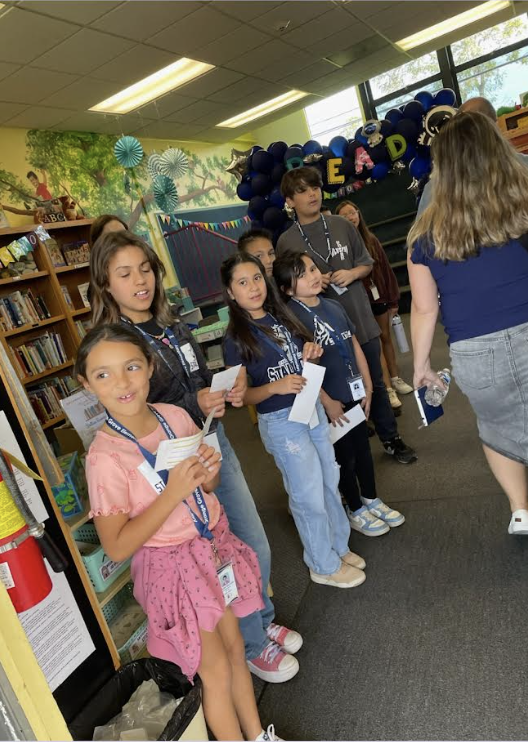
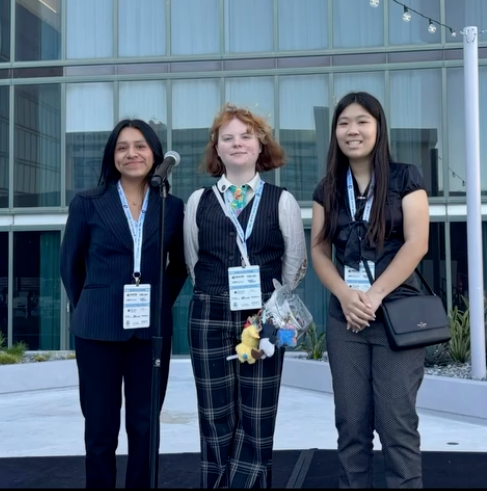
| | Caption: Student representatives welcomed participants to their school. | | |
The day concluded with a debriefing session, during which participants reflected on key takeaways, completed feedback surveys, and discussed how lessons learned could inform their own community school efforts. Overall, the visit provided meaningful insights and inspiration for strengthening implementation, deepening partnerships, and advancing community school strategies across participating regions.
A big thank you to the Whittier City Elementary School District team for providing this learning opportunity!
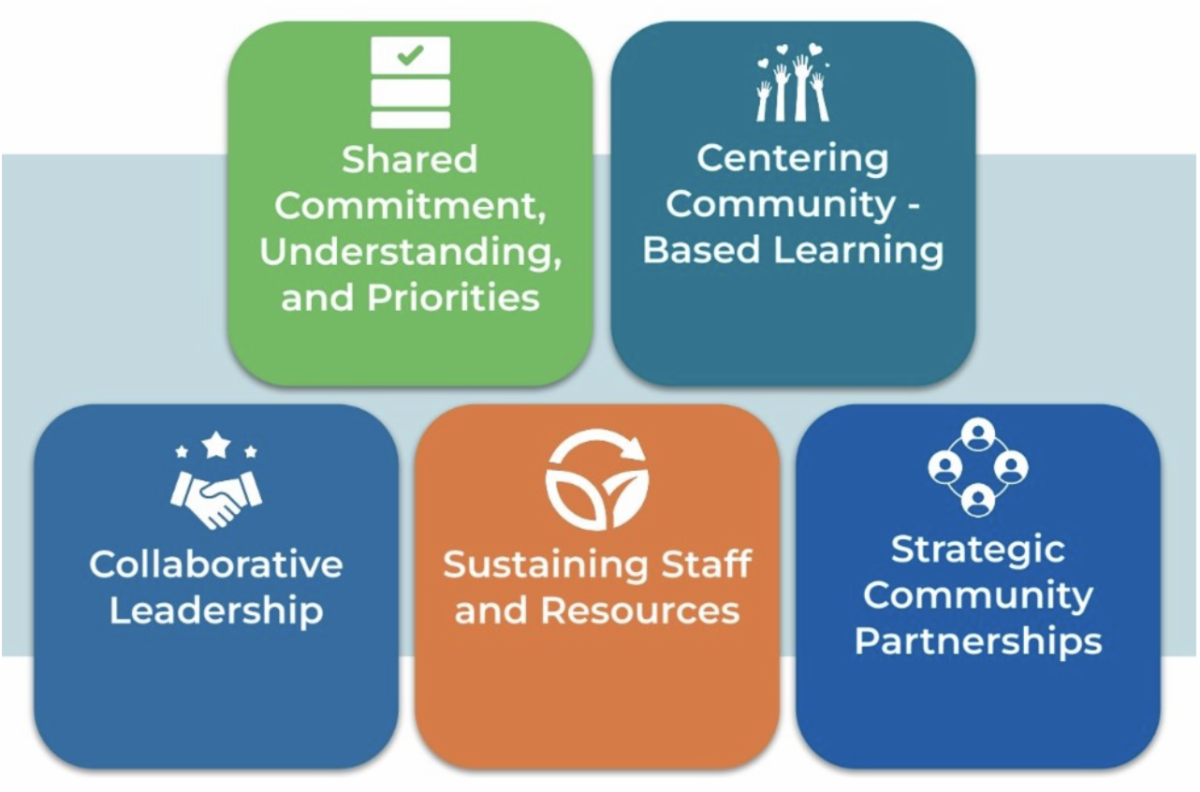
| | CCSPP Framework (17 pgs) The California Community Schools Partnership Program (CCSPP) Framework is a guiding document created by the California Department of Education (CDE) and the State Board of Education (SBE). It was adopted in July 2022 to help schools, districts, and counties design, implement, and sustain high-quality Community Schools across California. | |  | CCSPP Capacity Building Strategies (25 pgs). This resource will support Community School Coordinator/Leads' understanding of the Capacity Building strategies to support APR conversations with Advisory Council members and other stakeholders/educational partners. | | | |
26-27 RTAC Calendar of Events
The Central Coast RTAC team is excited to share our 2026–27 Calendar of Events, now available as both a Canva presentation and a PDF format.
All core Inflexion facilitated session details are included in the calendar. Some details for optional training and STAC-led sessions are still being finalized. The Canva presentation will be updated as new information becomes available, and we will keep you informed of any significant updates:
(Slides) ~ (PDF)
Link to RTAC Published Calendar
CCSPP Site Leads, Coordinators, and Specialists are encouraged to contact their CCSPP District Lead with any questions about training opportunities.
COE and District Leads may reach out directly to their RTAC Program Coordinator with any questions.
| | |
Glen Speck Elementary is SLO County
New things happening thanks to CCSPP
| | |
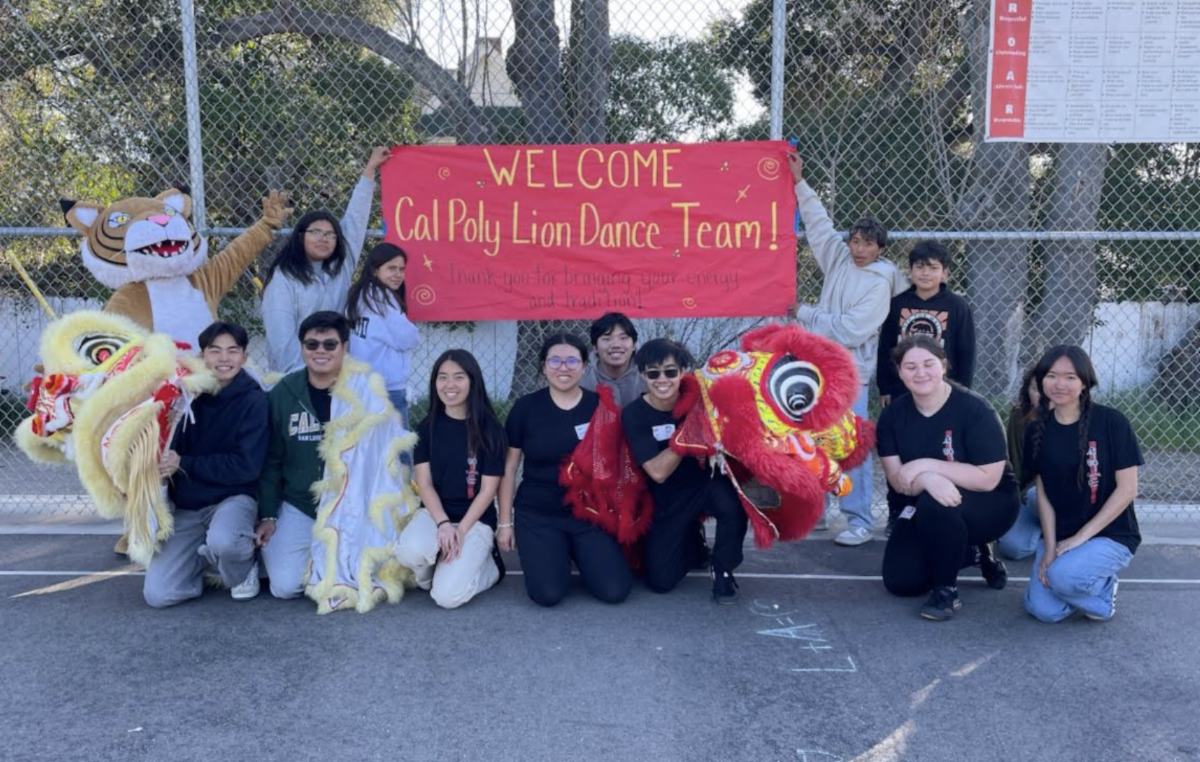
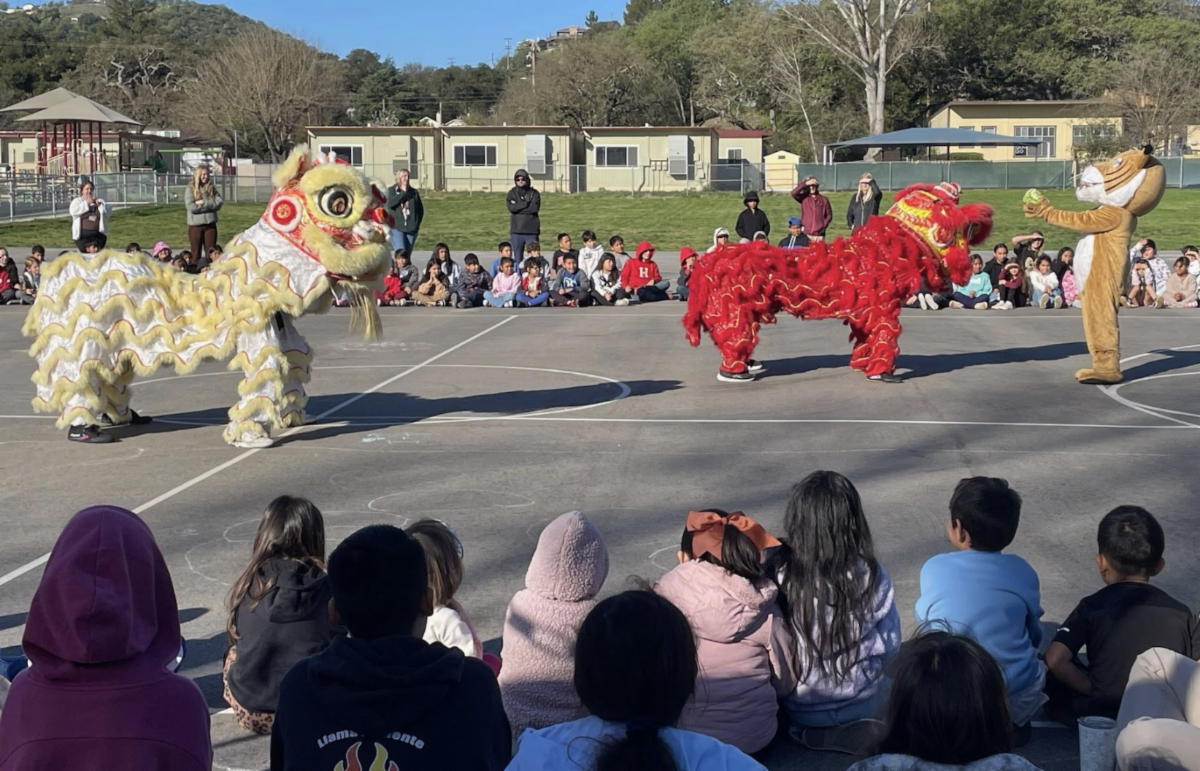
This year, Glen Speck Elementary School, a California Community Schools Partnership Program (CCSPP) Cohort 3 grantee, launched a new partnership with Cal Poly Learning Design & Technology. As part of this collaboration, a group from Cal Poly visited the school to perform a vibrant lion dance for Glen Speck students, creating a fun and engaging experience that students truly loved. The performance brought energy, movement, music, and excitement to campus, giving students a memorable opportunity to connect with college students and experience something special during the school day. Many students were excited to watch the performers and learn about the tradition behind the performance, making the event both inspiring and enjoyable for the entire school community.
The lion dance is a traditional cultural performance commonly associated with celebrations such as Lunar New Year. In many Chinese and East Asian communities, the lion dance symbolizes good luck, prosperity, and the driving away of negative energy to welcome a new year filled with positivity and success. The dance typically features colorful lion costumes operated by performers who bring the lion to life through coordinated movement, drums, and cymbals.
Historically, the tradition has been used during festivals, important celebrations, and community gatherings to unite people, celebrate culture, and honor heritage. Sharing this cultural performance with students provided an opportunity to celebrate diversity and deepen appreciation for cultural traditions practiced by communities around the world.
| | |
This partnership also reflects several overarching values and cornerstone commitments of the California Community Schools Partnership Program. Experiences like this help create racially-just, relationship-centered spaces by fostering trust, inclusivity, and a sense of belonging as students see diverse cultures celebrated within their school community. The partnership also demonstrates shared power, as community schools intentionally collaborate with external partners like Cal Poly to co-create opportunities that benefit students and strengthen connections between schools and the broader community. Additionally, the performance highlights classroom–community connections by bringing culturally relevant, real-world experiences directly onto campus, helping students see how learning and cultural traditions extend beyond the classroom. By engaging with local university partners, Glen Speck Elementary continues to expand meaningful opportunities for students while strengthening the relationships that are central to the community schools model and the CCSPP pillars of Expanded and Enriched Learning Opportunities and Collaborative Leadership and Practices.
| | |
Student leaders at Glen Speck
Elementary created a video titled "How Bobcats Enter Classrooms" (2:24). The video emphasizes to
other students how to enter rooms with Respect. Respect is part
of the school-wide commitment to ROAR: Respect, Ownership, Achievement, and Responsibility.
| |
Members of the Glen Speck Leadership team attended the March 16, 2026, Site Visit at Whittier City Elementary School District. Staff reflected on the powerful impact of the Coordinator and Principal relationship that can take implementation from Transactional to Transformational.
| | |
Student leaders at Glen Speck
Elementary created a video titled "Absenteeism" (1:13). The video emphasizes to other students how to enter rooms with Respect. Respect is part of the school-wide commitment to ROAR: Respect, Ownership, Achievement, and Responsibility.
| |
Glen Speck Elementary has implemented a series of successful Family Art Night events that are intentionally aligned to literacy-focused themes from books students and families are reading at home. These events reflect key CCSPP principles by fostering meaningful family engagement, strengthening the home–school connection, and creating inclusive opportunities for families to actively participate in their students’ learning.
| | |
Mr. Brannon Larson, 4th-grade teacher and CCSPP Advisory Council member, and Ms. Sanda Varreras, Activity Director, have partnered to strengthen Glen Speck’s Student Leadership Team by providing students with opportunities to develop leadership skills, represent their peers, and help shape school activities and culture.
| |
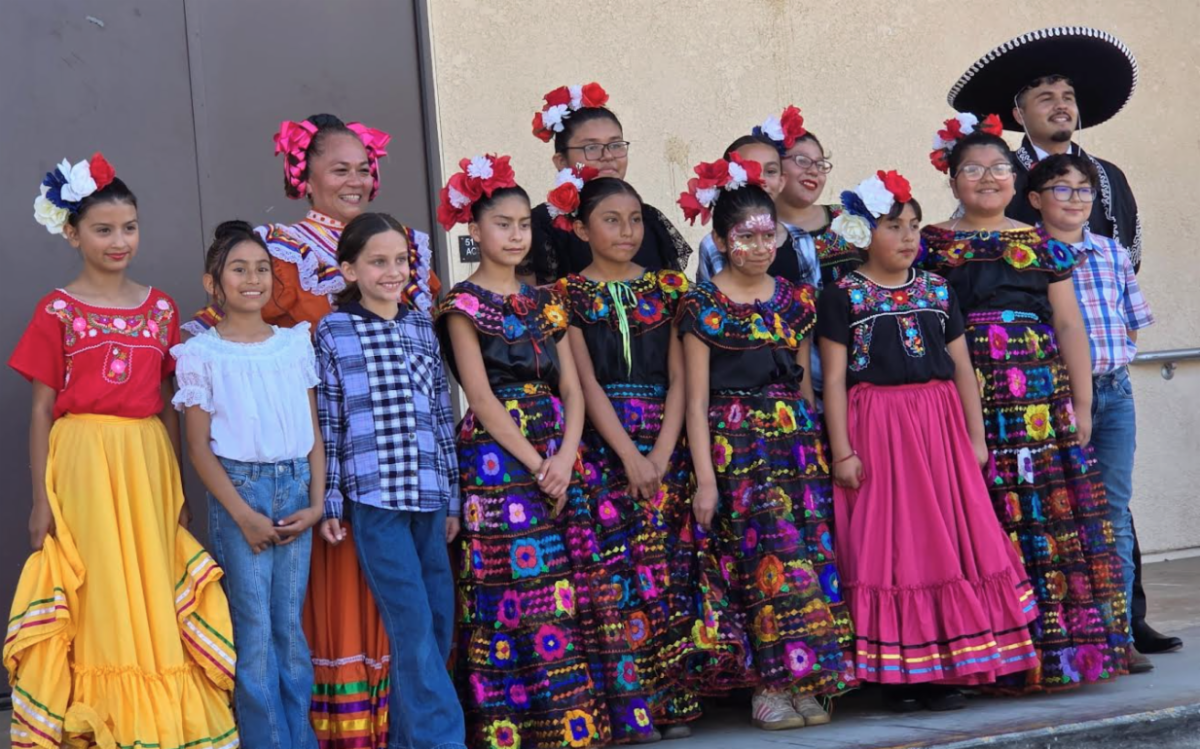
Glen Speck Elementary students from the Folkloriko Club recently performed at the Black History Month celebration at Paso Robles High School, bringing their traditional dances to a wider community audience. This performance allowed students to share their cultural heritage, build confidence, and see their talents celebrated beyond their own school. It also reflects the California Community Schools Partnership Program’s focus on relationship-centered, racially-just spaces and classroom–community connections, giving students a meaningful role in representing their culture and contributing to an inclusive, community-wide celebration.
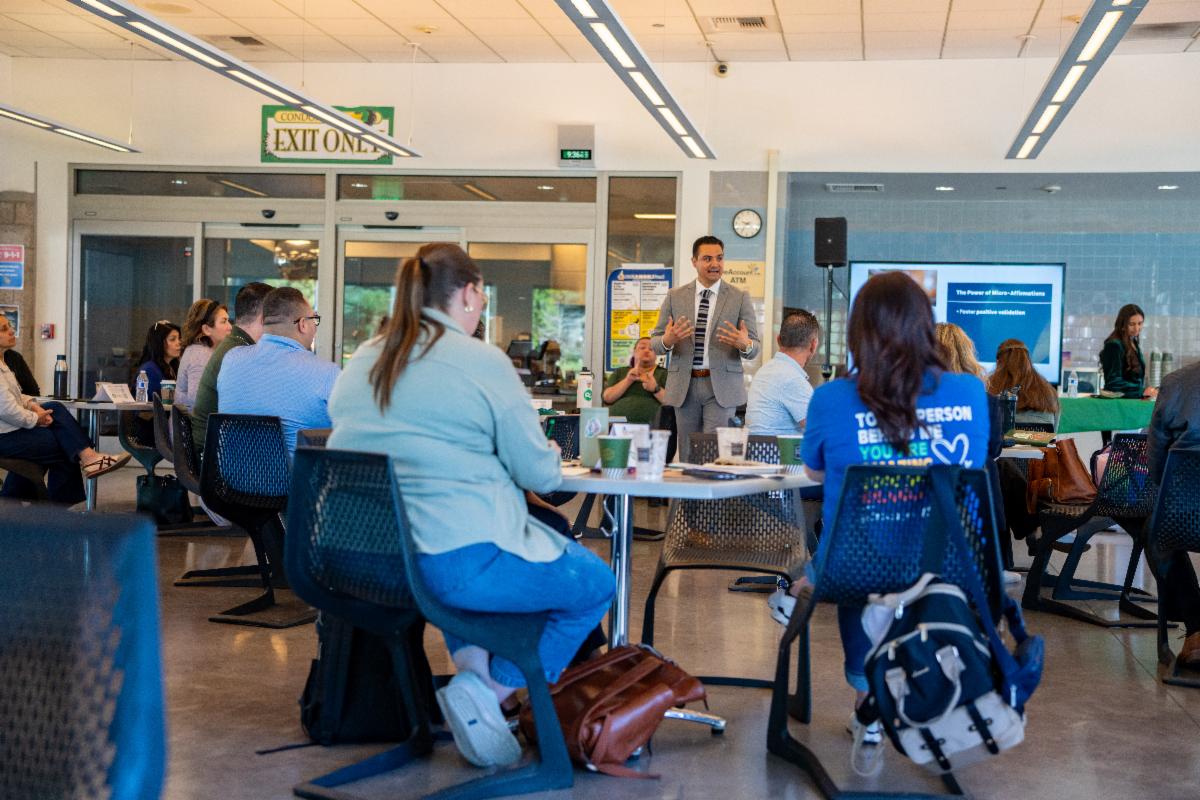
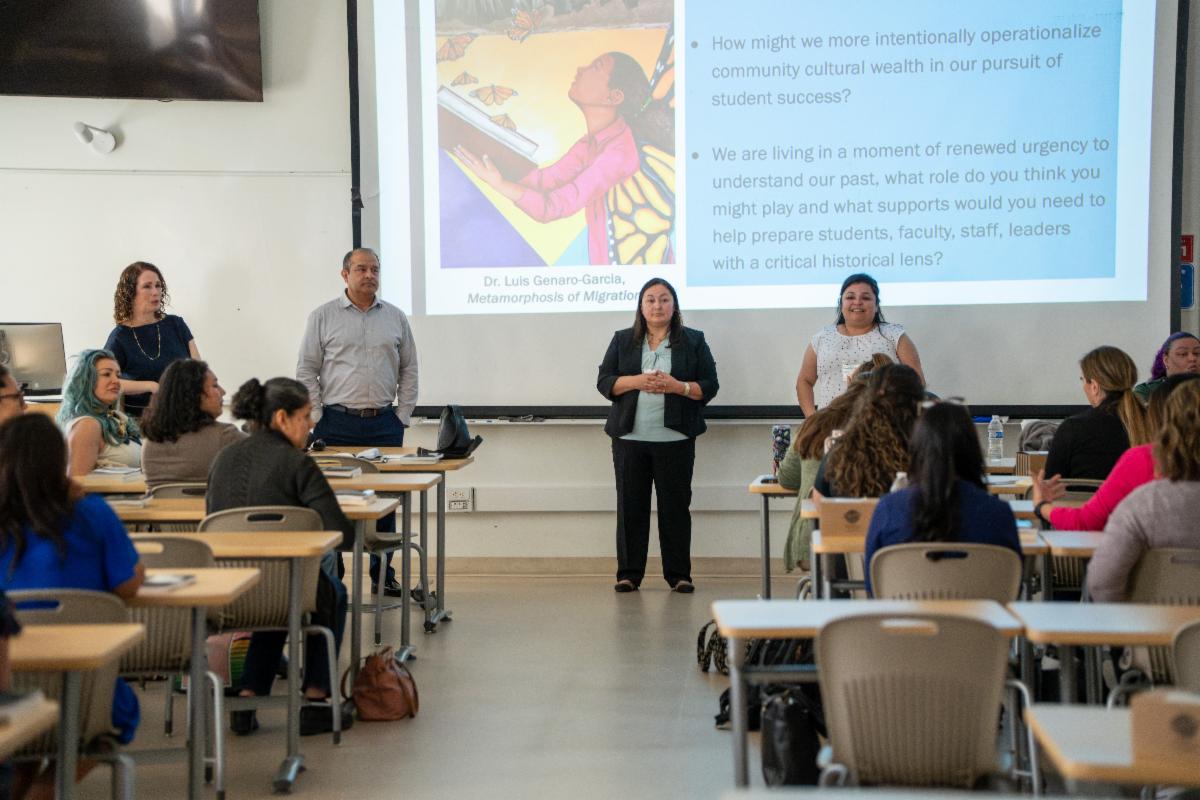
| | Caption: Dr. Maldonado presenting on the Servingness framework. | |
Ventura County Coordination Grant in Action.
Servingness Conference: Strengthening Connections
from K–12 to Higher Education
| | |
The Servingness Conference emerged as a living example of what becomes possible when institutions choose to learn together. It was not simply coordinated, but co-created through the partnership of the Ventura County Office of Education (VCOE), South Oxnard Community School site coordinators, and Oxnard College. Guided by the leadership of VCOE Community Schools Coordinator Cynthia Salas, the effort cultivated a shared space where educators and community partners could deepen their collective understanding, strengthen relationships, and engage in reflective practice that moves systems toward greater coherence and possibility.
Servingness is a framework that describes how colleges and universities, particularly Hispanic-Serving Institutions, move beyond enrolling minoritized students to intentionally transforming their culture, policies, and practices. It centers equity, belonging, and success by affirming students’ cultural identities and strengths, while using intentional supports and a race-conscious approach to create more equitable outcomes for historically underserved students. This approach aligns with community schools work, which similarly emphasizes asset-based practices, inclusive environments, and coordinated supports to ensure students and families are seen, valued, and able to thrive. The vision for this conference was grounded in a shared recognition: alignment across K–12 and higher education is not a technical task, but a relational and systemic commitment. When we begin to see the educational journey as a continuous system rather than a set of disconnected experiences, it becomes clear that our responsibility is not only to prepare students, but to examine and reshape the conditions they encounter along the way.
| | Removing barriers, in this sense, requires both awareness and collective will. Throughout the day, participants engaged in a process of shared inquiry with speakers who invited reflection on what it truly means to design student-centered systems. Rather than offering isolated strategies, the conference created space for educators and community partners to surface assumptions, deepen their understanding, and consider how their daily practices either reinforce or interrupt inequities. | | Caption: Servingness general session. | | | |
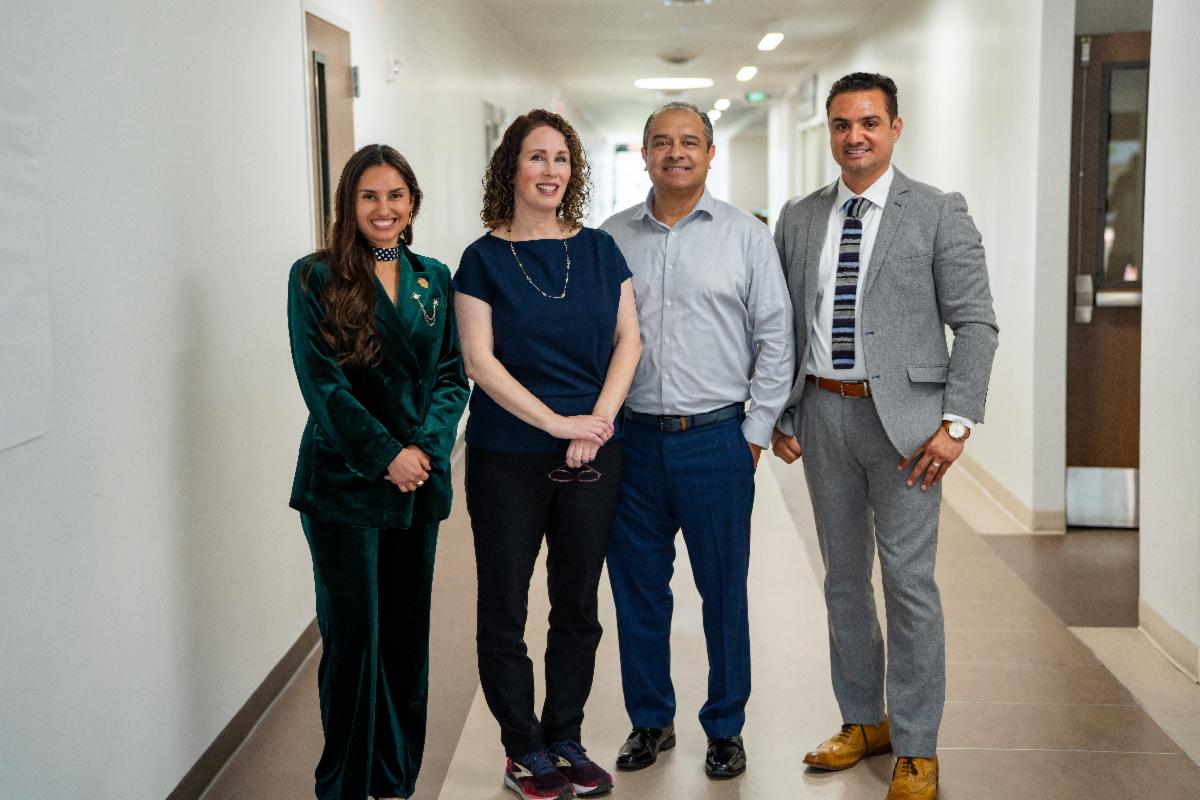
Dr. Maldonado and Dr. Selene Benavides-Black introduced the concept of servingness, building on the work of Dr. Gina Garcia. Their session encouraged participants to look beyond intentions and examine the lived experiences of students, particularly how systemic microaggressions can accumulate and shape students’ pathways through education. This work called for a shift from awareness to intentional action, grounded in a deeper understanding of equity and belonging.
Manuel Colón, representing Inflexion, expanded the conversation by situating this work within the Community Schools Framework. His overview emphasized that supporting the whole child requires coherence across systems, integrating academic, social, and community-based supports in ways that are both intentional and responsive. The framework served as a reminder that transformation happens when structures align with values.
| | Caption: Four of the presenters at the servingness conference. | | Equally important was the recognition that this work depends on cultivating “discussion capital” among students, families, and communities—the capacity to engage in meaningful dialogue, name and validate lived experiences, and actively shape the systems that serve them. This goes beyond participation; it requires creating the conditions for trust, voice, and shared understanding, where individuals feel both empowered and equipped to contribute to decision-making. As this form of capital grows, it strengthens relationships, deepens collective ownership, and enhances the system’s ability to learn, adapt, and respond in ways that are more equitable, inclusive, and grounded in the realities of the community. | | | |
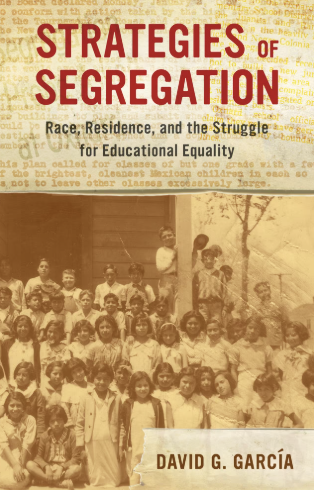
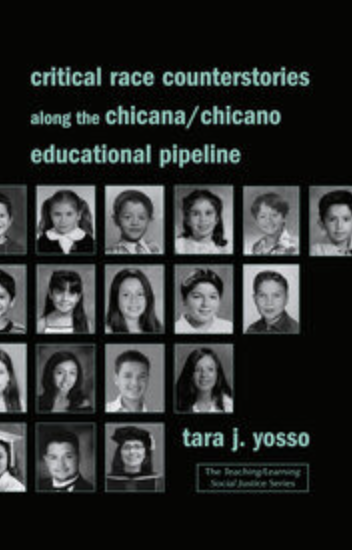
The conference concluded with two powerful sessions led by Dr. David G. Garcia and Dr. Tara J. Yosso, who extended the dialogue by examining the enduring patterns of systemic oppression and bias within education. Their contributions reinforced a central tension: meaningful change is not achieved through isolated efforts, but through sustained, collective reflection and action.
In this way, the conference itself became part of an ongoing learning journey, one that challenges us to continuously rethink how we serve students and communities. Overall, the conference became a shared learning experience, one that invited participants not only to gather insights, but to reflect on the systems they are part of and help shape. What emerged was not just a set of takeaways, but a deeper awareness of our collective responsibility: to surface and dismantle patterns that sustain inequities, and to intentionally design more inclusive, supportive pathways where all students can thrive.
| | |
Caption: Each participant received two books highlighting the importance of understanding history as a foundation for
the development of the Servingness Framework.
| | | | |
Resources of the Month:
Tools to Strengthen Collaborative Leadership
and Communication
| | |
RTAC hosted sessions with the Scholar System team. Over the course of seven months, CCSPP grantees participated in a series of virtual learning sessions focused on key topics such as collaboration, deficit-based thinking in leadership, implicit bias, growth mindset, and emotional intelligence. This learning has supported the development of the mindsets and conditions necessary for effective Community Schools implementation, emphasizing reflection, relationship-building, and a shift toward asset-based approaches. These focus areas align closely with the CCSPP framework, particularly in strengthening shared leadership, fostering authentic family and community engagement, and building a positive, inclusive school culture.
Presentation decks and optional resources can be found here.
STAC Digital Commons: Collaborative Leadership Resources. Collaborative leadership is when interest-holders come together to identify collective priorities (through a needs and assets assessment), it fosters shared focus on those areas deemed most critical by local communities, influences the impact of the strategy, and helps build momentum to sustain efforts over time.
| | | From Silos to Systems: Strengthening Support for Students Experiencing Homelessness | | |
At this year’s Homeless Education Conference in San Diego, CA, the Monterey County CCSPP Coordination grant team had the opportunity to present at a session on a powerful topic: "From Silos to Systems: Strengthening Support for Students Experiencing Homelessness." At its core, the session was about something we see every day, that we can show up for students and families in a much deeper, more meaningful way when we move together.
This presentation was a true collaboration among the team, along with Donna Smith, Herminia Cervantes, Yvette Ramos, and Julio Castro. It felt really special to share not just ideas but real examples of what this work looks like across our districts and communities.
| | Caption: From Left to right: Donna Smith, Herminia Cervantes, Yvette Ramos, Julio Castro | | |
The presentation discussed the shift from working in silos to building systems that actually talk to each other, support each other, and, most importantly, wrap around students in a seamless way. The truth is, so much good work is already happening at sites and within programs, sometimes it just has a different name. When we take the time to connect those efforts, whether it’s Community Schools, McKinney Vento, Wellness Centers, or community partners, we start to see the bigger picture come together.
One of the most powerful parts of the session was hearing district leaders share how they are doing this in real time. From building stronger connections across departments to partnering with community-based organizations for housing, mental health, and basic needs, there was a clear theme: relationships are everything. Not just between programs, but between people. When there is trust and alignment, the work flows differently, and students feel that.
The session also reflected on how creating intentional spaces for collaboration, like cross-team meetings, shared planning, and integrated support structures, helps ensure that students experiencing homelessness are not navigating systems alone. Instead, they are met with a network that already knows how to show up for them.
The session was such a beautiful reminder that this work is not about starting from scratch. It is about recognizing the strengths that already exist, bringing people together, and building something stronger together.
| |
Student and Community Voice
Artificial Intelligence (AI) Summit in Anaheim, CA.
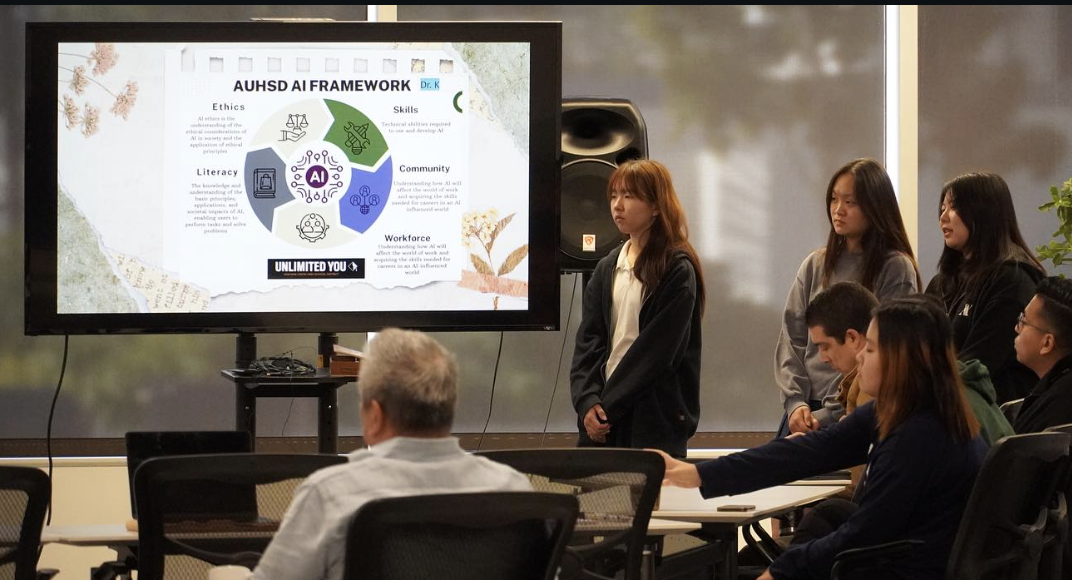
| | Caption: The Welcome reception featured powerful two-minute speeches from three current high school students, who shared their perspectives on AI—its impact on the world, and the importance of using it safely, effectively, and responsibly. Photo courtesy of keynote, shanesafir_author | | | |
On March 19–21, students, educators, and community leaders from across the country gathered in Anaheim for the Student and Community Voice AI Summit, a national convening focused on how artificial intelligence is shaping teaching, learning, and student agency. The summit brought together hundreds of participants to explore how AI can support deeper learning, creativity, and equity—while keeping student voice at the center of decision-making.
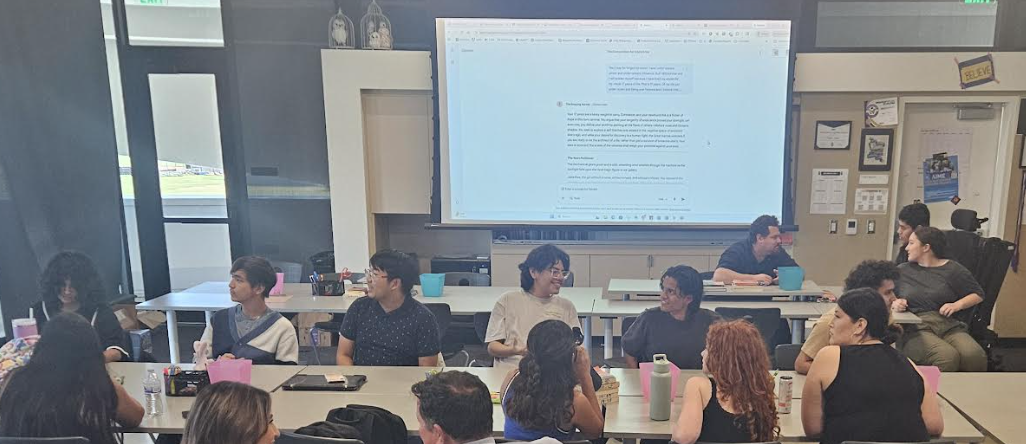
The event began with a site visit to Magnolia High School in the Anaheim Union High School District (AUHSD), where participants observed AI in action and engaged directly with students and educators about their real-world classroom experiences. One highlight included an advanced theater class where students used the Gemini AI feature to generate impromptu scripts in real time, allowing them to focus more deeply on performance, improvisation, and collaboration.
At Magnolia High School, AI integration is intentionally aligned with deeper learning goals, emphasizing the 5Cs —collaboration, communication, critical thinking, creativity, and compassion. Rather than replacing instruction, AI is used as a tool to amplify student voice, creativity, and engagement.
Through its partnership with districts, the eKadence Learning Foundation supports this work by providing teacher-designed AI tools, professional learning, and implementation strategies that help educators integrate AI in ways aligned with instruction and responsive to student needs. This work is part of a broader district effort, developed in partnership with eKadence and supported by research from UC Irvine, to ensure AI implementation remains teacher-led and student-centered. Overall, the site visit highlighted how AI can be thoughtfully integrated to support whole-child development, meaningful learning experiences, and preparation for future college and career pathways.
| | | Caption: Magnolia High School Advanced Theater Students use the Gemini AI tool to demonstrate its utility in their upcoming production. | | | | | |
Throughout the summit, attendees participated in keynote sessions, breakout workshops, and student-led panels that explored topics such as AI ethics, instructional applications, and the role of AI in supporting student well-being. A central theme of the event emphasized that while AI continues to evolve, human relationships and student voice remain essential in shaping its use in schools.
A highlight of the summit was the inaugural AI K–12 Student Agency Awards, which recognized school districts that are thoughtfully integrating AI while intentionally centering student voice, agency, and community impact. These awards celebrate districts that are not only adopting innovative technologies but also doing so in ways that empower students as active participants in their learning, encouraging them to think critically, create, collaborate, and apply their knowledge to real-world contexts. Honorees demonstrated how AI can be leveraged to expand opportunities, elevate student leadership, and strengthen connections between instruction and authentic community experiences, setting a strong example for responsible and student-centered AI implementation.
Overall, the summit provided a powerful space for shared learning and reflection, bringing together students, educators, and community partners to explore the evolving role of AI in education. It reinforced the importance of intentionally designing AI implementation in ways that elevate student voice, promote equity, and ensure access for all learners. Participants left with a deeper understanding of how AI can be used not just as a tool, but as a means to strengthen meaningful connections between instruction, student engagement, and real-world outcomes, ultimately preparing students for future college, career, and life opportunities.
| | |
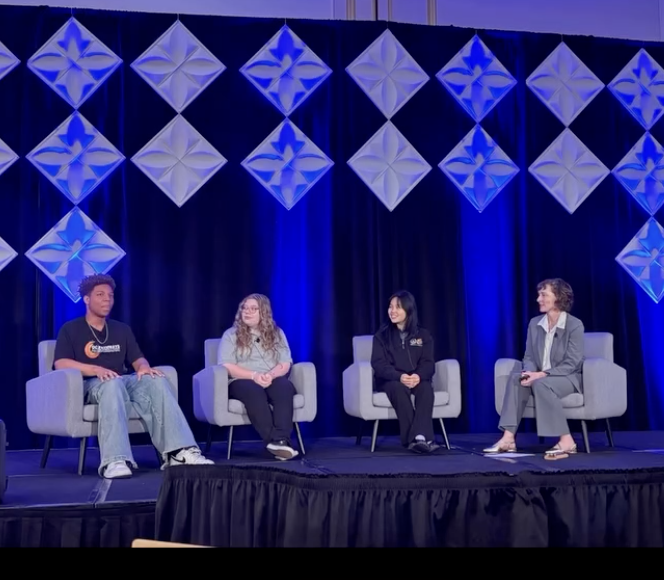
Caption: Author and keynote speaker Shane Safir facilitated a student panel focused on the role of AI in education, elevating student perspectives on its impact, opportunities, and responsible use.
| | |
Learn More about how the eKadence learning management system supports the work of the Anaheim Union High School District:
The eKadence Learning Foundation is a nonprofit organization focused on advancing education through innovative, AI-driven tools that support both teaching and learning.
Designed “by teachers, for teachers,” its platform helps personalize instruction, streamline educator workflows, and provide students with real-time feedback, career guidance, and learning support.
In Anaheim Union High School District (AUHSD), these tools are used to enhance classroom experiences by supporting deeper learning, amplifying student voice, and helping educators design more engaging, student-centered instruction across content areas.
By combining technology with a strong emphasis on collaboration, equity, and whole-child development, eKadence aims to empower educators and prepare students for success in college, career, and life while creating more connected and responsive school communities.
| | |
Caption: With support from their partner eKadence, Korean American Studies students are creating a virtual museum that includes an AI bot. Image courtesy of the AUHSD Instagram page.
| |
More inspiring Community Schools work happening in the
Central Coast region!
| | |
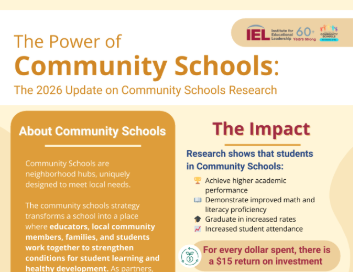
Nationwide - As we continue to strengthen our community school efforts, recent research highlights the powerful impact of this approach: community schools are a research-backed strategy that improve student outcomes—such as academic achievement, attendance, and graduation rates—by bringing together educators, families, and community partners to provide integrated supports and opportunities for student success.
Check out this 3 page IEL Brief on the Power of Community Schools for more information.
| | | |
Regionwide - The RTAC and Inflexion team provided In-Person APR overview sessions.
The purpose of the sessions was to engage in shared learning around best practices for completing the CCSPP Annual Progress Report (APR). Through collaborative dialogue and reflection, participants strengthened their understanding and capacity to support high-quality, aligned reporting across the region.
If you were unable to join, we have linked the resources shared:
| | | |
Region-wide - STAC team Site Level virtual APR Overview on March 18, 2026.
The goal of the APR is to support reflection and continuous improvement. The purpose is to provide technical assistance in support of CCSPP Implementation.
If you were unable to join, we have linked the resources shared:
These resources are saved in the STAC resources repository Digital Commons.
If you would like to attend an upcoming virtual SITE Level or DISTRICT Level APR Overview with STAC, there are two remaining opportunities.
Please CLICK here for that information.
| | |
Central Coast RTAC Partners
| | | | |
Inflexion is committed to ensuring EVERY
student receives what they need to succeed, recognizing that the playing field remains inherently unequal. An equitable education system respects students as individuals, plays to students’ strengths, values students’ unique cultures and perspectives, and allows for the individual ownership of learning along a path driven by students’ interests and aspirations.
-
Inflexion Materials/Workshop resource room (1.0 sessions)
- Inflexion Materials/Workshop resource room (2.0 sessions) (forthcoming)
Lead Facilitator: Manuel Colón
Manuel Colon: teacher, mentor, coach, administrator. AUHSD - future talks featuring Manuel Colón (27 min.)
| | | | | |
At the foundation of the Scholar System program is an educational approach focused on fostering deep learning, critical thinking, and a love for knowledge.
Programs aim to cultivate scholars who are not just knowledgeable but also possess the skills and mindset to become lifelong learners, engaged citizens, and future leaders.
Lead Facilitator: Dr. Victor Rios
Dr. Victor Rios: professor, author, speaker, mentor, and founder of the Scholar System. A teacher that tapped into his soul (video, 2 min)
| | | |
25-26 RTAC Calendar of Events
| | | | |
A most up -to-date copy of the RTAC events calendar
can be found here (Sheet)
| | | |
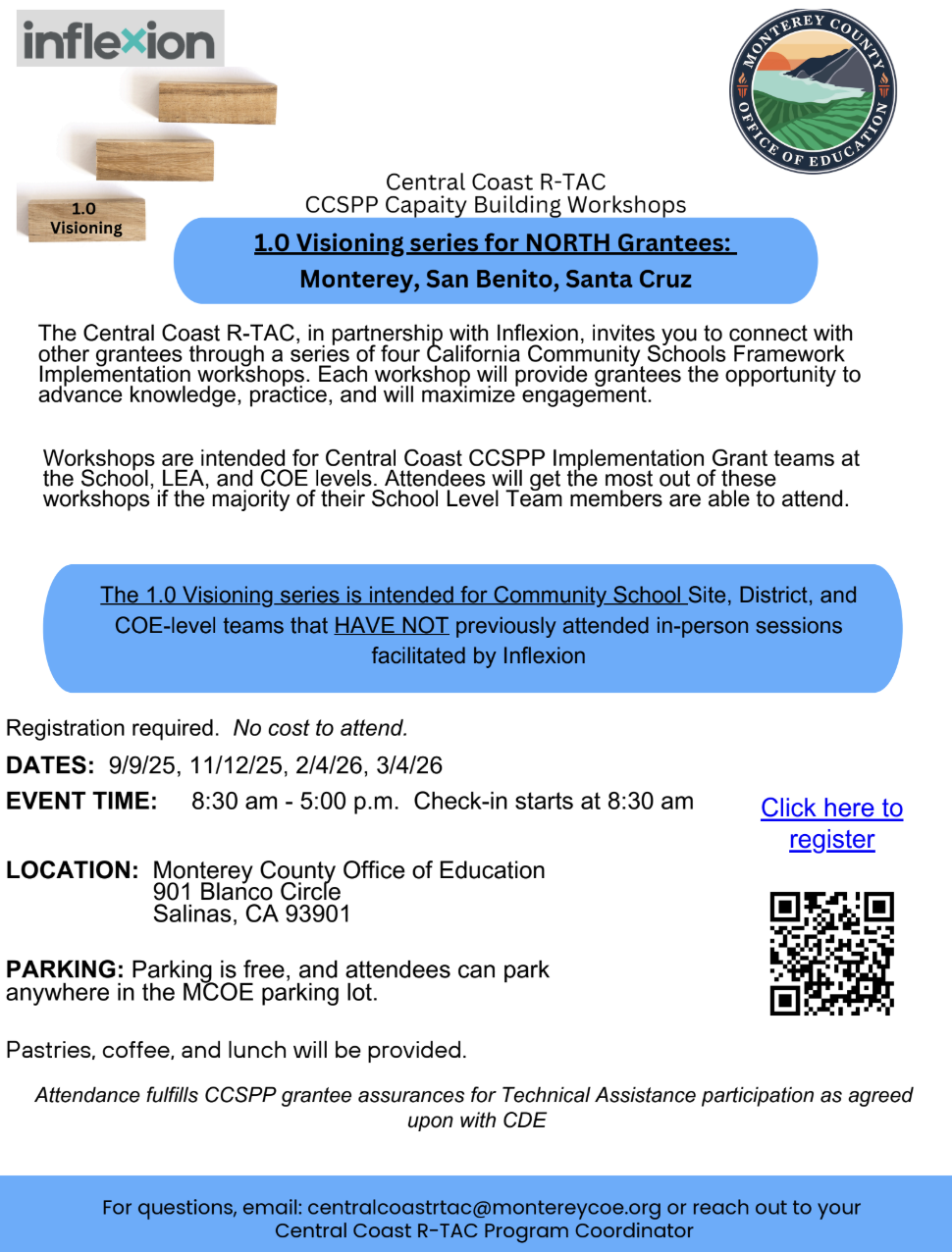
Inflexion 1.0 NORTH 25-26
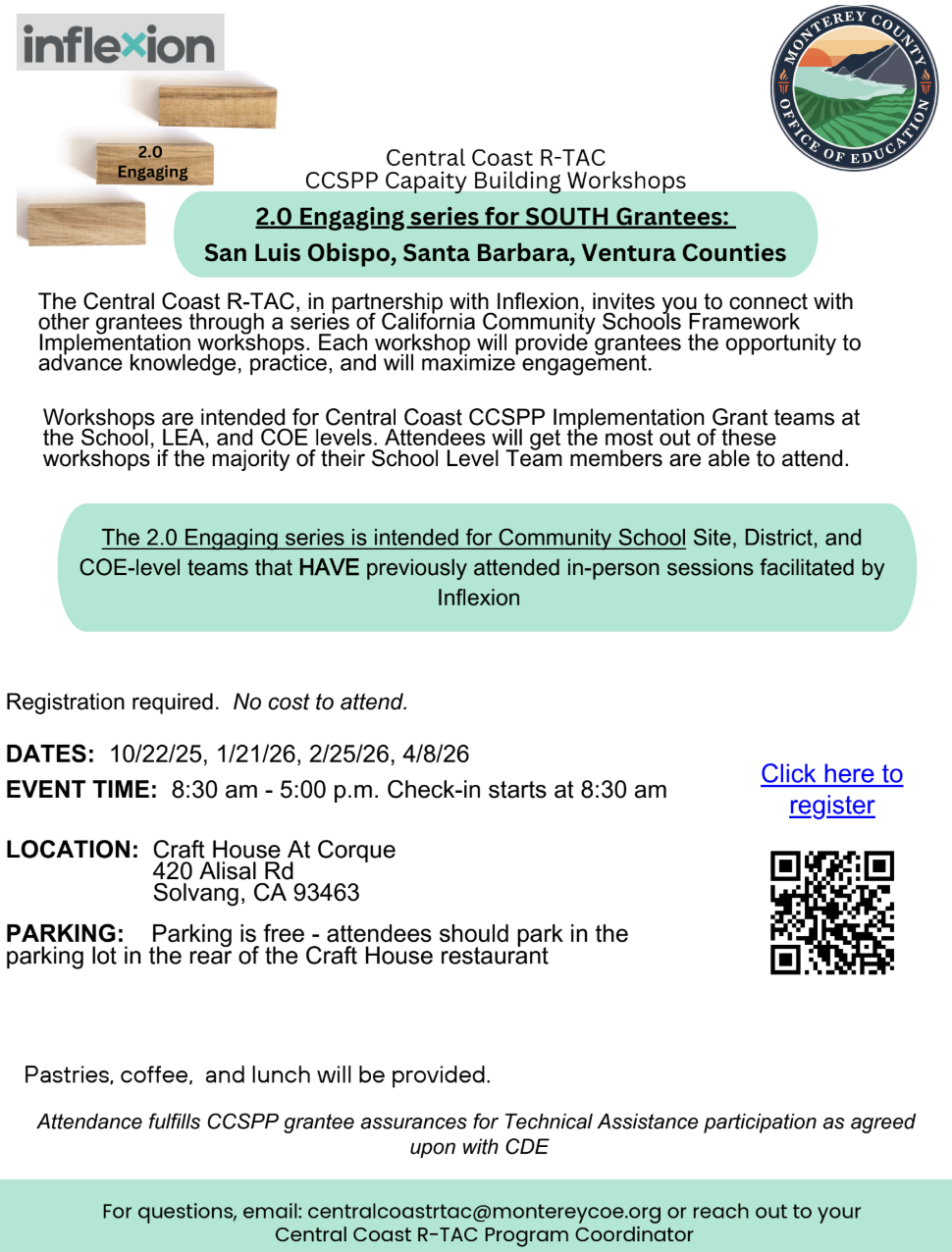
(In-person) Attending EITHER the 1.0 OR 2.0 series of workshops fulfills CCSPP assurances for Technical Assistance participation as agreed upon with CDE.
| | |
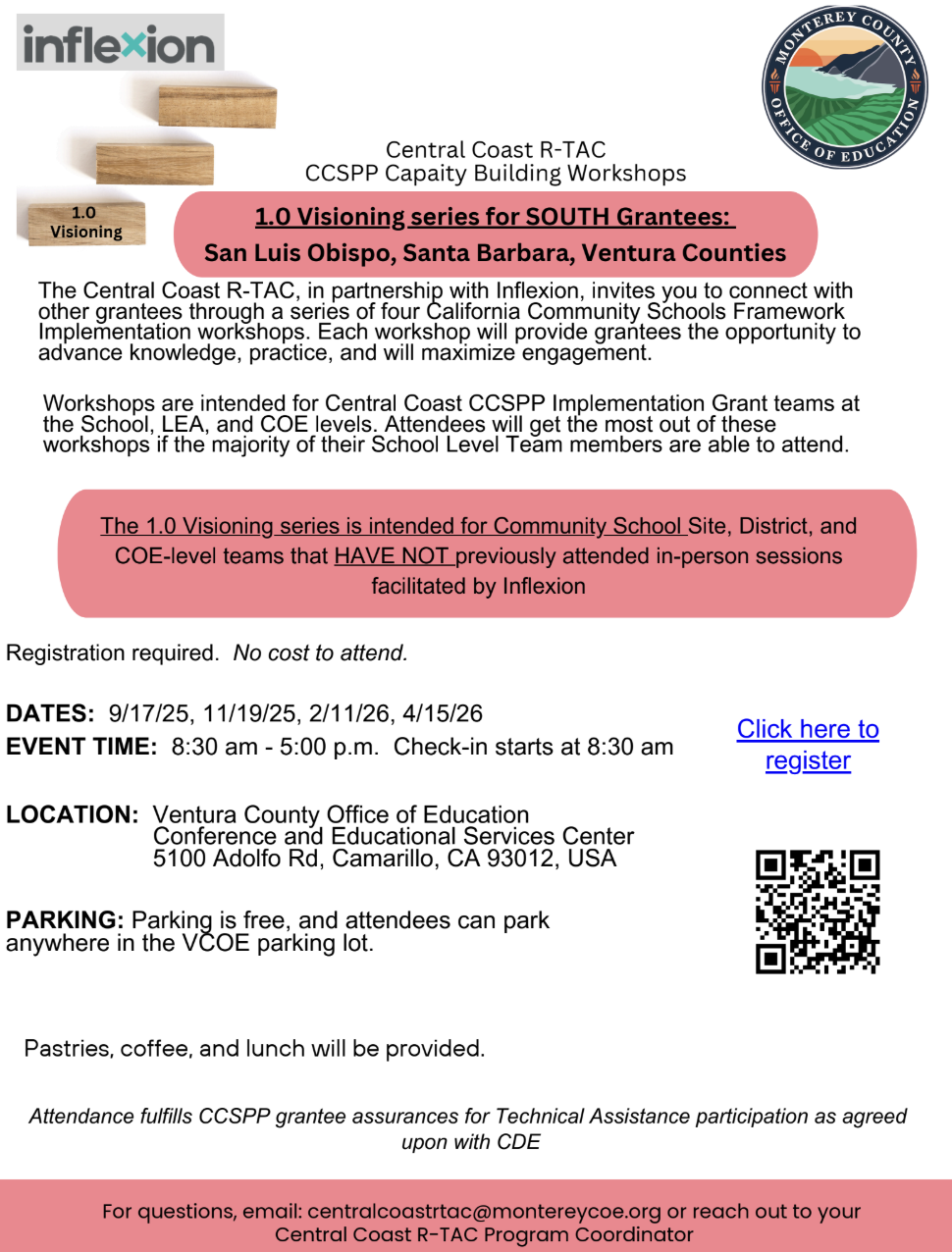
Inflexion 1.0 SOUTH 25-26
(In-person) Attending EITHER the 1.0 OR 2.0 series of workshops fulfills CCSPP assurances for Technical Assistance participation as agreed upon with CDE.
| | |
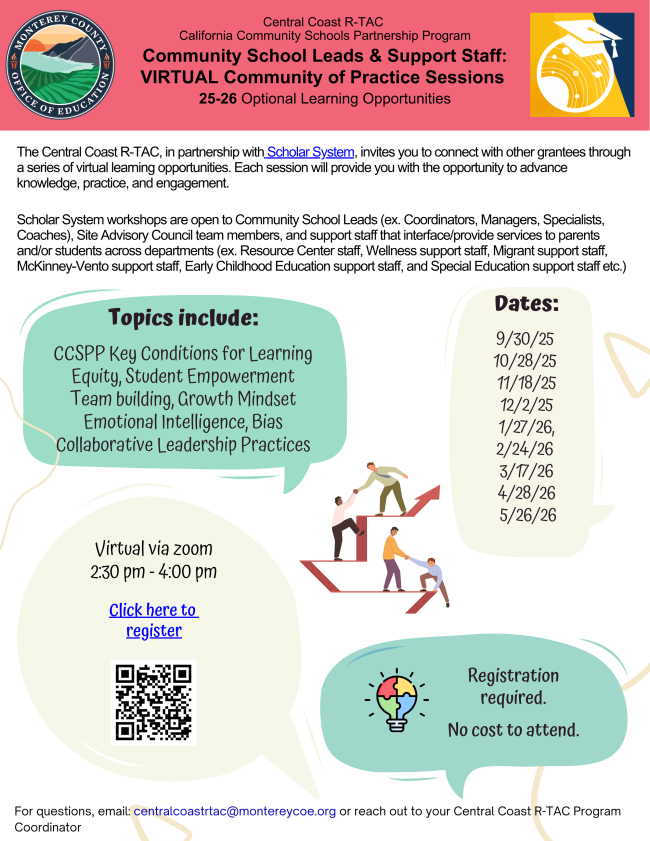
Scholar System 25-26
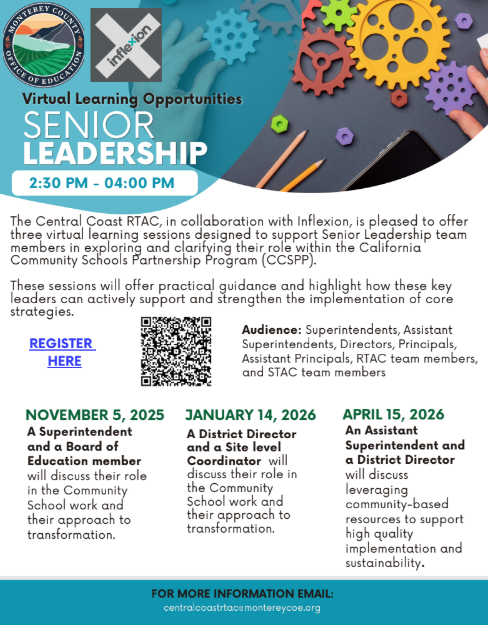
((Virtual/Optional-Highly recommended)
| | |
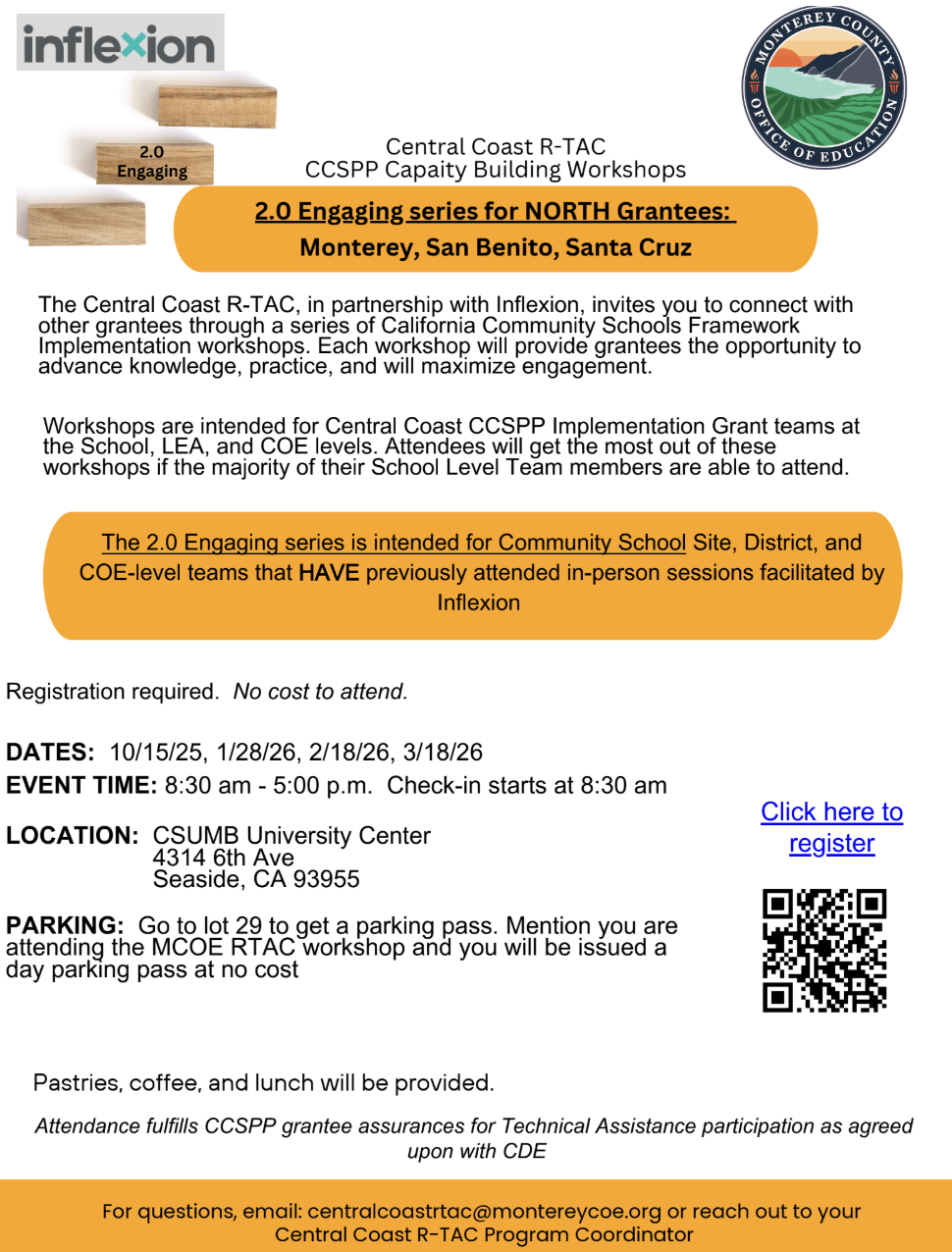
Inflexion 2.0 NORTH 25-26
(In-person) Attending EITHER the 1.0 OR 2.0 series of workshops fulfills CCSPP assurances for Technical Assistance participation as agreed upon with CDE.
| | |
Inflexion 2.0 SOUTH 25-26
(In-person) Attending EITHER the 1.0 OR 2.0 series of workshops fulfills CCSPP assurances for Technical Assistance participation as agreed upon with CDE.
| | | |
State Technical Assistance Center team (STAC)
Updates
| | |
CDE - California Department of Education (CDE) State Superintendent Tony Thurmond celebrated the release of a new study highlighting the positive impact of California’s Community School Initiative. The study demonstrates that schools implementing the initiative are seeing measurable improvements in student attendance, stronger school culture, and enhanced engagement among students, families, and staff. Superintendent Thurmond emphasized that these results reflect the power of community schools to provide holistic support, foster equity, and create safe, inclusive learning environments where every student can thrive. The findings underscore the importance of continued investment in and expansion of the Community School Initiative across the state. The brief released by the Learning Policy Institute (LPI) can be found here: “Community Schools Impact on Student Outcomes: Evidence From California.”
| | |
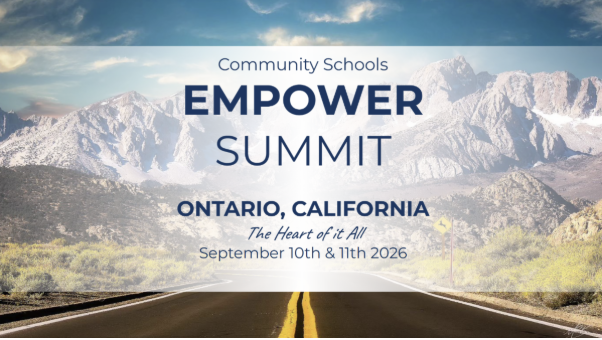
STAC - SAVE THE DATE (applies to the 26/27 School year) - September 10-11, 2026 in Ontario, CA.
The Community Schools EMPOWER Summit, hosted by the STAC team, will take place over two days in September. This statewide gathering brings together a diverse ecosystem of stakeholders—CCSPP grantees, RTACs, educators, students, families, and community partners—united by a shared commitment to advancing the community schools movement.
STAC EMPOWER Summit 26 -27. Registration is now open! Designed to spark creativity and collaboration, the summit offers engaging sessions that highlight how we—collectively—are strengthening community-classroom connections and aligning resources to support the whole child. Through powerful teaching and learning, shared leadership, expanded learning opportunities, and integrated supports for health and wellness, the EMPOWER Summit celebrates bold, forward-thinking approaches grounded in California’s Community Schools Fundamentals.
For more information and to register, click here.
| | | |
Interested in presenting at the 2026 Community Schools EMPOWER Summit?
The official Request for Proposal (RFP) for the upcoming 2026 Community Schools EMPOWER Summit is now live! The STAC team is looking for partners who are creative, organized, and deeply aligned with our mission of educational equity and excellence.
| | |
Learning Opportunities
High Tech High (K-12): Developed by a coalition of San Diego civic leaders and educators, High Tech High opened in September 2000 as a small public charter school with plans to serve approximately 450 students. HTH has evolved into an integrated network of sixteen charter schools serving approximately 6,350 students in grades K-12 across four campuses. The HTH organization also includes a comprehensive adult learning environment, including a Teacher Credentialing Program and the High Tech High Graduate School of Education, offering professional development opportunities serving national and international educators.
For more information on a visit: https://hthgse.edu/products/curated-visits/
Ontario Montclair School District (PK-8). Community School Tours. This San Bernardino County grantee is hosting site tours that highlight best practices in their work with the community school strategy. There is a registration fee to attend.
For more information:
Check out their flyer.
Informational video (3 min).
Anaheim Union High School District (7th-12th grade). This Orange County grantee is hosting site tours that highlight best practices in their work with the community schools strategy. AUHSD has built a new educational model incorporating “reverse-engineered” career pathways in partnership with higher education, private, and non-profit sectors, which have extended and transformed educational opportunities for all students.
There is a registration fee to attend.
For more information:
Click here
AUHSD Community Schools (video, 5 min)
Sacramento COE and CDE - The California Community Schools Partnership Program (CCSPP) California Department of Education (CDE) team and the State Transformational Assistance Center (S-TAC) will host a series of six virtual webinars during the 2025-26 academic year focused on coherence to support the long-term sustainability of the CCSPP. These webinars will be open to all, and the registration information is included in the flyer. We hope you can join us!
National Education Association (NEA) - The NEA organization is offering CCSPP grantee teams the opportunity to participate in their benchmark academy series. The goal of the academies is to build the capacity of LEA and School site teams new to implementation. Participation in these academies is entirely optional and may be particularly beneficial if you’ve identified gaps in implementation support that they could help address. There are three benchmark academies that focus on A.) Evidence-Based Practices, Mapping and Deep Engagement B.) Determining Priorities and Developing Transformational Systems C.) Problem-Solving Cycles for Transformation. NEA academies bring site-level CCSPP teams together that include educators (including classified staff), community school coordinators, administrators, family and community members, and others. Academy participation requires a school Principal's commitment. If a CCSPP school is interested in more information about the academy series, please have a district representative contact centralcoastrtac@montereycoe.org
| | |
State Technical Assistance Center team (STAC)
Members
| | |
CDE - The California Community Schools Partnership Program (CCSPP) California Department of Education (CDE) team supports the community school, “whole-child” school improvement strategy, where the district and school work closely with teachers, students, families, and partners.
To subscribe to the CCSPP-Info listserv, send a "blank" message to: join-CCSPP-Info@mlist.cde.ca.gov
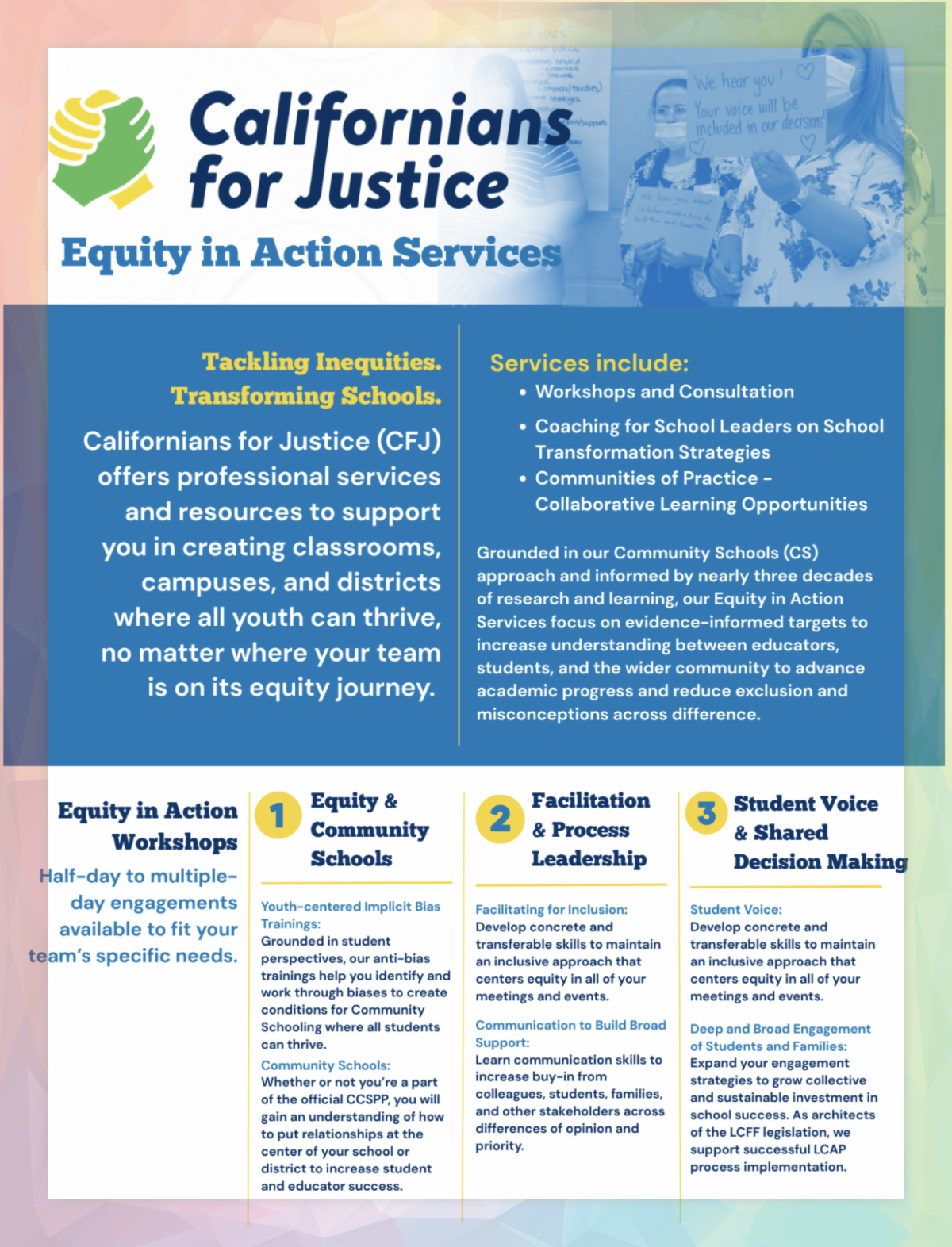
The Sacramento County Office of Education (SCOE) is the County representative on the State Transformational Assistance Center (STAC) team for the California Community Schools Partnership Program (CCSPP). This means SCOE, in partnership with Californians for Justice, the National Education Association, and the UCLA Center for Community Schooling, works closely with the California Department of Education to build content and an overarching methodology for CCSPP technical assistance.
Focus:
- Implementation rubric development
- Community of practice facilitation
- Coherence and sustainability
- Coach and advise regional technical assistance center teams (RTACs)
| | | | |
Californians for Justice.
The mailing list option is at the bottom of their website.
Focus:
- Student Engagement
- Relationship Centered Schools
- Equity
- PDF
| | |
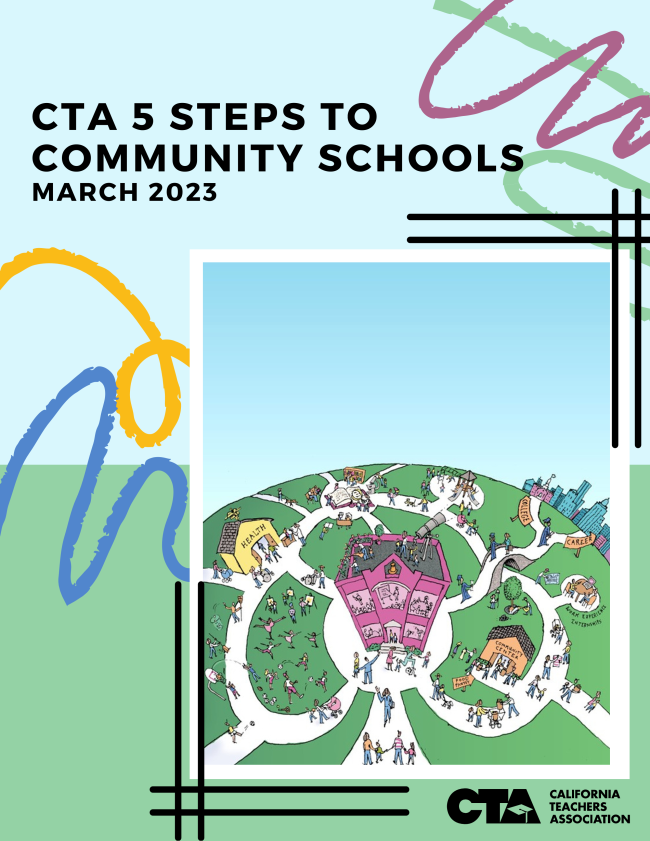
National Education Association
The mailing list option is at the bottom of their website.
Focus:
- Professional Learning
- Leadership Development
- Just and Equitable Schools
- PDF
| | |
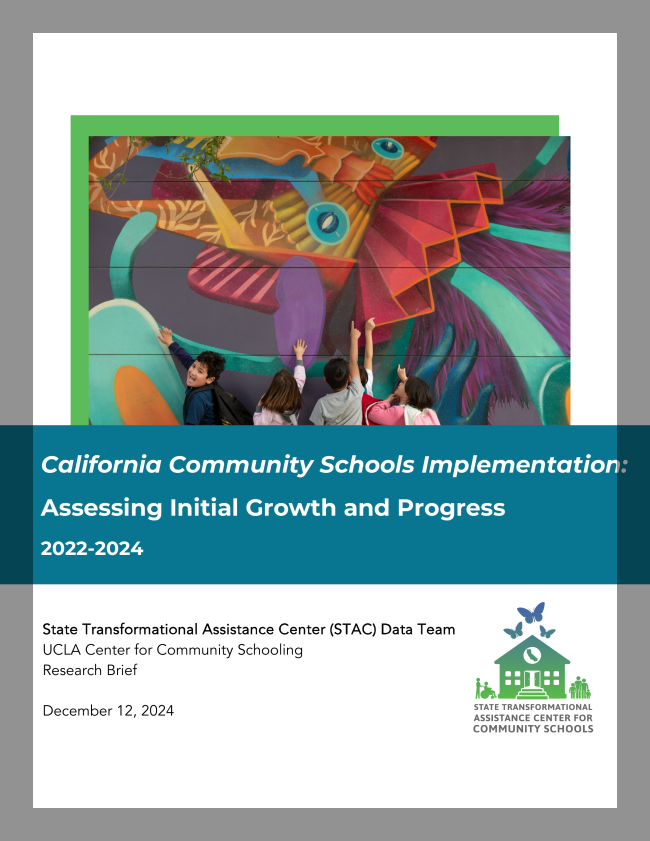
UCLA Center for Community Schooling.
The mailing list option is at the bottom of their website.
Focus:
- University Assisted Community Schools
- Research and Data
- Equity
- PDF
| | |
Monterey County Office of Education
901 Blanco Cir, Salinas, CA 93901
Central Coast RTAC | Website
Sign up for the RTAC newsletter, link here
email: centralcoastrtac@montereycoe.org
| | | | |