Latest Updates on Children's Care | | | Global Campaign on Children’s Care Reform Update | | | |
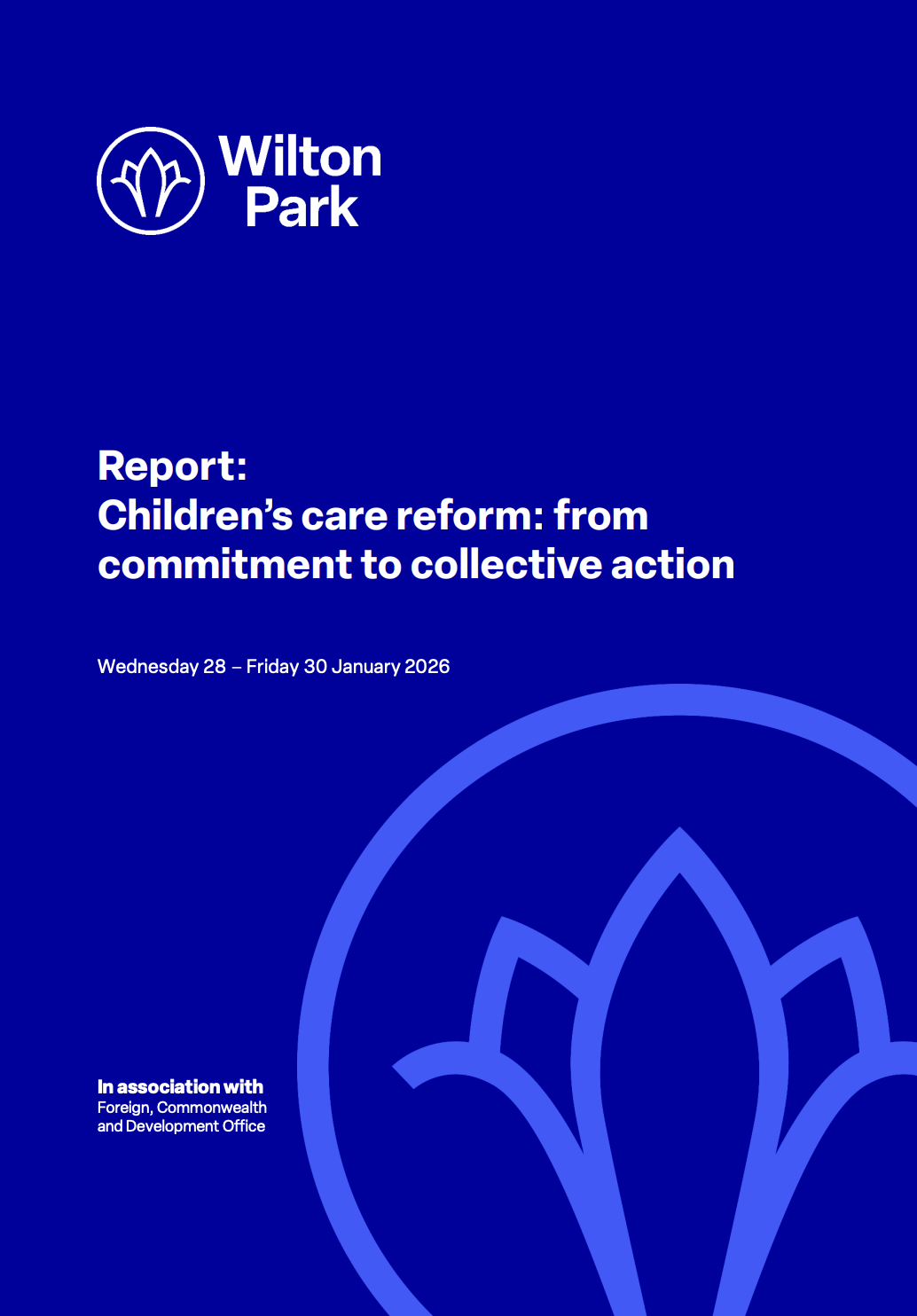
January 2026 Wilton Park Dialogue Report
From 28–30 January 2026, fifty representatives from governments, civil society, faith-based organisations, UN agencies, academia, and young people with experience of care gathered at Wilton Park in the UK to discuss how the Global Campaign for Children’s Care Reform can move from commitment to collective action. Participants shared examples of progress at the country level, but also reflected candidly on the political, social, financial, and operational challenges they face in different contexts. The discussions have helped inform a soon-to-be-launched Global Campaign roadmap that will articulate the objectives, activities, and strategies for the campaign to leverage the momentum and energy of existing care reform efforts and to propel action on children’s care reform. This report provides an overview of the dialogue.
| | |
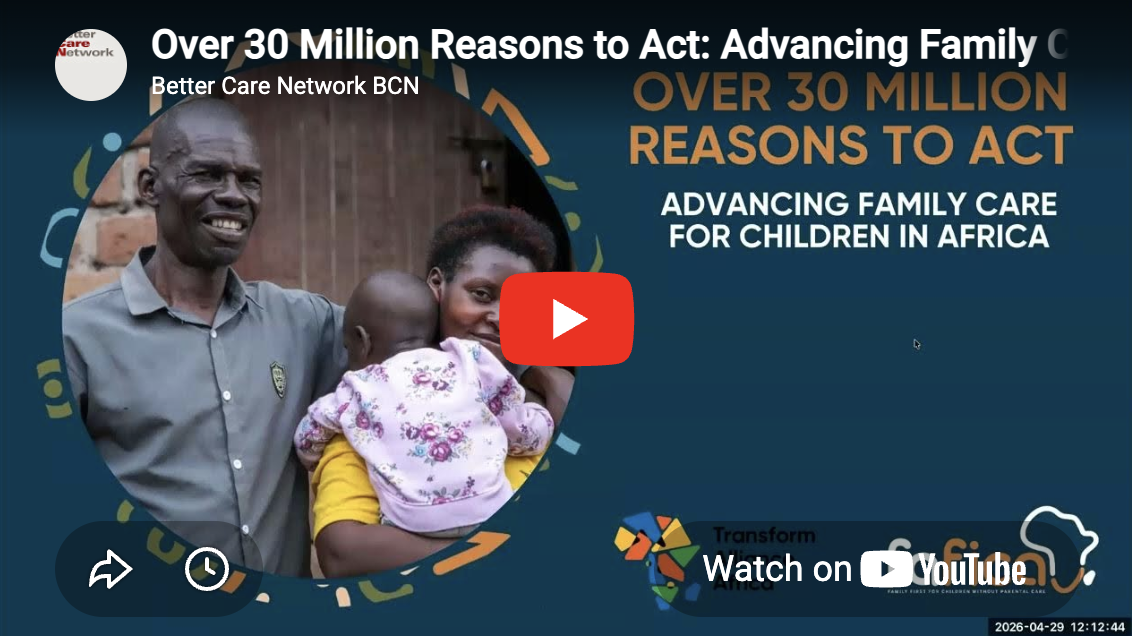
Webinar Recording: Over 30 Million Reasons to Act: Advancing Family Care for Children in Africa
On Wednesday, 29 April 2026, Family First Alliance for Children Without Parental Care in Africa (FAFICA) collaborated with the Global Campaign on Children's Care Reform Working Group on the webinar: Over 30 Million Reasons to Act: Advancing Family Care for Children in Africa. The session brought together policymakers, civil society, practitioners, people with lived experience, faith-based actors, and other partners from across the continent to explore how Africa can strengthen family care for children without parental care. The webinar focused on moving from commitment to action by deepening understanding of the Global Charter on Children’s Care Reform, General Comment No. 10, and the practical steps needed to strengthen family-based care systems. The session also created space for shared learning, lived experience, and collaboration across countries and sectors.
| | Transforming Children's Care Collaborative Update | | | |
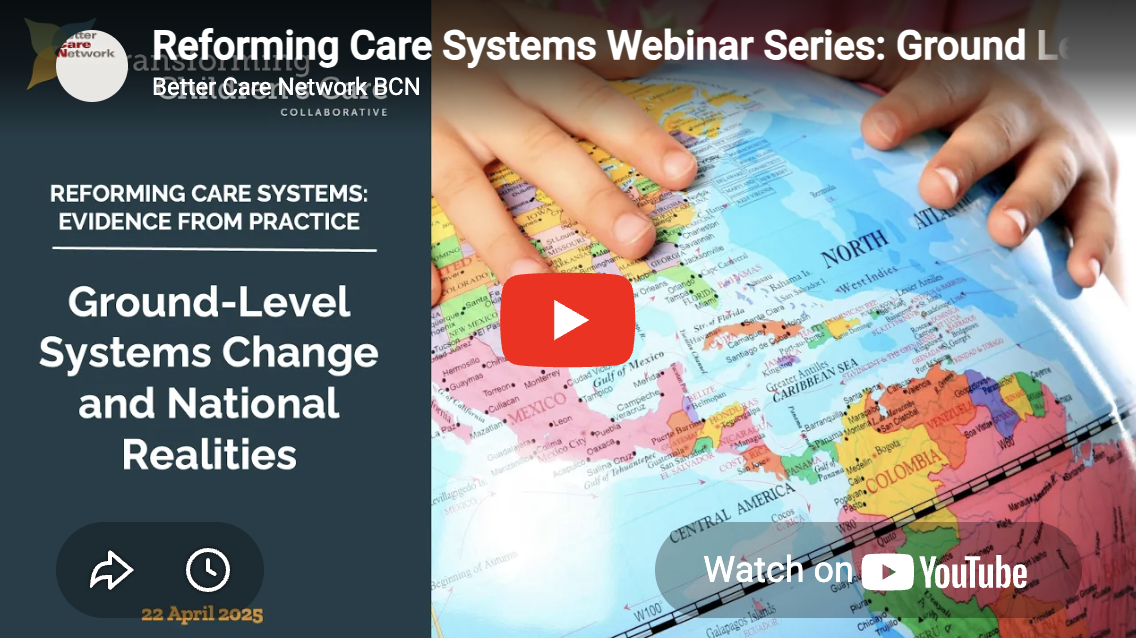
Webinar Recording: Ground-Level Systems Change and National Realities
On 22 April, The Transforming Children's Care Collaborative hosted the second webinar in the Reforming Care Systems: Evidence from Practice webinar series. Hosted in partnership with Hope and Homes for Children, the session explored the ground-level realities of system strengthening across three diverse national contexts: South Africa, Rwanda, and Bulgaria. Country experts shared the critical bottlenecks they encountered, the strategies that worked, the course corrections required, and the evidence of impact for children and families. The recording is now available in English and Spanish.
| | |
Evidence for Impact Working Group Resuming Meetings
After a pause in meetings following the impact of the funding crisis in 2025, the Evidence for Impact Working Group under the Transforming Children's Care Collaborative will resume meetings starting May 2026. This group brings together researchers, measurement experts and practitioners working on establishing data systems on children’s care to foster a strategic and well-coordinated approach to research and data in the sector, with a focus on generating and applying ‘evidence for impact’ on policy, systems and practice globally. The group is open to those working on data, research, evaluation and evidence building on children's care and related fields. If interested in joining, be sure you are a member of the Collaborative, then select Request to Join in the group.
| | Understanding the Situation | | | | |
Macroeconomic Drivers of Family Separation and the Placement of Children in Residential Care in Cambodia: Insights From Caregivers and Social Workers
This paper examines how broader economic and labour market forces influence family separation and the placement of children in residential care in Cambodia, amid ongoing child care deinstitutionalisation reforms. While global evidence highlights the harm caused by residential care and promotes family and community-based alternatives, Cambodia’s reform efforts remain largely reactive and institution-focused, paying limited attention to structural drivers of family separation.
| | | | |
Unconditional Cash Transfers and Livelihoods of Orphans and Vulnerable Children in Samburu Central SubCounty, Kenya
Despite Kenya’s Cash Transfer for Orphans and Vulnerable Children program, coverage and benefit levels remain insufficient in arid regions like Samburu Central, where many eligible households are not reached and transfers meet less than half of basic needs. Using national survey and administrative data, the study finds that higher transfer amounts, longer participation, community-based targeting, and especially improved program accessibility significantly enhance household livelihood outcomes, highlighting the need to expand access, increase payments, and strengthen targeting.
| | | | |
The Implications of Clientelism for Reintegration and Family Strengthening
This study examines the impact of clientelism on reintegration and family-strengthening efforts for children in Cambodian and Myanmar residential care institutions where clientelism is present. It finds that patron–client relationships between directors and families often undermine reintegration by limiting parental agency and co-opting reintegration to serve the interests of directors rather than children.
| | | | |
Parenting Support for Mothers Raised in Out-Of-Home Care
This article explores the parenting support needs of young mothers in Aotearoa New Zealand who grew up in out-of-home care, highlighting how their childhood experiences shape their access to and perceptions of support. It finds that these mothers face significant barriers and fears in engaging with services, underscoring the need for specialized, independent parenting support as part of after-care.
| | | | |
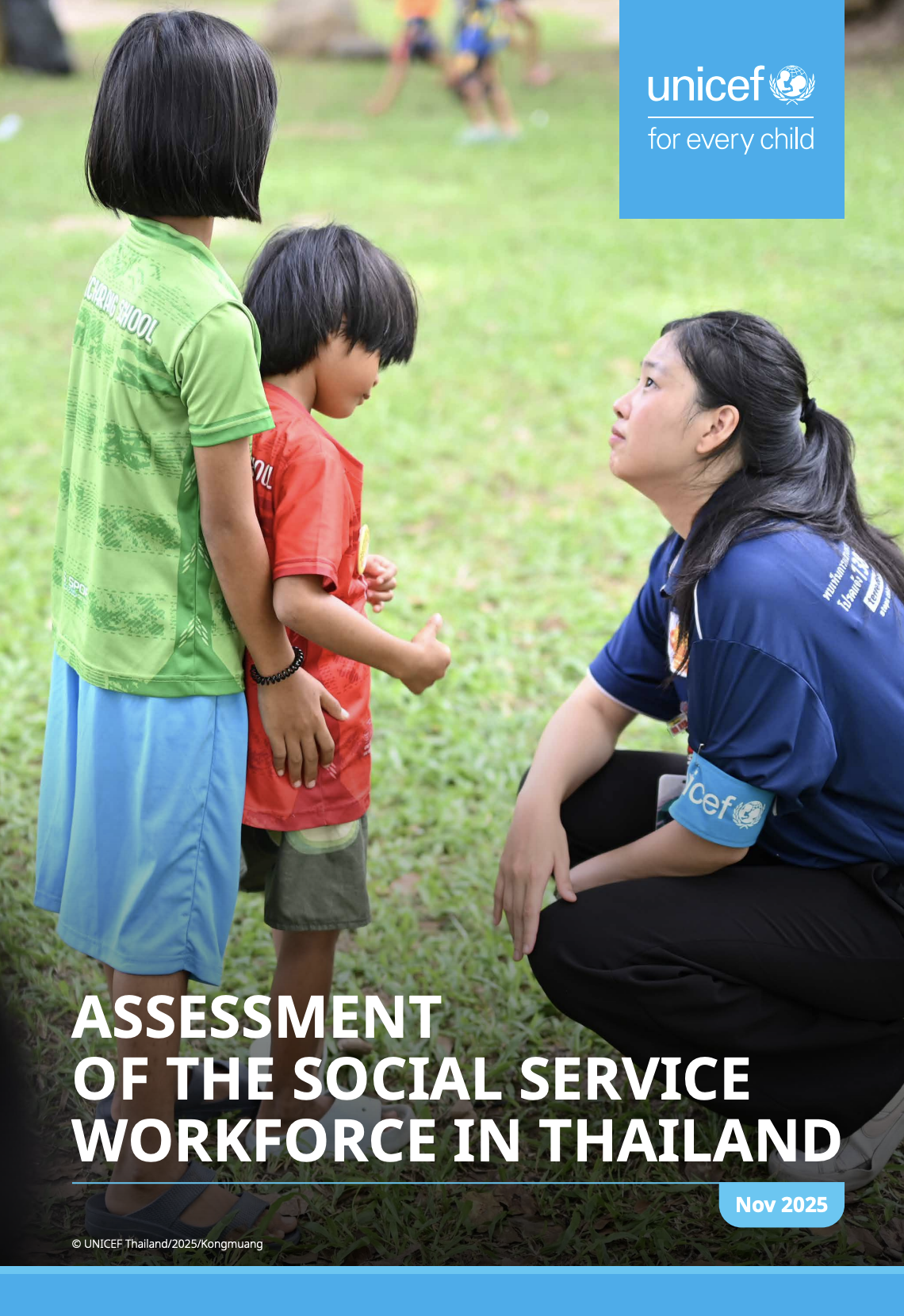
Assessment of the Social Service Workforce in Thailand
Thailand has a long history of social work and a legal framework recognizing the profession. However, social needs are growing in scale and complexity, while the social service workforce remains under resourced, unevenly distributed, and insufficiently supported. The assessment examined professional social workers, other social service professionals, paraprofessionals, and volunteers across government and non-government sectors at national and sub-national levels.
| | | | |
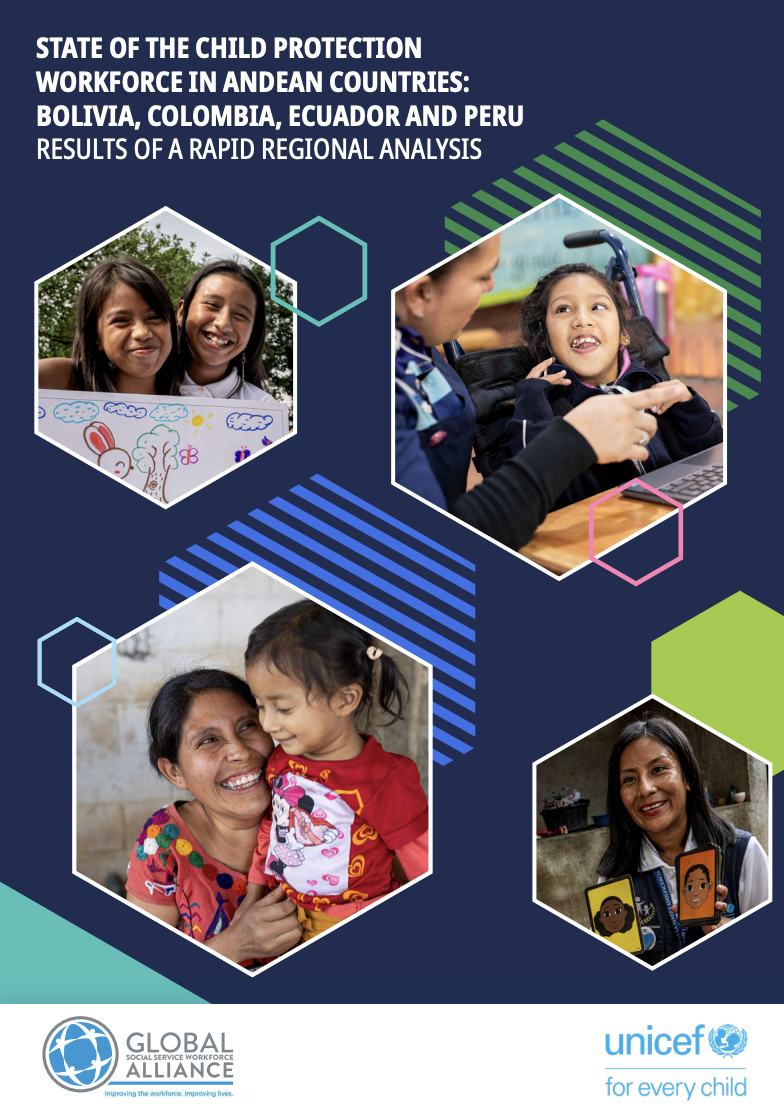
State of the child protection workforce in Andean countries: Bolivia, Colombia, Ecuador and Peru
This rapid regional analysis provides a strategic overview of the child protection workforce in Bolivia, Colombia, Ecuador and Peru. The analysis examines each country’s current workforce composition and capacity, the institutional systems and practices in place to plan for, train, and support these staff, and opportunities for targeted investment and innovative practice.
View in Spanish.
| | | | |
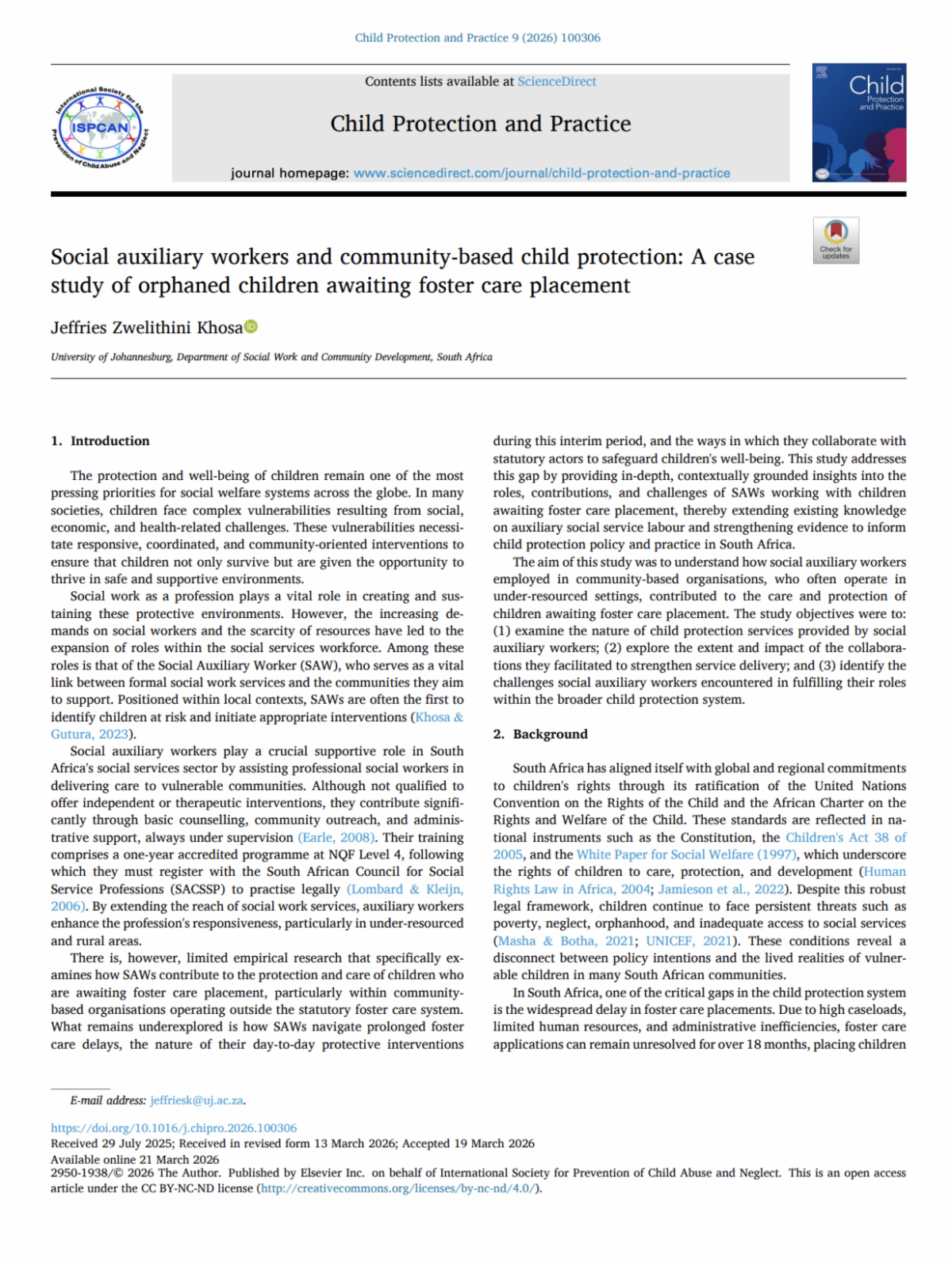
Social Auxiliary Workers and Community-based Child Protection: A Case Study of Orphaned Children Awaiting Foster Care Placement
This study examines the critical role of Social Auxiliary Workers (SAWs) in supporting and protecting children awaiting foster care placement within under-resourced, community-based settings in South Africa. It explores the services they provide, their collaboration with other actors, and the challenges they face, addressing a key research gap to inform stronger child protection policy and practice.
| | | | |
Exploring Physical and Psychological Child Well-being Indicators in Mexican Children and Adolescents Placed in Residential Care
This study examines the physical and psychological well-being of children and adolescents in residential care facilities in Mexico, addressing a major gap in systematic data. It finds that well-being levels are often below desired standards and that institutional responses only partially meet child protection principles, highlighting the need for improved practices, training, and coordination.
See also:
| | | | |
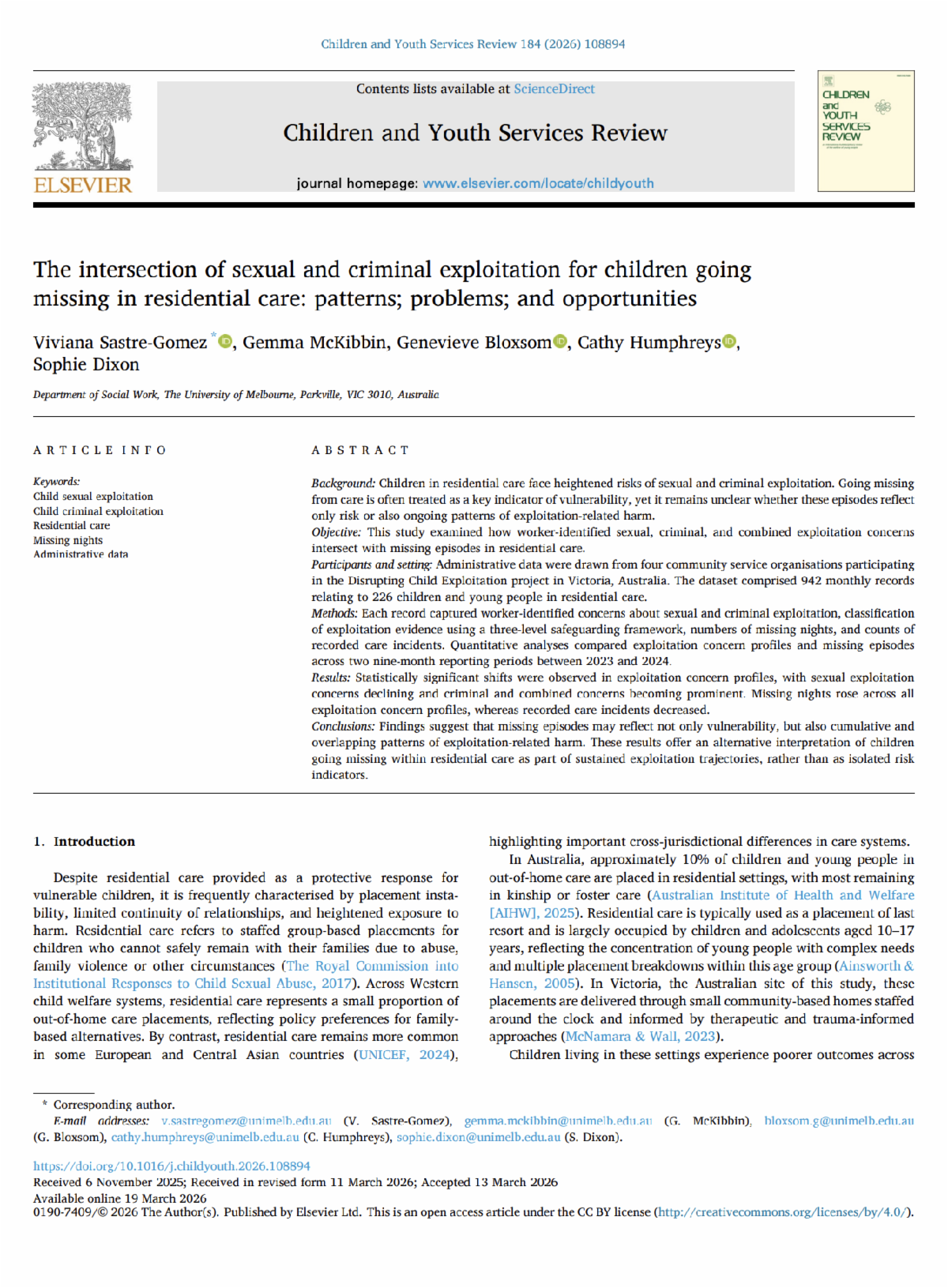
The Intersection of Sexual and Criminal Exploitation for Children Going Missing in Residential Care: Patterns, Problems, and Opportunities
This study analyzed data from residential care settings in Victoria, Australia, to examine how missing episodes intersect with worker-identified concerns about sexual and criminal exploitation among children and young people. Findings suggest that going missing may signal ongoing, overlapping patterns of exploitation-related harm—rather than isolated vulnerability—highlighting the need to view these incidents as part of sustained exploitation trajectories.
| | | | |
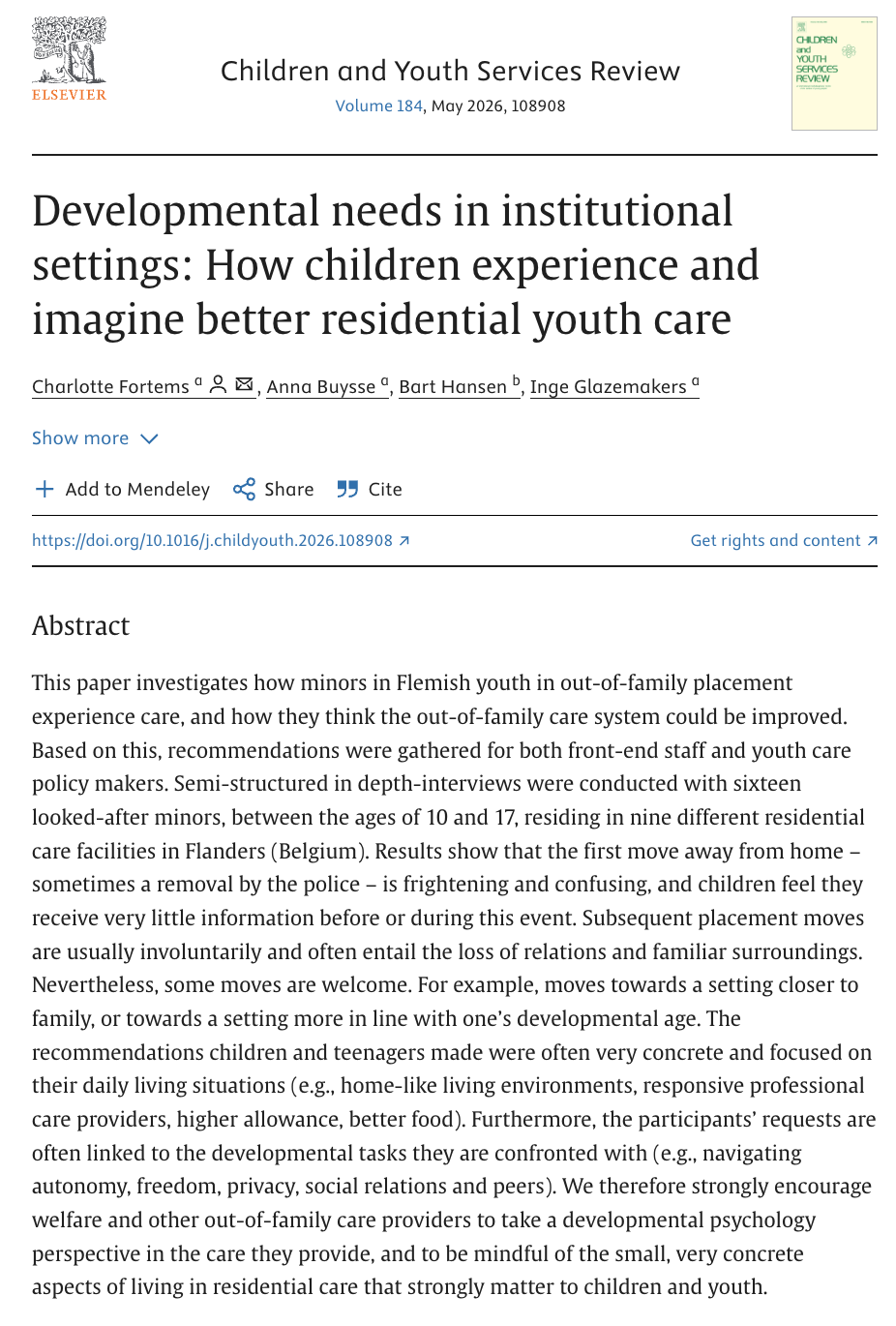
Developmental Needs in Institutional Settings: How Children Experience and Imagine Better Residential Youth Care
This study explores how minors in out-of-family care in Belgium experience placements and what improvements they recommend, based on interviews with youth in residential facilities. It finds that placements are often confusing and disruptive, and emphasizes the need for more child-centered, developmentally appropriate care that addresses both emotional needs and everyday living conditions.
| | | | |
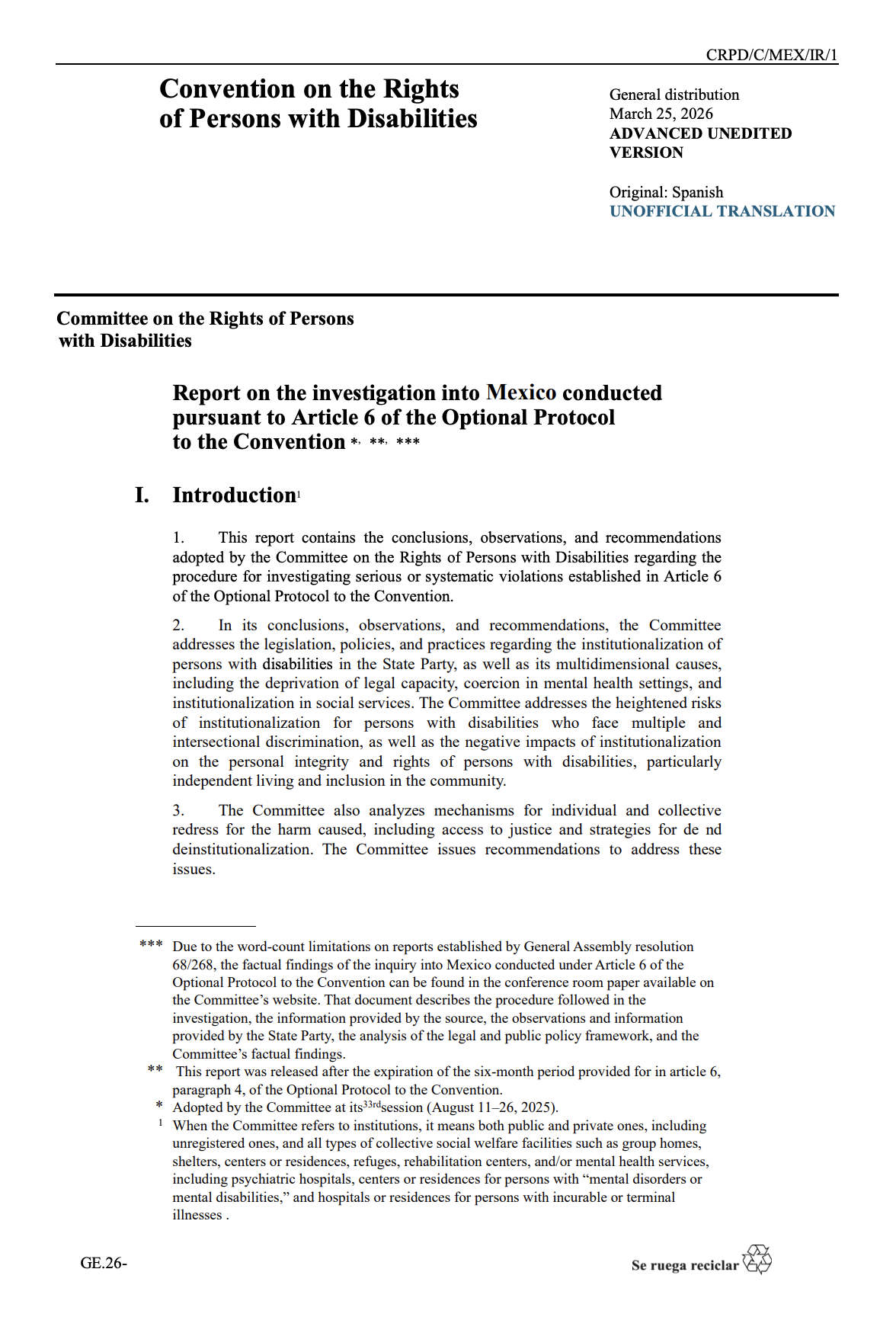
Report on the Investigation into Mexico Conducted Pursuant to Article 6 of the Optional Protocol to the Convention
This report contains the conclusions, observations, and recommendations adopted by the Committee on the Rights of Persons with Disabilities regarding the procedure for investigating serious or systematic violations established in Article 6 of the Optional Protocol to the Convention. The Committee addresses the heightened risks of institutionalization for persons with disabilities who face multiple and intersectional discrimination, as well as the negative impacts of institutionalization on the personal integrity and rights of persons with disabilities, particularly independent living and inclusion in the community.
View in Spanish.
| | | | |
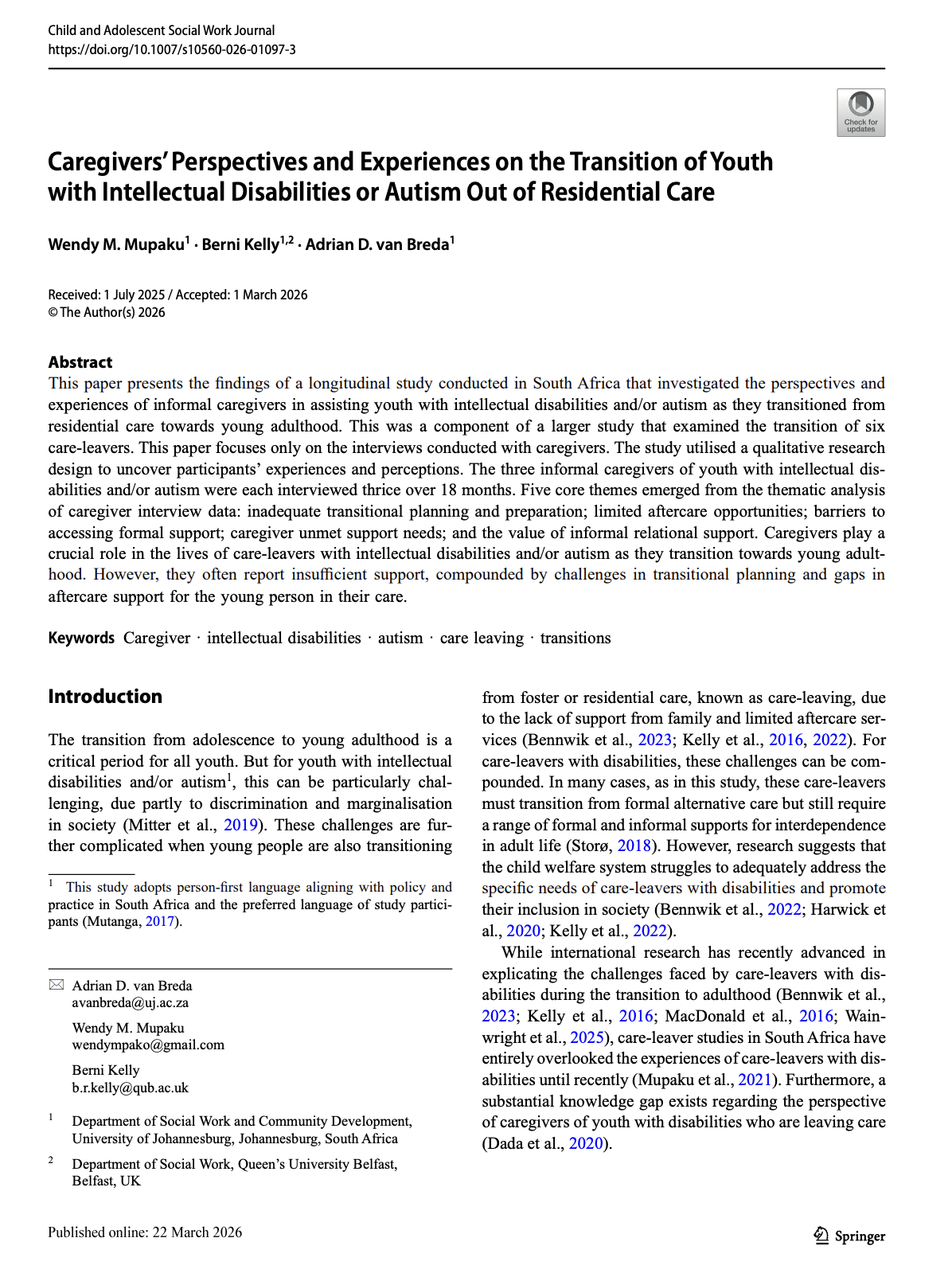
Caregivers’ Perspectives and Experiences on the Transition of Youth with Intellectual Disabilities or Autism Out of Residential Care
This paper explores the experiences of informal caregivers in South Africa supporting youth with intellectual disabilities and/or autism as they transition from residential care to adulthood. It finds that caregivers play a vital role but face significant challenges, including inadequate transition planning, limited aftercare services, and insufficient formal support.
| | | | |
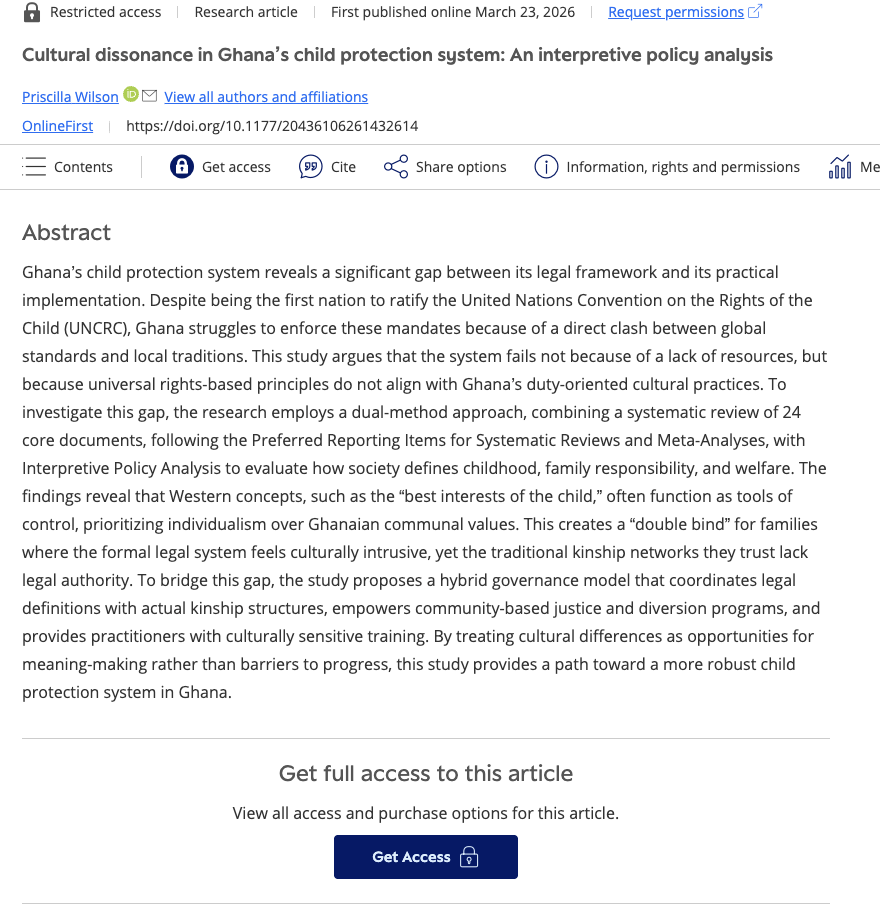
Cultural Dissonance in Ghana’s Child Protection System: An Interpretive Policy Analysis
This study examines the disconnect between Ghana’s child protection laws and their implementation, arguing that the gap stems from tensions between global rights-based frameworks and local, duty-oriented cultural practices rather than resource limitations. It proposes a hybrid governance approach that aligns formal legal systems with traditional kinship structures and promotes culturally responsive practice to strengthen child protection outcomes.
| | | | |
Children’s Participation in Decision-making Processes in Child Protection Services: Cultural Perspective
This article examines how Arab-Israeli children experience participation in decision-making committees within child protection services. It explores the cultural and systemic factors that both enable and hinder their meaningful participation, highlighting the need for more culturally sensitive and child-friendly approaches.
| | | | |
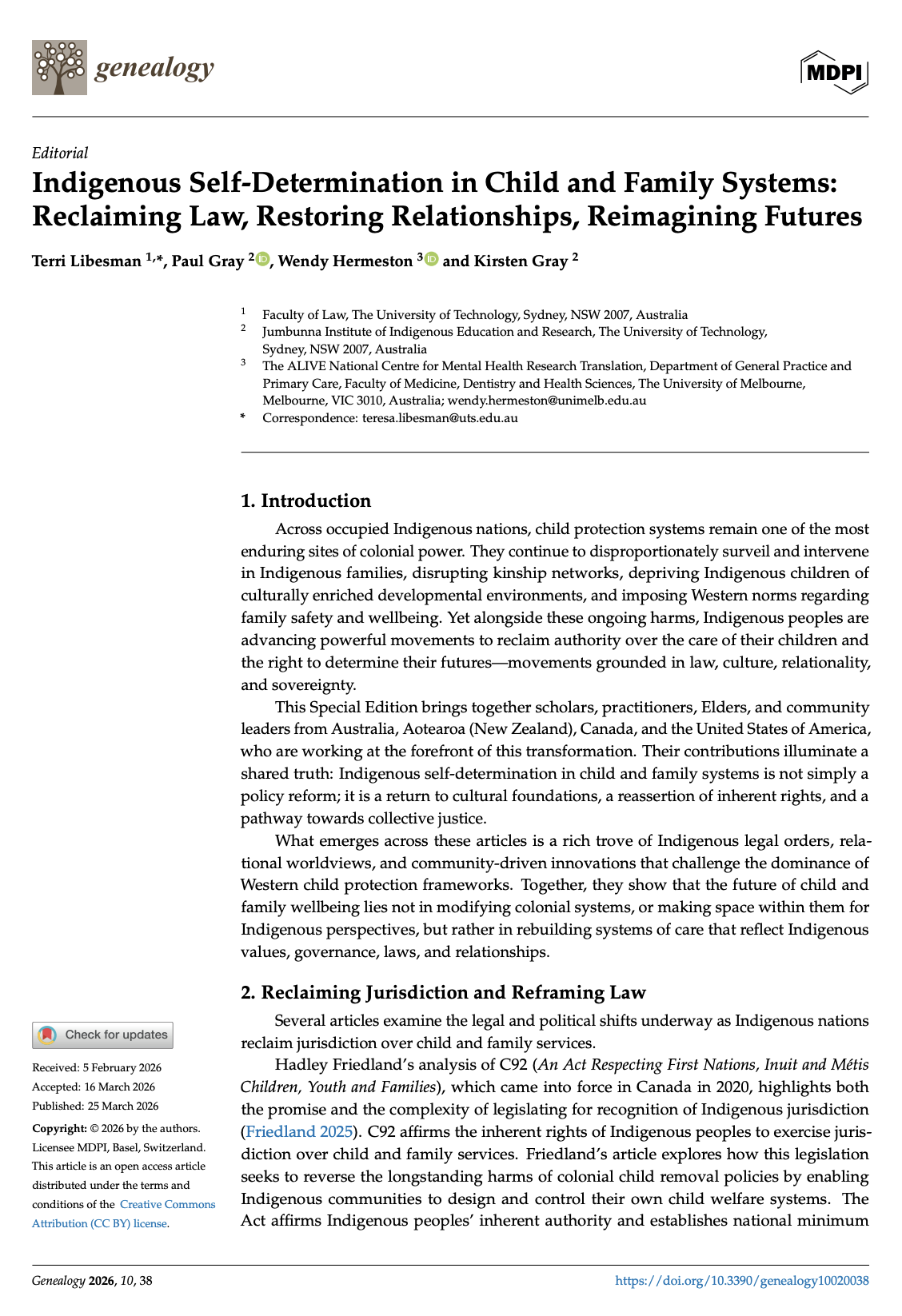
Indigenous Self-Determination in Child and Family Systems: Reclaiming Law, Restoring Relationships, Reimagining Futures
This article examines how child protection systems continue to reflect colonial power by disproportionately intervening in Indigenous families and undermining cultural practices and kinship systems. It highlights growing Indigenous-led movements in Australia, Aotearoa (New Zealand), Canada, and the United States of America to reclaim authority over child welfare, emphasizing self-determination and the rebuilding of care systems grounded in Indigenous laws, values, and relationships.
| | | | |
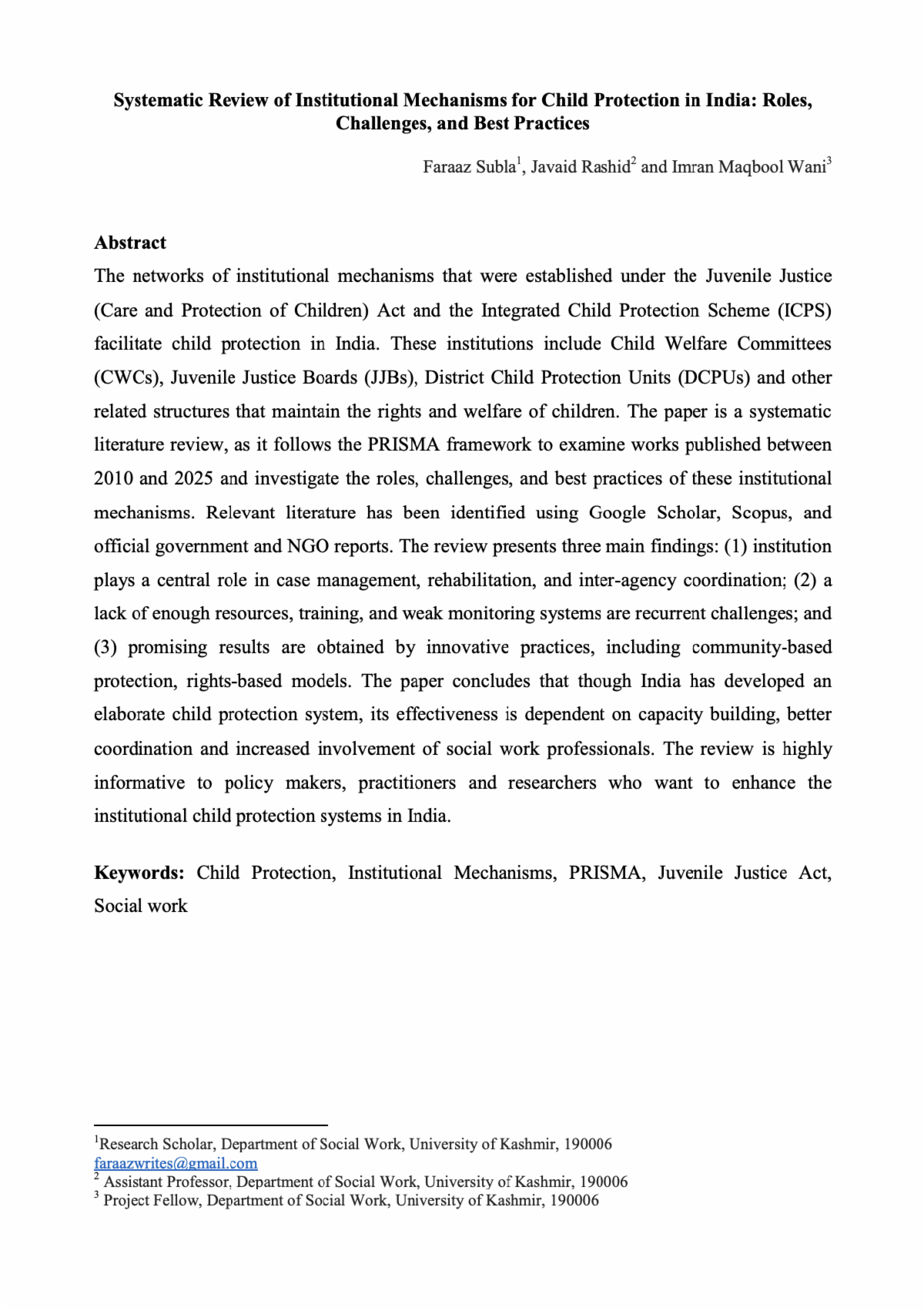
Systematic Review of Institutional Mechanisms for Child Protection in India: Roles, Challenges, and Best Practices
Institutional mechanisms established under India’s Juvenile Justice (Care and Protection of Children) Act and the Integrated Child Protection Scheme play a central role in safeguarding children’s rights through case management, rehabilitation, and coordination. This systematic review of literature (2010–2025) finds that while these systems are essential, they face persistent challenges such as limited resources, inadequate training, and weak monitoring, with improved outcomes linked to community-based and rights-based approaches.
| | | | |
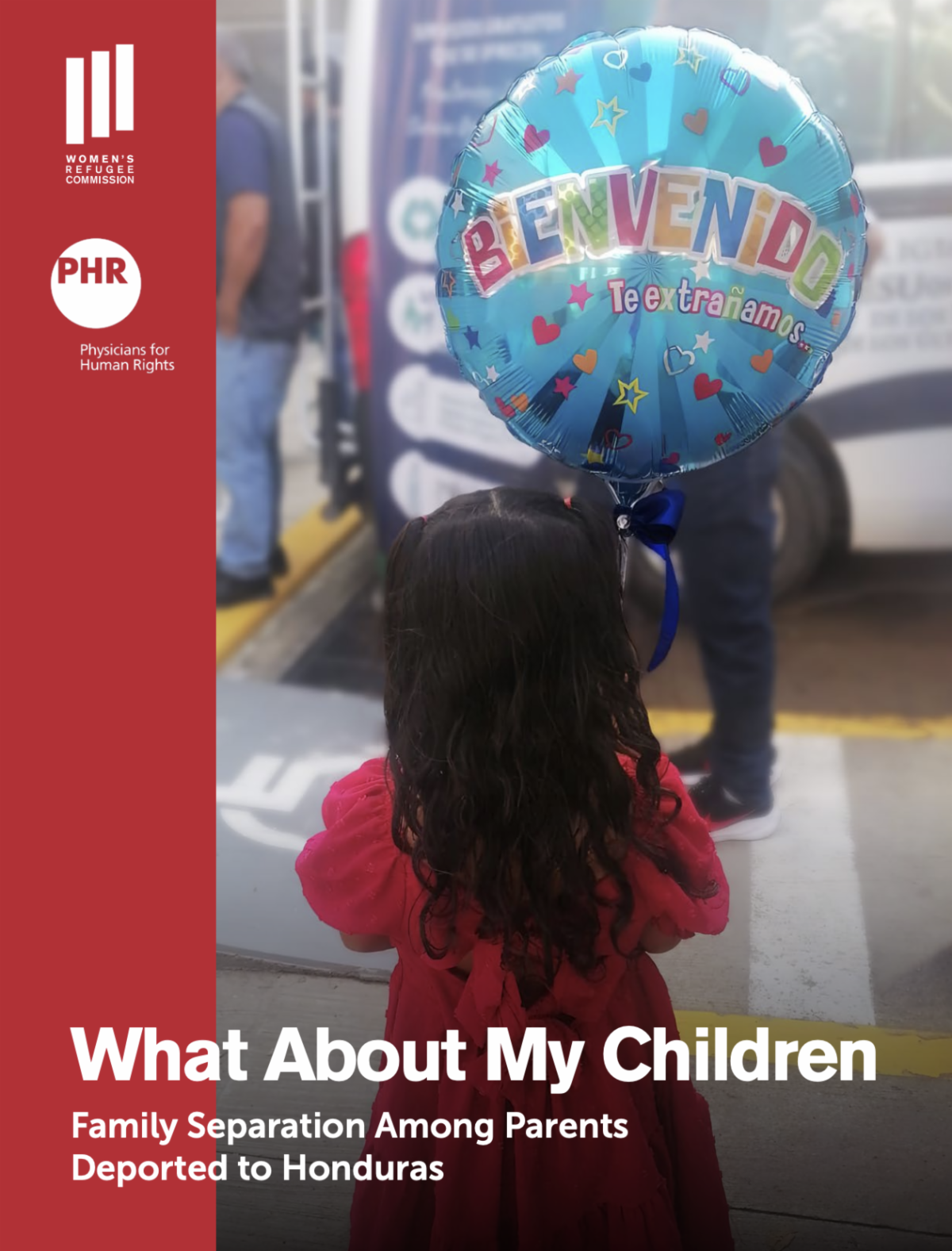
What About My Children: Family Separation Among Parents Deported to Honduras
Since taking office in 2025, the second Donald Trump administration significantly expanded immigration enforcement while weakening safeguards for due process, family unity, and parental rights, resulting in record detention levels and widespread impacts on immigrant families. This research by Women’s Refugee Commission and Physicians for Human Rights found that many deported parents were denied the opportunity to make arrangements for their children, leading to increased family separations that may become long-term or permanent.
| | | | |
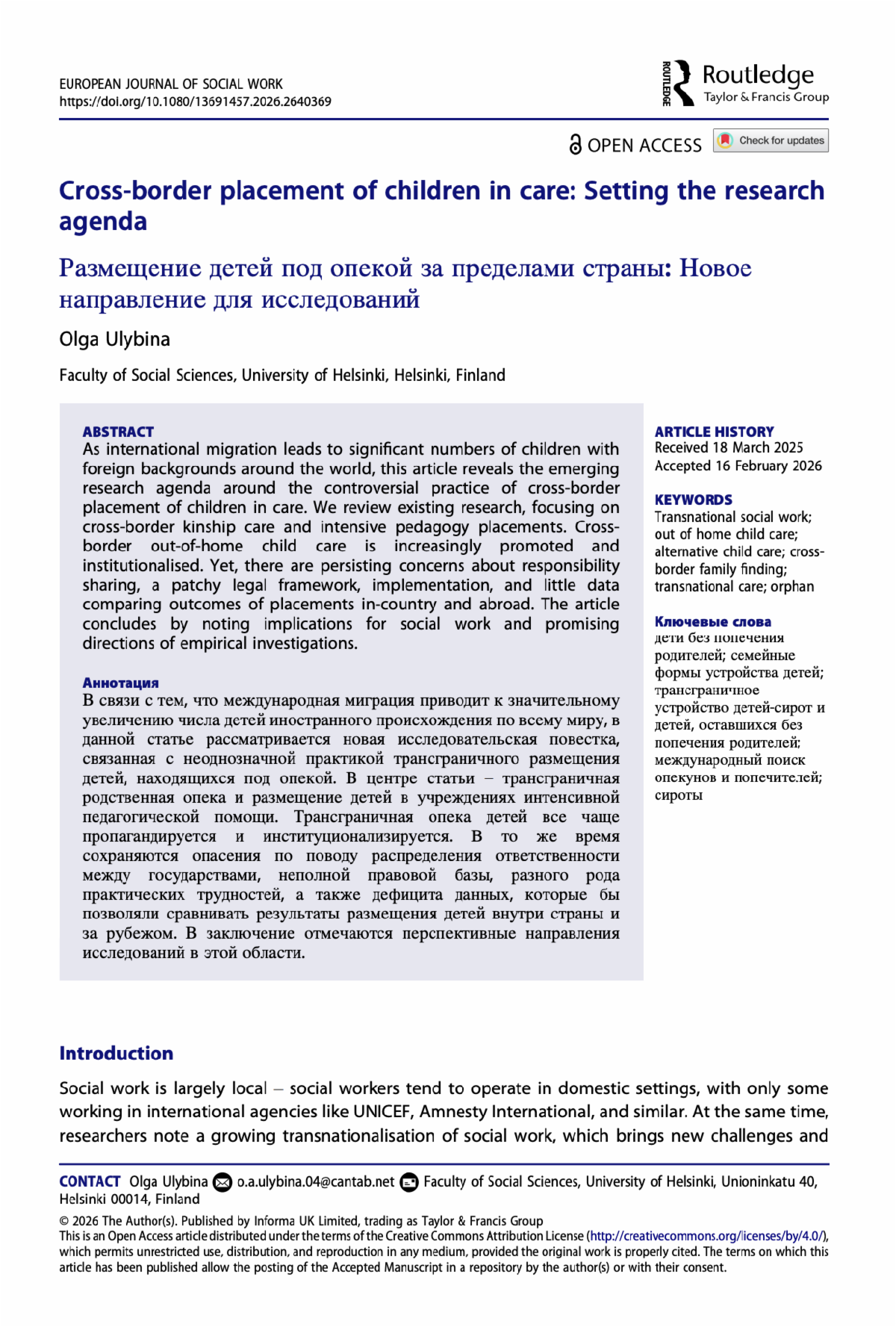
Cross-border Placement of Children in Care: Setting the Research Agenda
This article reviews the emerging research on cross-border placements of children in care, including kinship care and intensive pedagogy models, amid rising global migration. It highlights ongoing concerns around legal frameworks, accountability, and limited comparative data, while outlining key implications and priorities for future social work research.
| | | | |
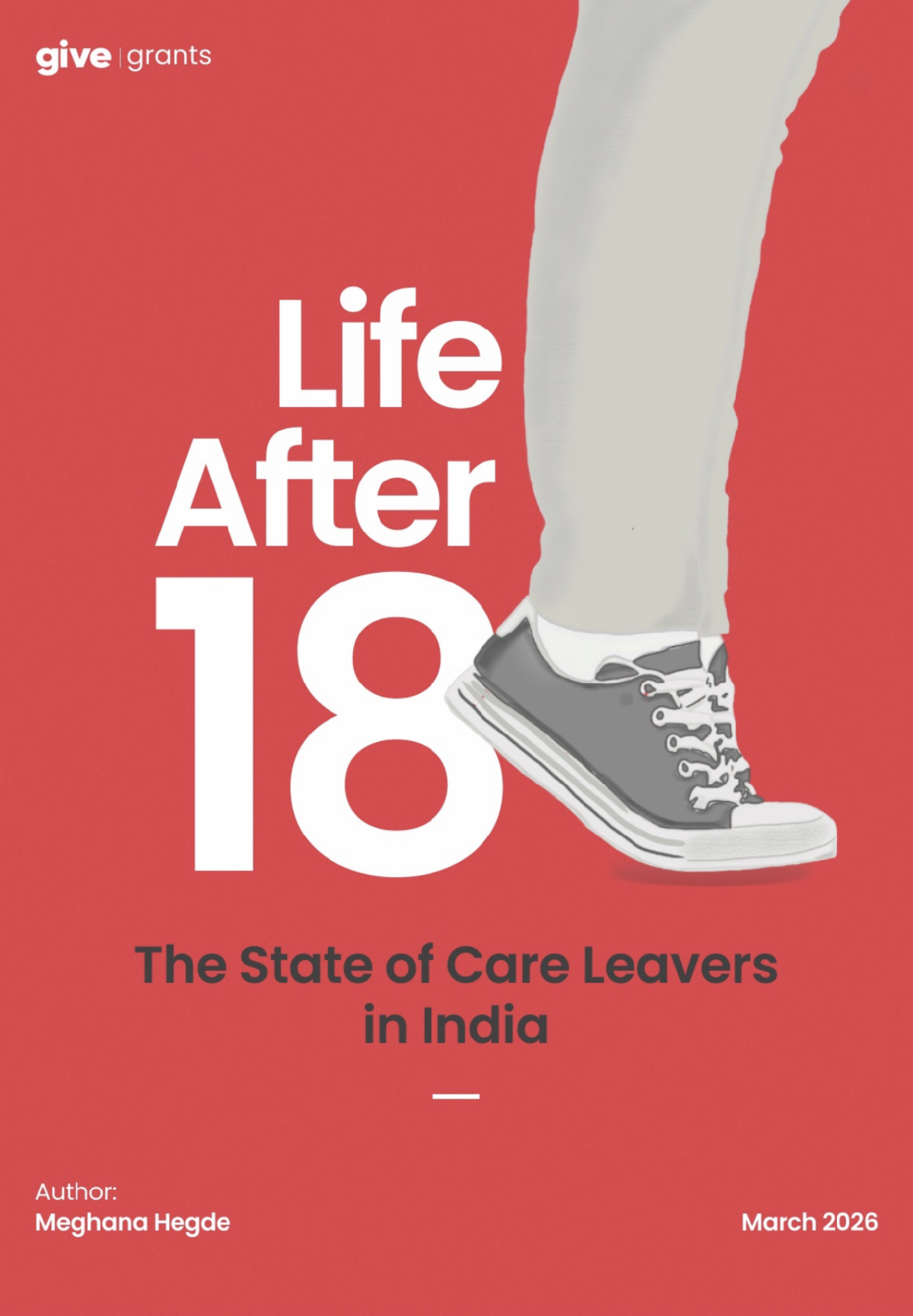
Life After 18: The State of Care Leavers in India
This report examines the transition of young people aging out of institutional care into independent adulthood. It highlights how many care leavers face significant challenges after turning 18, including limited access to education, employment, and stable housing, as well as a lack of life skills and supportive social networks.
| | | | |
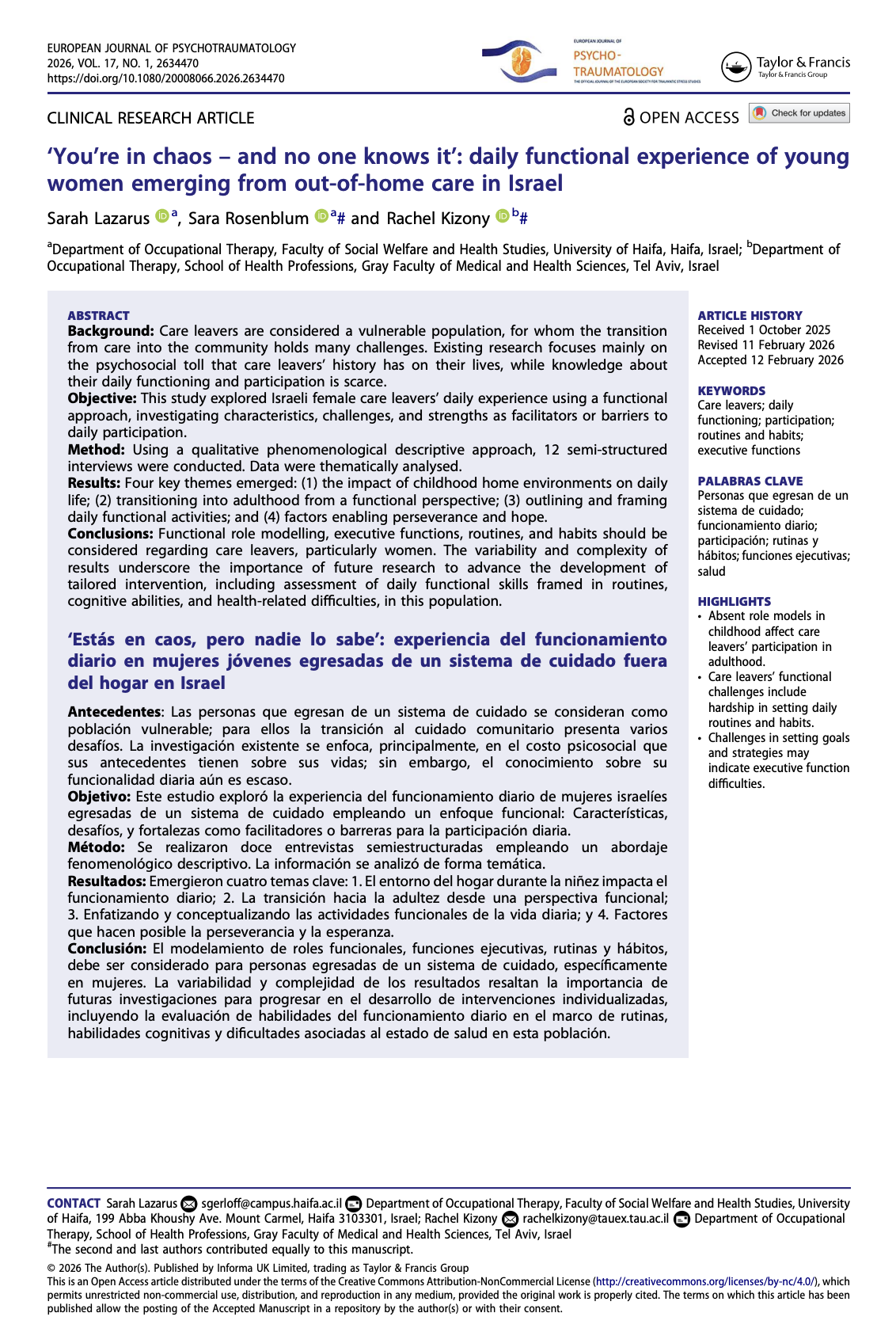
‘You’re in chaos – and no one knows it’: Daily Functional Experience of Young Women Emerging from Out-of-Home Care in Israel
This study explores the daily functioning and lived experiences of Israeli female care leavers, highlighting how early life environments, transitions to adulthood, and individual routines shape their participation in everyday life. Findings emphasize the importance of functional skills, supportive routines, and resilience factors, pointing to the need for tailored interventions that address cognitive, behavioral, and health-related challenges.
| | | | |
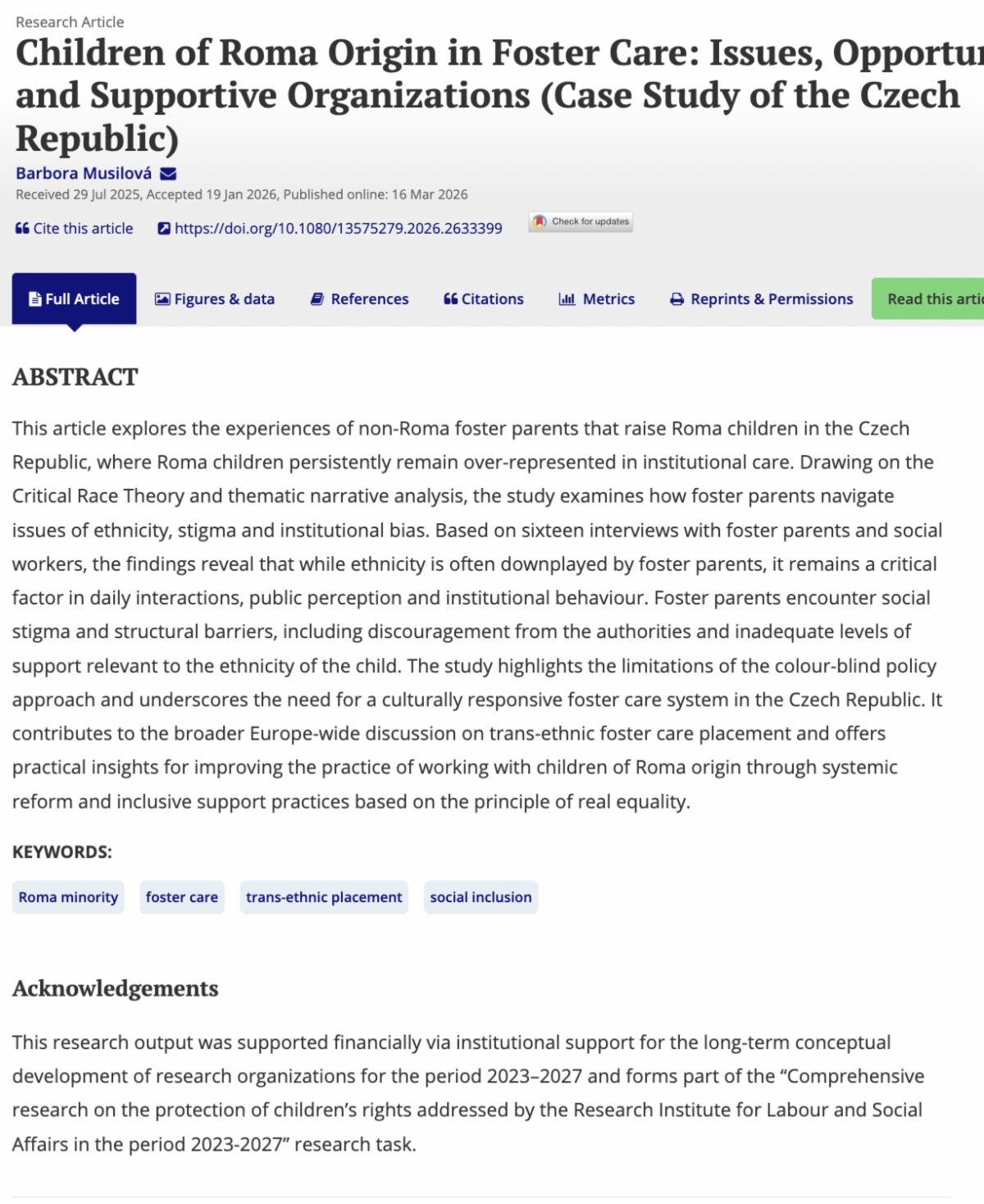
Children of Roma Origin in Foster Care: Issues, Opportunities and Supportive Organizations (Case Study of the Czech Republic)
This article explores the experiences of non-Roma foster parents who raise Roma children in the Czech Republic, where Roma children persistently remain over-represented in institutional care. Drawing on the Critical Race Theory and thematic narrative analysis, the study examines how foster parents navigate issues of ethnicity, stigma and institutional bias.
| | | | |
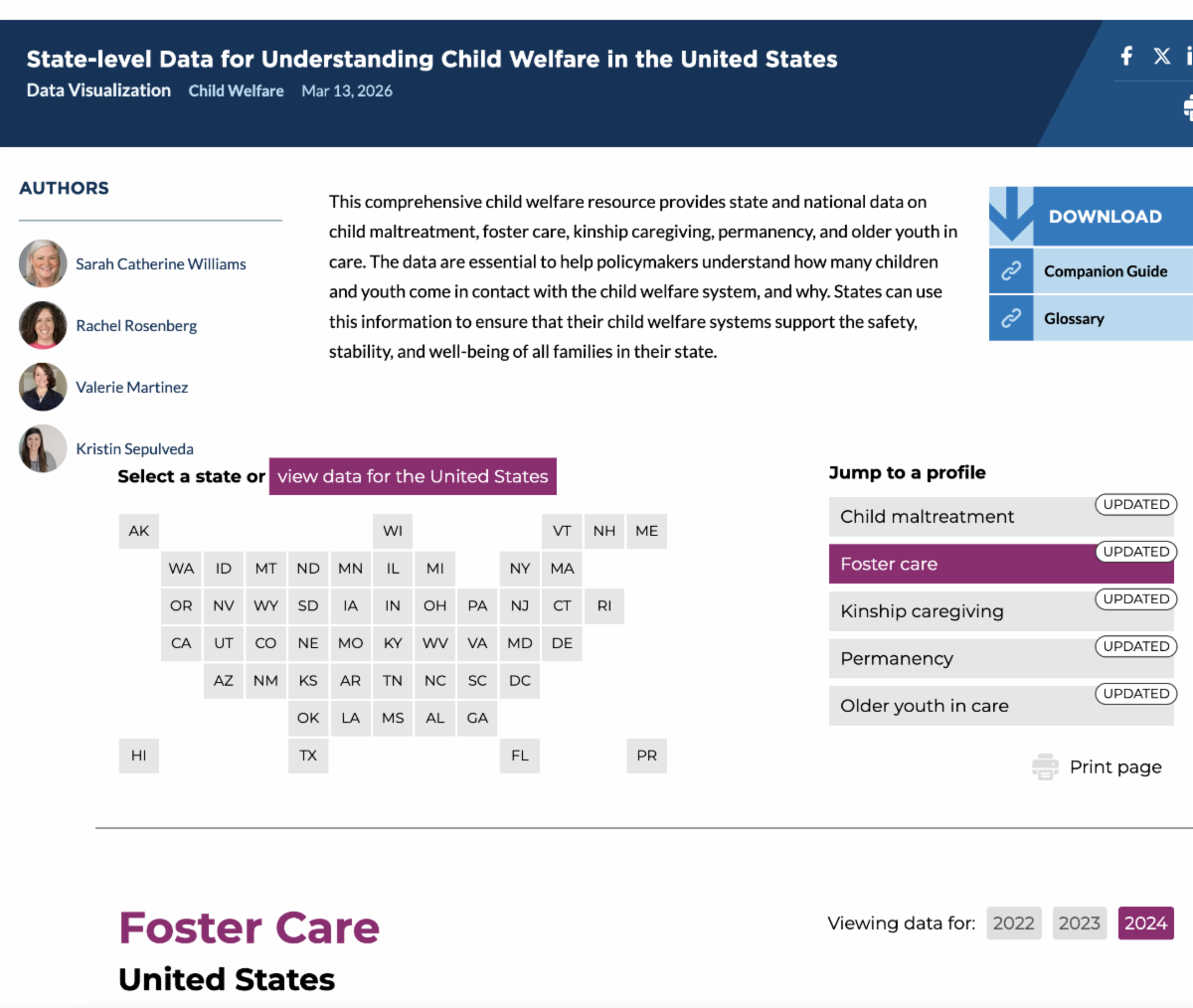
State-level Data for Understanding Child Welfare in the United States
This comprehensive child welfare resource provides U.S. state and national data on child maltreatment, foster care, kinship caregiving, permanency, and older youth in care. The data are essential to help policymakers understand how many children and youth come in contact with the child welfare system, and why. Note that the term foster care in the USA context includes both family-based foster care and placement in residential care.
| | | | |
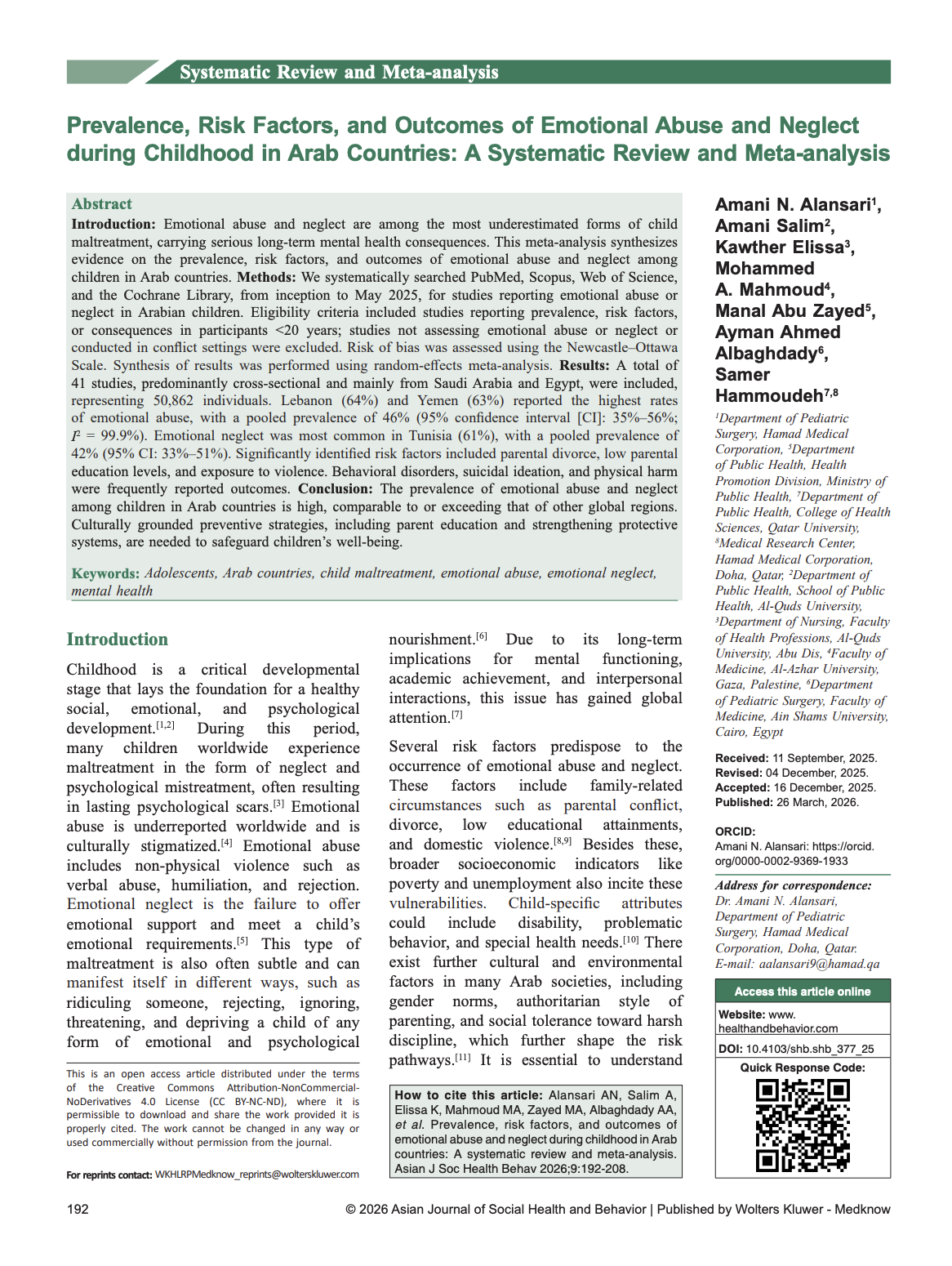
Prevalence, Risk Factors, and Outcomes of Emotional Abuse and Neglect during Childhood in Arab Countries: A Systematic Review and Meta-analysis
This article presents a meta-analysis of 41 studies examining the prevalence, risk factors, and consequences of emotional abuse and neglect among children in Arab countries, finding that nearly half of children are affected. It highlights key drivers such as parental divorce and low education, as well as serious outcomes like behavioral disorders and suicidal ideation, and calls for culturally tailored prevention and stronger child protection systems.
| | | | |
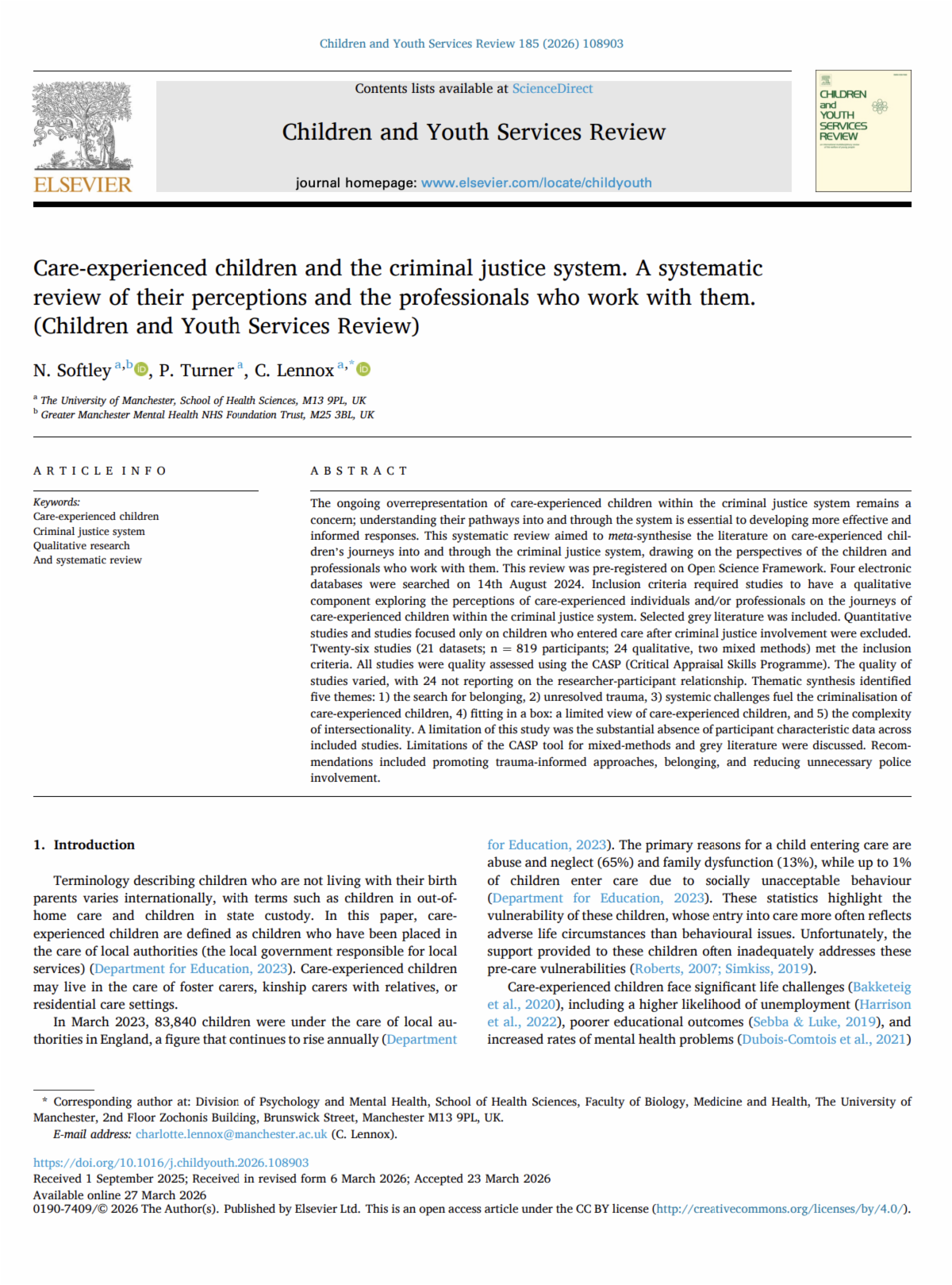
Care-experienced Children and the Criminal Justice System. A Systematic Review of Their Perceptions and the Professionals Who Work with Them
This systematic review synthesised qualitative research on care-experienced children’s pathways into and through the criminal justice system, highlighting how factors such as trauma, a search for belonging, systemic challenges, and intersectionality shape their experiences. The findings underscore the need for trauma-informed approaches, stronger support systems, and reduced unnecessary criminal justice involvement to better respond to the needs of care-experienced children.
| | | | |
Street Children’s Resistance to Street Removal Interventions
This study explores why street children resist removal interventions and often return to the streets in Zambia, drawing on perspectives from children, caregivers, and guardians. It finds that factors such as poverty, family conflict, abuse, and inadequate conditions in care facilities drive both initial street involvement and reintegration failure, highlighting the need for more comprehensive and coordinated interventions.
| | | | |
Decommissioned Institutions: How Will They Be Remembered?
This paper reflects on an author’s return to former orphanage sites in Australia—now repurposed as commercial properties—where personal memories of abuse and neglect resurface. It explores how survivor testimony and memory activism can challenge the erasure of these histories, highlighting tensions between commercial interests and efforts to memorialize sites of past harm.
| | Policies, Standards, and Guidance | | | | |
Where Do We Go from Here to Support Children in Adversity? Recommendations from the Front Lines
The U.S. government’s abrupt foreign assistance reductions and rescissions in 2025, combined with the structural realignment of the functions of the United States Agency for International Development (USAID) into the Department of State, are reshaping the global policy and financing landscape for children in adversity. This report, drawing on consultations with over 200 stakeholders, outlines strategies across four pillars to mitigate harm from the cuts and strengthen local capacity to support vulnerable children, families, and communities.
See also:
| | | | |
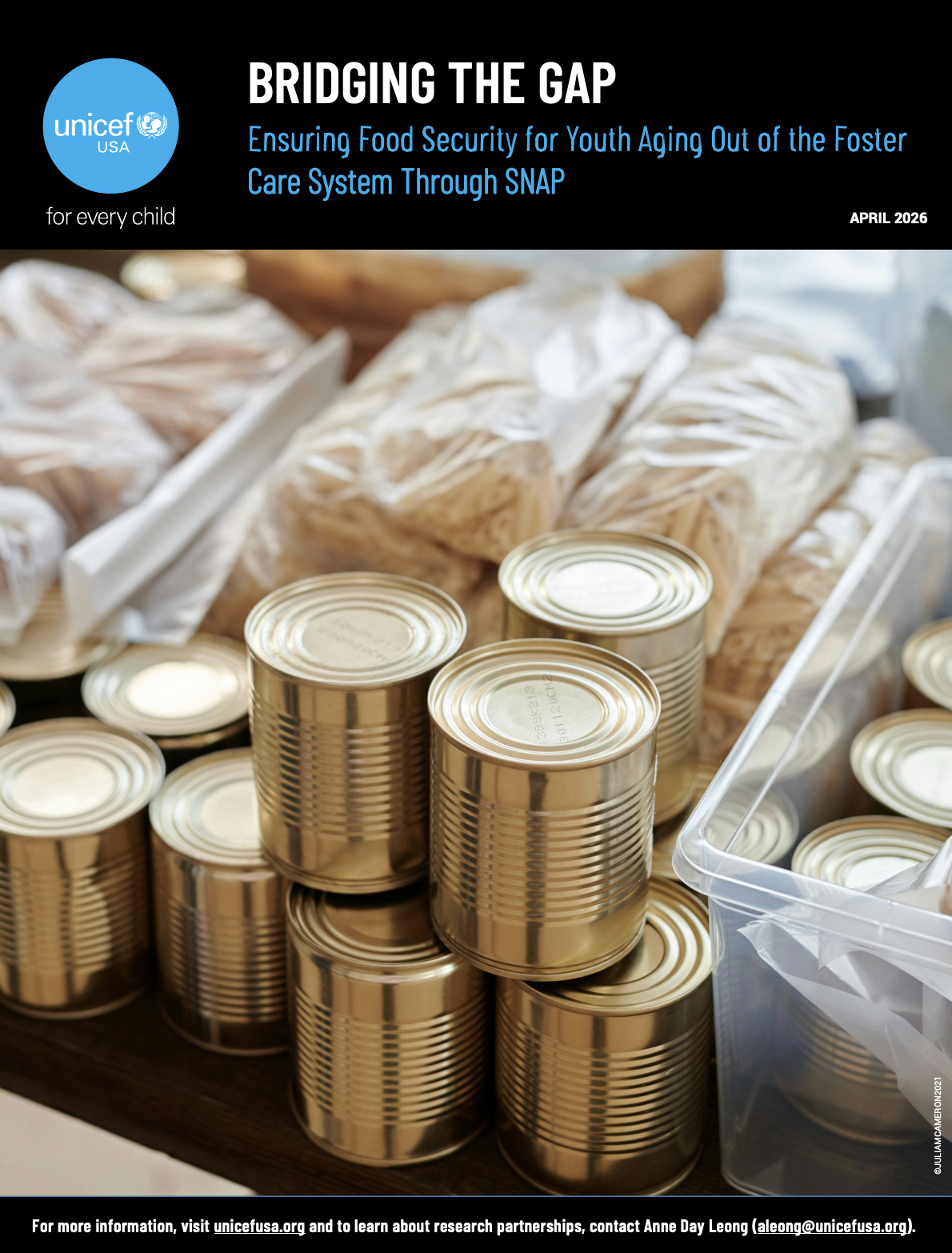
Bridging the Gap: Ensuring Food Security for Youth Aging Out of the Foster Care System Through SNAP
The Supplemental Nutrition Assistance Program (SNAP) is the largest federal nutrition program in the United States, serving about 42 million people and helping reduce food insecurity, with roughly 40% of recipients being youth. This policy brief focuses on how recent federal changes put youth aging out of foster care at risk of losing SNAP benefits and recommends reinstating eligibility waivers, strengthening state transition services, and protecting data on food insecurity for this vulnerable population.
| | | | |
ISS Ottawa Principles: For Protecting Children and Parents Subject to Family Violence in Cross-border Situations
This paper sets out guidelines on the specific challenges arising when domestic violence crosses international borders. It puts forth 15 core principles to guide states, courts, and other professionals in better addressing cross-border family violence. It is intended to support implementation and encourage cooperation across jurisdictions and sectors in order to enhance the protection of children and families.
| | | | |
My Life Storybook
My Life Storybook is a child-centered tool developed by children in collaboration with Child in Family Focus - Kenya (CFFK), the Kenya Ministry or Labour and Social Protection, and other relevant stakeholders to help children in care document their history, reflect on their experiences, and strengthen their sense of identity and belonging. The tool is currently being used in CFFK's programs to support reintegration and family strengthening.
| | | | |
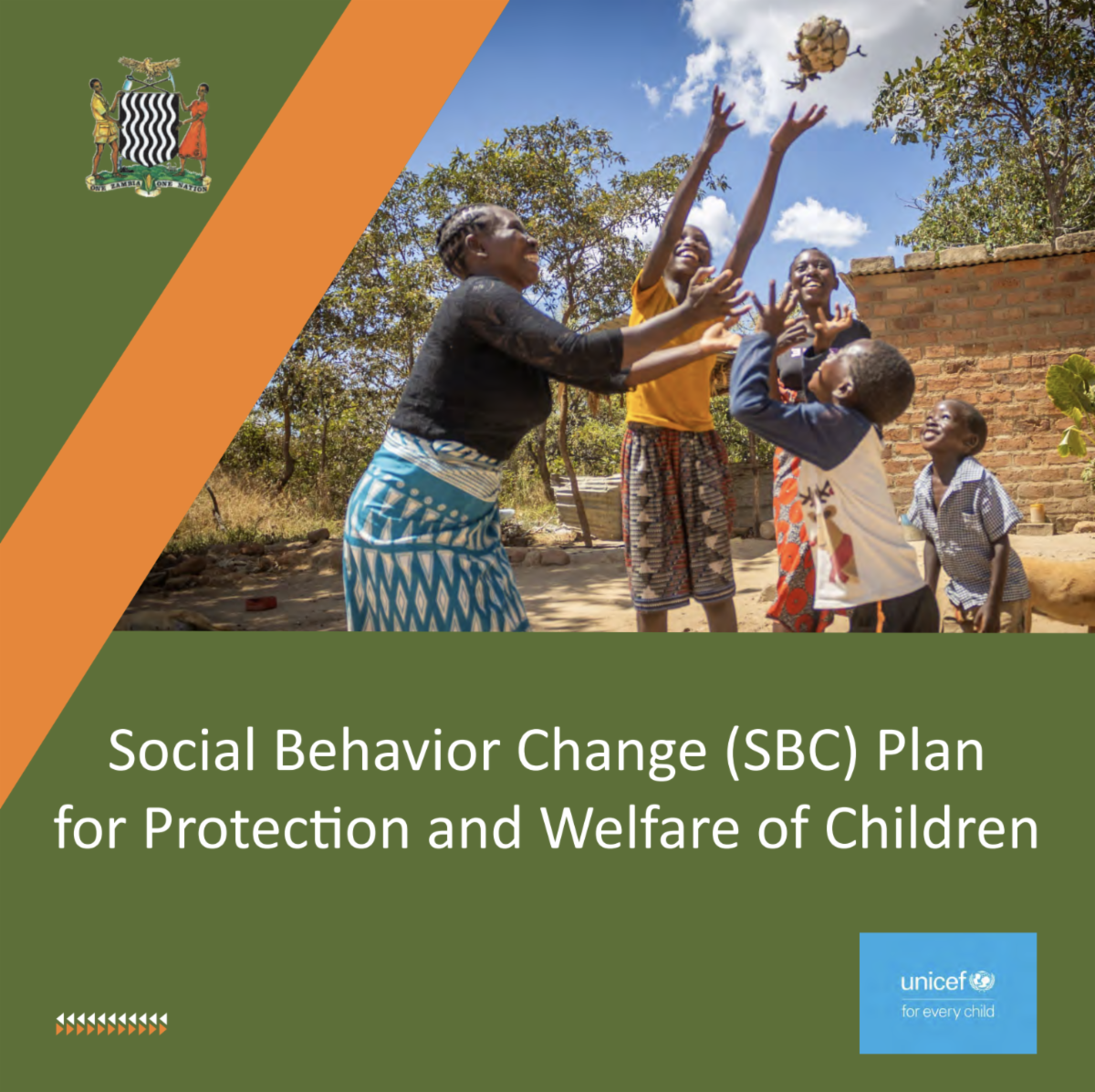
Social and Behaviour Change (SBC) Plan for the Protection and Welfare of Children
This Social and Behaviour Change (SBC) Plan outlines Zambia’s strategic approach to strengthening child protection through behaviourally informed programming and community engagement. Developed by the Ministry of Community Development and Social Services with support from UNICEF and partners, the plan focuses on reducing violence against children, preventing child marriage, increasing birth registration, and promoting family-based care.
| | | | |
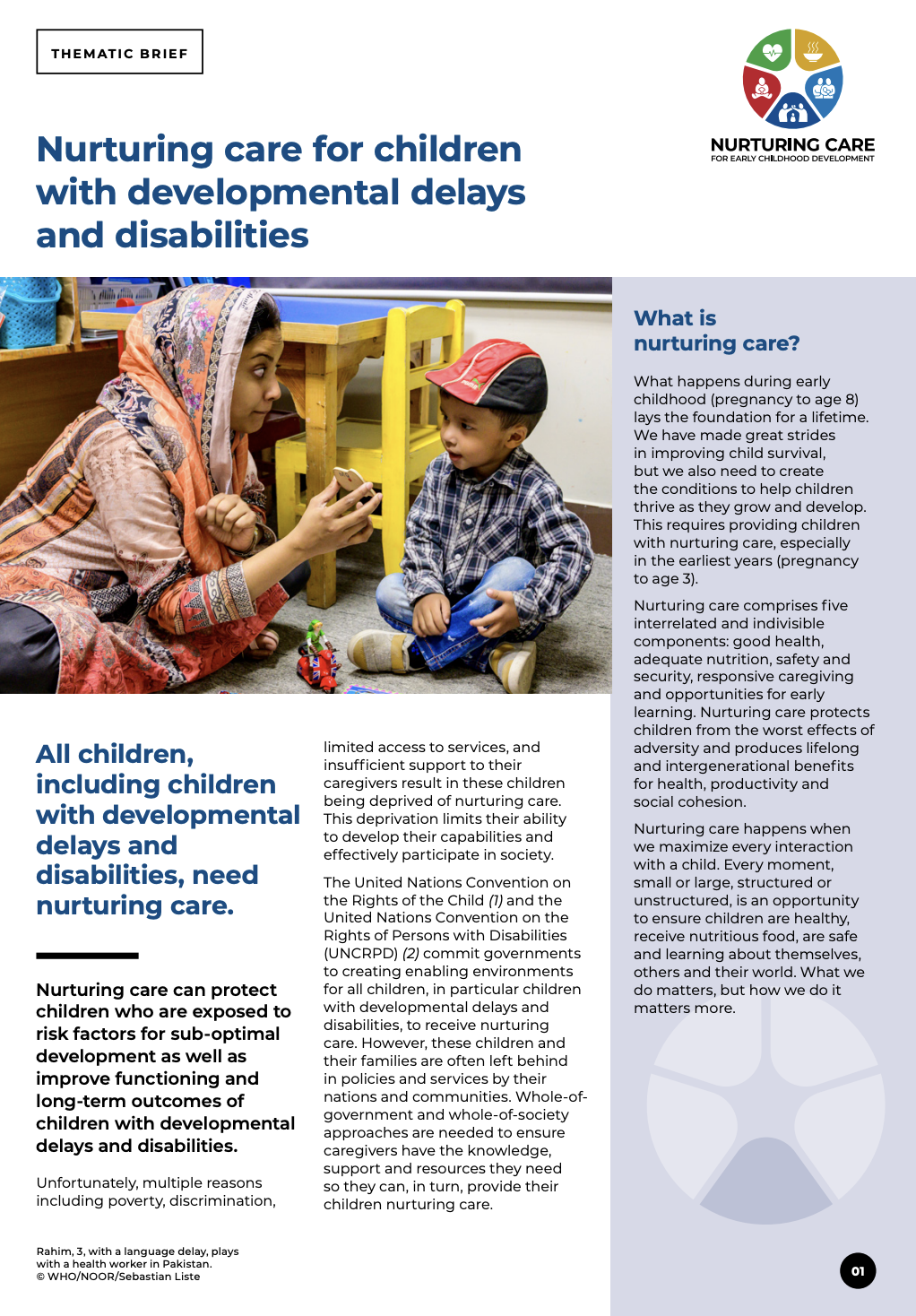
Nurturing Care for Children with Developmental Delays and Disabilities
The brief outlines a nurturing care approach for early childhood development that integrates health, nutrition, safety, responsive caregiving, and early learning to support children’s well-being and long-term outcomes. It highlights that children with developmental delays and disabilities face heightened risks of exclusion and calls for inclusive, family-centered policies and services that strengthen community-based support and ensure equitable access to care.
| | | | |
The UN Convention on the Rights of the Child and Child Development Accounts: Making Them Work for Children in Institutions
Child Development Accounts (CDAs) are government-funded savings or investment accounts established at birth to support children’s future education, with evidence showing both economic benefits for families and positive psychological effects for children. This article focuses on how to comply with the United Nations Convention on the Rights of the Child, CDA policies must ensure universal access, progressive public funding based on need, and early account establishment, including for children in institutional care to prevent discrimination.
| | | | |
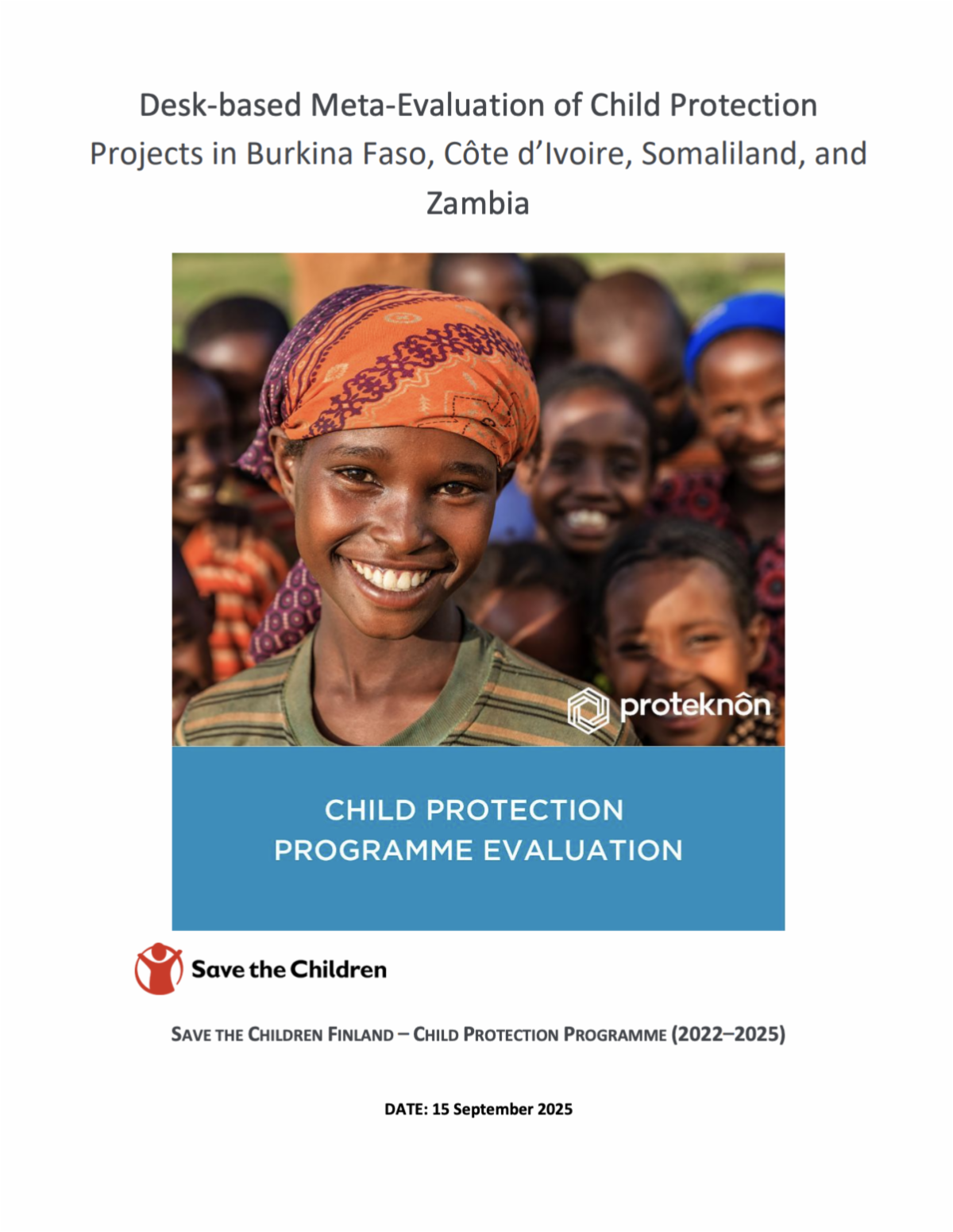
Desk-based Meta-Evaluation of Child Protection Projects in Burkina Faso, Côte d’Ivoire, Somaliland, and Zambia
The report is a meta-evaluation of Save the Children Finland’s Global Child Protection programme, implemented from 2022 to 2025 in four countries in Africa—Burkina Faso, Côte d´Ivoire, Somaliland and Zambia—spanning development, humanitarian and peace-building contexts. It synthesizes findings from the programme, which aimed to strengthen national CP systems, empower communities and families, and promote inclusive, gender-responsive, and child-centred approaches to prevent and respond to violence against children.
| | | | |
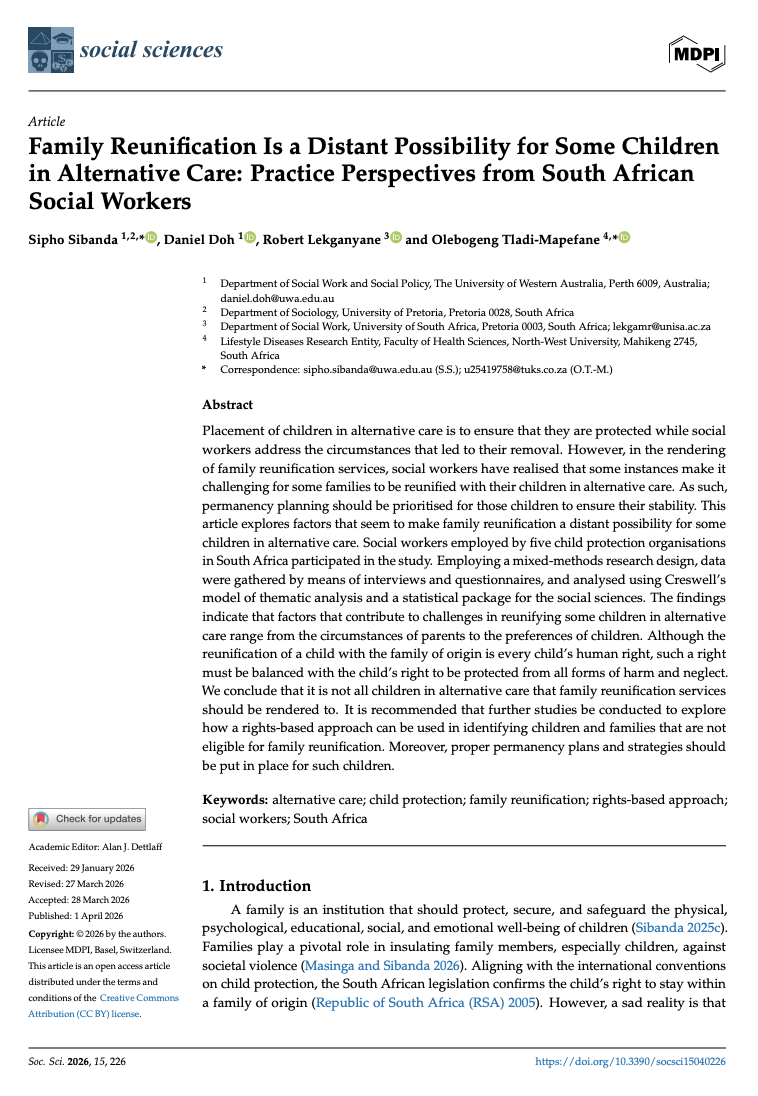
Bridging Policy Gaps for Service Integration: Foster Care as a Key Component of Child Protection and Public Health in Albania
This study examines foster parents’ perspectives on Albania’s foster care system to identify policy and implementation gaps in family-based alternative care. Findings highlight legal inconsistencies, resource constraints, and coordination challenges, underscoring the need for stronger support systems and more coherent implementation to ensure effective child protection and deinstitutionalization efforts.
| | | | |
Equipping Parent Advocates: Training Needs, Challenges, and Opportunities
This article explores how well parent advocacy training programs prepare advocates for their roles in the child welfare system in the USA, drawing on perspectives from advocates, parents, and child protective services workers. It finds that while foundational training is valuable, more comprehensive, experiential, and collaborative approaches—especially in areas like legal knowledge, mental health, and system navigation—are needed to better equip advocates and strengthen family engagement outcomes.
| | | | |
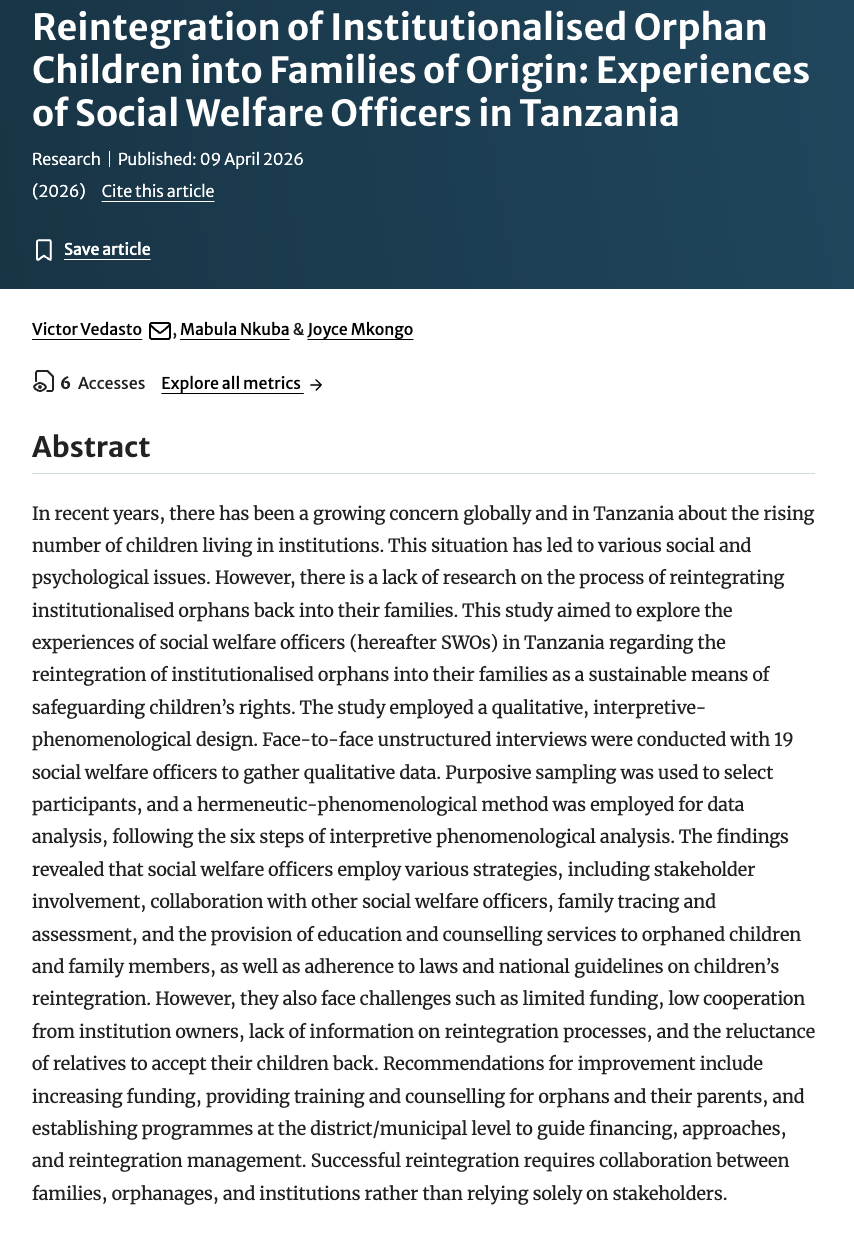
Reintegration of Institutionalised Orphan Children into Families of Origin: Experiences of Social Welfare Officers in Tanzania
This article explores how social welfare officers in Tanzania experience and manage the reintegration of institutionalised orphans back into family care. It examines the strategies they use, the challenges they face, and the broader systems needed to support sustainable, child-centered reintegration.
| | | | |
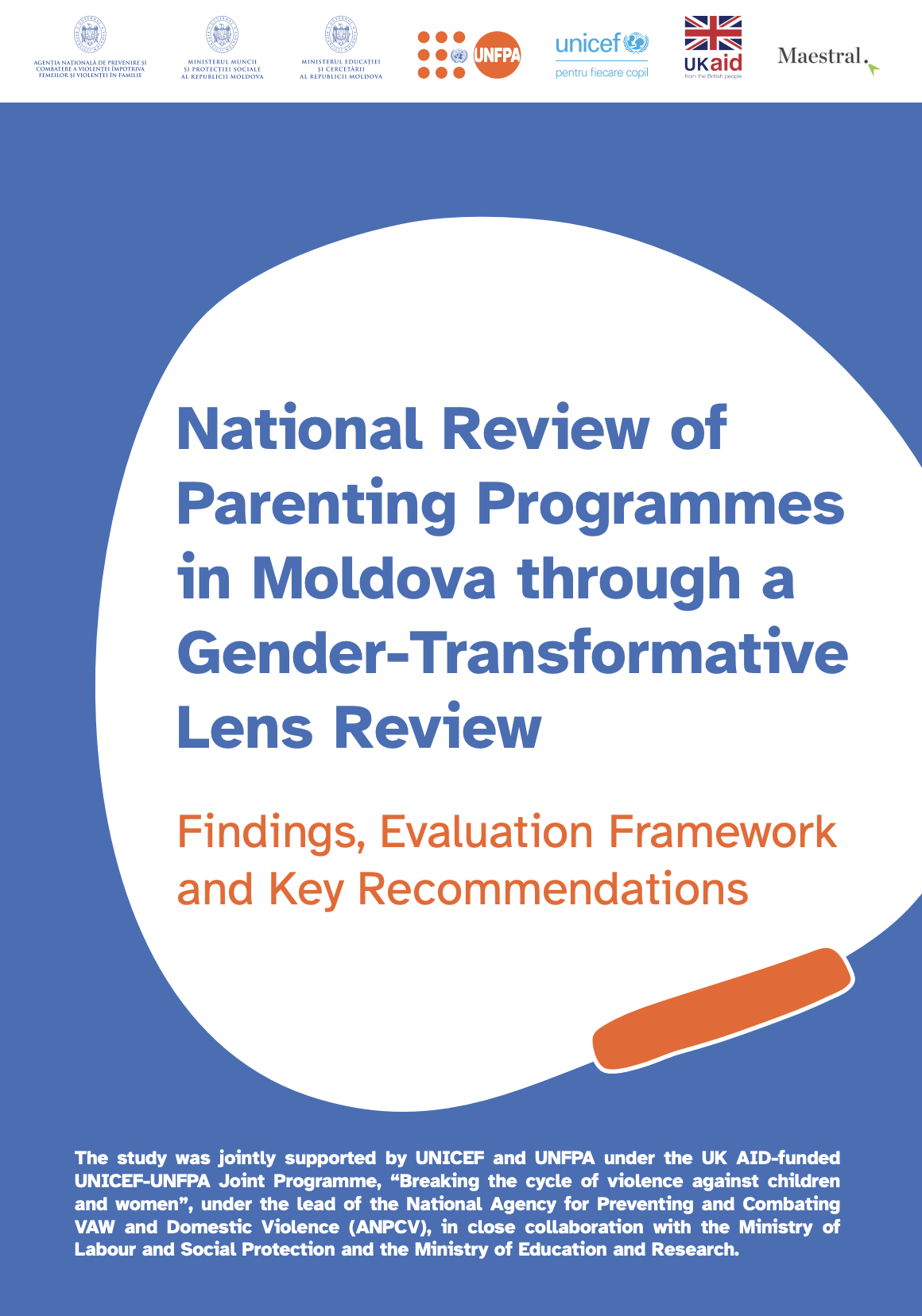
National Review of Parenting Programmes in Moldova through a Gender-Transformative Lens
In 2025, UNICEF and UNFPA conducted a national review of parenting programmes in Moldova to assess their role in addressing violence against children and women and to inform more effective, gender-transformative interventions. The study provides evidence to support the development of a Theory of Change and evaluation framework for strengthening prevention efforts.
View Romanian Version
| | | | |
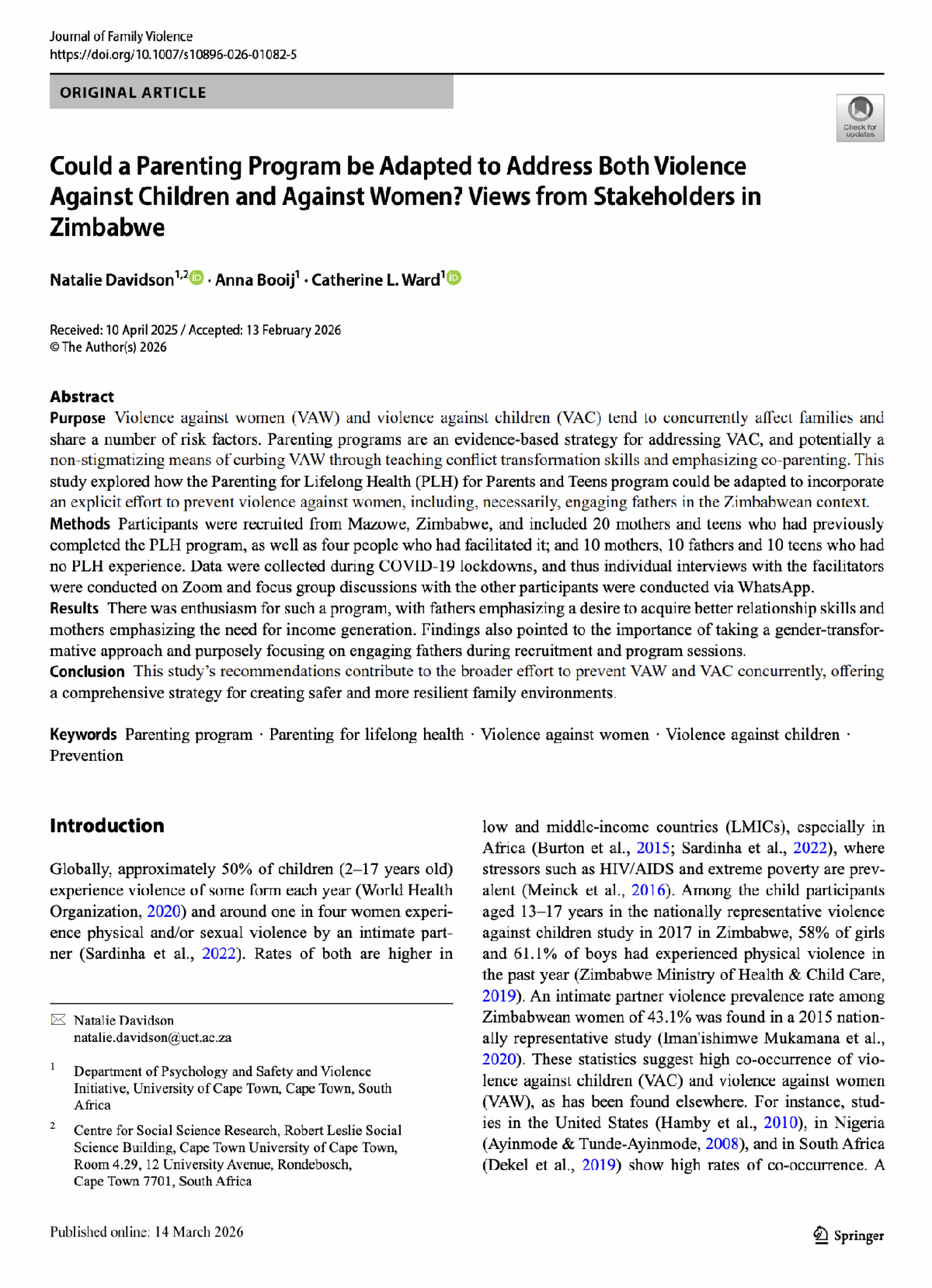
Could a Parenting Program be Adapted to Address Both Violence Against Children and Against Women? Views from Stakeholders in Zimbabwe
This study explored adapting the Parenting for Lifelong Health (PLH) program in Zimbabwe to explicitly address both violence against children and violence against women by incorporating gender-transformative approaches and actively engaging fathers. Findings showed strong interest in the program, highlighting the need for relationship skill-building, economic support, and intentional father involvement to create safer, more resilient family environments.
| | | | |
We would love to learn more about your work as a practitioner so that your local, national and/or regional lessons and experiences in the field can be shared with other practitioners.
| | | | |
Webinar Recording: Strengthening the Community-Level Social Welfare Workforce
This webinar held in partnership with Save the Children and the Global Social Service Workforce Alliance (GSSWA) focuses on Strengthening the Community-Level Social Welfare Workforce (CLSWW). The session presents key learnings from the nine‑country analysis and introduces new practical guidance to help practitioners, governments, and partners strengthen the CLSWW through a Child Protection Systems Strengthening (CPSS) and localization lens.
| | | | |
Webinar Recording: A Decade of INSPIRE – Evidence in Action to End Violence Against Children
This webinar celebrated a decade of evidence in action and highlight the next phase of INSPIRE’s global implementation and research agenda. It brought together global leaders, researchers, and practitioners to discuss what the new evidence means for countries, sectors, and systems working to end violence against children
| | | | |
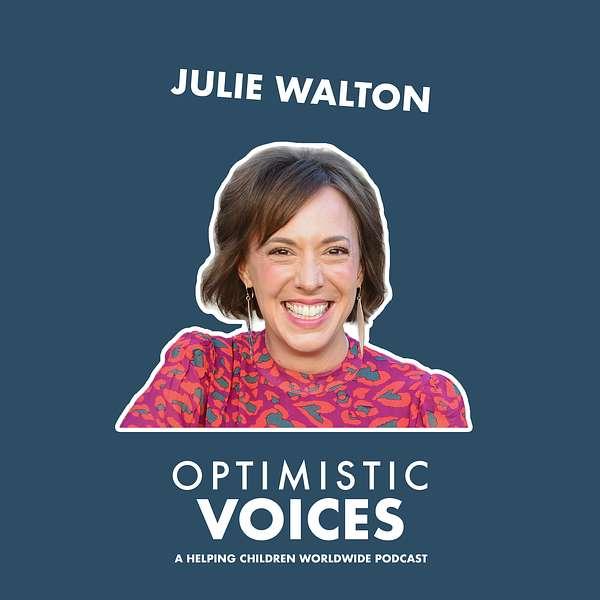
Podcast: The $4.5 Billion Disconnect Between What We Believe and Do About Orphans
In this podcast, from Helping Children Worldwide, Julie Walton, Head of Research and Learning at the Martin James Foundation, discusses what the Barna research (commissioned by Faith to Action) reveals beneath the surface. It digs into misconceptions about why children are placed in institutions, why the word “orphanage” carries emotional and spiritual weight, and why child sponsorship can feel so personal while still missing the bigger goal of family-based care.
| | | | |
Webinar Recording:Global Voices with Experience in Care
This webinar, held March 27, 2026 by the Care Leaders Council, provided an international exchange among people with lived experience in care, aimed at analyzing regulatory progress, best practices, and challenges in the transition to independent living, strengthening global networks and promoting more effective public policies.
| | | | |
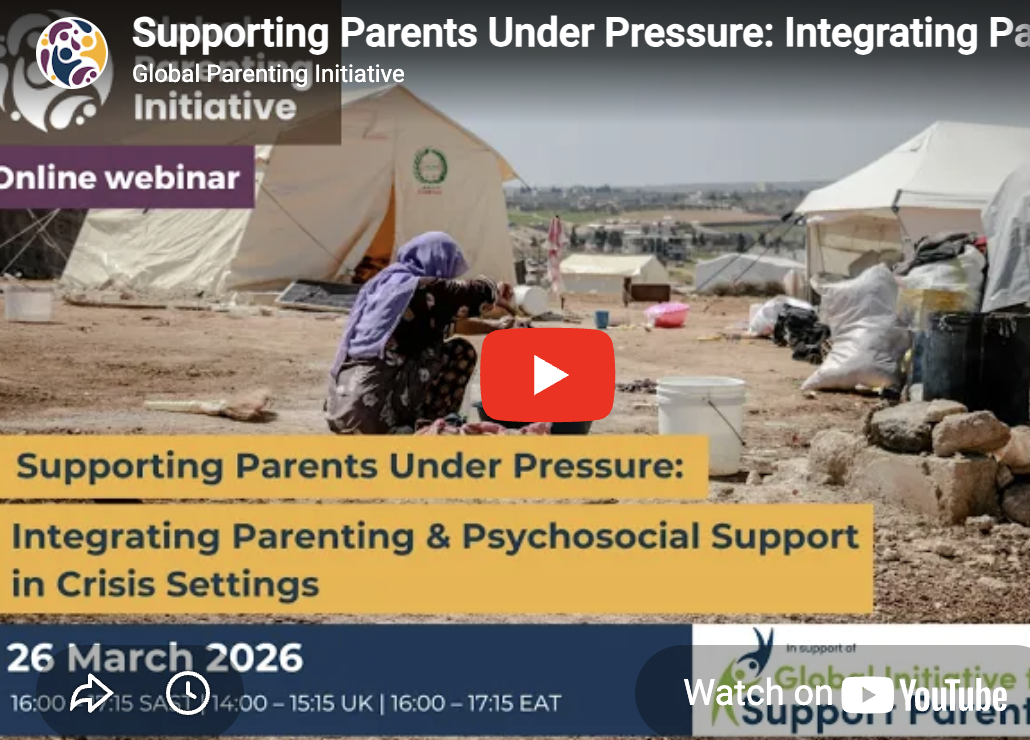
Webinar Recording: Supporting Parents Under Pressure: Integrating Parenting and Psychosocial Support in Crisis Settings
Parents living through conflict, displacement, and humanitarian crises faced extraordinary pressures that affected both their own wellbeing and their children’s development. This Global Parenting Initiative webinar brought together global and field-level perspectives to explore how parenting and psychosocial support could be better aligned within humanitarian systems.
| | |
Newsletter participants, currently 3,375 in total, work on issues related to the care and support of vulnerable children across Europe, Africa, the Middle East, Asia and the Americas. The purpose of the newsletter is to enable members to exchange information on matters of mutual concern. If you would like to share a document, raise a specific issue, request a newsletter subscription, or reach out in any other way to the Network, please send the information to us at contact@bettercarenetwork.org or visit our website at www.bettercarenetwork.org.
Thank you!
| | | | |