Health News Digest, April 2026 | | We're Speaking Out For You | |
Are In-Home Disposal Systems Enough to Stop Opioid Misuse?
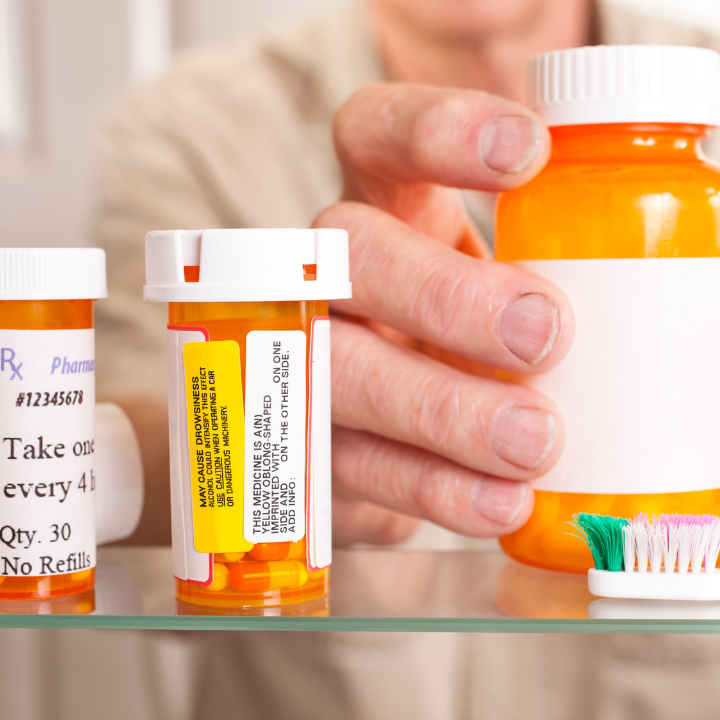
Unused prescription opioids sitting in medicine cabinets are a major source of accidental poisoning and drug misuse, but safe disposal often seems inconvenient. To address this, the FDA is once again looking for ways to improve in-home drug disposal systems. However, in our recent public comment to the FDA, we warned that focusing only on disposal products is not enough to meaningfully reduce misuse or abuse of opioids. To prevent too many unused opioids in medicine cabinets, it is essential to convince doctors to prescribe fewer pills for patients recovering from surgery or accidents. Those leftover pills are often kept in the home "just in case" rather than thrown away, but teens and others can find them there and try them or sell them.
Instead of relying on complicated or expensive at-home disposal products that patients may not use correctly, we urged the FDA to focus on solutions that are more likely to work. In addition to reducing initial prescription sizes so there are fewer leftover pills, we also recommended focusing disposal requirements on larger pill quantities and expanding proven community take-back programs. It makes more sense for a patient to flush a small number of pills than to keep them in the home where they could be misused. (Keep in mind that opioids are already in our water due to opioids in patients' urine that is also being flushed.)
Read our written comment here.
| |
Are plastic food containers safe?
We've been warning about this for years: plastic food containers leak chemicals and microplastics into your leftovers. That's why the BBC interviewed NCHR President Dr. Diana Zuckerman in its article about how plastic containers can contaminate our food.
Many people assume that if a plastic container says "microwave safe," it is perfectly fine to use for heating up food. Unfortunately, "microwave safe" only means the plastic will not melt in the microwave. It does not mean it is safe from leaking harmful chemicals into your dinner. To protect your health and avoid eating microplastics, experts strongly recommend switching to glass or ceramic containers instead. Older plastic containers that have been repeatedly washed or heated are especially likely to release toxic chemicals directly into your food. More chemicals will get in your food when plastic is used to store or warm up acidic foods like tomato sauce, or fatty foods like lasagna.
Read more in BBC and in our web article here.
| |
Can regular exercise prevent cancer and save lives after treatment?
We all know that exercise is good for your heart, but did you know it is also a powerful tool to prevent cancer? Recent research shows that staying active can significantly lower your chances of developing 13 different types of cancer, including breast and colon cancer. Exercise helps your immune system destroy abnormal cells and lowers the hormones that encourage tumors to grow. You don't need to run marathons to see these benefits. Even light activities like walking, doing household chores, or spending less time sitting can help you live longer.
The benefits don't stop at prevention. For cancer survivors, starting an exercise routine after treatment is one of the most effective ways to keep the cancer from returning and to live a longer, healthier life. A 2026 study found that survivors who did even small amounts of exercise, like brisk walking or swimming, dramatically lowered their chances of dying from the disease. Whether you have never had cancer or you just finished treatment, it is never too late to become more physically active and live longer.
Learn more in our article here.
|
Is Big Tech finally paying the price for social media addiction?
Two major verdicts may improve the safety of social media for children. In Los Angeles, a jury ordered Meta and Google to pay $6 million to one young woman for intentionally addicting her to social media. The jury found that Instagram and YouTube were deliberately designed to function like digital casinos, exploiting developing brains and causing severe childhood depression. This historic ruling has officially defined these social media apps as defective products.
In New Mexico, a jury fined Meta $375 million for allowing child predators to use Instagram and Facebook, when it became clear that the company did not use the safeguards that could have drastically reduced that.
Together, these verdicts show that the courts are finally stepping up to protect the mental health and physical health of our children. These trials could now pave the way for thousands of similar lawsuits filed by parents and school districts across the country. Additional lawsuits are important because the fines listed above are not sufficient to change the behavior of these apps, but continued verdicts will certainly result in embarrassing publicity for the companies.
Read about the two verdicts in NPR.
|
Are 'everywhere chemicals' putting newborns at risk?
Are "everywhere chemicals" in plastics putting millions of newborns at risk? A mind-boggling new study reveals that two common chemicals found in plastic and fragrances known as phthalates may cause nearly 2 million premature births and 74,000 infant deaths globally in a single year. These synthetic chemicals are "endocrine disruptors," which means they disrupt hormones. This can harm the placenta and fetus during pregnancy.
These dangerous chemicals are almost everywhere, found in food packaging, carpeting, clothes, cosmetics, and even medical tubing used in hospitals. While we can try to avoid microwaving plastics and look for "phthalate-free" products, these chemicals are so common it is impossible to completely avoid them through individual choices alone. We desperately need the Environmental Protection Agency (EPA) and health agencies to step up, implement stronger regulations, and demand safer materials to protect babies, children, and adults from these toxic chemicals.
Read more in CNN and read our article on phthalates here.
|
Did the EPA pause toxic chemical approvals to protect us, or to win over MAHA voters?
The EPA is currently delaying the approval of new uses for toxic "forever chemicals," also known as PFAS. These chemicals disrupt hormones and can cause cancer, developmental issues, and other serious diseases. The EPA was actually planning to approve these dangerous chemicals this year despite those well-known health risks. However, the agency suddenly paused the approval process.
Why the sudden change? Reports indicate this pause is not driven by scientific or medical evidence, but by intense MAHA political pressure. EPA Administrator Lee Zeldin is reportedly sitting on dozens of chemical approvals simply because he fears political backlash from the "Make America Healthy Again" movement ahead of the midterm elections. We wish this was a science-based decision to reduce toxic exposures permanently instead of a political delay for votes. We are glad that the public will be safer in the meantime, but it is likely only temporary.
Read more in The Washington Post.
| | |
Check us out!
Did you know that artificial turf, rubber playground surfaces, and rubber mulch contain chemicals that can cause attention problems, obesity, early puberty, asthma, and cancer? And what about pollution caused by enormous data centers being built in your community to support AI? Are your children or grandchildren getting exposed when they play? Follow us @safe.to.play
| |
| Our main Instagram account and Threads provide free information about new medical research, programs, and policies to help health experts, patients, and the public improve the health of individuals and communities. Follow us @healthresearch4u | | | Connect With Us on Our Other Social Media! | | Your Contribution Can Make a Difference! | | We do not accept any funding from drug companies, device companies, chemical companies, or other sources that could influence our work and compromise our integrity. That's why so many people turn to us when they need help. Donations are tax-deductible! Please consider giving to the National Center for Health Research online or by mail to the address below. You can also contribute to our Cancer Prevention and Treatment Fund online, by mail, or through the Combined Federal Campaign using CFC# 11967. | |
To sign up for these monthly updates, click here.
| | | | |