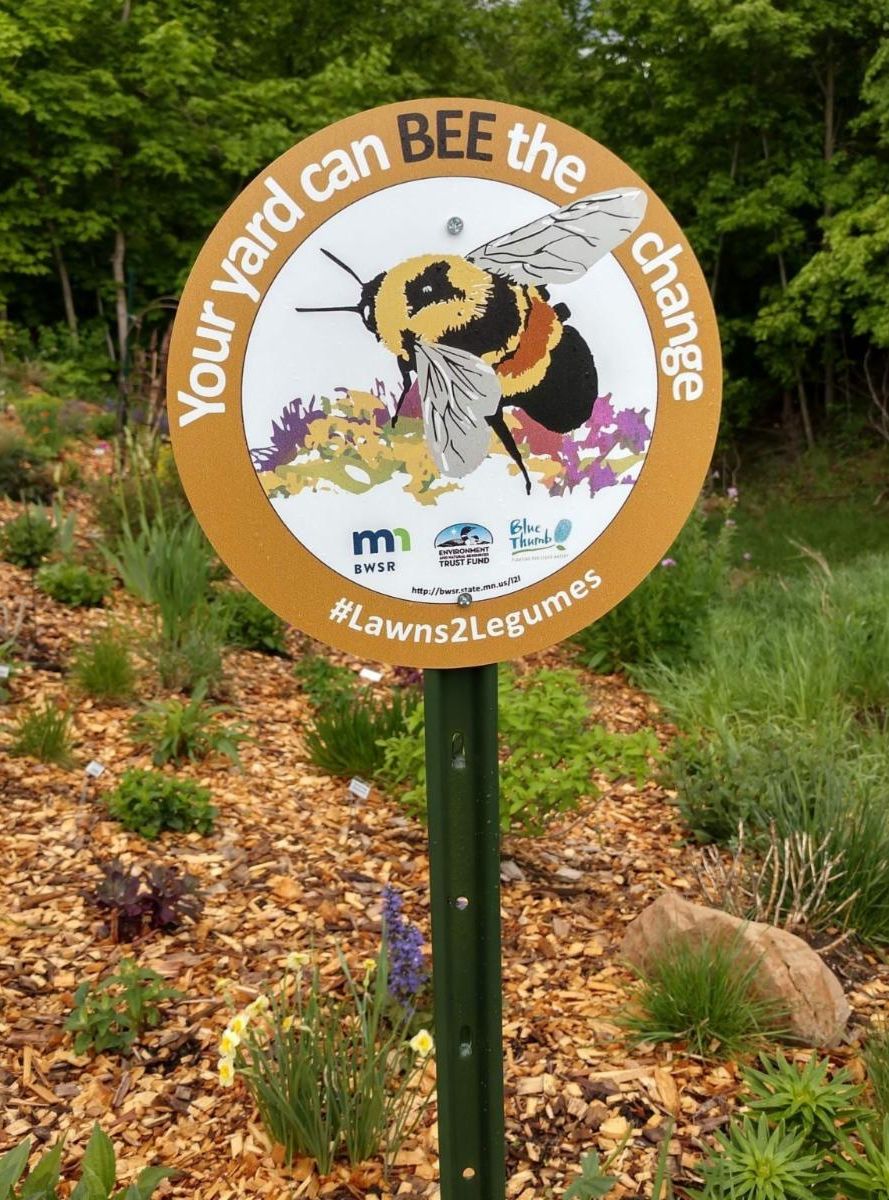
Graphic bumble bee on flowers
LAWNS TO LEGUMES
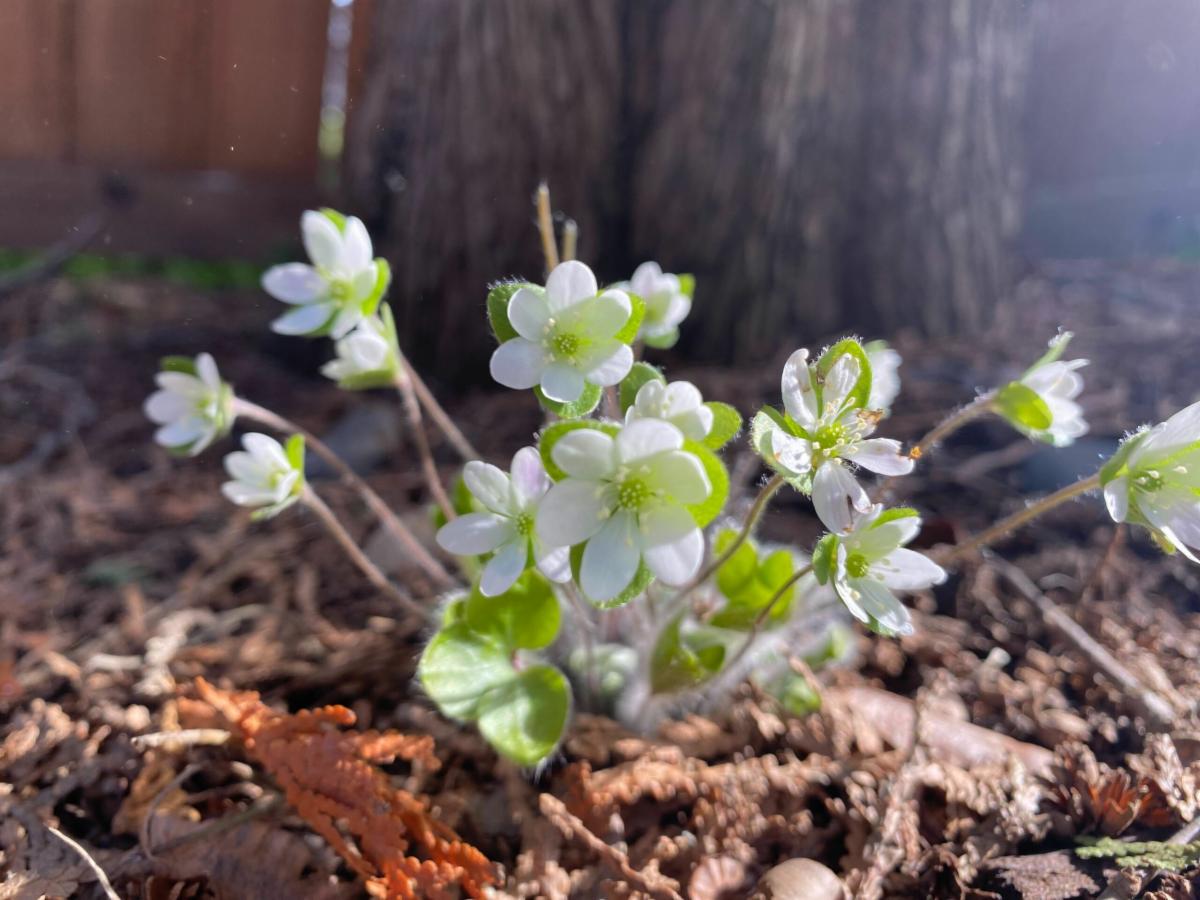
Plant with white flowers called hepatica in front of fence

Hello,


When should you start gardening activity? For new projects, wait to start planting until soil temperatures rise to 50 degrees (or when you can see dandelions start to flower.) April is a good time to start preparing your site if you have sod or invasive species you want to remove.


  • Check out this blog post for more advice on pollinator garden creation and care in the springtime!

Track Your Plans and Purchases

Need help staying organized? This downloadable spreadsheet helps you track your pollinator habitat project expenses and time. The tracker also has a section for recording the plants you want to incorporate in your project, including bloom time, light requirements, and more. Don't forget to follow the Eligible Expenses Guide and save your receipts!

Where to Find Native Plants

Now is the time to plan where to get native plants for your Lawns to Legumes project. Here's where to look:


  • Minnesota has many native plant nurseries and retailers. We recommend sourcing your native plants and seeds from within ~200 miles of your project location to the extent possible. If you don't have a native plants retailer near you, there are some great nurseries in the state that offer shipping on online orders! Check out our Native Plant Nurseries and Retailers List.


  • Native plant sales will be taking place soon, and many pre-order periods have already started. We’ve put together a list of upcoming native plant sales in the Twin Cities Metro and throughout Minnesota.


  • Your local Soil and Water Conservation District (SWCD) may sell native plants and trees to residents, and some offer native garden kits. Check out your local SWCD website for more details.


  • Wherever you shop, be sure to ask for native plants that are insecticide- and neonicotinoid-free. Plants raised with these chemicals can be harmful to bees. Use these tips for avoiding cultivars, nativars, and hybrids, which are not reimbursable.


Partner Resource: Presto Plant Finder

Prairie Restorations' new native plant selection tool instantly generates a custom species list for your project based on your site conditions. Presto uses your precise geographic location to determine if a native species was historically present in your area! Go through the prompts with your site information, receive a custom, ranked native species list, and restore your habitat with confidence!

Join The Hive

Connect with fellow grantees and coaches on our online community forum, The Hive! This is a place for you to ask questions for coaches and staff, get program updates, and get to know other Lawns to Legumes participants. 

Important Links and Resources

Need help? Here's where to go:


  • Our Grantee Guide page has links to everything you need, including introductory webinar recordings. Start here.


  • Our Resources page has plant lists, design templates, and more!


  • Our Plan a Project page is a step-by-step guide to completing a pollinator project.


Let's Connect


Have questions about your grant? Need an extension? Email the L2L Helpline at l2lhelp@bluethumb.org.


Follow Blue Thumb on Facebook or Instagram for seasonal tips on planting for pollinators and clean water.


Thank you for bee-ing a part of the change!


-The L2L Team

www.bluethumb.org


social: @bluethumbmn


Blue Thumb–Planting for Clean Water manages individual support grants for Lawns to Legumes, a state-funded Minnesota Board of Water and Soil Resources program. Blue Thumb is a partnership of local government, landscape contractors, native plant nurseries and other entities committed to the promotion of native plantings, rain gardens, and shoreline plantings. It is the education program of Metro Blooms, a 501c3 non-profit organization.