As we step into April, a month dedicated to honouring our planet, we embrace the spirit of renewal, resilience, and responsibility towards Mother Earth. This is a time to reflect on our environmental impact and the strides we can make toward a sustainable future. With Earth Day on April 22nd, we celebrate our commitment to conservation and the vital actions needed to protect our natural world.


In this edition of the Net Zero Times, we spotlight innovative solutions and community initiatives driving the transition to a low-carbon economy. We delve into the inspiring efforts of youth-led marine protection projects, highlight Indigenous-led energy initiatives, and explore strategies for effective waste diversion aligned with ESG principles. 


-  Ontario Electricity Prices: This article discusses the unpredictable nature of electricity costs in Ontario, emphasizing the importance of grid resilience and energy conservation for large building owners. As costs rise, adapting strategies for energy management becomes crucial for maintaining budget control.


-  The Vital Role of Trees: Trees are highlighted not only for their beauty but also for their significant contributions to wellness, sustainability, and modern architecture. The article explores how urban environments can benefit from integrating trees into design, promoting both ecological balance and human health.


-  Clean Heat Program: Launched collaboratively by AstraZeneca, Secaro, and ERM, this program aims to bridge gaps in heat decarbonization across global supply chains. It emphasizes the need for suppliers to align with net-zero pathways to remain competitive amid increasing regulatory scrutiny.


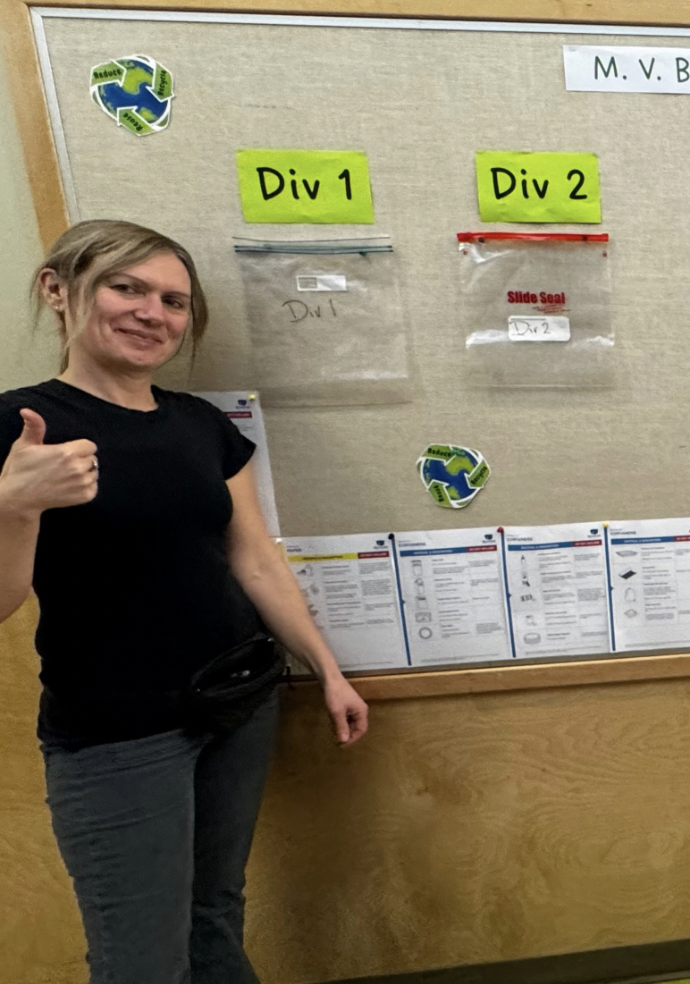
-  M.V. Beattie Recycling Program: The positive impact of the school’s recycling initiative is celebrated, showcasing the leadership of school secretary Dani Hickman, who has been instrumental in achieving a 100% success rate during the recent Garbage Challenge.


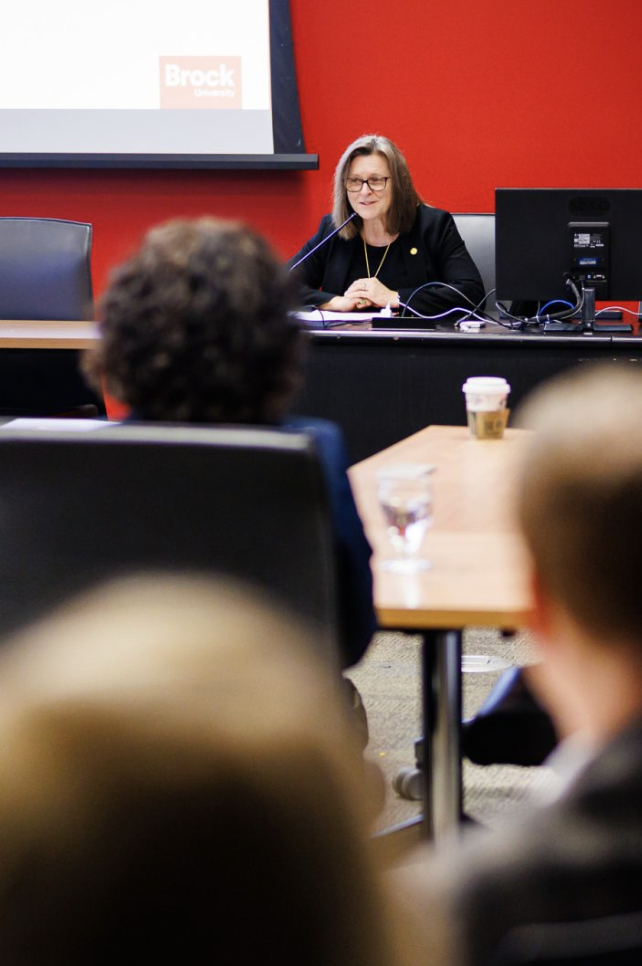
-  Brock University Sustainability Consultation: The article covers a consultation at Brock University that brought together various stakeholders to discuss local actions in sustainability planning, reinforcing the importance of community engagement in federal environmental priorities.


- Haleon Health Literacy Program: Haleon's initiative aims to improve health literacy for 300 million people by 2030, focusing on enhancing access to health information and products in underserved communities as a pathway to better health outcomes.


-  Sustainable Properties in Toronto: An overview of how sustainable architecture has evolved in Toronto, with a focus on green roofs and other strategies that reflect the city’s commitment to climate-conscious building practices.


We invite you to share your love for protecting nature and reducing carbon in your buildings. Drop us a note at mcresswell@thomascoleinc.com.


Remember, "The Earth does not belong to us; we belong to the Earth." — Marlee Matlin.


Let’s make our impact a positive one. 


Ontario Electricity Prices Are Not Just Rising. They're Becoming Unpredictable.


Written by Josh Lewis, Chief Technical Engineer, NERVA Energy.


Why grid resilience and energy conservation are now a leadership priority for large building owners.


For decades, electricity in Ontario behaved like a predictable utility expense. Owners and operators could budget using historical averages, assume relatively stable pricing, and treat electricity as a manageable line item within annual operating costs.


That era is ending.


The Vital Role of Trees in Wellness, Sustainability, and Modern Architecture


Written by Marie Cresswell, Editor Net Zero Times 


Trees have long been admired for their beauty and majesty, but their contributions extend far beyond aesthetics. In our increasingly urbanized world, the impact of trees on wellness, sustainability, and modern architecture is becoming increasingly recognized. This article explores these interconnections and highlights the transformative power of trees in contemporary society.


How The Clean Heat Program Will Accelerate Decarbonisation


Launched by AstraZeneca, Secaro and ERM, the Clean Heat Program aims to close critical gaps in heat decarbonisation across global supply chains.


As the EU’s Carbon Border Adjustment Mechanism (CBAM) and new SEC disclosure rules intensify scrutiny, suppliers that fail to align with buyers’ net zero pathways risk losing contracts. This is where decarbonisation of industrial heat comes into the spotlight as a key factor in maintaining competitiveness and safeguarding against regulatory and financial risks.


M.V. Beattie Recycling Program


M.V. Beattie Elementary’s custodial team, Sarah Maier and Sue Stills, are thrilled with the positive impact of the school’s recycling program, an initiative that has recently reached an impressive milestone.


At the heart of the two‑week Garbage Challenge’s 100% success rate is school secretary Dani Hickman, whose leadership has made her the school’s recycling champion.


Brock hosts consultation to shape future of sustainability planning in Canada


Brock University welcomed prominent Niagara voices to campus last week for a collaborative conversation about the important role of local action in advancing federal sustainability priorities.


The Environment and Climate Change Canada (ECCC) consultation brought together government officials, community partners and Brock senior administration, faculty, staff and students.


Haleon: Empowering Communities with Health Literacy


Haleon launches global health literacy programme to help 300 million people access better everyday health information and products by 2030.


This target will be supported by an enhanced focus on championing health literacy as the gateway to better health, alongside increasing access to everyday healthcare products in underserved communities.


The Globe and Mail:

Toronto architects spotlight sustainable properties


In “Toronto architects spotlight sustainable properties,” Barbara Balfour traces the evolution of strategies such as green roofs—from once radical experiments to more standard practice across the city—reflecting the City of Toronto’s commitment to building with climate in mind. 


🌟Shely Kagan🌟


 Brandon Watson/Western Sustainability


For Shely Kagan, sustainability starts with small actions that make it easier for students to change their habits.  


A fourth-year medical and computer sciences student and coordinator with EnviroUSC, Kagan helped launch Coat Cycle, a new campus initiative that collects used lab coats, cleans, repairs and redistributes them to students who need them. 


The program was inspired by Kagan’s own experience noticing racks of unbought lab coats in thrift stores while some students struggled to access the equipment they needed. With support from the Western Sustainability Impact Fund and the University Students’ Council, she helped develop the program from concept to implementation, identifying drop-off locations and preparing the first bins across campus. 


“We want sustainability to feel accessible,” said Kagan. “If you give people opportunities to learn and participate in a fun way where they get something out of it, they start changing their habits without even noticing.”


Kagan has also helped organize a series of clothing swap events through EnviroUSC, diverting more than 350 pounds of clothing from landfill while raising $850 for Anova, a London-based organization supporting women and families experiencing violence. 


For Kagan, student leadership plays a key role in shaping a more sustainable future. 


“We’re the future,” she said. “The habits we build on campus now will carry into our communities, our careers and our families. Small changes can slowly shift society in a better direction.” 


Source: news.westernu.ca


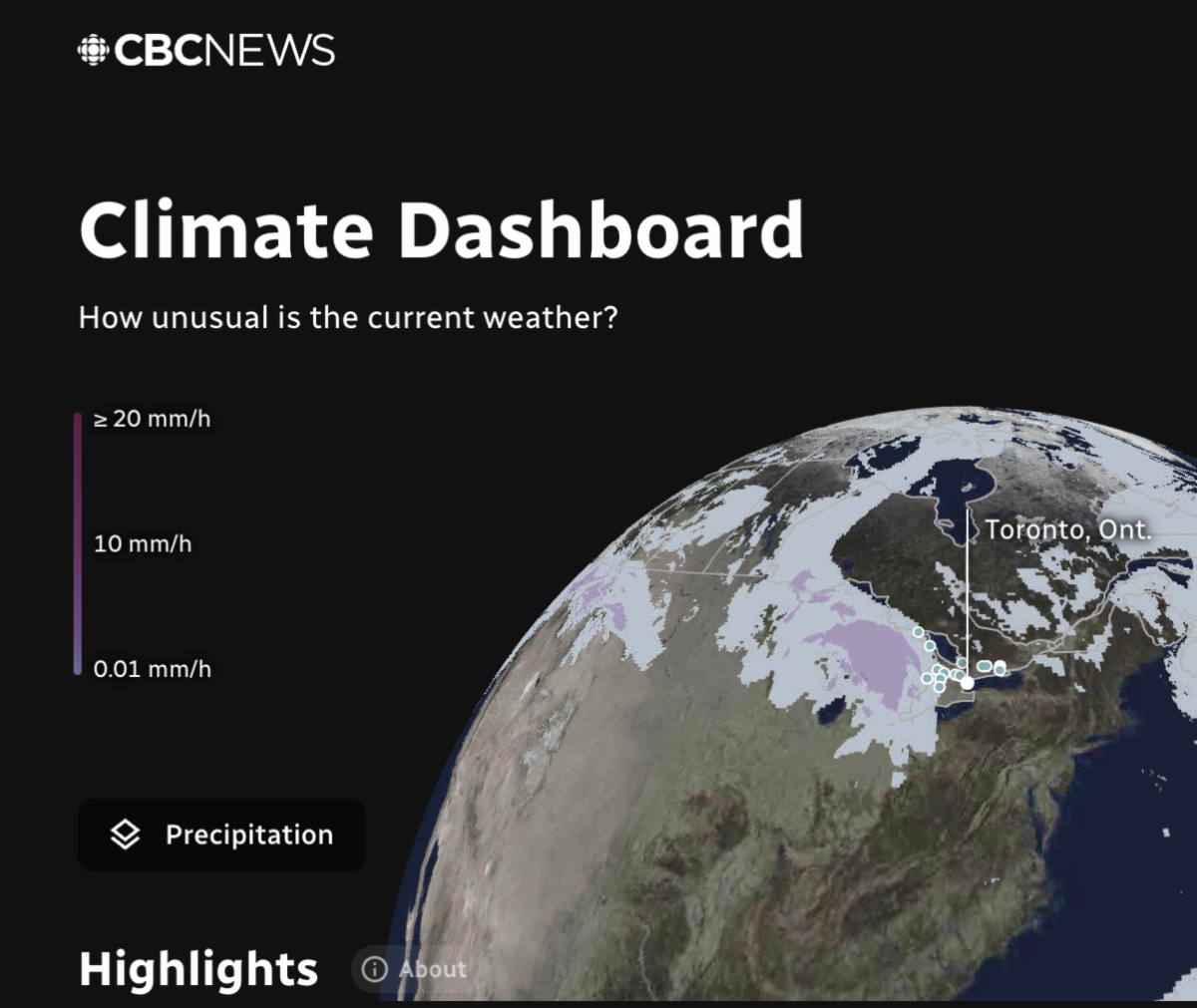
Climate Dashboard


The data for the Climate Dashboard comes from the Meteorological Service of Canada (MSC). We display weather information for 486 locations in real time.

Composting project in Cowessess First Nation promotes sustainability


A new project on Cowessess First Nation is taking the food cycle full circle by taking food waste in the community and rapidly composting it.

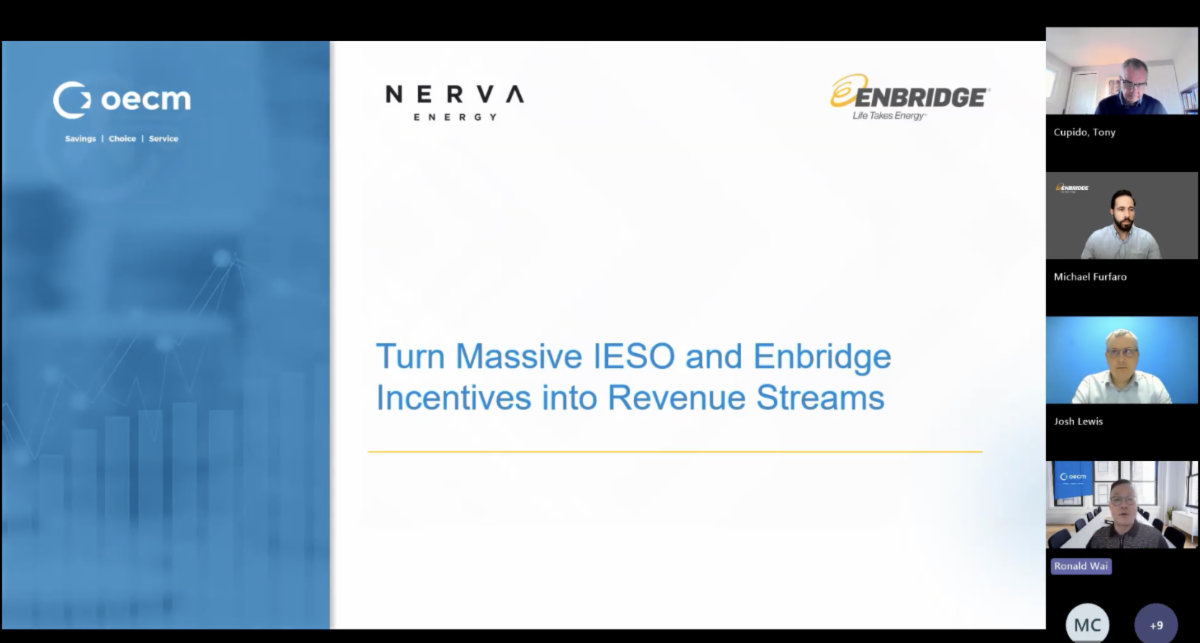
Turn Massive IESO & Enbridge Incentives into New Revenue Streams


Nerva Energy Group Inc. and Ontario Education Collaborative Marketplace shares an insightful 60-minute recorded webinar session that can unlock millions in operational savings for your facility. 


Cost-Benefit Analysis of Comprehensive Recycling Programs


As businesses increasingly prioritize sustainability, many are exploring ways to reduce waste and minimize their environmental footprint. While the benefits of recycling are clear, some businesses hesitate to adopt comprehensive recycling programs due to concerns about costs. However, a detailed cost-benefit analysis often reveals that the long-term financial savings and operational efficiencies outweigh the initial investments.


In this blog, we’ll explore how comprehensive recycling programs not only help businesses meet their sustainability goals but also deliver measurable cost savings. From reducing waste disposal costs to improving brand reputation, recycling programs offer significant benefits that impact the bottom line.


2026 Limited-time offers: Controls enhanced offer


Customer Incentive:

  • $1.20/m3
  • Up to 75 percent of upgrade costs, to a maximum of $100,000/project
  • Eligibility:
  • Purchase orders for your controls project must be dated and submitted to Enbridge before July 1, 2026
  • For educational customers, purchase orders for your controls project must be dated and submitted to Enbridge before Sept. 1, 2026
  • Project must be commissioned before Nov. 1, 2026


Eligible projects must add energy-efficient controls to heating equipment or additional functionality to existing control system. 


Projects must involve equipment upgrade costs rather than repairs or replacement.


If you have an interesting story that you would like to share please contact: mcresswell@thomascoleinc.com