|
The 7 QI Skills
We shared this article several years ago, and in reviewing the archives, we thought it was worth bringing back! Many early childhood programs, including EFC's, support the notion of “whole child development.” This article has a great way of labeling the many skills that fall outside of the academic arena but are crucial to both intellectual and social/emotional development. Learn more below!
The following is an excerpt from the article Ready for Success: Quality Care, School-Readiness, and the Skills Young Children Need to Succeed published by Community Playthings. It discusses important school readiness skills that are a complement to the IQ skills traditionally used to measure school readiness. You can read the full article here.
-------------------------------------------------
When intentionally cultivated in the early childhood setting, the following seven skills define quality care and need to be added to our school-readiness checklists:
ME Skills: The first of the QI Skills are ME Skills, which are defined by self-awareness, self-control, and impulse control, along with focus and attention. One of the most important things to understand about ME Skills is that the ability to be in control of one’s thoughts, feelings, and actions takes time to develop. While ME Skills such as impulse control can and should be encouraged during toddlerhood and can be practiced through such simple activities as playing games, taking turns, and reading aloud (all which require quite a bit of attention and self-control), keep in mind that young children don’t typically start to show significant signs of progress until between the ages of 3 and 5 years.
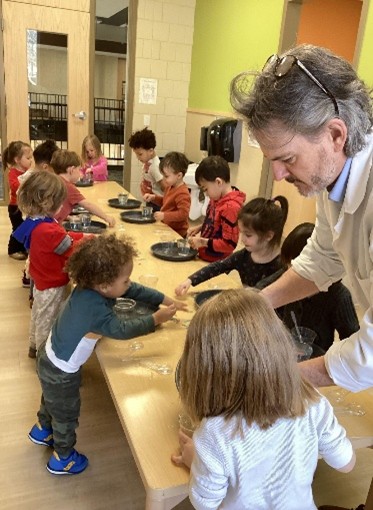
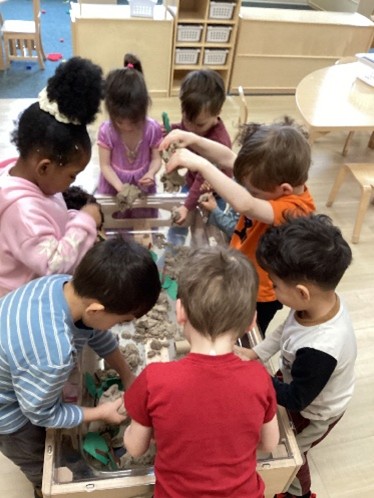
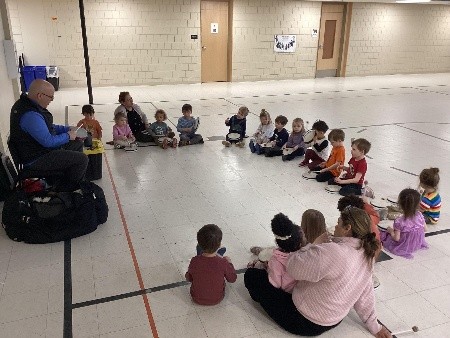
WE Skills: WE Skills are the skills needed to play well with others. They include communication, collaboration, and teamwork, along with empathy and active listening. These skills are best learned through social interactions, both with adults and with other children. Everyday activities such as making a point to name and discuss the emotions of characters in books helps children develop an emotional vocabulary and learn the valuable skill of learning to read not just books, but other people.
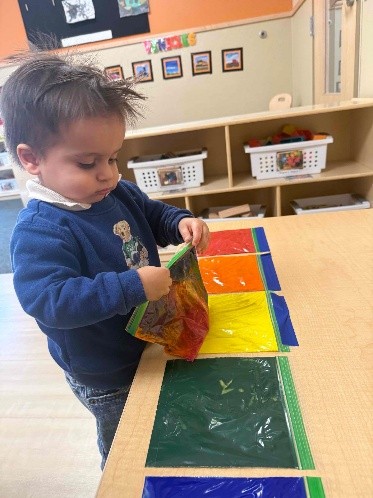
WHY Skills: Curiosity and questioning serve to define the WHY Skills. While encouraging young children to ask lots of questions—not just why, but all sorts of questions—can admittedly be a bit challenging when you’re busy or at the end of a long day, it helps to remember that WHY Skills are what help children figure out and understand how the world works.
WILL Skills: WILL Skills are those skills that involve self-motivation and drive, and are often described as having “stick-with-it” or “get-the-job-done” attitudes. When it comes to young children, helping develop WILL Skills in part involves giving them words of encouragement and adequate time to practice and ultimately master a skill before swooping in to help. It also involves realizing that motivating children to do something through the constant use of rewards, whether in the form of stickers or sweets and treats, is not the same thing as self-motivation and has been shown, in fact, to potentially backfire and actually impair WILL Skill development.
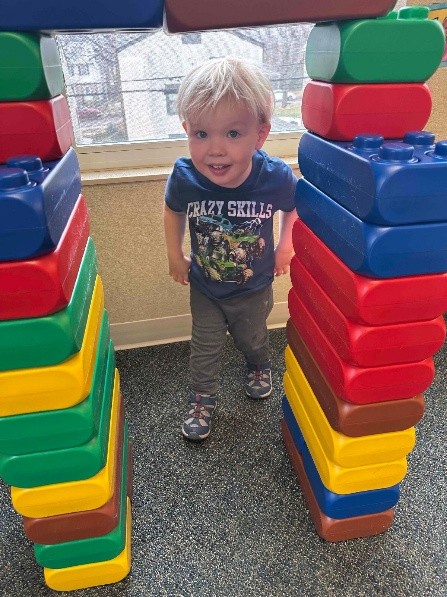
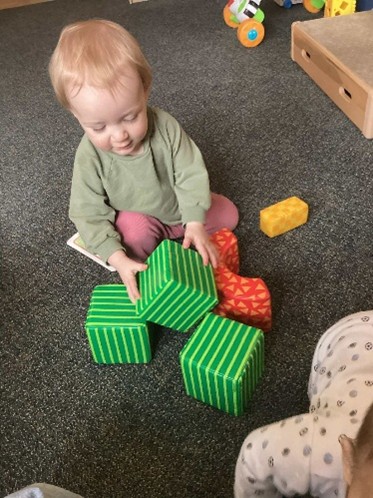
WIGGLE Skills: While you may not be accustomed to thinking of wiggling as a skill, the important thing to understand about it is that physical and intellectual restlessness go hand in hand. While we all learn about the world by physically interacting with it, this is especially true for infants and young children. While there are certainly times when it is appropriate to strap young children in (e.g. in a car seat while driving) or have them practice sitting still, expecting them to always look but don’t touch is not only unrealistic, but stands to limit their learning. What young children really need is plenty of wiggle room in which they can safely explore, poke, touch, prod, and learn about the world.
WOBBLE Skills: Defined by adaptability, agility, and the ability to recover from failure, cultivating WOBBLE Skills involves creating safe settings and environments in which children are allowed to fail, and then are encouraged to brush themselves off, get right back up, and try again. From a practical standpoint, this amounts to such simple everyday approaches as allowing toddlers to topple, resisting the urge to say “don’t run” simply for fear that a preschooler might fall, or helping young children problem solve when they run into obstacles rather than coming to their rescue by providing quick and easy solutions.
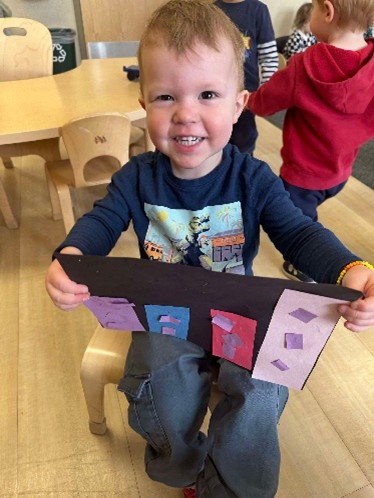
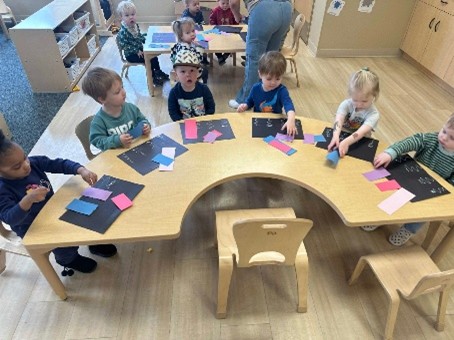
WHAT IF Skills: WHAT IF Skills are highly valued in today’s world, and represent the culmination of all of the QI Skills. They include creativity, innovation, and imagination, as well as hope. There are lots of creative activities that help foster WHAT IF Skills, from reading books and telling stories to drawing pictures and make-believe play. That said, it’s also worth remembering that young children naturally excel at being creative and imagining a world of possibilities. That means that our role in cultivating QI Skills doesn’t just involve teaching them, but rather realizing that there’s more than one way to do things and making sure we don’t train the creativity and imagination out of them.
|