|
Moving the Ranger Shack to Higher Ground
On Coatue, climate change isn't a future problem- it's a present one
| |
|
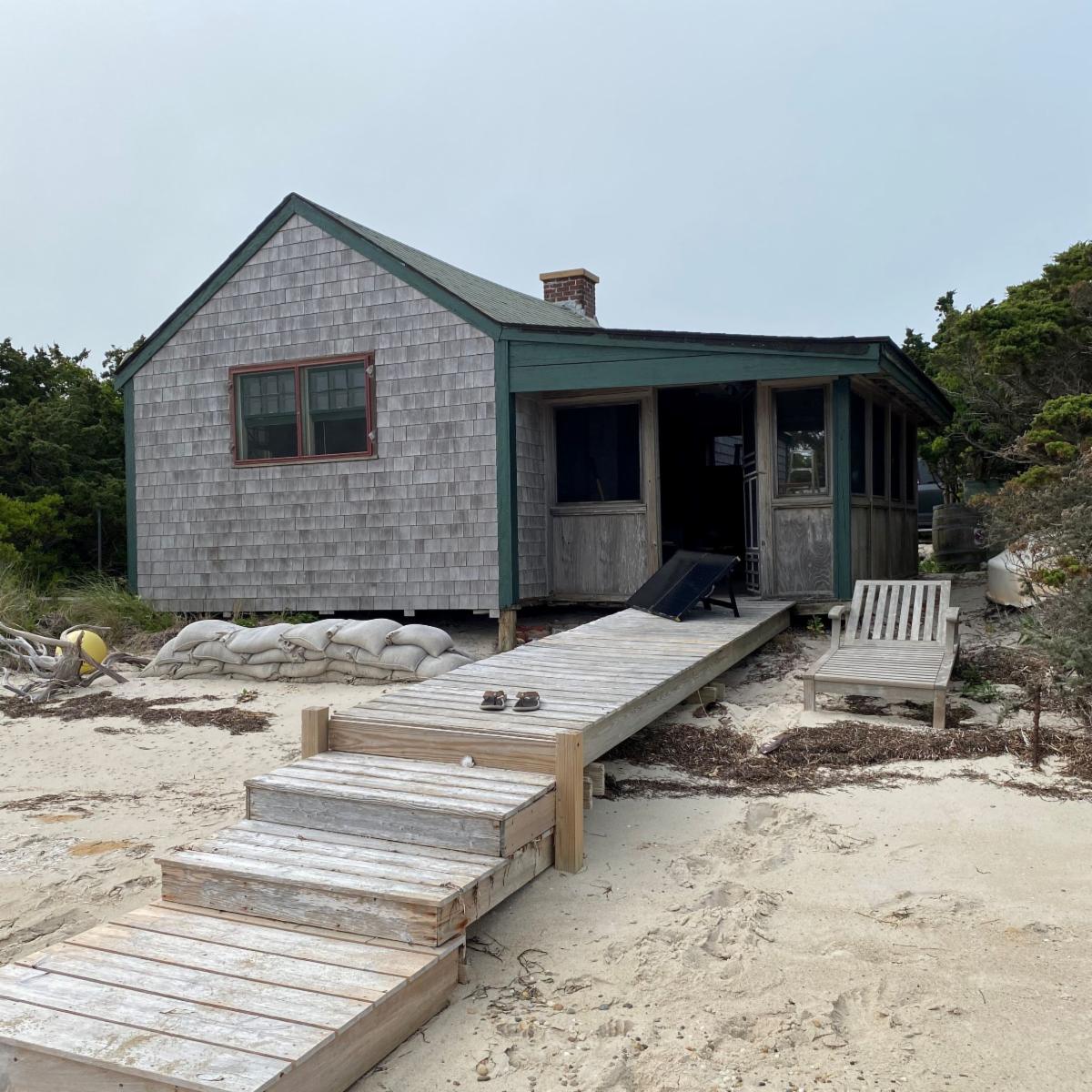
The ranger shack on Coatue has stood at the edge of Bass Point for decades. It's a modest building that serves as home base for the seasonal ranger who lives and works there through the summer. That presence is what makes shorebird protection possible and keeps the refuge open and accessible for everyone who visits. For over a decade, it has flooded during storms. In recent years, the water has been reaching the stairs at normal high tide.
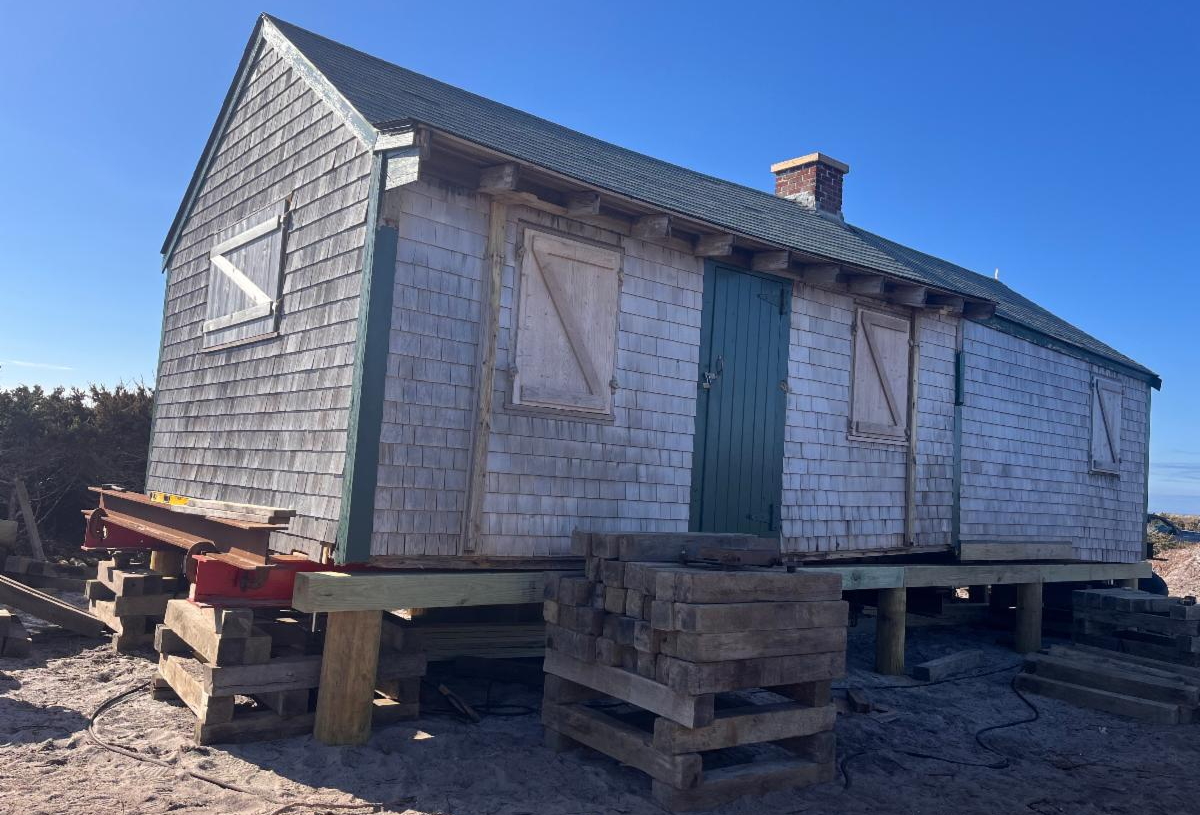
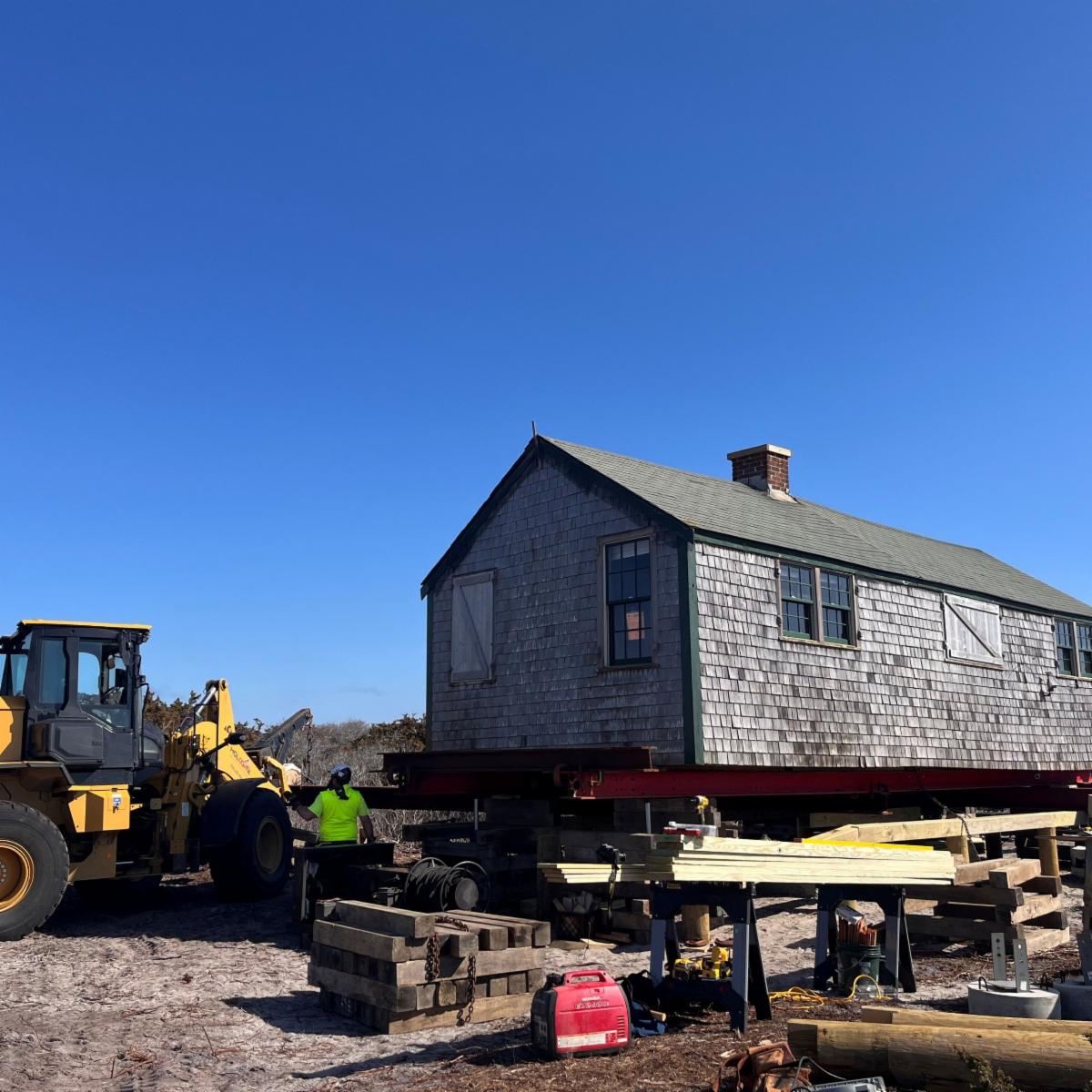
"Between the erosion and the flooding, it had reached a point where it threatened the integrity of the building," said Greg St. Aubin, NCF Facilities Manager, who planned and oversaw the move. So this past winter, our team moved it approximately 100 feet to the north, to higher ground. The move protects the nesting shorebirds that depend on Coatue, supports the coastal resilience work that will define this island's future, and ensures that one of Nantucket's most iconic destinations stays open for summer drives across the sand.
"In this case, we're fortunate that we can retreat," said NCF President and CEO Cormac Collier. "Not every part of Coatue has that option. The salt marshes along the reservation face permanent inundation if sea level rise continues on its current trajectory. The shack move is one response to a challenge that will define conservation work on this island for a long time to come."
| | The Coatue Ranger Shack prior to being moved with sandbags to lessen flood damage. | | Moving the Coatue Ranger Shack was a multi-day process, seen here mid-move. | | |
Protecting Nantucket's Night Sky
Why dark skies are part of our conservation mission
| | |
Next week is International Dark Sky Week, a global celebration of the night sky and a reminder that darkness matters for wildlife, for human health, and for the communities that depend on both. On Nantucket, that reminder hits close to home. The wildlife that depends on our 9,000 acres of conservation land doesn't clock out at sunset. Birds, bats, pollinating insects, and marine life are all affected by light pollution in ways that are easy to overlook precisely because they happen after dark.
This is an issue NCF takes seriously across everything we do. From our staff housing across the island to the Milestone Center, our new home for NCF staff and research, every lighting decision we make is guided by dark skies principles. We are actively working to update all of our properties to meet these standards, and the Milestone Center will be built to meet them from the ground up. For us, protecting Nantucket's night sky is as much a part of our conservation mission as anything we do in daylight. Thirty miles out to sea, Nantucket's dark skies are a rare and defining part of what makes this island special. That is worth protecting.
Join us next week for a stargazing event at Altar Rock and experience for yourself why this work matters. Details in the events section below.
| |
"We applaud NCF's commitment to doing everything they can to protect wildlife, minimize the amount of light seen from afar, and avoid brightening the night sky. We stand ready to help them do that."
- Gail Walker, Nantucket Dark Skies Initiative
| | |
From the Field
A look at what's happening across our 9,000 acres this month
| |
|
Shorebirds Are Back
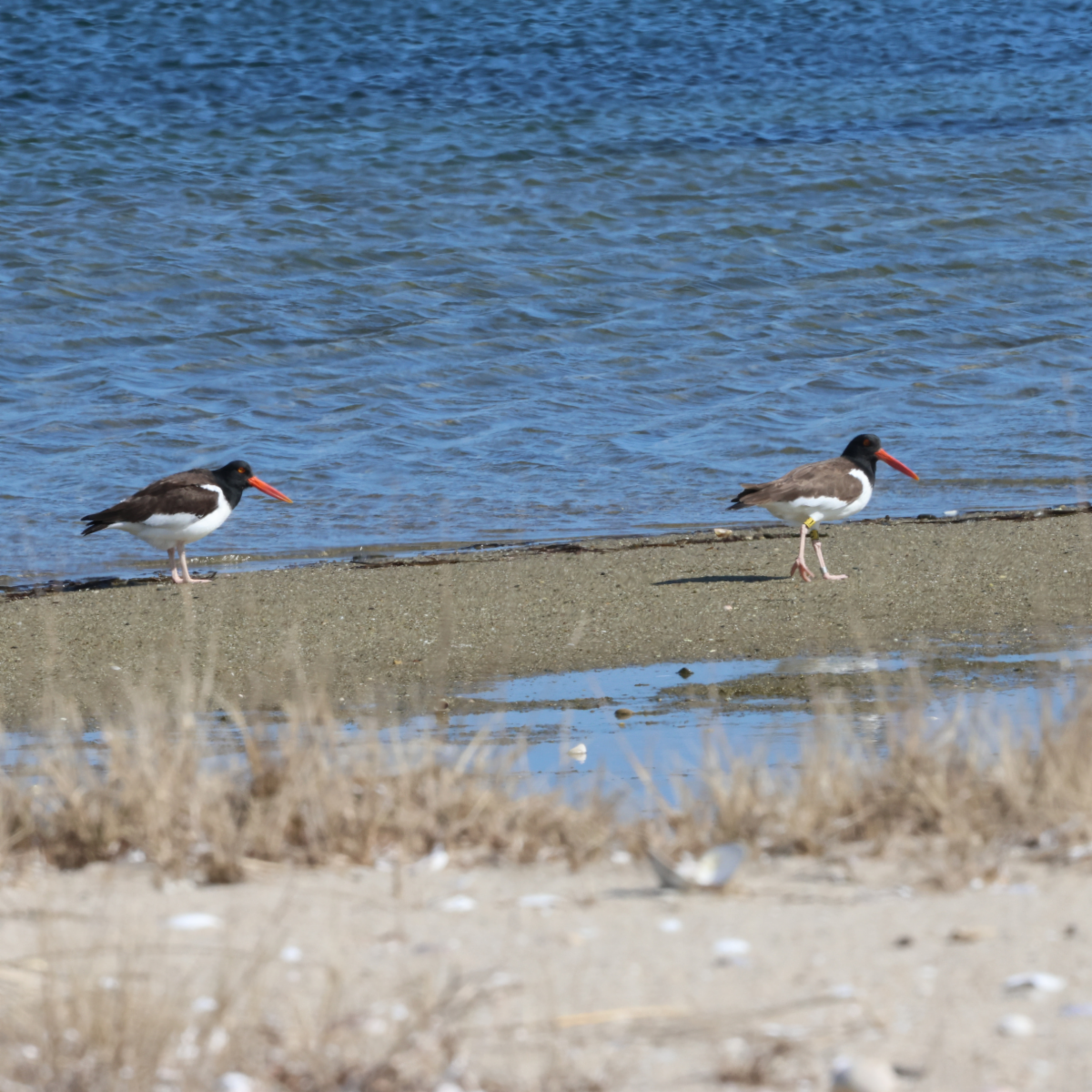
Piping Plovers and American Oystercatchers have returned to Eel Point and Coatue, and nest monitoring is underway for the season.
Because these birds nest on the ground steps from the waterline, protecting and roping off nesting areas is what gives the eggs (and the fledglings that follow) a fighting chance.
Keeping them here takes active, hands-on work every single season. Their return is a sign that Nantucket's coastline is healthy.
| |
Winter Mowing Wraps Up
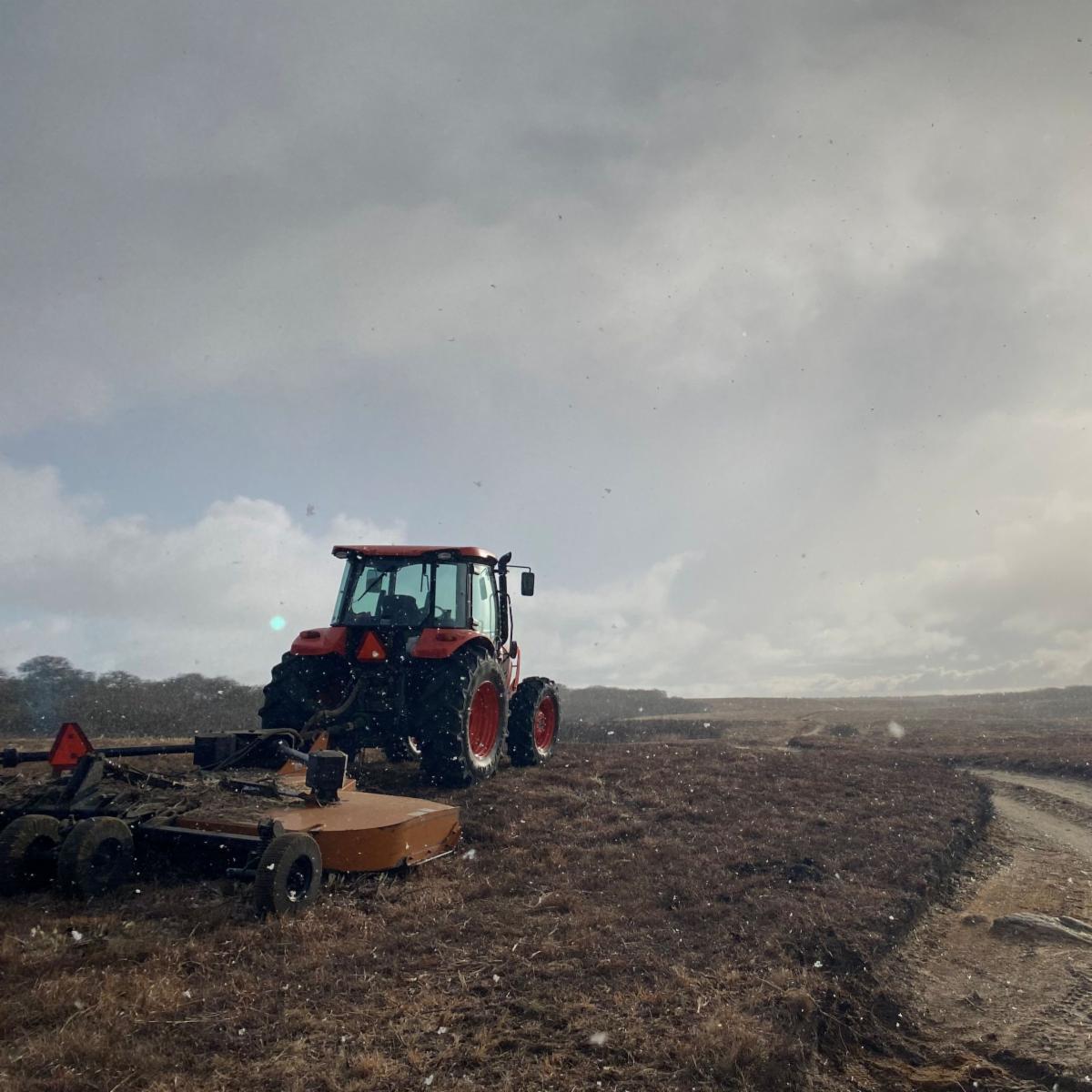
In late winter, our land management team moves across our properties for mowing and maintaining firebreaks. The work keeps Nantucket's landscapes diverse, and diversity is what makes them stable and resilient. It means more wildflowers, more birds, and more insects come spring.
And the firebreaks our team maintains through this work are what stand between this island and the devastation a wildfire could bring to our homes and our community. The result is a healthier, more beautiful landscape for all of us to enjoy.
| |
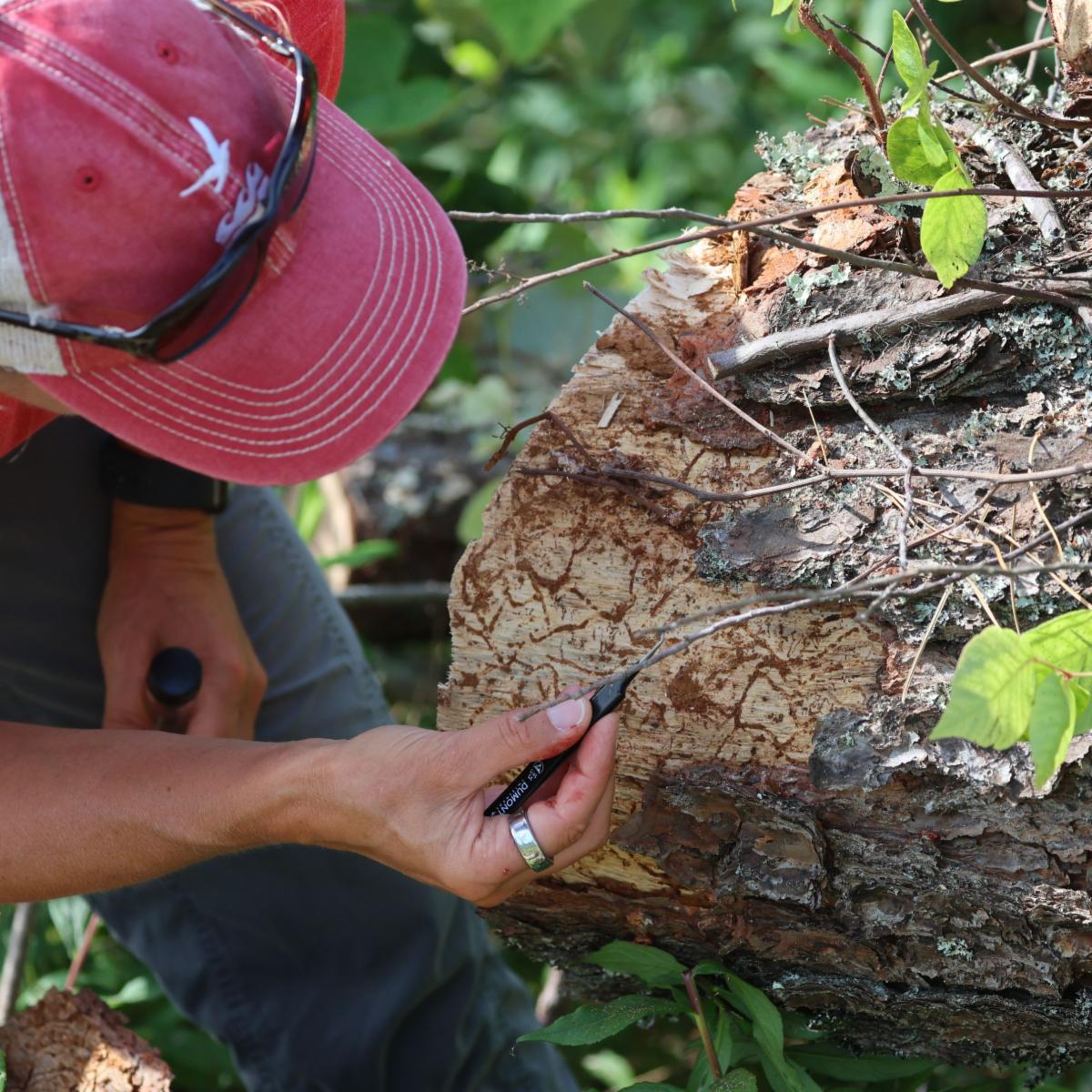
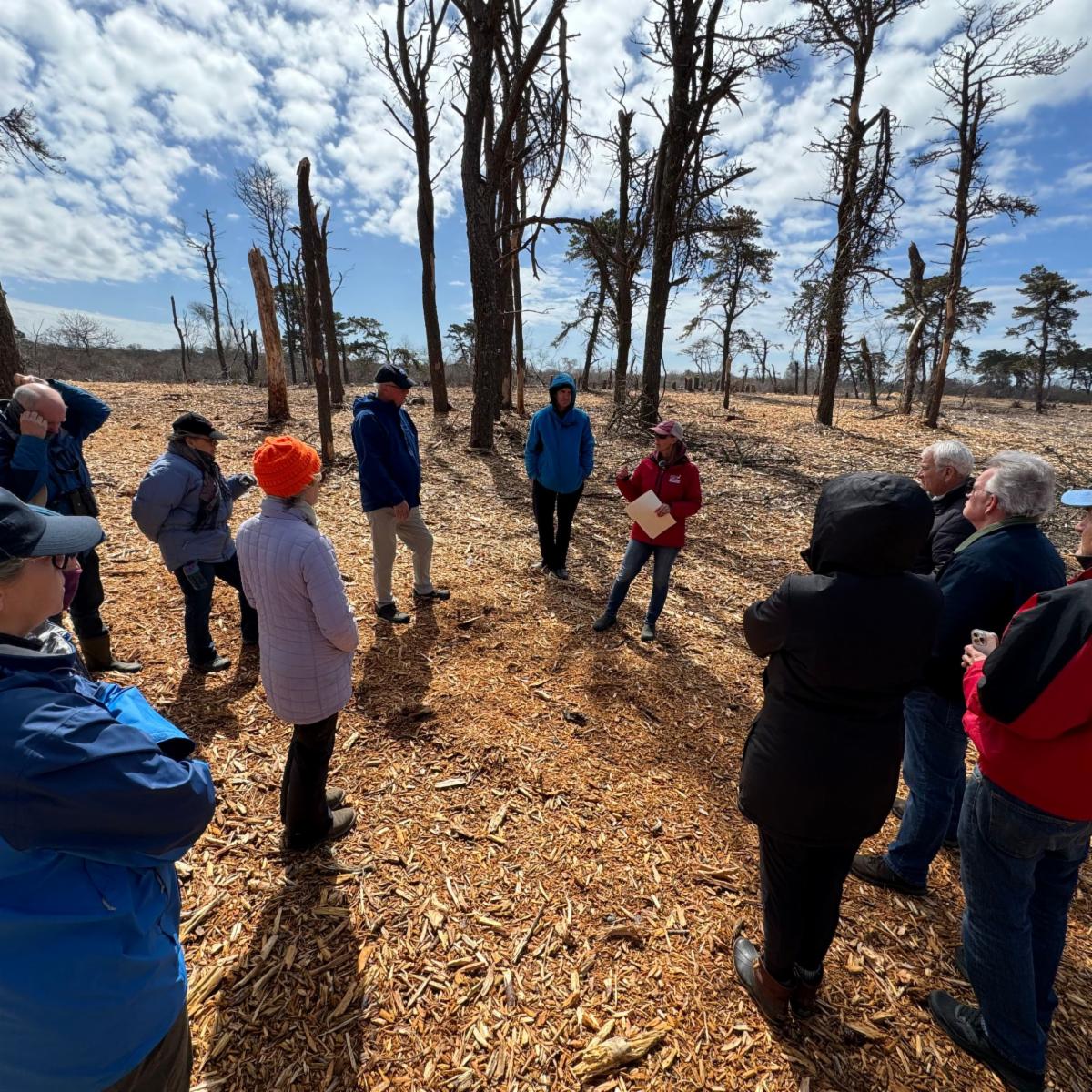
Removing Invasive Pines
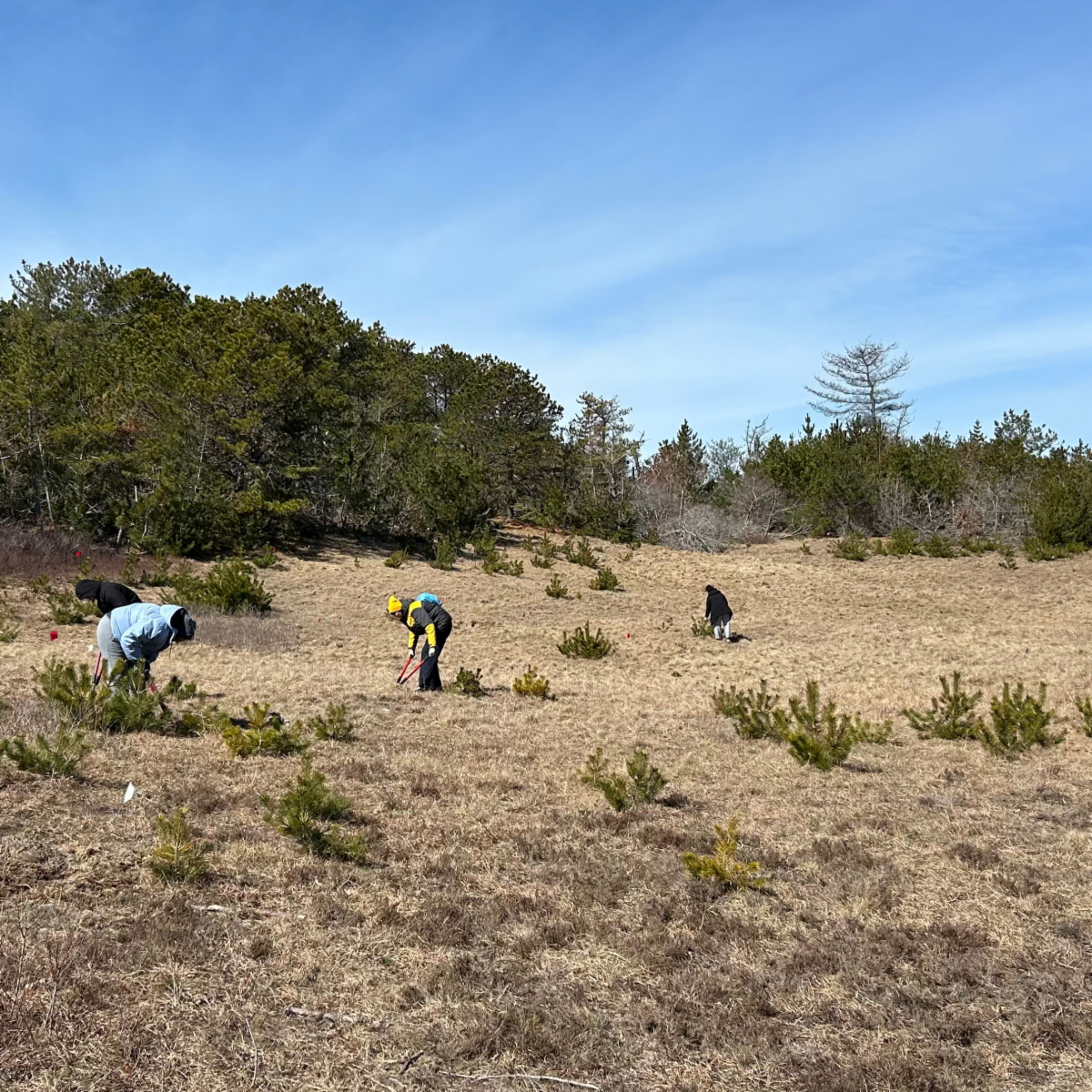
Restoration Ecology Project Manager Coleman Miller is leading the charge this season to remove Japanese black pine across our properties.
Non-native and invasive on Nantucket, it crowds out the plants and wildlife that belong here. Left unchecked, it quietly reshapes the island's landscape into something unrecognizable.
By clearing it, we are giving Nantucket's native habitats room to thrive and keeping the island looking like the place we know and love.
| |
The Eels Are On Their Way
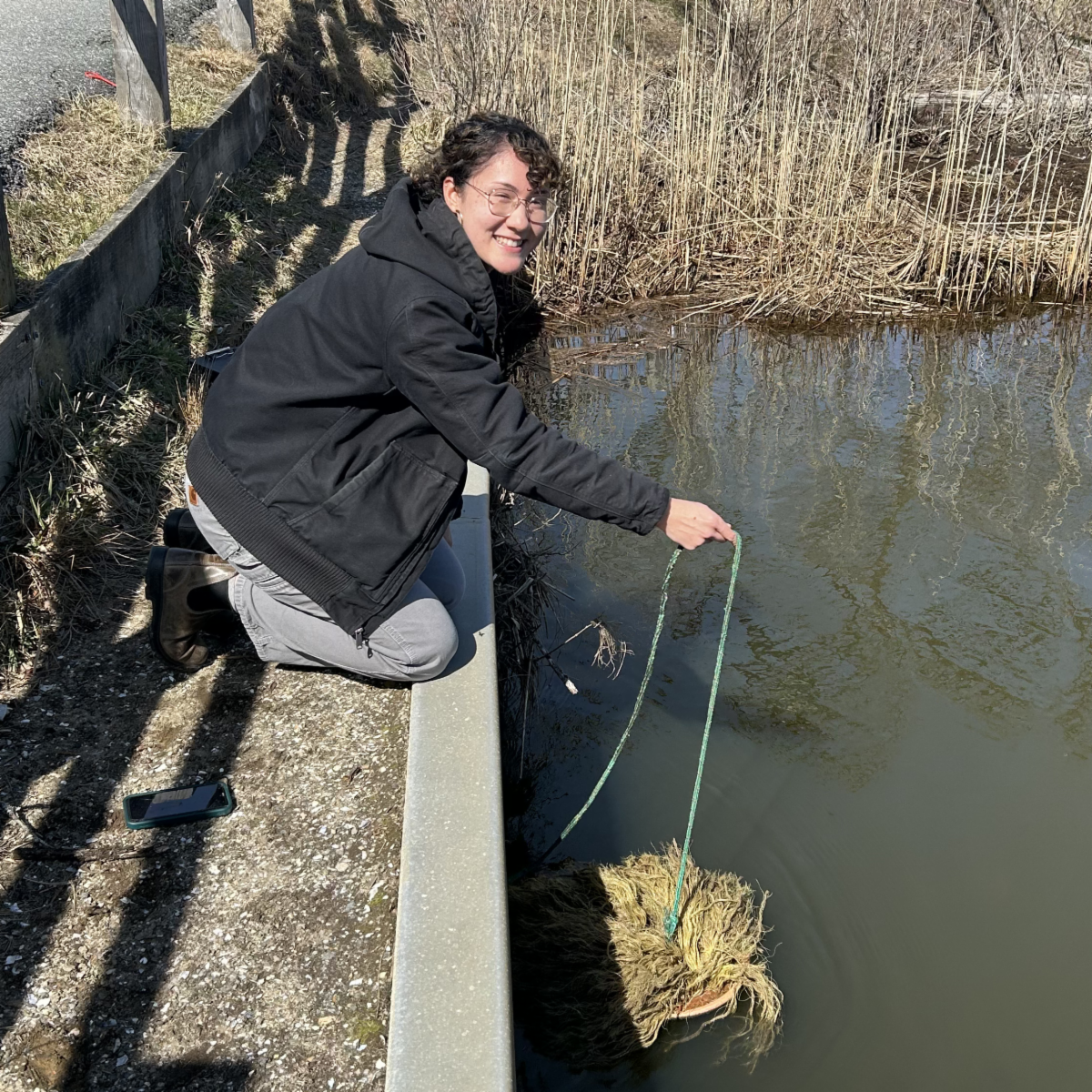
Each spring, glass eels make their way from the Sargasso Sea, nearly 1,000 miles away, through Nantucket's waterways.
Coastal Ecology Research Assistant Jisun Reiner has been tracking their arrival since launching the Nantucket Eel Project in 2024, using small artificial habitats called eel mops to count the eels and map their routes.
The data is building a picture of which waterways are healthy enough to support them and which aren't.
| | |
New Faces at NCF
Meet the people protecting Nantucket's open spaces this season
| |
|
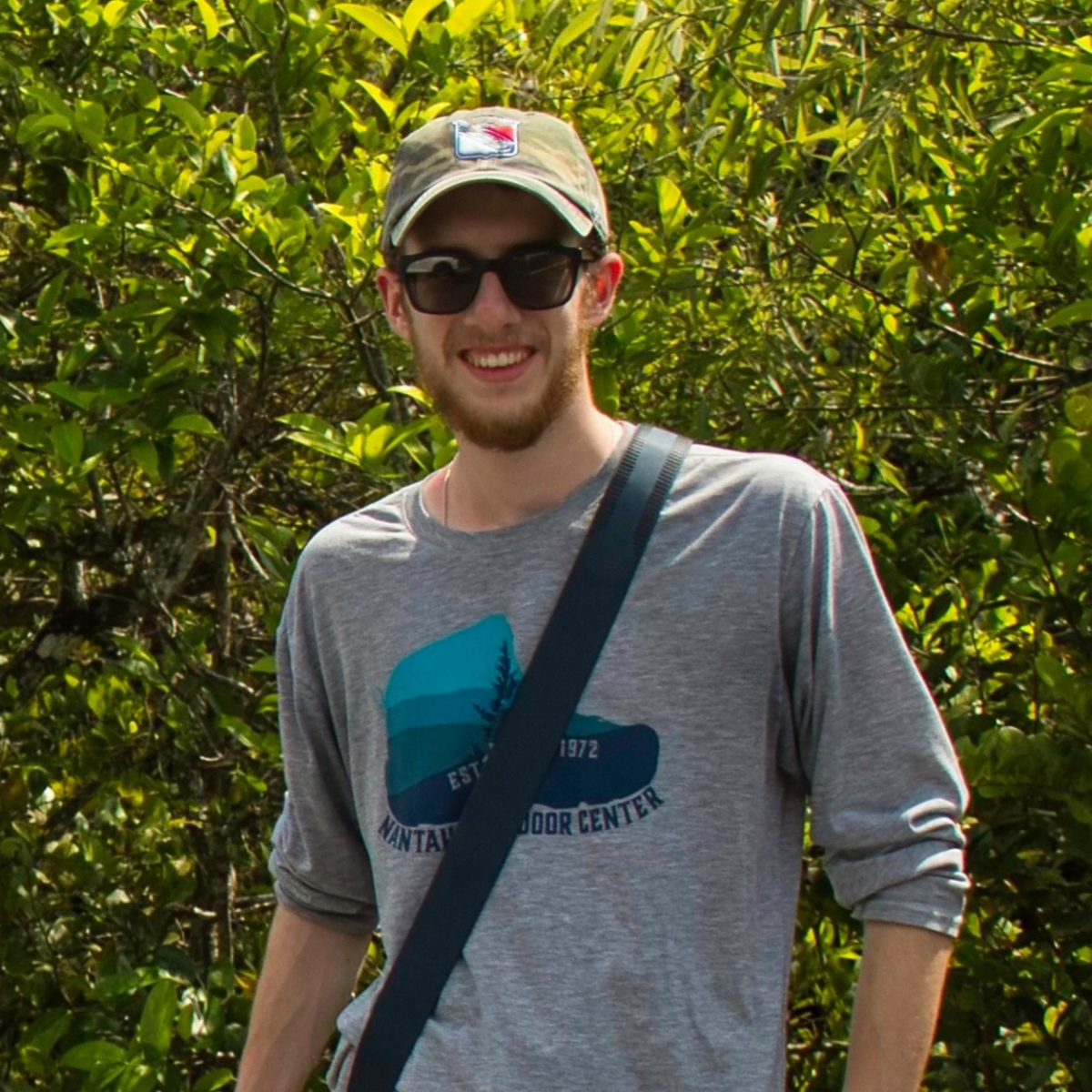
Collin Jackson
Coatue Ranger & Seasonal Shorebird Monitor
Collin is back for his third season living and working on Coatue, keeping the refuge open and accessible while protecting the nesting shorebirds that return here every year.
He holds a bachelor's degree in Ecological Restoration from Paul Smith's College.
When he's not in the field, you'll find him sailing the harbor or photographing around the island.
| |
Colby Baker
Seasonal Shorebird Monitor
Colby joins NCF this season to monitor the Piping Plovers and American Oystercatchers nesting on Coatue and Eel Point.
He holds a degree in Wildlife Science from SUNY College of Environmental Science & Forestry.
A birder and wildlife photographer, you may spot him on NCF trails with a camera or spotting scope documenting the wildlife and landscapes of Nantucket. See his photos at @cmb_wildlife.
| | | | |
Stargazing at Altar Rock
Thursday, April 16 from 7:30pm - 9:00pm
Join us in celebrating International Dark Sky Week with a community stargazing event with NCF, Nantucket Lights, and the Maria Mitchell Association. We will explore constellations, learn about the effects of light pollution, and reflect together on why dark skies matter. All while enjoying Nantucket's night sky together!
| | | | |
Community Book Club
Thursday, April 30 from 6:00pm - 7:30pm
Join NCF and REMAIN for a discussion about What If We Get It Right? by Ayana Elizabeth Johnson. You do not need to have finished the book in order to attend! The first 25 people to register will get a free copy of the book at Mitchell's.
| | | | |
Wildlife of Windswept
Saturday, May 9 from 11:00am - 12:30pm
Our team has done years of research to understand the wildlife activity in and around Windswept Bog both pre- & post-restoration. Learn from our Wildlife Ecology team about the creatures that can be encountered in this beautiful wetland complex.
| | Join us! All NCF programs are free and open to the public, made possible by the generous support of our community. Registration is required—sign up today! | | | |
|
Address: 118 Cliff Road
Mailing Address: PO Box 13
Nantucket, MA 02554
Phone: 508-228-2884
| |
| | | |