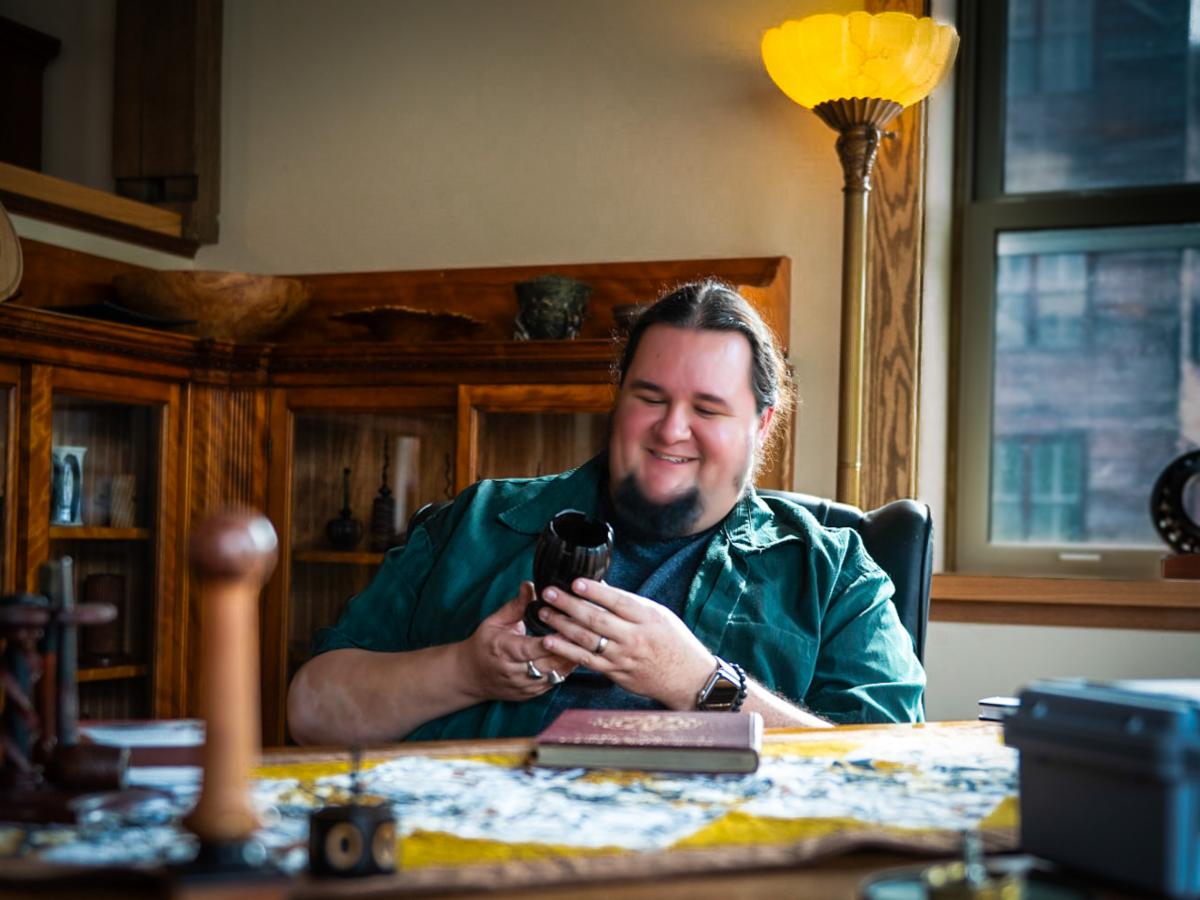
April was a month of adventure at Plumier. | |
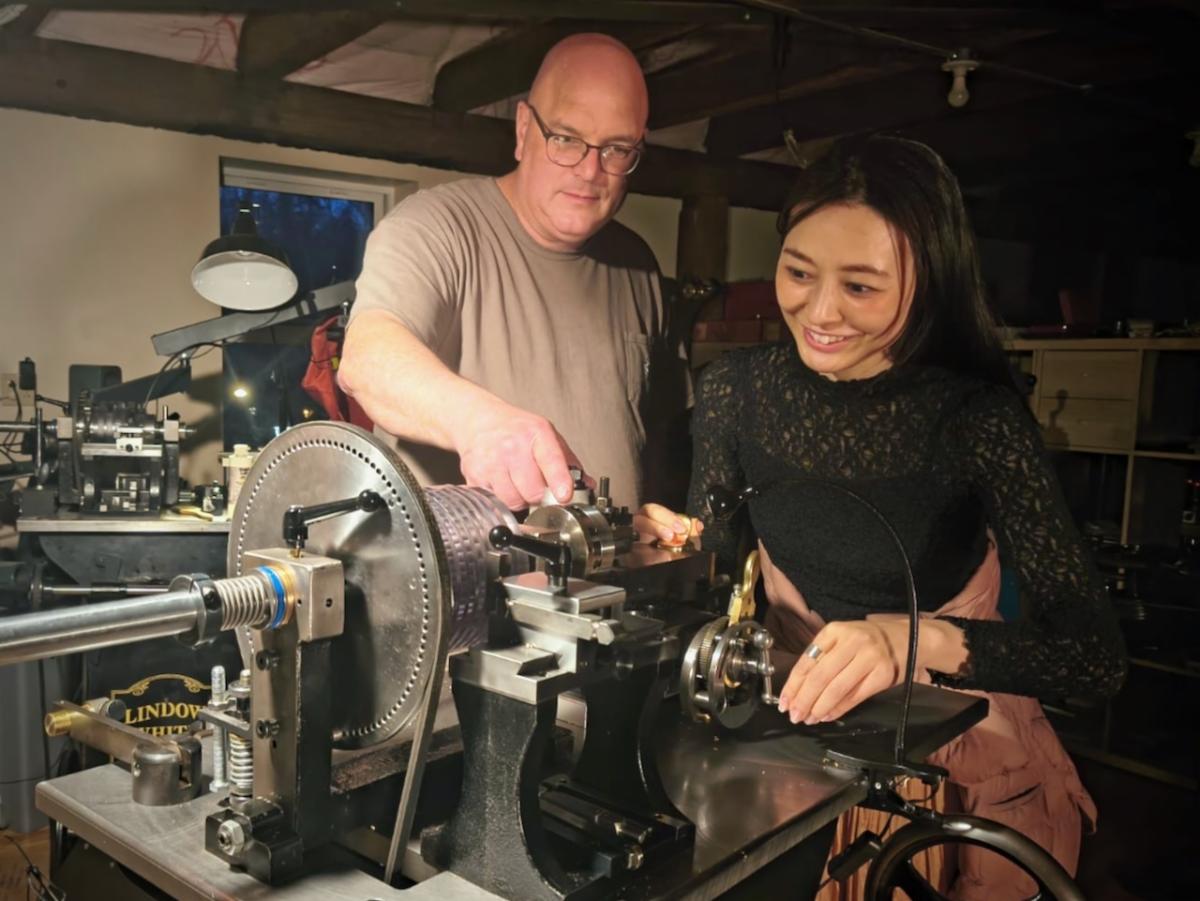
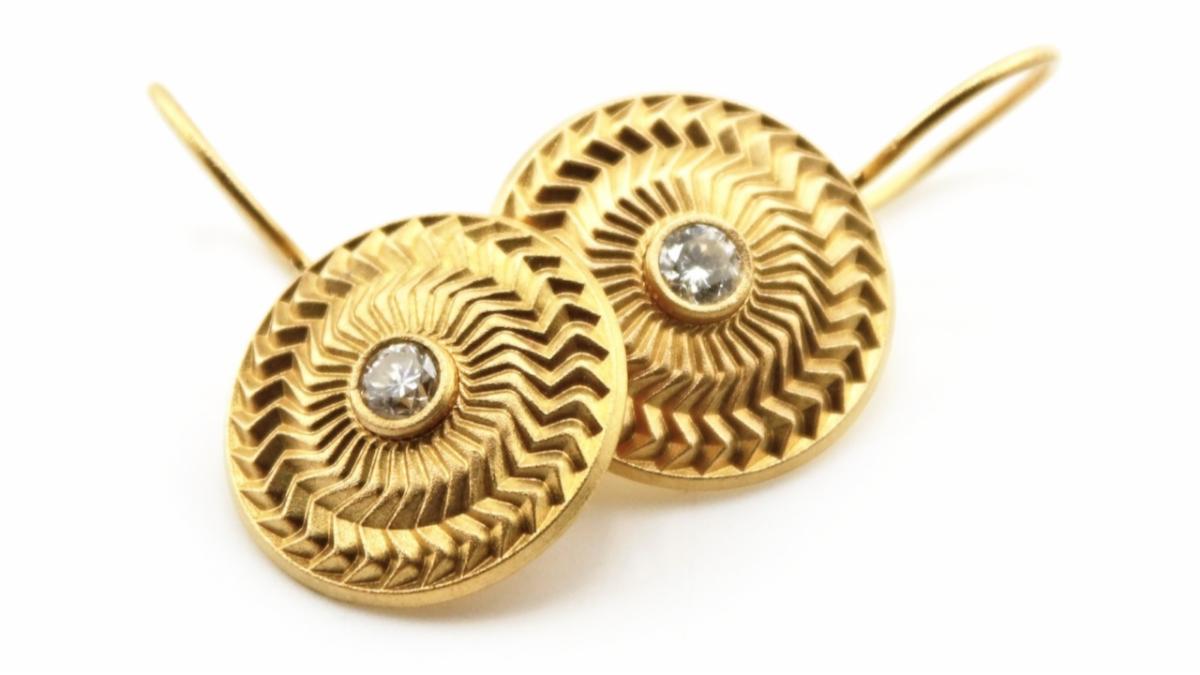
 | | The month began with the arrival of a guest who had come a long way to see Plumier. Through her pursuits in traditional cloissonné enamel work in Japan, Chiaki Mashiba was drawn to the world of engine turning. Her search across Japan for a teacher or even an opportunity to see engine turning in person came up empty. Not one to be discouraged easily, Chiaki turned her search abroad. After coming up empty in China and Europe, and being turned away from a production house in the UK that didn’t offer instruction, she finally got a lead from an inquiry she had sent to Columbus Machine and Lindow Rose Engine, who connected her with Plumier. Through translated email, she booked a guided self-study, flew halfway around the world and then some to Pittsburgh, jumped into the back seat of David’s van for the ride to Saltsburg, and arrived to Plumier and the engine turning studio she had searched the globe for. Walking into Plumier for the first time can be an overwhelming experience for anyone, let alone after dreaming of such a place and traveling so far to find it. Chiaki, however, wasted no time in jumping right in. She spent several days immersed in engine turning, completing a range of patterns on the straightline and rose engine. With no prior experience in machine tools and through translated instruction from David, she was a fast learner. It’s safe to say that she got back on the plane with even more questions that when she got off—the sign of a successful novice experience. Chiaki will continue to pursue her interest in engine turning and work toward adding to her capabilities at home. We look forward to seeing where she takes her work and hope that her journey brings her to Saltsburg again in the future.
| | |
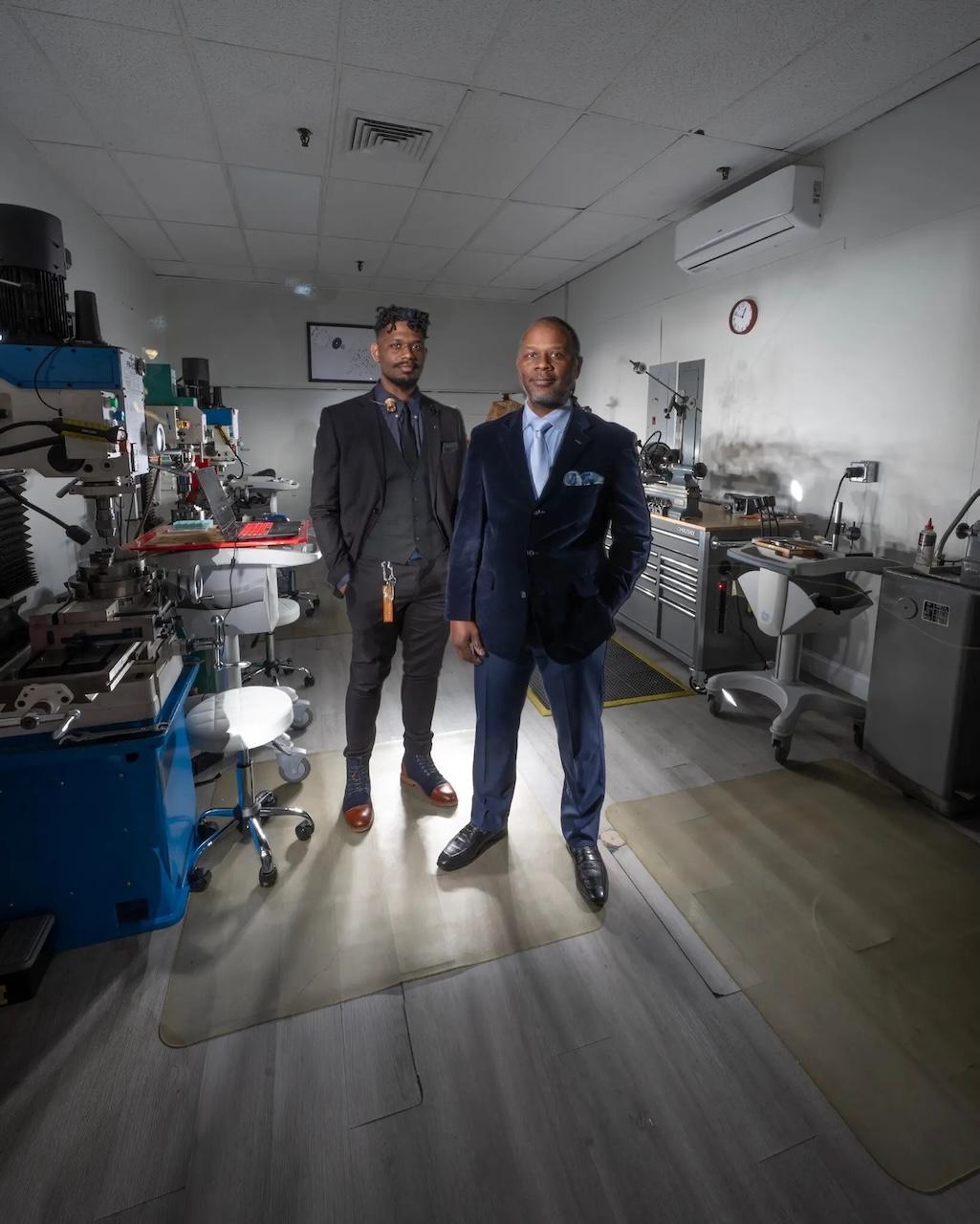
Plumier member Love Hunter was the subject of a feature article in the New York Times this month! | Love and Mic Hunter in their studio. Photo by Tony Cenicola via NYT | The article by Rachel Felder, published on April 20 in the Fashion section, shares Love’s journey to becoming an independent watchmaker from his start on Fifth Ave in luxury retail right out of high school, to attending Lititz Watch Technicum, to a decade servicing watches for Brietling, to launching Love Hunter Watches. It highlights his reverence for traditional watchmaking paired with his keen eye for design. The article is published in anticipation of Love’s first watch nearing completion. “This was always the goal, to create something with my own hands,” Love is quoted. Love is joined in the project by his son Mic, who trained to become extremely skilled in the art of hand finishing watch components. Every part of the watch is being made by the father and son team at their worksop in Derby, CT, using traditional micro-machining techniques on modest equipment and a with lot of handwork. Only the crystals, mainspring, and straps are being outsourced domestically. Plumier lent a Boley watchmaker’s lathe to the effort, but, as David is quoted in the piece, the “scrappy” Hunter always finds a way to get it done “without all the fancy Swiss machinery.” | The article is available online for New York Times subscribers. The first 10 people who email info@plumier.org requesting the article will receive a gift link. It’s an inspiring story that you will want to take the time to read. | | | David and Matt in the workshop of Plumier member Bill Robertson | | |
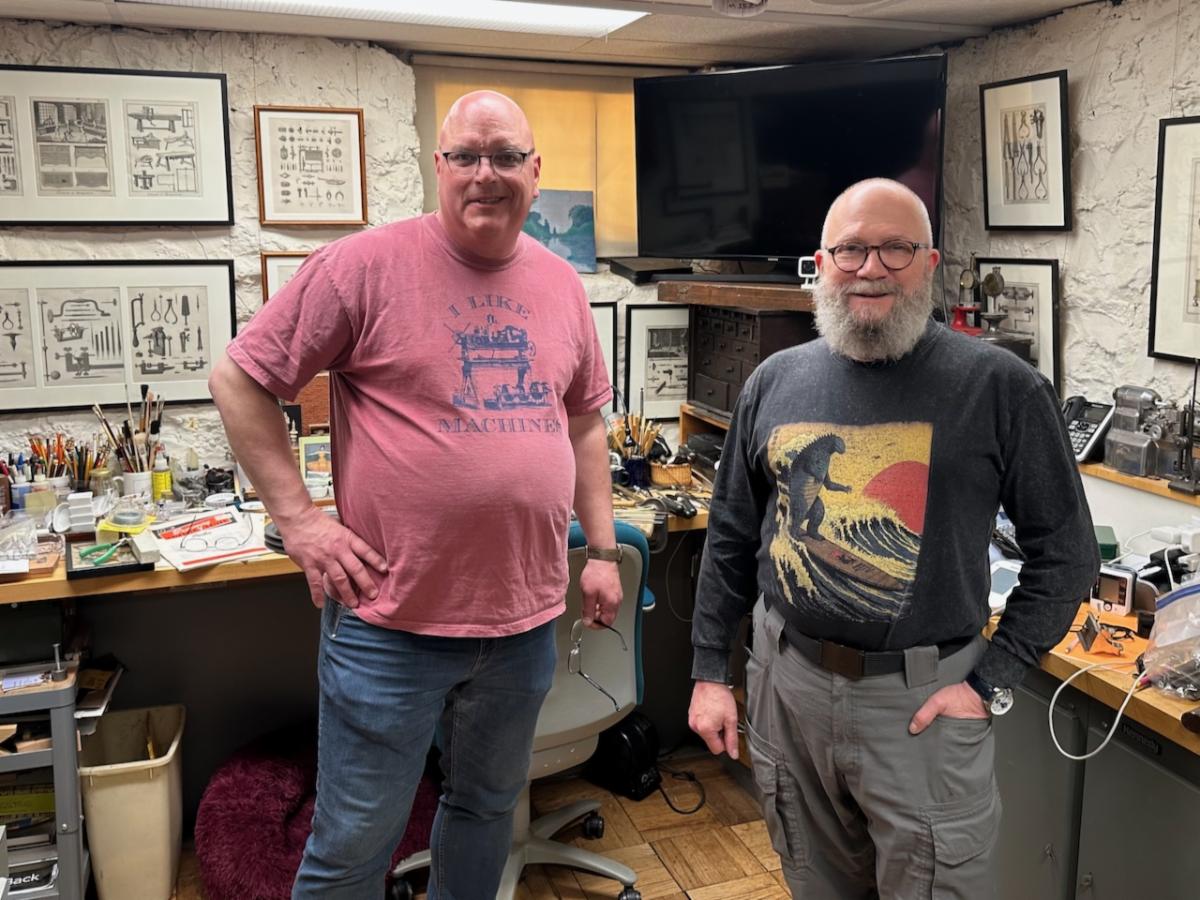
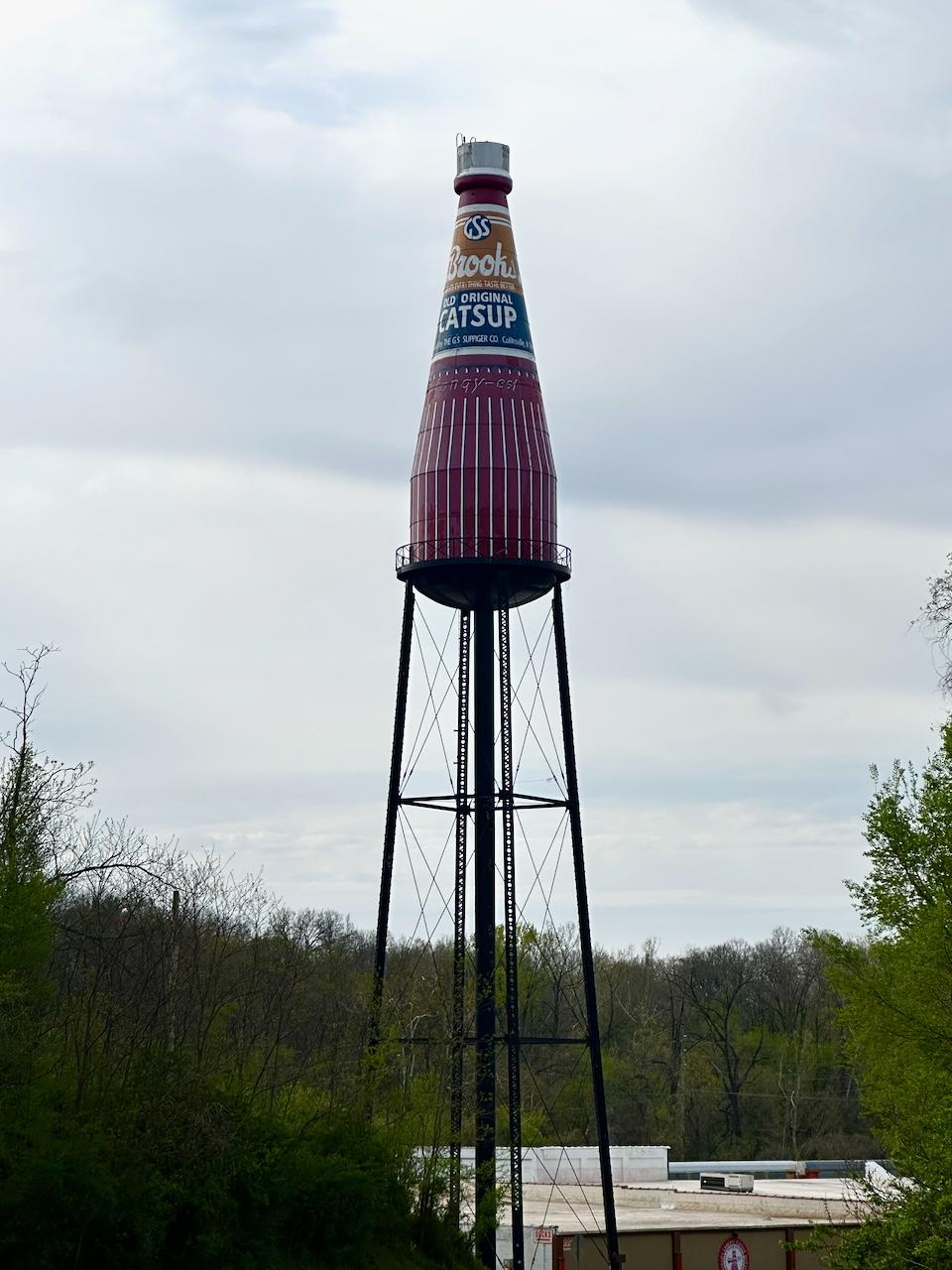
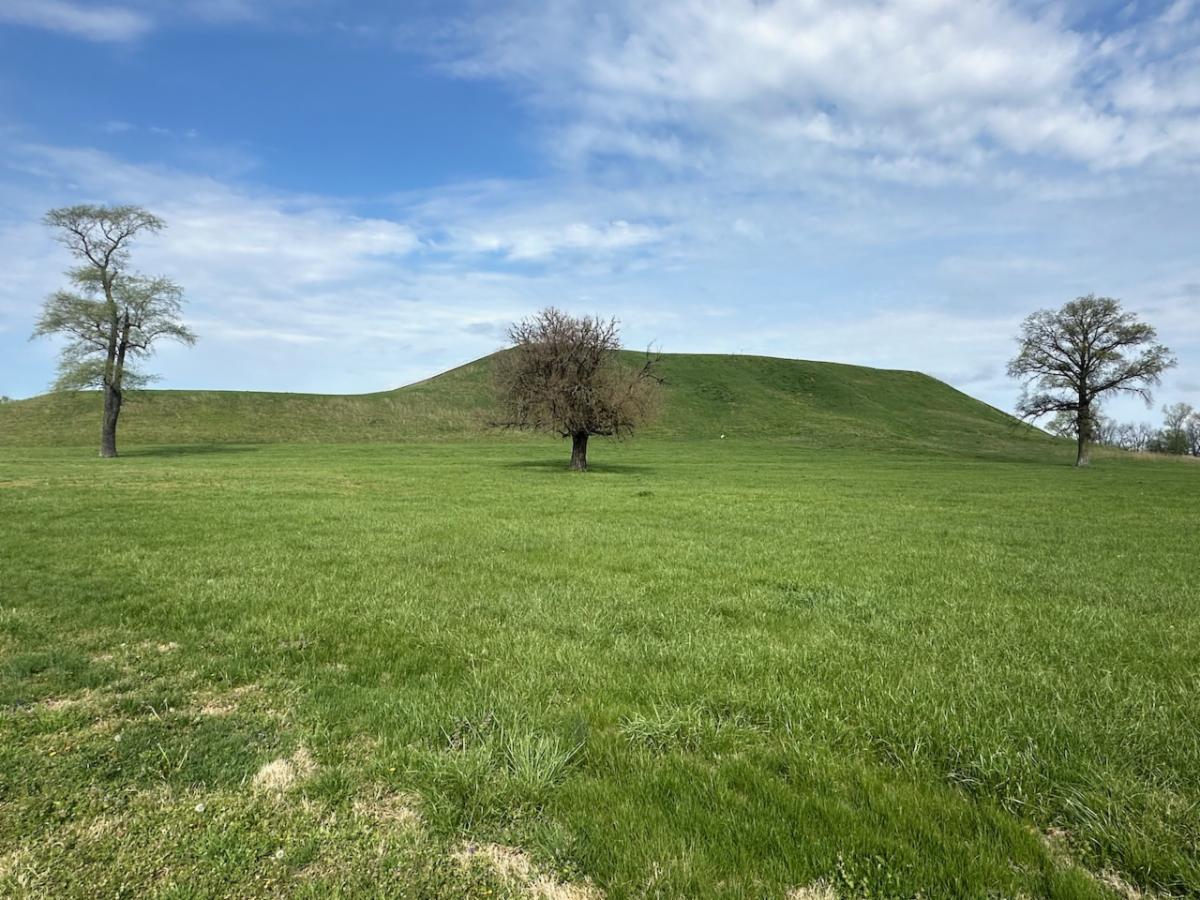
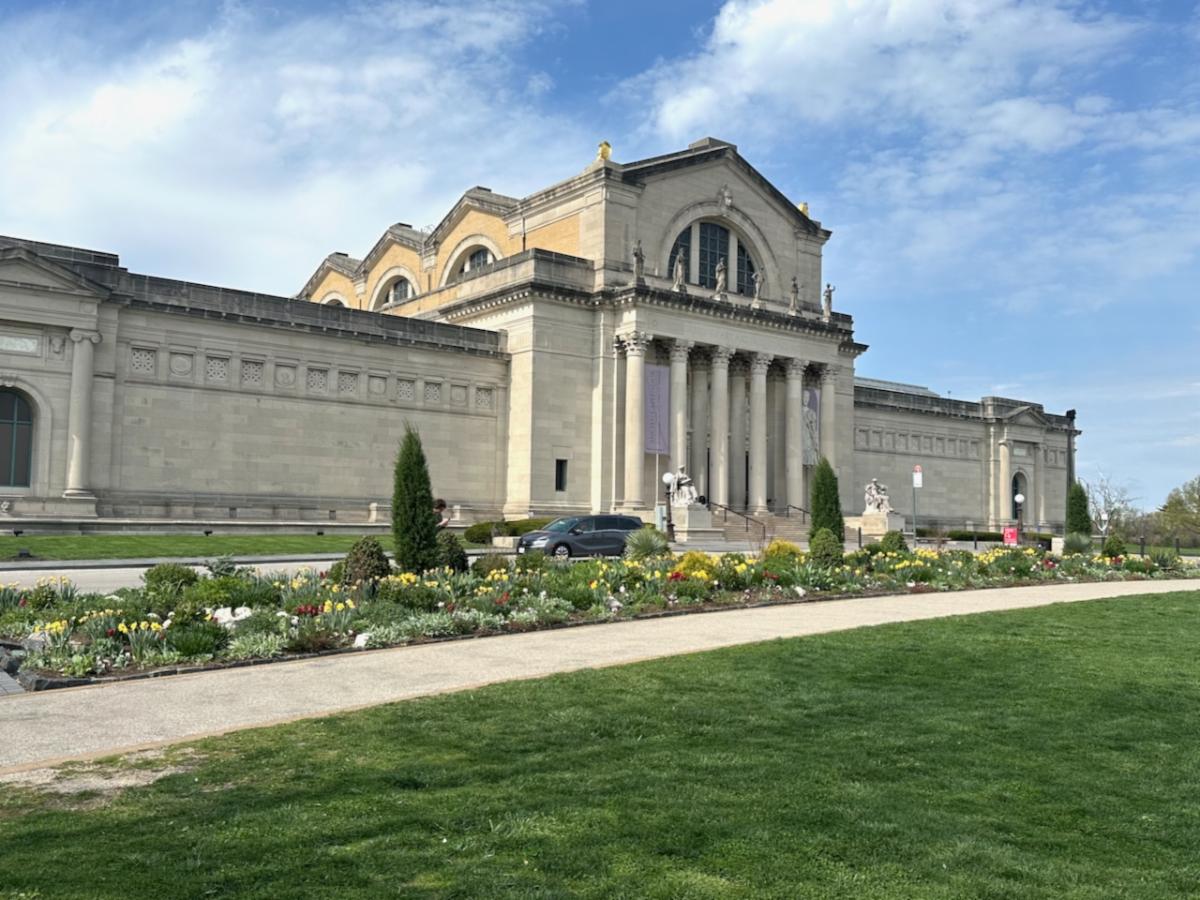
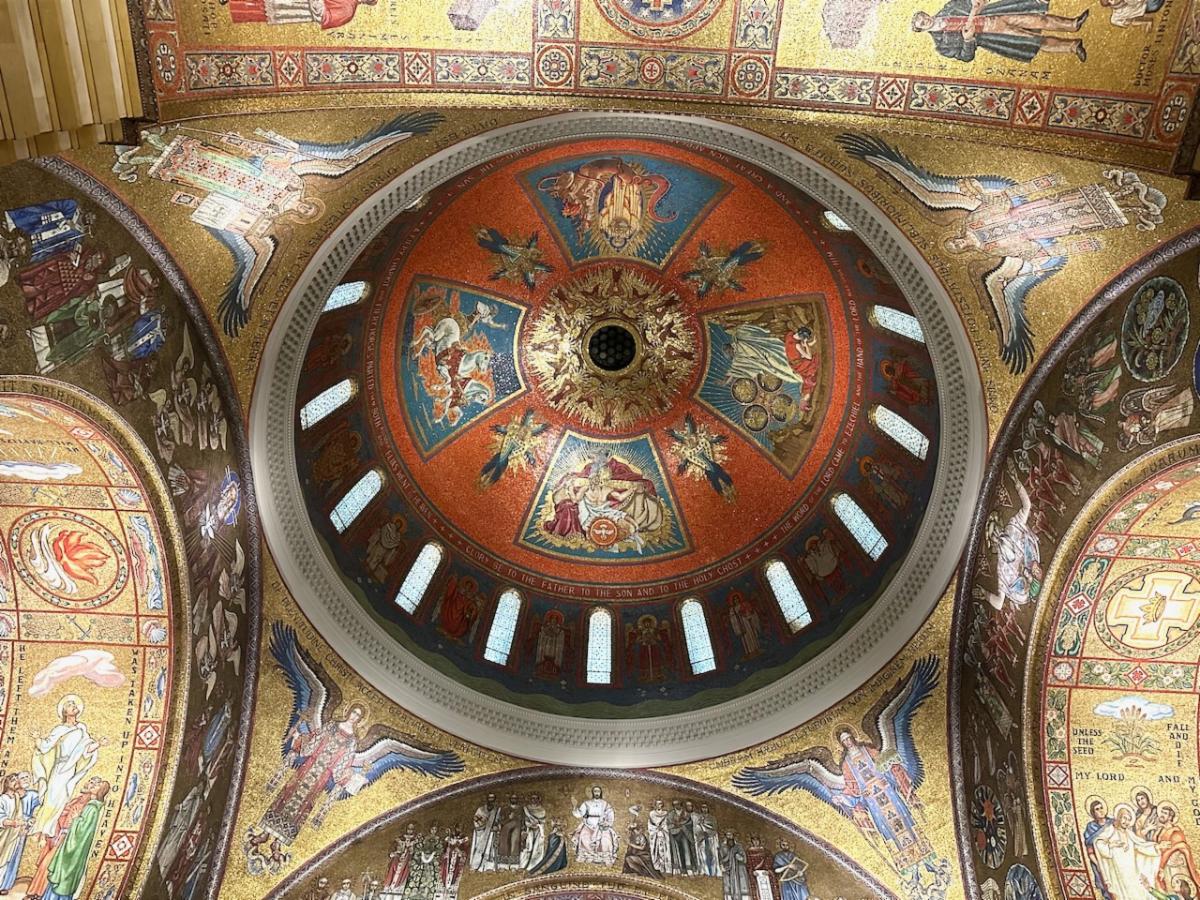
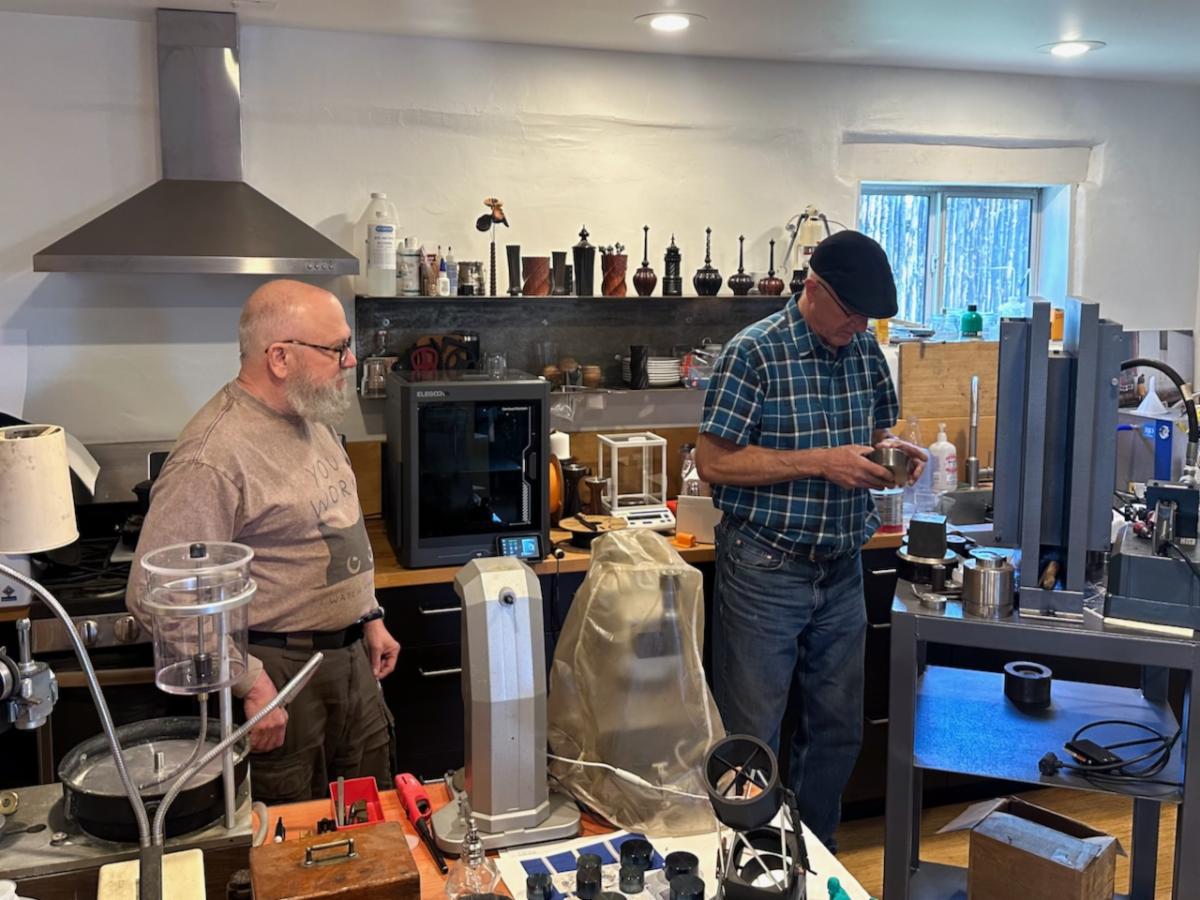
David and member Matt Clemens set forth to the American Southwest on a quest for a rose engine. Dropping Chiaki at Pittsburgh International on his way out of town, David went down to Cincinnati to pick up his companion. Their first stop was dinner with David’s father and late brother’s family in southern Illinois, and to show Matt his grandparent’s farm where he grew up. The two eager travelers set out early the next morning to see a great landmark, the largest ketchup bottle in America, and to have breakfast with member and volunteer John Hurn. From there the travelers made a slight but worthy detour from their mission, going into St. Louis to see the Cahokia Mounds, St. Louis Basilica, and St. Louis Art Museum. Matt had never been to the museum, which has a world class collection. They could have spent two or three days in St. Louis soaking up inspiration, but the road was calling.
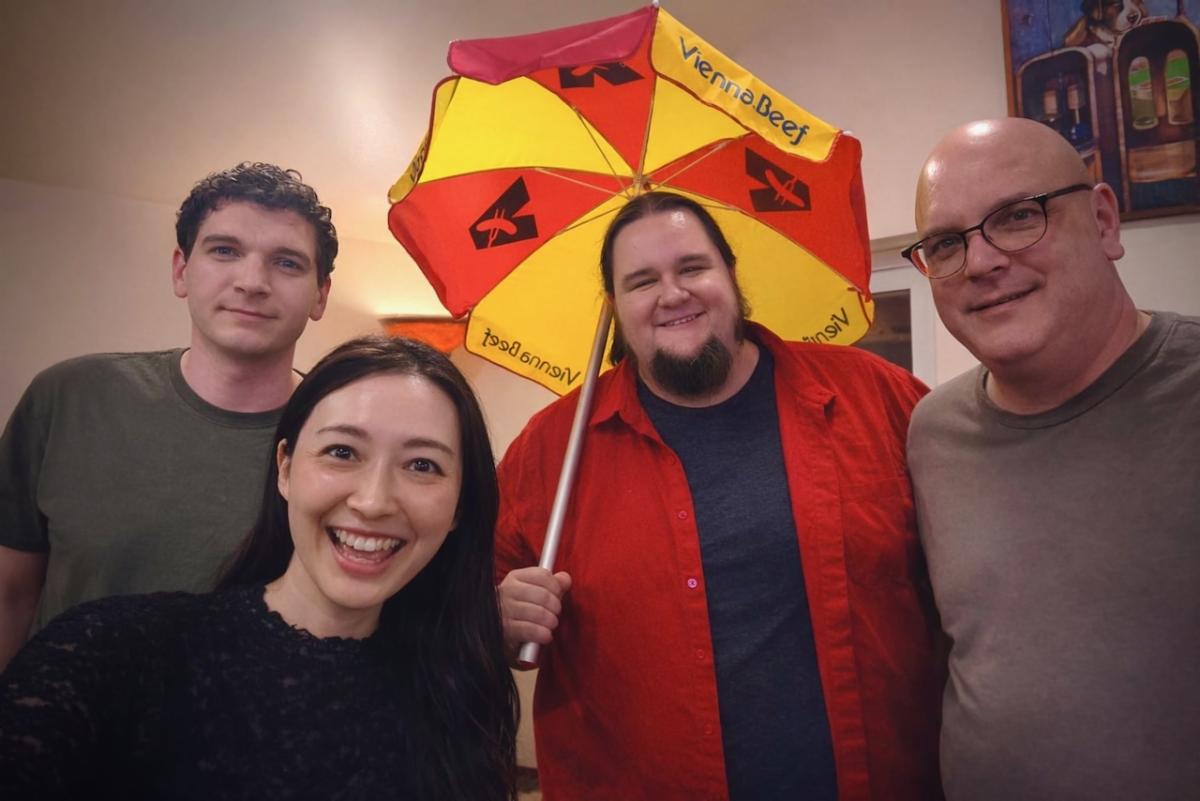
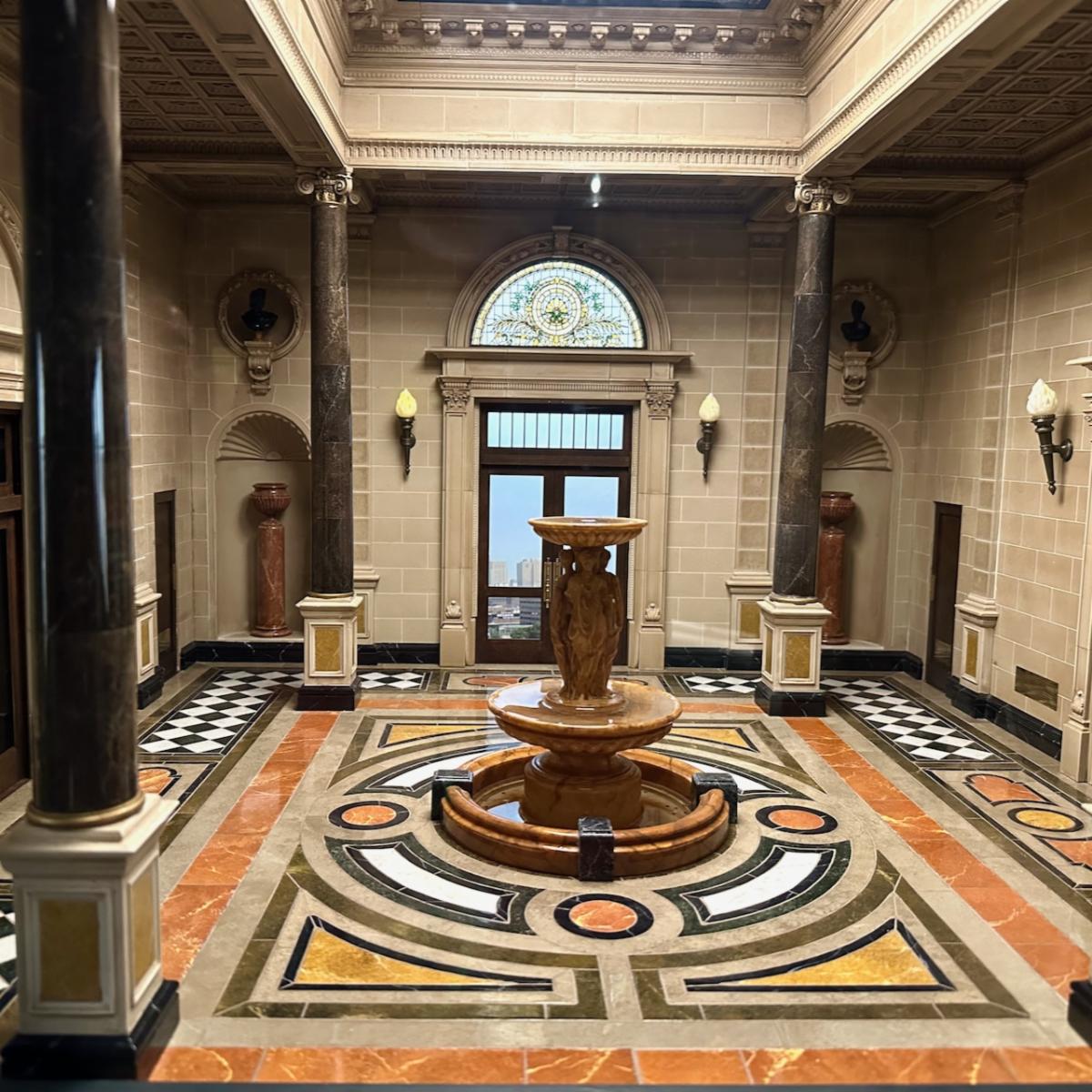
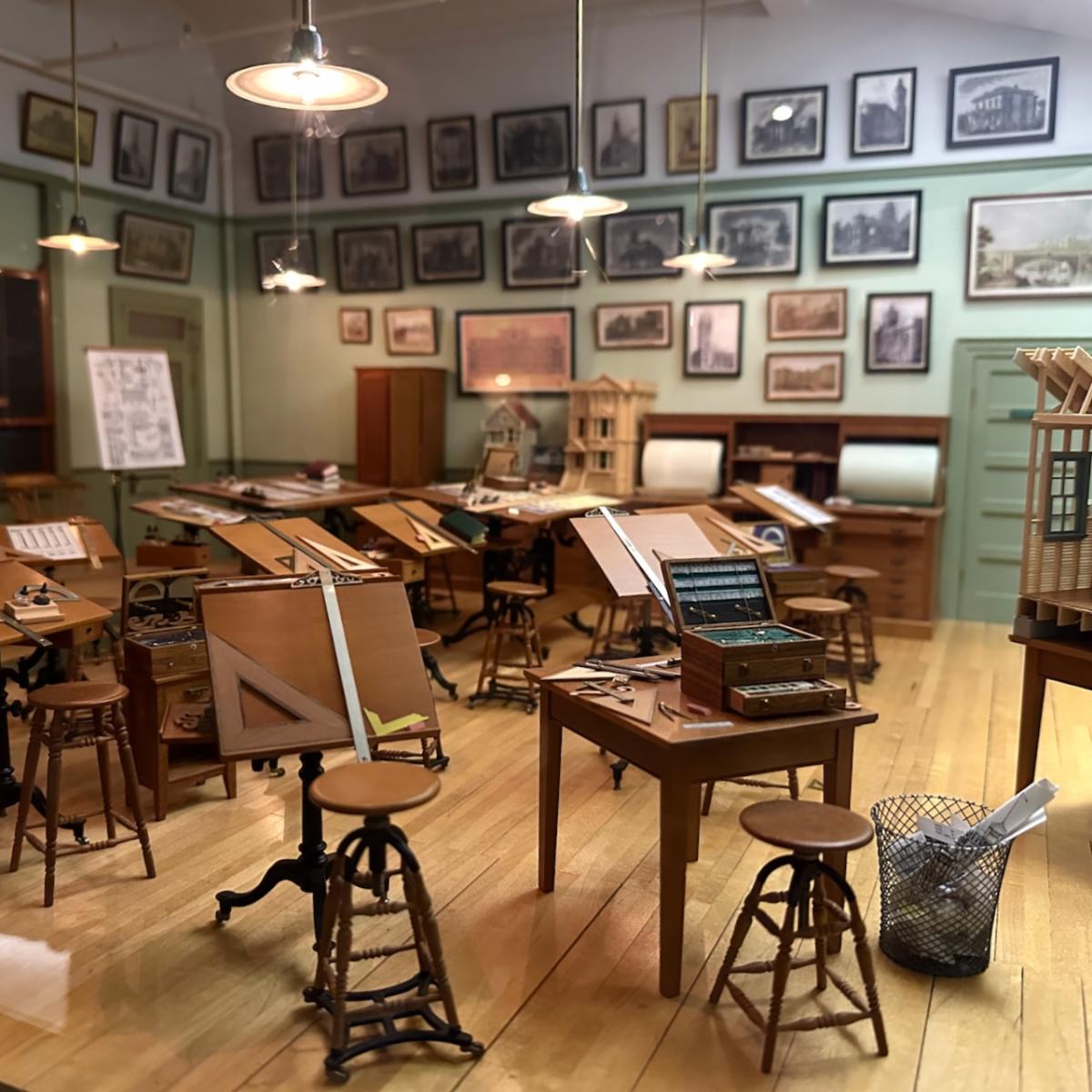
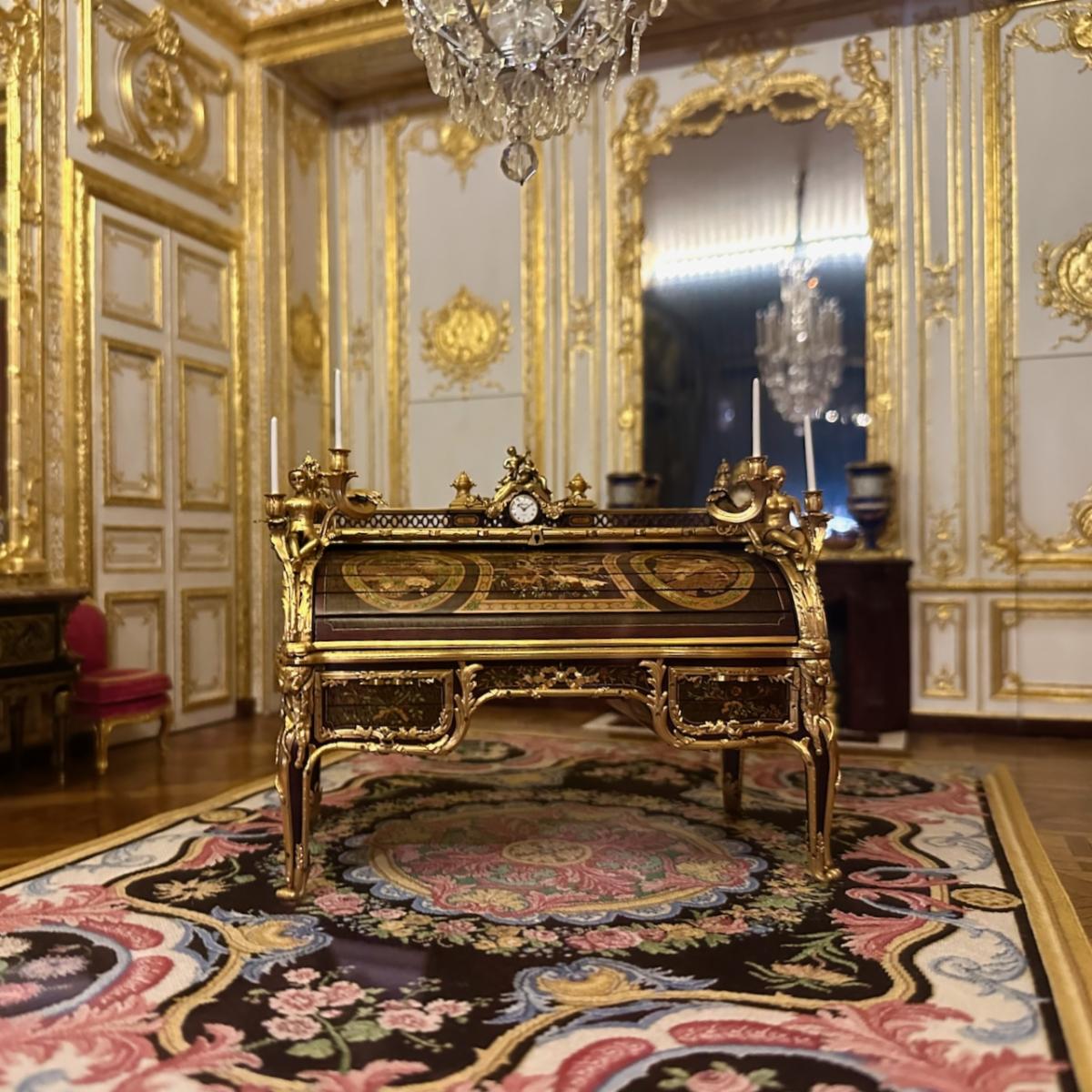
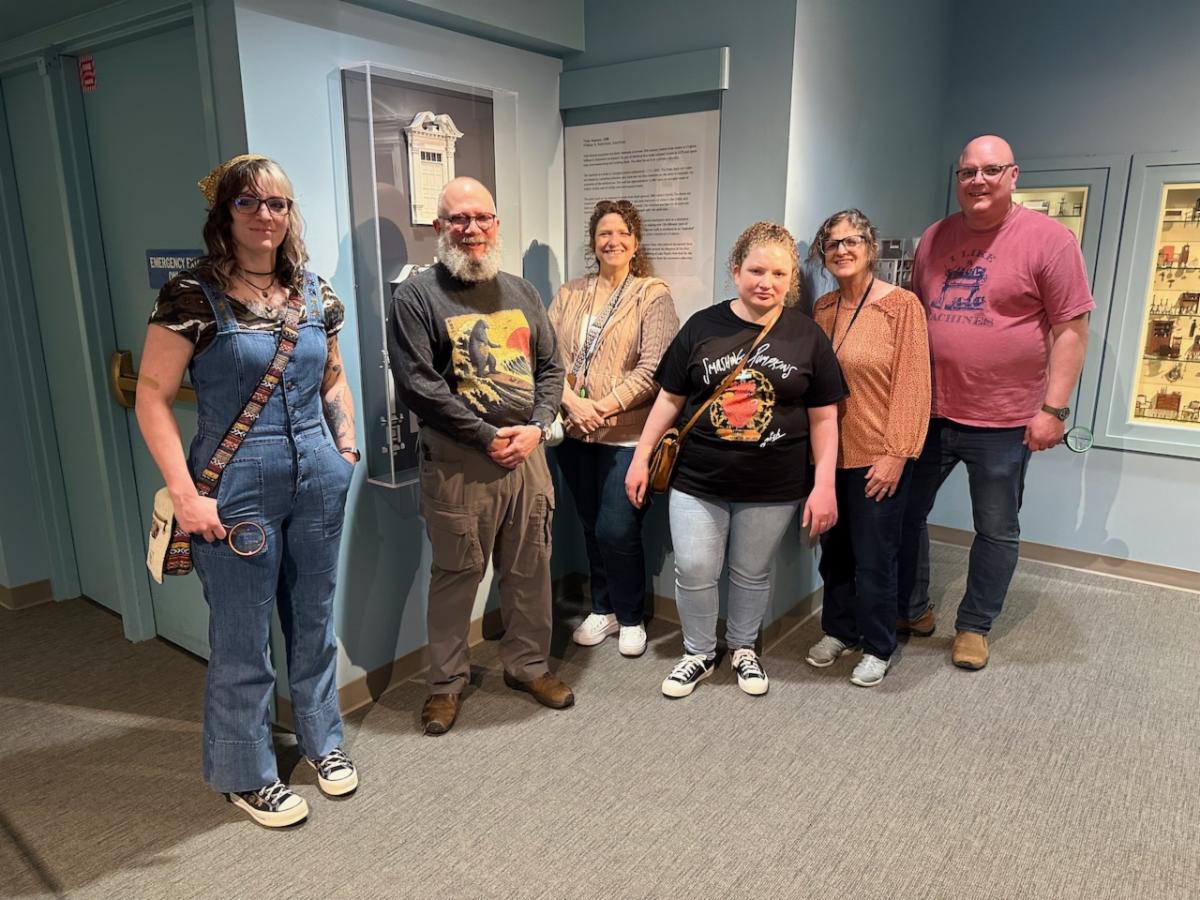
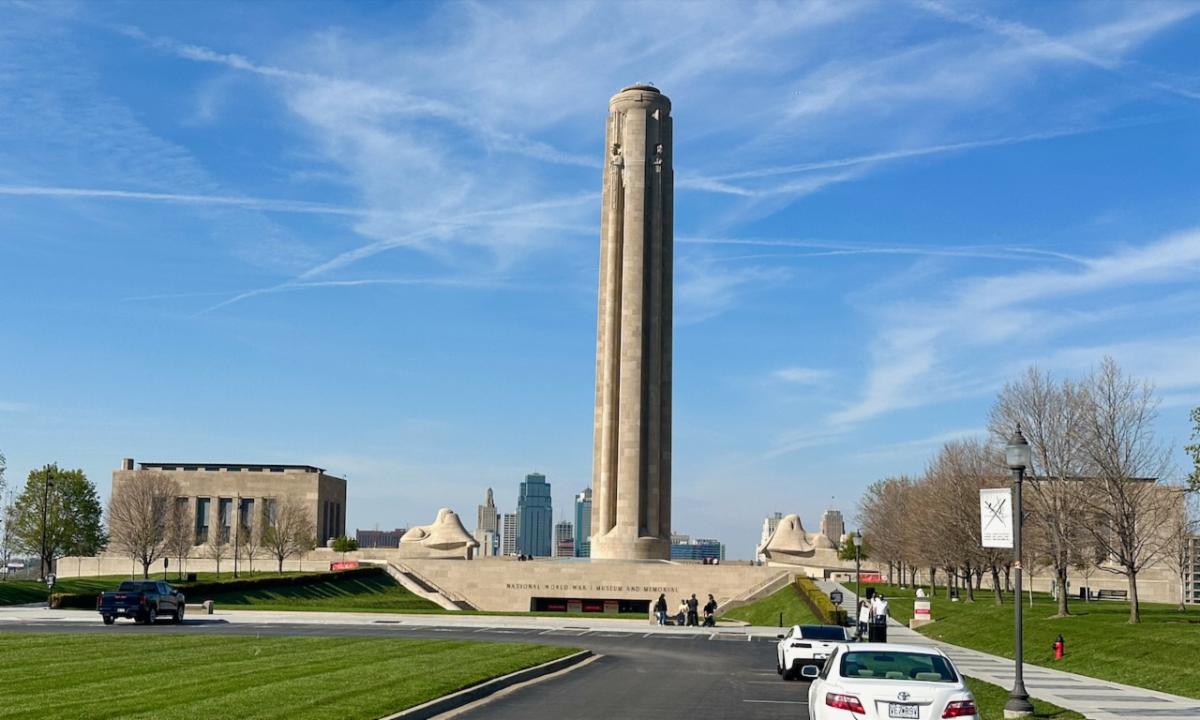
| | The next stop was Kansas City, where they visited the workshop of member Bill Robertson. Bill then brought them to the Toy and Miniature Museum, where much of his incredible miniature work is on display. There they met up with David’s daughter Emily who lives in Kansas City, as well as Becky, Erin, and Becky’s sister Sarah who were on their own intersecting journey. A lightning tour of the National WWI Museum and Memorial for David and Matt followed by a nice family dinner rounded out a great day, which just happened to be David’s birthday. | | Three miniature dioramas, believe it or not | | Emily, Matt, Becky, Erin, Sarah, and David | | |
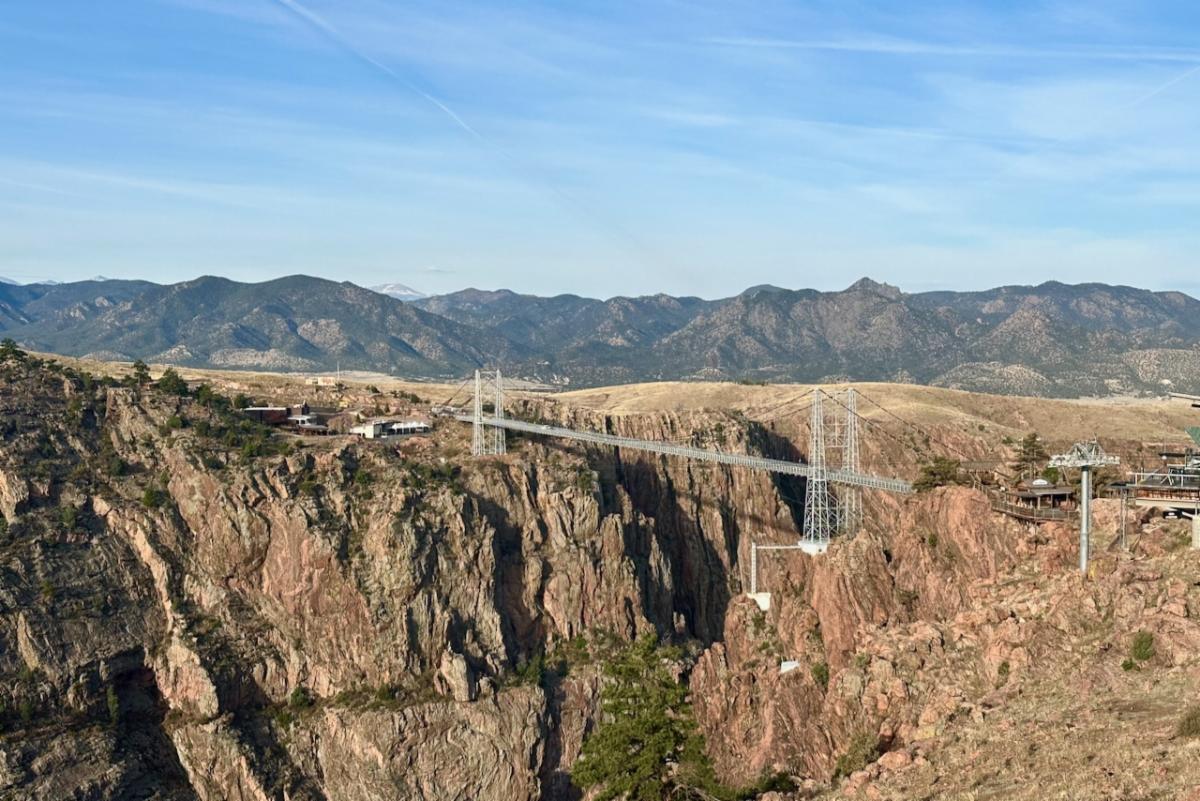
Leaving Kansas City the next day, the pair drove clear across Kansas and halfway through Colorado. They drove by the 1,250 foot deep Royal Gorge and stopped in at the Mining Museum in Leadville, CO, which has an impressive mineral collection. By this point in their journey, the duet should have had plenty of time to warm up their singing voices before they turned up “Wolf Creek Pass” by C. W. McCall and entered Pagosa Springs. Sadly no recording of the concert was preserved and they will never tell which one in the harmony took on the soprano chorus. Successfully avoiding disaster at the old feed store, the road warriors made it in one piece to their destination. They collected Matt’s Lindow Rose Engine and the PowerMatic wood lathe that another member, Saph Brooks, had bought through the Plumier Exchange, and an Accu-Finish grinder that the seller had donated to Plumier.
| | |
Instead of turning directly back east, they headed south into New Mexico to visit Phil Poirier. They spent a few days with Phil in his shop and took the opportunity to visit Peter Gilroy and Bonny Doon Tools. They added a few more tools to their haul, requiring the addition of a trailer to their rig. Naturally, the ladened van only made it as far as Taos before they stopped in to see the workshop of Tom Finneran where they learned a few tricks in stone cutting and machining before getting back on the road. From Taos, they beelined it straight east across Oklahoma. With only a quick stop at the Crystal Bridges Museum in the northwest corner of Arkansas, the travelers hooked northeast into Missouri to visit Saph and Ginger of Inwardspectrum jewelry to deliver the PowerMatic and see their workshop, continuing northeast back to Cincinnati.
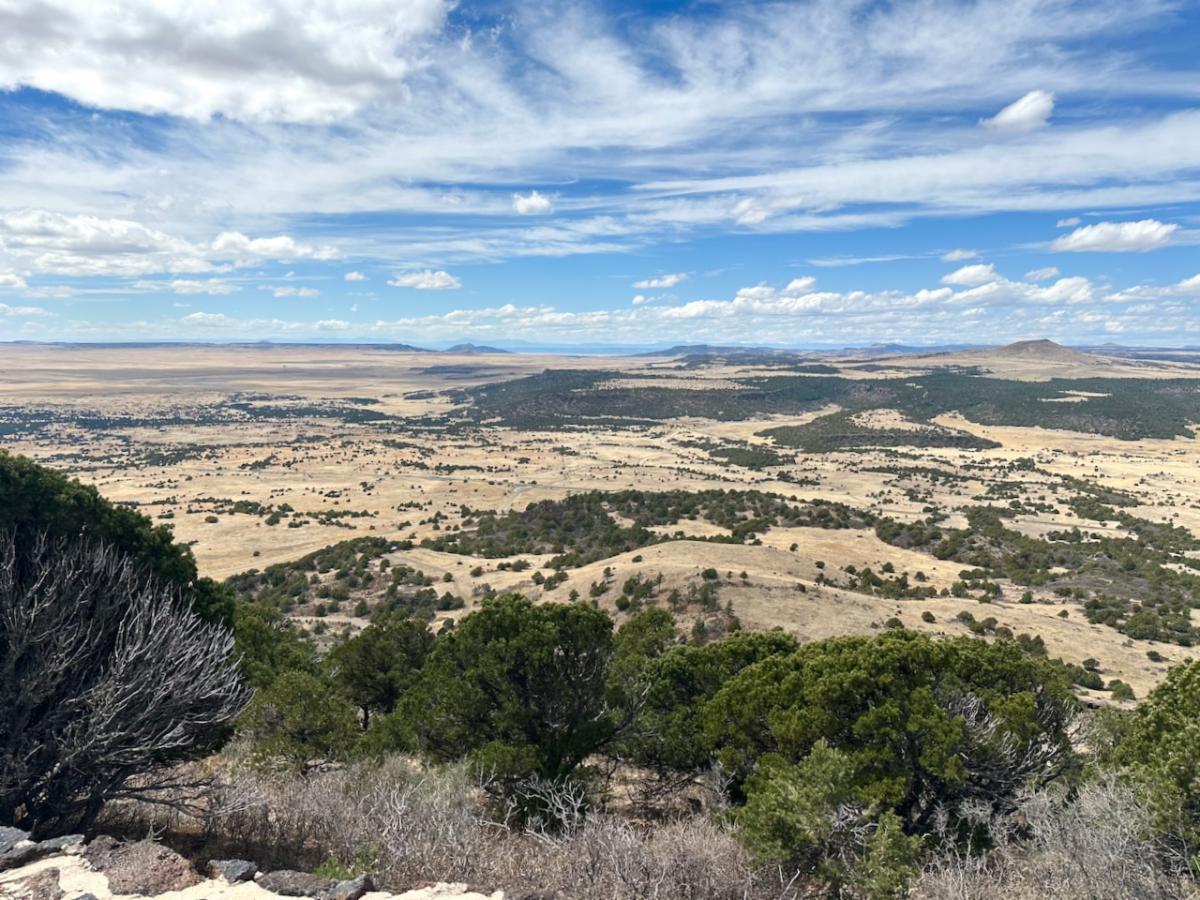
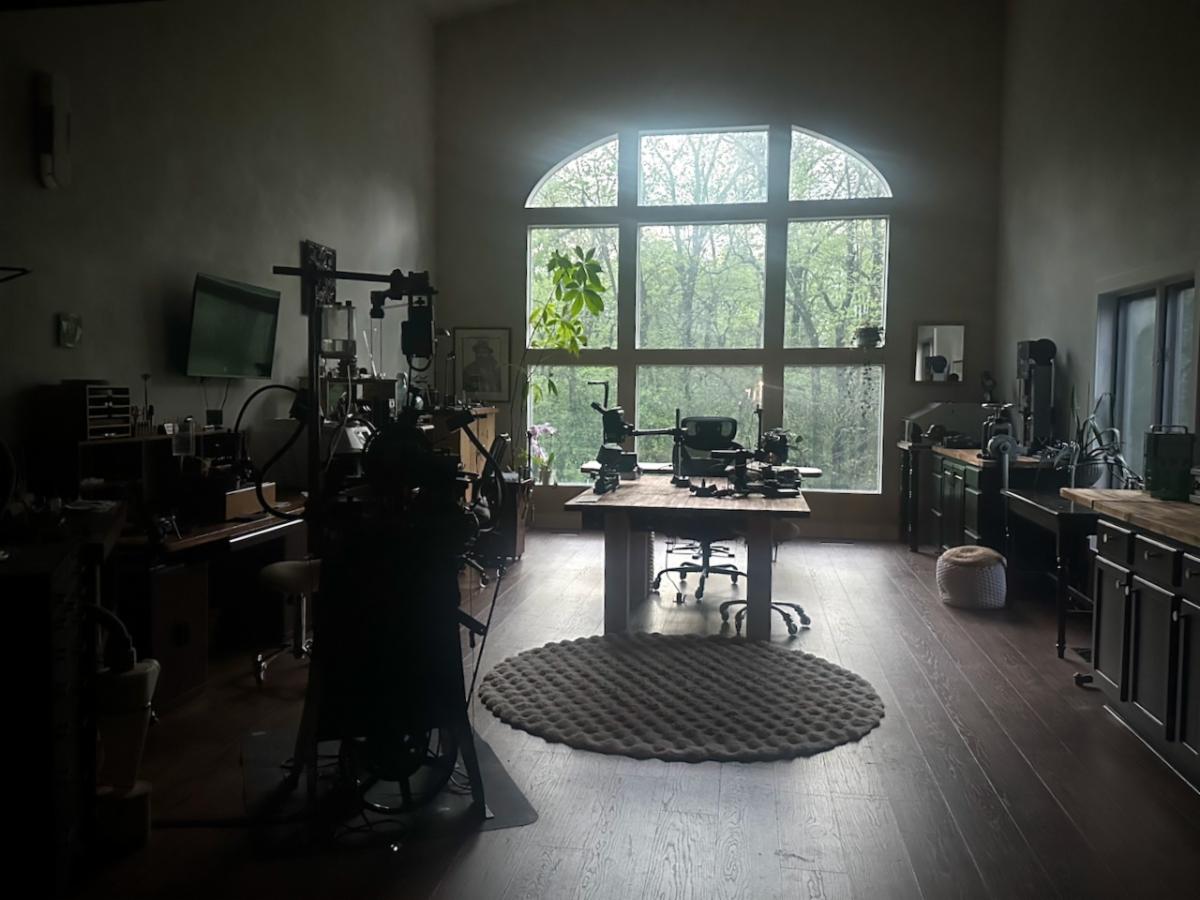
| | View from Capulin Volcano National Monument | | Inside the stunning Inwardspectrum studio, with LRE in the foreground | | While David and Matt achieved the mission of retrieving Matt’s rose engine, along with a pile of tools for Plumier, they brought back with them far more than machinery. It is hard to even quantify the impact of an adventure like this—two friends cruising across the country seeing friends and wonders along the way. Both the wonders kept in great museums and the wonders of the natural world are overwhelming in their inspiration. Seeing the workshops of fellow craftspeople, each a spacial manifestation of a creative mind at work, can also be as inspiring as the great works in museums or and humbling beauty of nature. Beyond the inspiration are the connections made between friends and family. Not only are the travelers and their hosts connected, but the map of the journey weaves a thread of community between each stop. “We just came from so-and-so, you have to go see their shop.” Or, “what do you mean you’ve never been to that museum it’s just an hour down the road!” We take the virtual interconnection of the modern world for granted and we can easily overlook the analog web that a community weaves one road trip at a time. | | |
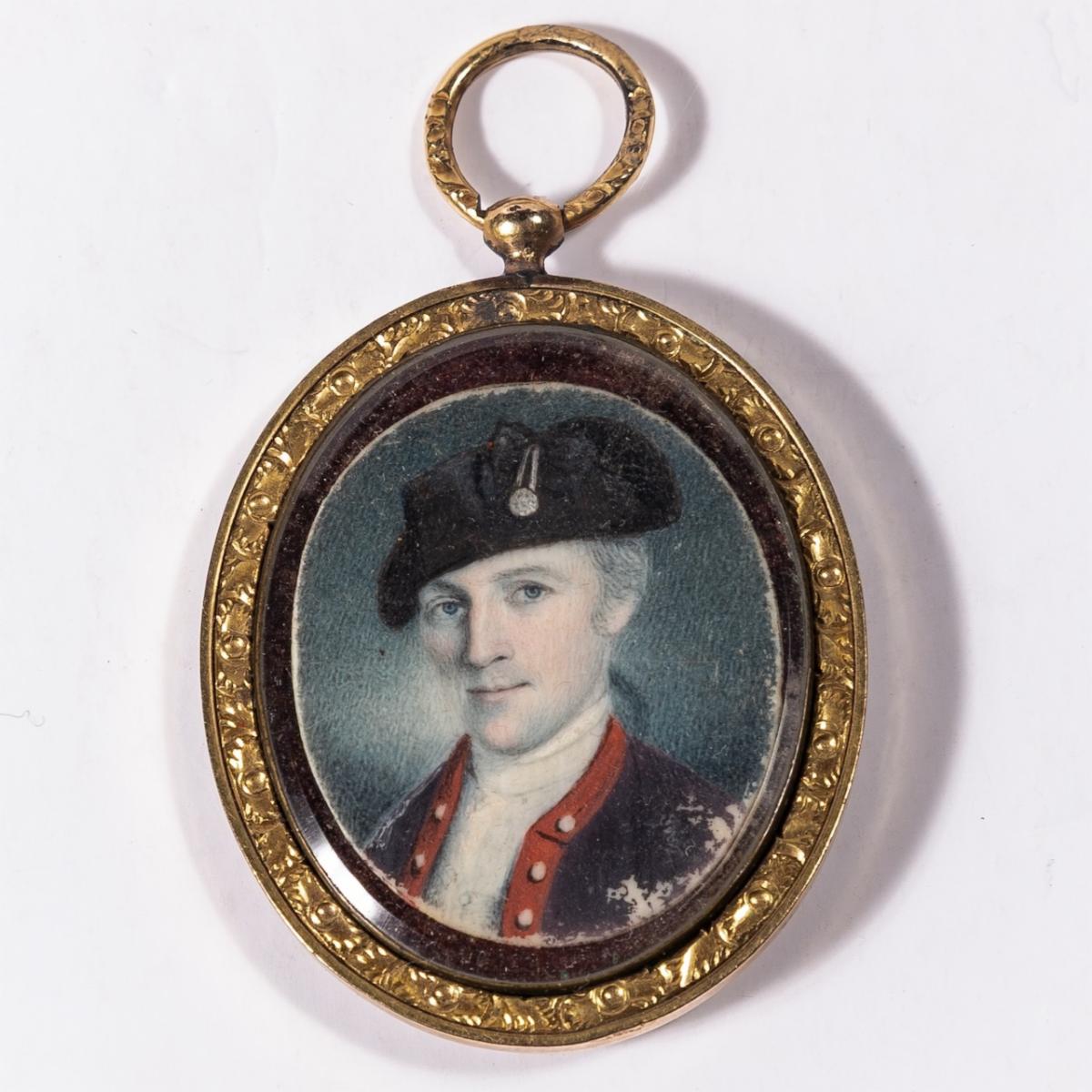
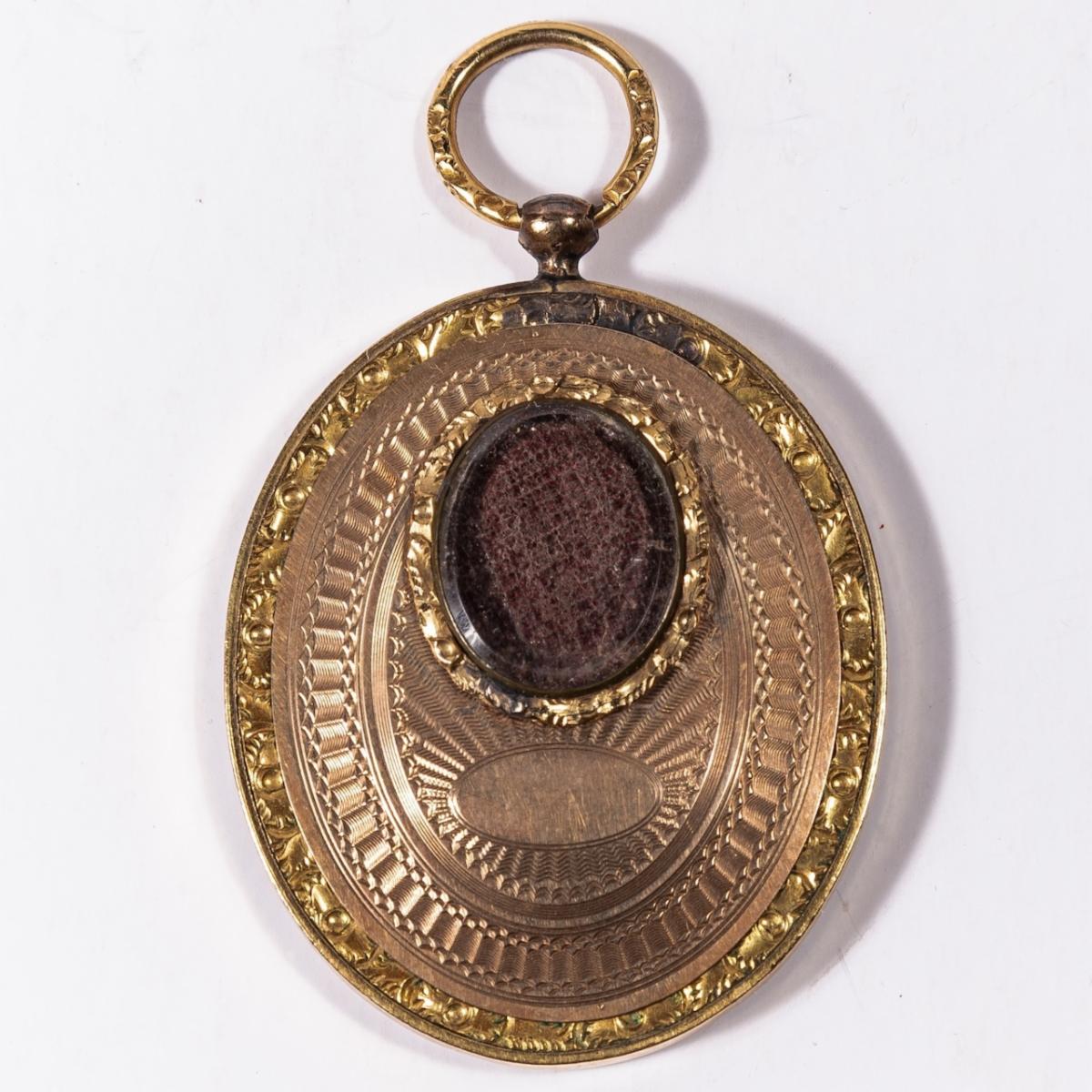
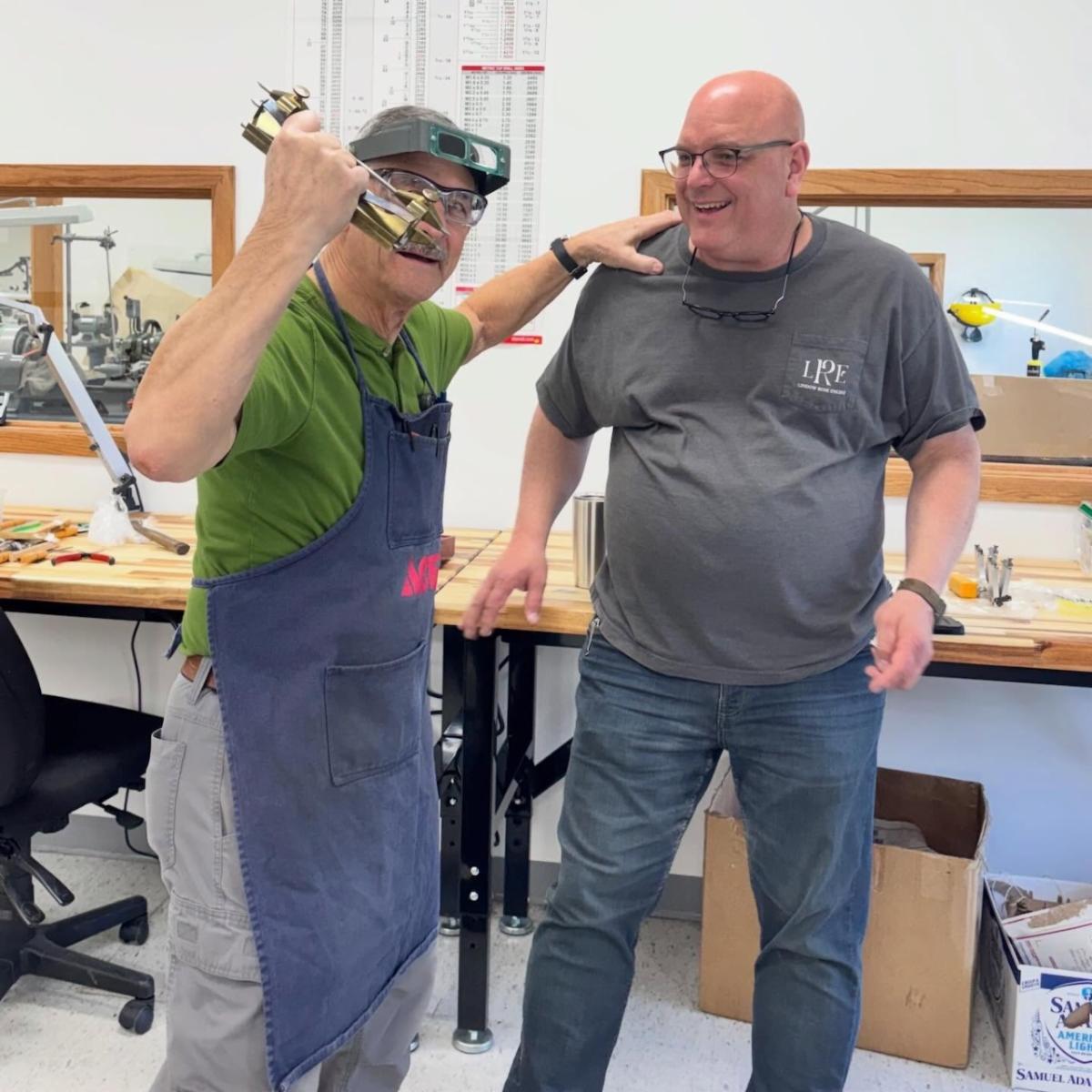
The history of complex turning in the United States is older and richer than you might think. While not well documented, complex turning in this country most likely predates our independence. | | | Doyle has published a fascinating article on their website that connects complex turning to the fight for that independence 250 years ago. The article, “Revolutionary! Is This a Peale Brother?” by Pamela Ehrlich, traces the uncertain identity of the subject in a miniature portrait depicting an American Revolutionary War soldier. One piece of evidence becomes the central focus of the article, the engine turned gilt case. While the painting is from around 1778, the case that was probably made between 1835 and 1840. It features an elliptical guilloché pattern framing a central section with a smaller elliptical plane, probably intended for an engraving. This smaller ellipse is eccentric to the outer pattern, phased 90 degrees, and surrounded by a secondary rose engine pattern that radiates from its focal points to fill the center of the piece. It is a remarkable piece and a fine example of early American engine turning. As Ehrlich writes, the composition of portrait and case, “is a perfect metaphor for the arc of American history described by a war that was Revolutionary — not just for America, but for the world, to another world-changing revolution — the Industrial Revolution.” | David Lindow and Spencer Hamann are credited in the piece for lending their expertise in complex turning to Ehrlich’s research. The article also features pictures of Plumier’s Holtzapffel #1636 taken by Becky Lindow. It is well worth a read. | | | Wayne Andrews presumably doing his best ogre impersonation next to the ogre himself | | | David only had two days home in Saltsburg to unload and reorient before he turned around to hit the road back to Ohio. This time it was to Harrison to teach a class at American Watchmakers-Clockmakers Institute (AWCI). David and Plumier member Wayne Andrews taught the three-day Foundational Clock Repair II course, and Matt Clemens, still recovering from the trip, was a student in the class. The class was a success with a great group of students, but Wayne had to cover the last day alone as David rushed down to the Horological Association of Virginia to fill a speaker gap in their yearly convention due to a last minute cancelation caused by a natural disaster. Despite the rushed circumstances, the convention was a great event and David’s presentations went well. | | |
|
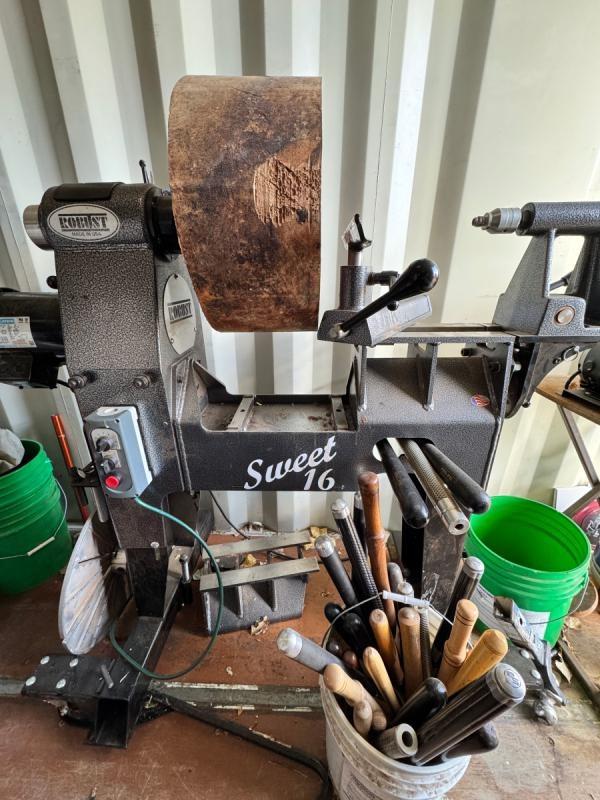
This lightly used Robust Sweet 16 lathe is designed specifically for bowl turning. It is solidly constructed with a short bed features a removable gap section and a tilting tailstock that can easily be dropped out of the way when not in use. The gap section of the bed can be mounted perpendicular to the headstock to better access the backside of bowls. The lathe comes equipped with a collection of high quality turning tools, a large faceplate, a large Oneway chuck with 18” soft jaws, a Oneway bowl saver, mobile stand, remote stop, and moveable, magnetic control pendant. The sale even includes several 16” bowl blanks in maple and walnut. It is truly everything you need for bowl turning in one deal!
The value of everything included new is over $10,000. The asking price for this lathe and accessories is $7500 OBO. Any serious inquires can be directed to info@plumier.org.
| | | |
There are still a few spots available in our press tool class, which is only five weeks away. | |
Creative Pressure: Uses of Hydraulic Forming in Craft
June 8-12
Instructors Phil Poirier and Peter Gilroy will cover the safe operation of 20-100 ton hydraulic presses, simple forming tools, deep draw forming, coin and medallion making, and the latest in hydraulic forming technology. We will of course find opportunities to mix complex turning into these applications as the class progresses. Reread or email on the class or visit our website for details.
| Thanks to a generous donation to our Scholarship Fund, Plumier is offering a scholarship for this press class. If you or a craftspeople you know could benefit from attending the class but cannot afford the tuition, here’s an opportunity. Simply email info@plumier.org with a description of your work and how the class would help advance it. The deadline for applying is Monday, May 11. | | | Plumier Intern Spencer Hamann began his second month-long stint in Saltsburg at the end of March through to the 19th of April. He kept a daily journal of his time at Plumier which he shared on Instagram. Spencer’s journal posts were extremely well received by the community, keeping us all engaged with his progress in the shop and invested in his journey as a student of complex turning. | | |
Here’s a beautiful passage recounting the end of a day of turning at Plumier:
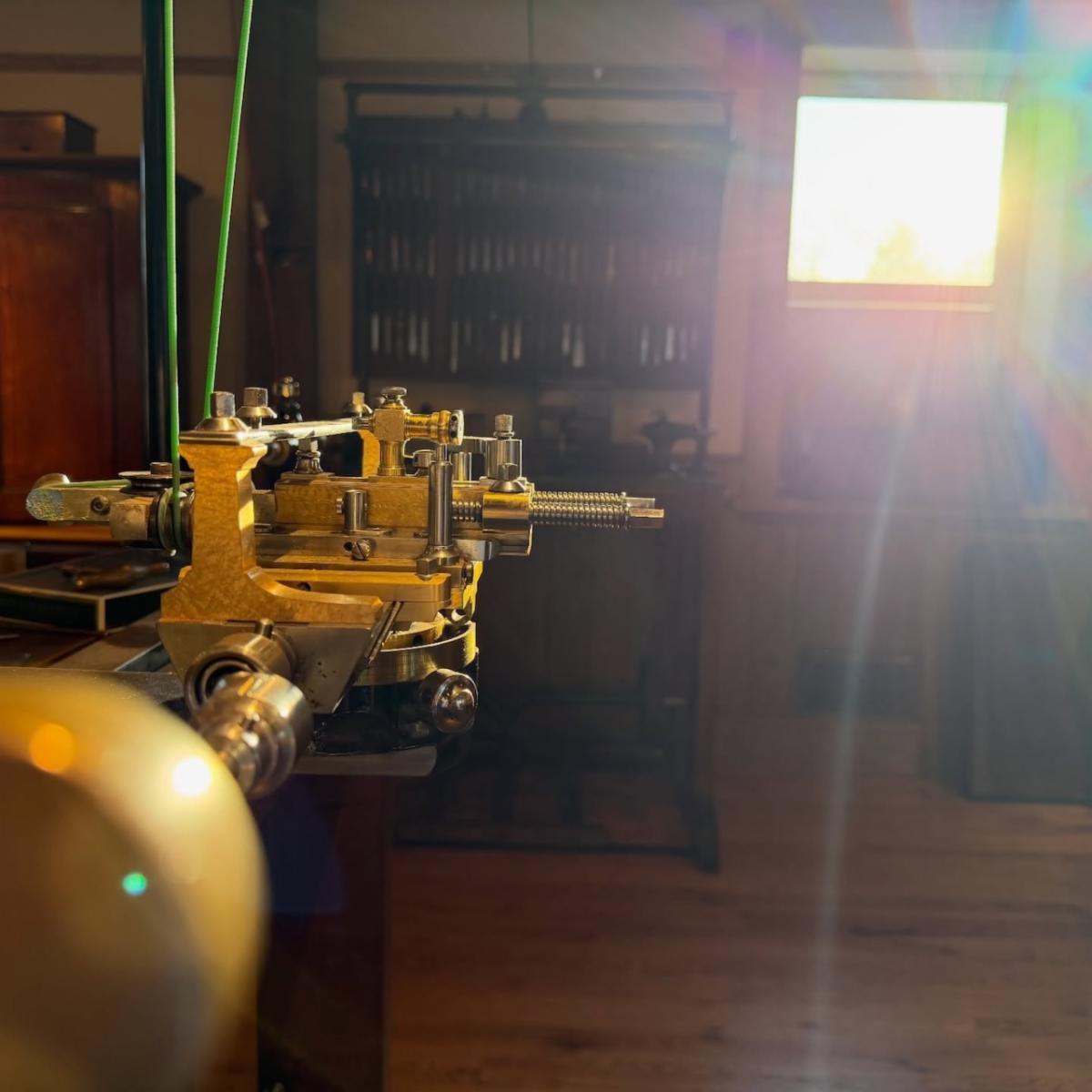
As I wound down the day, the setting sun over Saltsburg graced the Plumier complex turning chamber with radiance. There are so many things I can’t capture for you in these posts. What it’s really like to be here, to get to work here, the smells of exotic materials and Victorian metal, the feel of a cross slide hand wheel slipping around your fingers, the vibration of belts on an overhead drive, the gravity of the history you get to work with, the generosity that made it possible. There aren’t words enough to really describe these sensations; not really. I can tell you what an ice cream cone tasted like, but it’s not the same as tasting it. Maybe that’s cruel. And sometimes, as if this weren’t enough, everything coalesces and in a lightning strike untethered in time, it flashes crystal clear how turning has been linked with the celebration and imitation of the Divine for centuries. The world turns on its axis, you with it, and your work on the lathe with you.
| | | | Pictures around the studio by Spencer | | |
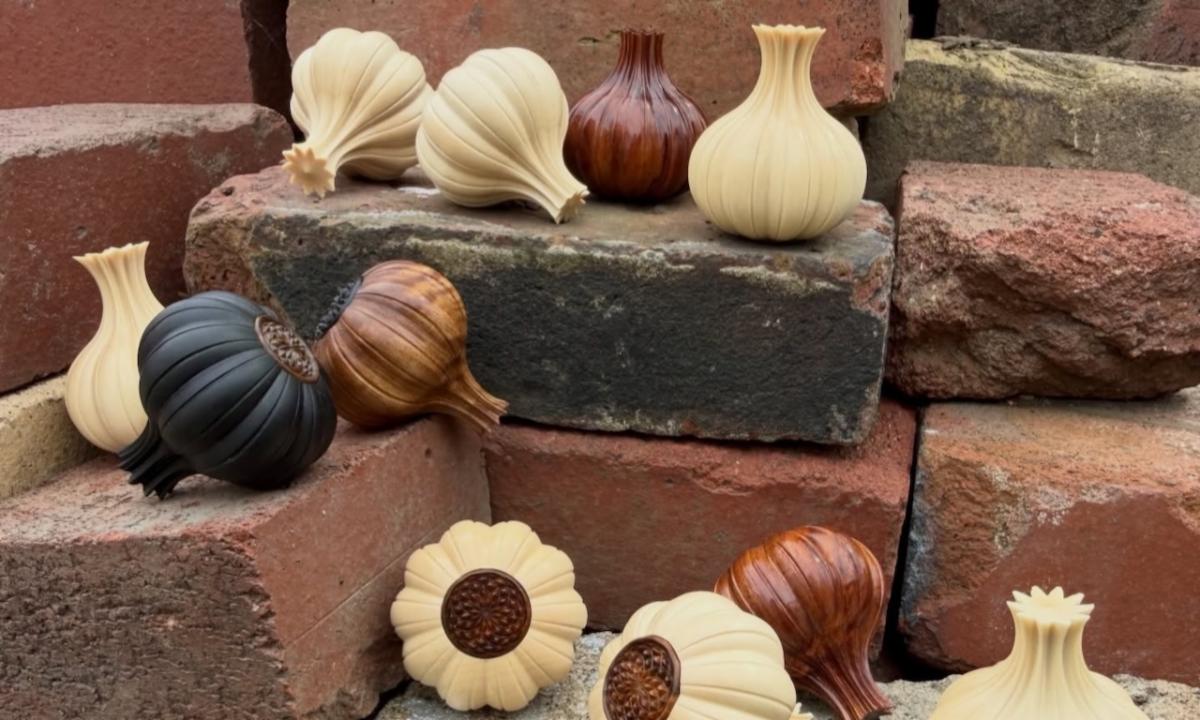
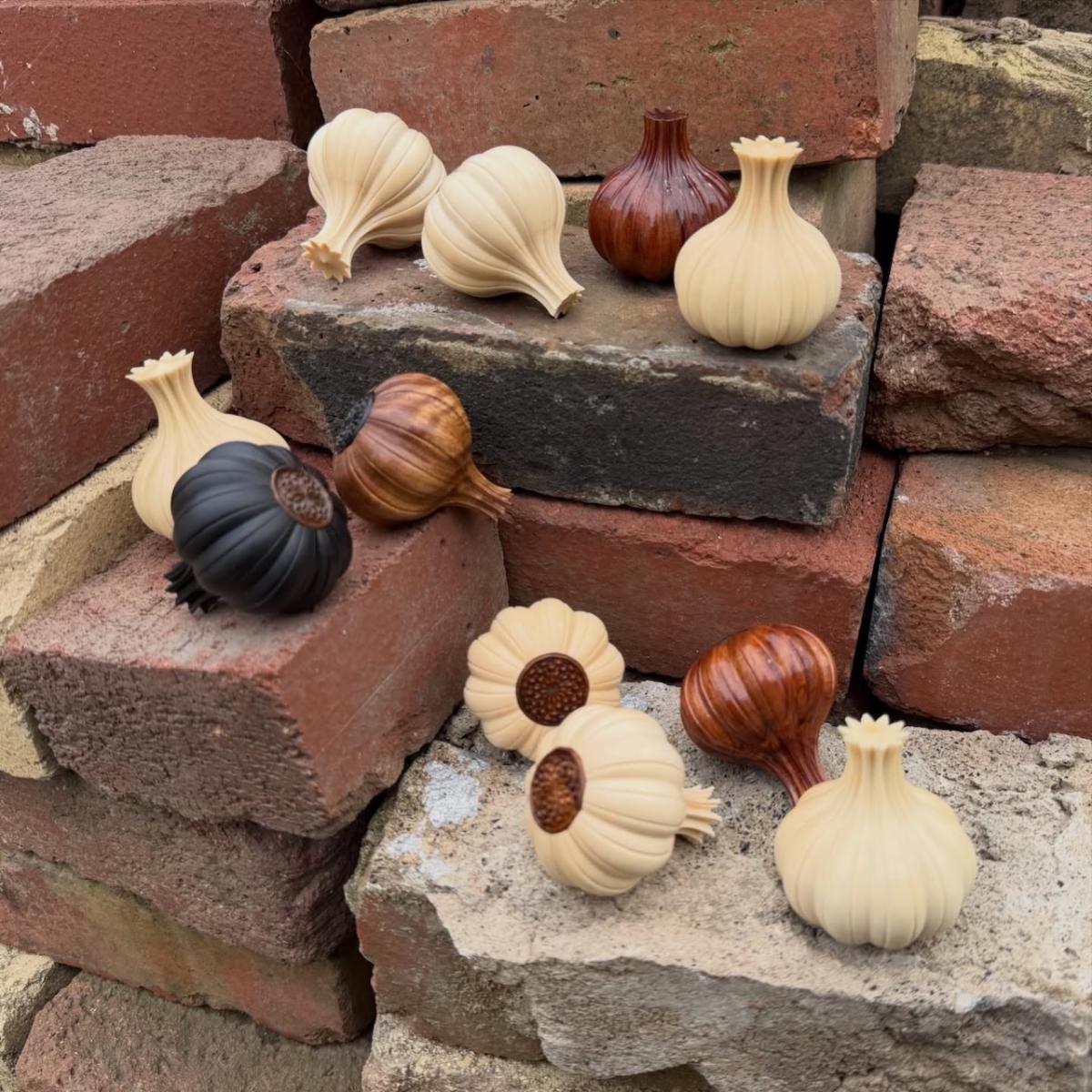
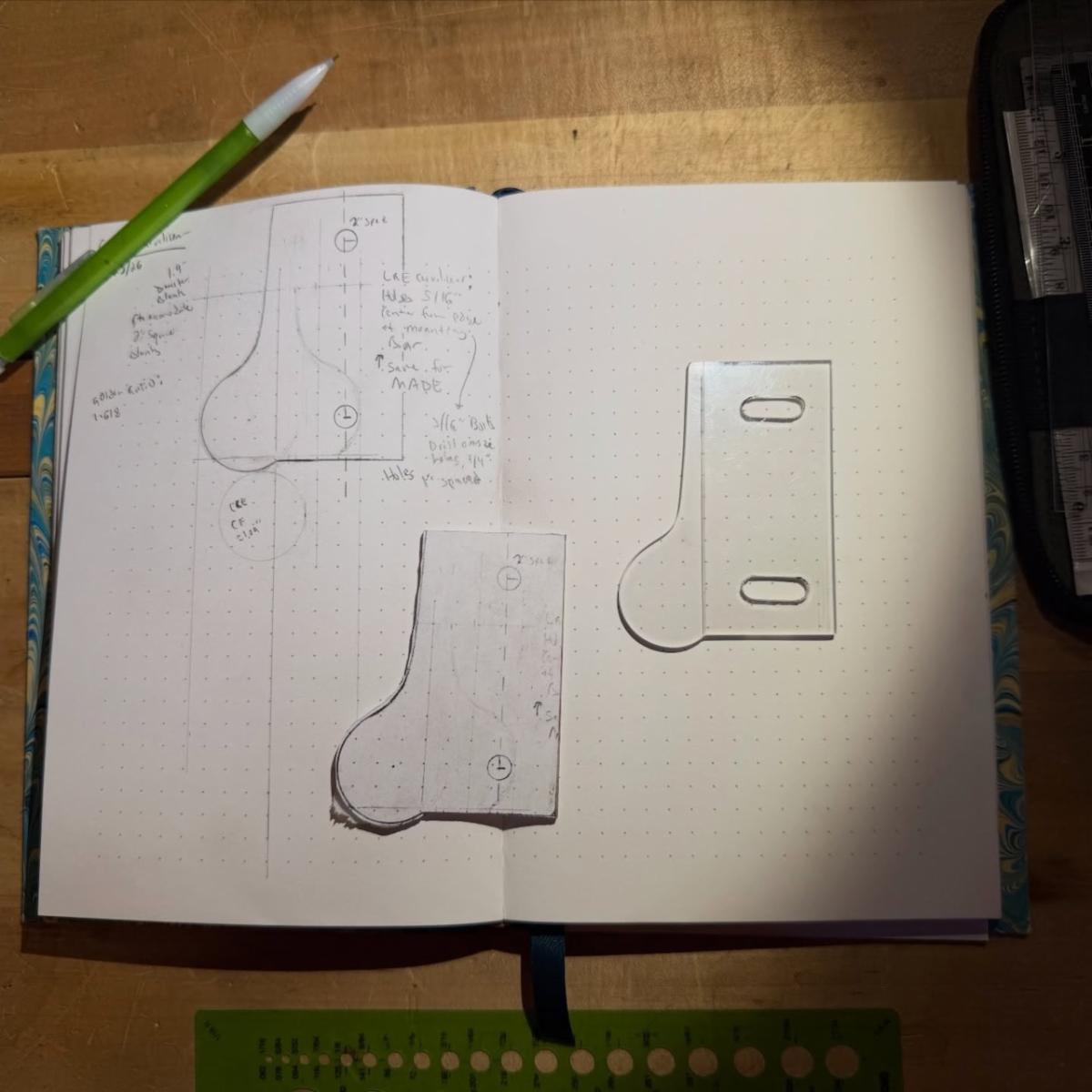
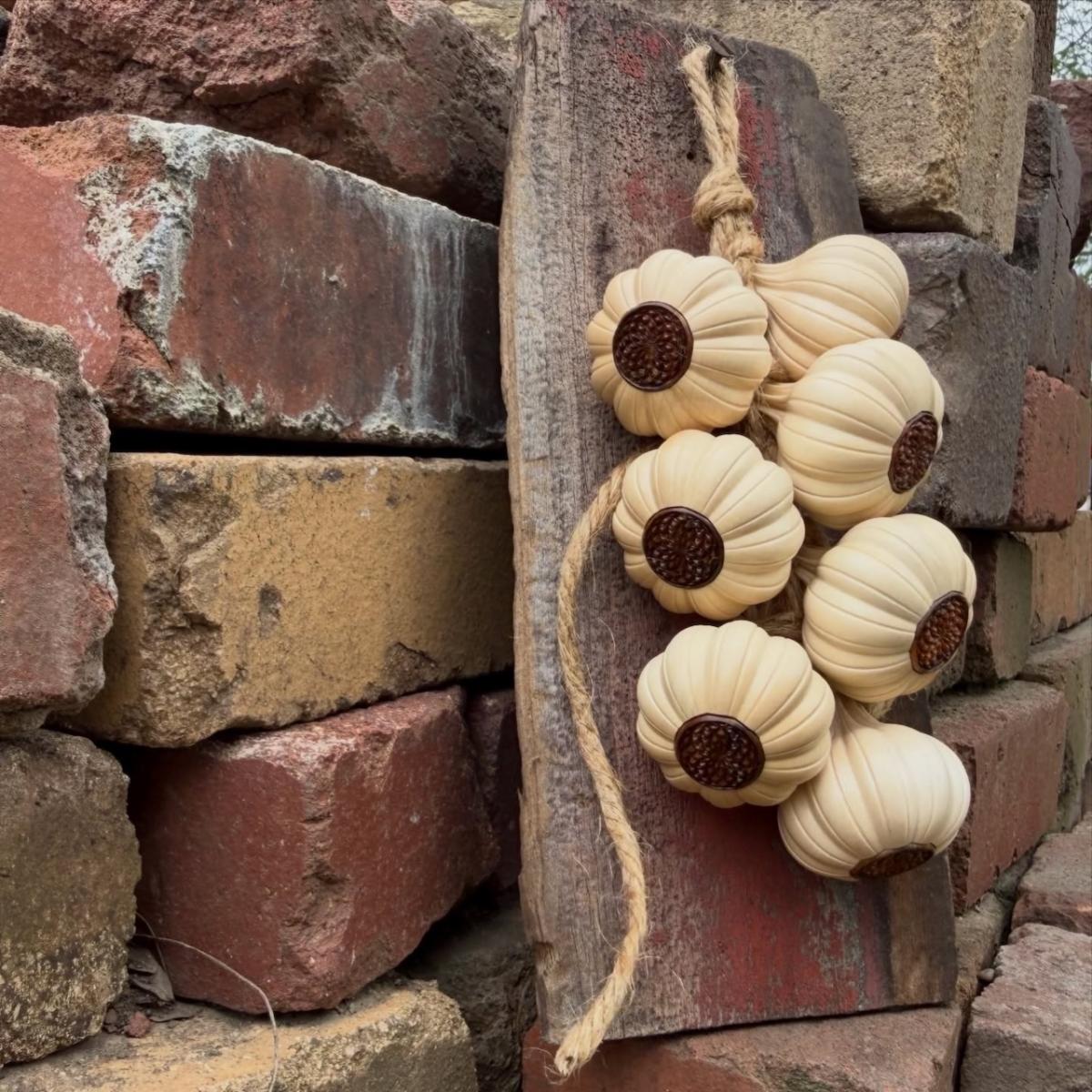
Building on the theme of the mushroom he turned last summer, Spencer started on a series of ornamentally turned garlic bulbs. It was a joy for all to follow along as these whimsical and beautiful bulbs were unearthed step-by-step. The project required careful work holding planning as the finished bulbs left no plain surface to chuck. Spencer started by making a custom curvilinear template to use along with a custom rosette he had designed and was made for him in advance by turner Dave Roberts. He prototyped the bulbs before committing to a plan and starting on a run in various woods, the bulk of which were done in holly for the most naturalistic effect with lignum barley-corn buttons where the stalks were cut. The results are mouth watering!
| | |
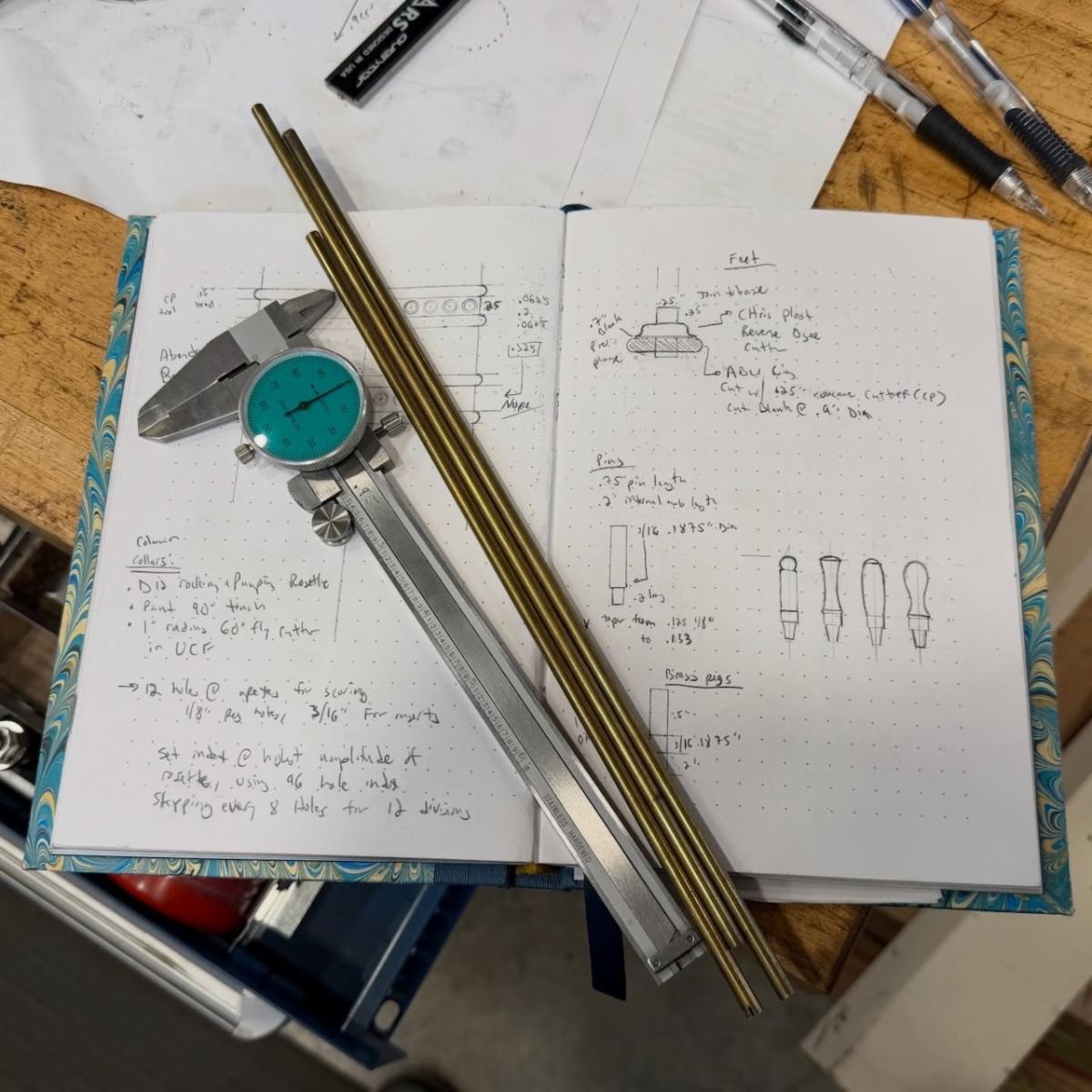
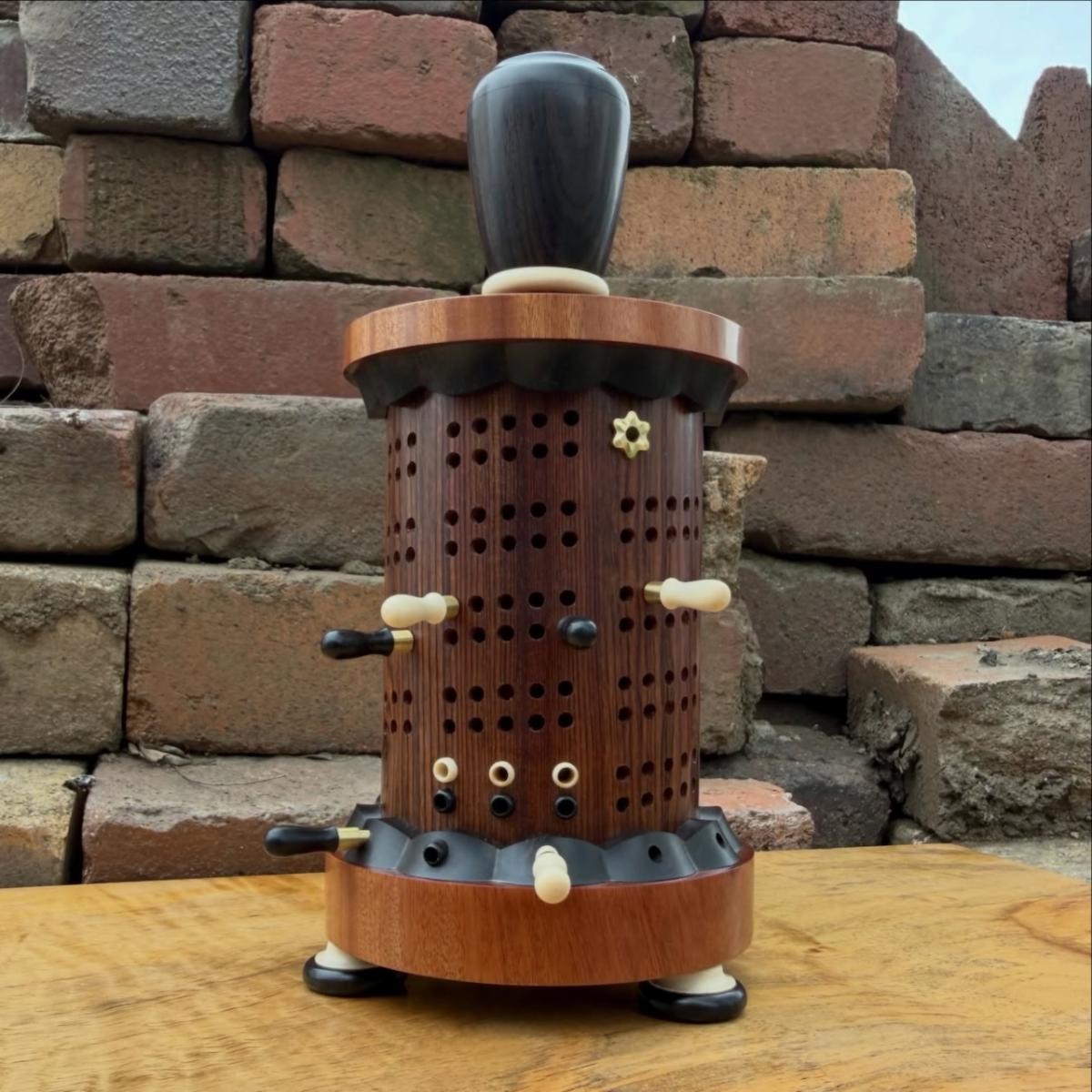
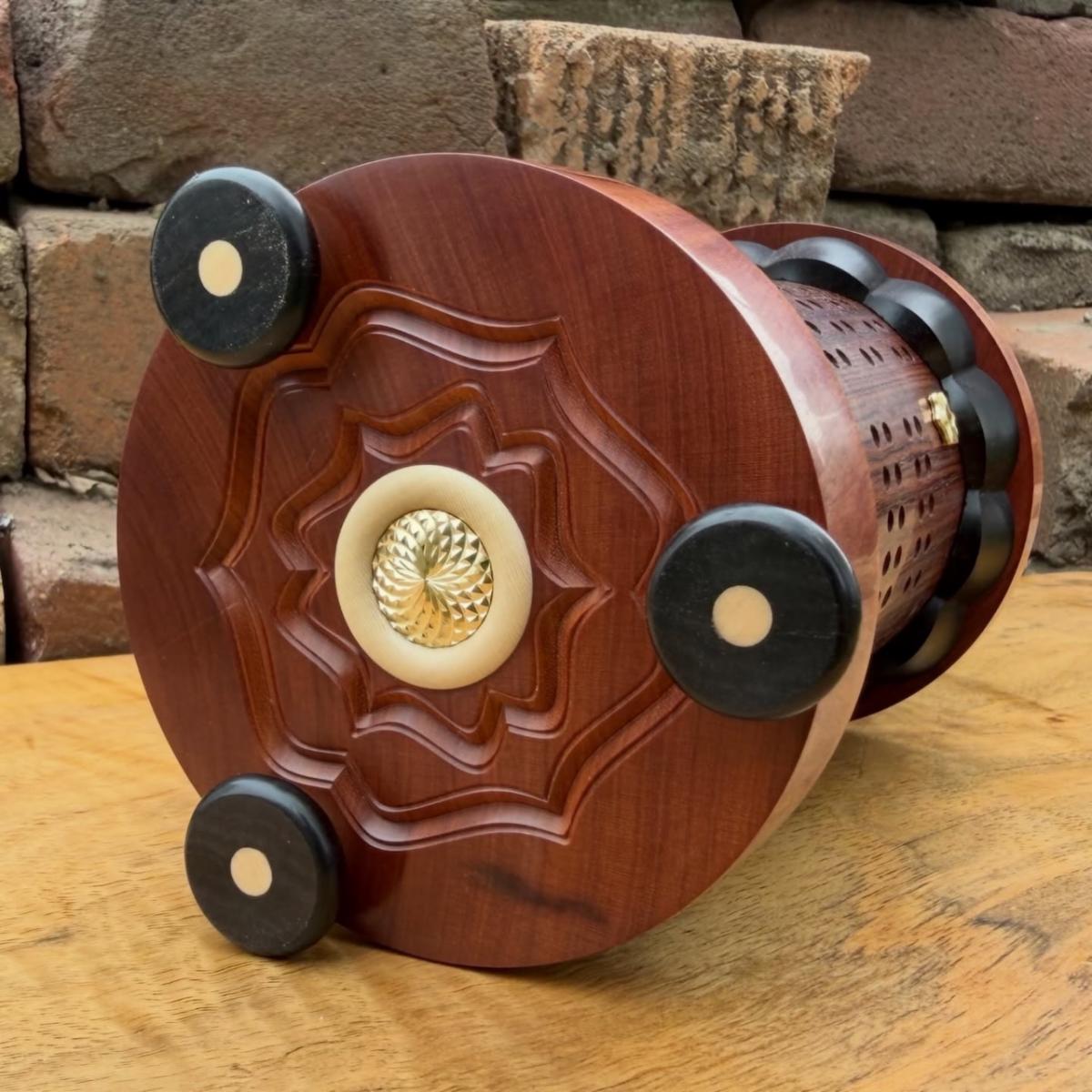
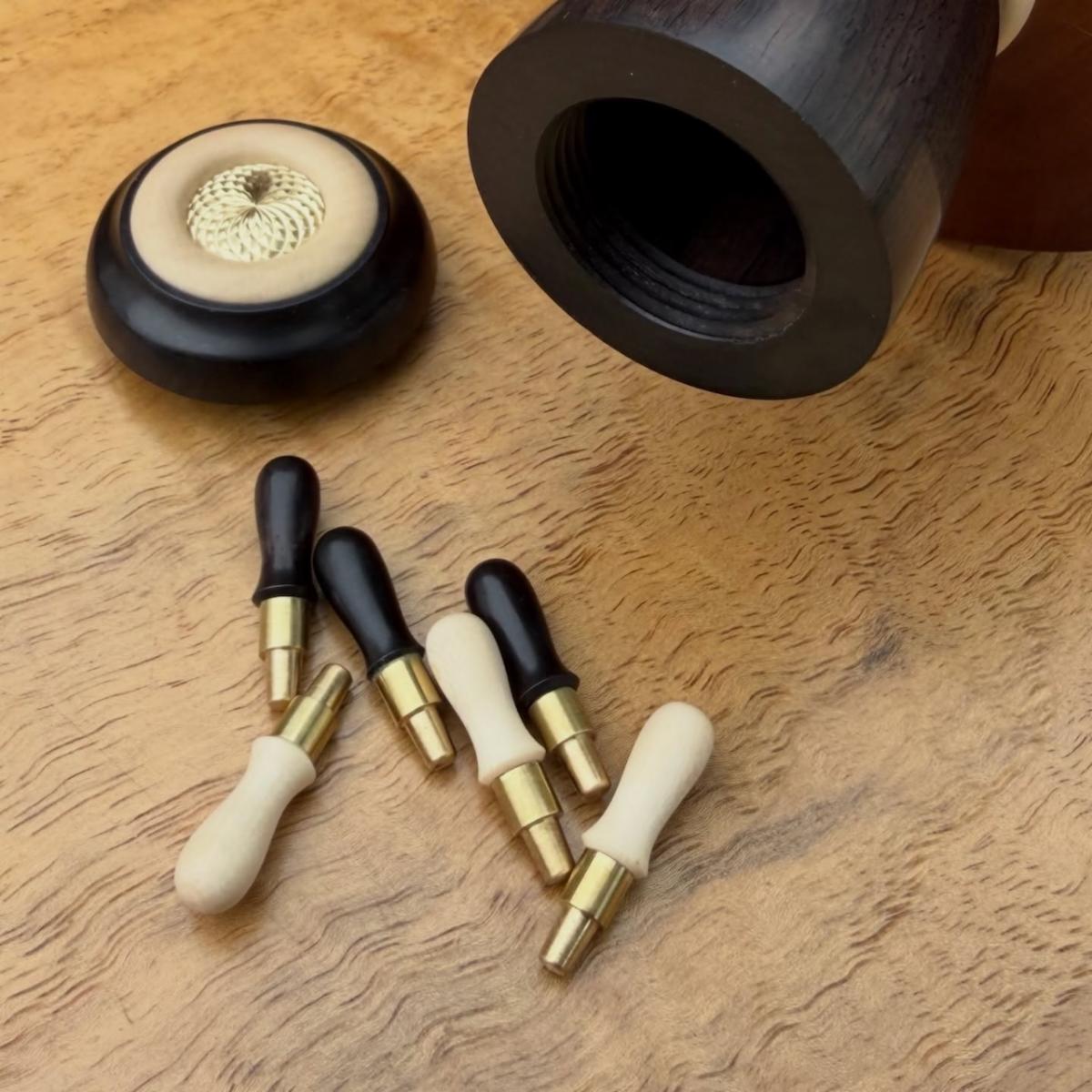
As if his harvest of garlic wasn’t bountiful enough, Spencer also completed an ambitious play on the complex-turned vessel form— a cylindrical cribbage board! He precisely machined the holes for the game pieces in a helical pattern into a beautiful piece of mopane. The “board” is framed in blackwood in a rose engine pattern with a mopane base and top. Spencer spared no effort in ornamenting the underside with beautiful rose engine work, skillfully machined feet in contrasting holly and blackwood, and a striking center button with a barleycorn in brass framed by holly. The top is equally impressive, with a hidden compartment in the large blackwood knob-finial that holds the game pieces—the brass barleycorn motif appears again on the threaded lid. The tiny game pieces in blackwood and holly with brass pegs required a level of precision and a skilled hand to fit and shape on the HLVH. The final composition is an incredible testament to Spencer’s progress in just two months at Plumier.
| | |
What has this time at Plumier meant to Spencer? For that we must return to his own words on his farewell to Saltsburg:
Today was the last day in the shop for the second month of my internship at Plumier. Saying farewell the first month was difficult, and it wasn’t much easier the second month.
The longer you spend in a place like this, the more you come to understand it’s not just a playground, or a machine shop, or a studio, or anything else so tangible. There is community. There is a living, breathing energy here that sweeps you away with it. But of all the wonder and inspiration and opportunity that take my breath away, there are also moments of sublime ordinary that stop me dead in my tracks. The quiet narthex where I write these journals each morning. A favorite view down from the solar gallery into a quiet shop. Or even more profound, turning the lights off in the complex turning chamber and catching a look before locking the door behind you. That’s a big one. There are only a handful of people in the world who have been so privileged to get to see that one, and it’s heavy.
That’s when it coalesces what it really means to be here and go on this grand adventure. It’s the faith, trust, and investment of so many people who didn’t need to be generous. It’s the support of my colleagues who make it so I can step away from my day job and step back in. It’s the love of my wife, holding responsibilities down at home and selflessly spending a lonely month without me there. It’s the deep desire to learn and grow and make the absolute most of the sacrifices others have made on my behalf that pushes me to strain against the ceiling of what I thought I was capable of. And to my astonishment, I find myself looking from above that ceiling on a solar balcony, gazing at the impossible made possible with my own hands.
I will soon post the final pictures of my projects from the last 27 days. While they may be milestones, for me in complex turning the product has been secondary to the process. More than objects, they are encapsulations of learning, engineering, and affecting change on the world around me. I hope they will bring you a fraction of the joy that was brought to me as I made them.
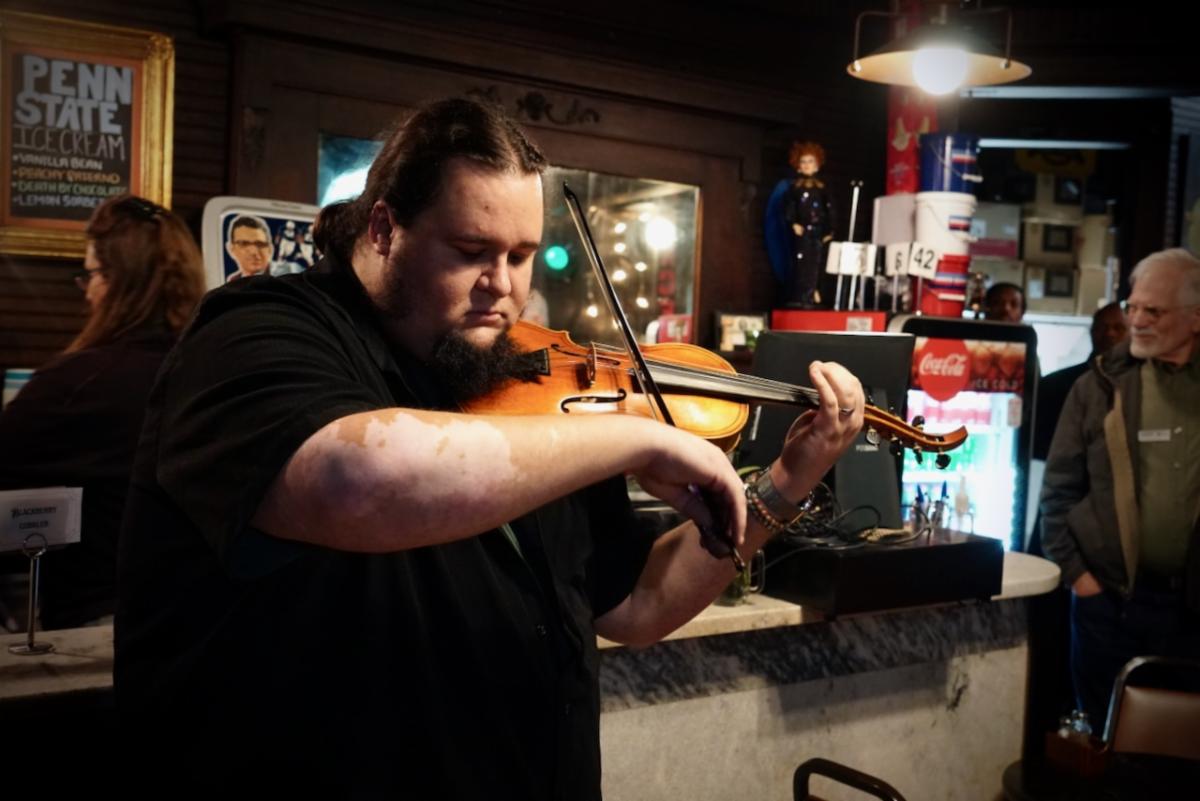
| | Spencer performing in the Point Street Tavern during our Fall Gathering last year | Spencer in the front room of Plumier last summer, pic by Becky Lindow | | |
Spencer will return for his third month this summer. We can’t wait to have him back.
To support our internship program, please consider contributing to the Plumier Scholarship Fund.
| | |
Upcoming Events
Open Shop Saturday - May 9
With special guest Seth Gould giving a presentation on his journey in toolmaking and metal arts (See our March Update or visit our website for more details)
Creative Pressure: Uses of Hydraulic Forming in Class - June 8-12
Learn to harness the power of the press with guest instructors Phil Poirier and Peter Gilroy. Learn more from our email.
Open Shop Saturday - June 13
With special guest Laurie Vaher giving a presentation on antique ripple molding machines
Basic Machine Shop Practices - July 13-17 (Two spots left!)
This will be a detailed introduction to machine tool operation, drafting, and metrology for craftspeople of any discipline taught by David Lindow, Christian Lindow, and Daniel Ravizza.
Plumier Fall Gathering - October 23-25 (Less than six months to go!)
You won’t want to miss our biggest event of the year—save the date! Take a look back at the 2025 Fall Gathering if you unfamiliar with the event.
| | | |
Support craft, support Plumier.
The best way to support is by joining us as a member today.
One-time contributions can also be made through our website or GoFundMe. Also, consider making a targeted contribution to our Scholarship Fund.
A check sent to the address below is also a welcomed form of donation.
| |
| | | |