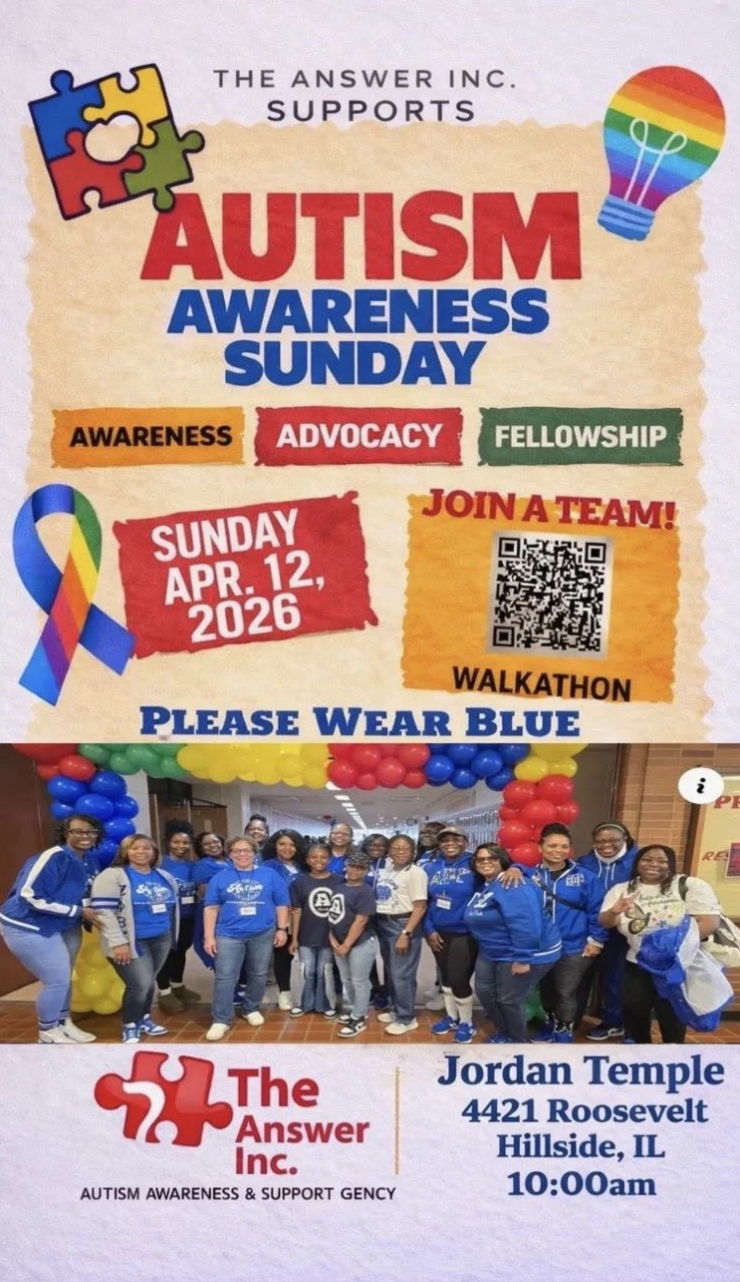
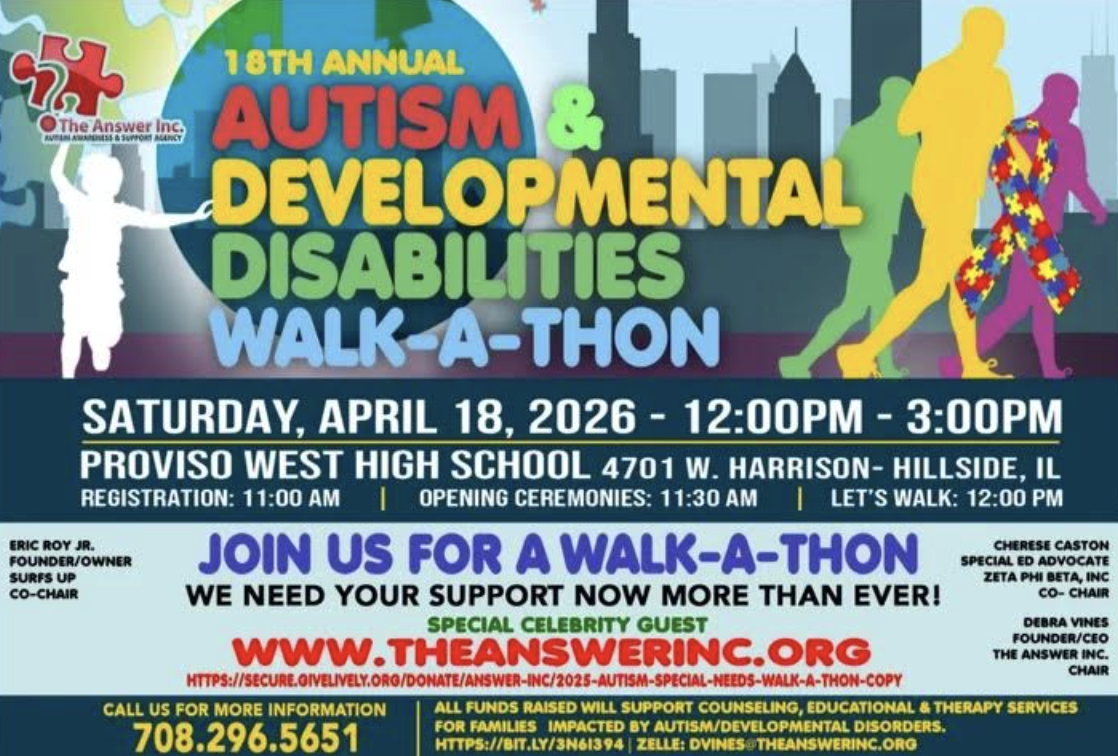
It's Autism Awareness and Acceptance Month | |
|
National Today Reports
April 2026
| | |
Autism Acceptance Month, previously named Autism Awareness Month, in April aims to celebrate and promote acceptance for the condition that occurs in one in every 54 children as of 2020 in the United States. Autism, a complex developmental condition affecting the patient’s ability to interact, communicate, and progress, has not one but many subtypes. First held in the year 1972 by the Autism Society, Autism Acceptance Month emphasizes the need for public awareness to promote acceptance, celebrate the differences, and be more inclusive towards autistic individuals around us.
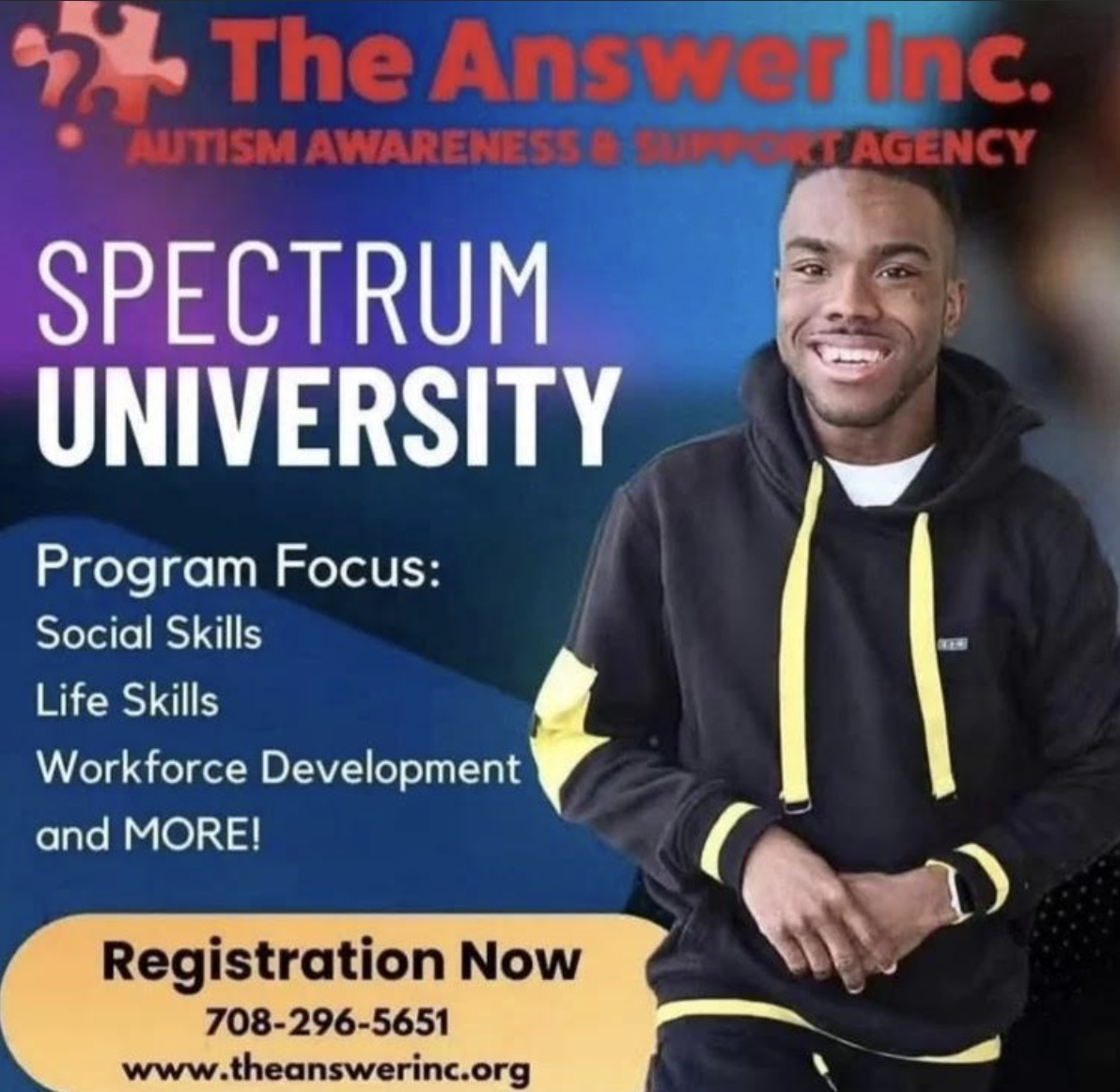
| Helps spread the word. Click the image below, copy and paste it, then text it to a friend or family member looking for a job. | Click images below to learn more | |
Autism Parenting Reports
March 27, 2026
| Autism Acceptance vs Awareness: Is There a Difference? | |
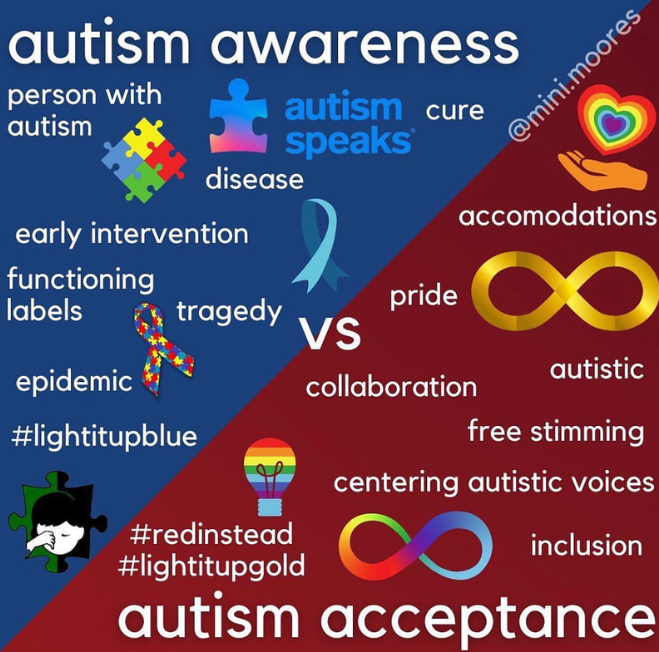
You have probably heard the terms “Autism Acceptance” and “Autism Awareness” used often. At first, they might seem similar, but they’re like two different paths leading to the same destination: understanding and supporting people with autism.
In many places, Autism Awareness Month is a big deal. People raise donations, share autism-related social media posts, and hold rallies. It’s a time to spread awareness of the challenges and celebrate the differences of those affected by autism.
In 2020, the Autism Society of America replaced “Awareness” with “Acceptance” for the first time. What’s behind this shift, and why do the words matter?
| |
Bridging the Autism Diagnosis Gap
Dr. Grant Advocates for Equity and
Early Intervention
| |
Dear Reader,
This month marks a significant occasion as we come together to honor Autism Awareness Month. Within the United States, the prevalence of autism spectrum disorder (ASD) is notable, with statistics revealing that 1 in 36 children and 1 in 46 adults are affected. Yet, amidst these figures lies a profound disparity in the timing of autism diagnoses, particularly among communities of color.
While research indicates no substantial variation in autism prevalence across racial groups, there exists a stark contrast in the age of diagnosis. Factors such as socioeconomic status, access to healthcare, implicit racial biases, and limited health literacy contribute to this concerning trend. In contrast to their White counterparts, Black and Hispanic children frequently receive their autism diagnosis after the age of 5, despite displaying symptoms as early as ages 2 or 3, when parental concerns were initially raised with healthcare providers.
White children were 30% more likely to be diagnosed with autism compared to their Black counterparts and 50% more likely than Hispanic children. The root causes of these disparities are multifaceted, ranging from limited English proficiency among Hispanic families to widespread discrimination and stigma associated with autism within communities of color.
Despite the expertise of various healthcare professionals capable of diagnosing autism, Pediatricians hold a unique position in early detection due to their frequent interactions with children during their formative years. Pediatricians are uniquely positioned to build a strong rapport with children and ensure that all families receive a timely diagnosis during the period when ASD signs and symptoms are most prevalent. However, a dearth of knowledge, insufficient familiarity with screening tools, and a lack of confidence in identifying ASD symptoms hinder timely diagnoses. Consequently, the pervasive "wait and see" approach perpetuates diagnostic delays, particularly among Black and Hispanic children.
Tragically, these disparities only intensify within marginalized communities. Providers' discomfort in identifying ASD risk among Spanish-speaking families, coupled with lower Medicaid reimbursement rates for diagnostic services, exacerbates diagnostic delays and hampers access to crucial care. Moreover, implicit biases among providers can further distort assessments, leading to the misattribution of ASD symptoms to behavioral issues stereotypically associated with Black and Hispanic children.
While patients may lack direct influence over ASD diagnostic delays, there is promising evidence suggesting that maternal health practices, such as maintaining a balanced diet and avoiding harmful substances during pregnancy, may mitigate risk factors associated with ASD. However, it is essential to acknowledge that autism cannot be prevented. For autistic mothers, fathers, and caregivers, I encourage the utilization of medical, spiritual, and communal resources to prioritize mental health. My heart extends to you during this challenging journey.
In light of these disparities, it is imperative to address systemic inequities within the medical field. With only 2% of Pediatricians being Black, the urgent need for diversity in healthcare is undeniable. By dismantling barriers to education and promoting culturally responsive medical training, we can foster a more inclusive healthcare landscape. Additionally, increased research efforts are warranted to develop ASD assessment tools tailored to underserved communities, thereby facilitating earlier detection and intervention.
As advocates for change, we must urge legislators to reassess Medicaid reimbursement rates to bolster diagnostic services in underserved areas. Every child, regardless of race or socioeconomic status, deserves equal access to timely diagnoses and interventions.
In closing, let us embark on this journey towards health equity with resolve and compassion. Our nation's children, irrespective of their backgrounds, are deserving of a bright and promising future.
Thank you,
Chezalyn Grant, ND
Health Equity Coordinator
Office of State Representative La Shawn K. Ford
| |
The White House Reports
April 2, 2025
|
Presidential Message on Autism
Awareness Day
| |
Today, we recognize Americans with autism spectrum disorder (ASD), whose talents, character, and determination strengthen our Nation and enrich our communities.
Every child is made in the image and likeness of God, with inherent dignity, purpose, and worth. The lives of those with autism reflect that truth in powerful ways, bringing joy, insight, and inspiration to their families, communities, and our country. My Administration remains committed to ensuring that individuals living with autism have the support and resources they need to reach their full potential.
| |
Illinois Senate Democrats Reports
March 26, 2026
| Loughran Cappel recognizes Autism Awareness Day as April 2 | |
SPRINGFIELD – To promote inclusion and advocate for the well-being of individuals with autism, State Senator Meg Loughran Cappel led a measure declaring April 2 as Autism Awareness Day.
“Every person with autism brings unique gifts, perspectives and strengths that enrich our communities,” said Loughran Cappel (D-Shorewood). “Illinois is standing as a state that chooses acceptance, understanding and belonging.”
The resolution’s purpose is to recognize both the progress and everyday struggle people with autism face. April 2 is also recognized by the United Nations as World Autism Day.
| |
CI Proud Reports
March 30, 2025
| World Autism Awareness Day highlights importance of early support and inclusion | |
PEORIA, Ill. (WMBD) — April 2 marks World Autism Awareness Day, kicking off Autism Awareness Month, a time focused on education, understanding, and inclusion for people on the autism spectrum.
At Easterseals Central Illinois, leaders said autism is not one-size-fits-all.
“Autism is a difficult diagnosis because it appears on a spectrum,” said Eric Glow, Vice President of Clinical Services. “There’s no one child that looks the same as another.”
| The Illinois Department of Central Management Services Reports | April is Autism Acceptance Month | |
Autism spectrum disorder is a developmental disorder. Symptoms generally appear in the first two years of life. Autism may not be recognized or diagnosed until much later. It can be diagnosed at any age. A person with autism has a brain that works differently. The way they respond to things may be different. It can affect the way a person gets along and communicates with others.
It can also affect how a person behaves and can make it difficult for a person to do the things that others do easily. People with autism can be very sensitive to certain things. Some children with ASD may:
| |
Autism Society Reports
April 3, 2026
| The Autism Society of America is proud to celebrate Autism Acceptance Month, continuing our commitment to #CelebrateDifferences throughout April and beyond. Autism Acceptance Month recognizes that Autism is more than a diagnosis—it is identity, community, and a lived experience that encompasses both challenges and triumphs. | Click Image Below to View HR0616, which declares April as Autism Awareness Month in the state of Illinois, sponsored by State Rep. Diane Blair-Sherlock | |
Living with Autism
Personal Stories of Strength, Resilience,
and Growth
| The stories of people living with Autism Spectrum Disorder (ASD) provide a powerful and personal look at the challenges and triumphs of life on the spectrum. These narratives highlight the unique experiences of individuals, showcasing their resilience, growth, and the diverse ways they navigate the world. From overcoming communication barriers to developing social connections, these stories emphasize the importance of acceptance, understanding, and support in helping individuals with autism lead fulfilling lives. Each story reflects the strength and potential of those living with autism, offering inspiration and insight to others. | Living with Autism: Jackson's Story | Living with Autism: Maliyah's Story | |
"My advice to them (children with autism) would be if you have a dream to do something that you love to do and be successful at, go for it. Don't give up on your dream stay encouraged, believe in yourself, and work hard to do what you love."
-Armani Williams, the first NASCAR Driver on the Autism Spectrum
| |
Rep. Ford Pushes for Awareness
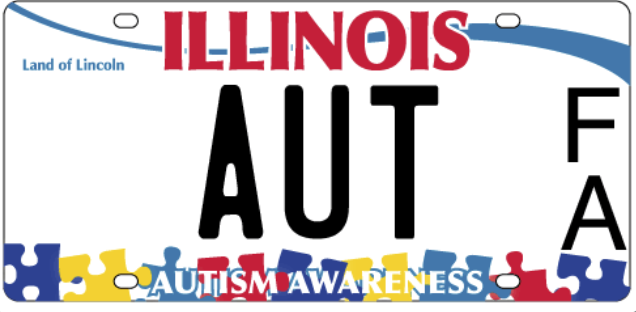
New License Plate Decals to Support Autism Services in Illinois
| State Rep. La Shawn K. Ford, D-Chicago, recently passed House Bill 42 in the Illinois House, paving the way for new autism awareness license plate decals. Designed in collaboration with autism advocacy organizations, the decals will offer drivers a meaningful way to show support while generating funds for the Autism Awareness Fund. A portion of the proceeds will go toward critical autism services, including early intervention efforts for children. The bill passed without opposition and now heads to the Senate for consideration. | |
Illinois Black Caucus Reports
May 15, 2023
| Ford Passes Plan to Issue Special Autism Awareness License Plate Decals | |
SPRINGFIELD, Ill. – State Rep. La Shawn K. Ford, D-Chicago, passed a measure out of the House Wednesday that would allow drivers to use license plates with a special autism awareness decal.
“For drivers looking to show their support for autism awareness efforts, this will give them another option,” Ford said. “It’s important as a state that we prioritize funding for autism research and services, particularly early intervention efforts for children who can really benefit from it. These plates will be a small part of that effort, but they underscore our values and support for each other
here in Illinois.”
| Click Image Below to Read HB0042, sponsored by State Rep. La Shawn Ford | |
Beyond the Label
A Deeper Look into Autism Spectrum Disorder
| Autism Spectrum Disorder (ASD) is a developmental condition that affects how individuals communicate, interact, and experience the world around them. It exists on a spectrum, meaning each person with autism has unique strengths and challenges. Some may need significant support in daily life, while others live independently. Understanding ASD helps break down stereotypes, fosters empathy, and encourages early intervention—creating a more inclusive and supportive society for all. | |
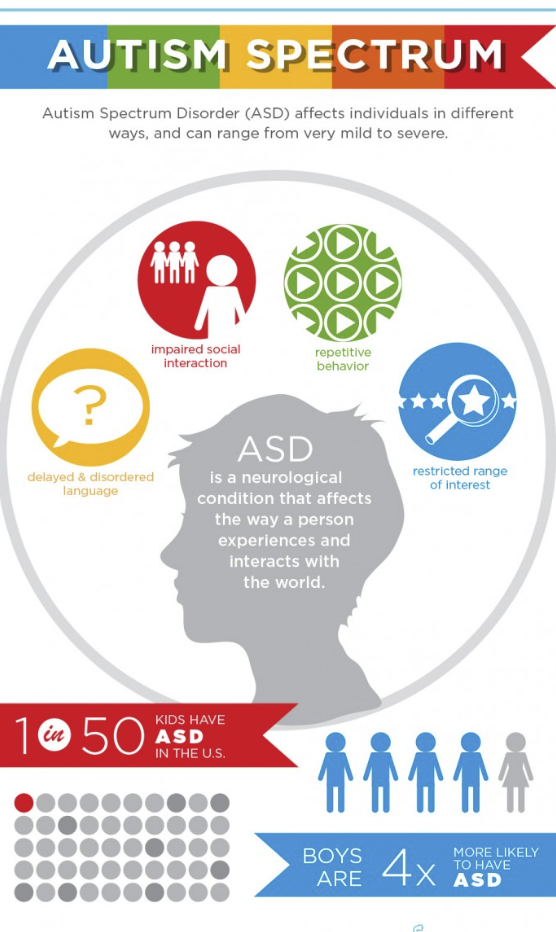
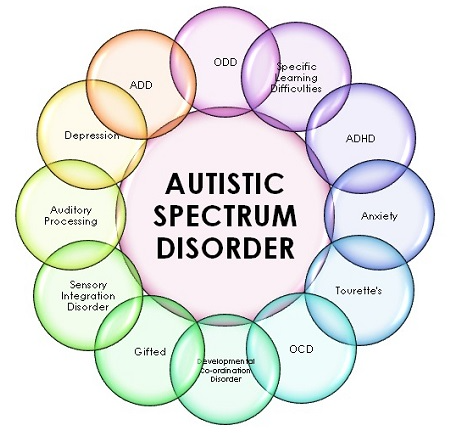
Autism, or autism spectrum disorder (ASD), refers to a broad range of conditions characterized by challenges with social skills, repetitive behaviors, speech and nonverbal communication. According to the Centers for Disease Control, autism affects an estimated 1 in 36 children and 1 in 45 adults in the United States today.
| | The U.S. Centers for Disease Control and Prevention Reports | | About Autism Spectrum Disorder | | |
Key points
- Autism spectrum disorder (ASD) is a developmental disability caused by differences in the brain.
- Some people with ASD have a known difference, such as a genetic condition. Other causes are not yet known.
- Scientists believe there are multiple causes of ASD that act together to change the most common ways people develop. We still have much to learn about these causes and how they impact people with ASD.
- Early intervention services can greatly improve the development of a child with ASD.
| | |
Autism by the Numbers
A Growing and Diverse Community
| | Autism spectrum disorder (ASD) affects approximately 1 in 36 children in the United States, according to recent data from the CDC. While autism is diagnosed across all racial, ethnic, and socioeconomic groups, disparities in access to care can influence when and how individuals receive a diagnosis. Boys are diagnosed more frequently than girls, but growing research suggests that many girls may go undiagnosed due to subtler symptoms. As awareness increases, so does the importance of ensuring early identification and equitable access to support for all individuals on the spectrum. | |
Autism Speaks Reports
November 4, 2020
| |
- 1 in 36 children in the U.S. have autism, up from the previous rate of 1 in 44.
- 1 in 45 adults in the U.S. have autism
- In the U.S., about 4 in 100 boys and 1 in 100 girls have autism.
- Boys are nearly 4 times more likely to be diagnosed with autism than girls.
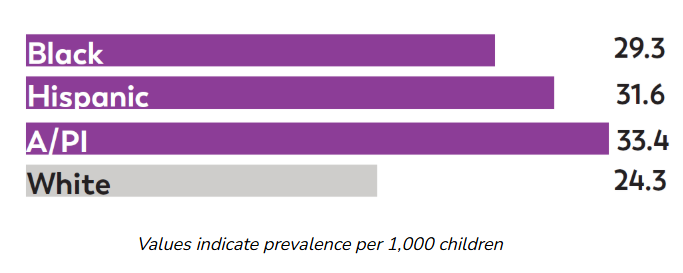
- Autism prevalence is lower among white children than other racial and ethnic groups:
- White – 2.4%
- Black – 2.9%
- Hispanic – 3.2%
- Asian or Pacific Islander – 3.3%
These changes reflect an improvement in outreach, screening and de-stigmatization of autism diagnosis among minority communities.
| |
|
Recognizing the Signs
Common Symptoms of Autism
Spectrum Disorder
| Autism Spectrum Disorder Symptoms | |
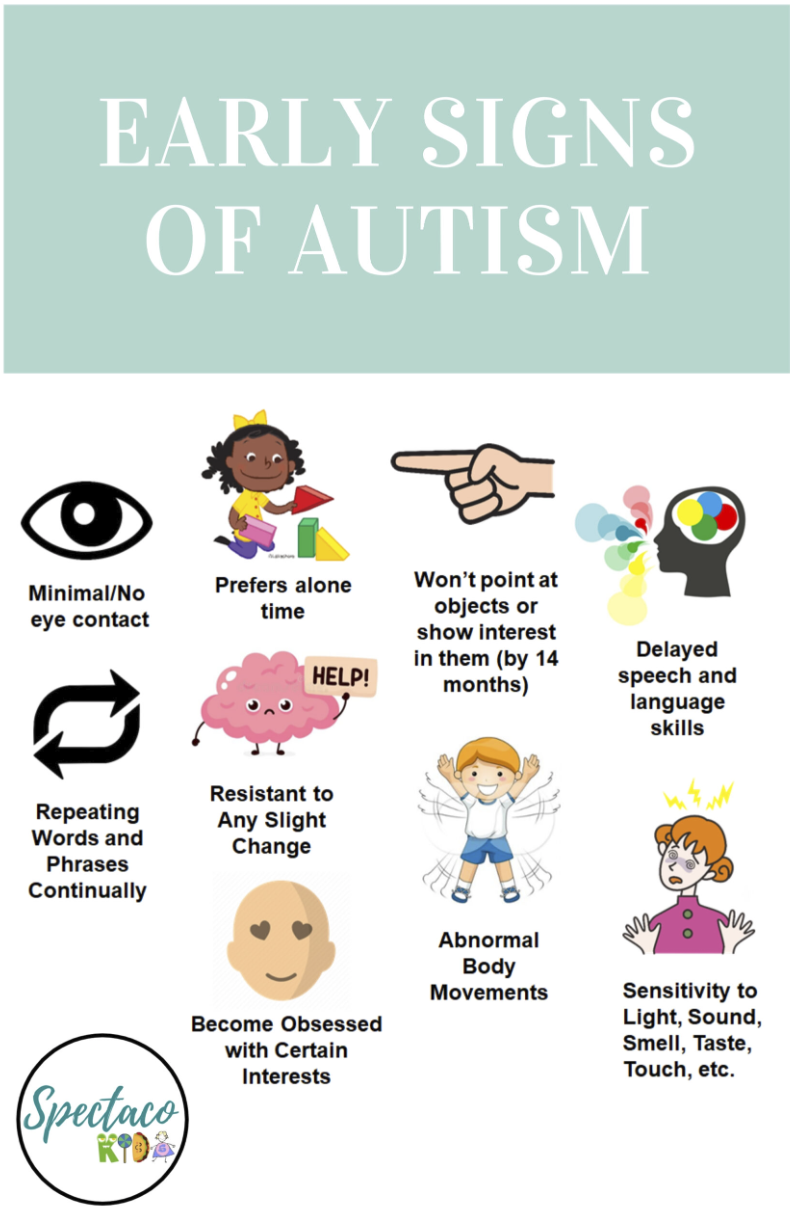
A child or adult with autism spectrum disorder may have problems with social interaction and communication skills, including any of these signs:
- Fails to respond to his or her name or appears not to hear you at times
- Resists cuddling and holding, and seems to prefer playing alone, retreating into his or her own world
- Has poor eye contact and lacks facial expression
- Doesn't speak or has delayed speech, or loses previous ability to say words or sentences
- Can't start a conversation or keep one going, or only starts one to make requests or label items
- Speaks with an abnormal tone or rhythm and may use a singsong voice or robot-like speech
- Repeats words or phrases verbatim, but doesn't understand how to use them
- Doesn't appear to understand simple questions or directions
- Doesn't express emotions or feelings and appears unaware of others' feelings
- Doesn't point at or bring objects to share interest
- Inappropriately approaches a social interaction by being passive, aggressive or disruptive
- Has difficulty recognizing nonverbal cues, such as interpreting other people's facial expressions, body postures or tone of voice
| Signs and Symptoms of Autism | A visual guide to Autism signs and symptoms | |
Exploring the Roots of Autism
Understanding the Complex Genetic, Environmental, and Neurological Factors Behind Autism Spectrum Disorder
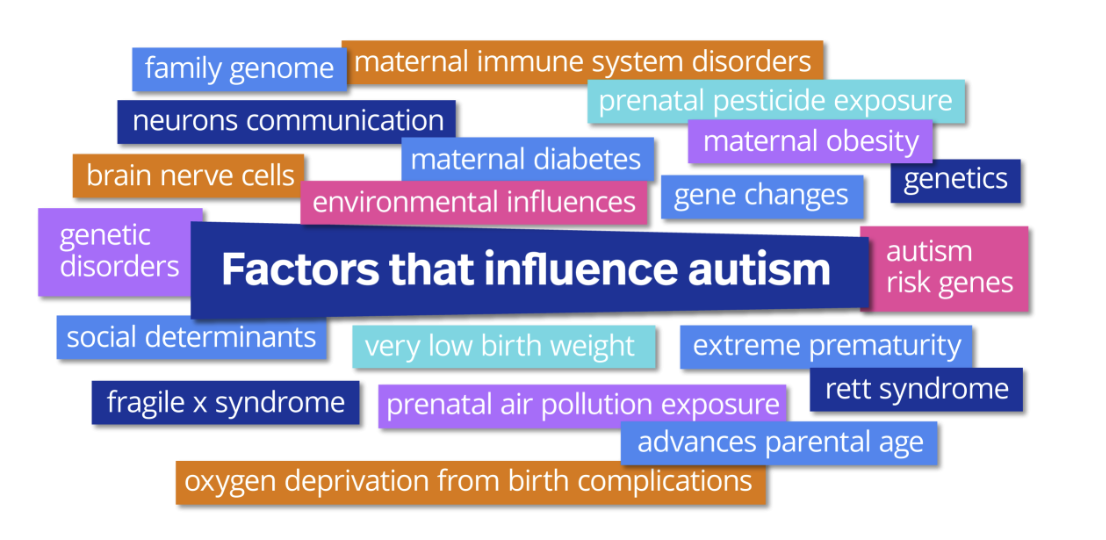
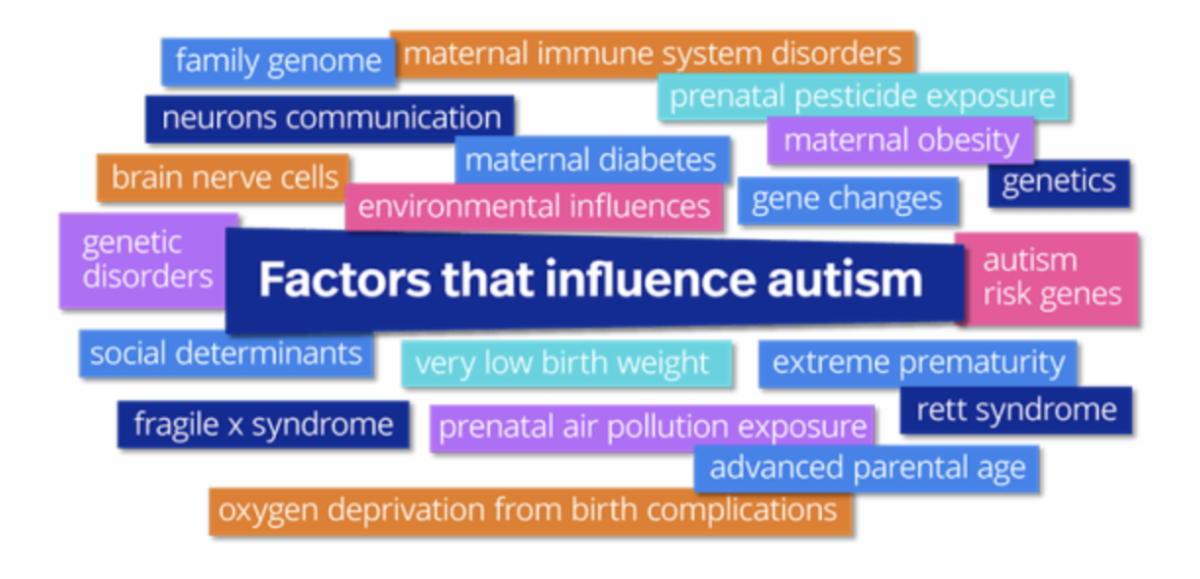
| The exact causes of Autism Spectrum Disorder (ASD) are still not fully understood, but research suggests a combination of genetic, environmental, and neurological factors play a role. Certain genes may increase the risk of autism, and environmental influences—such as prenatal exposure to toxins, infections, or complications during birth—can also contribute. Additionally, differences in brain development and connectivity have been observed in individuals with autism. While no single cause has been identified, ongoing studies continue to shed light on the complex factors that contribute to ASD. |
There are many causes of autism.
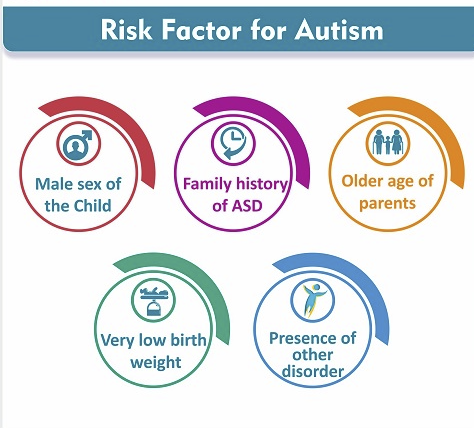
Research suggests that autism spectrum disorder (ASD) develops from a combination of genetic and environmental influences, including social determinants. These factors appear to increase the risk of autism and shape the type of autism that a child will develop.
However, it’s important to keep in mind that increased risk is not the same as a cause. For example, some gene changes associated with autism can also be found in people who don’t have the disorder. Similarly, not everyone exposed to an environmental risk factor for autism will develop the disorder. In fact, most will not.
| |
Diagnosing Autism
How Professionals Identify Autism Spectrum Disorder Through Evaluation and Observation
| Diagnosing Autism Spectrum Disorder (ASD) involves a comprehensive evaluation by healthcare professionals, including developmental screenings, behavioral assessments, and input from parents or caregivers. There is no single medical test for autism; instead, diagnosis is based on observing patterns in behavior, communication, and social interaction. Early and accurate diagnosis is essential for connecting individuals with the appropriate support services and interventions tailored to their unique needs. | |
U.S. Centers for Disease Control and Prevention Reports
May 16, 2024
| Clinical Testing and Diagnosis for Autism Spectrum Disorder | |
There are many tools to assess ASD in young children, but no single tool should be used as the basis for diagnosis. Diagnostic tools usually rely on two main sources of information—parents' or caregivers' descriptions of their child's development and a professional's observation of the child's behavior.
In some cases, the primary care provider might choose to refer the child and family to a specialist for further assessment and diagnosis. Such specialists include neurodevelopmental pediatricians, developmental-behavioral pediatricians, child neurologists, geneticists, and early intervention programs that provide assessment services.
| |
Autism Society Reports
May 16, 2024
| Screening & Diagnosis Identifying Autism | |
Medical professionals who may have experience with Autism and other neurodevelopmental disorders include pediatricians (especially developmental pediatricians), neurologists, psychiatrists and psychologists. Not every one of these professionals has experience with Autism, so you should seek recommendations of knowledgeable professionals in your area from:
- Your local Autism Society affiliate
- Autism support groups
- People who have children or other family members with Autism
- Your primary care provider
| |
The Power of Early Detection
Why Identifying Autism Early Makes a Lifelong Difference
| Early detection of Autism Spectrum Disorder (ASD) is crucial for providing timely support and interventions that can significantly improve a child’s development and quality of life. Recognizing signs of autism at an early age allows for tailored therapies that enhance communication, social skills, and learning abilities. The earlier a diagnosis is made, the more effective these interventions tend to be, helping children reach their full potential and better adapt to everyday challenges. | 8 Common Early Signs of Autism | 7 Early Signs of Autism Every Parent Should Know | |
National Library of Medicine Reports
August 9, 2025
|
Early Diagnosis of Autism Spectrum Disorder: A Review and Analysis of the Risks and Benefits
| |
The benefits of early diagnosis include the opportunity for early intervention, which has been shown to enhance developmental outcomes and improve adaptive skills. Early identification allows for the implementation of specialized interventions tailored to the specific needs of individuals with autism, targeting social communication, language development, and behavioral challenges. Furthermore, early diagnosis enables families to access appropriate support services, educational resources, and community programs, facilitating better coping mechanisms, reducing parental stress, and increasing adult independence.
| |
Autism Research Institute Reports
May 16, 2024
| Study indicates that early diagnosis can significantly benefit children with autism | |
Children diagnosed with autism spectrum disorders (ASD) very early in childhood are likely to do significantly better than those diagnosed later, according to a new study from Israel.
In their research, Nitzan Gabbay-Dizdar and colleagues measured changes in core symptoms over a one- to two-year period in 131 children diagnosed with ASD. The children in the study had received an ASD diagnosis when they were between 1.2 and 5 years of age.
| |
National Library of Medicine Reports
October 8, 2021
| Early diagnosis of autism in the community is associated with marked improvement in social symptoms within 1–2 years | Earlier diagnosis of autism spectrum disorder (ASD) enables earlier access to ASD-interventions, which are thought to improve outcome (Hyman et al., 2020; Zwaigenbaum, Bauman, Choueiri, et al., 2015; Zwaigenbaum, Bauman, Stone, et al., 2015). A variety of studies have demonstrated that children with ASD younger than 3 years of age exhibit improvements, mostly in adaptive behaviors and cognitive abilities, following targeted ASD-interventions including applied behavioral analysis (ABA) (Reichow et al., 2018; Remington et al., 2007; Zachor et al., 2007) and the Early Start Denver Model (ESDM) (Dawson et al., 2010; Estes et al., 2015; Fuller et al., 2020). However, unlike results from highly controlled ASD-intervention studies, mostly carried out with small groups in academic settings (Reichow, 2012), intervention services in most communities (i.e. “treatment as usual”) have been associated with considerably weaker gains. In fact, it is unclear whether children with ASD in the community benefit at all from earlier diagnosis and intervention (Nahmias et al., 2019). | |
National Library of Medicine Reports
August 17, 2024
| Clinical impact of early diagnosis of autism on the prognosis and parent–child relationships | |
Late diagnosis is associated with increased parental stress and delays early intervention, which is critical to positive outcomes over time.This is particularly important because studies have found that interventions implemented before age 4 (eg, 12–48 months) are associated with significant gains in cognition, language, and adaptive behavior.
Similarly, researchers have linked the implementation of early interventions in ASD with improvements in daily living skills and social behavior. Collectively, this evidence suggests that early diagnosis and intervention are imperative in the long-term trajectories and quality of life for children with ASD.
| |
Uncovering the Gap
Racial Health Disparities in Autism Diagnosis and Care
| | Racial health disparities in autism diagnosis and care are a growing concern, with research showing that minority groups, particularly Black and Hispanic children, are often diagnosed later than their white counterparts. These delays can result in missed opportunities for early intervention, which is crucial for improving long-term outcomes. Contributing factors include limited access to healthcare, cultural biases, and a lack of representation in research and diagnostic criteria. Addressing these disparities is essential to ensuring all children receive timely, equitable care and support for Autism Spectrum Disorder. | |
Center of Disease Control and Prevention Reports
March 23, 2023
| Spotlight On A New Pattern in Racial and Ethnic Differences Emerges in Autism Spectrum Disorder (ASD) Identification among 8-year-old Children | Prior to 2016, the percentage of children identified with ASD by 8 years of age was higher among White children than among Black or Hispanic children. In recent years, differences in identification of ASD by race and ethnicity began to narrow. In fact, in 2018, there was no overall difference observed in the percentage of A/PI, Black, Hispanic, or White children identified with ASD by 8 years of age. | |
JAMA Network Reports
January 23, 2023
| Racial and Ethnic Disparities in Geographic Access to Autism Resources Across the US | |
Question: Do autistic children belonging to minoritized racial and ethnic groups have access to fewer autism resources than White autistic children in the US and, if so, where are these disparities most significant?
Findings: In this cross-sectional study involving 530 965 autistic children and 51 071 autism services in the US, analyses by core-based statistical area revealed that American Indian or Alaska Native, Black or African American, and Hispanic or Latino autistic children had access to significantly fewer resources than White autistic children.
Meaning: These findings suggest that autistic children from minoritized racial and ethnic groups experience significant disparities in access to autism services, with certain core-based statistical areas having greater inequities than others, necessitating a prioritized response strategy to address these disparities.
| |
National Institutes of Health Reports
September 10, 2021
| Racial, Ethnic, and Sociodemographic Disparities in Diagnosis of Children with Autism Spectrum Disorder | |
Although the prevalence of ASD has been found not to differ across racial and ethnic groups, studies have found that White children and those of higher socioeconomic status are more likely to be both identified and diagnosed with ASD earlier compared with Black, Latinx, and Asian children, as well as children from low-income families. As a result, non-White and lower-income children are less able to capitalize on early autism-specific intervention services during important developmental windows when optimal neuroplasticity and synaptic proliferation occur.
In a recent study, Constantino et al. found that the average age of diagnosis for Black children was over 5 years and over 3 years after parents' first concerns about their child's development. Although the study did not include a comparable sample of non-Latinx White children, this is consistent with research that has found delay in diagnosis to be more pronounced in children of color. In a study of over 260,000 children younger than 8 years of age, up to one-fourth of children were undiagnosed, with most of these children being Black or Latinx.
| |
National Institutes of Health Reports
November 1, 2018
| A Scoping Review of Health Disparities in Autism Spectrum Disorder | Individuals with autism spectrum disorder (ASD) experience increased morbidity and decreased life expectancy compared to the general population, and these disparities are likely exacerbated for those individuals who are otherwise disadvantaged. We conducted a review to ascertain what is known about health and health system quality (e.g., high quality care delivery, adequate care access) disparities in ASD. | |
The Journal of the American Medical Association Reports
January 23, 2024
| Racial and Ethnic Disparities in Geographic Access to Autism Resources Across the US | In this cross-sectional study involving 530 965 autistic children and 51 071 autism services in the US, analyses by core-based statistical area revealed that American Indian or Alaska Native, Black or African American, and Hispanic or Latino autistic children had access to significantly fewer resources than White autistic children. | |
Pregnancy and Autism
Exploring Strategies for Reducing Risk During Early Development
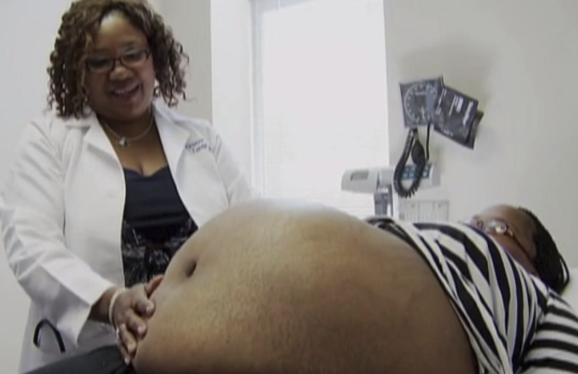
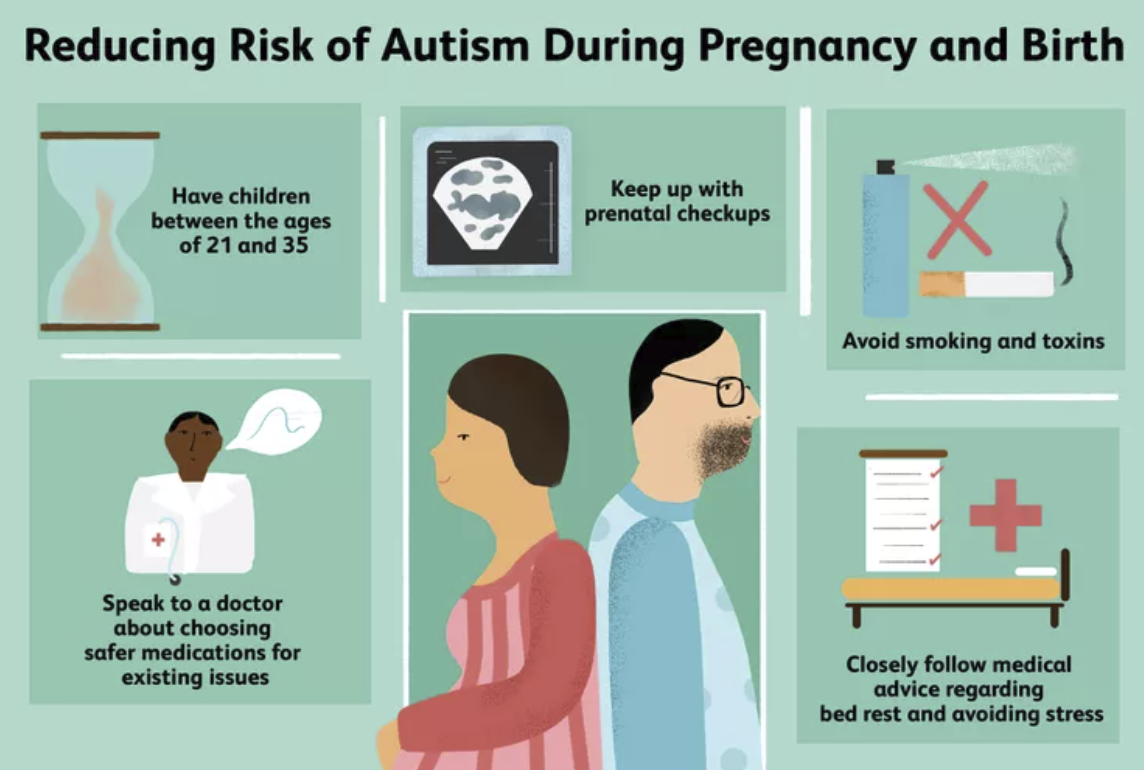
| While there is no guaranteed way to prevent Autism Spectrum Disorder (ASD), certain prenatal care practices may help reduce the risk of developing autism. Expecting mothers are encouraged to maintain a healthy lifestyle, including proper nutrition, avoiding exposure to harmful substances, and managing stress. Research also suggests that folic acid supplementation during pregnancy may lower the risk of ASD. Additionally, addressing maternal health conditions such as diabetes and infections during pregnancy can contribute to better outcomes for the child's development. Though more research is needed, these proactive steps may support healthier pregnancies and early development | 7 tips for preventing autism during pregnancy | |
The Journal of the American Medical Association Reports
January 23, 2024
| Rethinking autism: the impact of maternal risk factors on autism development | Prenatal metabolic disorders are associated with an increased prevalence of ASD and other disorders in offspring. A meta-analysis by Wan et al., for example, identified evidence of a significant association between maternal diabetes and psychiatric disorders in offspring [6]. As diabetes affects up to 15% of pregnant women worldwide [7], the role of maternal diabetes as a factor for autism development in children and offspring should be given much more attention. | |
National Library of Medicine Reports
March 20, 2021
| Prenatal Folic Acid Supplements and Offspring’s Autism Spectrum Disorder: A Meta-analysis and Meta-regression | |
We systematically reviewed the evidence on the association between maternal folic acid supplementation and the risk of offspring’s autism spectrum disorders (ASD). A total of 10 studies with 23 sub-studies (9795 ASD cases) were included. Folic acid supplementation during early pregnancy was associated with a lower risk of offspring’s ASD [OR 0.57, 95% CI 0.41–0.78]. The consumption of a daily amount of at least 400 μg folic acid from dietary sources and supplements, was associated with a reduced risk of offspring ASD [OR 0.55, 95% CI 0.36–0.83]. Critical effective maternal folic acid supplementation strategies, such as intake timing and intake dosage, may aid the reduction in the risk of offspring ASD. This meta-analysis provided new insights for the prevention of offspring’s ASD.
| | |
Science Direct Reports
June 19, 2019
| | Improving autism perinatal risk factors: A systematic review | | Several studies report that pre-gestational and gestational diabetes mellitus (GDM) in the mother is associated with ASD in the offspring [21], [22], [23], [24]. Pre-gestational diabetes may confer particular risk for ASD when it co-occurs with maternal obesity [25], [26]. Most recently, unadjusted average annual ASD incidence rates per 1000 children were 4.4 for exposure to Type 1 diabetes in the mother; 3.6 for Type 2 Diabetes; 2.9 for gestational diabetes by 26 weeks; 2.1 for gestational diabetes after 26 weeks; and 1.8 for no diabetes [27]. A longitudinal study of 1311 mother-child pairs in the US found increased odds (OR 3.13; 95% CI, 1.10–8.94) of diagnoses of developmental delay and ASD in children of mothers who were simply obese [28], after adjusting for potential causal factors. | | |
The Spectrum Reports
December 5, 2018
| | How pregnancy may shape a child’s autism | | |
The baby’s earliest environment — the womb — is critical: Because the fetal brain produces about 250,000 neurons every minute during pregnancy, experiences that interfere with that process can affect the developing brain
in lasting ways.
Studies have linked autism to a number of factors in pregnancy, among them the mother’s diet, the medicines she takes and her mental, immune and metabolic conditions, including preeclampsia (a form of high blood pressure) and gestational diabetes. Other preliminary work has implicated the quality of the air she breathes and the pesticides she is exposed to. And some research suggests that birth complications and birth timing may also play a role.
In the days immediately following conception, genes that govern brain wiring are turned on and off in a process that requires folate, or vitamin B9. Folate may be important for the building of fundamental brain structures later on, too.
Those who took supplements, especially between four weeks before and eight weeks after conception, were about 40 percent less likely to have children diagnosed with autism than those who did not take the supplements. Other studies have linked vitamin D deficiency in pregnant women with autism in their children, but the implications are unclear.
| | |
There are many causes of autism. Research suggests that autism spectrum disorder (ASD) develops from a combination of:
- Genetic influences and
- Environmental influences, including social determinants
These factors appear to increase the risk of autism and shape the type of autism that a child will develop. However, it’s important to keep in mind that increased risk is not the same as a cause. For example, some gene changes associated with autism can also be found in people who don’t have the disorder. Similarly, not everyone exposed to an environmental risk factor for autism will develop the disorder. In fact, most will not.
| | |
Conventional Methods for Treating Autism
Standard Approaches for Diagnosis, Therapy, and Support
| | Conventional methods for treating Autism Spectrum Disorder (ASD) typically involve a combination of behavioral therapies, educational support, and, in some cases, medication. Applied Behavior Analysis (ABA) is one of the most widely used therapies, focusing on reinforcing positive behaviors and reducing negative ones. Speech and occupational therapy help improve communication and daily living skills, while social skills training supports interaction with peers. Medications may be prescribed to manage symptoms such as anxiety, hyperactivity, or aggression. These methods aim to enhance independence and quality of life for individuals with autism. | |
|
National Institute of Health Reports
April 19, 2021
| What are the treatments for autism? | |
There is currently no one standard treatment for autism spectrum disorder (ASD).
But there are many ways to help minimize the symptoms and maximize abilities. People who have ASD have the best chance of using all of their abilities and skills if they receive appropriate therapies and interventions.
The most effective therapies and interventions are often different for each person. However, most people with ASD respond best to highly structured and specialized programs.1 In some cases, treatment can greatly reduce symptoms and help people with autism with daily activities.
Research shows that early diagnosis and interventions, such as during preschool or before, are more likely to have major positive effects on symptoms and later skills. Read more about early interventions for autism.
| |
National Institute of Health Reports
April 19, 2021
| Medication Treatment for Autism | |
Currently, there is no medication that can cure autism spectrum disorder (ASD) or all of its symptoms. But some medications can help treat certain symptoms associated with ASD, especially certain behaviors.
NICHD does not endorse or support the use of any medications not approved by the U.S. Food and Drug Administration (FDA) for treating symptoms of autism or other conditions.
Healthcare providers often use medications to deal with a specific behavior, such as to reduce self-injury or aggression. Minimizing a symptom allows the person with autism to focus on other things, including learning and communication. Research shows that medication is most effective when used in combination with behavioral therapies.1
The FDA has approved the use of some antipsychotic drugs, such as risperidone and aripripazole, for treating irritability associated with ASD in children between certain ages.2 Parents should talk with their child's healthcare providers about any medications for children with ASD.
| Treatment and Intervention for Autism Spectrum Disorder |
- Current treatments for autism spectrum disorder (ASD) seek to reduce symptoms that interfere with daily functioning and quality of life.
- Treatments can be given in education, health, community, or home settings, or a combination of settings.
- As individuals with ASD leave high school and grow into adulthood, additional services can help improve health and daily functioning, and facilitate social and community engagement.
| |
Conservative Approaches to Autism
Exploring Natural and Complementary Treatments for Support and Wellness
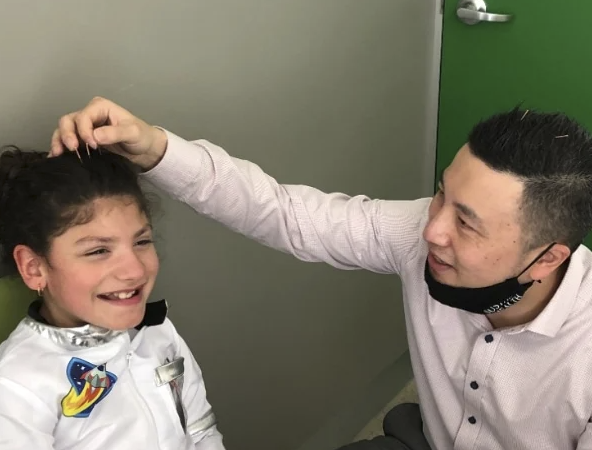
| Conservative treatments for autism focus on natural and complementary approaches to support individuals with Autism Spectrum Disorder (ASD). These may include therapies like acupuncture, naturopathic medicine, and dietary interventions aimed at improving overall health and wellness. While not a cure, these treatments can help address symptoms such as anxiety, behavioral issues, and sensory sensitivities. By working alongside traditional therapies, these holistic approaches aim to enhance the quality of life and support the development of individuals with autism in a more balanced, integrative way. | |
Richmond Natural Medicine Reports
April 13, 202
| The Naturopathic Approach to Autism | The gut/brain connection is critical to behavioral functioning, overall immunity, and absorption of key nutrients. Your Naturopathic Doctor will thoroughly examine your immune history, any current or past allergies, and your general daily diet and make suggestions that may be necessary nutritional precursors. This can include pre-or probiotics or immune support to enhance gut microbiome functioning. They may recommend testing to note if there are any micronutrient deficiencies or if there may be suspected dysbiosis of the gut. Overall, reduction of any inflammatory or allergic inputs can be extremely helpful. | |
National Institute of Health Reports
May 15, 2015
| | Scalp acupuncture treatment for children's autism spectrum disorders | | |
Fourteen trials with 968 participants were conducted and 11 of the trials were suitable for meta-analysis. Compared with behavioral and educational interventions, Scalp Acupuncture Therapy (SAT) significantly decreased the overall Childhood Autism Rating Scale (CARS) scores for children under 3 years old.
| |
Springer Nature Reports
July 8, 2024
| Complementary and Alternative Medicine for Autism – A Systematic Review | Complementary and Alternative Medicine (CAM) is a therapeutic option currently used by autistic people with continued interest and uptake. There remains limited evidence regarding the efficacy of CAM use in autism. The aim of this systematic review is to comprehensively review published clinical trials to explore the efficacy of CAM in autism. A systematic literature review of available research published from June 2013 to March 2023 was conducted. Our literature search identified 1826 eligible citations, and duplications removed (n = 694) with 102 articles eligible for title/abstract screening. After full text review, 39 studies were included. The results of this systematic review identified that for autistic people, vitamin and mineral supplements may only be of benefit if there is a deficiency. The results also found that the main interventions used were dietary interventions and nutraceuticals, including targeted supplements, vitamins and minerals, omega 3 s and prebiotics, probiotics and digestive enzymes. The evidence does not support some of the most frequently utilised dietary interventions, such as a Gluten Free Casein Free (GFCF) diet, and the use of targeted nutraceutical supplements may be of benefit, but more conclusive research is still required to direct safe and effective treatment. | | Click Images Below to Discover Important Resources for Autism | |
Rep. Ford's Daily Job Leads | |
Click below to view job highlights
of the week
| | | | |