Design Landscapes for Durability

Installation begins, weather tests assumptions, and the true strength of a project starts to reveal itself. In restoration and landscape work, durability isn't accidental—it's designed.


From resilient root systems to diverse native plant communities that support pollinators and wildlife, the right plant material—grown with strong roots and living soil biology—creates landscapes built to thrive for decades.


Landscapes designed with strong roots and diverse native species don’t just establish—they continue improving over time. Let's explore how root establishment, plant quality, weather resilience, and pollinator-supporting species work together to create landscapes that get stronger with age. Whether installing large-scale restoration projects or refining urban landscapes, resilience begins below ground—and grows over time.

Explore available species, project-ready stock and planning resources:

The Power Pair That Feeds the Food Web

Field Insight: Keystone trees and nectar plants work together to sustain entire ecological food webs.


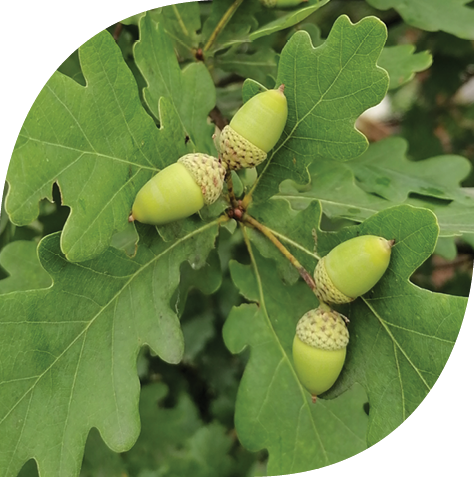
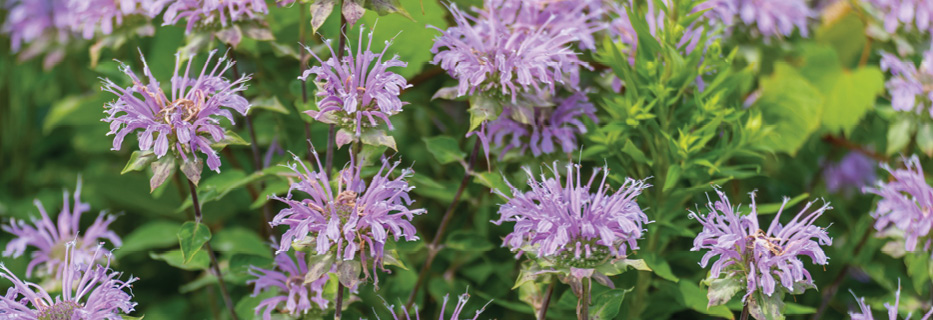
Healthy landscapes are built on relationships between plants and wildlife. Few combinations

illustrate this better than White Oak and Wild Bergamot.

White Oak is one of North America’s most important keystone trees, supporting hundreds of caterpillar and insect species that feed birds and other wildlife.


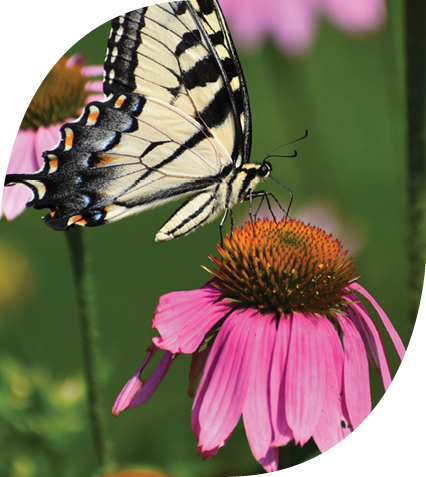
Wild Bergamot complements this role by providing abundant nectar and pollen for native bees, butterflies, and hummingbirds during peak summer pollinator activity.

Together, these species demonstrate how canopy trees and flowering perennials work in partnership to sustain pollinators, birds, and the broader ecological food web.

Check current availability of White Oak (available in #3, #5, #7, and #10 containers) and Wild Bergamot (available in #1 containers)

From Survival to Thriving: Why Root Systems Matter in the First 60 Days

Field Insight: Projects succeed when plants move quickly beyond transplant shock and into active root growth.

Installation is only the starting line. The first 60 days after planting determine whether a project simply survives—or truly establishes. Proper planting depth, firm root-to-soil contact, and watering practices that encourage deep root development all influence early success.


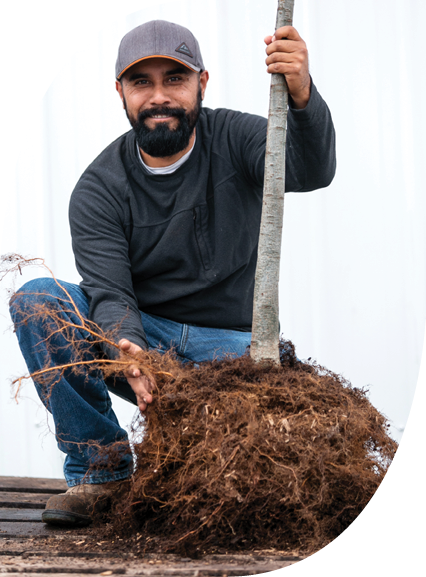
Root system quality plays a major role in how quickly plants move beyond transplant shock. Forrest Keeling’s RPM-produced container stock develops dense, fibrous root systems that establish rapidly, helping plants transition from vulnerability to vigorous growth.

These extensive root masses support unsurpassed survivability, earlier regeneration, and faster growth throughout the life of the plant. This 15-gallon oak pictured is only 3 years old! View available RPM container stock for spring installation.

Field Insight: Native plants are adapted to weather swings—but root quality determines how quickly they recover.


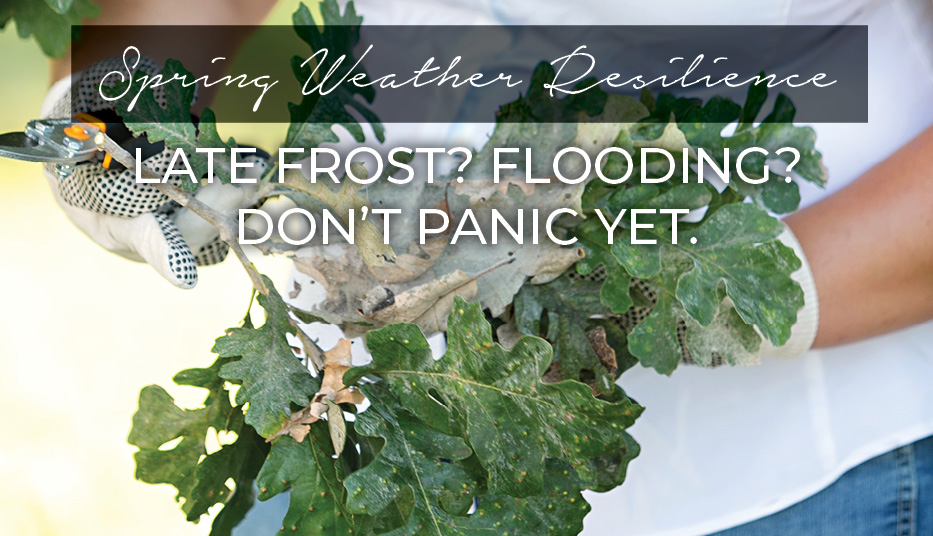
Midwestern spring rarely follows a script. Warm temperatures can quickly give way to frost warnings or heavy rainfall. Before assuming plant loss, it’s important to understand how native species respond to environmental swings.


Temporary leaf damage doesn’t necessarily signal long-term decline, and short-term soil saturation is very different from chronic poor drainage. In many cases, patience—not replacement—is the right response.


Forrest Keeling’s RPM-produced container plants are grown in proprietary living soil media rich in beneficial microbiota, supporting improved nutrient uptake, moisture retention, and faster recovery after spring stress.


Learn more about RPM production and contact us to place spring orders.

Pollinator Plantings That Actually Function in Real Landscapes

Field Insight: Pollinators thrive when landscapes combine native diversity, seasonal bloom, and keystone species.

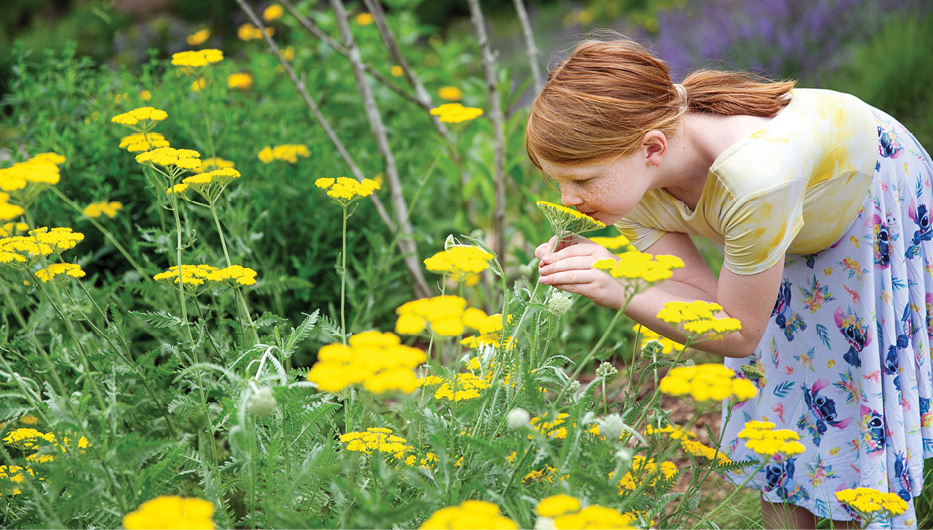
Supporting pollinators requires more than scattered flowering plants. Functional habitat depends on diversity, bloom succession, and strong native plant representation across the landscape.


At Forrest Keeling Nursery, Native is Our Brand. We grow nearly 400 native species—many of which provide essential nectar, pollen, and habitat for pollinators and beneficial insects.

Keystone trees such as oaks anchor these systems by supporting hundreds of insect species, while flowering natives like Wild Bergamot (Monarda fistulosa) provide nectar and pollen during peak summer pollinator activity. Explore native species for biodiverse landscapes.

Fall Field Day 2026 Spotlight

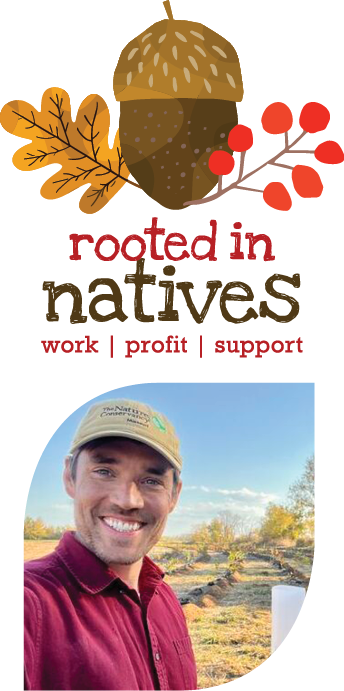
Zack Miller — Native Systems That Stick

Field Insight: Restoration success depends on plant quality, site alignment, and systems designed to improve with age.


Zack Miller of The Nature Conservancy will explore why some restoration projects continue to improve over time while others stall after installation.


Drawing from large-scale Missouri bottomland restoration projects—including plantings featuring RPM-produced pecan trees—he will discuss how plant quality, root systems, and ecological design influence long-term durability.

Forrest Keeling Nursery (FKNursery.com) is the leading producer of native plants in North America. With over seventy-five years dedicated to environmental stewardship, Forrest Keeling’s innovative technology and meticulous attention to superior plant provenance make it exceptionally equipped to provide premium native plant materials for any project. 

WHOLESALE HOURS OF OPERATION

Monday-Friday: 7:30 am - 4:00 pm

Saturday: 8:00 am - 12:00 pm

Sunday: Closed

(800) 356-2401 | info@fknursery.com | Received from a friend? Subscribe Now!

Facebook  LinkedIn  YouTube
LinkedIn Share This Email