|
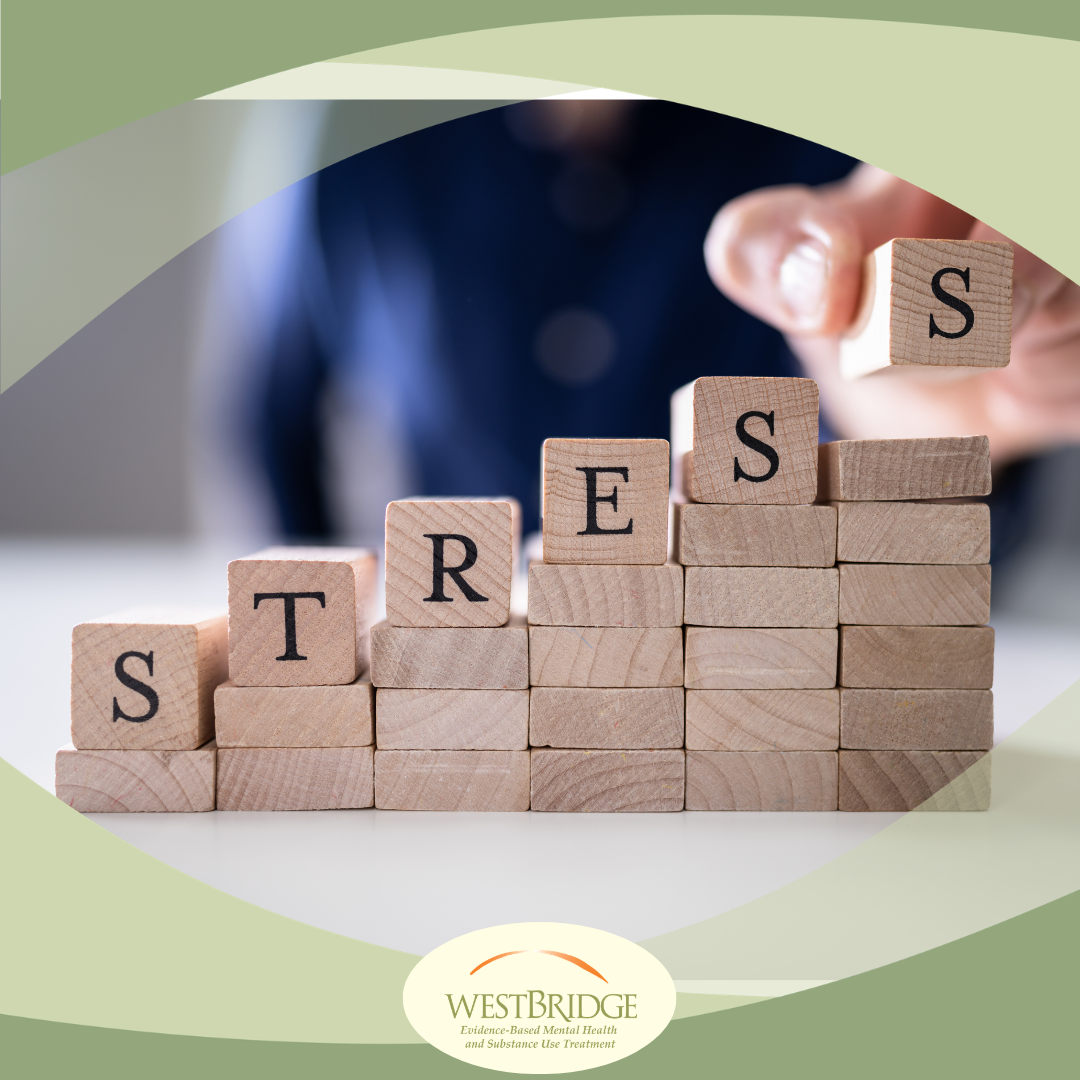
Stress is something nearly everyone experiences, yet many people underestimate how deeply it affects both the body and mind. Research from organizations such as the National Institute of Mental Health, American Psychological Association, Harvard Medical School, and Mayo Clinic highlights several surprising and important insights about stress and health.
One of the most important observations is that stress itself is not always harmful. In small doses, it can actually be useful. Stress is the body’s natural response to challenges or demands, and a small amount can motivate people to meet deadlines, solve problems, or react quickly in dangerous situations. The problem arises when stress becomes constant and the body’s stress response never fully shuts off.
When a stressful situation occurs, the body activates what scientists call the “fight-or-flight” response. Hormones such as adrenaline and cortisol are released, increasing heart rate, breathing, and alertness so the body can respond to a perceived threat. This system is designed for short bursts of activity, but when the system stays activated for long periods, it begins to strain many parts in the body.
Researchers emphasize how many different parts of the body stress affects. According to the American Psychological Association, stress can influence nearly every major body system, including the musculoskeletal, cardiovascular, respiratory, endocrine, digestive, and nervous systems. This explains why stress can show up in many physical ways that people might not immediately connect to mental health.
Stress symptoms may include headaches, muscle tension, fatigue, trouble sleeping, irritability, or difficulty concentrating for example. It can also influence behavior, leading to overeating, social withdrawal, or increased use of alcohol or other substances as coping mechanisms. Because these symptoms affect both physical health and daily habits, stress often impacts overall well-being more than people realize.
Another important insight from stress research is the difference between short-term stress and chronic stress. Short-term stress typically goes away once a challenge passes. Chronic stress, however, can last for weeks or months and can be a result of ongoing problems such as financial worries, workplace pressure, or relationship conflict.
Over time, this continuous strain can take a measurable toll on health.
Studies have linked chronic stress to increased risk of high blood pressure, heart disease, obesity, diabetes, anxiety, and depression. Long-term exposure to stress hormones can also affect the brain, potentially contributing to changes that influence mood, memory, and emotional regulation.
Another key point highlighted by mental health researchers is that stress and anxiety are related but not identical. Stress is usually triggered by an external cause, such as a difficult project or a conflict and again often goes away once the situation is resolved. Anxiety may remain even when no clear external threat remains. Understanding this difference can help people recognize when everyday stress may be turning into something that requires additional support.
Stress can often be managed through relatively simple lifestyle practices. Most people are familiar with what mental health experts frequently recommend. Strategies such as maintaining regular sleep, exercising, spending time with supportive friends or family, and practicing relaxation techniques, but the harder part is putting it into practice. Identifying stress triggers to start with can make a significant difference and often that is the first step.
Sometimes it's as simple as learning how to create better habits first so that when stress occurs, you can identify it and practice the new strategy immediately. Over time, the stress response will lessen or possibly even disappear with this new habit. An example is that you get stressed by a particular family member coming to visit. Instead of taking a drink of alcohol, you instead create the habit of having a cup of chamomile tea and then going for a short walk prior to the family visit. Small habits are the easiest to create and the easiest to keep and maintain.
Book suggestion contributed by a WestBridge Staff Member
"One of my favorites tools is a book by James Clear called Atomic Habits. He also has a very helpful weekly newsletter with tips on creating and keeping better habits."
|